
PLK Mrs. Ma Kam Ming-Cheung Fook Sien CollegePrincipal Joanna Yuk King OrUnderstand that students have different levels of English, so we actively use different methods to provide students with more opportunities to be exposed to English, listen more, speak more, and use more. To this end, the school has established the "Language Across the Curriculum Committee" to integrate English learning and interdisciplinary knowledge, allowing English learning to penetrate into subjects such as mathematics, science, geography, and social economics, and complement each other to broaden the English context, help students integrate knowledge, and improve their English application abilities.
Collaborative teaching connects various subjects and applies what is learned in the interdisciplinary model
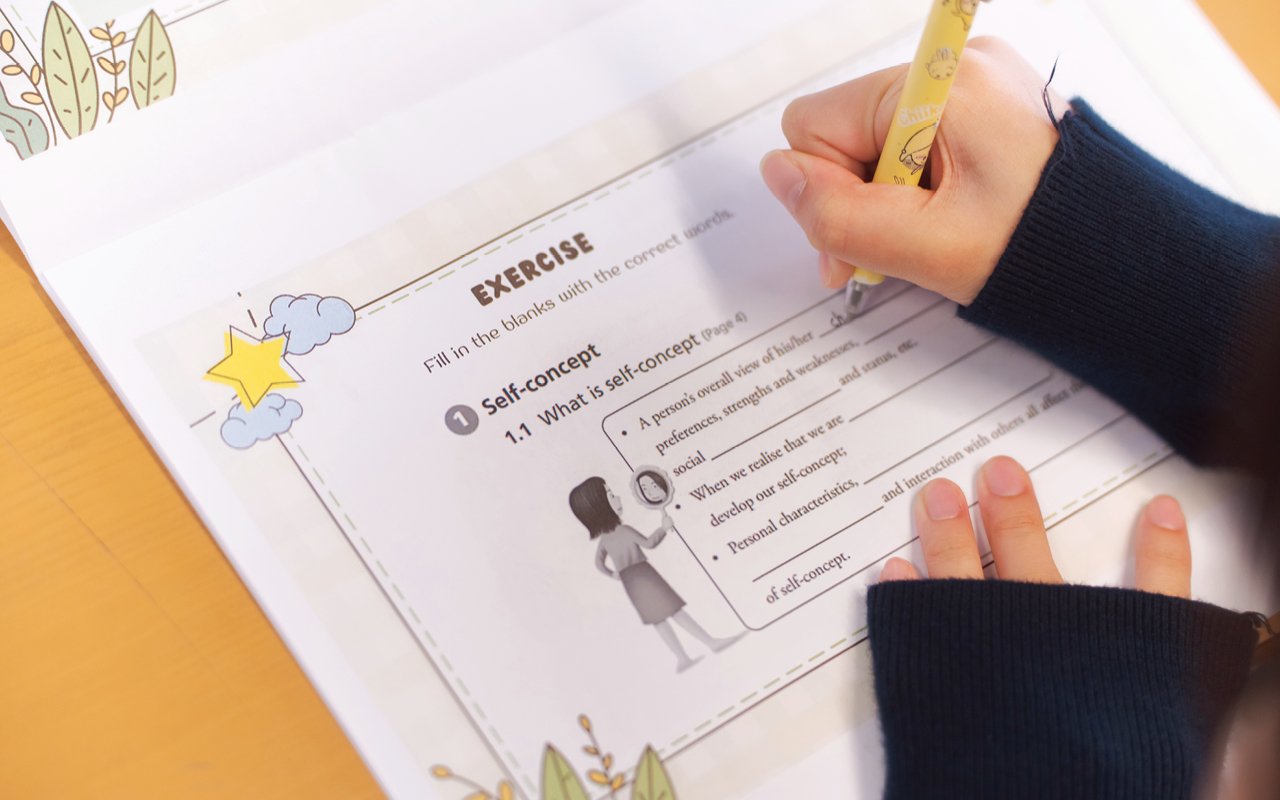
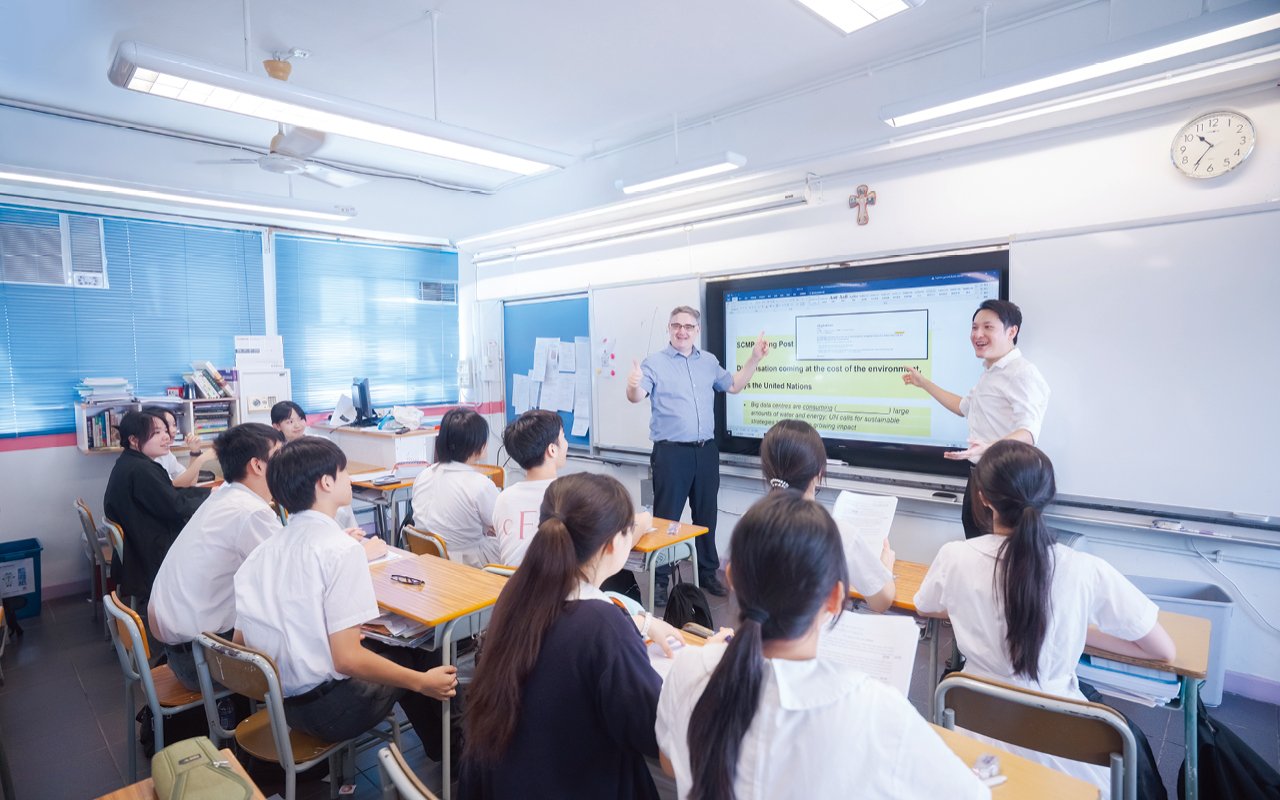
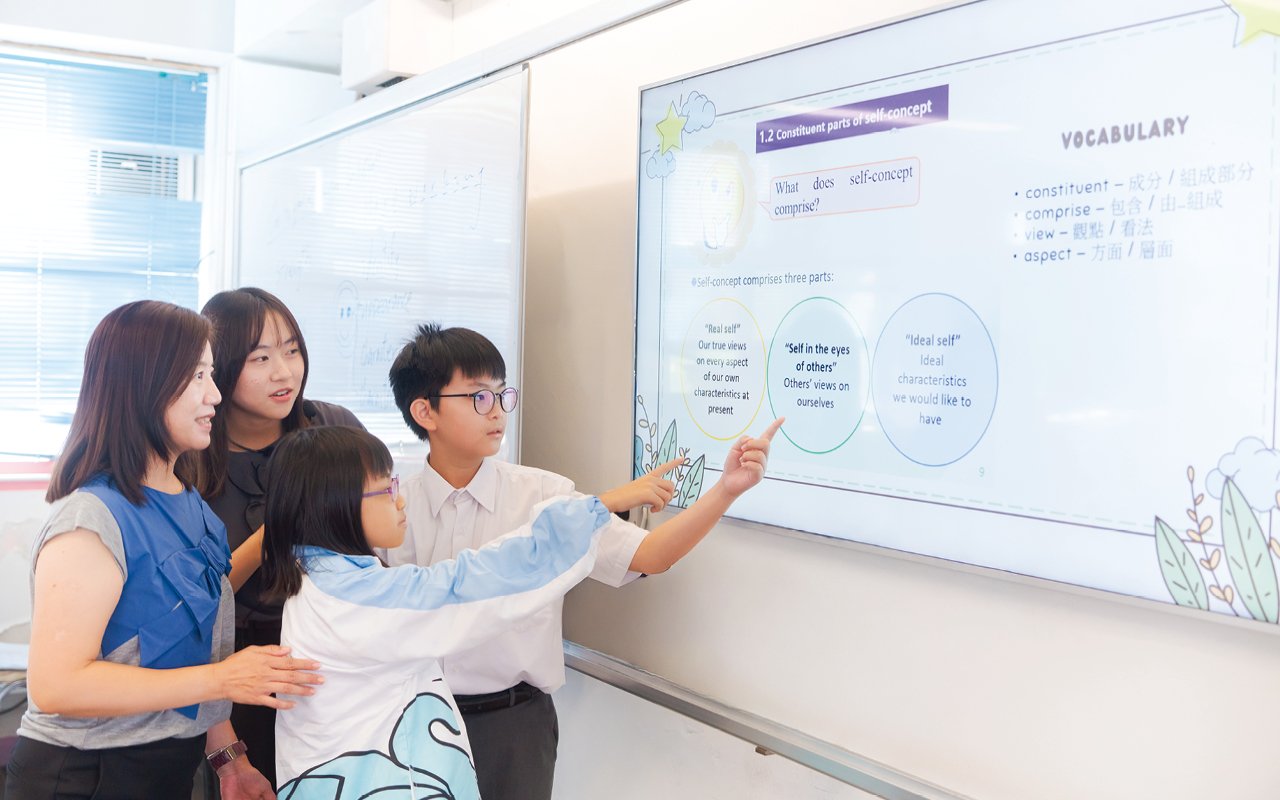
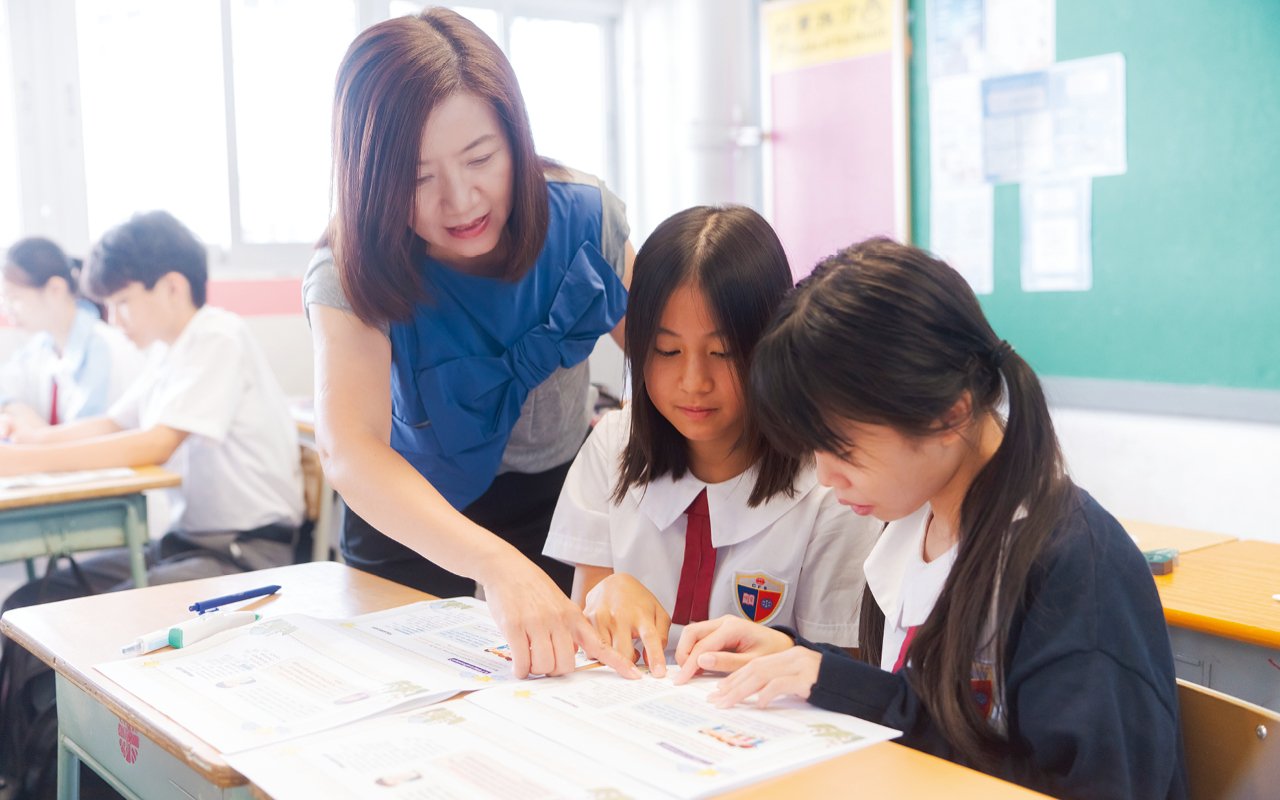
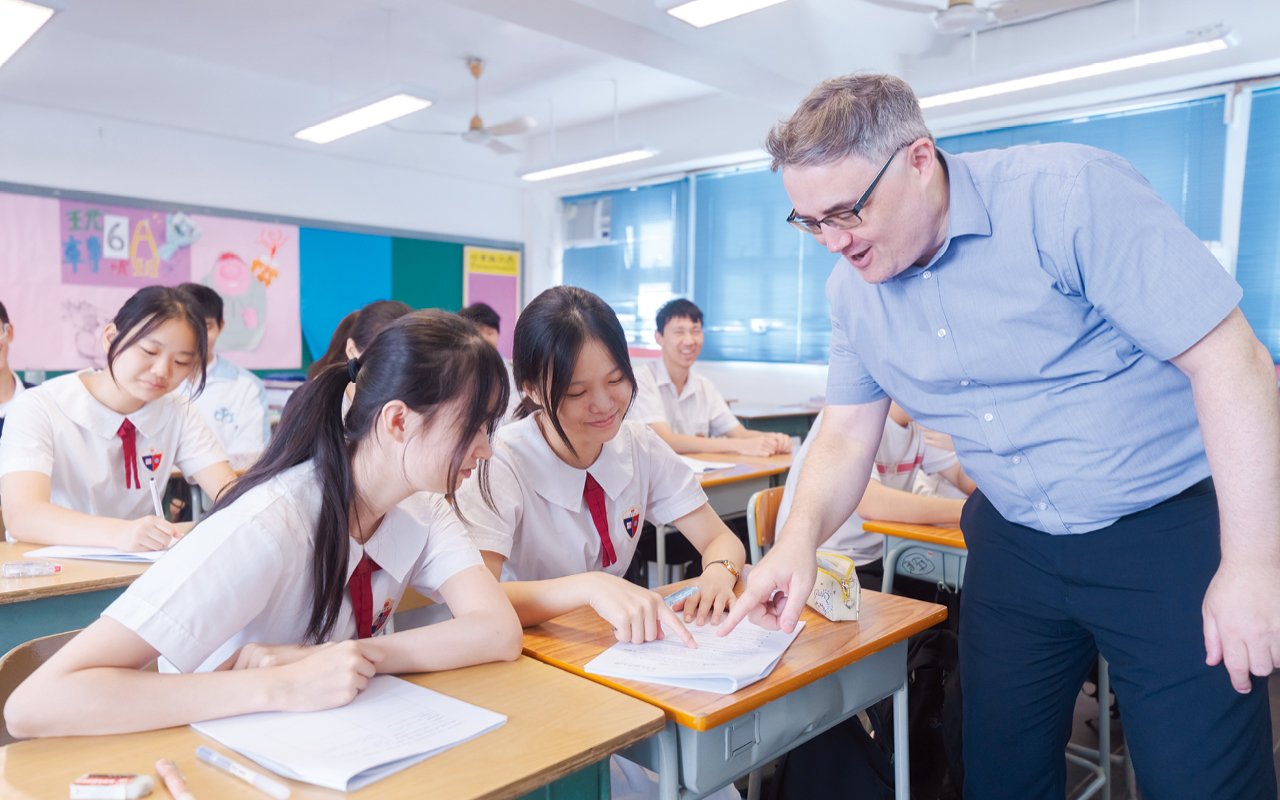
In the classroom, English teachers and subject teachers use a collaborative teaching model to implement cross-curricular English teaching (LAC), jointly select topics suitable for teaching in English, design teaching materials, and plan courses. In terms of teaching, subject teachers are responsible for teaching subject knowledge, while English teachers provide guidance on relevant English sentence structures, grammar and expression skills, integrating English into the subject context, and cultivating students' ability to use English to interpret and express subject knowledge to connect with university courses.
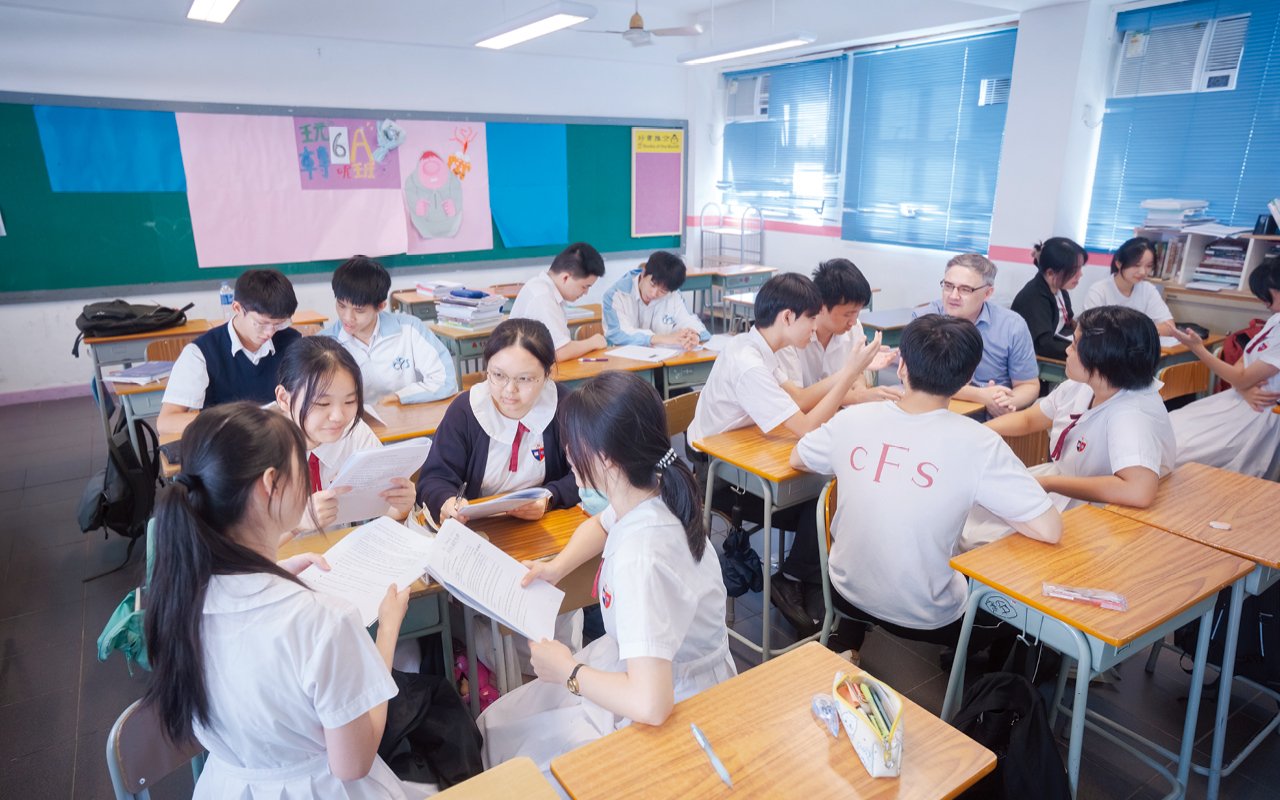
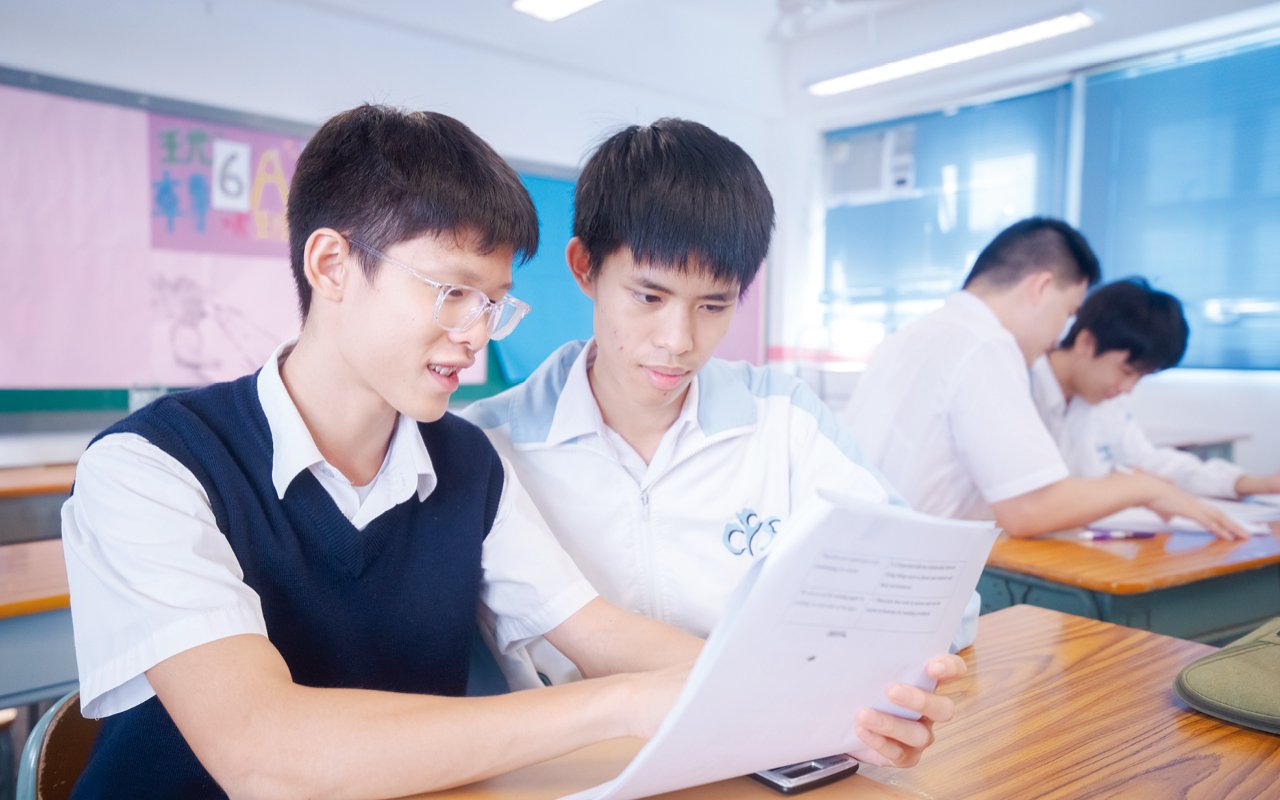
The course design takes project learning as the core, through dealing with real-life situational topics, conducting interdisciplinary exploration and cooperation, and completing designated tasks and tests. For example, students at Form 1 use directive sentences to create English class rules posters; students at Form 3 understand natural disasters, infectious diseases and other topics and write English plans to solve problems. Students have a deep understanding of the intrinsic connections between various subjects, and can improve their English proficiency through application and apply what they have learned.
English combines subject knowledge to improve learning flexibility
LAC courses correspond to the key points of learning in English, ensuring a deep fit between English and subject knowledge. For example, when teaching photosynthesis in the secondary school science subject, English conditional sentences are included in the teaching, so that students can not only understand scientific theories, but also use this English sentence structure to express scientific facts. This organic combination not only allows students to practice English in real subject scenarios, but also provides additional ways to consolidate English learning through LAC, making learning more flexible. Principal Joanna Yuk King Or pointed out: "LAC allows students to understand the English knowledge that needs to be used in different subjects, so that they can gain knowledge in English vocabulary, grammar and style, etc., fully broadening the context of English use; at the same time, it has career planning significance and prepares them for university courses."
Interdisciplinary Overseas Activities Relying on the Motherland and Connecting the World
In order to help students establish an international perspective and improve their cross-cultural communication skills, the school implements LAC overseas exchange activities, which organically combines English learning, national education and Chinese culture. For example, the Secondary 3 Public Economics and Social Sciences led students to visit the Silk Road to explore the evolution of ancient and modern trade and China's role in global trade; in conjunction with the topics of "water resources" and "water pollution", they investigated the source of the Dongjiang water and learned about the use and distribution of water resources in China.
A series of cross-disciplinary overseas activities not only promote the interconnection between English learning, subject knowledge and national education, but also help students expand their knowledge and knowledge, establish their identity as global citizens and Chinese citizens, and achieve "backing the motherland, connecting the world." After returning to school, the school will also arrange for students to communicate, share, and report in English. This will not only improve their ability to use English, but also train their ability to think carefully and judge clearly. The school hopes to start with different subjects so that students can have more opportunities to learn and use English and avoid being afraid to speak due to lack of confidence.
Break through the boundaries of English learning and explore different fields
The school breaks through the subject boundaries of English learning. LAC selects appropriate topics among subjects such as mathematics, science, geography, and social economics to explore different fields in English. The curriculum focuses on the interconnection of disciplines. It does not randomly select a single subject topic, but considers the interoperability of knowledge from different disciplines so that knowledge can be applied across fields. For example, when mathematics subjects teach various measurement units, these units can also be used in science subjects, using English as a connecting tool to help students master both mathematical units and English expressions in the scientific field.
When the geography subject discusses water resources and water pollution, students are also required to interpret relevant statistical charts and write English reports in English; the public economics and social subjects guide students to use English to simulate solutions to social problems. Through the "Learning Language, Learning Knowledge While Learning" model, on the one hand, it strengthens students' ability to use English and helps them master language skills; on the other hand, it uses English as an exploration tool to flexibly apply and integrate subject knowledge in different situations, laying a solid foundation for future exposure to broader learning areas.
Adapt to adaptability and cater for learning differences
Students have different English abilities, and cross-curricular English teaching also needs to take into account the learning differences of classmates. For classes with better English proficiency, the school will allow students to use English more to learn different subjects; for classes with room for improvement, cross-curricular English learning courses will be adjusted according to the situation, with the goal of broadening students' English context and helping them expand their vocabulary and master grammar and sentence patterns.
The academic affairs team will also coordinate after-school supplementary courses for top-notch students. For students with better English proficiency, top-notch classes will be set up to carry out additional learning; for students whose scores are hovering around the passing line, supplementary classes will be set up to strengthen their foundation. In addition, for secondary one freshmen, the school will also arrange English bridging courses, and even arrange English improvement classes or advanced classes according to the abilities of different students, ensuring that students of different levels and stages can receive appropriate support in their English learning.
Technology-assisted English learning to construct personalized learning
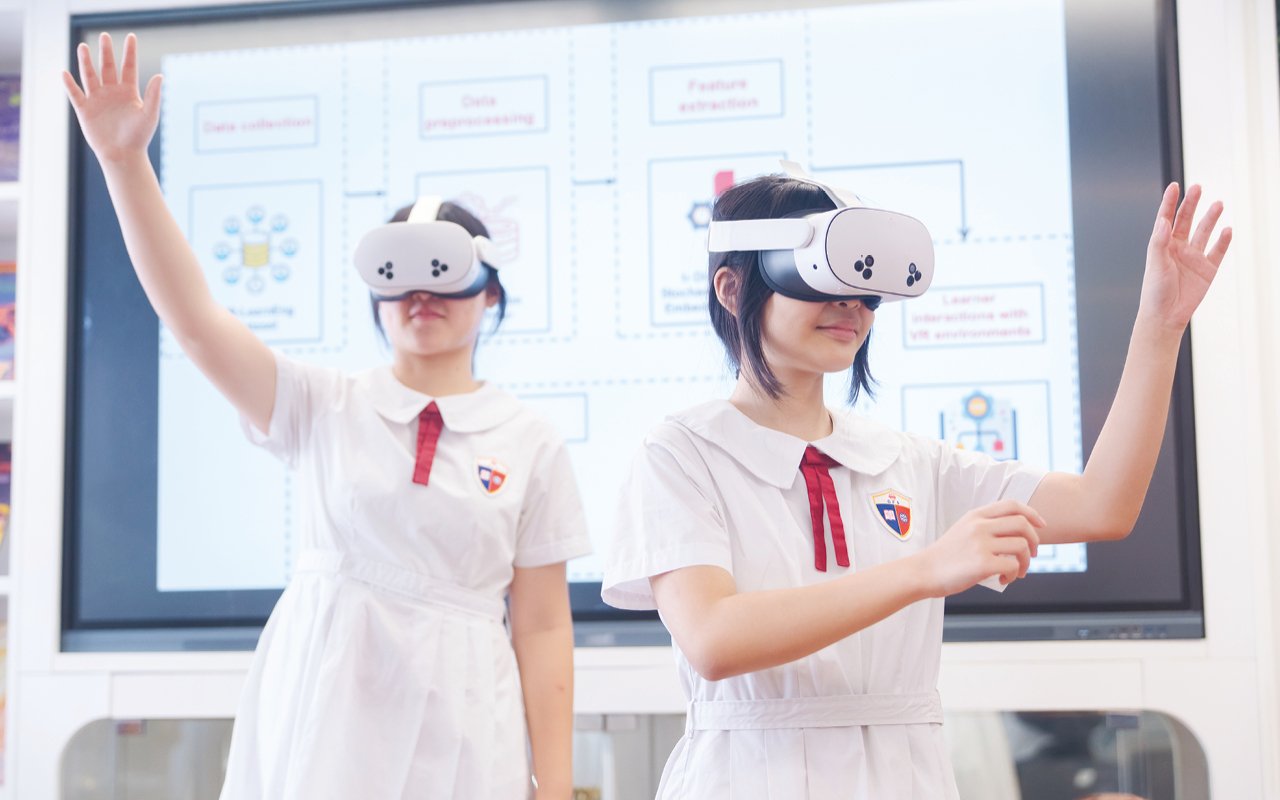
Considering the importance of technology in promoting learning, the school cooperated with the Hong Kong University of Science and Technology to introduce an AI English learning platform to assist English teaching with technology. Students can complete English exercises and activities through the platform, and receive real-time feedback from the system to provide improvement suggestions. This not only extends learning time until after class, but also enhances learning autonomy and establishes independent learning habits. The platform will also record each student's data, allowing teachers to continuously review students' progress and learning needs, so as to make timely targeted supplements and construct personalized learning. In addition, the school has also introduced VR tools to allow students to practice English according to different topics and help students in need adapt to the environment change.
Create rich context and promote English communication
The school actively constructs an English context and creates English communication opportunities for students through regular on-campus activities and diverse off-campus learning experiences. There is a permanent English Corner in the school, equipped with listening and speaking training equipment. Foreign teachers will be on-site to provide guidance during recess, lunch and after school, so that students can communicate effectively in English. In response to the oral test needs of Form 3 TSA and Form 6 DSE candidates, foreign teachers will also conduct English conversation group training. The school also regularly holds English weeks, integrating English links into morning and weekly meetings, and encouraging students to communicate with foreign teachers in English on a daily basis.
Outside the campus, the school will also arrange exchange groups for students. Earlier during the summer vacation, an eight-day exchange tour to the UK was held. The team is accompanied by an Irish foreign teacher, which not only allows students to immerse themselves in the natural English context and listen and speak more, but also plays the role of a small team leader, introducing local culture and customs, allowing students to broaden their horizons and establish an international perspective. After returning to school, the students who participated in the group served as "English Ambassadors" and carried out training and activities in the English Corner to cultivate their confidence and interest in English and inspire other students.
Principal Joanna Yuk King OrAdditionally, students participating in the tour must pass interviews and written tests to qualify for participation, which also forms a driving force for students' progress. In addition, the school also organizes students to participate in regional English storytelling competitions, essay competitions, and activities such as "English! WeCan" and "Inter-school Recitation Festival" to transform communication training into practical results, help students accumulate confidence and a sense of success, and further improve their English communication skills.
Innovative LAC teaching, interdisciplinary complementation, broadening the English context
Caritas Fanling Chan Chun Ha Secondary School · 2025年12月
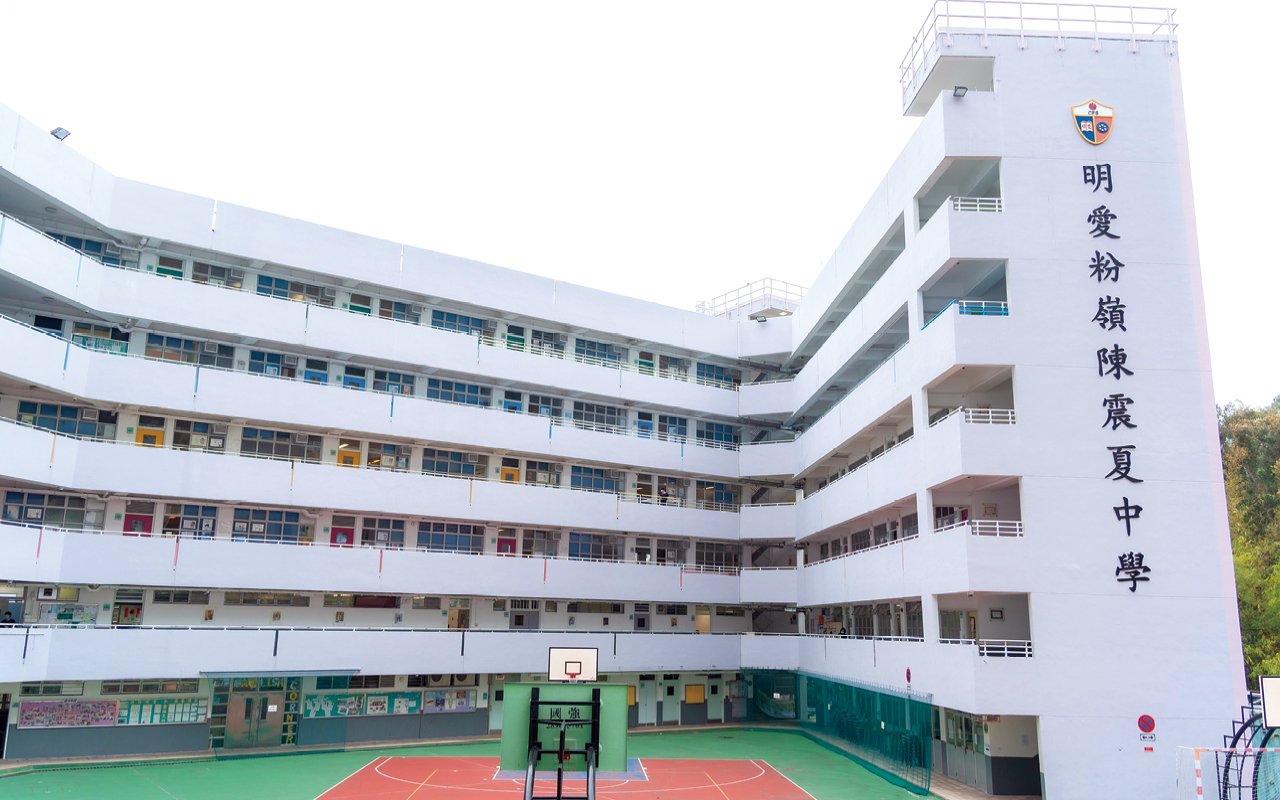
School building appearance

This English version is translated by AI. If there are inaccuracies or omissions, please refer to the original Chinese text.