
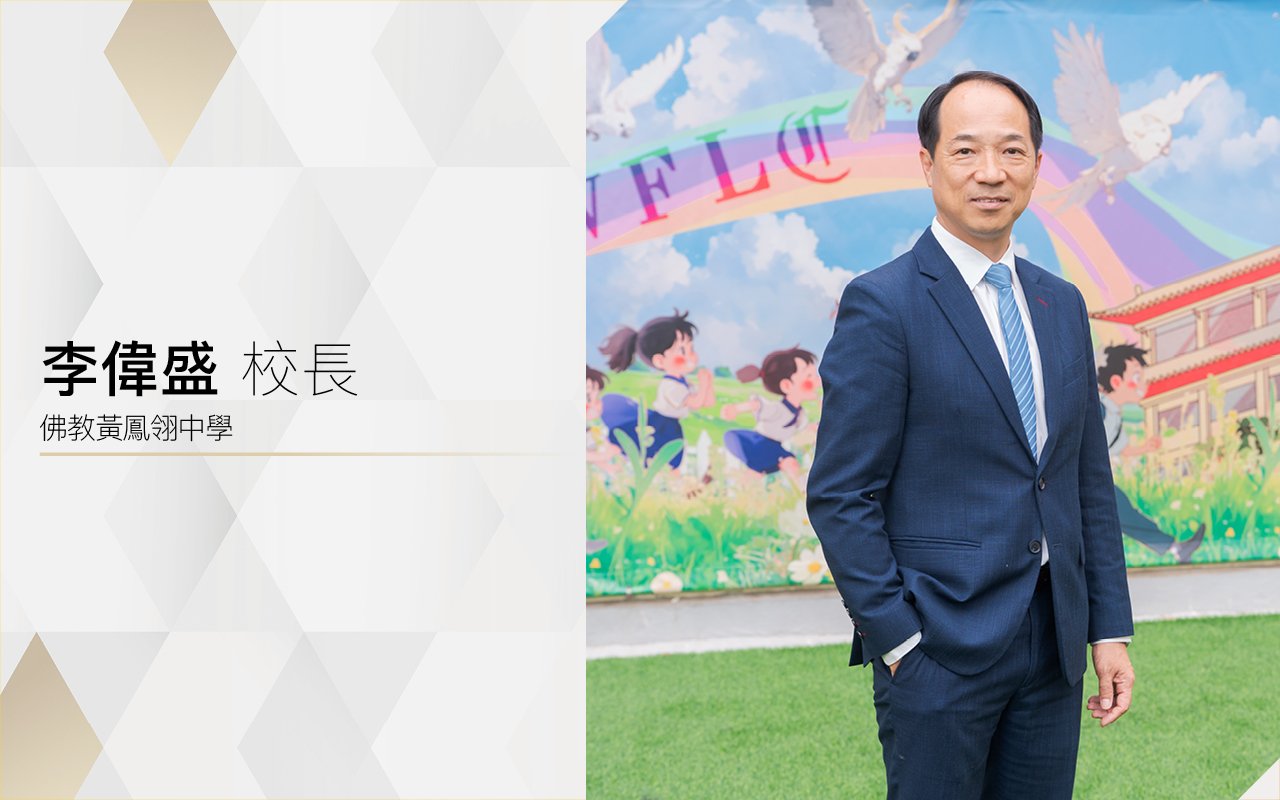
Buddhist Wong Fung Ling College implements the concept of "live learning and application" in English teaching and builds a three-dimensional English teaching system covering classroom teaching, extracurricular practice, value guidance and international experience, allowing English learning to go beyond the classroom and integrate into all dimensions of campus life, helping students improve their language skills and core competencies. Principal Lee Wai ShingIt is expected that students can master English proficiently, achieve excellent academic results, and be able to use English flexibly in daily communication and cross-cultural interactions, and become outstanding talents with international vision, good moral character and solid abilities.
Learn by Heart Lay the foundation for English learning
The school's school-based curriculum is designed around English learning. Each grade has a special textbook, which compiles six to eight key articles and corresponding essay topics to help students lay a solid foundation in language. It is hoped that they will dare to speak and try, and accumulate more English proverbs. The school incorporates the concept of "Learn by Heart" throughout, with students learning articles through interactive methods. There is also a "ReadAthon" session, combined with independent learning (SALL), allowing students to read articles together during lunch time and receive feedback on their learning. This process not only allows students to transition from reading to writing and expand their vocabulary, but also cultivates independent learning habits, paving the way for lifelong learning of English.
Whole-school teaching model deeply connects various English subjects
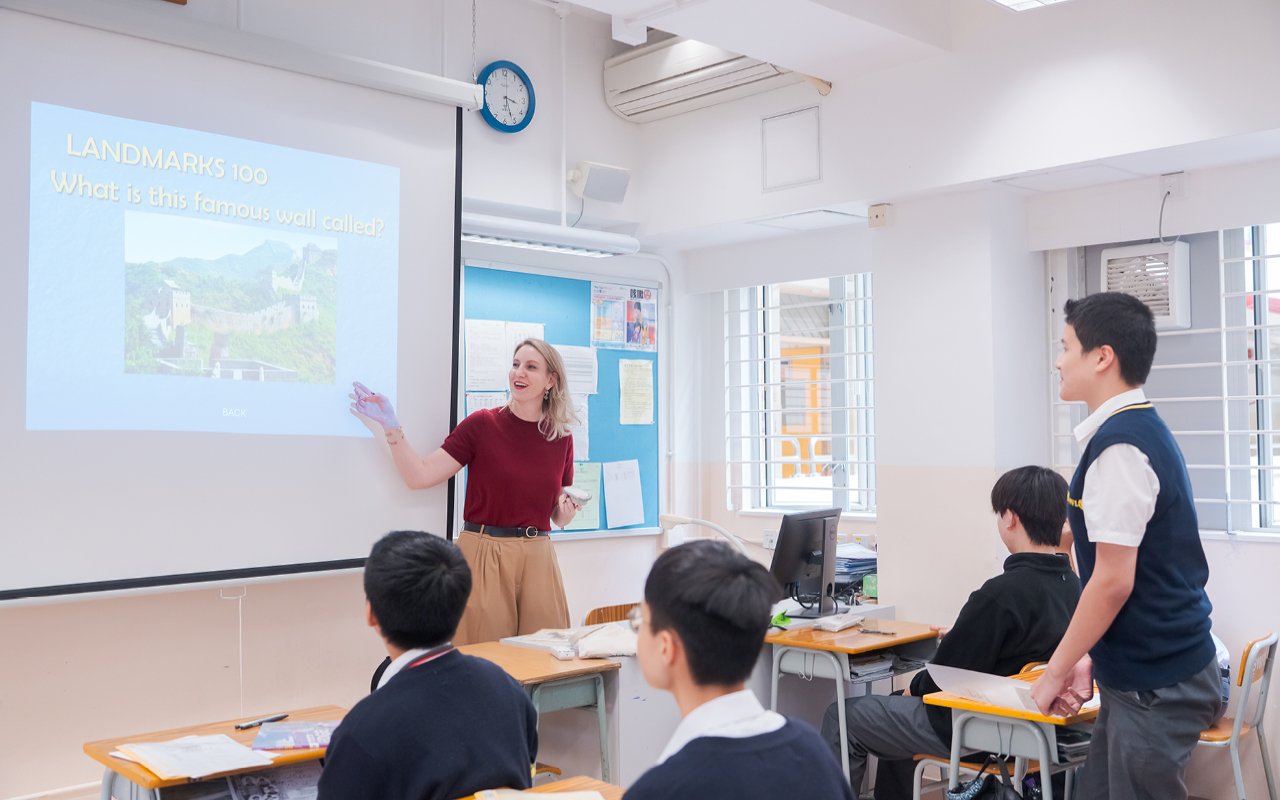
The school attaches great importance to the teaching model of whole-school participation, emphasizes the in-depth connection between English and other subjects, and carries out various teaching activities with thematic teaching as the core. In classroom teaching, teachers of each subject teach relevant English vocabulary based on the subject content; during morning reading time, students will practice reading through special worksheets; during the morning meeting, there is a NET Chat session, where foreign English teachers will explain common words around topics in different subjects and encourage students to communicate boldly. After class, students can not only review the vocabulary they have learned on the online platform, but relevant content will also be posted on the bulletin board of each class to remind everyone to consolidate their memory. Every May, the school also holds an English Week activity, in which all subjects participate together and design the themes and vocabulary learned throughout the year into interactive games, allowing students to apply the knowledge they have learned in a relaxed atmosphere and strengthen their memory.
Interdisciplinary collaborative teaching and subtle application of English
The school carries out refined collaborative teaching based on the teaching priorities of different grades. At the secondary level, the English subject is linked to the science subject. The English subject specializes in teaching imperative sentences, step-like vocabulary and sentence patterns, which echo the expressions of operational steps required for scientific experiments; the mathematics subject combines knowledge such as quantifiers and shapes to carry out corresponding English teaching. At Form 3, the English and Biology subjects collaborate around the theme of "Food and Nutrition". The English subject teaches relevant vocabulary and sentence structures, while the Biology subject focuses on explaining healthy lifestyles, allowing students to use English flexibly in interdisciplinary scenarios. This kind of curriculum integration not only enriches the application scenarios of English, but also helps students to subtly consolidate vocabulary and sentence structures, achieving the effect of "practice brings true knowledge".
Broaden international horizons and deepen communication skills
In order to broaden students' international horizons and deepen their English application, the school also organizes overseas study tours. This year, more than ten students visited Australia. Not only did they experience the local culture, visit Monash University and feel the university campus atmosphere, they also visited the Chinese Consulate to learn about the activities of the local Chinese community, and participated in service learning projects such as visiting homeless people. During the process, students deeply realized the importance of English in cross-cultural communication, and also enhanced their sense of social responsibility in service. Next, the school plans to organize students to go to Malaysia to visit schools, carry out service learning, experience local life and other activities. It will continue to run through the concepts of cultural experience, service learning and value cultivation to help students improve their English skills and build a sound personality in a broader world.
Integrating English into value education to achieve the integration of knowledge, emotion and action
Principal Lee Wai Shing believes that English is not only a test tool, but also a bridge of communication. This concept is fully reflected in the daily communication between non-Chinese speaking students and their classmates and their communication with teachers. At the same time, the school focuses on integrating value cultivation into English teaching and guides students to learn gratitude and filial piety through practical activities such as letter writing. In English classes, the school teaches students to write letters of gratitude to primary school teachers, parents, grandparents and other relatives and teachers. During the writing process, students not only mastered the letter format and related vocabulary, but were also able to recall warm stories with their subjects, arouse inner emotional resonance, and transform the concept of "filial piety and respect for teachers" into practical actions to achieve the integration of knowledge, emotion, and action.
Immersive English context, vivid application of English in daily life
The school integrates English learning into all aspects of campus life. Through rich and diverse activities and course design, it creates an immersive English context for students and helps them comprehensively improve their English abilities. The English posters that can be seen everywhere on campus and the discussion of potential English misunderstandings in daily communication have become a subtle window for students to access English. The campus TV station is also the core position, launching multiple English broadcast programs such as One Minute English, Happy English Time, English Express, etc., to display English in a vivid form and connect it to daily use. When students listen to English songs, they will also be guided to pay attention to the meaning behind the lyrics.
In addition, the NET Chat led by foreign teachers will combine subject themes and introduce relevant knowledge in English. The school has also adopted a three-year plan to integrate words from different subjects and fields into the whole school broadcast. English Corner Express will be launched later to consolidate knowledge and encourage students to share their gains, engage in dialogue and exchanges, and deepen their understanding of the language.
Organizing large-scale English activities "Using students to influence students"
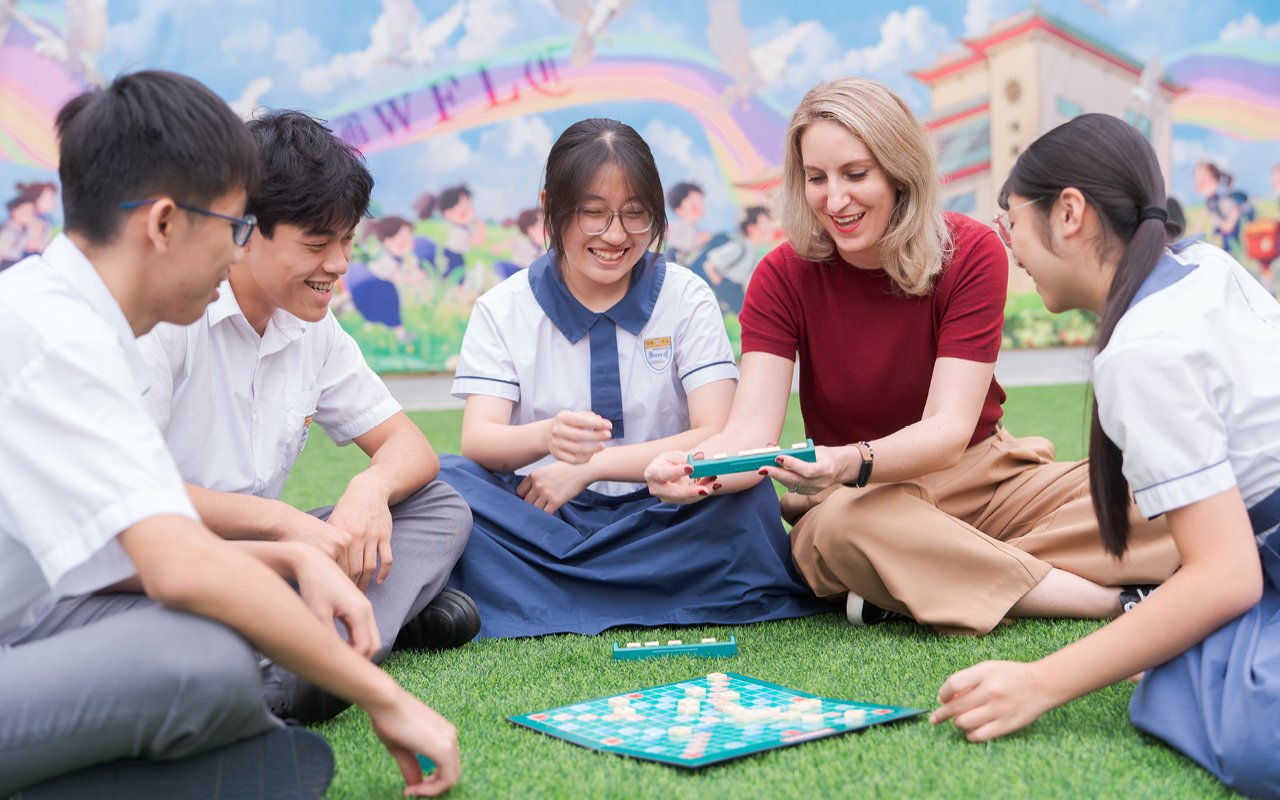
English Week is a large-scale event that attracts the attention of the whole school and includes many special sections. The Game Booth is cleverly designed, with content that tests the knowledge they have learned, as well as interesting challenges that integrate language and science, allowing students to gradually improve their language skills in the game; in the Show time session, the students will prepare for an English singing competition and perform school-wide performances with teachers in the auditorium and playground; English Speaking Days All students in the school are encouraged to communicate with teachers and students in English throughout the week. The school will distribute booklets for students to record communication situations; the carefully planned Drama activities every year are led by foreign teachers, and they also contact external organizations to obtain resources. Last year, the theme of the drama on Hong Kong changes and school development was launched in conjunction with the 65th anniversary of the school, and it received a good response.
Organize students to participate in competitions to understand the practical value of English
The school also actively organizes students to participate in various English competitions such as composition competitions, recitation competitions, and the "Sayings of Wisdom" promoted by the Education Bureau. The school attaches great importance to the inheritance and development of the recitation team. In addition to professional guidance from teachers, it also advocates exchanges and sharing among peers. Students gather to study and polish their interpretation skills together, and deepen their understanding of English expressions through mutual assistance. Students intuitively realize the practical value of English, which drives them to actively collect information to expand their vocabulary. The sense of achievement and satisfaction brought by the competition enhances their self-confidence in learning English.
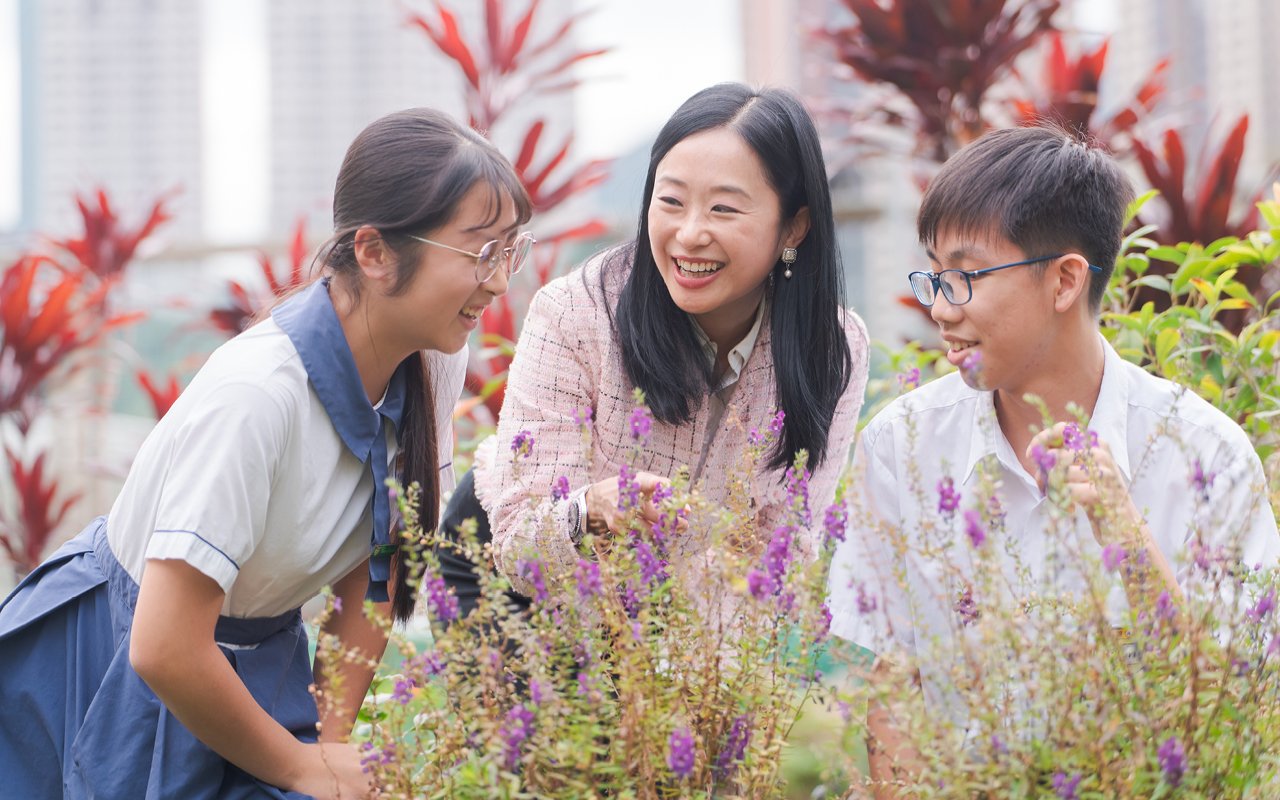
As the core promotion force for English learning on campus, the English Ambassador Team adheres to the concept of "influencing students with students". Team members actively take practical actions to make students feel the charm of English and play a role model. English Ambassadors actively expand their learning boundaries and have used APPs to carry out plant identification activities on campus; they have collaborated with teachers to invite charity groups and African indigenous people to come to school to share and build bridges for cross-cultural exchanges; they have carried out practical activities around themes such as elephant conservation, using thematic learning to drive knowledge accumulation, and continue to promote positive culture on campus.
Introducing artificial intelligence to promote independent learning
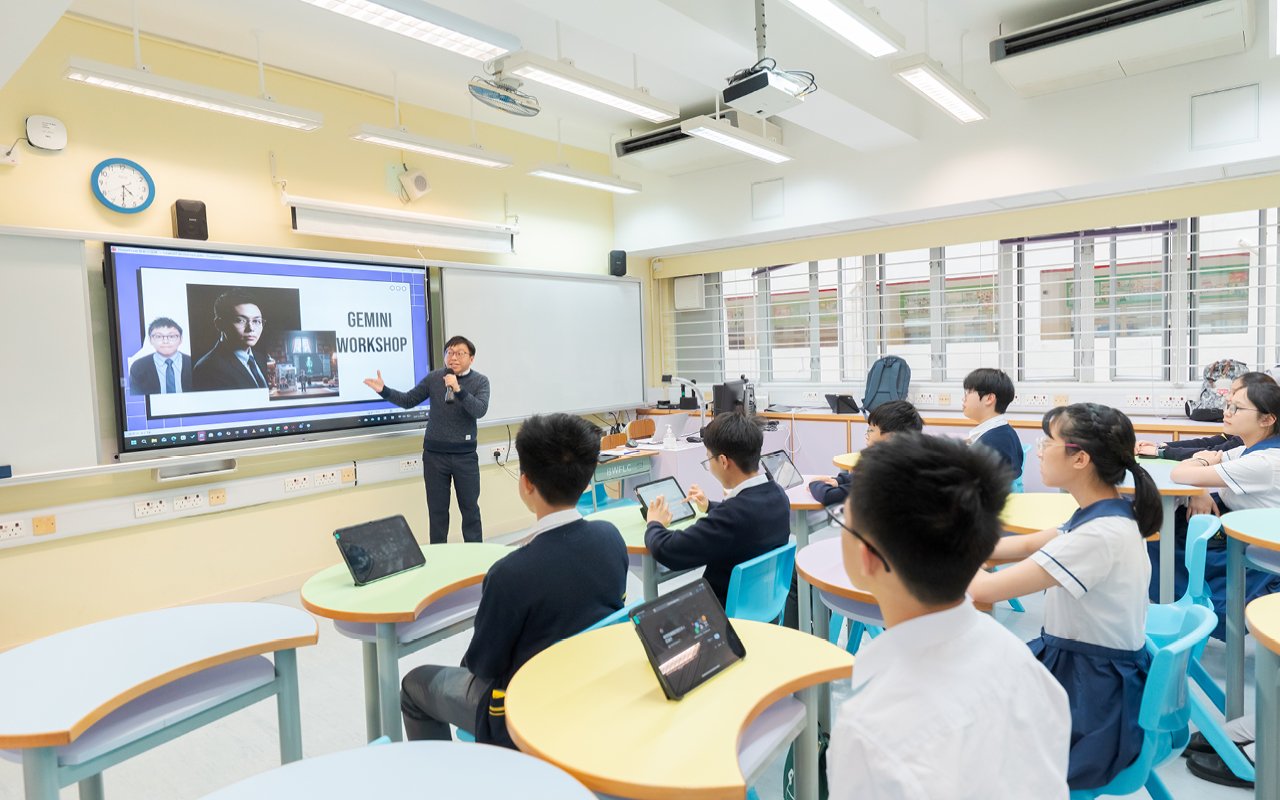
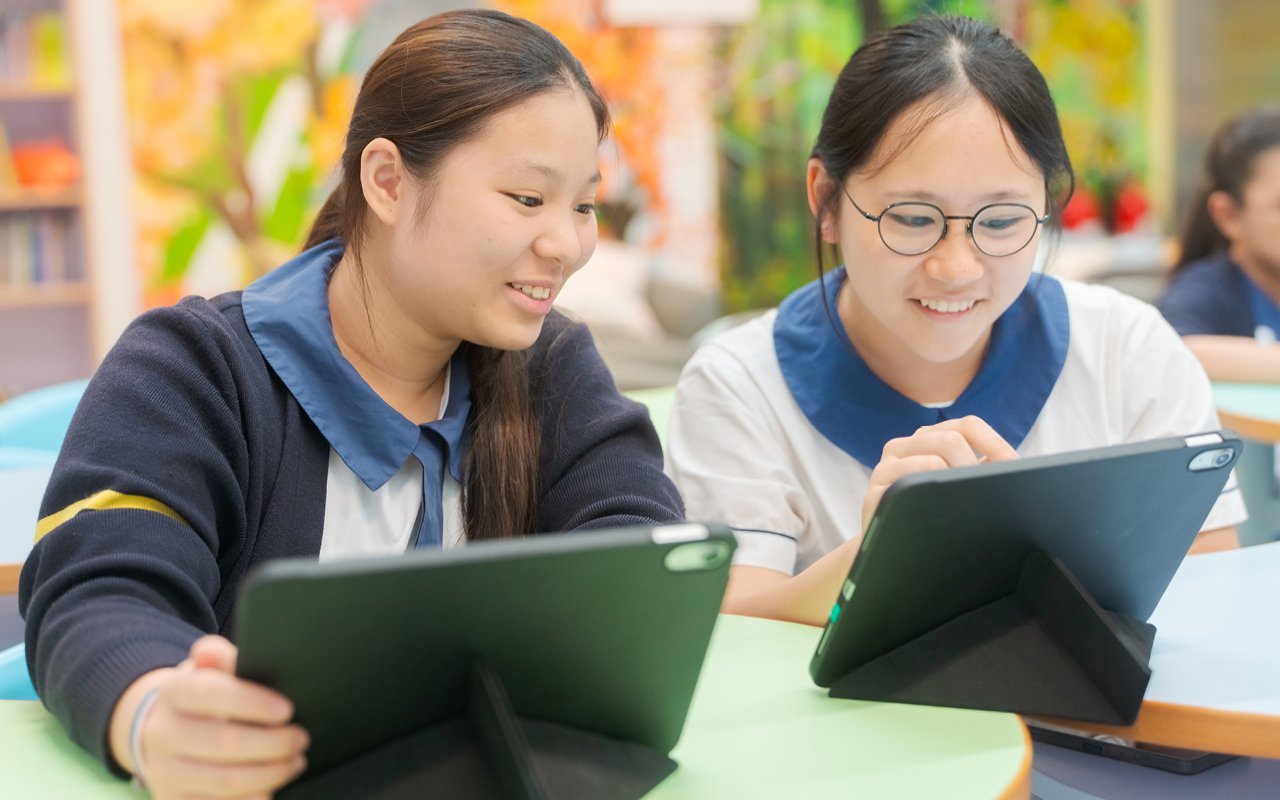
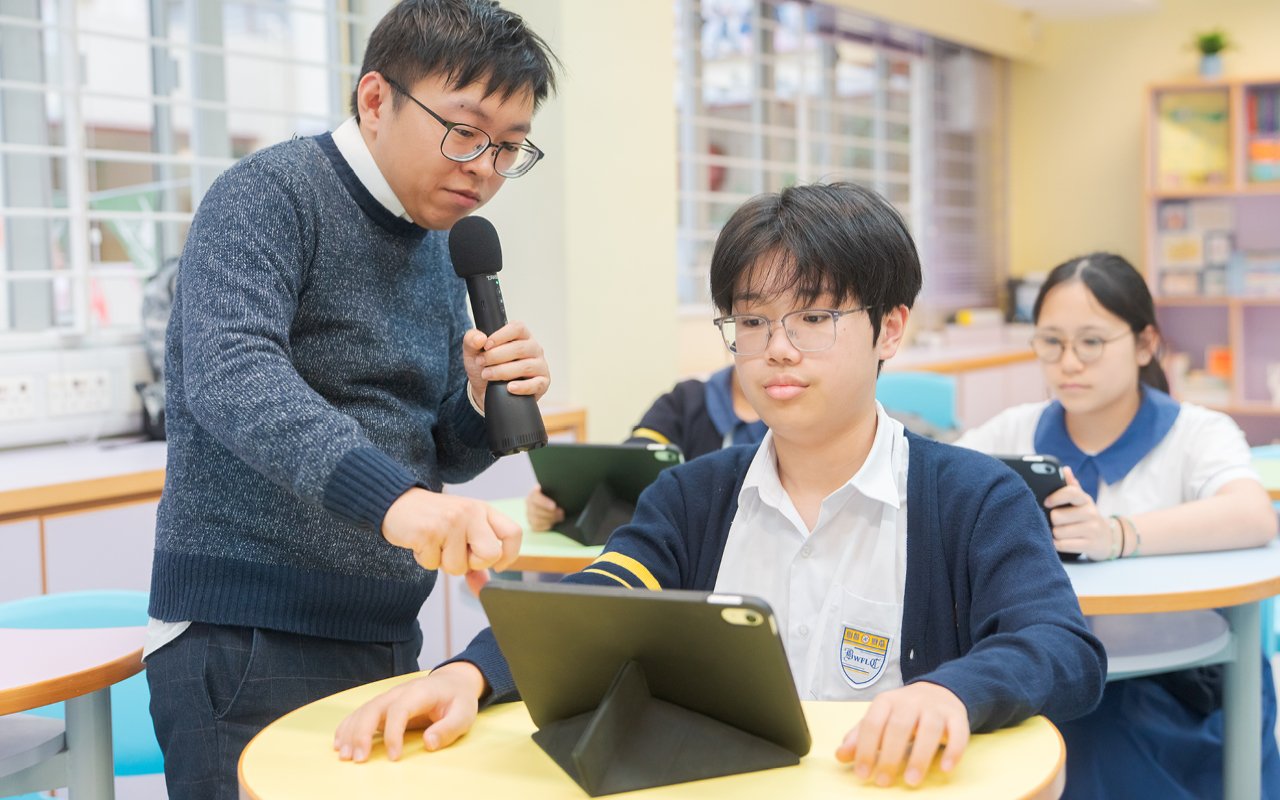
In order to promote students' independent learning, there are 3 days of self-study classes every week at the secondary level to teach students to master study skills. The school will also upload learning materials to an electronic platform so that students can practice pronunciation and read short paragraphs at any time. After students complete their homework, they can upload their homework through the electronic platform for correction and grading by the teacher. Teachers will summarize common mistakes made by students and explain them in class to help students clarify the direction for improvement. This year, the school also introduced artificial intelligence electronic applications and put them into use in writing classes in Form 3 and Form 6. With the assistance of AI tools, students can further enrich the content of their compositions and accumulate vocabulary. The school also hopes that through this attempt, it will guide students to use the tools flexibly and facilitate independent learning and review after class.
The whole school participates in active learning and application, all-round English education
Buddhist Wong Fung Ling College · 2025年12月
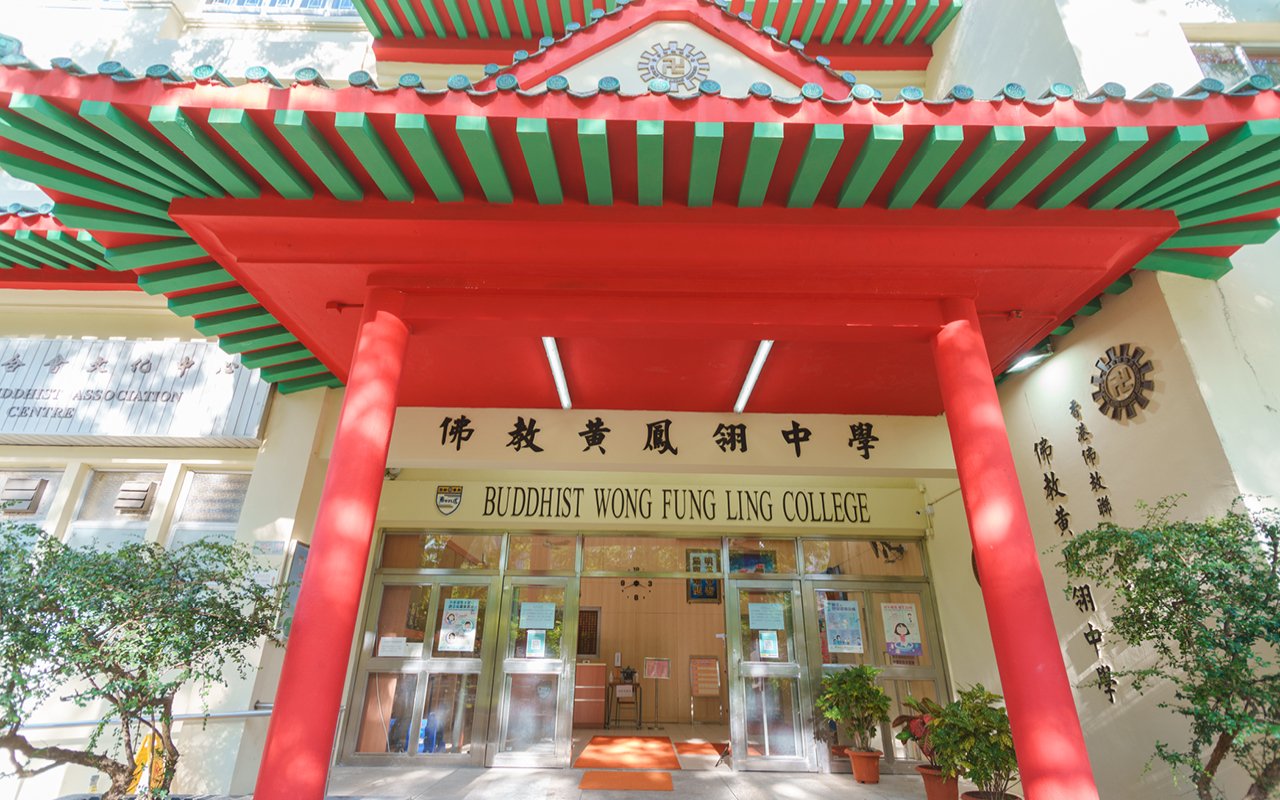
School building appearance

This English version is translated by AI. If there are inaccuracies or omissions, please refer to the original Chinese text.