
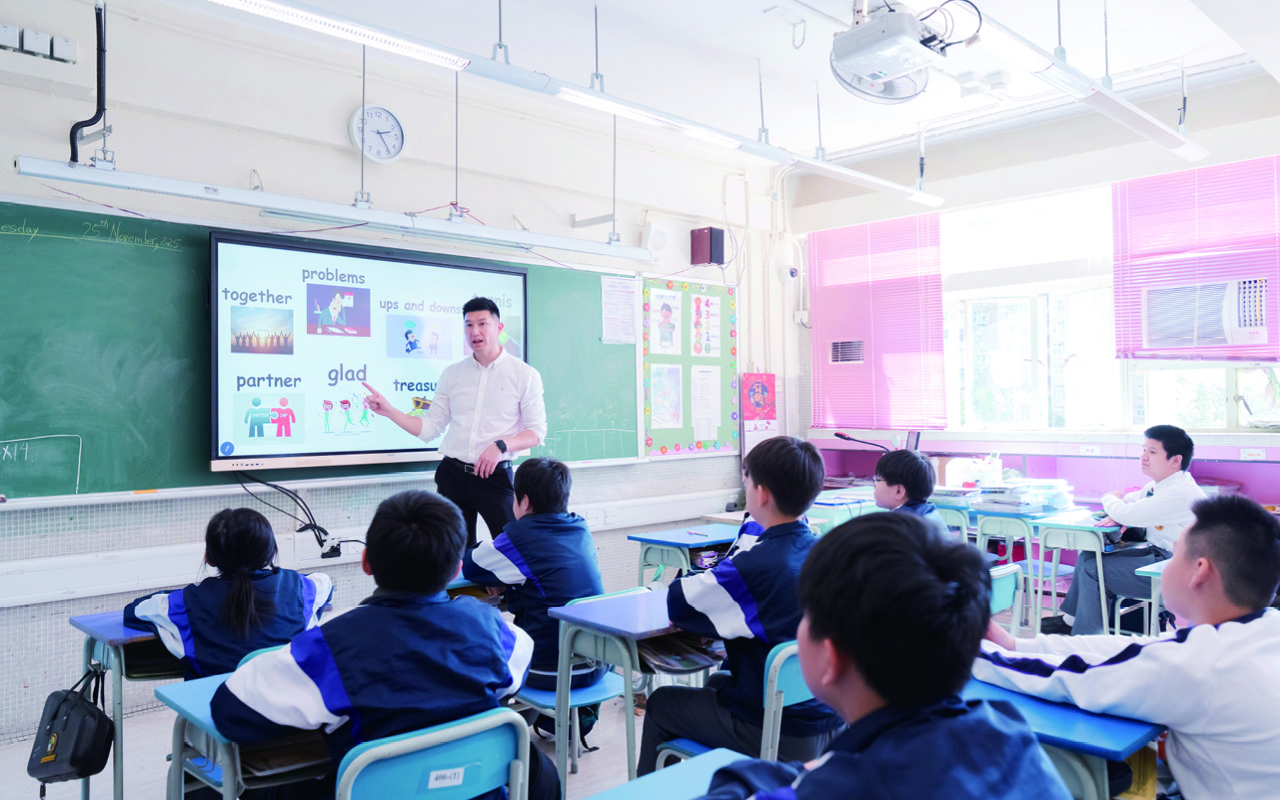
L.K.W.F.S.L. Wong Yiu Nam Primary School is committed to creating a personalized, practical and integrated English teaching system to cultivate students' English independent learning ability and practical application ability. The school's English teaching focuses on the combination of practical experience and the design of corresponding English learning tasks to ensure that each student can improve his English ability at a pace that suits him. Principal Li Ruifeng hopes that students can fully practice daily English conversations and master daily English conversational skills after being trained in primary school. Regardless of their original English level, they can grow on their own basis and promote the development of English ability.
English
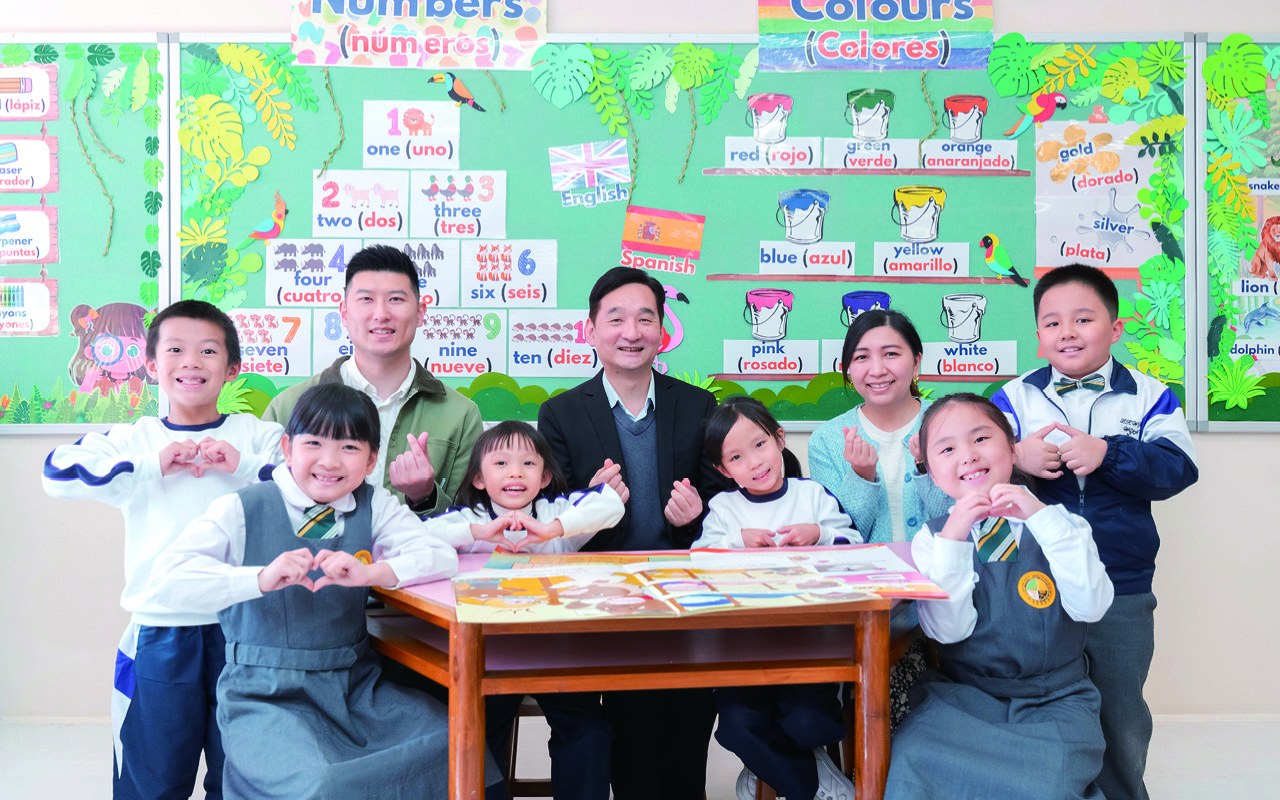
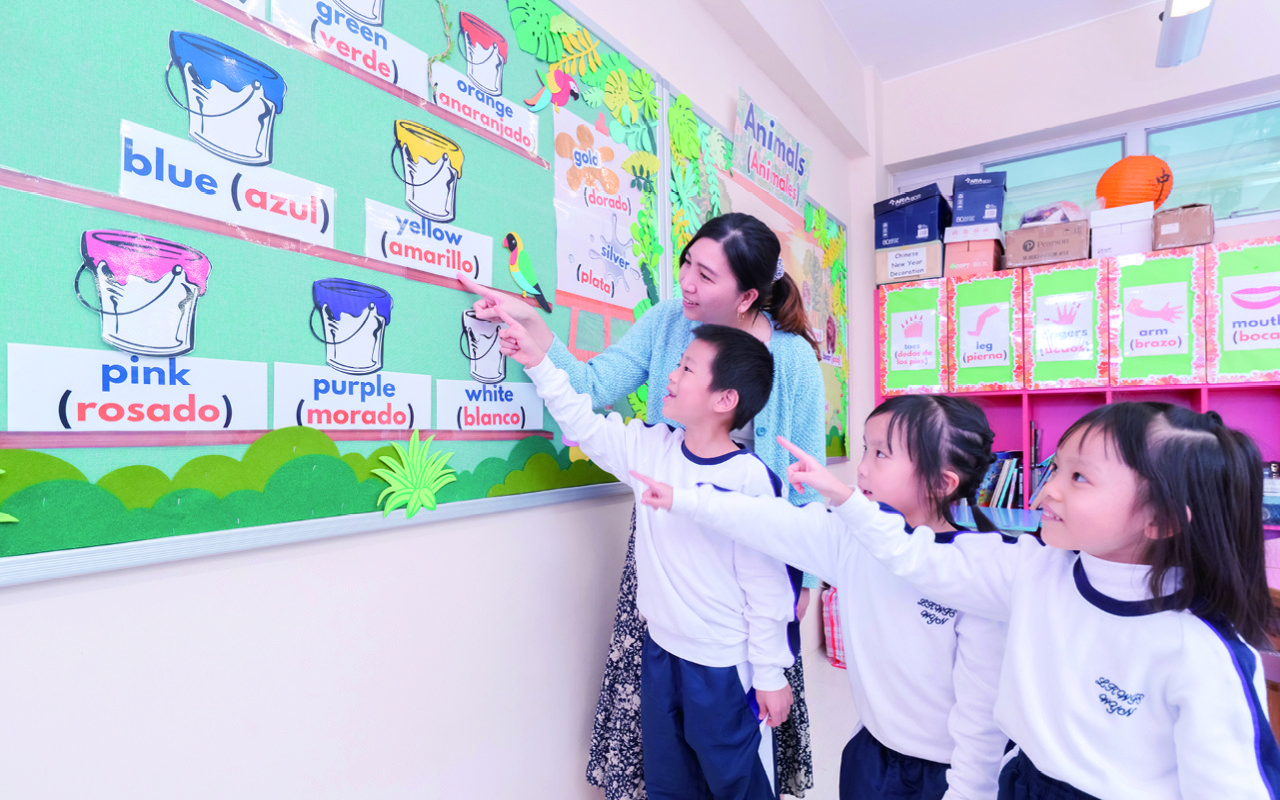
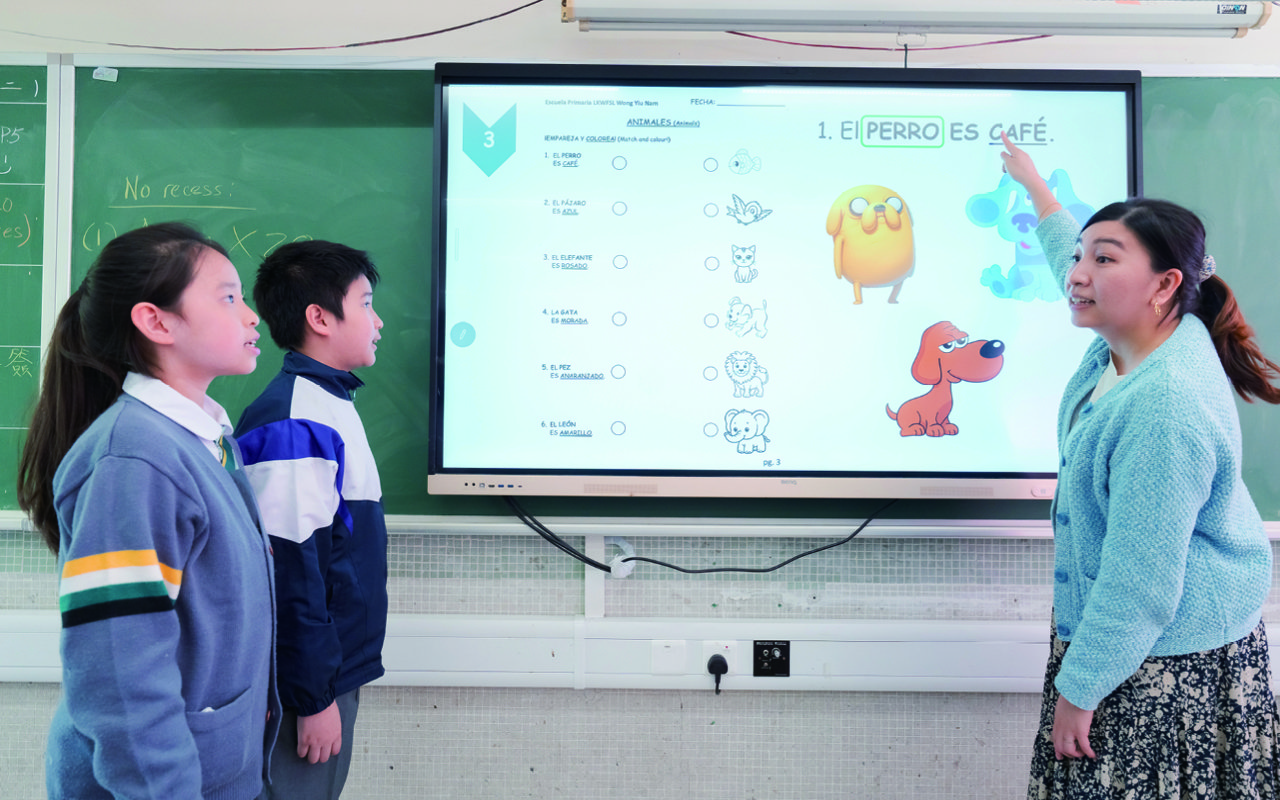
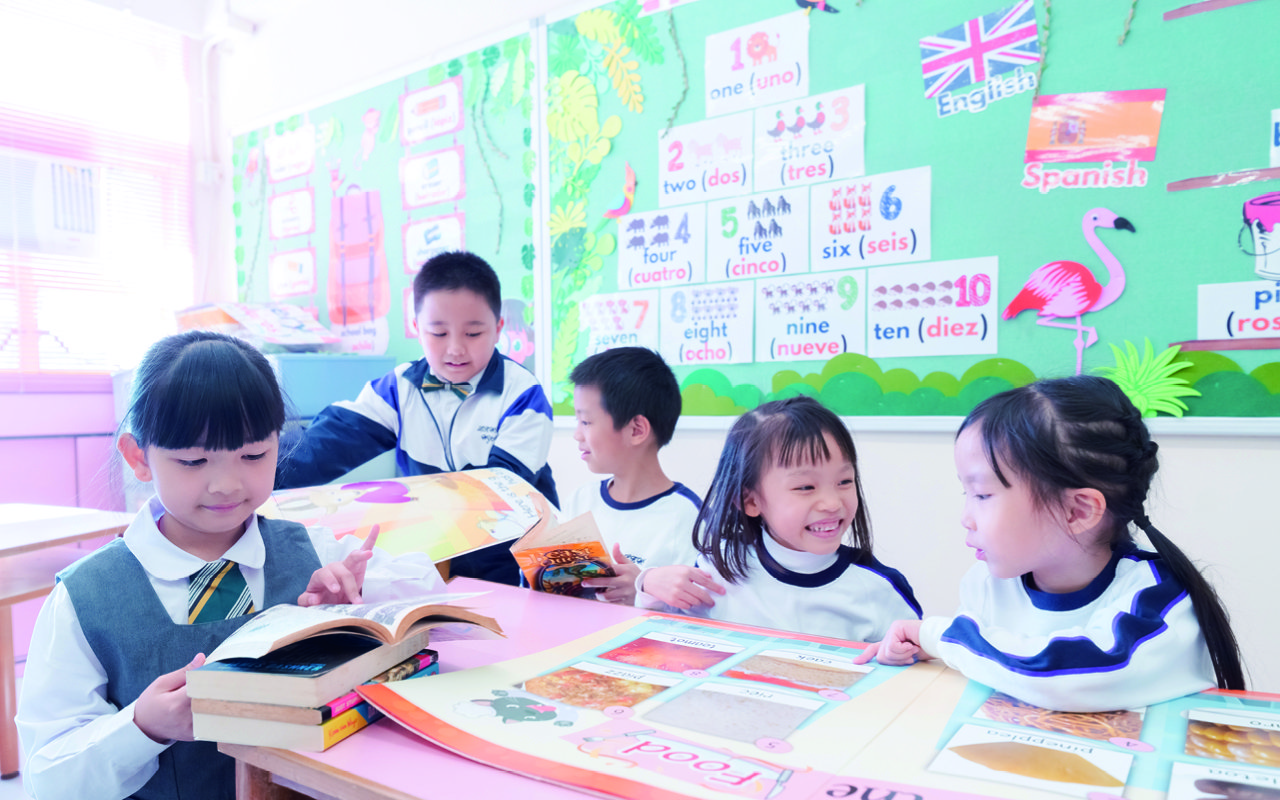
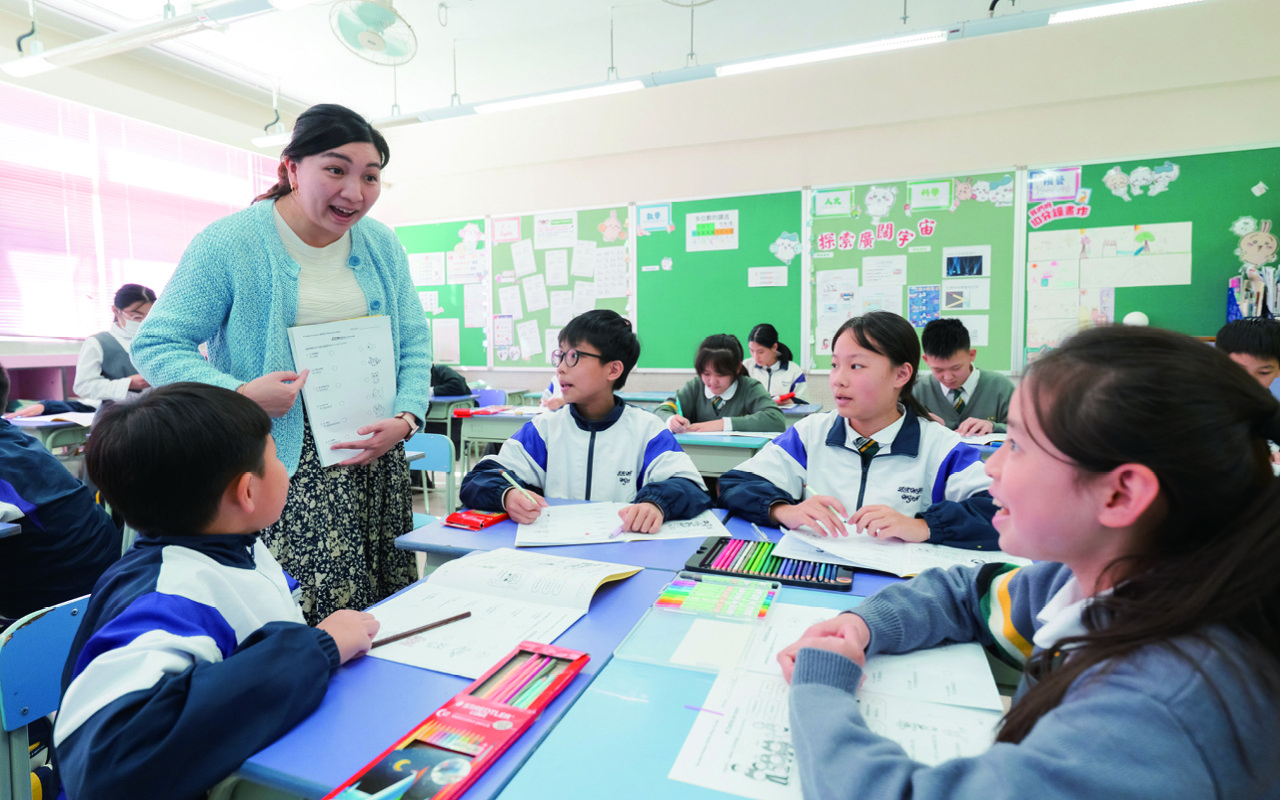
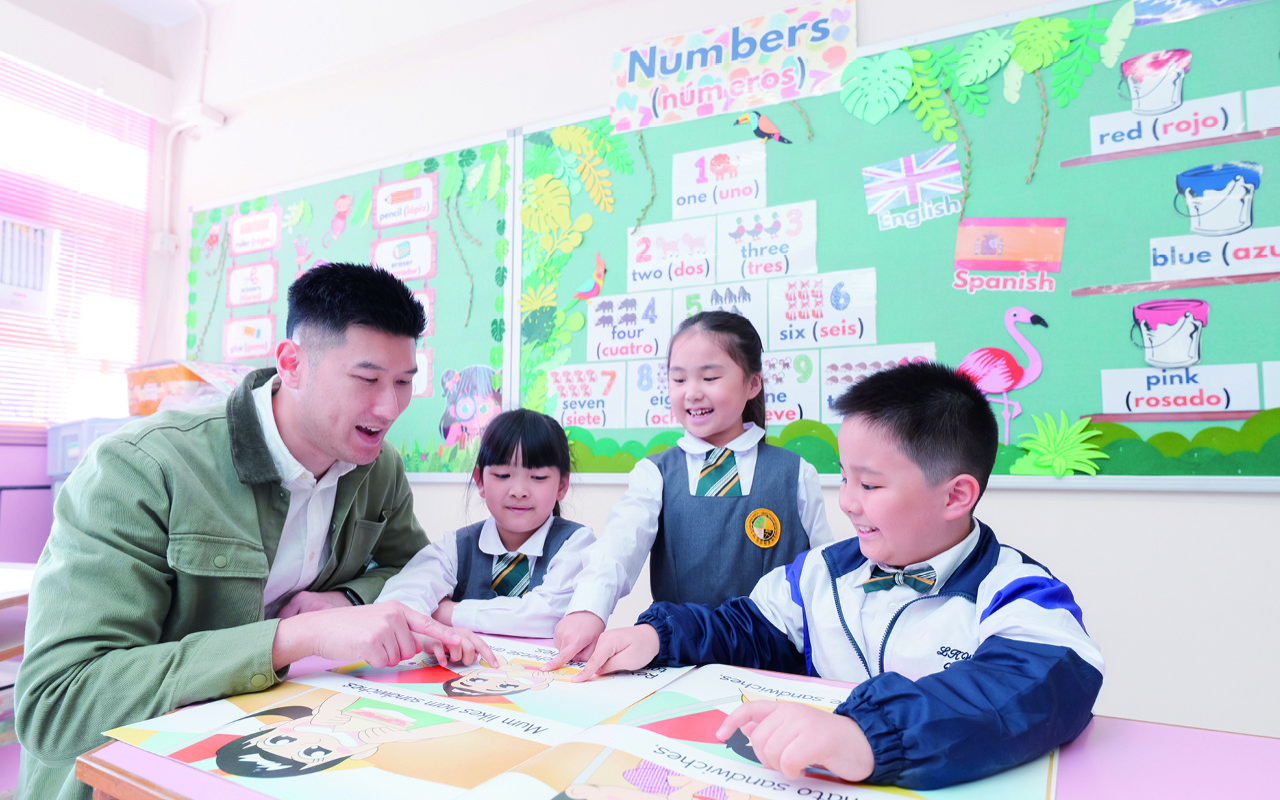
The school introduced Spanish teaching three years ago. Initially, it focused on basic pronunciation, simple words and daily responses. Later, it gradually promoted the interdisciplinary integration of English and Spanish to achieve interdisciplinary teaching effects that complement each other. The school arranges a Spanish class for students every week, which is jointly taught by English teachers, foreign English teachers and foreign Spanish teachers. It simultaneously creates a bilingual context of English and Spanish and guides students to carry out bilingual communication and interaction in the classroom.
In terms of teaching methods, the teacher guides students to learn corresponding vocabulary by comparing English and Spanish. Students try to express themselves in short Spanish sentences, and the teacher builds a communication bridge by responding in English and explaining the meaning. At the same time, two foreign teachers will conceive situational teaching, which not only allows students to experience the fun of bilingual learning in a relaxed atmosphere and enhance learning motivation, but also absorbs English vocabulary, sentence patterns and other knowledge in the process.
This year, the English department has designed urgent sentences, which in addition to being read aloud by children, will also be translated into Spanish for students to interpret and film their learning results for public display. Through the deep integration of English and Spanish, bilingual learning not only makes bilingual learning highly interesting, but also allows students to contact European cultures outside the British and American regions through language, bringing about dual gains in language and culture.
Connecting the world through language and broadening international horizons
Through interdisciplinary activities in English and Spanish, the school allows students to understand different cultures in Europe and the United States through the learning process of Chinese, English and Spanish, connect with the world through language, and broaden their international horizons. The school will arrange "subject days" for each subject and designate Friday as "English Day". Students are required to communicate in English as much as possible in all campus scenes such as activities and recesses that day to strengthen the English context in the school.
Starting from this year, the school combines "English Day" and "Spanish Day" to integrate bilingual learning into the same activity day. Through different seasons, festivals and other activities, students can learn about world culture through language learning. For example, on the theme of Thanksgiving, the teacher will teach the origins and stories of the festival in English, and even design some simple cooking methods for ingredients, and guide students to describe them in English. At the same time, the teacher will also introduce the gratitude customs and corresponding language expressions of Spanish-speaking countries, and guide students to carry out bilingual responses in English and Spanish.
In addition, teachers will also regularly carry out interactive activities, and students can exchange small gifts through simple bilingual communication. The school is based on "English-Spanish comparison". Students first consolidate their English before learning Spanish. Through bilingual interaction, they not only improve their language skills, but also gain a deeper understanding of the cultural customs of European and American countries. The activities not only improve students' English proficiency and learning enthusiasm, but also allow them to explore the world's diverse cultures and enhance their international perspective.
Unleash your English potential and construct an English context
The school builds an immersive English context through interesting English activities, allowing students to fully develop their English potential. For example, students with better English expression skills are selected from each grade to join the campus TV station. Foreign teachers train the students to host, participate in performances or shoot short videos. The English clips performed by the students will also be uploaded to social platforms and the school website. The clips will also be played during lunch, so that the campus is full of English context. Foreign teachers will also focus on training students to participate in the recital festival solo competition to help students who are good at English develop their potential. In addition, teachers teach students to appreciate English folk songs with melodious melodies and simple words, and train students to serve as "little disc jockeys" responsible for introducing songs, singing, etc., allowing students to use English in diverse scenarios and further stimulate their English potential.
Integrating English and STEAM, using English to consolidate knowledge
The school organically integrates English learning and STEAM education, and holds a five-day STEAM week every year. During this period, a series of activities that combine English and STEAM are designed, and foreign teachers lead students to carry out simple scientific experiments. Teachers will take this opportunity to interact with students in English and guide them to implement technology, so that students can further utilize English in STEAM learning. Students use English to communicate during the experiment, which not only makes English learning more practical and enriches the English context in school, but also masters scientific terms that are rarely used in daily life. They can even apply the English expressions, sentences, and vocabulary they have learned to English writing and daily communication, preparing themselves for studying science courses taught in English in the future.
Introducing electronic platforms to establish self-study habits
In recent years, the school has introduced electronic platforms to support students' English learning, focusing its development on promoting extensive reading in English, covering reading of physical books and electronic books. The school has customized the PEEGS English e-book system, in which the e-books and English courses complement each other to achieve the effect of extended learning. Each student has a personal account, allowing teachers to understand the e-book reading content and learning results of students in each class, achieving an accurate combination of curriculum and reading. At the same time, the school makes good use of the STAR platform for teaching. The platform covers English reading, listening and speaking training, and has AI analysis functions that can determine students’ learning strengths and weaknesses. This not only allows students to clearly understand their own shortcomings, but also enables teachers to quickly grasp the learning results, making teaching more efficient and targeted.
Multiple connection supports to easily adapt to primary school English
In terms of transition from kindergarten to primary school, the school has launched a number of transition support measures. It has conducted simple assessments on students since the beginning of the school year to understand the level and learning needs of each student, and tailor-made curriculum for students of different levels. In addition, the school will offer summer adaptation classes including English courses to help students familiarize themselves with the primary school learning model in advance. In terms of testing, there are no tests in the first semester of first grade, so that students can make full use of their time through diversified English activities and easily connect to primary school English learning without having to catch up with the test progress.
Using English as the carrier to cultivate positive values
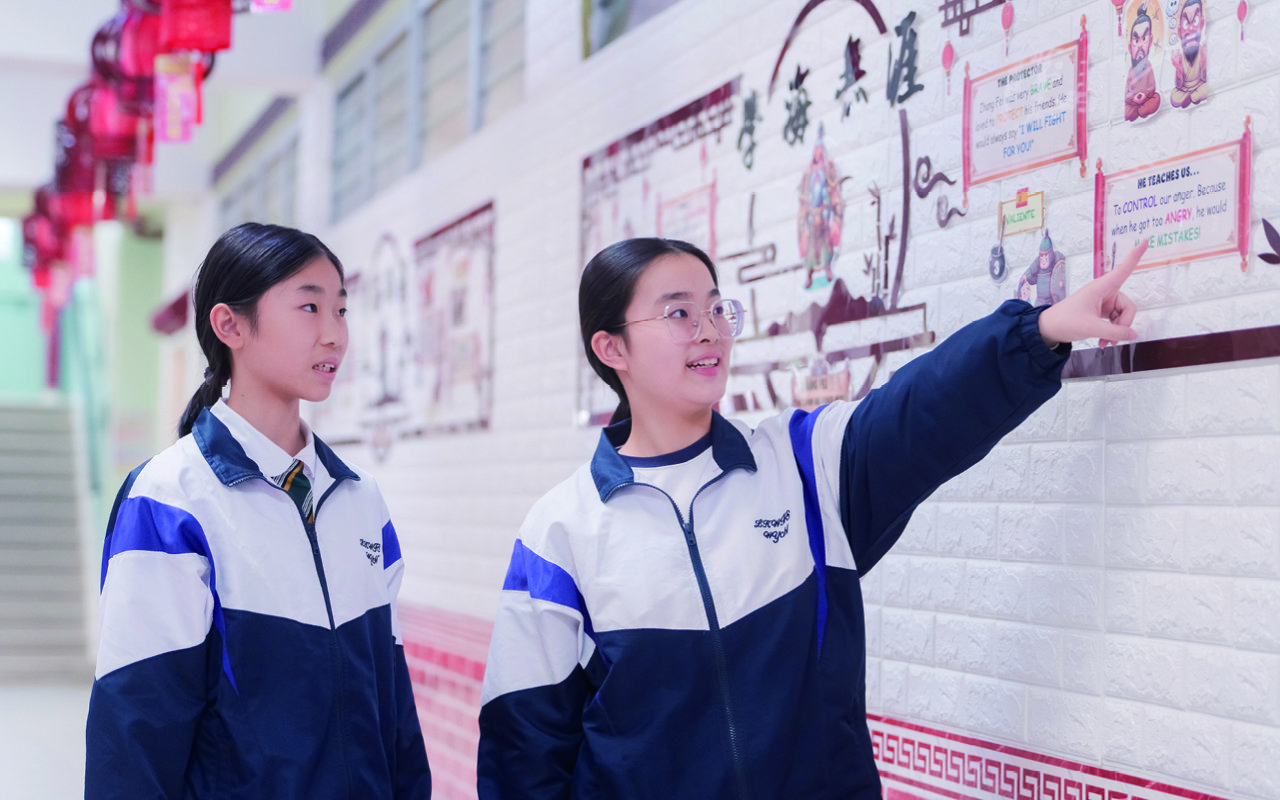
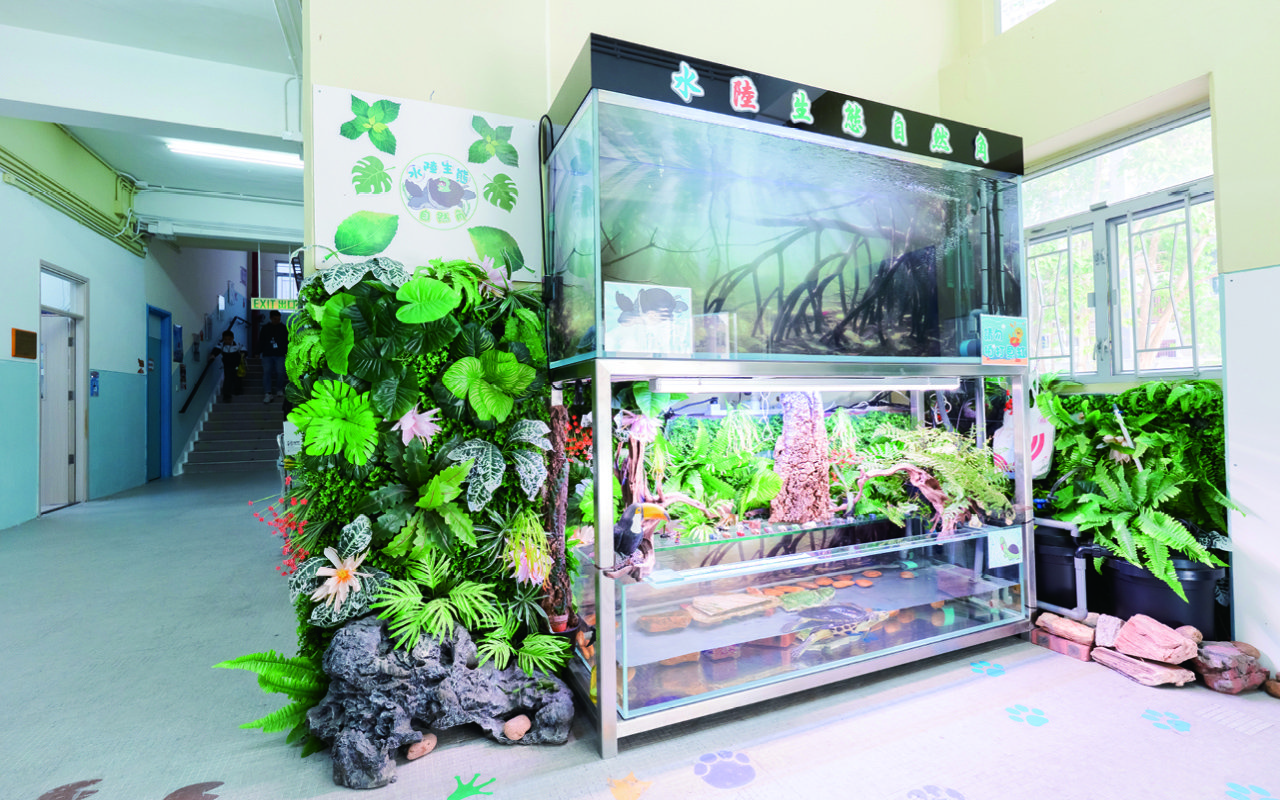
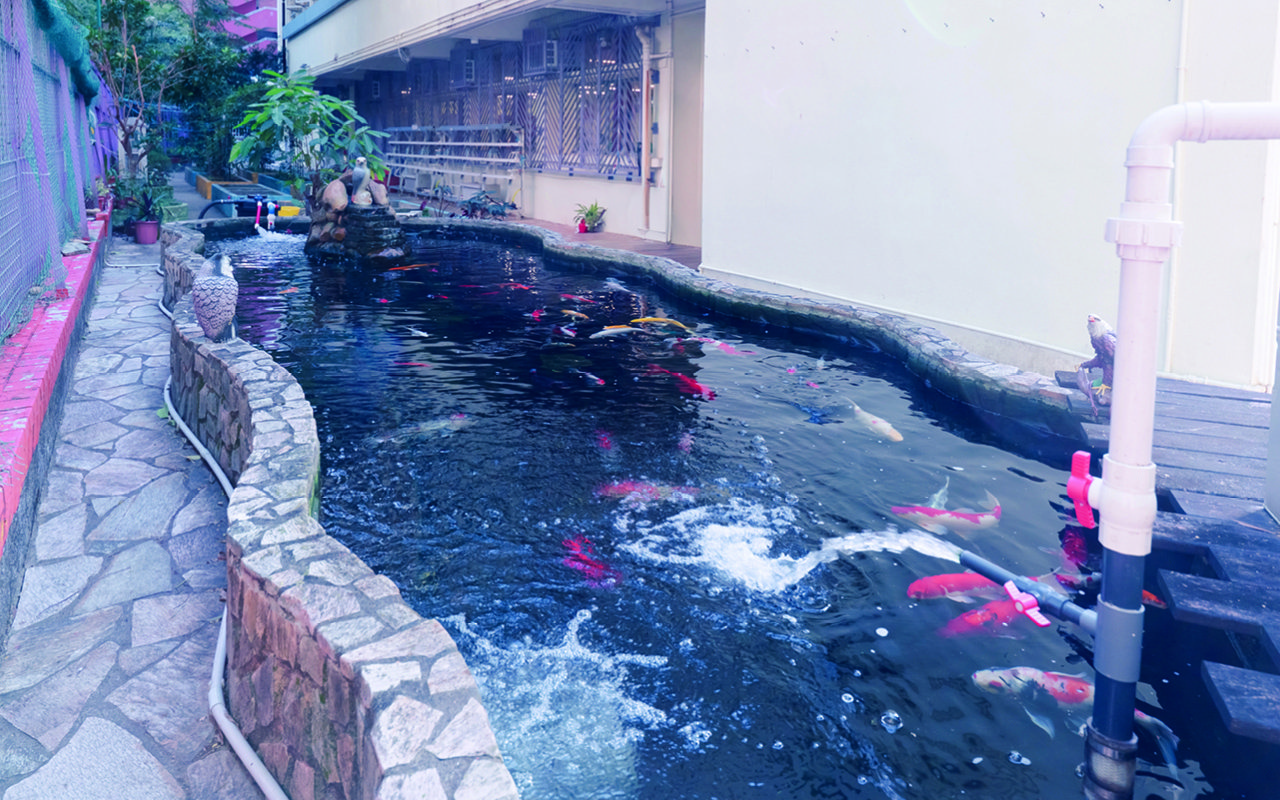
The school combines values education with English learning, allowing students to subtly absorb positive values while learning English. For example, in the first-grade English course, the school uses fish ponds, planting areas and other scenes to integrate life education into the English course. English teachers guide students to interact with animals and plants in simple English to understand their classmates' adaptability and mastery, build confidence in using English, and at the same time cultivate the character of loving nature and being grateful. In addition, the school takes the school motto "Loyalty, Righteousness, Benevolence and Courage" as its core and integrates the twelve values of the Education Bureau, setting corresponding English themes every month. English teachers will use English as a carrier to cultivate students' positive values by explaining the English meaning of the values and sharing relevant English stories.
Integration of English and Spanish, new teaching, promoting comprehensive language development
L.K.W.F.S.L. Wong Yiu Nam Primary School · 2026年1月
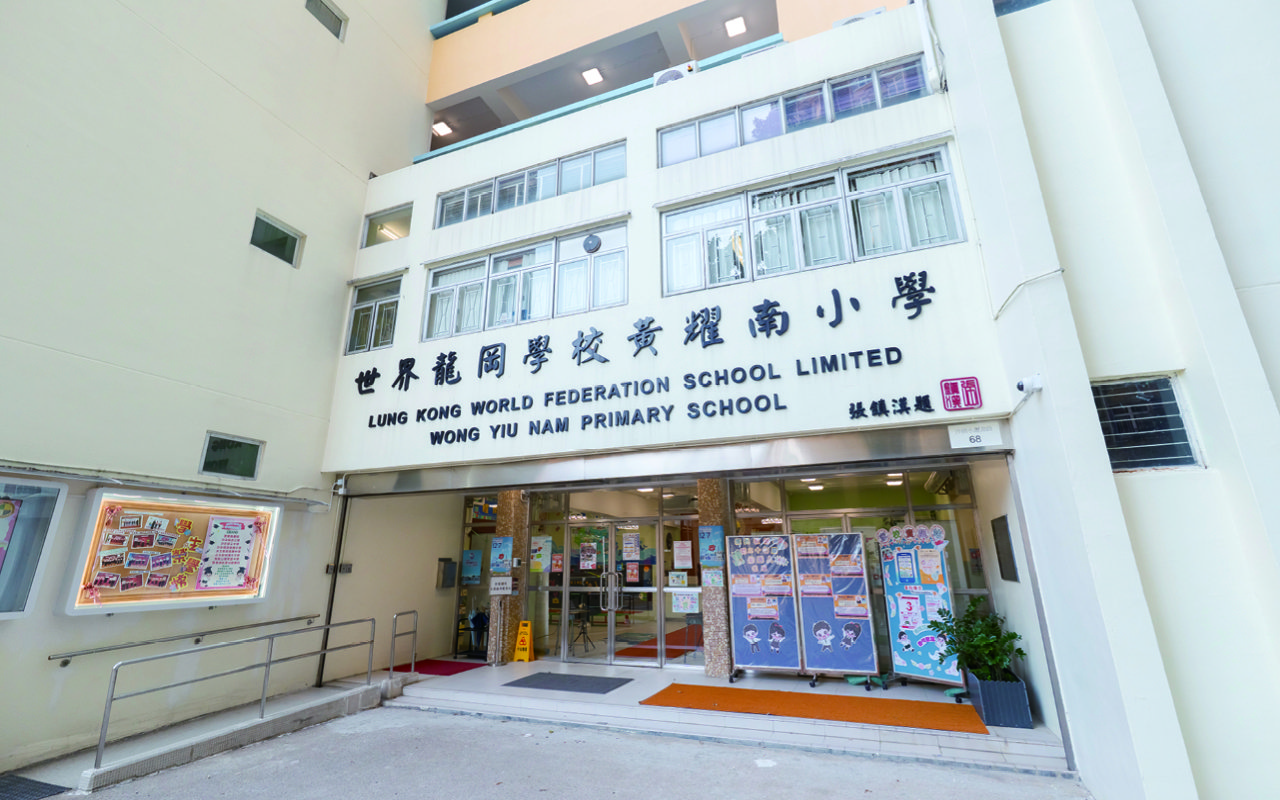
School building appearance

This English version is translated by AI. If there are inaccuracies or omissions, please refer to the original Chinese text.