
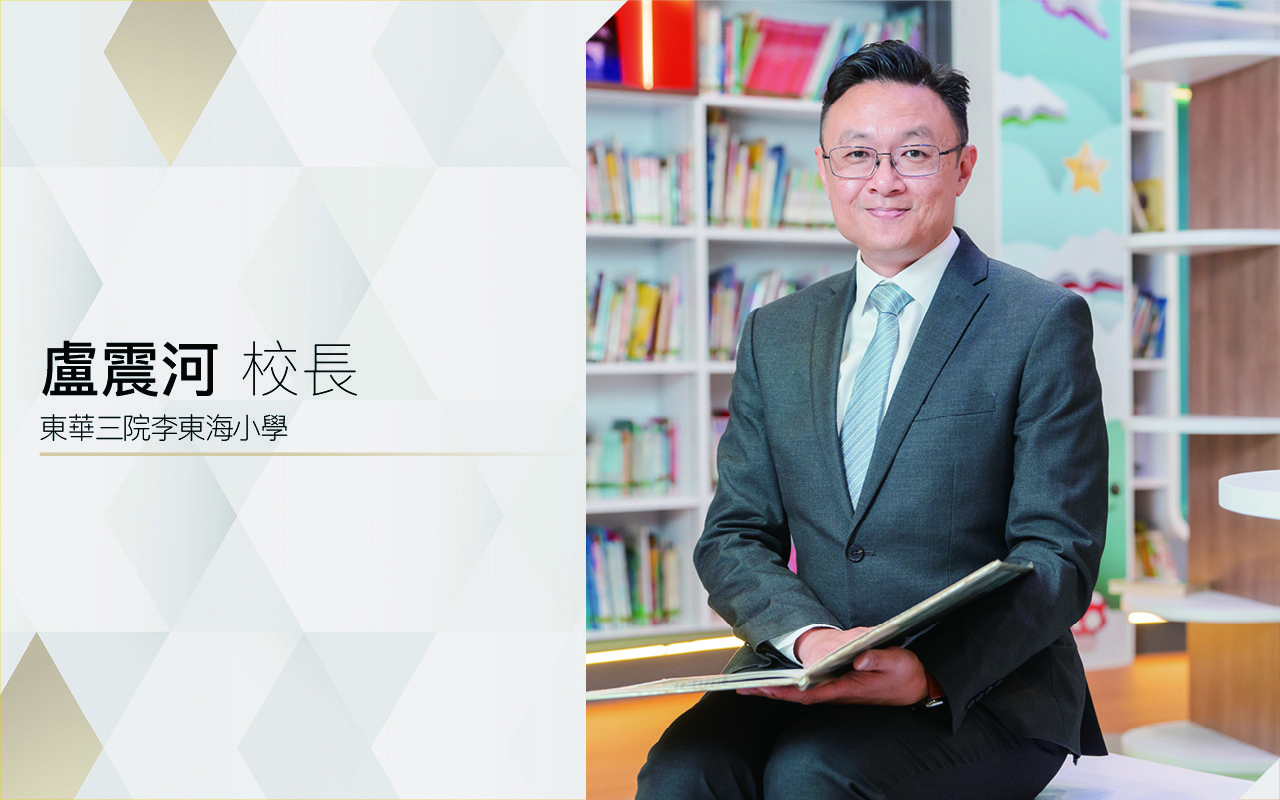
TWGHs Leo Tung-hai LEE Primary SchoolAdhere to the core concept of "Happy Campus" and cultivate children to become the future pillars of society. Principal Lu Zhenhe hopes to establish good habits for students, guide them to think mindfully, and improve their happiness in learning. In English teaching, the school uses diversified learning models to help students set personal learning goals and plans. Starting from a young age, they are guided to learn English through inquiry and strengthen their language application abilities. It also allows students to develop self-discipline and planning skills through solid English education, so that they have comprehensive qualities to cope with future challenges and become future masters with a sense of happiness and knowledge and skills.
Inquiry-based learning for junior primary schools "Learning by Doing"
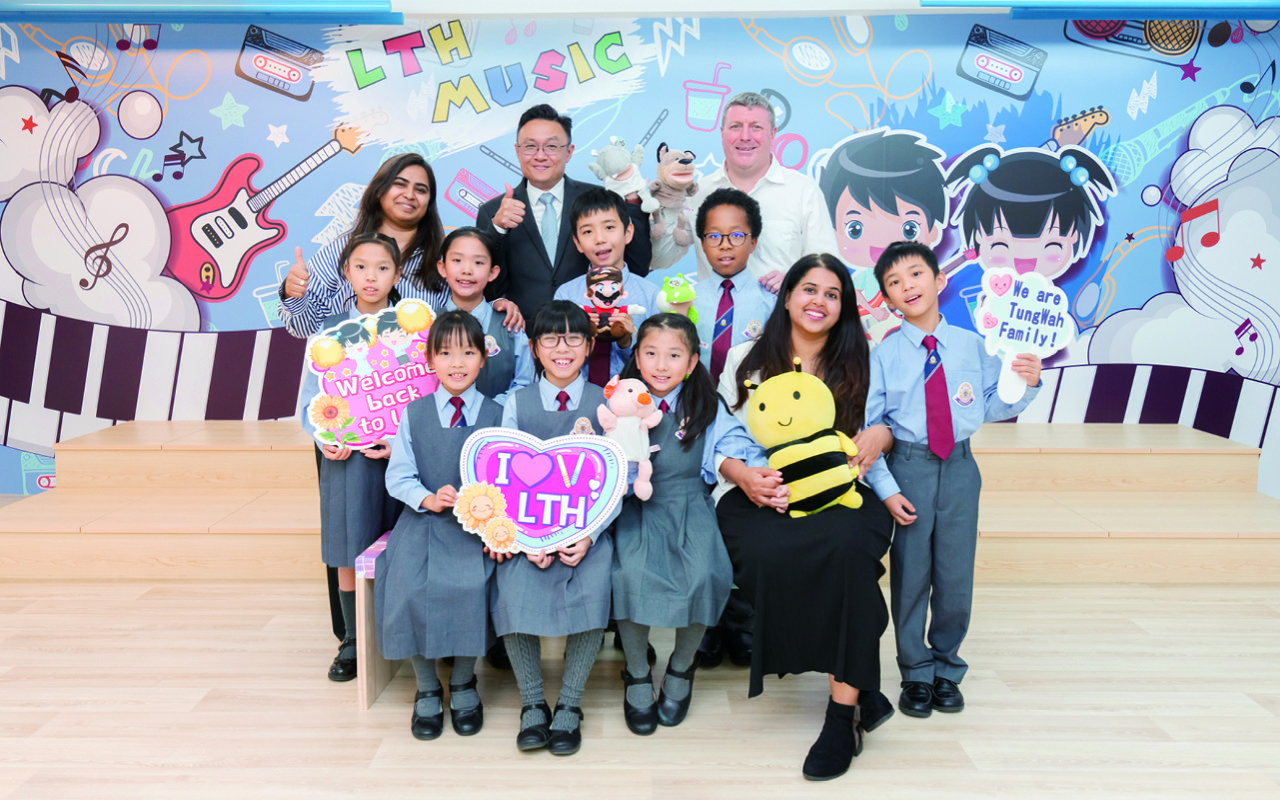
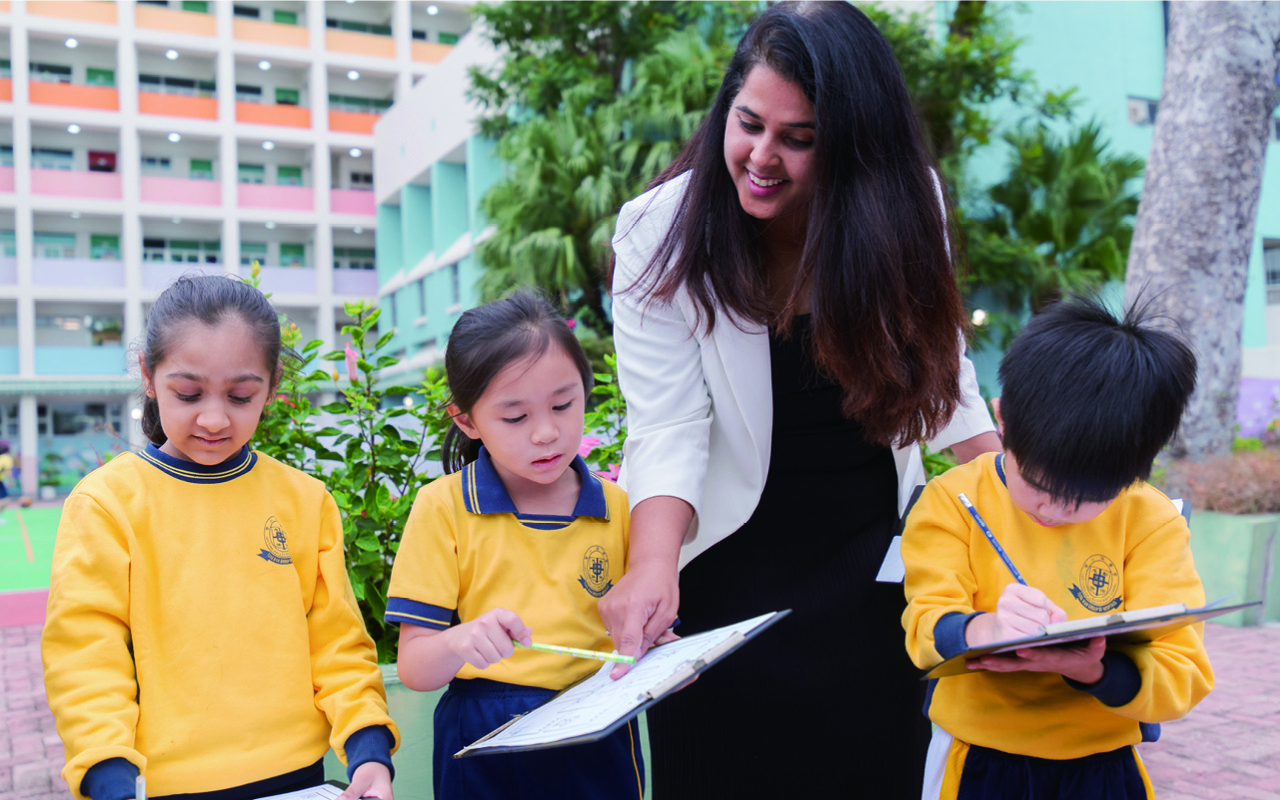
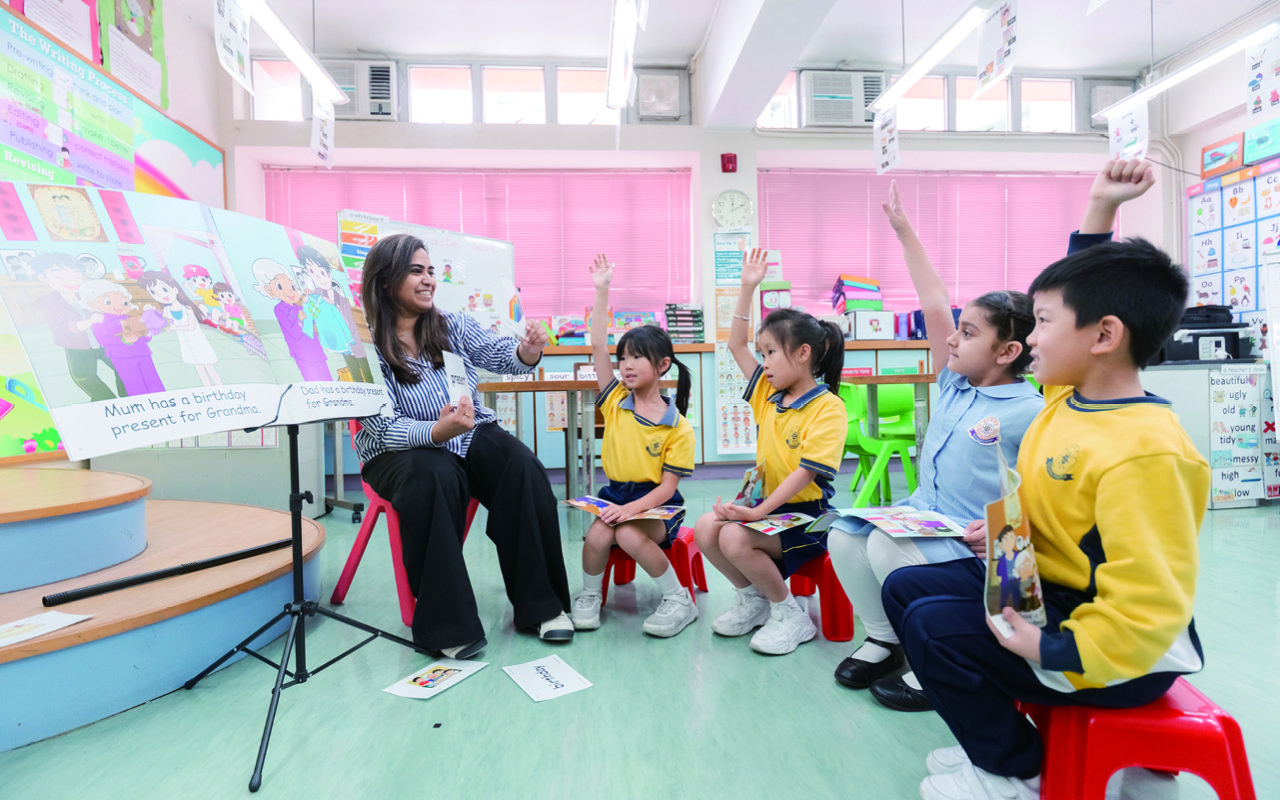
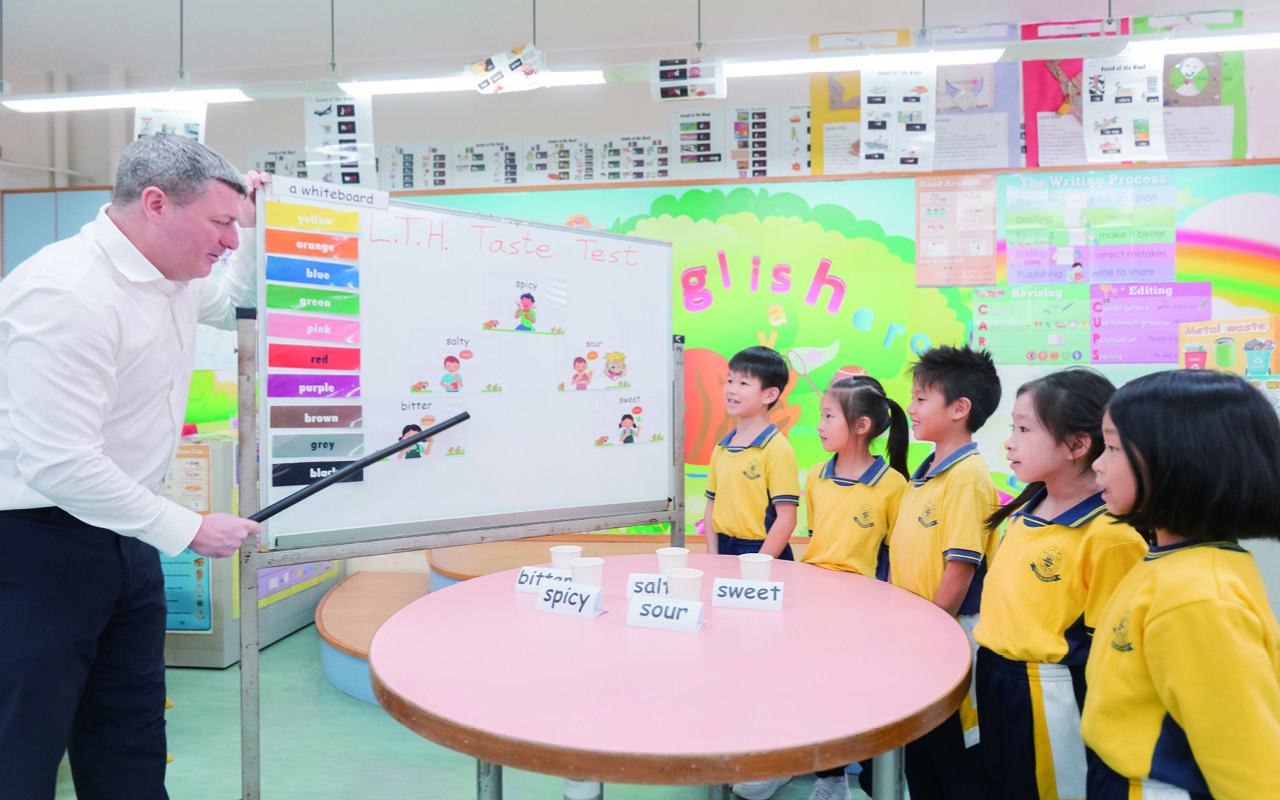
In the junior primary stage, inquiry-based learning is the core, and through immersive English teaching, students can learn by doing, enhance their interest in learning, and cultivate their sense of well-being. There are no examinations for the inquiry courses in the first and second grades, and they are conducted in a learning-and-evaluation mode. All English classes at the junior primary level are taught by foreign teachers and local teachers to strengthen students' listening and speaking skills, build confidence in English through interaction, and make them dare and be willing to speak English.
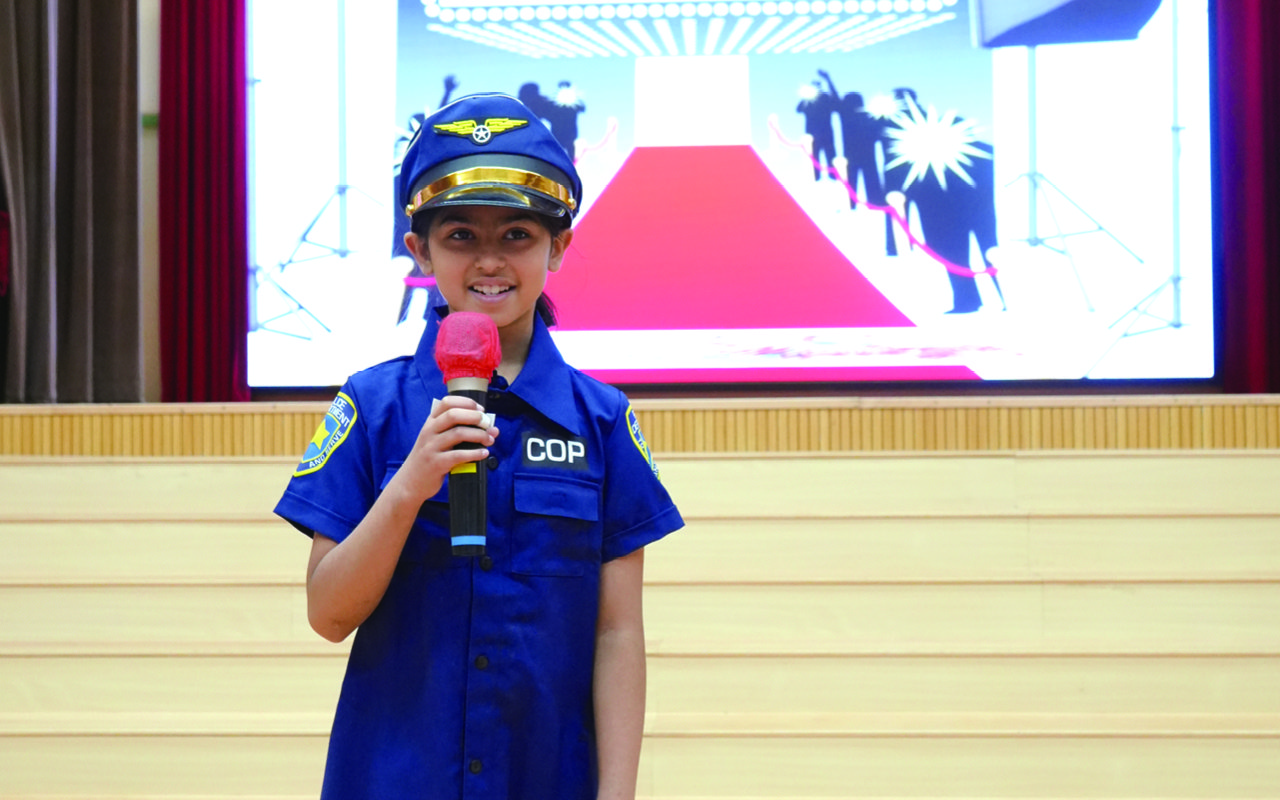
The English course design is guided by thematic inquiry, allowing students to "Learn by Doing" under the guidance of foreign teachers and local teachers. For example, in the clothing unit, students are asked to perform a fashion show and introduce their clothes in English; in the vocational unit, students are arranged to explore various positions in the school, and try to interview the principal, co-workers and other staff in English to deepen their understanding of different occupations, stimulate children's interest in learning English, and allow them to consolidate their language application skills during the exploration process.
High school students cultivate the habit of self-study and lay a solid foundation in English
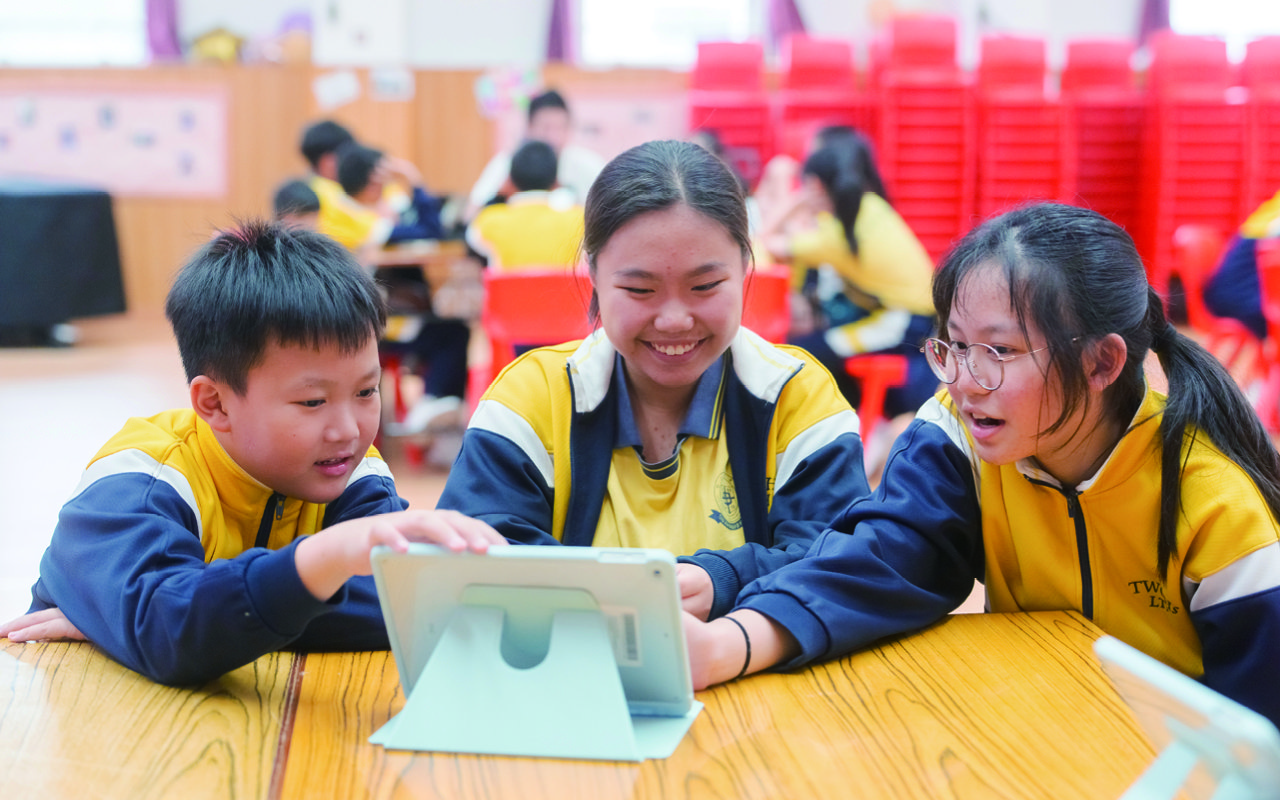
The school-based curriculum for high schools is based on cultivating students' independent learning habits and lifelong learning abilities, and deeply integrates e-learning elements. School-based courses start with preview, allowing students to watch teaching videos or complete designated question and answer tasks through online platforms to understand the key learning points before starting the class. Each unit has unit stories that are deeply integrated into mindful thinking, which not only cooperates with English teaching, but also conveys positive values. The school will also arrange for foreign teachers to record the stories, and use electronic platforms to allow students to listen to the stories and complete intensive exercises to improve their listening and conversational skills. Finally, the teacher will ask students to use the English sentence patterns, new words, writing skills, etc. they have learned to write articles to deepen students' memory points. Through systematic design, the entire school-based curriculum guides students to establish good independent learning habits and lays a stable foundation for English learning.
Construct English context and cultivate English expression skills
Principal Lu is committed to promoting the school to build an English learning environment so that students can naturally use English in daily life and practice. The school arranges foreign English teachers to serve as deputy class teachers for the first grade, so that students can have frequent contact with foreign teachers in addition to English classes, homework tutoring, class teacher's day and other periods, and train their listening and language expression skills through English interaction.
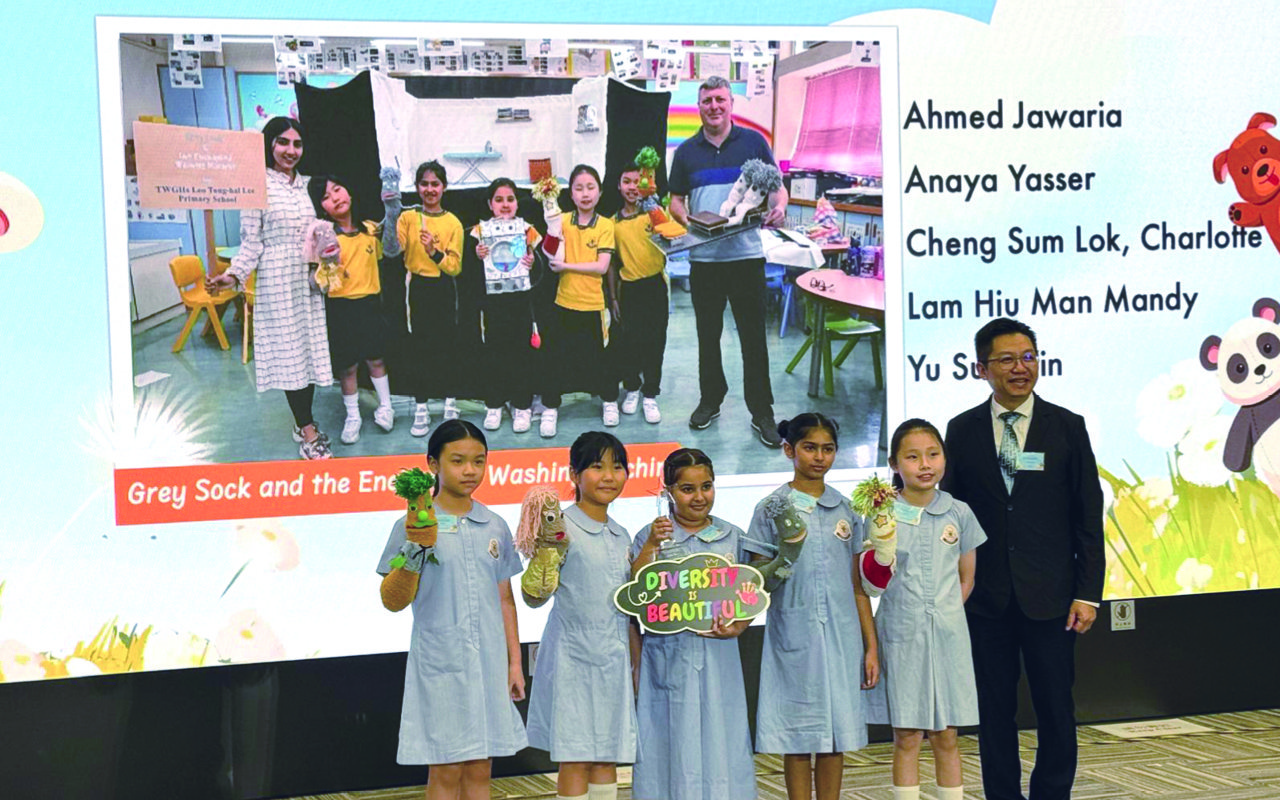
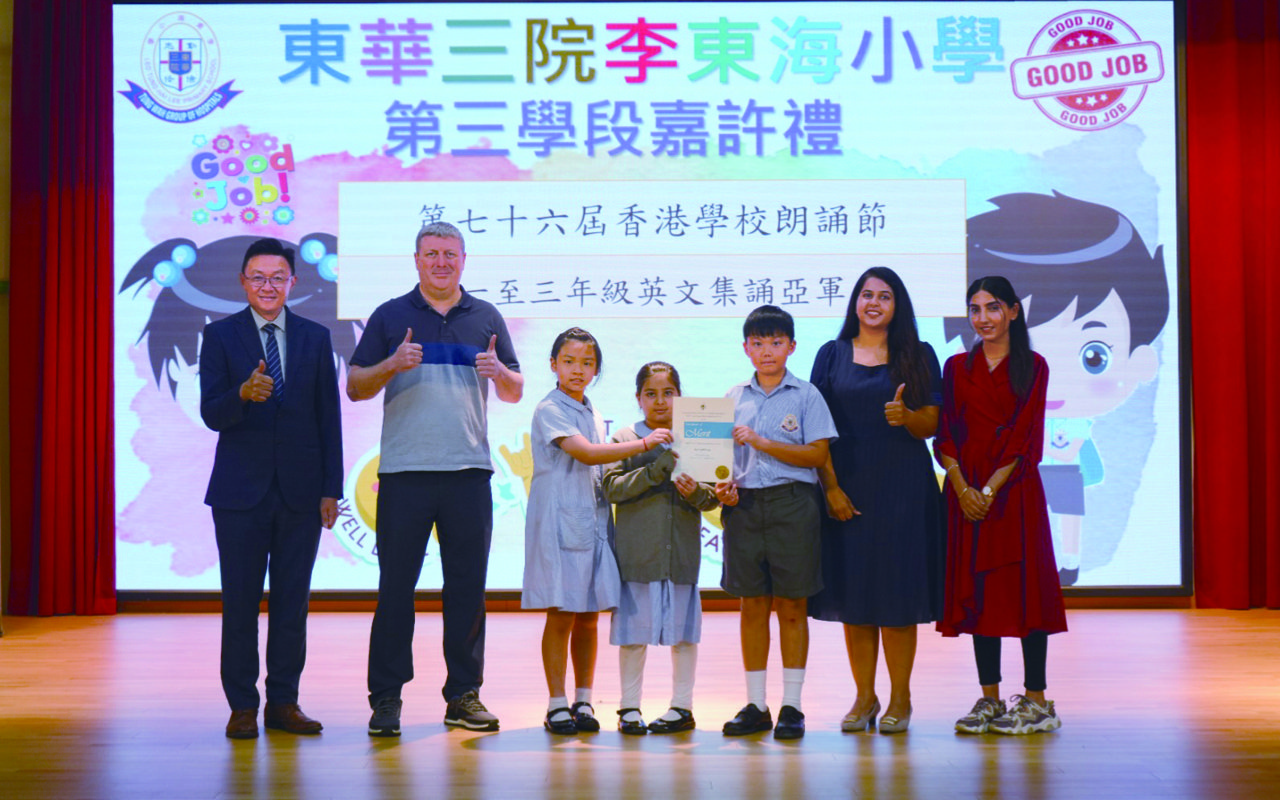
In addition, the school actively provides students with rich English learning experiences. For example, school-wide English cultural activities are held in conjunction with Christmas, Easter, Thanksgiving and other festivals. Last year, junior primary students participated in the Territory-wide English Puppetry Competition (Story to Stage Puppetry Competition) organized by the Education Bureau, and won the championship of the junior group and the most popular content award. Students establish the habit of using English in daily life, and develop their ability to express, communicate and get along with others.
Combine your interests with English and equip yourself with personal skills
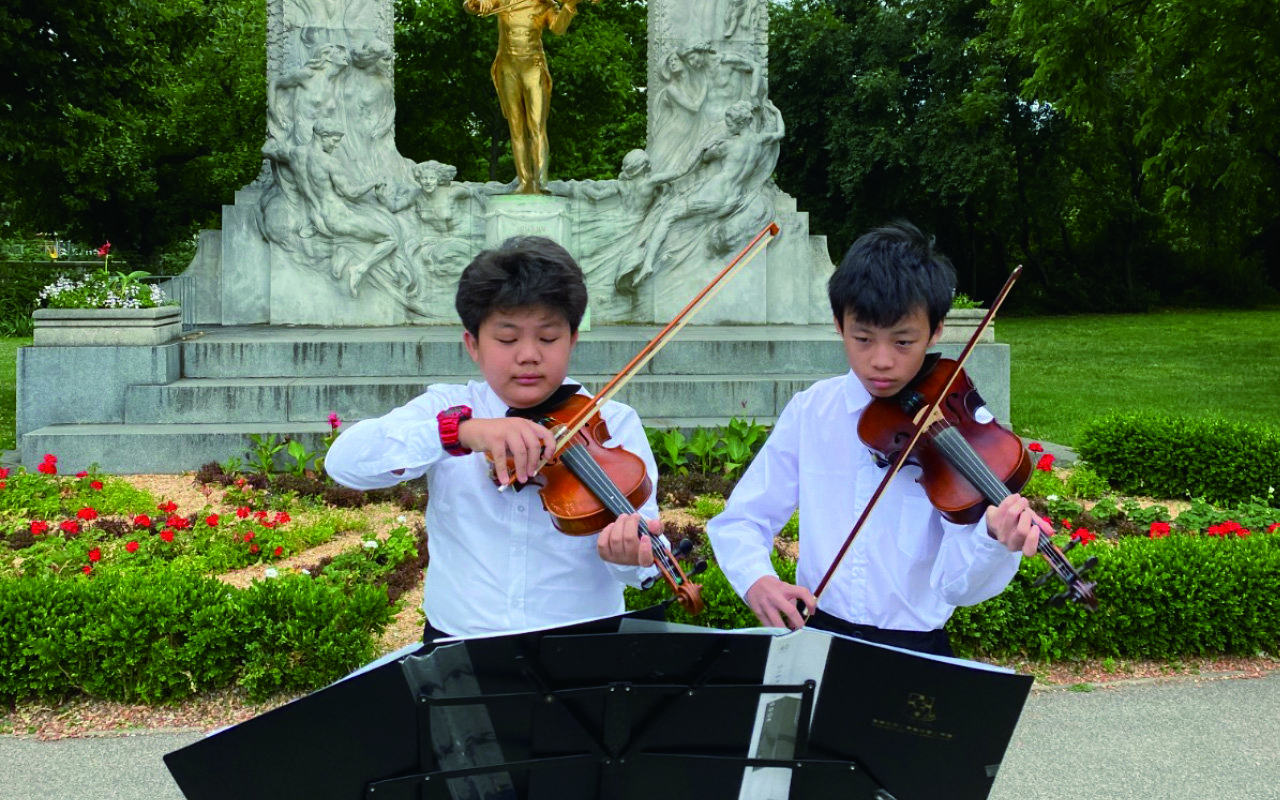
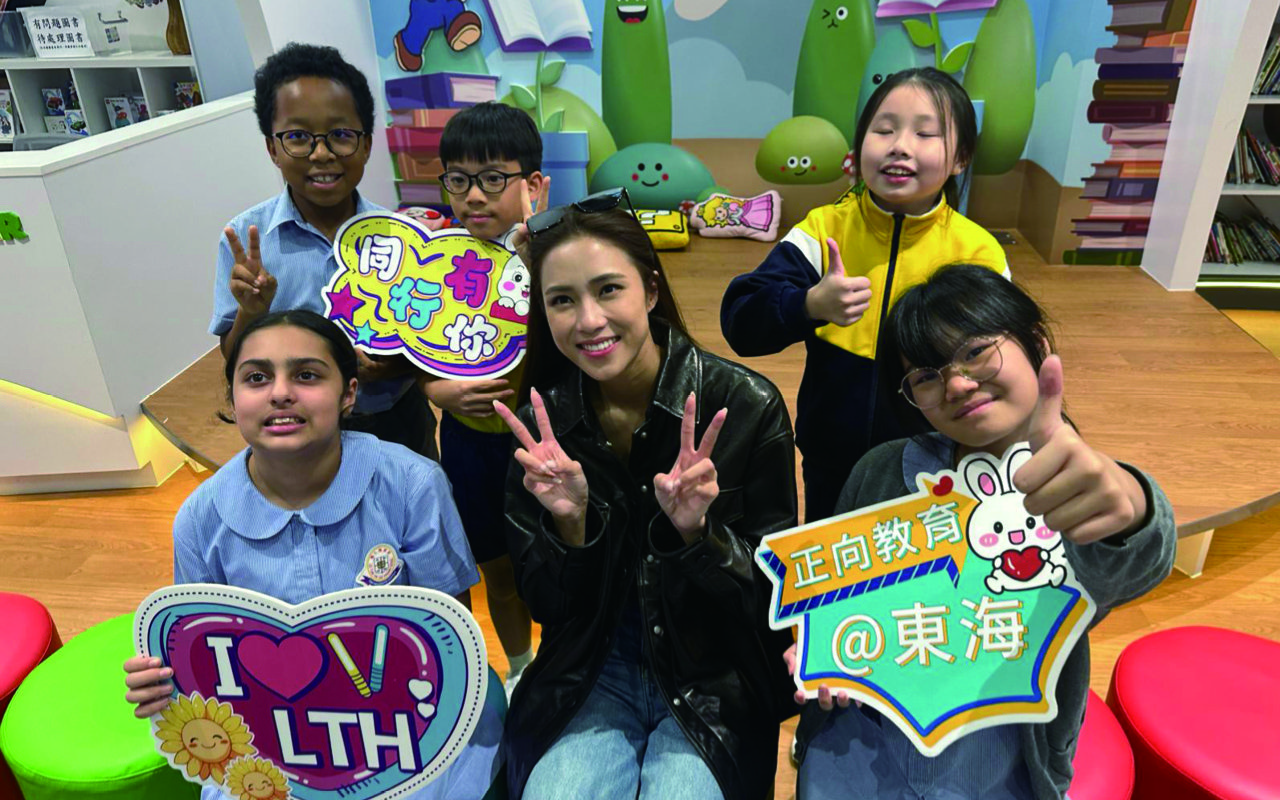
The school equips students with personal skills and strengthens their English application skills through "Lifelong Arts" and diverse experiential activities. Junior students have compulsory swimming and violin courses, and they need to communicate with their class teacher in English after learning. Every two years, the school organizes music troupe and choir students to go to Vienna for exchanges. Students perform on the streets, visit Mozart's former residence, and interact with local tourists in English. This year, the school specially invited the "Tiffy Talks" YouTube English learning and filming platform to the school to interact with students. The founder and artist Tiffany Lau led his team to conduct activities. During the process of conceiving, rehearsing and shooting short films, students collaborated and expressed themselves in English, and used language naturally in real creations. This activity allows students who are interested in photography to express their creativity while improving their English expression skills, self-confidence and learning motivation.
Global Citizenship Course Cultivating Global Perspectives
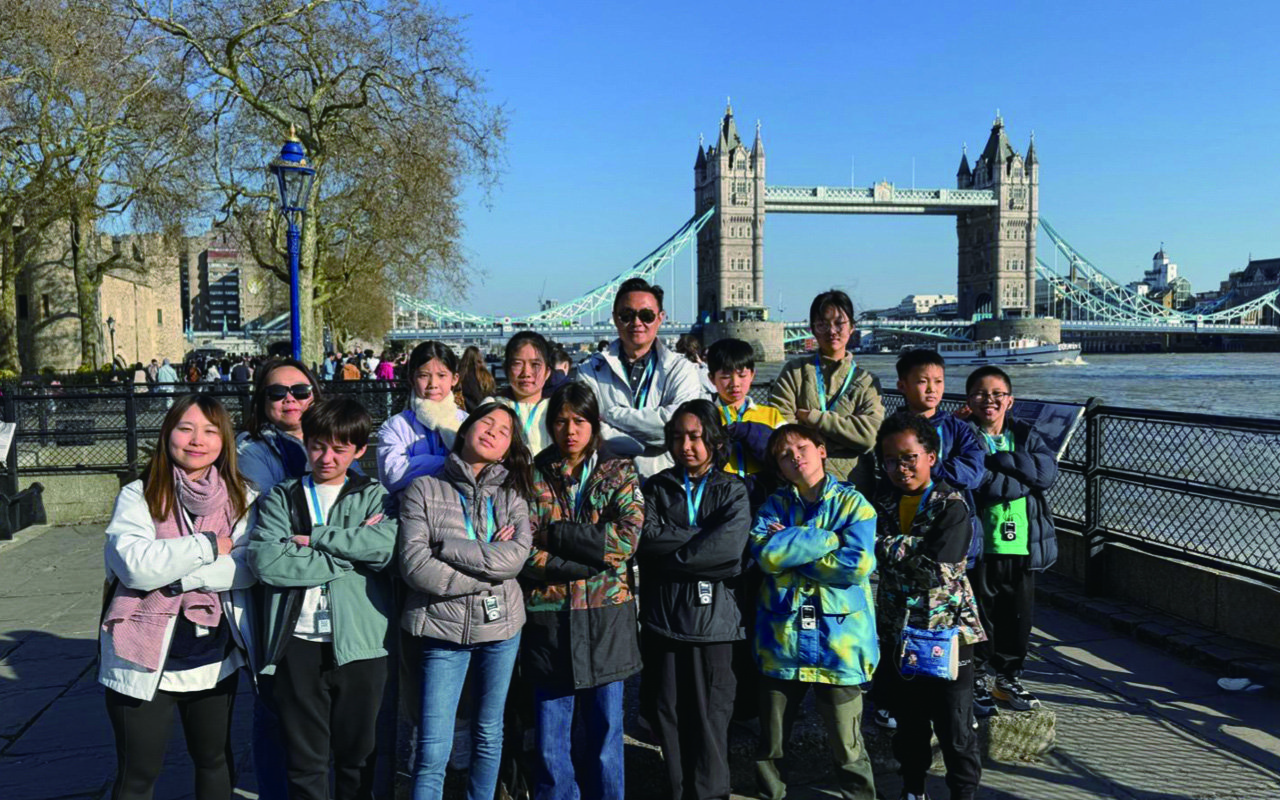
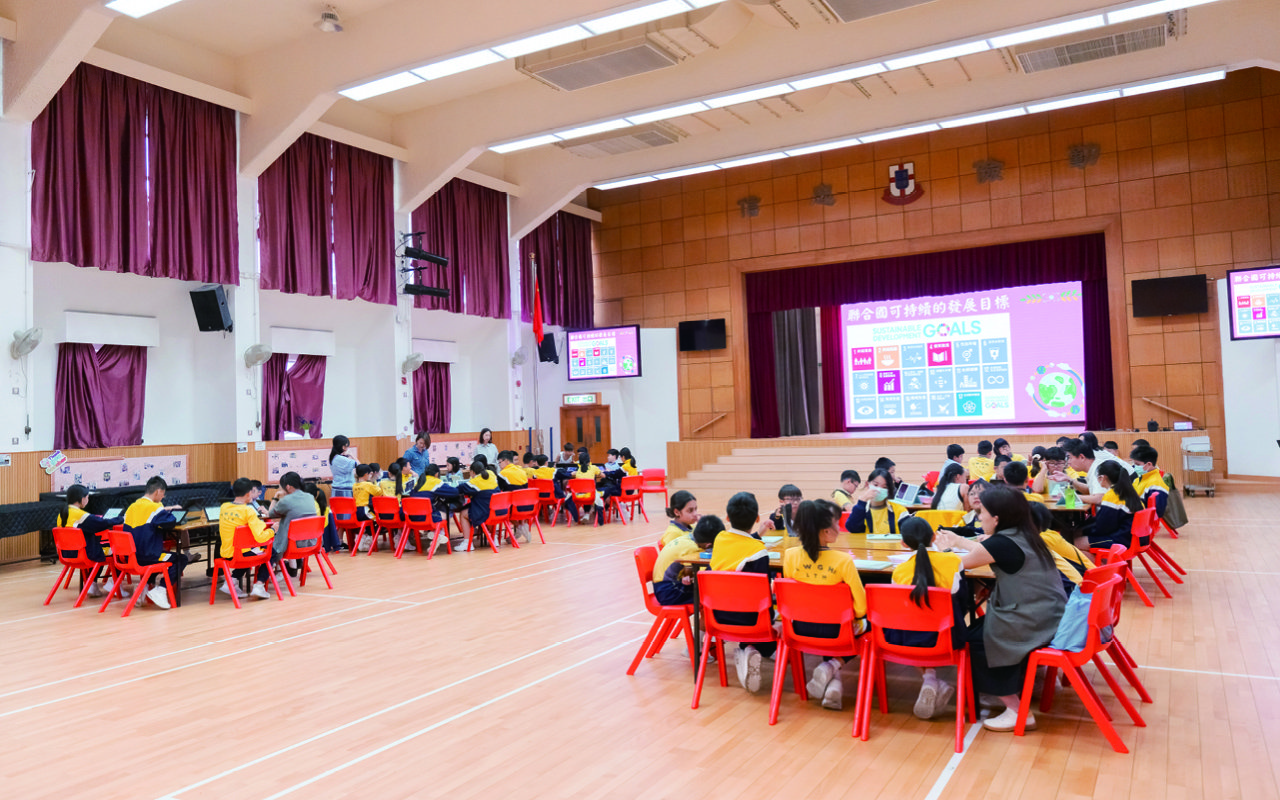
The school attaches great importance to cultivating students' global perspective and deepens their English application and understanding of the world through systematic courses and international exchanges. The school's global citizenship course uses the United Nations Sustainable Development Goals as the framework to guide students to explore international issues through English reading and inquiry. The school organizes at least one group every year to travel to countries where English is the main language of communication for exchanges to improve students' English proficiency. Over the years, the school has visited Canada, Australia, the United Kingdom, Finland and other places. This year, the school takes students to Brisbane, Australia, to attend classes in local schools, stay with local families, and carry out immersive learning in an all-English environment. They can experience foreign cultures up close and expand their international horizons.
Mindful thinking combined with English teaching to gain happiness from learning
The school combines mindful thinking with English teaching and uses the PERMA model (Positive Emotion, Engagement, Relationship, Meaning, Accomplishment) as the core to help students gain a sense of happiness in learning. Through frequent interactions, foreign teachers allow students to feel the fun of English (Positive Emotion), engage in English learning (Engagement), establish good relationships with each other (Relationship), understand the meaning of learning English (Meaning), and then gain successful experience (Accomplishment).
Principal Lu added that the school attaches particular importance to the construction of "Meaning" and guides students to understand that the core of English learning lies in communication and expression, thereby understanding the importance of English in daily communication, travel and cross-cultural exchanges, etc., making learning more meaningful and allowing students to gain solid language skills and a sense of happiness under the guidance of mindfulness.
Invest in English learning to meet connection needs
Taking into account the English learning adaptation needs of primary school freshmen, the school has formulated a comprehensive kindergarten-to-primary transition plan to enable them to devote themselves to English learning. The English subject team makes a self-made school-based English booklet, which is paired with a reading pen with recorded content by a foreign teacher. It is designed according to the student's situation and the school's characteristics to facilitate students to preview new chapters and vocabulary during the holidays. In addition, connection activities will be carried out immediately after the primary school students are assigned, so that new students can familiarize themselves with the campus environment and master the scope of English learning before the start of school, reducing the pressure to adapt and allowing them to master the primary school teaching model in a relaxed atmosphere.
Outstanding performance in internationally recognized examinations to enhance competitiveness and promote long-term development
The school actively encourages students to apply for internationally recognized English exams, and their performance is very impressive. For example, in last year's TOEFL Junior exam, many students achieved excellent results and their English proficiency was close to Form 3. At the same time, the school also organized students to take the Cambridge English exam, and their performance was encouraging at all levels of Starter, Movers and Flyers. Through a series of certification examinations, not only can students effectively strengthen their English proficiency, but they can also enhance their competitiveness and contribute to their long-term development.
AI personalizes English learning, improves learning efficiency and promotes independent learning
The school integrates AI elements into teaching, focuses on English learning, and achieves personalized learning. Senior classes use AI to quickly access information in different fields and around the world, which not only assists English learning but also helps them expand their global horizons. This year, the school has cooperated with the Education University of Hong Kong through a research project to allow first-year students to learn English through the AI English learning platform, with step-by-step guidance from vocabulary, sentence structure to grammar. The platform can realize personalized learning according to students' pace and level, improving learning efficiency. In addition, while teaching students how to use AI, the teaching team will also emphasize the importance of information literacy and guide them to make good use of AI technology.
Happy Campus strengthens English ability and establishes good study habits
TWGHs Leo Tung-hai LEE Primary School · 2026年1月
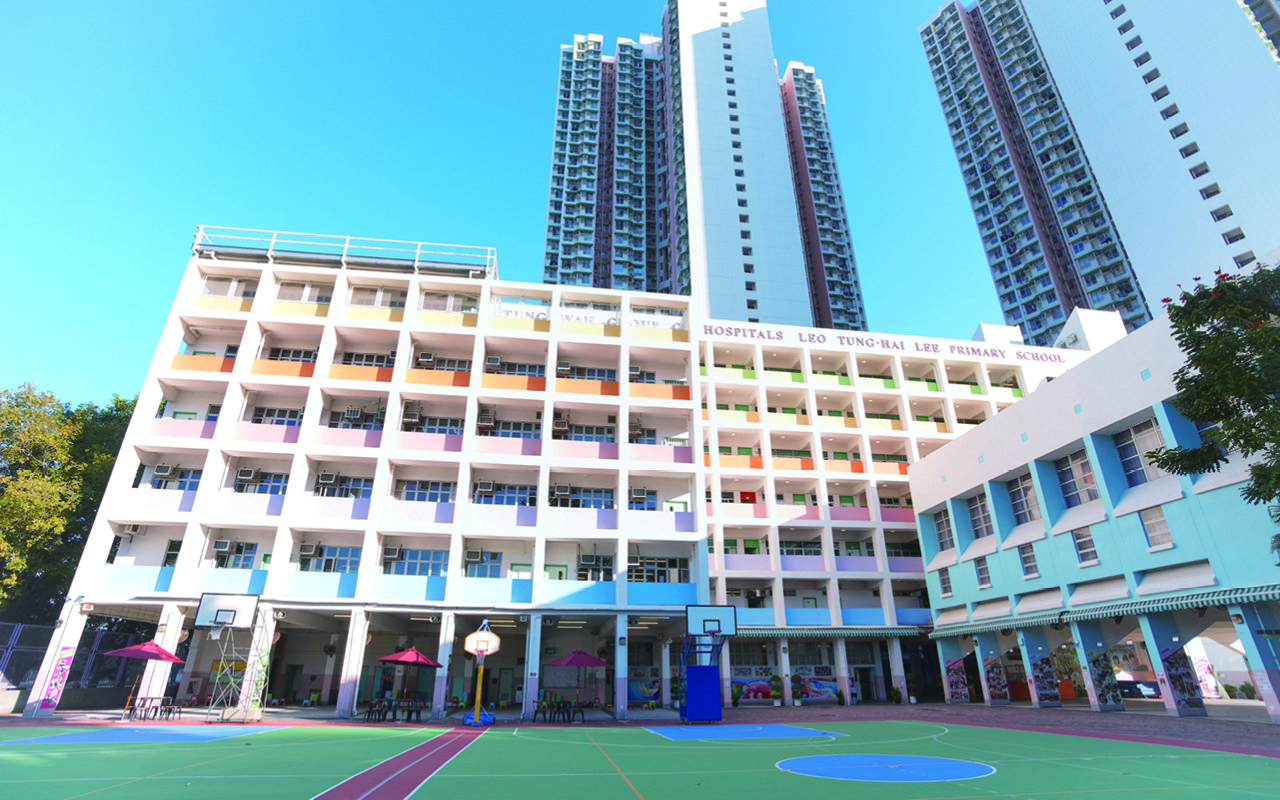
School building appearance
This English version is translated by AI. If there are inaccuracies or omissions, please refer to the original Chinese text.