
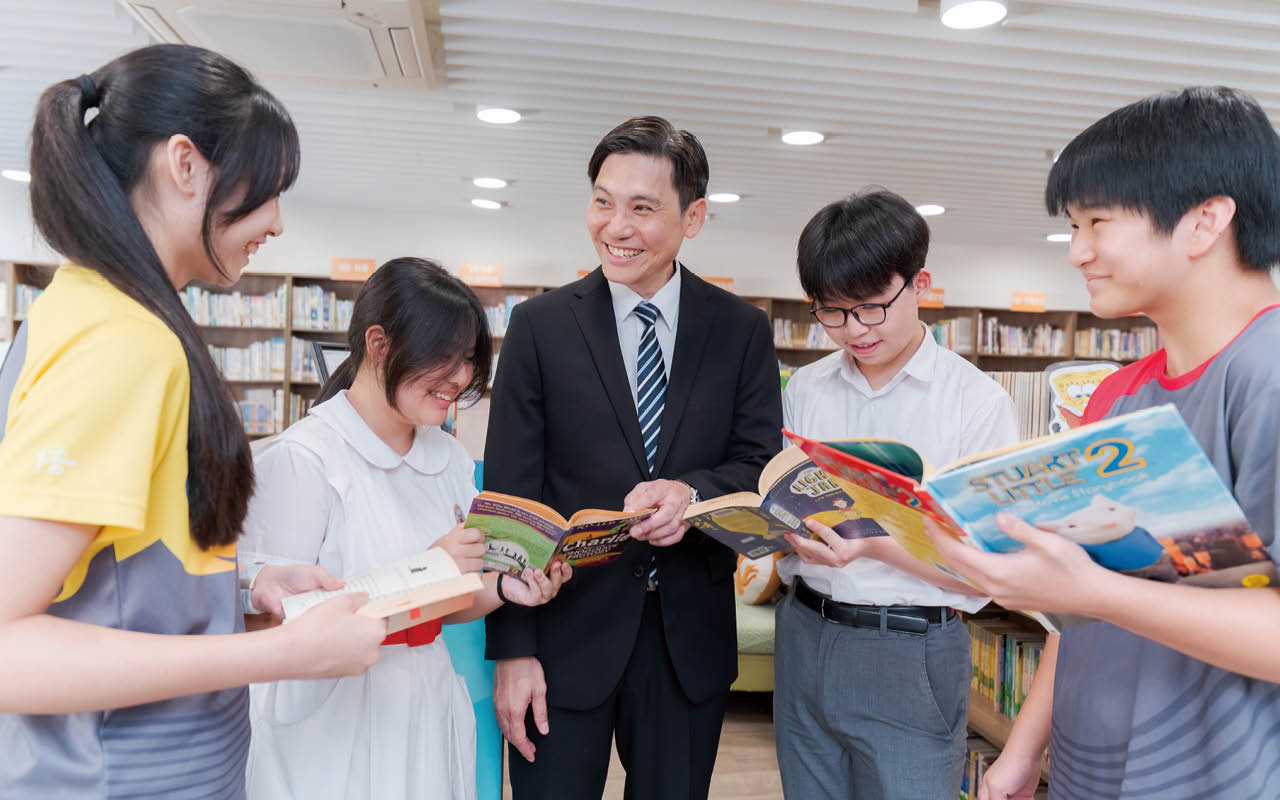
Every student has different talents and different learning rhythms. Some students need to solidify their foundation step by step; some students need a broader platform to break through themselves. Having been deeply involved in education for many years, Principal Liang Guoqiang understands that education is a method of raising a seed and teaching a child. Therefore, @TERM0@@ has built a distinctive education system with distinct layers and both internal and external aspects to adapt to the growth pace of different students, so that every student can thrive in school and shine with his or her own light.
Fine curriculum adaptation differences, hierarchical teaching needs to be catered for
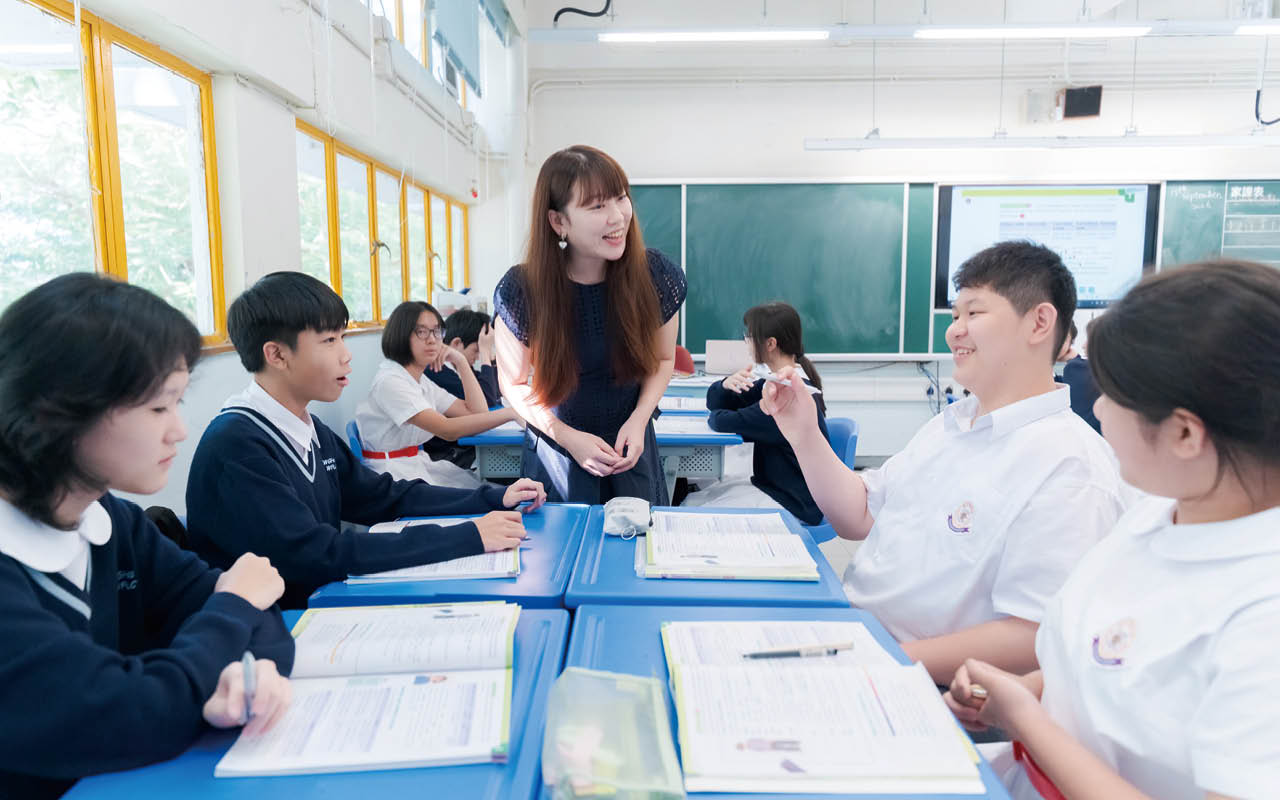
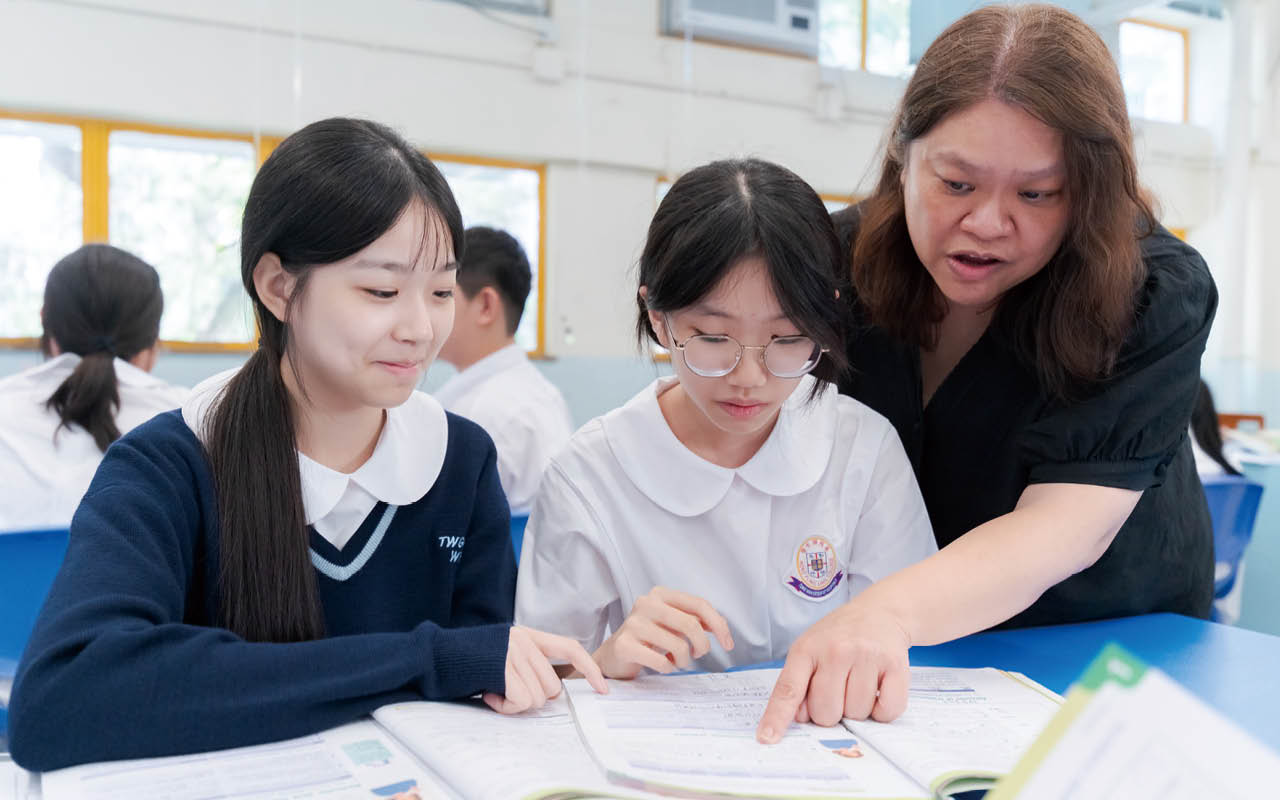
The school specially creates refined and layered courses for students, striving to take into account the learning differences of each student. Principal Leung Kwok KeungIntroduction: "The school's tiered teaching is carried out in Form 1 and 2, focusing on the three core subjects of Chinese, English, and mathematics, and divided into two levels: basic classes and advanced classes. Different from simple grouping of student activities, we have achieved all-round stratification of classroom content, homework assignments, and examination assessments, breaking the "one-size-fits-all" teaching model, so that the teaching difficulty and learning tasks fully match the students' abilities."
This considerate layered mechanism allows students with different abilities to grow steadily: students with weak foundations do not need to catch up and can gradually build their learning confidence; students with better foundations can continue to develop higher-order thinking and problem-solving skills. More importantly, the stratified training in the first and second stages of secondary school allows students in advanced classes to accumulate valuable experience in advance for entering the top classes in high school in the future.
Spiral curriculum solid foundation, DSE scores rising steadily
The school implements the Spiral-Curriculum concept, from laying the foundation to improving abilities, so that students' learning can progress steadily. Different from traditional linear teaching, the core of spiral courses is "sequential accumulation and deepening layer by layer." The school first guides students to master the basic concepts and core knowledge of each subject. After students have fully mastered it, they will gradually add deeper and more difficult learning content. This model of cyclic consolidation and step-by-step improvement effectively solves the problem of students having a weak foundation and difficulty in mastering complex knowledge and difficult subjects.
After students have gone through two years of stratified teaching and spiral curriculum training in junior high school, the school will set up top-notch classes in high school specifically for students in Form 5 and 6, with after-school make-up training. Principal Leung Kwok Keung Frankly said: "The core 332A score requirement for university admission in Hong Kong makes the three subjects of Chinese, English and Mathematics the top priority in public examinations. Therefore, the school focuses on the three core subjects to develop top-notch teaching, accurately aligns with the key points of the DSE examination, and strengthens students' problem-solving skills and test-taking abilities." In recent years, the school's overall DSE public examination scores have steadily increased, confirming the effectiveness of this teaching model.
Maker courses connect communities, technology does good and gives back to society
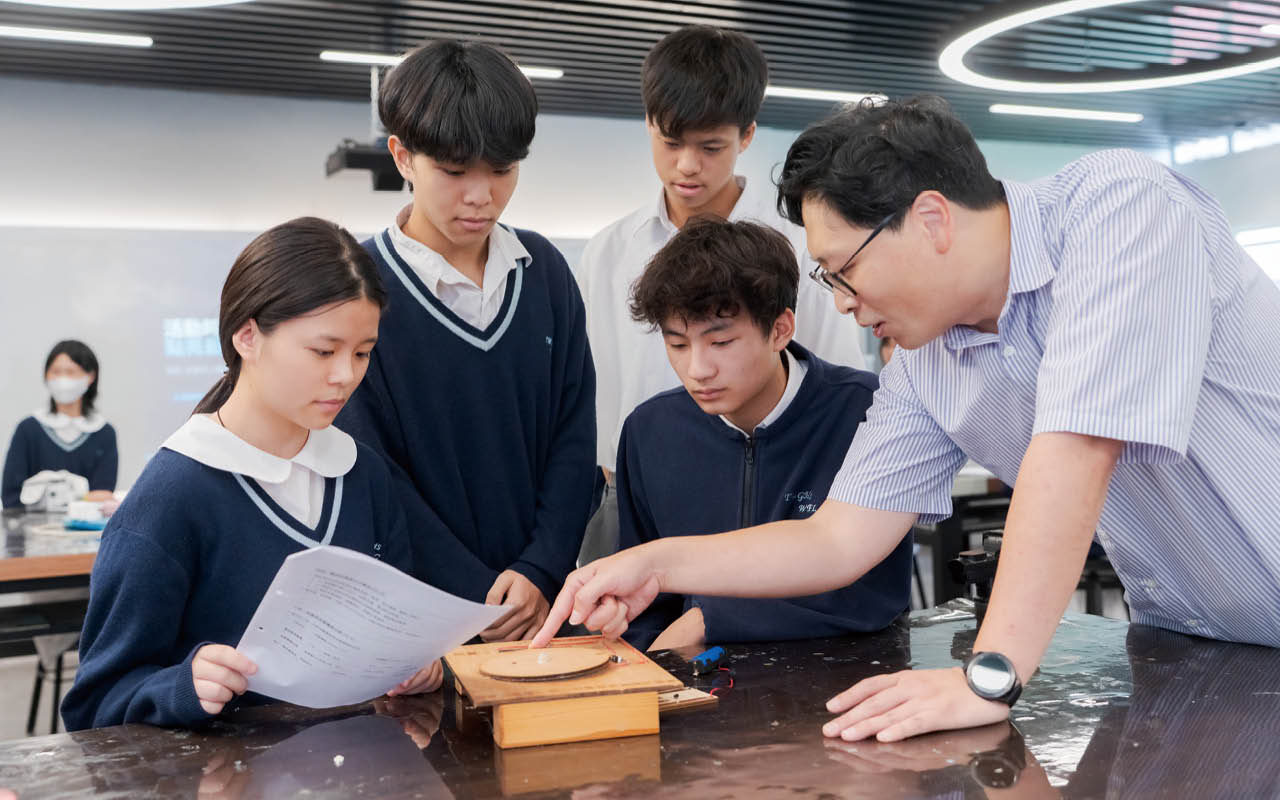
The school has set up a special MAKER + maker education course in the third and middle schools, allowing students to complete the complete process from observation and thinking, hands-on creation to operational services through thematic exploration. The course closely focuses on product development based on the life pain points of the elderly in the community. Students will go into the community to observe and record, collect information, understand the inconveniences in the lives of the elderly, and then design and create convenient and innovative products. Some students have developed smart sensor crutches and modified hydraulic vacuum cleaners based on the needs of the elderly for travel and home cleaning: a smart crutch that alerts when it lands on the ground can promptly remind passersby to assist a fallen elder; a remote-controlled vacuum cleaner equipped with a sensor can flexibly clean dust in various corners and solve the home cleaning problems of the elderly.
In order to provide students with more opportunities to display, the school held an on-campus booth exhibition for Form 1 and 2 students, and invited teachers, students and neighbors to attend the exhibition. The event has a scoring mechanism. Guests will give multi-dimensional scores based on the practicality of the works, design concepts, and students’ on-site explanations. Excellent works will not only receive prizes and certificates, but also allow students to be recognized for their creativity and dedication and accumulate experience.
Innovation and technology competition stands out, winning works shared across Hong Kong
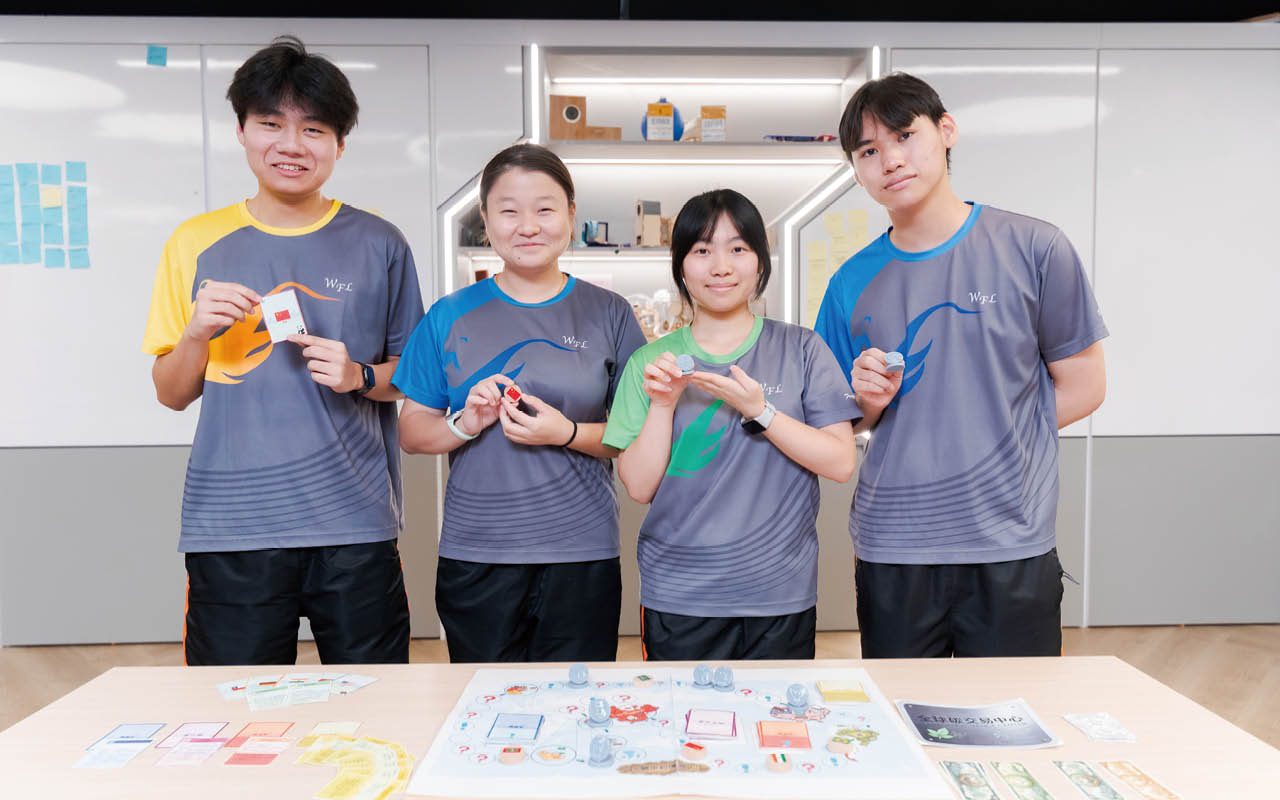
This summer, the school's Biology Department and the MAKER+ team led four Form 4 students to participate in the "Interdisciplinary·Co Explore "Low Carbon Life" Teaching Material Production and Short Film Shooting Competition 2026" hosted by Hong Kong Baptist University. The students carefully designed a physical board game called "Carbon Neutral Game" that is interdisciplinary and responds to multiple "sustainable development goals". It stood out from more than 100 competing teams in Hong Kong and represented the school in the semi-finals and finals in August. In the end, it won three awards in the secondary school category: the champion of the secondary school category (finished product category), the award for the most interdisciplinary element, and the best team mentor award.
The design process of the "Carbon Neutral Game" board game reflects students' logical control over complex mechanisms. They not only designed a wide variety of cards covering a wide range of areas, but also used AI to design simulators with vibe coding to optimize the game score balance; they also developed a web app scorer to enhance player experience. In addition, students used MAKER+'s 3D drawing and printing technology to design chess boards and chess pieces by hand, and integrated different interdisciplinary knowledge, including science, economics, geography, and history, into carbon-neutral cards and game mechanics. The team also shot a two-minute teaching video for their work to fully demonstrate their creative ideas.
Due to their outstanding performance, the winning works will be made public on the Hong Kong Baptist University website for the public in Hong Kong. This competition not only affirmed the school’s achievements in promoting interdisciplinary learning and innovative technology education, but also demonstrated students’ ability to transform knowledge into practice. They break through themselves and build self-confidence through repeated experiences, and truly experience the sense of accomplishment of putting knowledge into practice and creating value.
Immersive English atmosphere, use English confidently
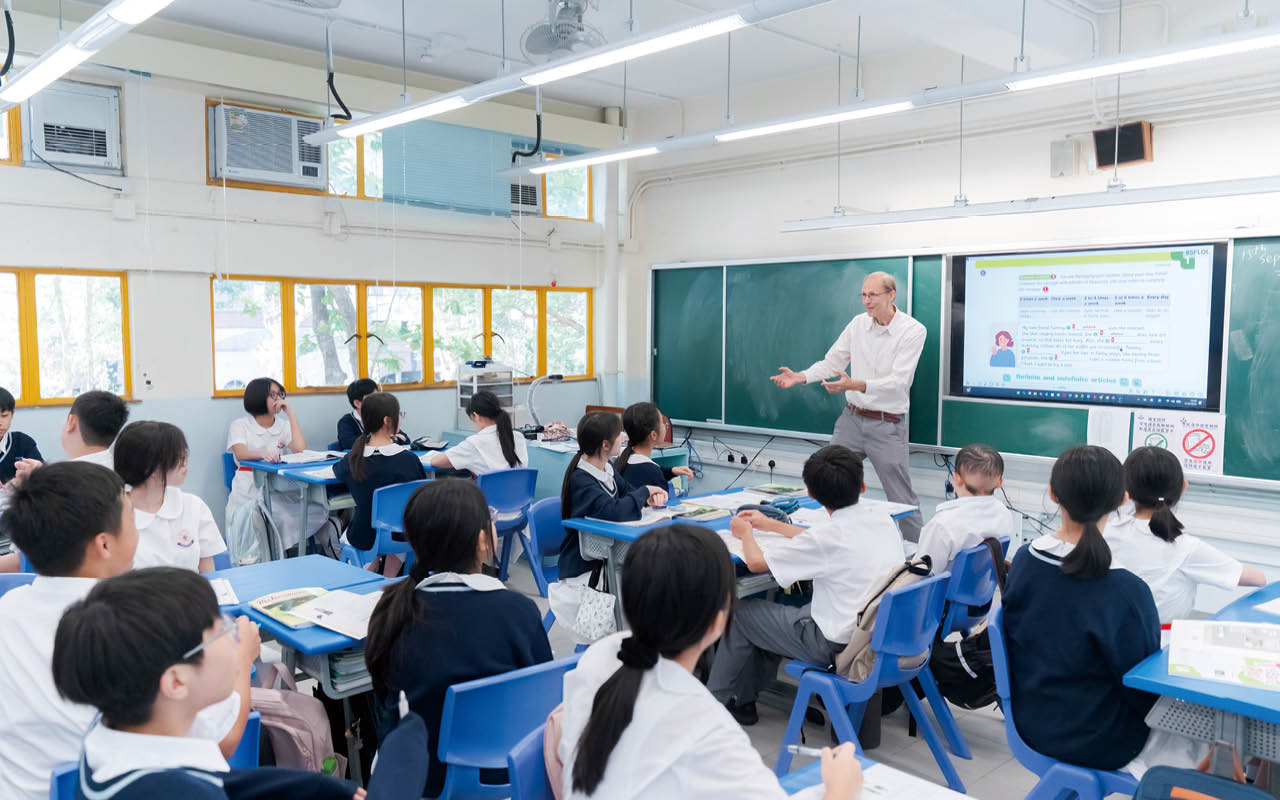
The school is committed to creating an immersive English learning atmosphere and launching interdisciplinary integration activities to allow students to train their listening, speaking, reading and writing skills in real-life situations. Foreign English teachers will create interesting English learning scenes, and interdisciplinary cooking activities are very unique activities. Foreign English teachers lead students to carry out pizza making activities. They use English to understand the ingredients and communicate about the production process throughout the process. Through practice, they naturally accumulate vocabulary and hone their spoken English, achieving the effect of "one subject of activities, two subjects of harvest", making English learning flexible and interesting.
In addition to fun activities, foreign teachers also lead the campus TV station to build an English practice platform for students, allowing language training to run through campus life. Whenever large-scale campus events such as sports meets are held, students will participate in interview work under the leadership of teachers, interviewing classmates and guests in English. From on-site questioning, real-time recording, to later manuscript writing and video editing, all aspects are completed independently by the students. From the beginning, the students were nervous about stage fright and expressed stiffly. After repeated experiences, they gradually became calm, confident and fluent in expression. They not only improved their English skills, but also developed their stage courage and self-confidence in expression.
Organize exchange activities to broaden international horizons
"Reading thousands of books is not as good as traveling thousands of miles." The school actively encourages students to explore the world and use knowledge to compare the development and changes of the world. In recent years, the school has organized different types of activities, such as the long-distance running group's "Run Around Singapore", sister school exchange groups that visited the Mainland, and Zhuhai and Macau study tours. Students are recommended to participate in the "TWGHs Joint School English Enrichment Study Group 2026", "2025 Tung Wah Student Ambassadors Germany Visiting Group", etc., so that learning is no longer limited to textbooks, but to experience the latest developments in different regions through personal experience. In the process, students can not only practice language immersively, but also understand the living culture, traditions and values of different regions, learn to look at problems from different perspectives, and broaden their international horizons.
Hierarchical teaching, teaching students in accordance with their aptitude, special courses to cultivate dreams and talents
TWGHs Wong Fung Ling College · 2026年10月
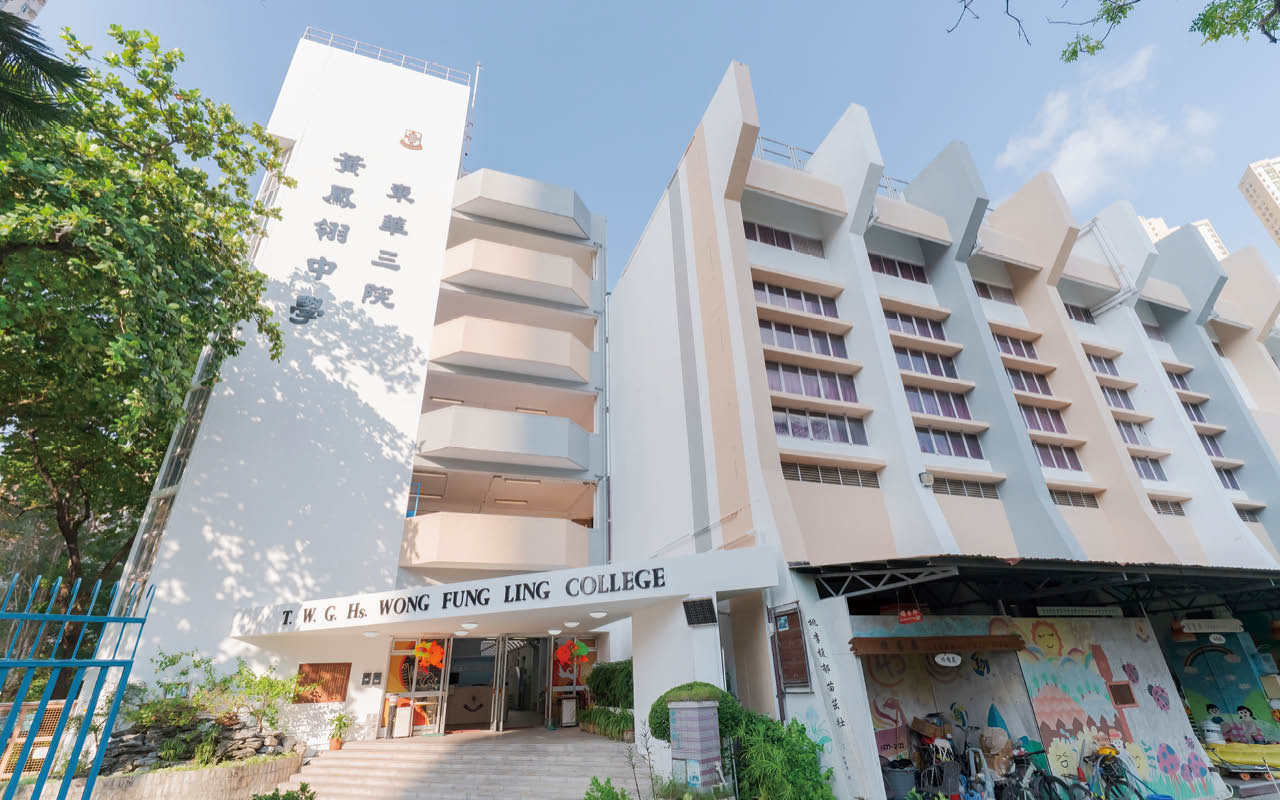
School building appearance
This English version is translated by AI. If there are inaccuracies or omissions, please refer to the original Chinese text.