
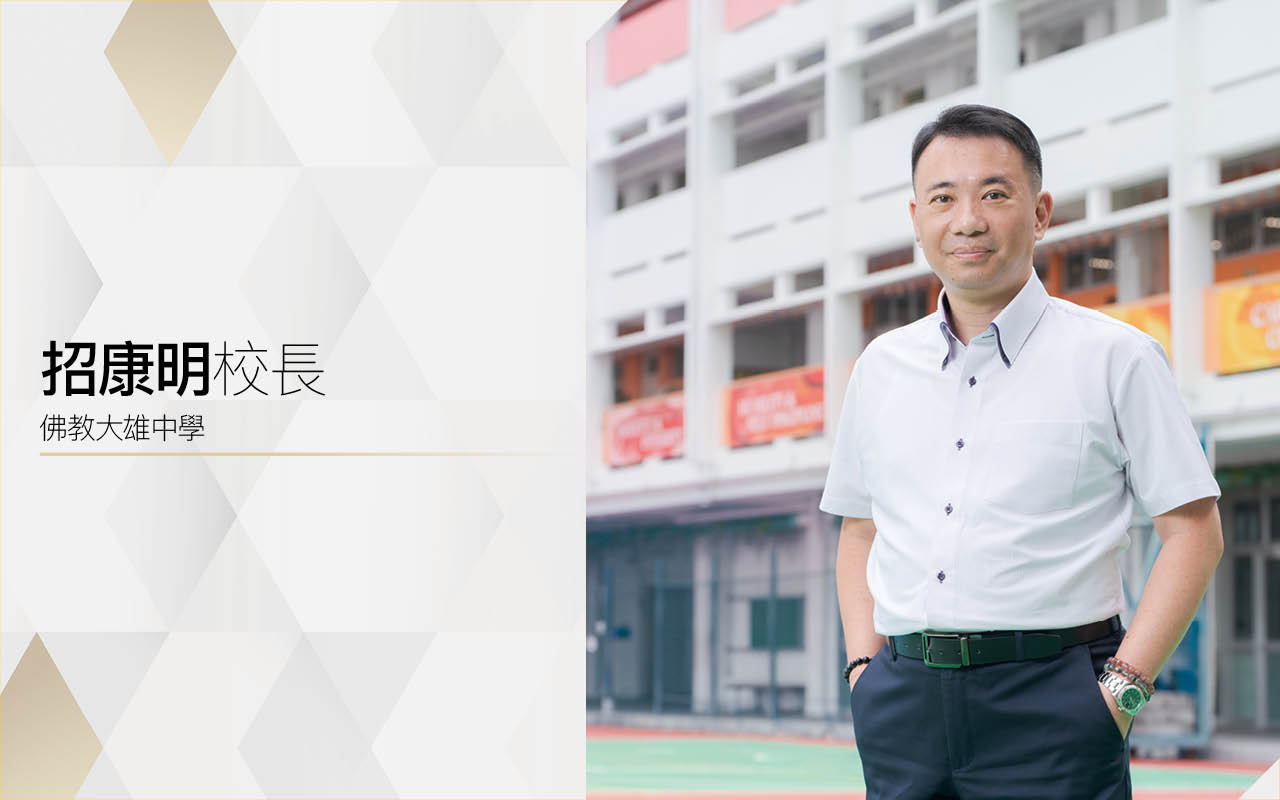
Buddhist Tai Hung College, which is rooted in Sham Shui Po and adheres to the spirit of the school motto of "Wiseness Reveals Compassion", takes "Future Education" as the core focus in the new three-year school development plan. Principal Chiu Hong Ming Upholds the educational belief that "wisdom is higher than knowledge", takes Buddhist moral education as the foundation, integrates AI and new technology teaching, and cultivates students with comprehensive literacy. The school not only guides students to learn technology and make good use of technology, but also cultivates students' personal accomplishments and shapes positive values. It also cultivates their resilience and builds students' quality from the inside out step by step. The school hopes that students will first sharpen themselves and improve their personality, then care for the people around them, and finally have the ability to serve the society and contribute to the country, and gain dual-track growth with equal emphasis on scientific and technological talents and moral wisdom.
Explore interdisciplinary AI teaching and activate classroom innovation experience
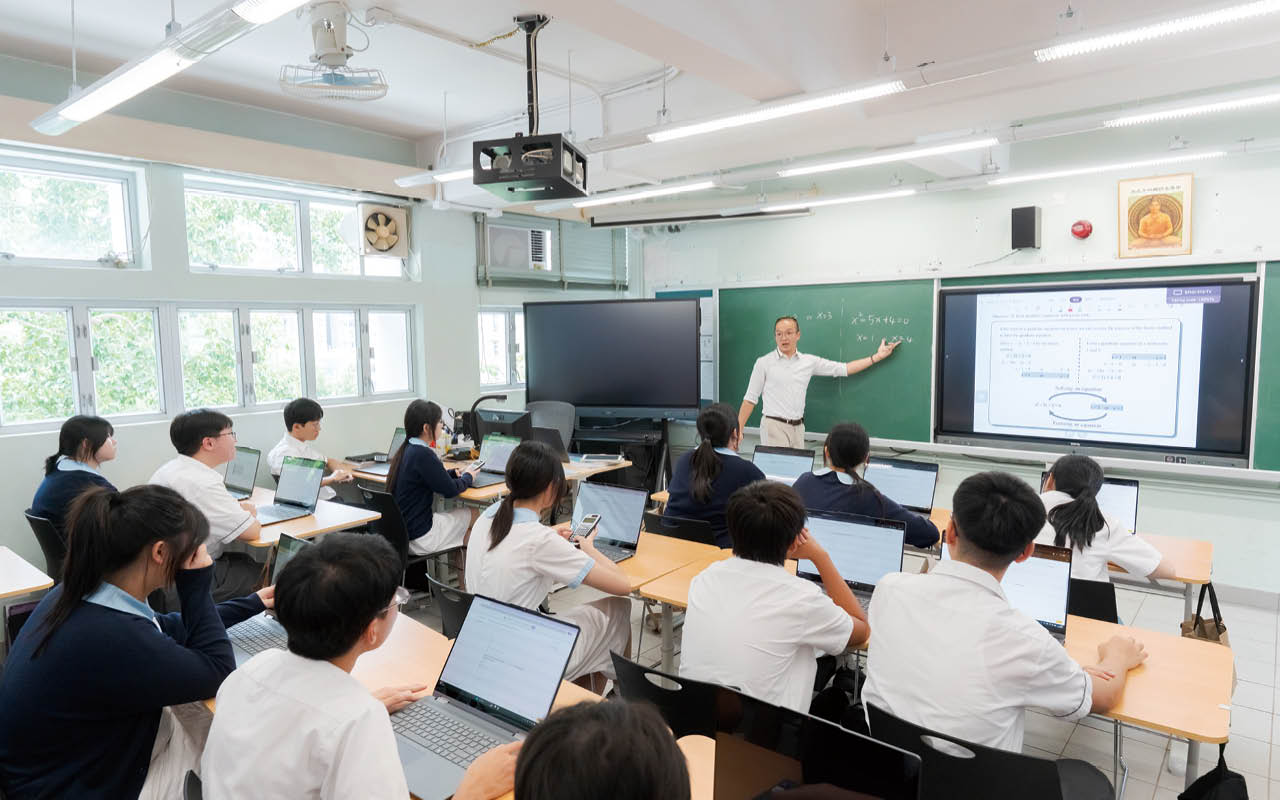
The school actively explores the cross-disciplinary integration of AI, deeply integrating technology into Chinese, Chinese history, mathematics and other subjects, reversing the problem of disconnection between technology teaching and subject teaching, and creating a vivid and three-dimensional new classroom. Among them, the AI teaching practice of the Chinese History Department is quite representative. The school built an exclusive AI interactive bot to simulate the characters of anti-war veterans and carry out teacher-student and human-machine interactive dialogues. Different from the traditional model of book recitation and graphic explanation, students can actively ask and communicate with AI simulated historical figures, immersively experience historical scenes and understand historical content, which greatly enhances the interest and sense of immersion in historical learning. Principal Chiu Hong Ming Frankly said that while promoting AI education, the school always adheres to the teaching standards and adheres to the principle of "technology supplemented and thinking first".
Xinglun Laboratory Platform Technology self-study empowers all subjects
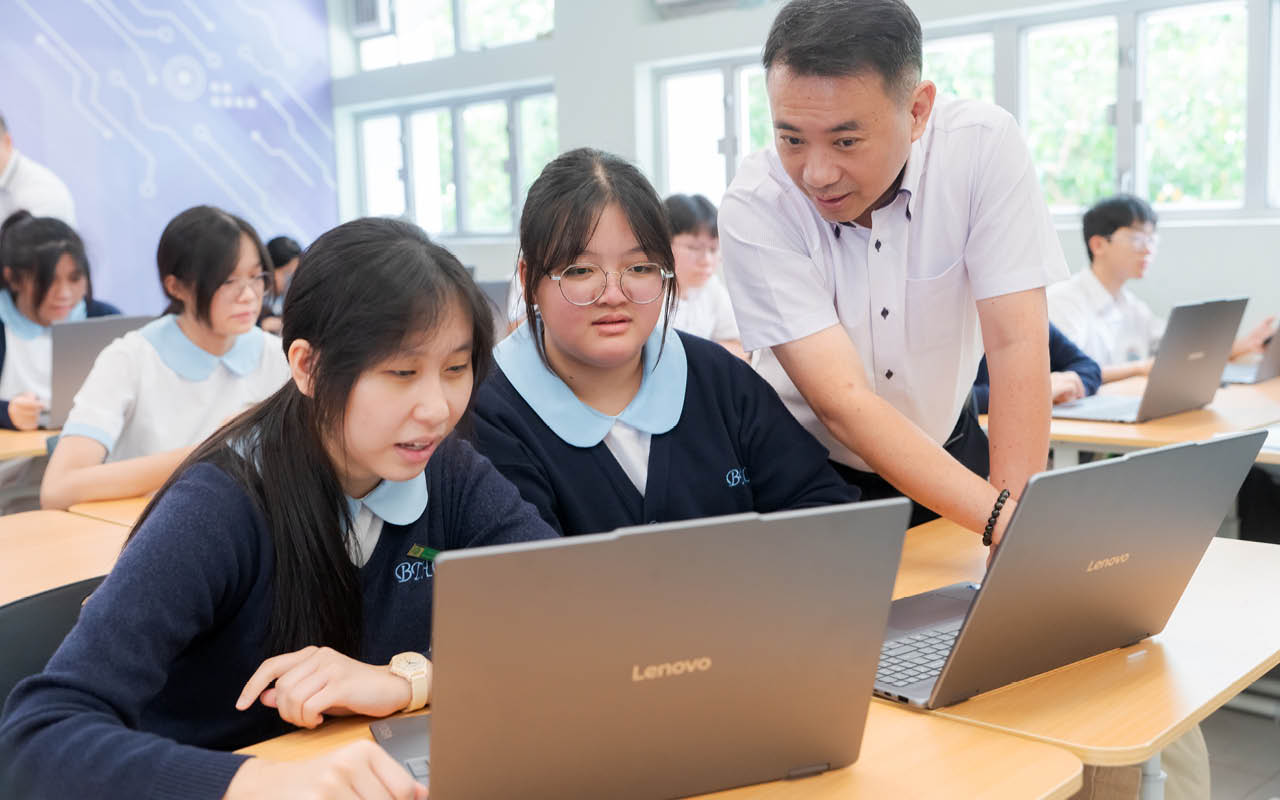
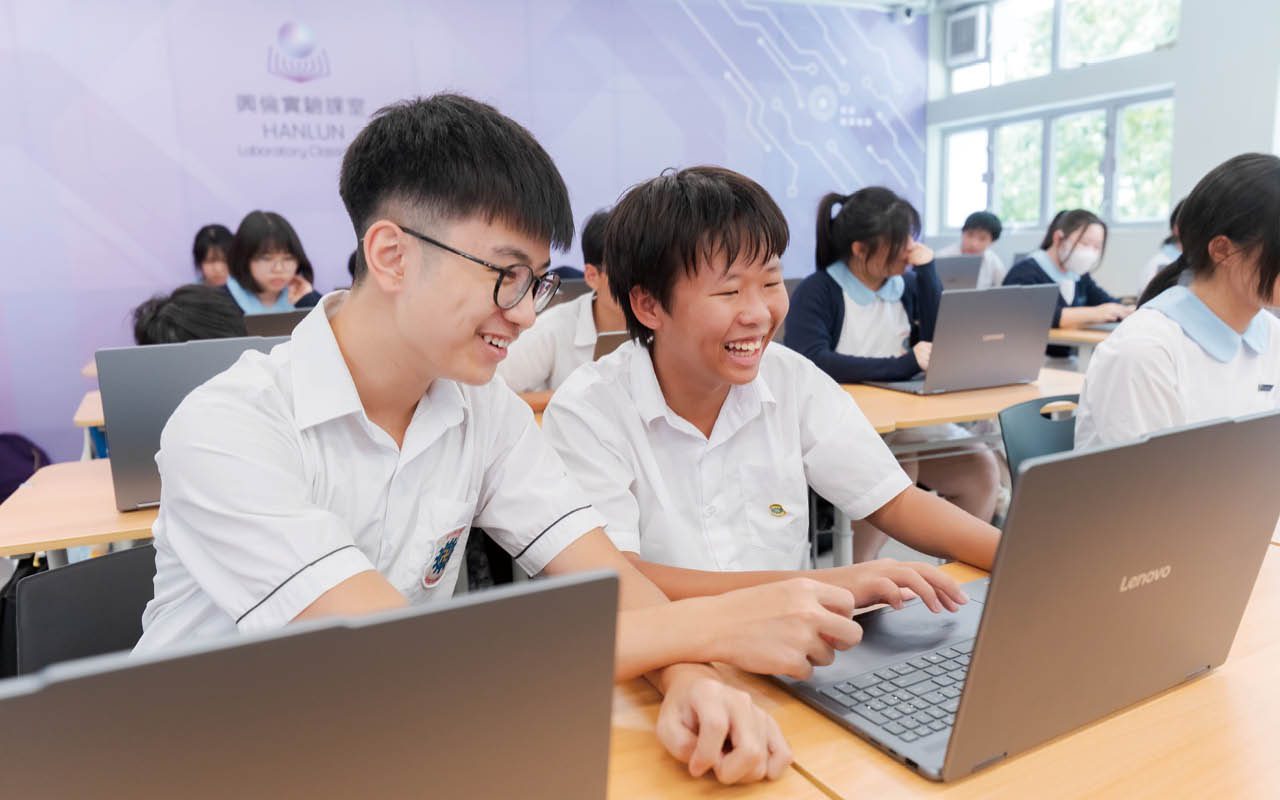
The school has a dedicated "Xinglun Laboratory" dedicated to promoting AI and STEAM education in an all-round way. The school has introduced a variety of online learning platforms and electronic teaching equipment, equipped with laptops, iPads, electronic whiteboards and other teaching tools to flexibly support classroom teaching and students' self-study at home. The Mathematics Department has also built an exclusive online learning platform to implement a learning model of "on-campus classroom learning + self-consolidation at home", allowing students to practice targeted exercises anytime and anywhere.
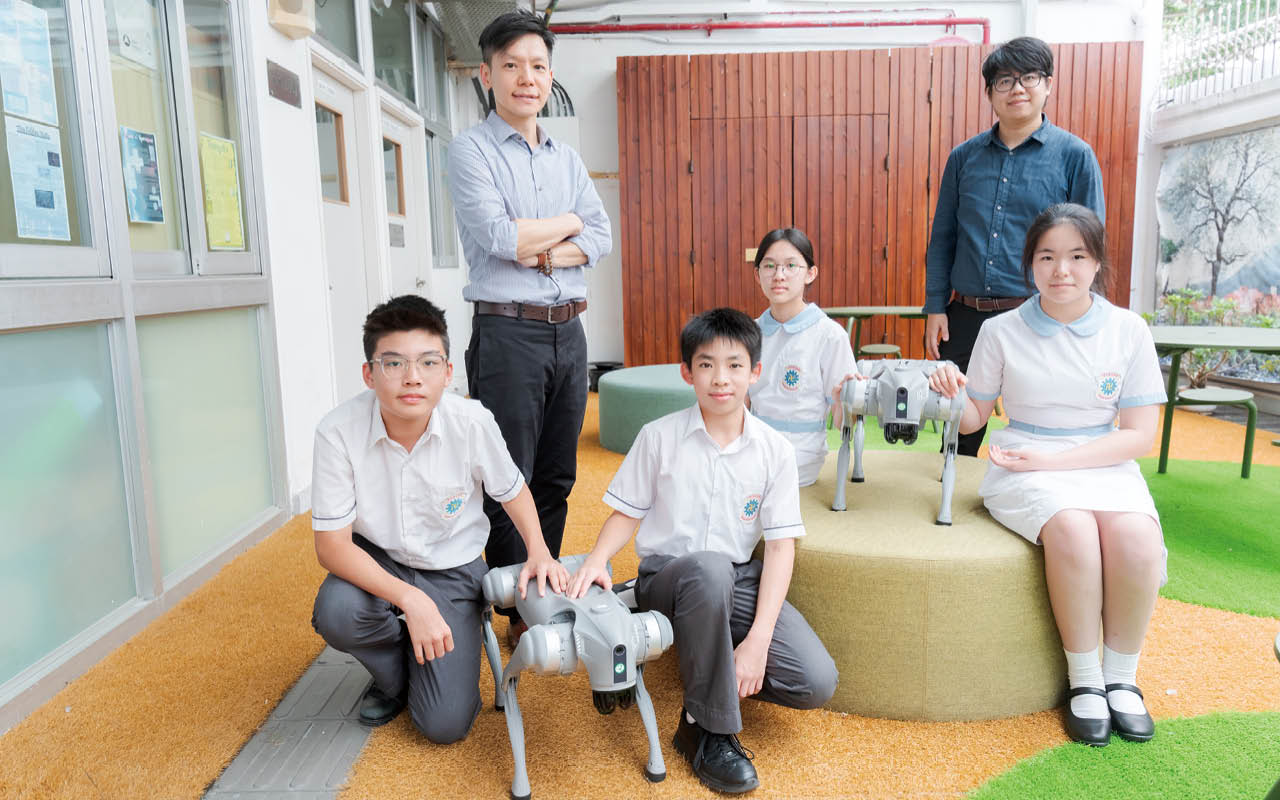
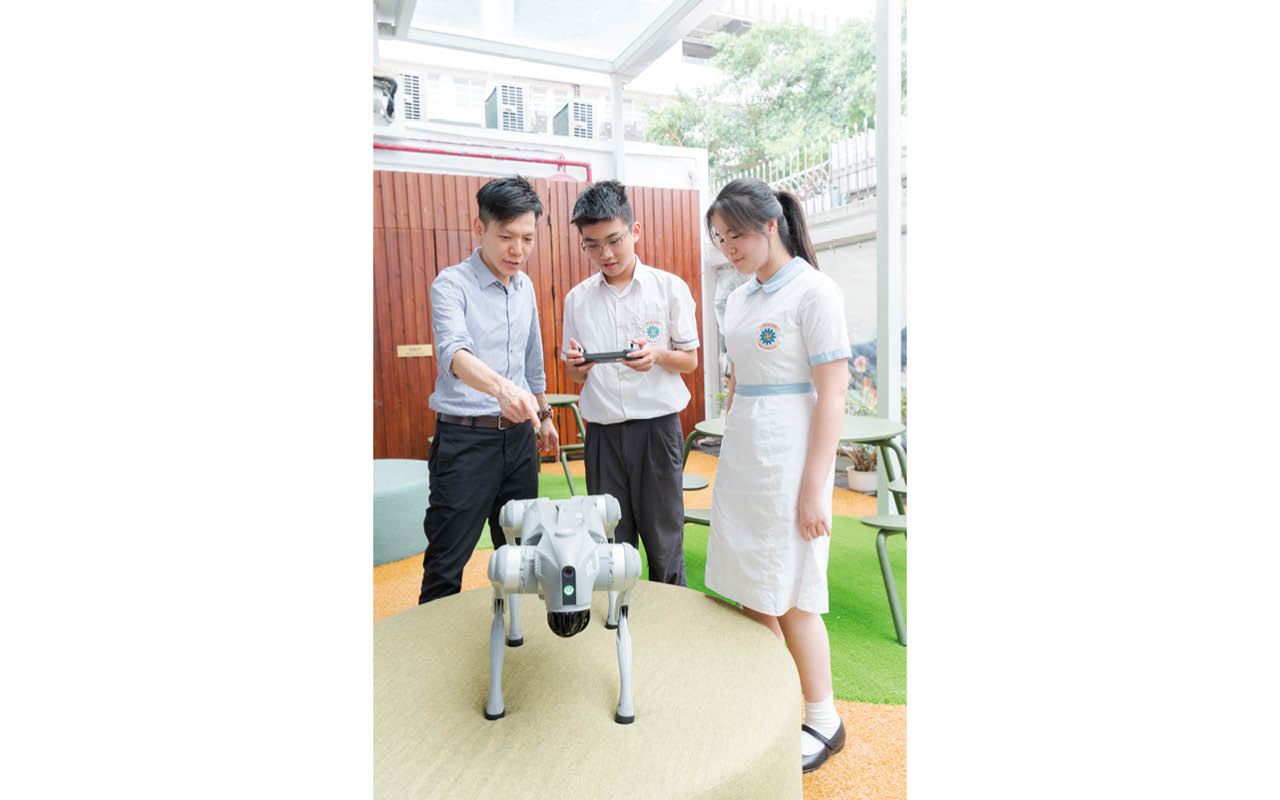
At the same time, the school is equipped with complete equipment and introduces various robots and mechanical components to support highly interactive practical courses. The course focuses on guiding students to assemble, operate and explore on their own, establish independent learning thinking, understand scientific and technological principles in practice, and master the application methods of AI tools. Teachers in various subjects will also conduct regular lesson research and teaching exchanges to continuously optimize teaching strategies.
Positive digital values standardize the bottom line of AI use
In response to problems such as students' misuse of AI and weak information recognition ability in the digital age, Principal Chiu Hong Ming emphasized: "The school resolutely puts an end to students' over-reliance on AI and emphasizes that technological tools are positioned to assist learning." Therefore, the school has specially formulated guidelines for the use of AI to help students establish a correct view of numbers. Class teachers and teachers of various subjects will teach students how to use innovative technologies correctly.
In the writing teaching of Chinese and English subjects, the boundaries of the use of AI are clearly regulated: students are allowed to use AI tools to assist in revising compositions, proofreading grammar, and optimizing sentences, etc., but they are prohibited from directly using AI to generate full texts and complete assignments perfunctorily. It is expected that students will make good use of technology while adhering to the bottom line of independent thinking, and achieve "using technology, not relying on it, knowing how to distinguish, and knowing how to think."
Make good use of external resources to empower and broaden the dimension of STEAM teaching
The school seizes opportunities for educational development, proactively seeks external resources and funding, and proactively deploys STEAM and AI education. The school has launched STEAM courses as early as ten years ago. Now, in response to the government's science and technology education policy, it integrates multiple educational resources through the "Smart Education" funding program. The school actively promotes off-campus collaboration, introduces professional science and technology courses, and purchases new hardware such as quadruped robots and drone programming to broaden the scope of science and technology teaching on campus.
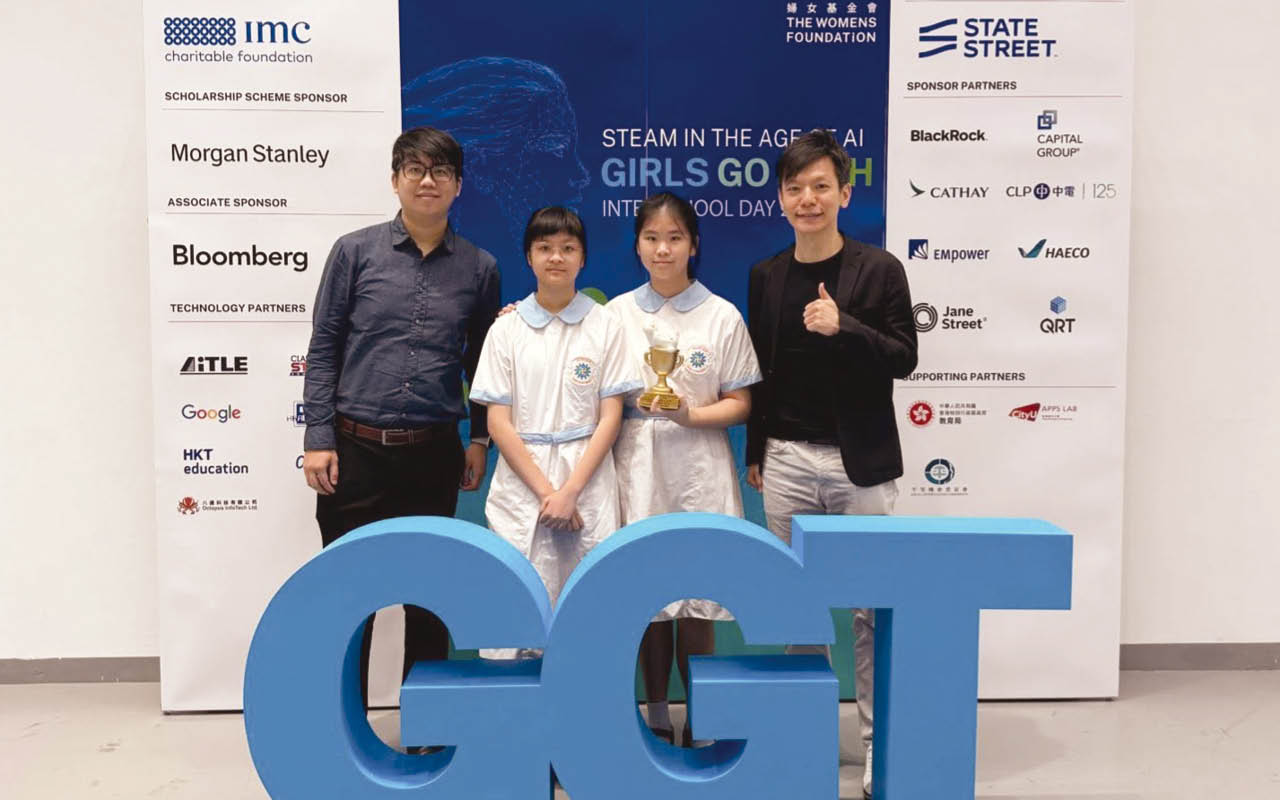
The school adopts a hierarchical training strategy of "basic popularization + advanced training", and STEAM courses are permanently set up during extracurricular activities to provide basic courses to all interested students. External professional tutors are invited to teach at the school, and each class maintains a small class size of more than ten students to ensure the quality of teaching. For students with solid foundation and outstanding performance, the school further carries out advanced selection training and arranges students to participate in various technology competitions and in-depth study courses. Among them, the drone programming course has been implemented for many years, and students have repeatedly won good results in many competitions; the newly introduced four-legged robot course has also been launched smoothly, continuing to broaden students' technological horizons and improve their hands-on practical ability.
Three levels of Buddhist education combined with value education
The school has constructed a three-level Buddhist education model of "conscious self-interest, awareness of others and altruism, and dependence on others", which closely follows the twelve primary values of the Education Bureau and is promoted by levels throughout the students' entire secondary school years. The entire value cultivation system proceeds step by step along the lines of "self-surroundings-society-country": it first cultivates students' qualities of filial piety, self-discipline, and integrity, and sharpens personal morality and character; then guides students to be kind to their families, relatives, friends, and peers, and learn to be caring and inclusive; and then further expands to care for the community, society, and country, cultivating a sense of responsibility and commitment. The school integrates values education into classrooms of various subjects, campus activities and daily interactions between teachers and students to cultivate students' moral character in an all-round way. After a long period of solid moral education, the school's school spirit is highly praised in the district and deeply recognized and trusted by parents.
Zen meditation cultivates the mind, nourishes the mind and educates the whole person morally
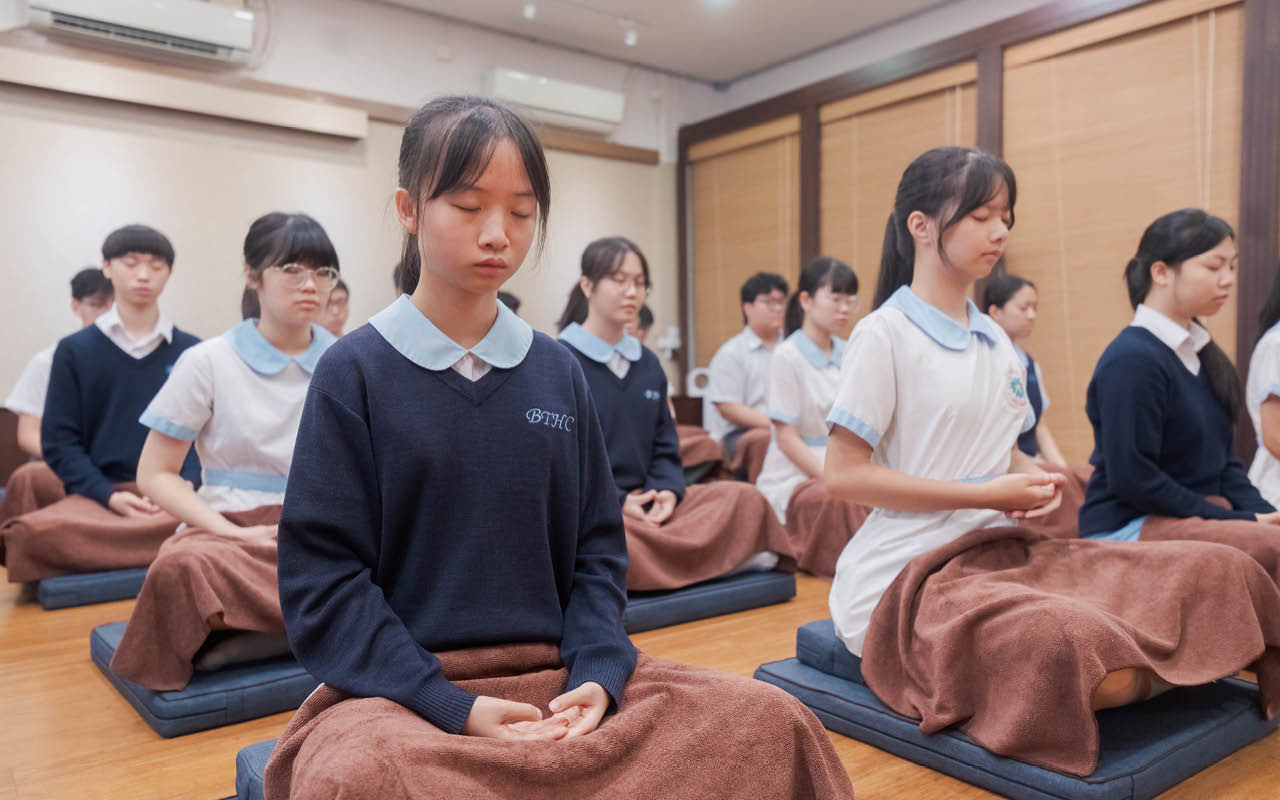
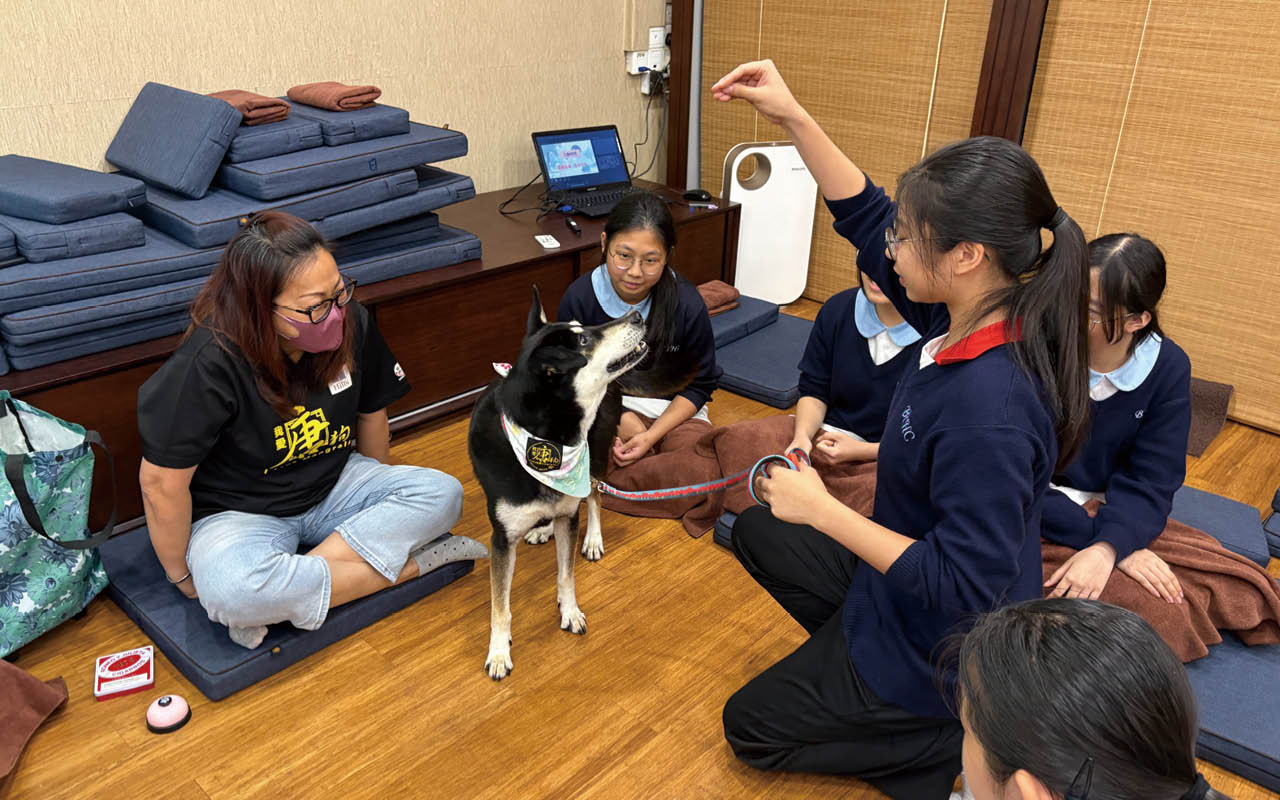
The school implements the education model of "technology enlightens the mind, moral education nourishes the heart". While vigorously developing AI and technological education, it continues to deepen Buddhist spiritual education and cultivate students' minds through meditation and Zen courses. The school cooperates with the Center for Religious Education and Spiritual Education of the Education University of Hong Kong to carry out spiritual education courses to improve students' physical, mental and spiritual health and emotional management abilities.
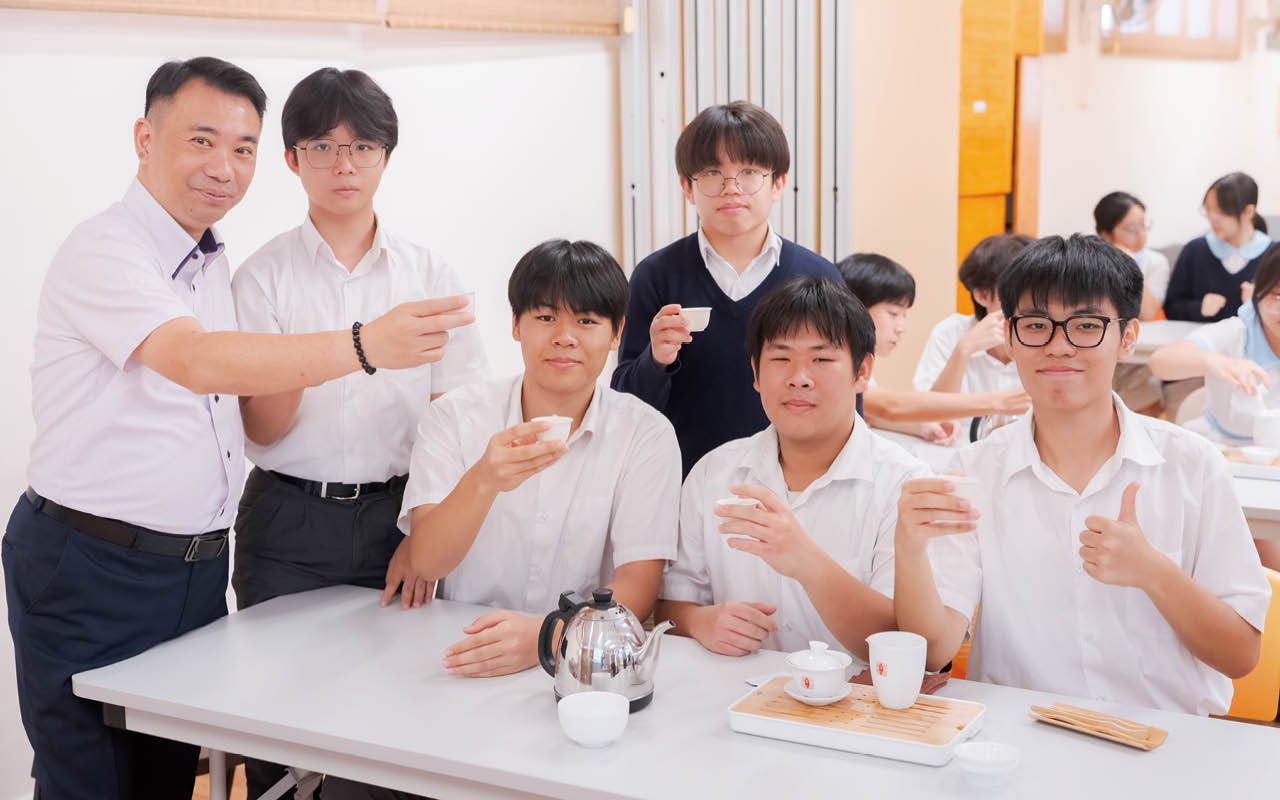
In addition, the school regularly offers tea art classes and Zen art activities in the Zen meditation room, teaching students the techniques of making tea in tureens and dividing tea, and learning about Chinese tea varieties, tea culture and history, etc. The school integrates tea art, meditation, and art, allowing students to paint images such as lotuses and bodhisattvas with a compassionate and joyful attitude. In the process of focusing on creation and doing things quietly, students can train their concentration and emotional regulation abilities, and cultivate their hearts through Buddhist cultivation.
Create a caring campus culture and practice compassion and empathy
The school continues to create a caring campus culture, nourishing students' character with the concept of compassionate education, and achieving "technological understanding, wisdom, and warmth." Principal Chiu Hong Ming Formerly a guidance director, he paid special attention to the spiritual care of students. He insisted on handwriting about 800 birthday cards every year to send birthday wishes to students, leading by example and motivating all teachers to care for students. This persistence has formed a unique campus culture. Teachers take the initiative to care for students, students bless each other and share gifts, and they grow up in an environment where they are loved and valued. At the same time, the school has taken root in the Sham Shui Po community, organizing students to participate in volunteer services, visiting the elderly living alone in the area, and distributing supplies and rice, allowing students to practice compassion and empathy.
Wiseness reveals sorrow and inspires wisdom; scientific and technological innovation builds the future
Buddhist Tai Hung College · 2026年10月

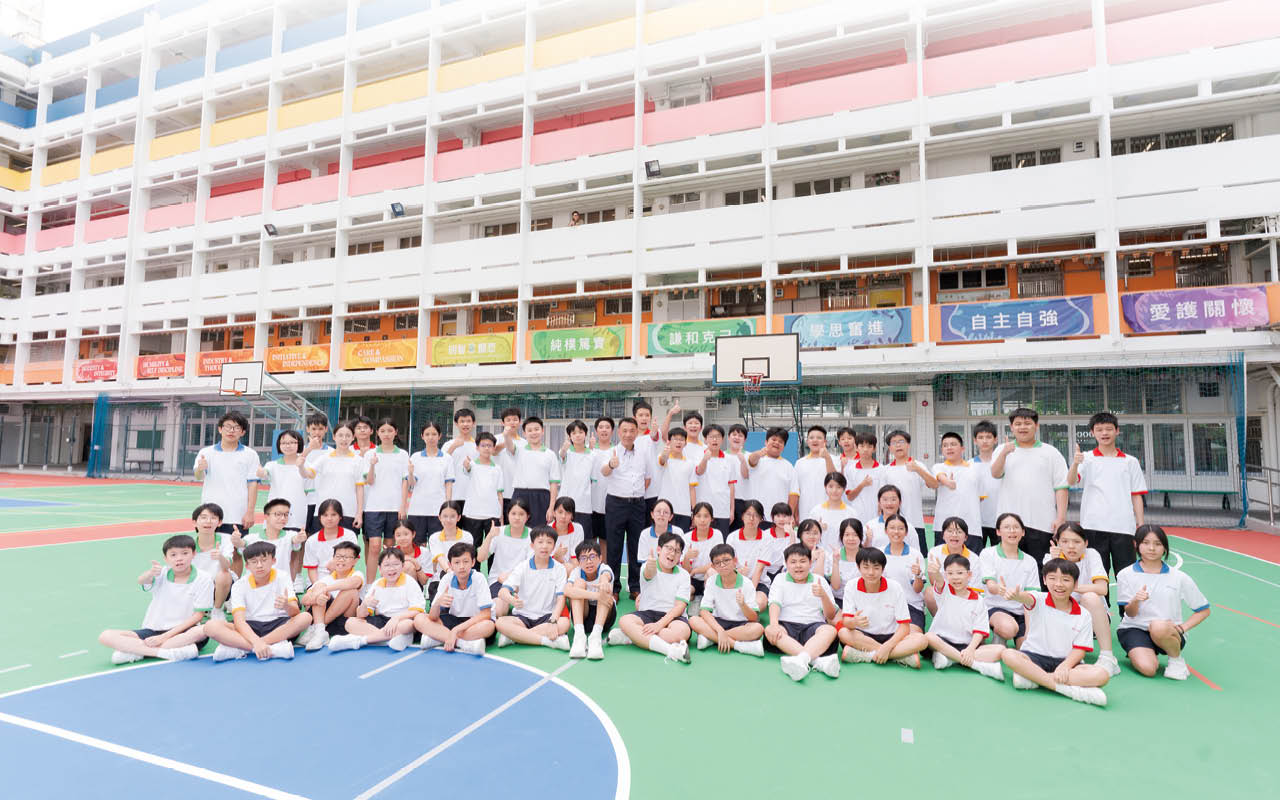
School building appearance
This English version is translated by AI. If there are inaccuracies or omissions, please refer to the original Chinese text.