
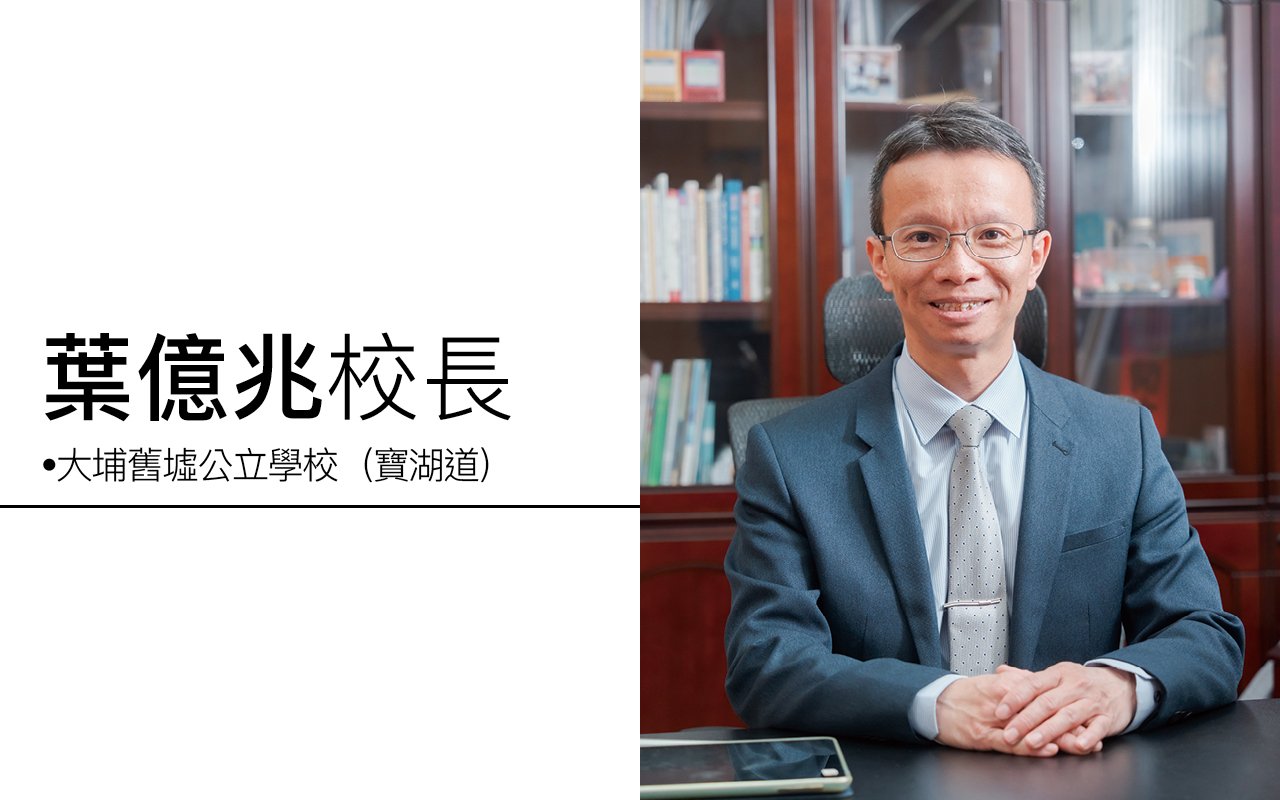
Tai Po Old Market Public School (Plover Cove) is committed to providing high-quality whole-person education, encouraging students to actively explore the world and establish an international perspective. Principal Yip Yik-siu leads the teaching team to develop school-based innovative courses and conduct cross-curricular learning weeks every year. Through a series of situational experience activities, different learning areas are organically combined and naturally connected, so that students can train their common abilities. The school has specially designed appropriate themes for different grades. Each theme corresponds to the corresponding positive values and attitudes. The activities also include situation simulations, role plays, task challenges, etc. Students can practice the ten primary values and attitudes through the activities, and achieve teaching results of knowing what they want to do and cultivating moral character.
Build common abilities to meet different learning stages
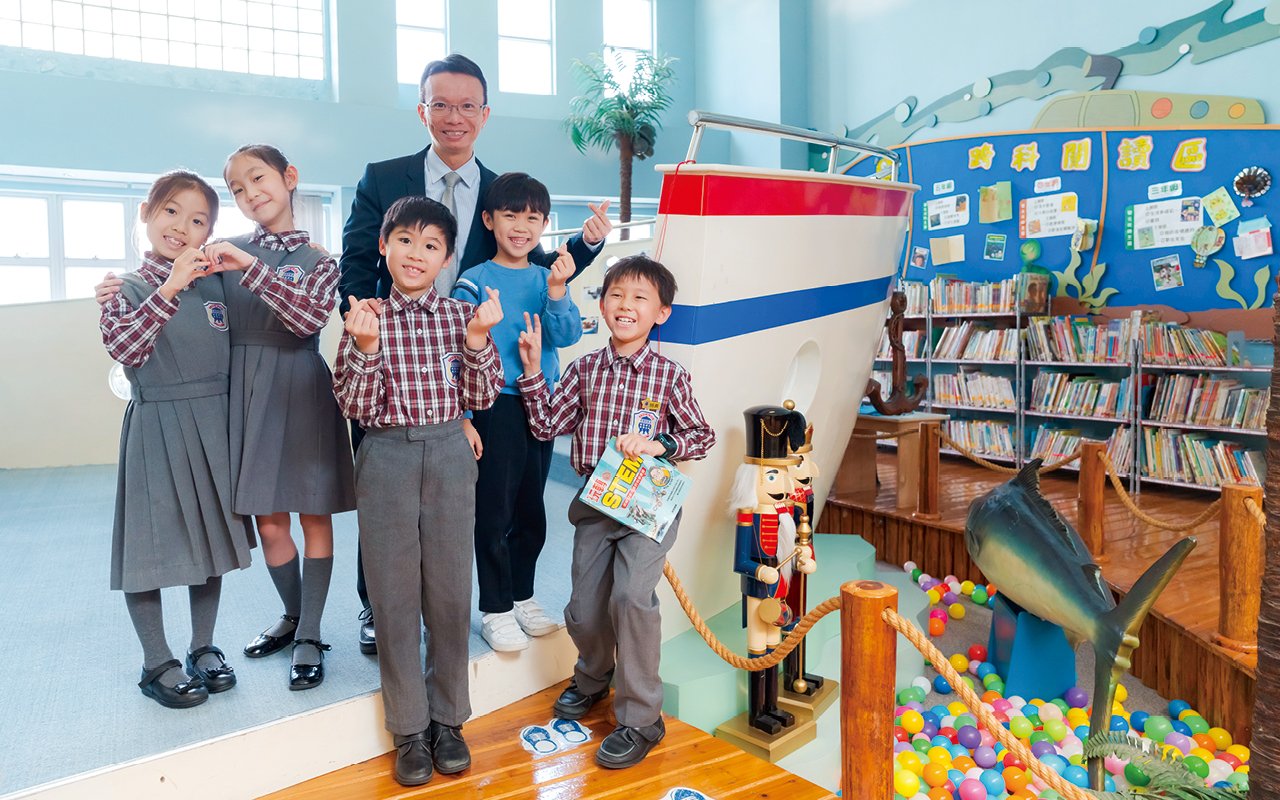
Principal Ye pointed out: "The school organizes cross-curricular learning weeks in the hope that students can internalize positive values and attitudes and put them into practice. Therefore, the teaching team connects different learning areas according to students' different growth stages, designs diversified courses, and coordinates all-round learning activities to stimulate students' learning atmosphere. At the same time, different life elements are added to the activities of the learning week to teach students about 'positive education' in simple terms and help students practice positive values in daily life to create a positive learning atmosphere."
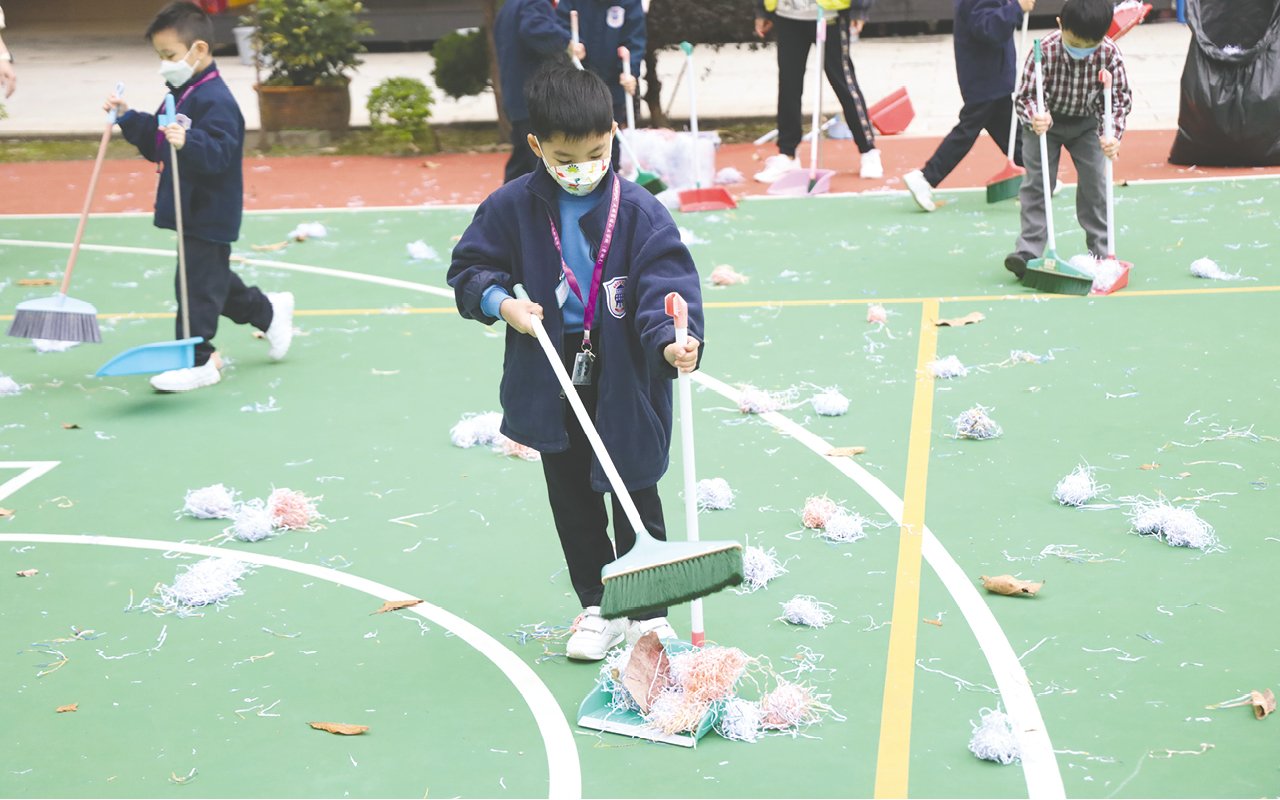
The progression from kindergarten to primary school and from Primary 6 to secondary school mark completely different stages of learning. Therefore, the school pays special attention to helping students adapt to the transition between different stages to better integrate into the new learning environment. During the study week, first-year students will participate in the "Baohu Self-Care "Smart" Star Project" as "athletes" and practice self-care skills through activities, such as dressing, hygiene, tidying up, dining etiquette, shoelaces, etc. Students who successfully advance can participate in the "Ultimate Self-Care Competition" to win the "Baohu Self-Care Smart Star" award. Students can recognize and understand their own potential through activities, and at the same time, they can also gain a sense of satisfaction through the process of learning and successfully taking care of themselves. "The activity aims to train children's problem-solving and self-management skills so that they can learn to take care of themselves independently, thereby developing perseverance and becoming good, law-abiding citizens in the future."
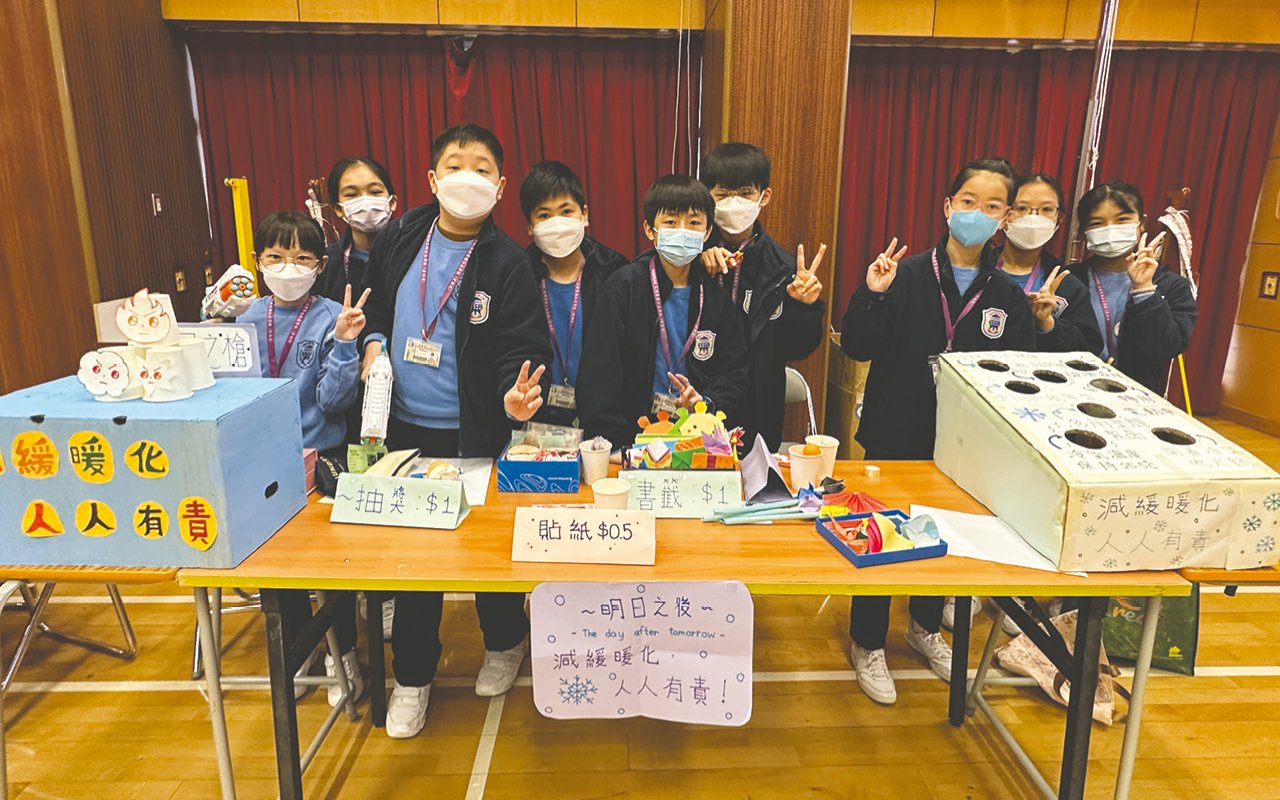
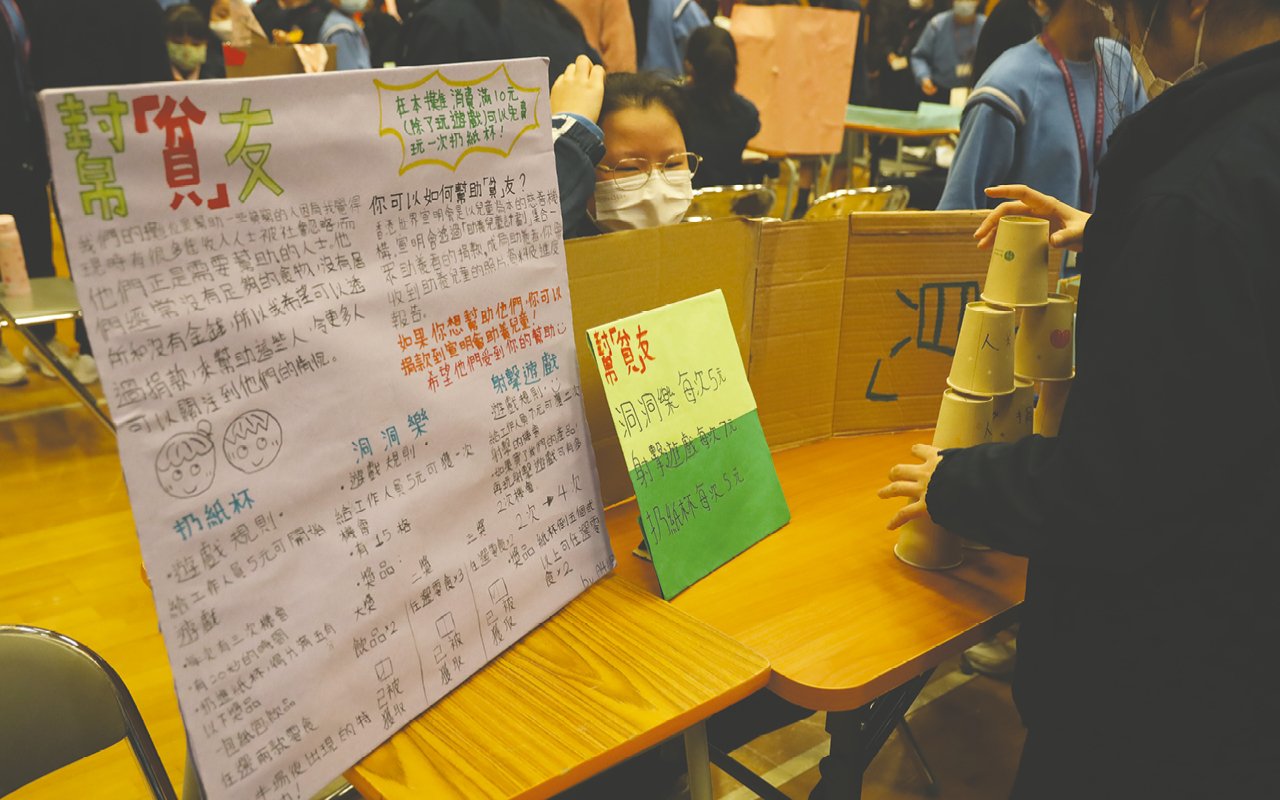
At the same time, in order to allow sixth grade students to calmly face the change after entering high school, the school has specially organized a theme activity "Under the Same Sky". Students were arranged to play the role of "social entrepreneurs", hold fundraising booth activities, and shoot promotional videos to promote care. The games in the fundraising booth activities were discussed and designed by students, and the prizes were purchased by sixth-grade students. This builds students' financial management skills and literacy, allowing them to understand "needs" and "wants" so that they can spend wisely in the future. Teachers will also teach students to understand the "three parts of wealth": purchasing, saving, and charity, so as to cultivate their empathy and caring spirit. In addition, students will learn to use multimedia tools to make short videos from the activities to convey messages of care, so that they can pay more attention to and provide help on social, environmental, animal and other issues, and build a spirit of giving back.
Learn nutrition knowledge and work together to make jam
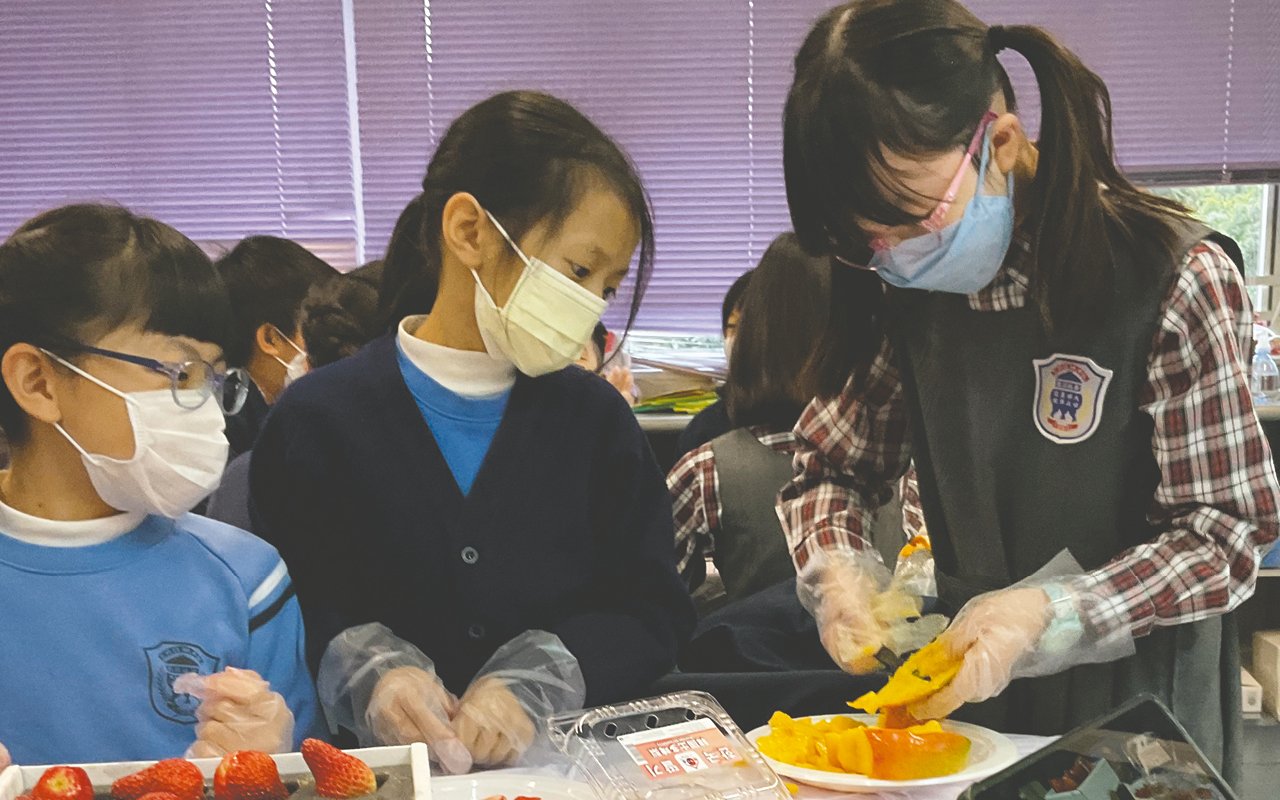
The school integrates nutrition and healthy eating education elements into the study week, and arranges fourth grade students to work together to make and sell Ying's jam and serve as "Ying's sauce masters". During the activity, students will learn about the ingredients of different sauces during the process of making jam, analyze the nutritional value of the ingredients, and understand the impact on the body. Through this, students will understand the benefits of fresh food on the body, and can use relevant knowledge to implement a balanced diet in the future. At the same time, making jam may seem simple, but students need to have good communication skills, creativity, self-learning and collaboration skills to successfully complete the task.
Incorporate learning into games and learn to cherish resources
The teaching team uses games to stimulate students' learning motivation. The third-grade students participated in nostalgic activities with the theme of "Children's Play". They transformed into game designers and traveled back in time to the 1960s and 1970s to explore the characteristics of childhood games in the past. They also got to know the Rooftop School in the 1960s and understood the changes between the past and the present. Principal Ye added: "During the game, students need to search and filter information for analysis, which helps to train communication, self-study and collaboration skills. Through activities, they can also cultivate the character of hard work, criticism and respect for others. Students will also cherish everything they have now, always be grateful, and make good use of resources to study hard."
Understand the environment and cultural values and cultivate the humanistic spirit
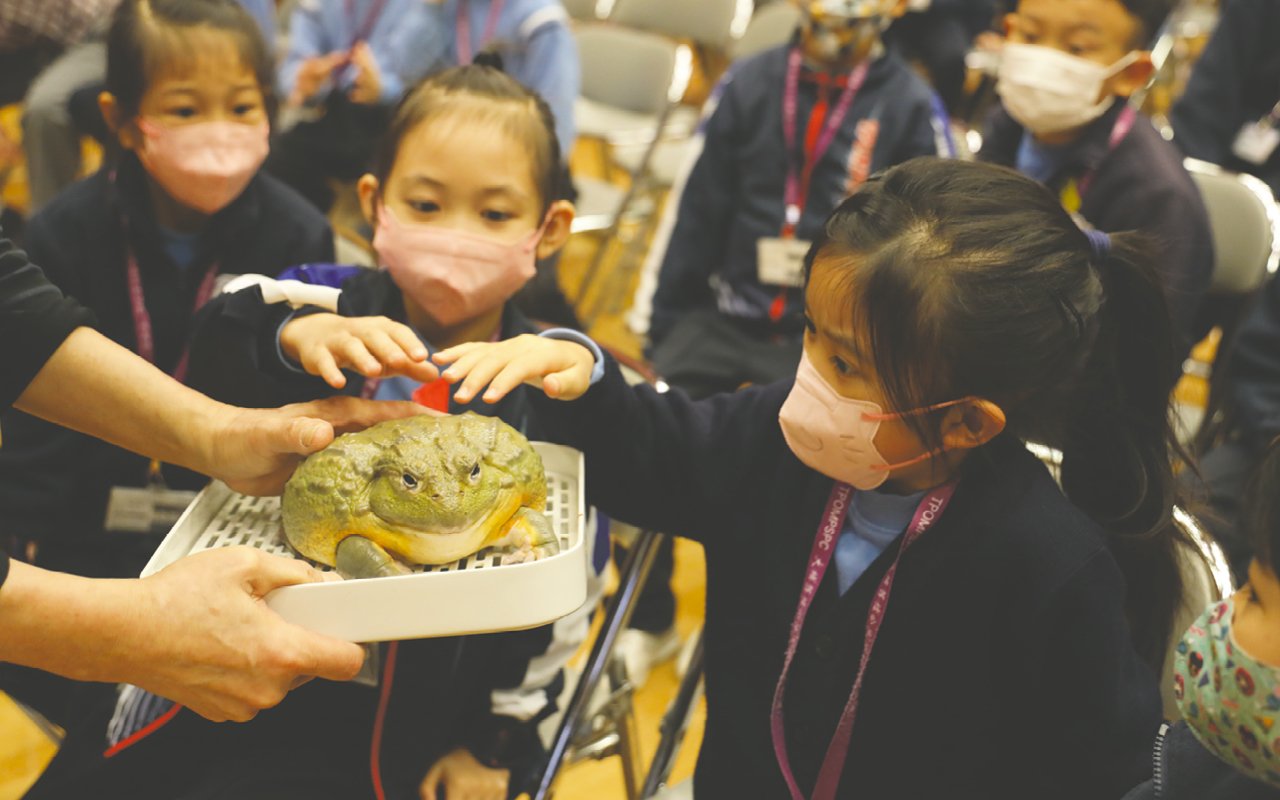
The school encourages students to go into nature for experiential learning and improve their problem-solving abilities and inquiry spirit. The school has a variety of facilities, including a green garden, an ecological pool, and a shield-armed turtle garden. Second-year students will serve as "animal specialists" and learn about nature and animals through observation, feeding sharing, and video appreciation. On the day of the event, teachers will also bring pets back to school, such as cats, turtles, lizards, snakes and other animals, allowing students to contact and touch different types of animals to cultivate their
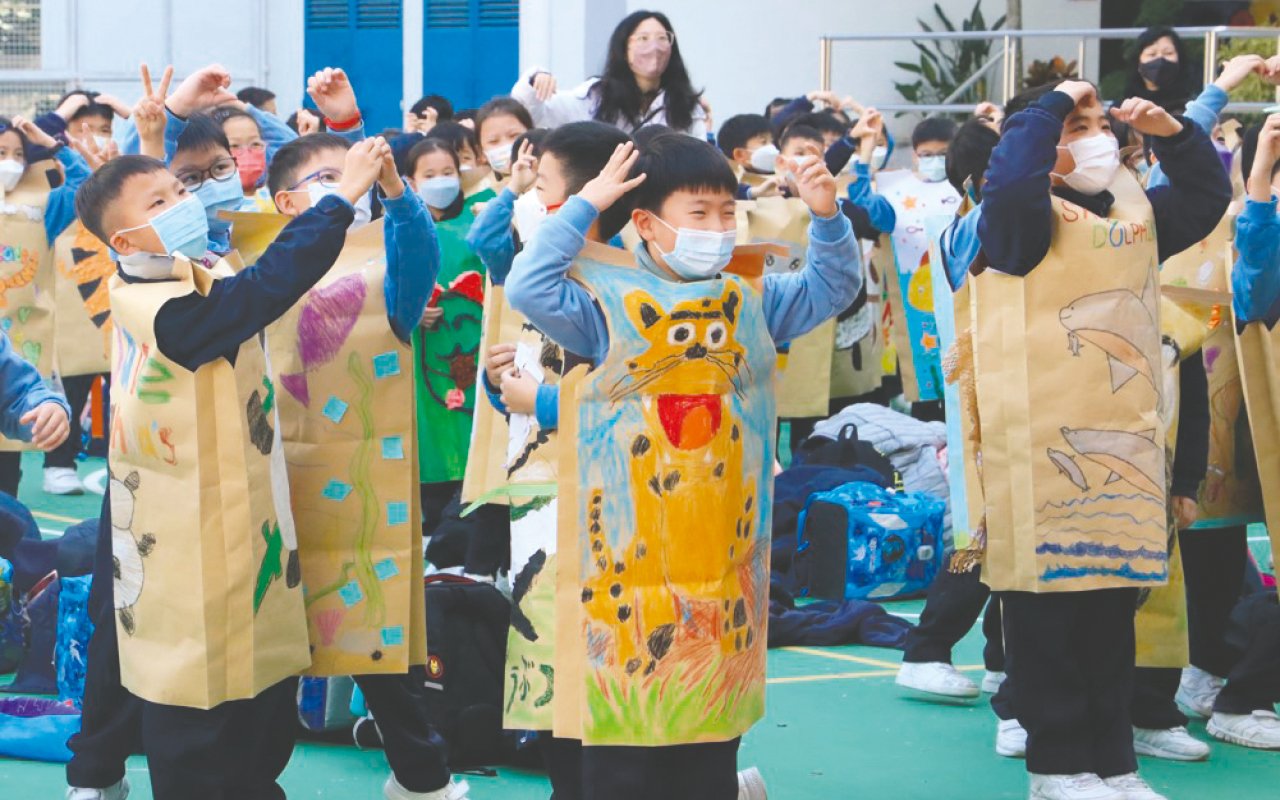
Respect and care for nature and extend love to different species. During the activity, students need to use skills such as observation, organization and analysis to further study the problems encountered by animals and their solutions. Students will also use their rich imagination to make animal paper bag costumes to promote the protection of nature and ecology and call on the public to pay attention to environmental issues. Finally, students will pass on the message of caring for animals to society and peers by making community and school animal illustrations.
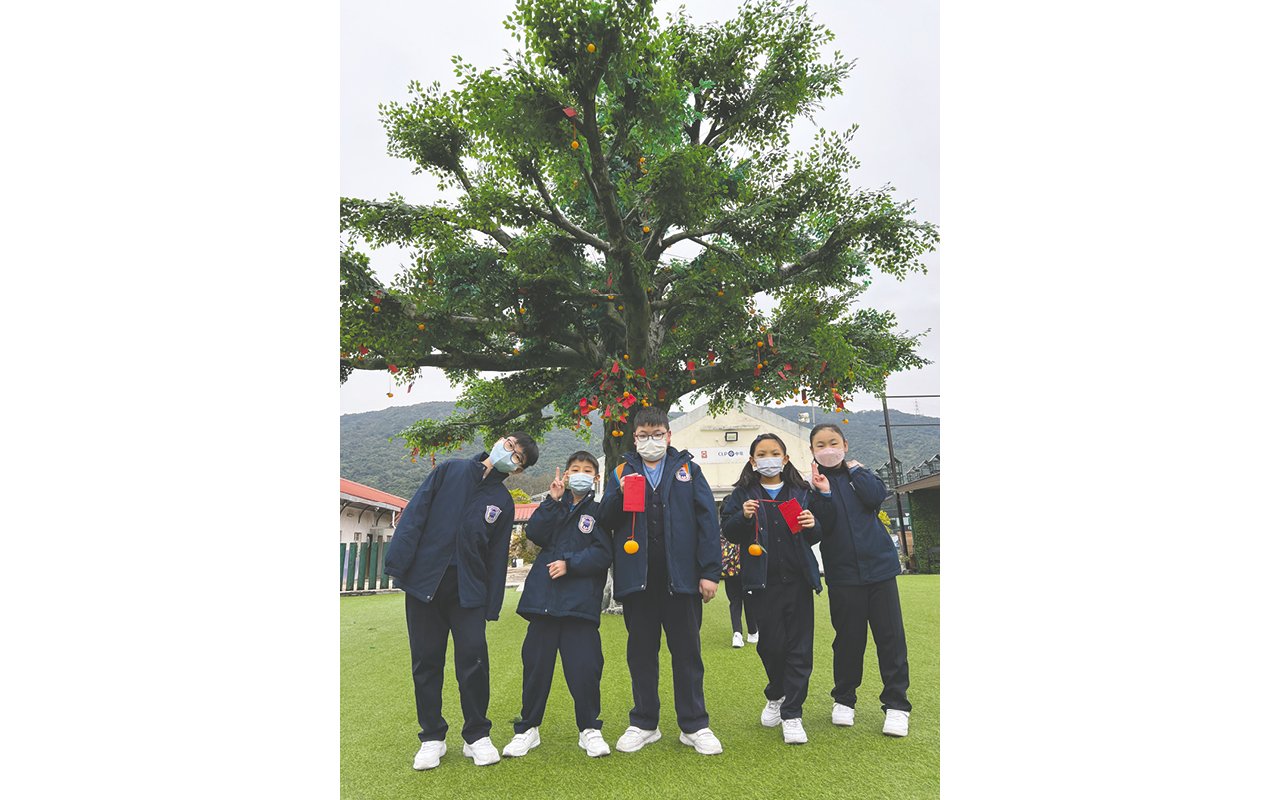
In addition to allowing students to understand nature and practice environmental conservation, the school also promotes the study of Chinese culture so that students understand the importance of cultural heritage conservation. During the special learning week, fifth-grade students will become "conservation specialists" and search for "hidden collections" of nature and the world. Teachers will lead students to experience related activities in the three areas of environment, society and economy, including visits to Ocean Park, Lam Tsuen Tin Hau Temple, Wishing Tree and other places. In addition, students will also participate in traditional Chinese handicraft cultural activities: lantern making, Chinese knotting, Chinese paper-cutting, and flour dolls, allowing them to understand China's unique cultural characteristics, thereby cultivating a sense of responsibility, national identity, commitment, and passing on related conservation culture. Students realized the importance of sustainable development from the activities, and through observing and searching for Hong Kong’s intangible cultural heritage, they learned about the government and private sector’s views on Hong Kong’s conservation and sustainable development, and learned to appreciate and cherish the things around them.
Informed thoughts and actions, practicing positive education
Principal Ye concluded that the original intention of the cross-curricular learning week is to equip students with knowledge and skills in different disciplines, broaden their horizons, and achieve mutual learning and cooperation during the activities. At the same time, students also need to know their intentions and actions. "Practice" refers to the situational learning activities arranged by the school, so that students can try to practice the good moral character and values they have internalized. Situational activities are integrated into life elements to allow students to apply what they have learned, making learning more meaningful, highlighting the value of learning, inspiring them to think further about individuals and growth, and putting the knowledge and positive values learned in school into practice in life. "Cross-curricular learning week implements the concept of inter-disciplinary learning, effectively links the knowledge of various subjects in the learning experience, and combines all-round learning activities to allow students to integrate knowledge, values with life, establish personal good living and learning habits, and be able to give back to society in the future."
Promote school-based innovative courses to cultivate students into the future world
Tai Po Old Market Public School (Plover Cove) · 2023年4月
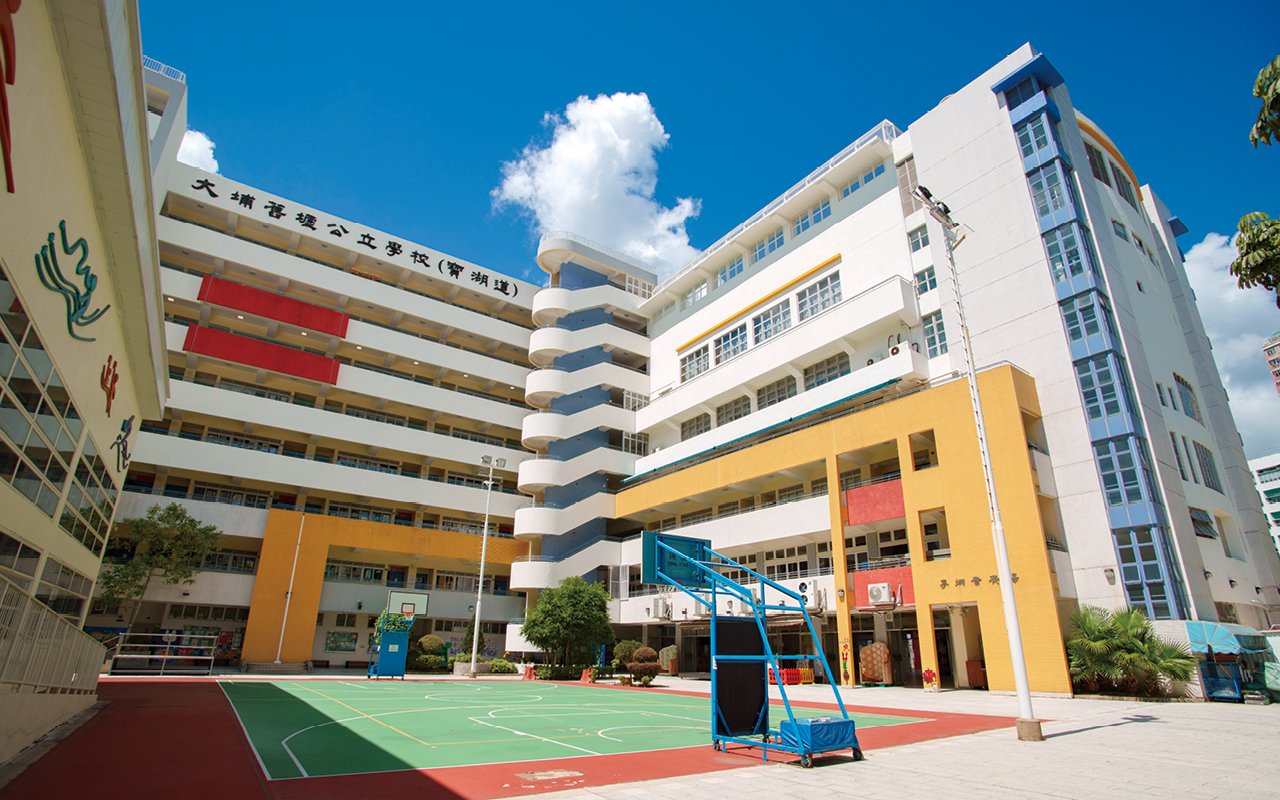
School building appearance
This English version is translated by AI. If there are inaccuracies or omissions, please refer to the original Chinese text.