
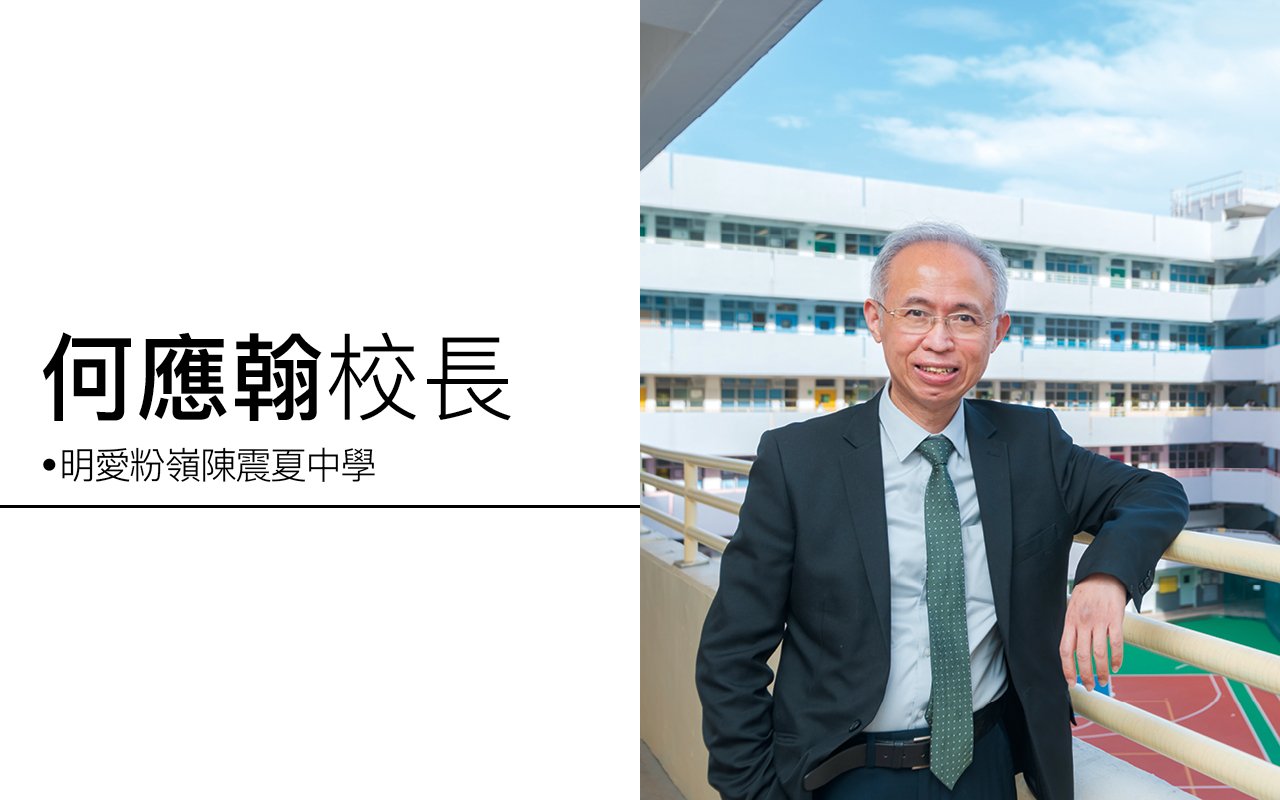
PLK Mrs. Ma Kam Ming-Cheung Fook Sien College Since its founding many years ago, the school has always adhered to the Catholic spirit of running a school. With the school motto of "loyalty, diligence, respect for the Lord and love for others", it regards students as the main body of the school and is determined to provide the new generation with comprehensive growth and high-quality education. Principal Joanna Yuk King Or Looking back on the road to cultivating people, he proposed that efficient learning and teaching not only require excellent and sustainable school curriculum; it also requires cross-disciplinary collaboration between different subject groups to create an integrated view of knowledge for students. "There is also the "affective education" that must be mentioned. "Affective education" pays attention to self-establishment, self-management, self-expectations, and emotions. Management and resilience can enhance children's self-esteem, effectively guide them to achieve their ideals of self-realization, and become lifelong learners. Therefore, our school has been committed to designing courses and activities that integrate emotional development and intellectual development for students, so that they can simultaneously improve their "knowledge", "ability" and "attitude" in the process of "observation", "learning" and "feedback".
From supporting facilities to courses, deepening STEAM education
With the strong support of the school sponsoring group, the school's innovation and technology education has always been a pioneer in the academic community. Coupled with Principal Joanna Yuk King Or's enlightened management attitude, he actively encourages collaborative teaching among different subject groups in the school and integrates STEAM education into different subject courses. At the same time, it cooperates with the school's adaptive teaching to allow students with different abilities and interests to build learning motivation and potential. Through different topics, in-depth learning experiences are developed to drive the dual-track development of affection and intelligence.
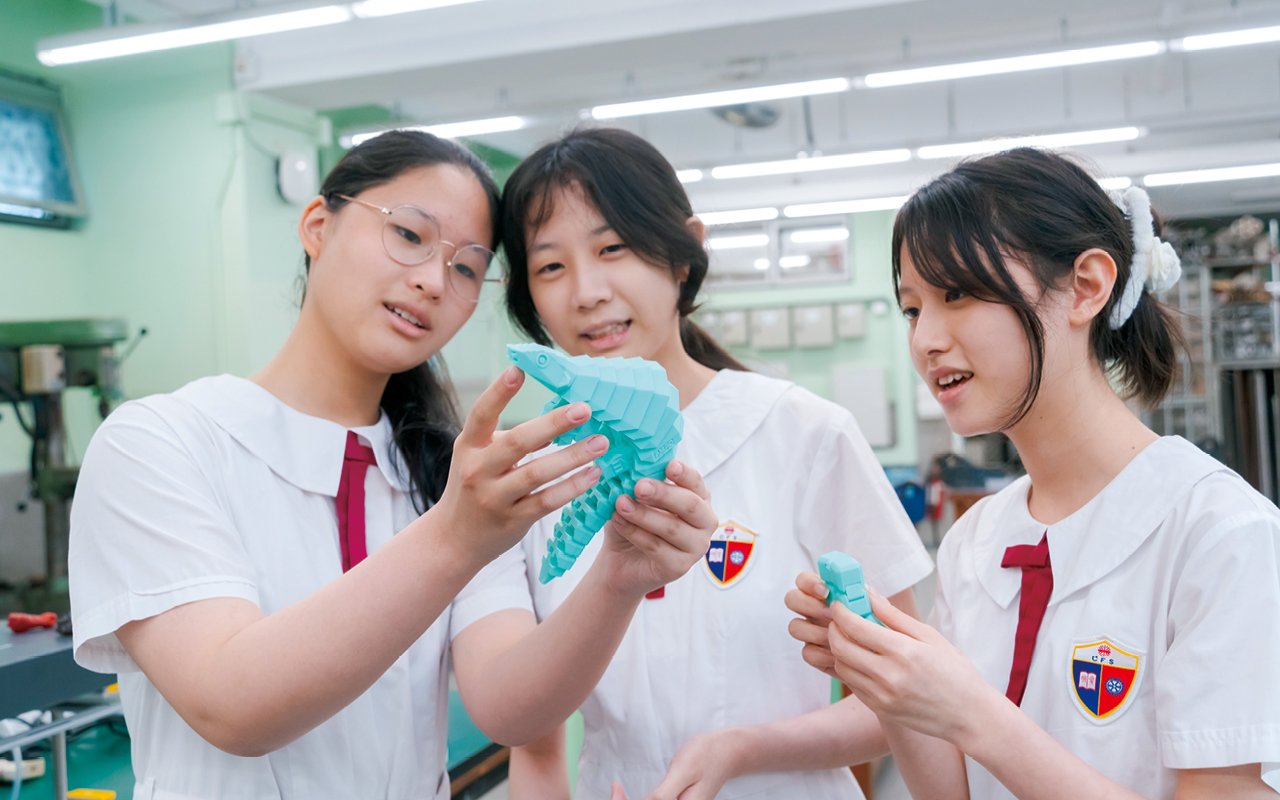
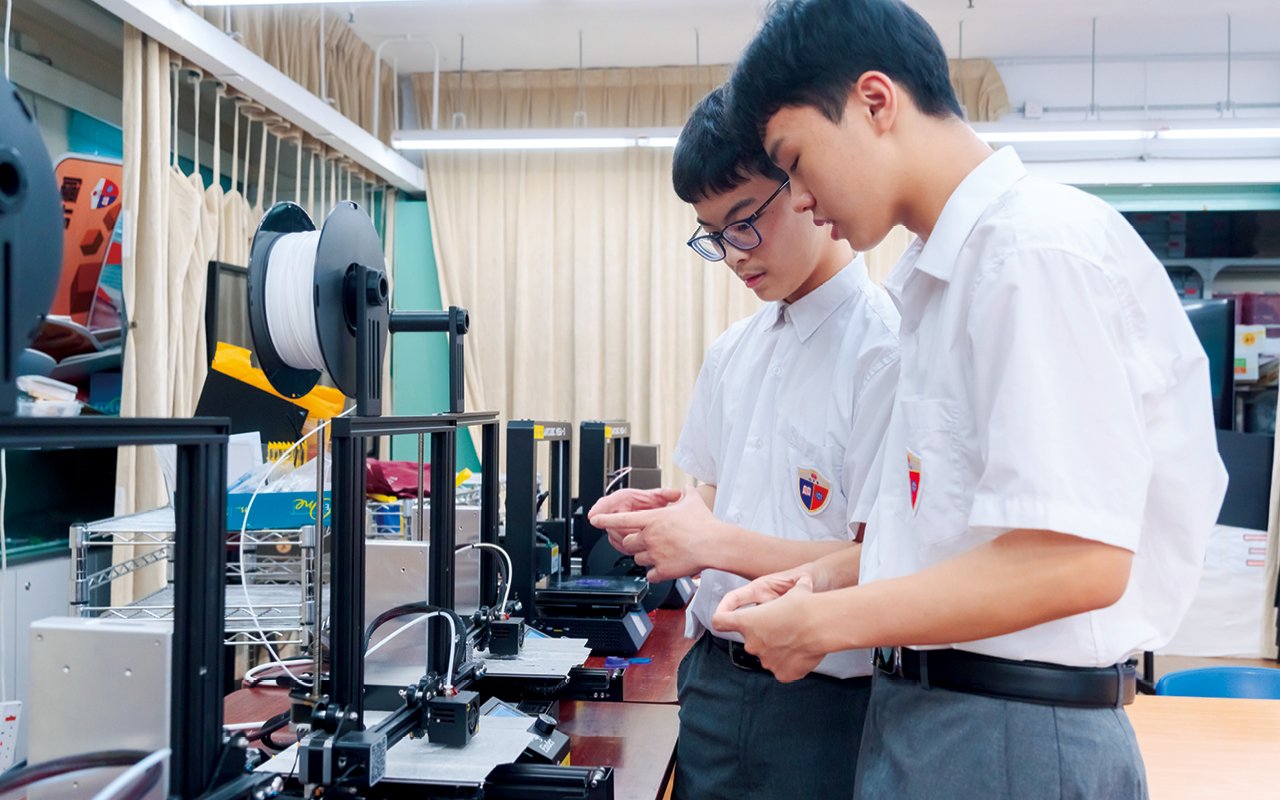
“Looking back at our school’s STEAM education path, in fact, in the early years, teachers at the school had boldly developed innovation and technology education, making good use of the support from the Education Bureau to establish an independent STEM Classrooms allow students to create inside during or after class, cultivating their interest in innovation and technology learning. Later, the teaching team merged the previous computer subjects and technology subjects in the curriculum to establish the "Innovation Technology Section", which combines different technologies and social issues in the classroom, such as "Soft meal design" and "Innovative elderly care products" serve as teaching scaffolds to allow students to understand the humanistic care behind technology, encourage them to apply what they have learned, and contribute their learning results to the society, so that intelligent development and emotional education complement each other. "Principal Joanna Yuk King Or introduction.
Entering the community, technological learning with temperature
Online classes for students have become the new normal for teaching during the epidemic, but it has weakened students' opportunities for personal contact with the community and reduced social and interpersonal interactions. However, even before the epidemic, the school had already encouraged students in the "Innovation and Technology Subject" to understand the needs of the elderly population and invent technological products that serve the elderly. In order to allow students to better understand the lives of the elderly, teachers and classmates will go to nursing homes in the district to visit the elderly. After learning that the average activity space per person in Hong Kong nursing homes is only 6.0 meters, teachers and students designed different health and recreational equipment for the homes, such as "basketball machines" and "simple mazes", so that the elderly in the homes can use inventions to train large and small muscles to prevent muscle aging and atrophy caused by insufficient activity.
Vice Principal Chen Lili said: "Through on-site visits, students can better understand the needs of different disadvantaged groups, learn to care for the elderly with empathy, and understand that although 'creativity' is just a flash of ideas in the mind, in fact, through practice and invention, it can truly give back to people's lives and make mankind and the entire world better." Therefore, the school's learning and teaching has always emphasized "observation", "learning" and "feedback" to build a spontaneous and in-depth learning experience for students. For example, schools attach great importance to real-life experiences in "environmental education". In the past, teachers and students have used coffee grounds obtained from chain coffee shops as fertilizers and deodorizing products for daily use, allowing students to gain a deeper understanding of the possibility of reusing waste and jointly build awareness and values of conserving and cherishing resources.
Interdisciplinary collaboration to design delicious “soft meals” for the elderly
Principal Joanna Yuk King Or and its teaching team believe that classrooms that incorporate affective education can allow students to feel the humanistic relationships behind knowledge. In addition to greatly increasing their learning motivation, it can also deepen the depth of the subject, allowing students to take charge of knowledge and internalize what they have learned. "In the past, we have been talking to students about the value of love and life, hoping to enable them to have a deeper understanding of the five core values of Catholicism - truth, justice, charity, life and family. However, compared to talking about it on paper, we can truly let the new generation enter emotional education and learn how to do it. Understanding the situation of others, using what you have learned to contribute to others, and the subsequent satisfaction and joy can better reflect the true meaning of the five core values of Catholicism, allowing people to truly feel the source of life and goodness, and serve others humbly." Principal Joanna Yuk King Or said with a smile.
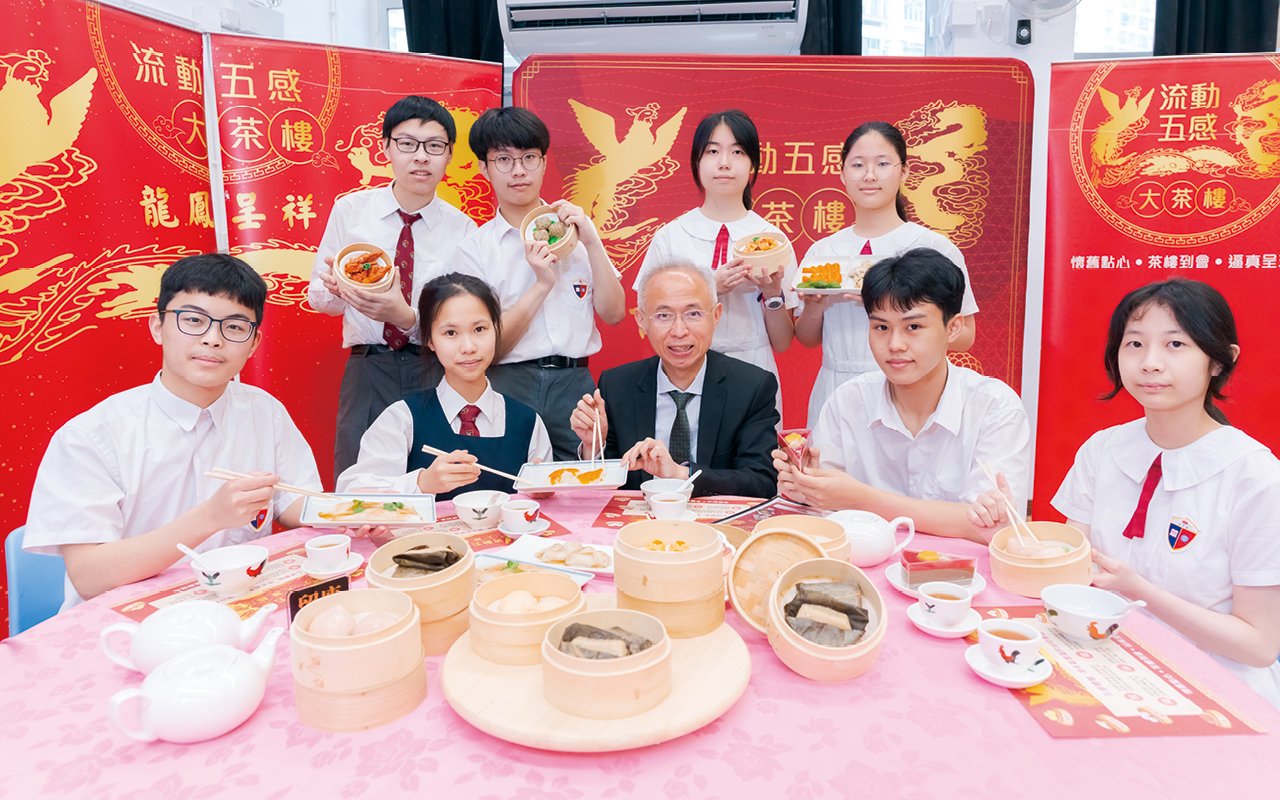
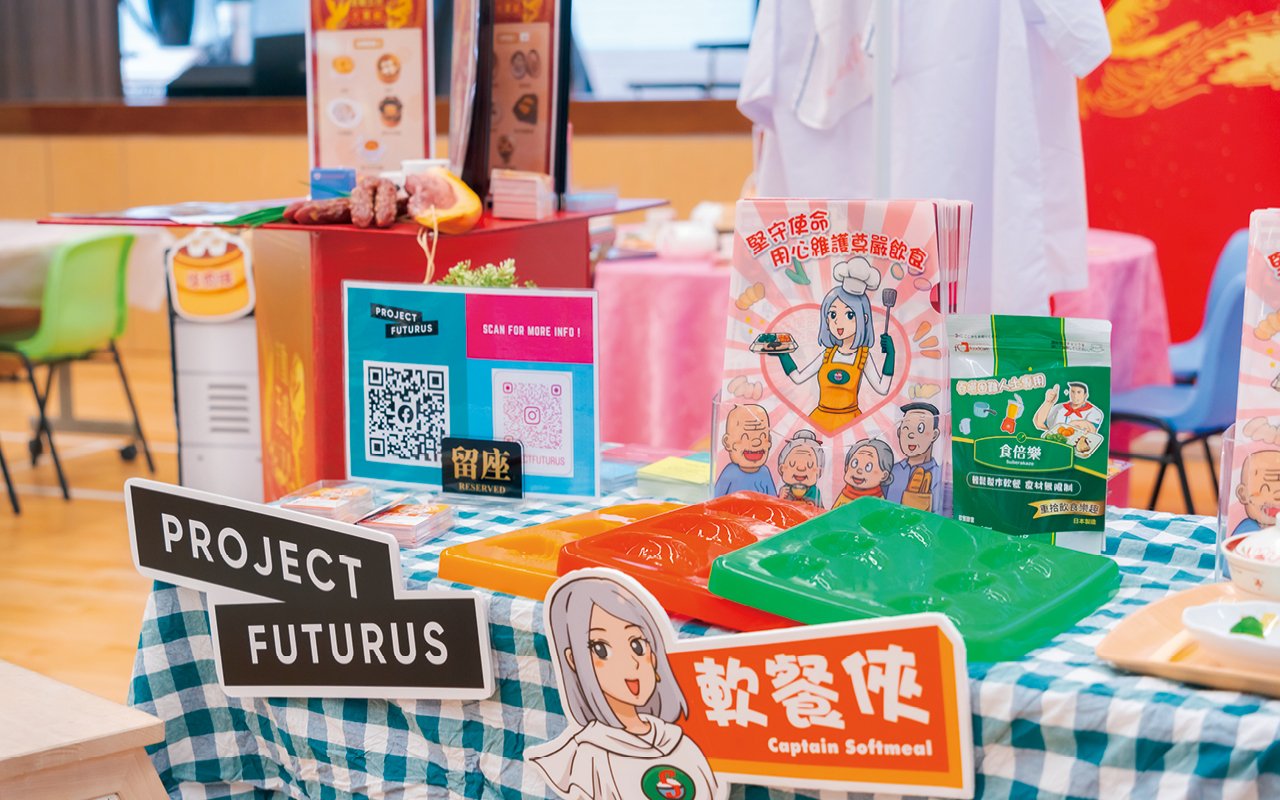
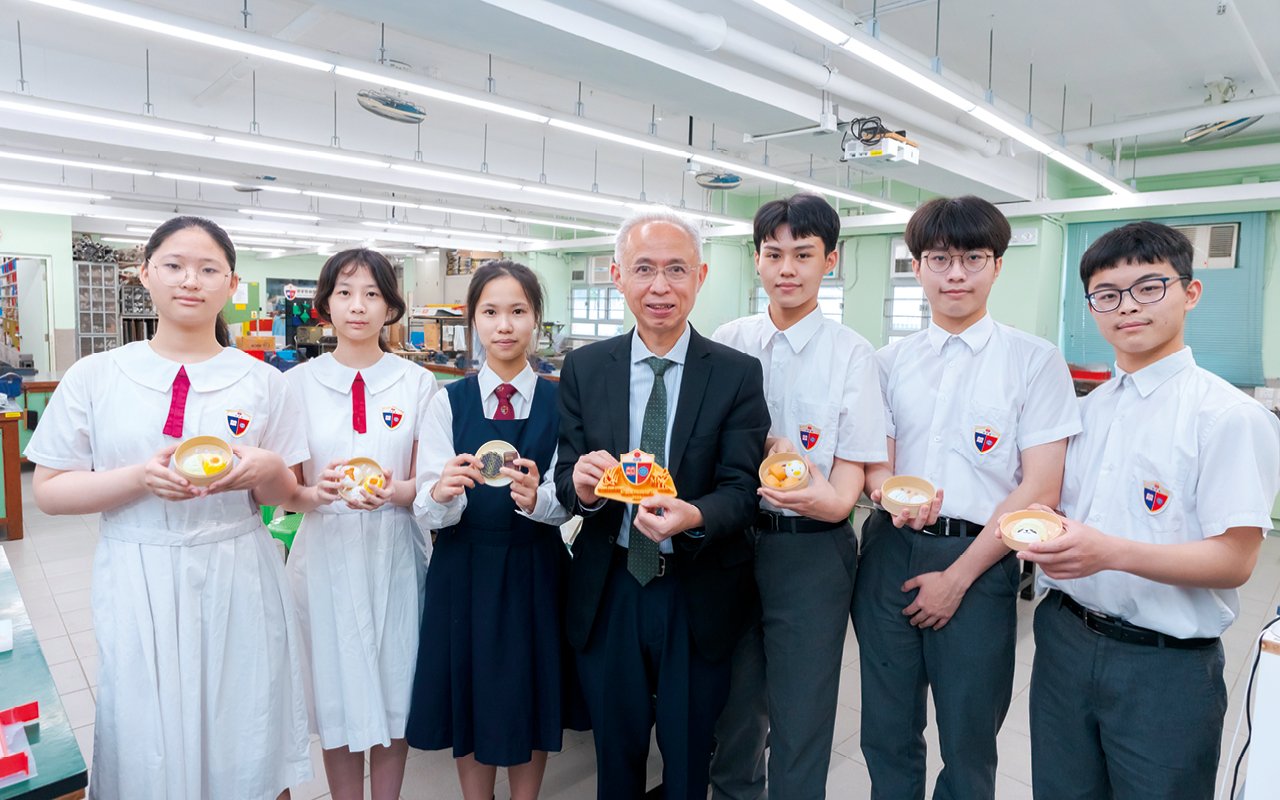
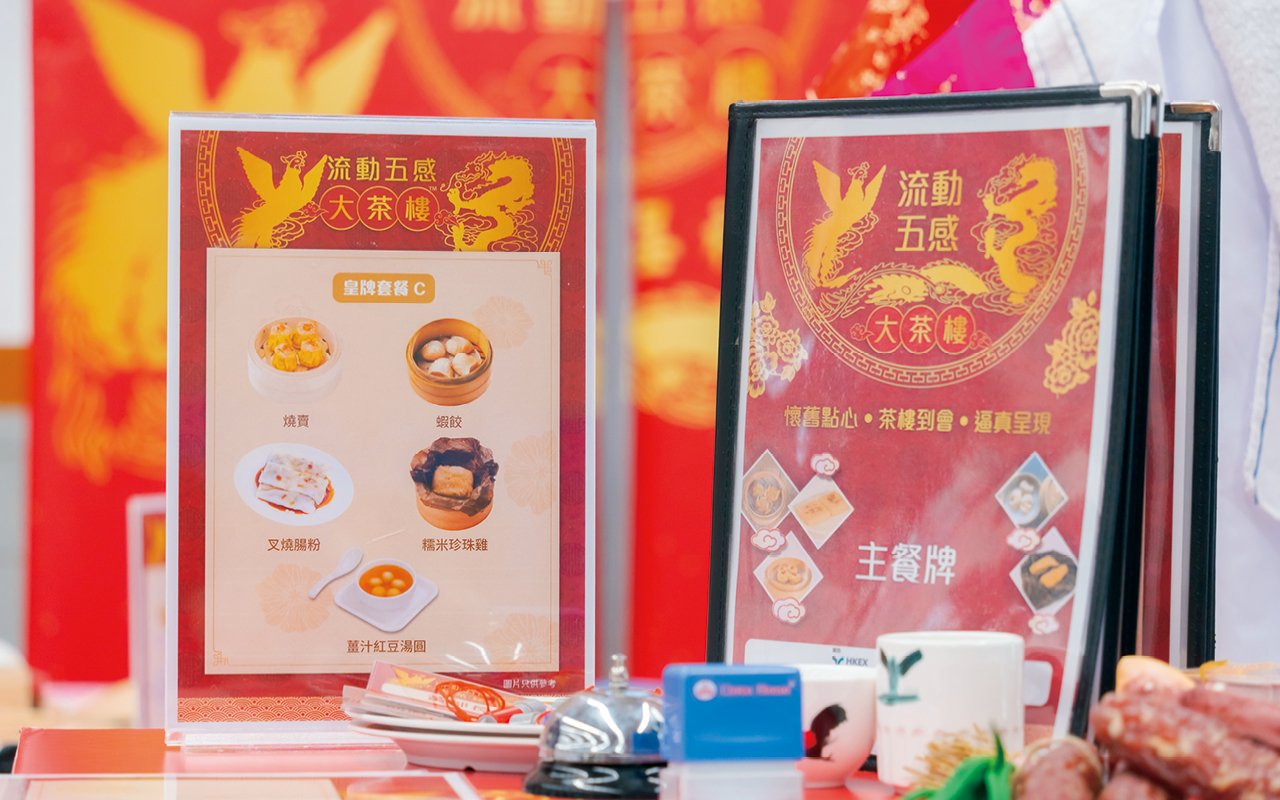
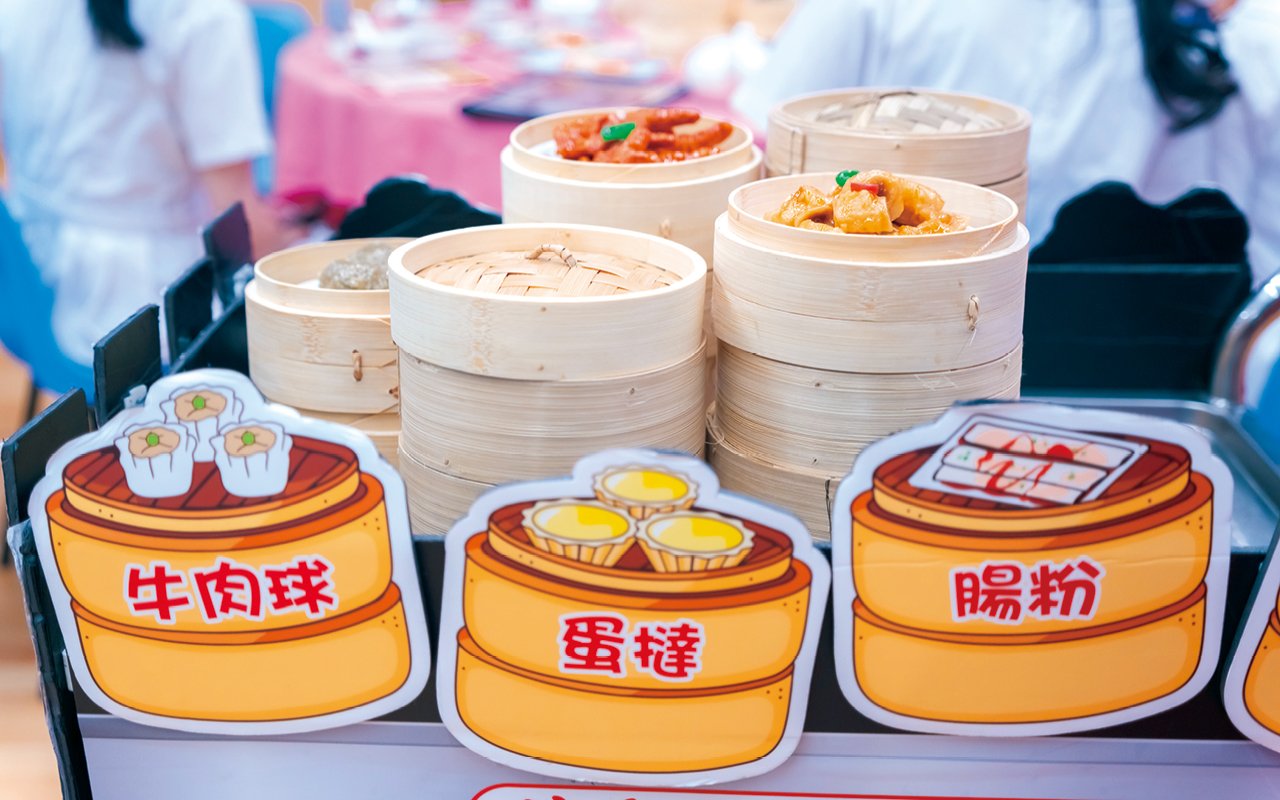
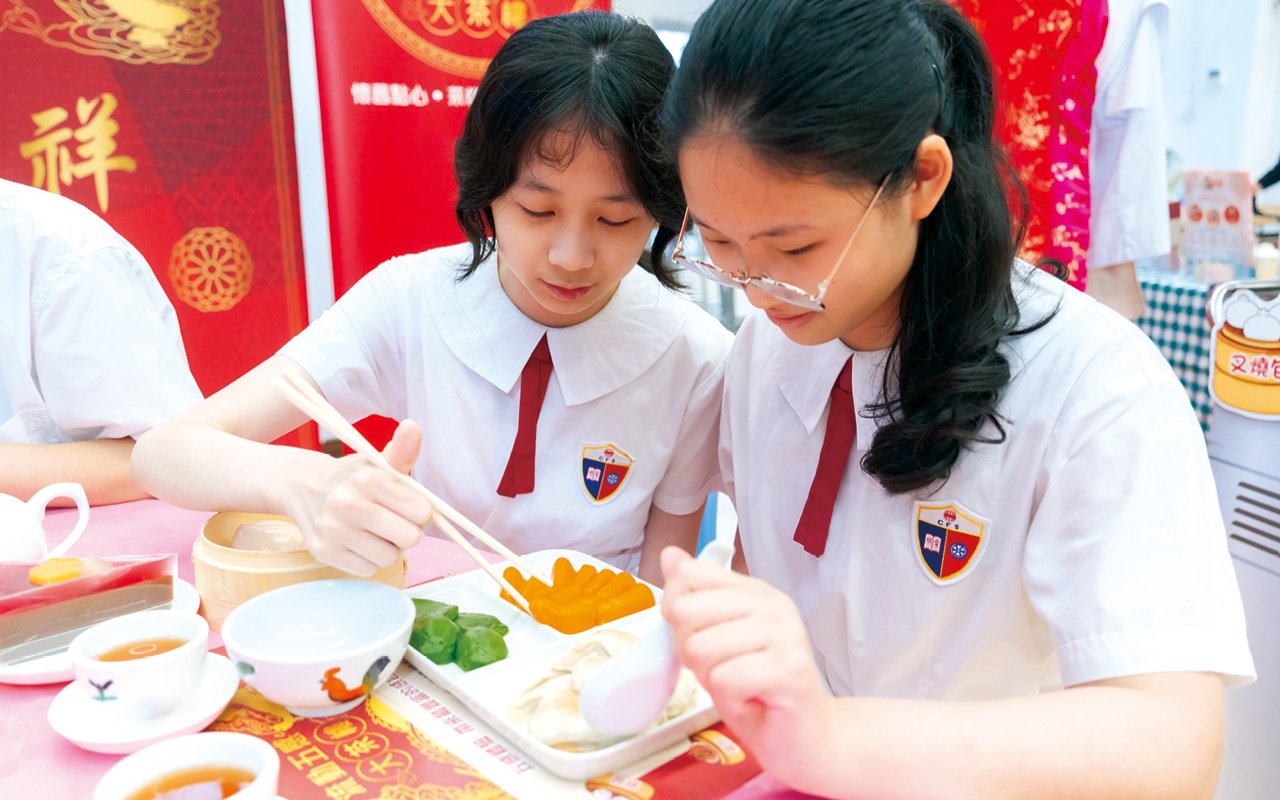
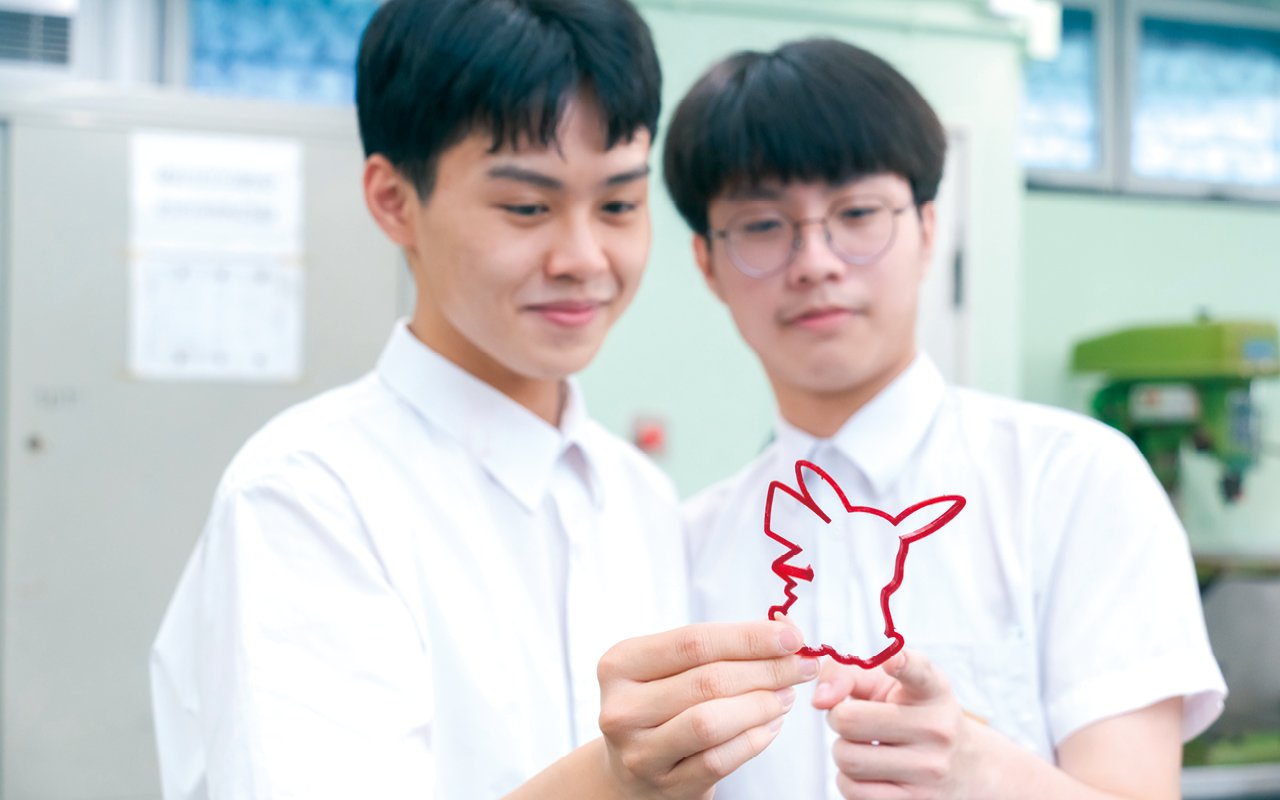
In addition to innovative elderly care products, the school has also introduced the "Eat with Dignity" course, which combines chemistry, mathematics, ethics and religion, visual arts and innovation and technology education to teach students to make delicious and easy-to-eat "soft meals" for patients with dysphagia. At the same time, they learn about the latest 3D printing technology and nutrition through the process. The appearance of soft meals is similar to ordinary food, but it is jelly-like, soft in texture, and has low stickiness. It can be easily crushed and swallowed with the tongue. It is a special meal specially designed for patients with dysphagia. In addition, in order to help students better understand the eating needs of the elderly with dysphagia, the school specially invited professionals and the soft meal industry to share their views at the school. Principal Joanna Yuk King Or: "The students understood that as humans age, their ability to chew, swallow, and salivate will gradually deteriorate. They also realized that the styles and types of soft meals are very rich and all-encompassing, ranging from dim sum in restaurants, barbecued pork rice in teahouses, and Japanese bento boxes. They were surprised and actively learned to make soft meals."
Trilogy: Stir, heat and shape. Learn "people-oriented" from fictional characters
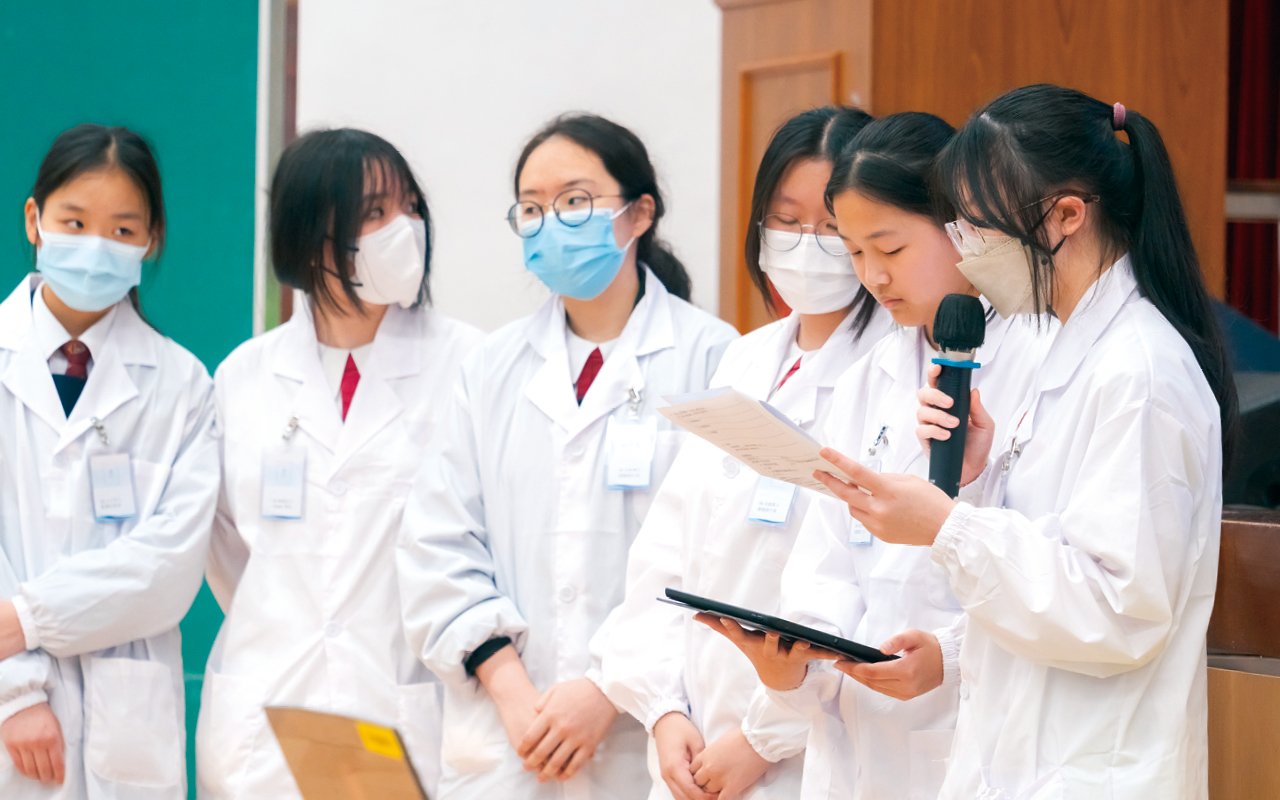
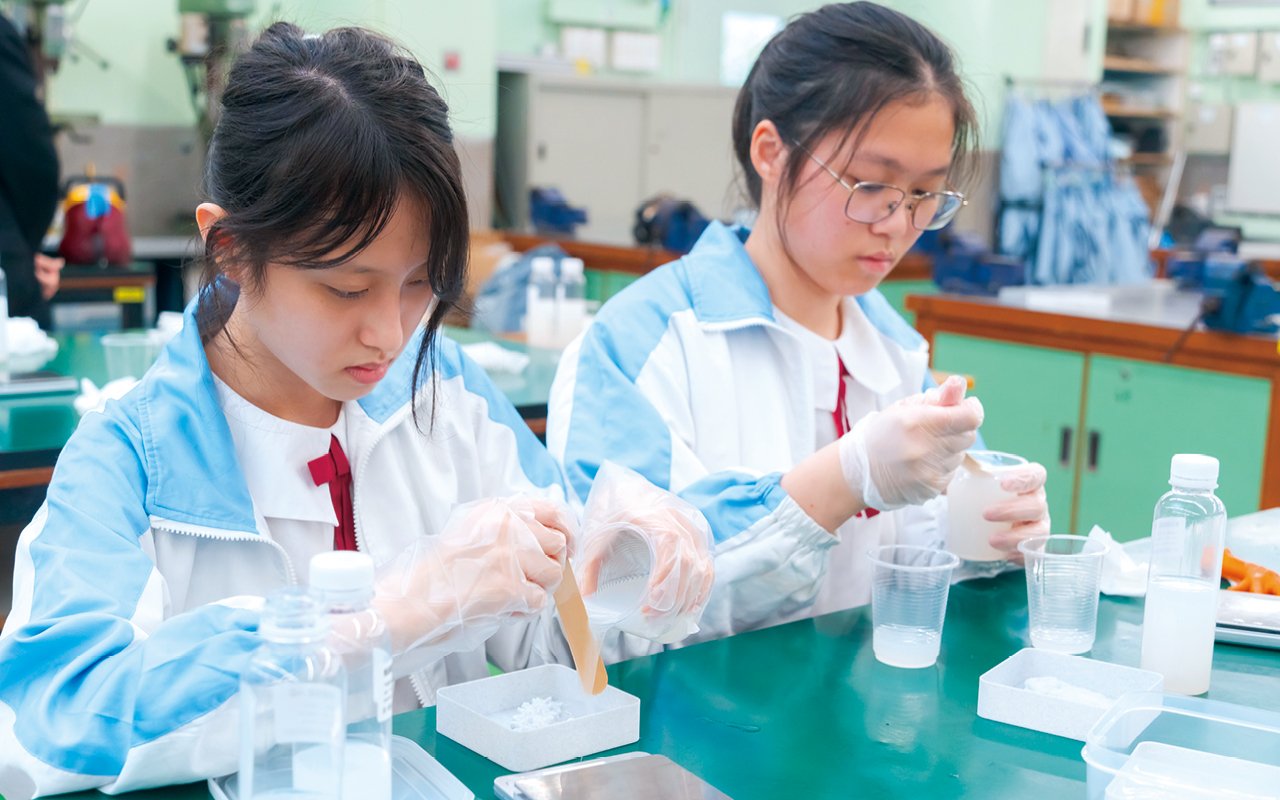
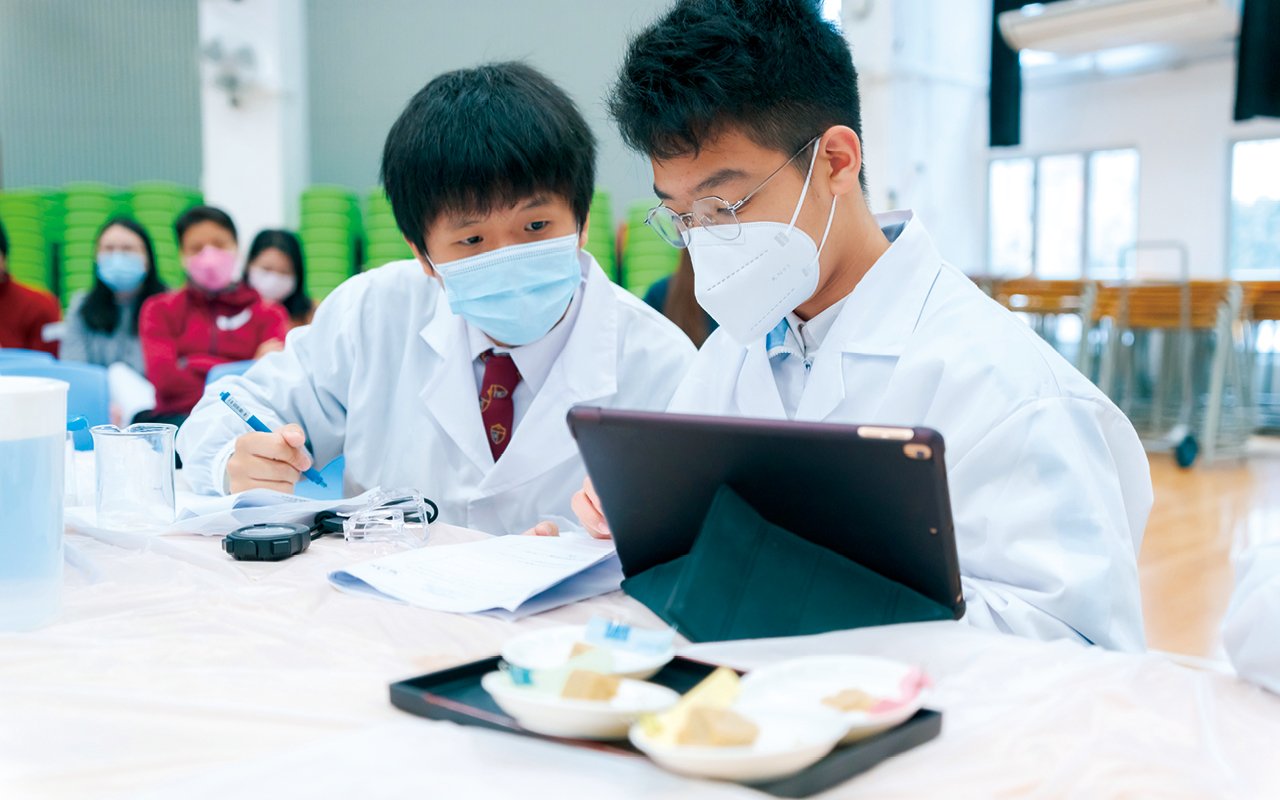
With professional training, students have successfully designed New Year's Eve dinner menus for the elderly - "Zhenxia People's Love Reunion Dinner". The menu includes salmon with tomato sauce, garlic broccoli, white-cut chicken, five-grain rice and peanut glutinous rice balls, which are both delicious and seasonal. On that day, with the help of the teacher, the students carefully prepared soft meals for the elderly. During the process, the food was added with coagulation powder and water, and stirred smoothly with a blender. Then the mixed ingredients were poured into a pot and heated, cooked until liquid, and then poured into molds to cool and solidify. The production process is not only closely related to chemical principles, but also involves basic nutrition. Students need to use mathematics to calculate proportions. In order to provide the elderly with a better eating experience, the visual arts teacher will teach students the skills of plate placement during the process.
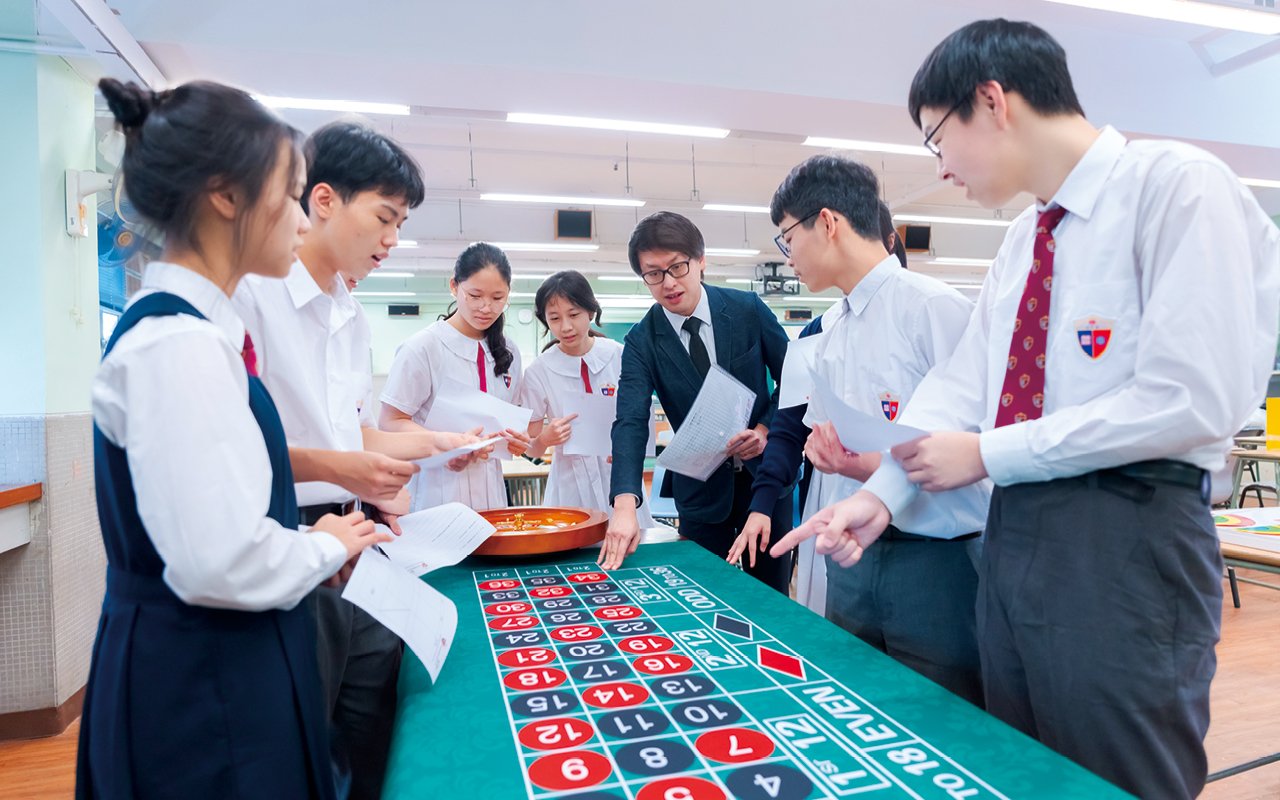
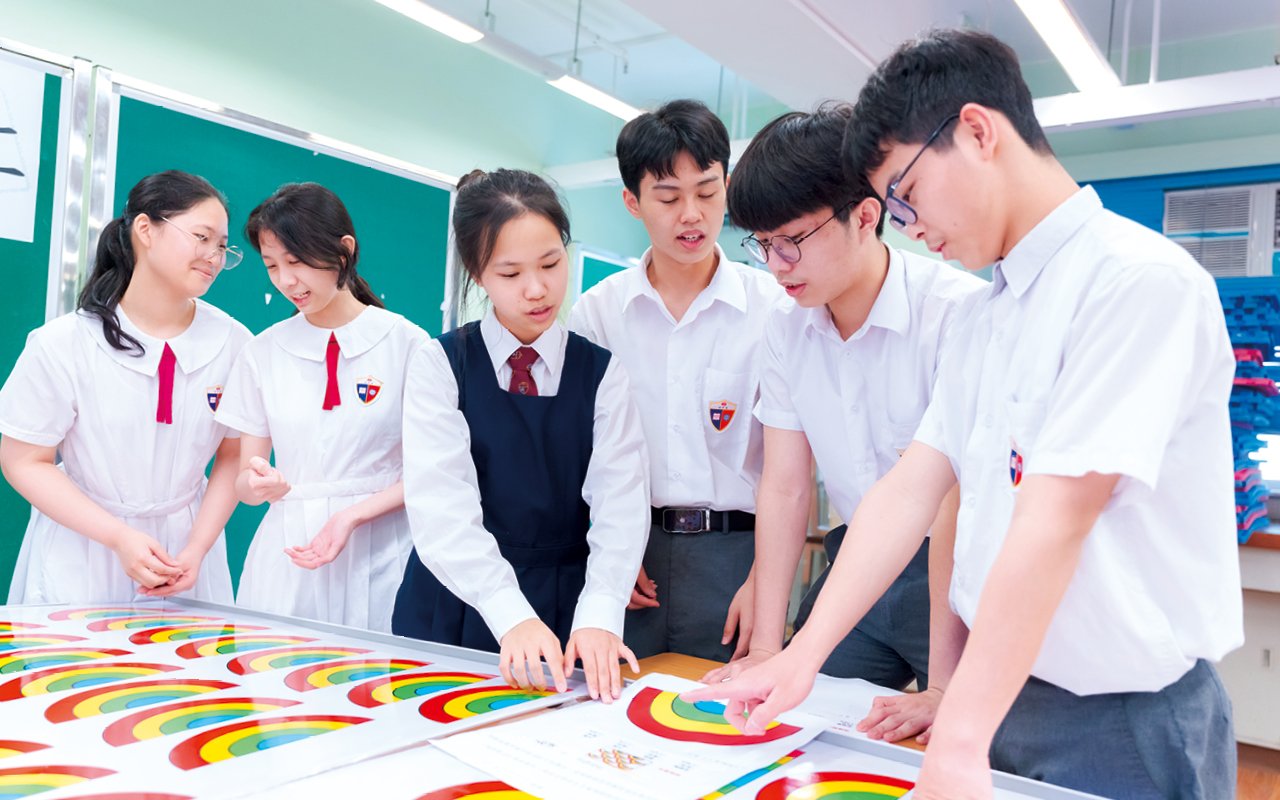
The teaching team is also innovative and encourages students to design soft meals according to the physical condition of the elderly virtual characters to strengthen students' people-centered thinking. Vice President Chen added: "The classes are conducted in groups to promote students' awareness of division of labor and strengthen their organizational and cooperative abilities. By working together to calculate the proportions of ingredients, cook food, clean molds and arrange plates, we can develop team spirit and promote peer learning." The soft meal course perfectly combines food science and affective learning, allowing students to master the benefits of technology while making delicious food for the elderly, cultivating students to maintain a caring spirit for people and things in society, and feel the preciousness of life.
Technology integrated into campus AI corrects English pronunciation
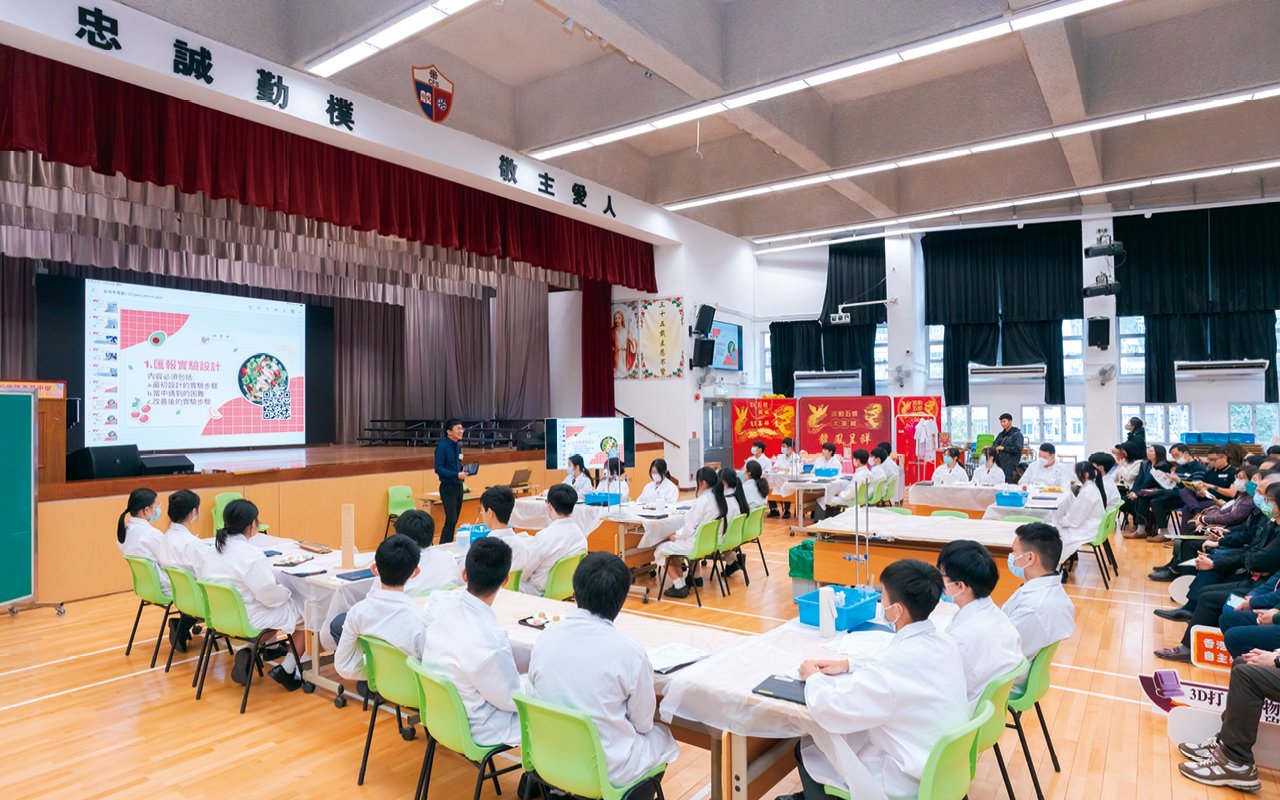
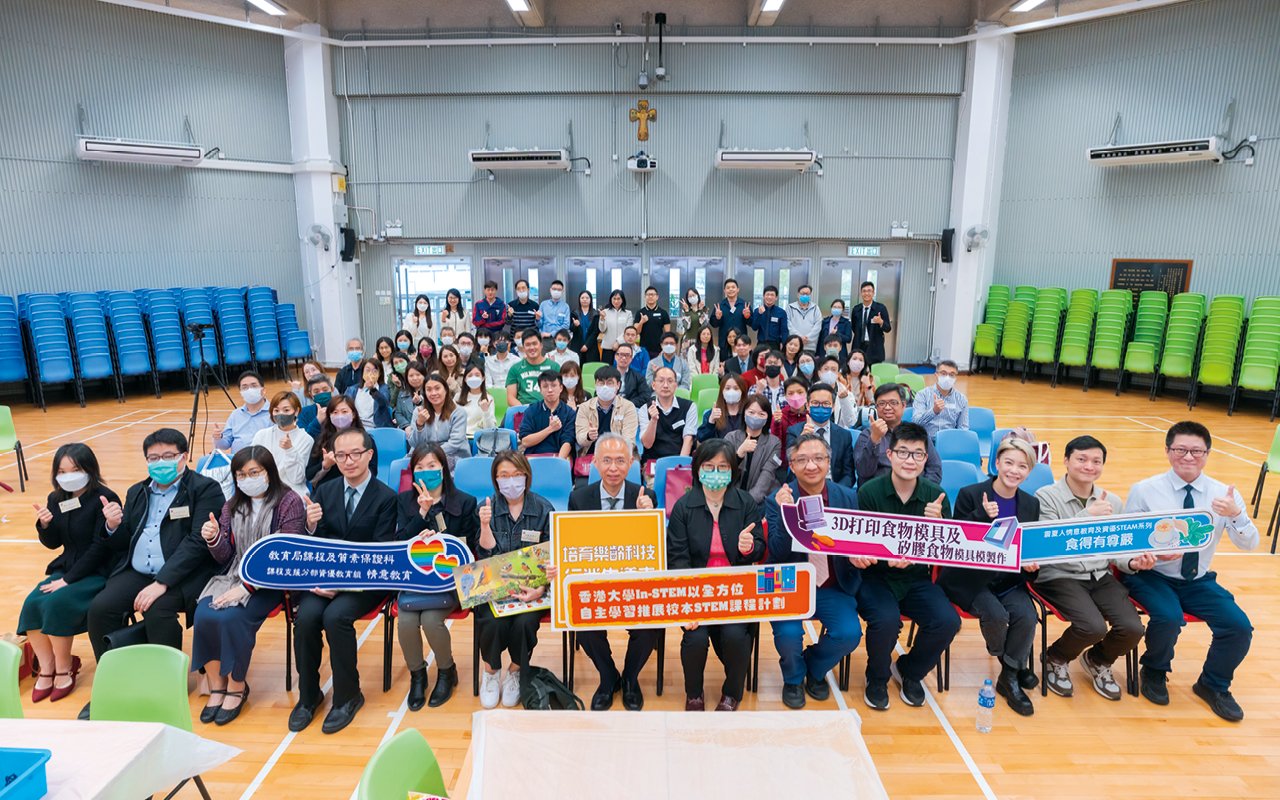
The school's innovation and technology education is innovative and relevant, linking humanistic care with knowledge of various disciplines. Teachers actively use technological tools to improve daily management and teaching. In the past, the school has been making good use of "Power BI", an assessment software commonly used in the business world, to organize students' homework, learning performance and test scores into data charts to analyze students' characteristics and strengths, making it easier for teachers to provide training and guidance. In addition, Principal Joanna Yuk King Or and the teaching team also continue to introduce external resources to promote learning and teaching measures and curriculum development, including the school-based STEM curriculum plan promoted by In-STEM of the University of Hong Kong through all-round independent learning, the "Quality School Improvement Plan of the Chinese University of Hong Kong" - optimizing student learning progress through comprehensive improvement of assessment literacy (QSIP-CEAL), the "Education Bureau Gifted Education Network" and the Jockey Club "School-based Diversity Plan", etc. In recent years, the school has invited curriculum experts from universities and education bureaus to the school more frequently to work with teachers on campus to prepare lessons, observe lessons, and evaluate lessons, in an effort to improve learning and teaching effectiveness. To this end, the teaching team has held open classes many times to demonstrate students’ good learning attitudes and the school’s efficient learning and teaching results.
At the same time, the English subject team has specially adopted AI (artificial intelligence) technology to set up a new voice tool for students in Form Three and Four to establish an unparalleled English conversation context and use Artificial Intelligence technology to correct students' mispronunciation to make their learning more convenient. "In AI On the English pronunciation platform, teachers will design designated English articles and sentences for students to read and practice repeatedly, and then submit them to the system for scoring, so as to understand the students' speaking and spelling abilities. The recordings will also become a shared resource for the whole school, encouraging students to learn correct pronunciation and intonation from peers who perform well. It is necessary to adjust the difficulty level so that students can practice oral pronunciation on their own even after class and establish the habit of independent learning. " Vice Principal Chen said that the platform will also be extended to junior high school courses in the future. He hopes that students can accumulate famous English sentences and vocabulary from the beginning of secondary school and simultaneously increase their reading, writing, listening and speaking skills to prepare for entering the international knowledge-based society in the future.
Set up large-scale STEAM competitions and establish a teaching exchange platform
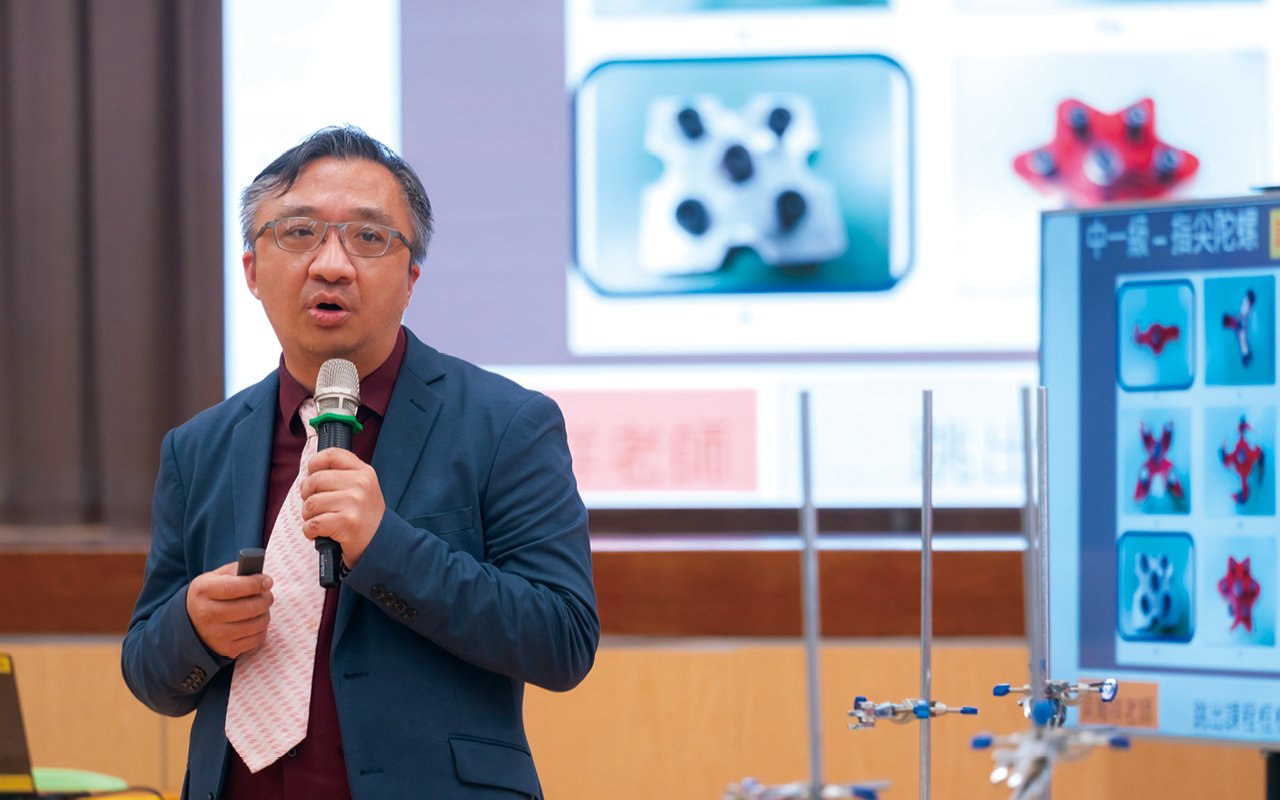
The education sector has always valued exchanges and observation and learning, so schools have not hesitated to share their successful experiences and insights in innovation and technology education. In recent years, it has received support from tertiary institutions, the science and technology entrepreneurship community, the Education Bureau and the Home Affairs Department to create the "Hong Kong Youth STEAM Competition and Exhibition (from AI to SI)" as a channel for professional exchanges between education and society. Principal Joanna Yuk King Or said in this regard: "In order to promote innovation and technology education, we hope that the competition can serve as a platform for exchanges and provide opportunities for observation and exchanges with other schools. Therefore, the "Hong Kong Youth STEAM Competition and Exhibition (from AI to SI)" welcomes the participation of different schools, and will also provide briefings and professional training to shortlisted contestants and schools, hoping to contribute to Hong Kong's innovation and technology education. At the same time, our school also hopes to take this opportunity to let students learn how to coordinate the competition and help organize the competition to inspire students' leadership talents and achieve mutual learning." Finally, the "Hong Kong Youth STEAM Competition and Exhibition (from AI to AI)" SI)" has always been very appealing and has attracted participation from dozens of primary and secondary schools across Hong Kong in the past. The winning works are not only extraordinary in creativity, but also show concern for people's livelihood. They are all related to improving social problems and supporting the disadvantaged, which is commendable.
"The love of summer is always there" advocates intelligent and affectionate education, innovative and technological learning with human warmth, and cultivates charity and wisdom.
Caritas Fanling Chan Chun Ha Secondary School · 2023年5月
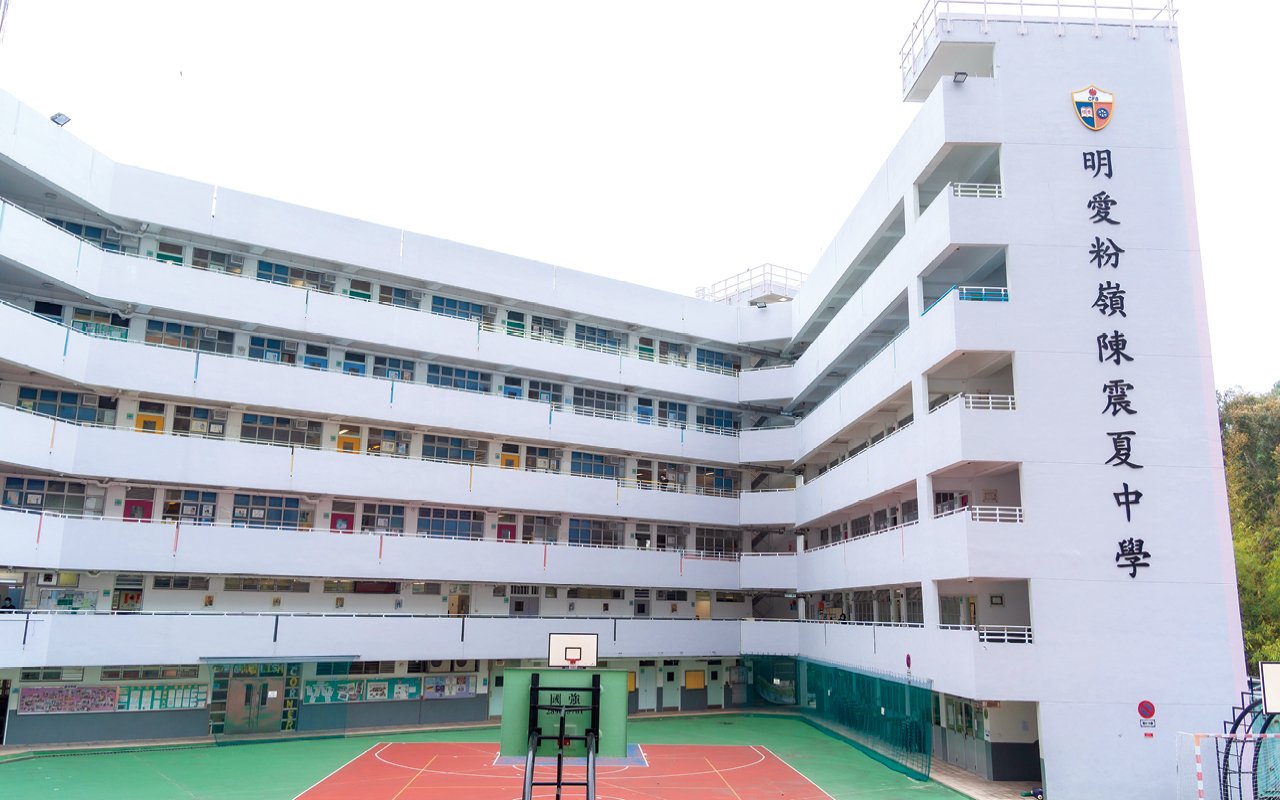
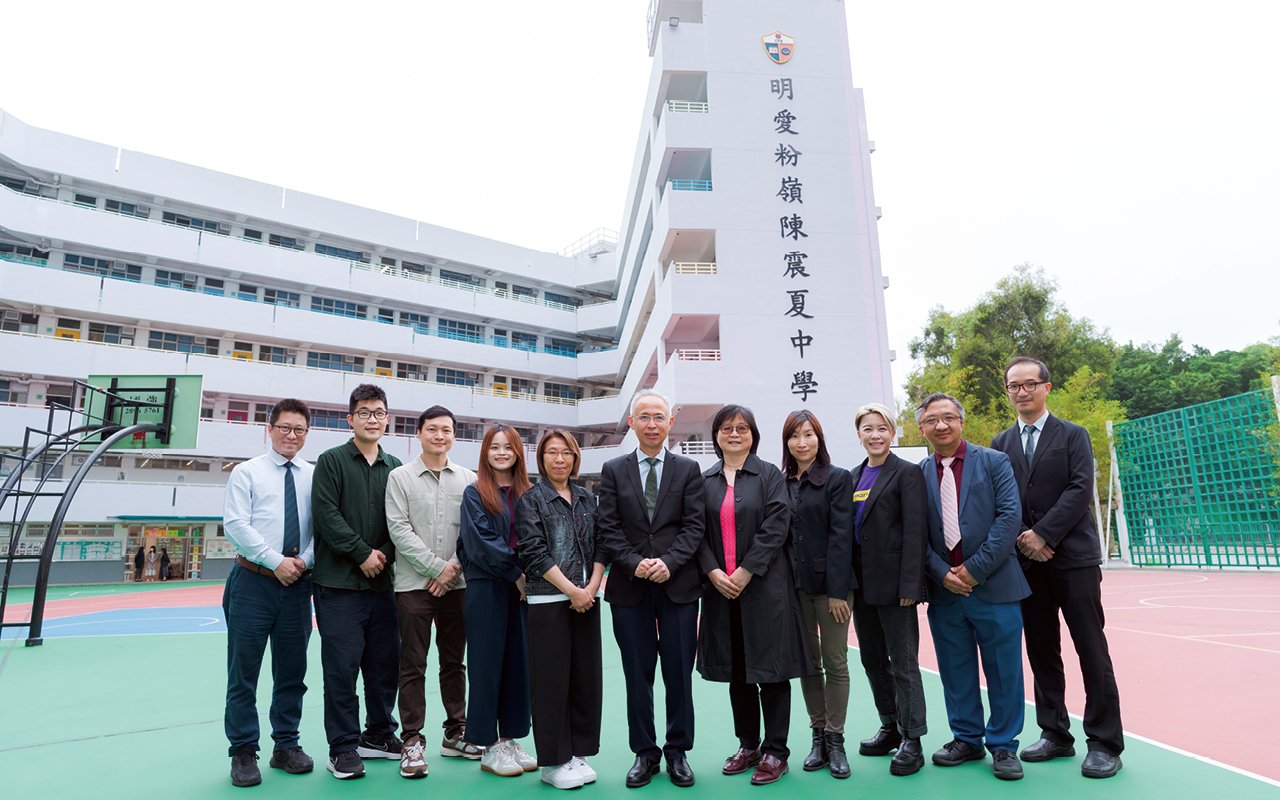
School building appearance
This English version is translated by AI. If there are inaccuracies or omissions, please refer to the original Chinese text.