
Ho Ming Primary School (Sponsored by Sik Sik Yuen) Based on the "student-centered" approach, we provide high-quality whole-person education, develop students' talent potential and enhance their literacy in various subject areas through unique school-based courses and diversified experiential activities. At the same time, the school adheres to the educational principle of "seeking character first, then excellence" to guide students to establish positive values and become new forces that contribute to the country and society in the future. Principal Tam Feng-ting is well aware that 21st century generic skills can help students grasp the challenges and opportunities of society. Therefore, the school takes Values, Attitude, Skills and Knowledge as the four core educational cores, actively promotes STEAM education, and combines courses, activities and community promotion to create an innovation and technology learning atmosphere, laying a good learning foundation for students to become "life-long learners" and develop their talents in various professional fields.
The "6Cs" curriculum structure cultivates students' six major areas of ability:
Promote STEAM education in an orderly manner and build a professional teaching team
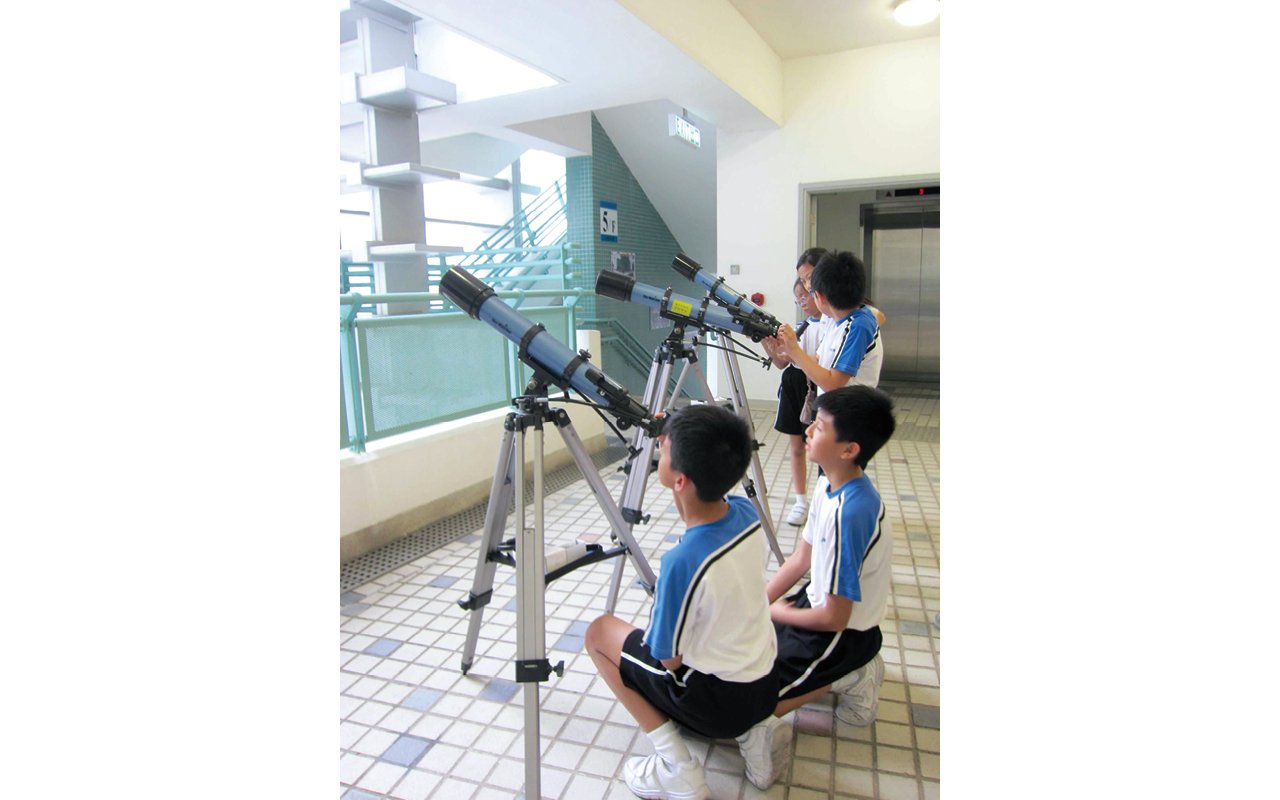
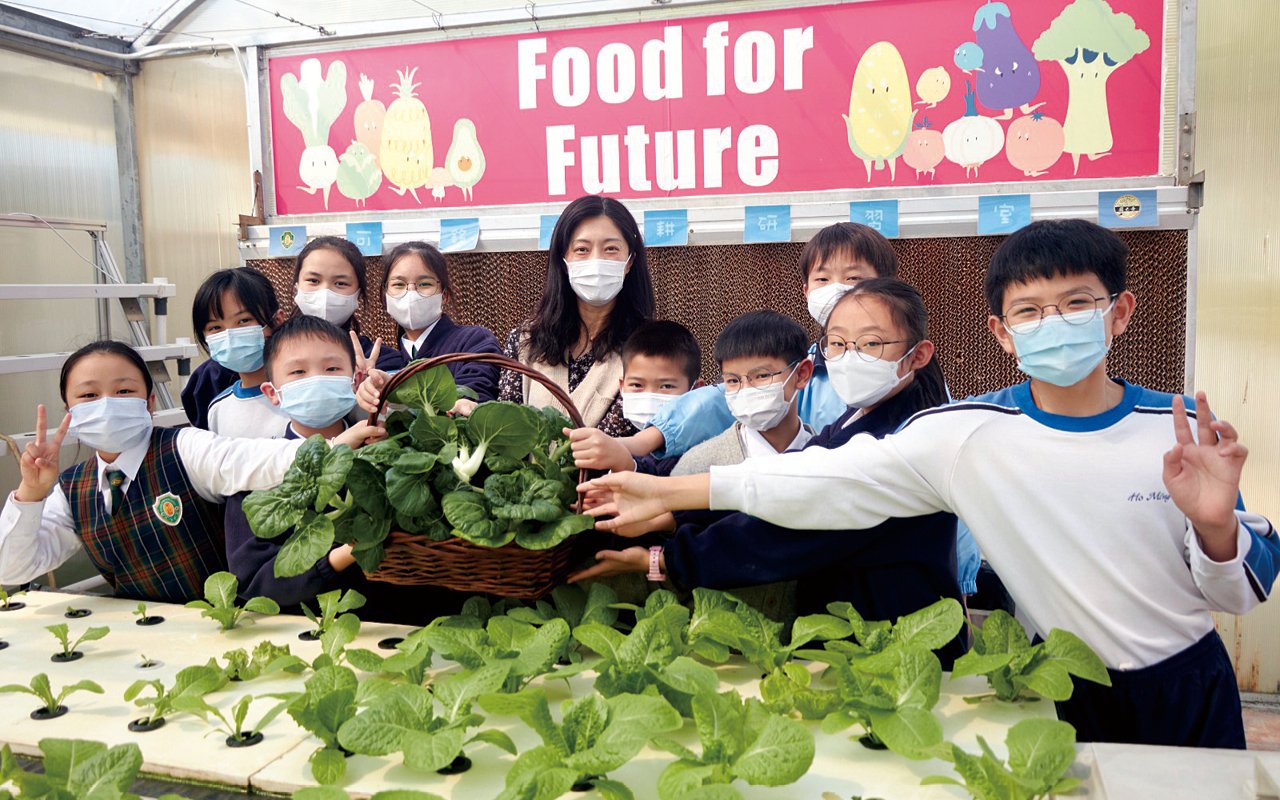
STEAM education emphasizes the comprehensive application ability of integrating knowledge from different disciplines to help students build 21st century skills to solve real-life problems. Therefore, when the school moved to a new campus in 2006, it began to focus on the campus environment and established a new "astronomy observation platform" and "hydroponics study room" to add STEM learning elements, create a diversified learning space for students, enhance students' knowledge and interest in science, broaden their horizons, and establish independent learning habits to actively explore new knowledge. Afterwards, the school further promoted the development of STEM education, innovated the school-based curriculum, and launched a school-based astronomy class based on the curriculum design concept of "creativity, problem solving, logical thinking, communication and collaboration" to teach students different astronomical knowledge such as the Chinese calendar, the 24 solar terms and the path of the sun.
Principal Tan pointed out that the school takes "cultivating future scientists" as its vision for STEAM education, and has formulated four teaching goals based on this, including enhancing students' interest and curiosity in science and technology; students being able to understand how technology is applied in daily life; cultivating students' ability to face difficulties and solving problems; and encouraging students to use their creativity and innovative spirit. Therefore, schools have gradually developed STEM education into STEAM education in recent years. "Under the belief of 'making future scientists', the entire teaching team needs to collaborate and inspire each other to inspire more innovative ideas. To this end, we formally established a STEM development group in 2016. The STEM coordinator and curriculum director will lead the teachers of mathematics, general knowledge and information technology to jointly promote interdisciplinary learning activities. At the same time, the school's teaching content and methods have always kept pace with the times, and all teachers will accept STEAM every year Education-related professional training, such as organizing in-school teacher workshops and participating in joint-school teacher professional exchanges, can improve teachers’ professional capabilities in planning and implementing STEAM education.”
Set up electronic components course to cultivate scientific and technological application ability
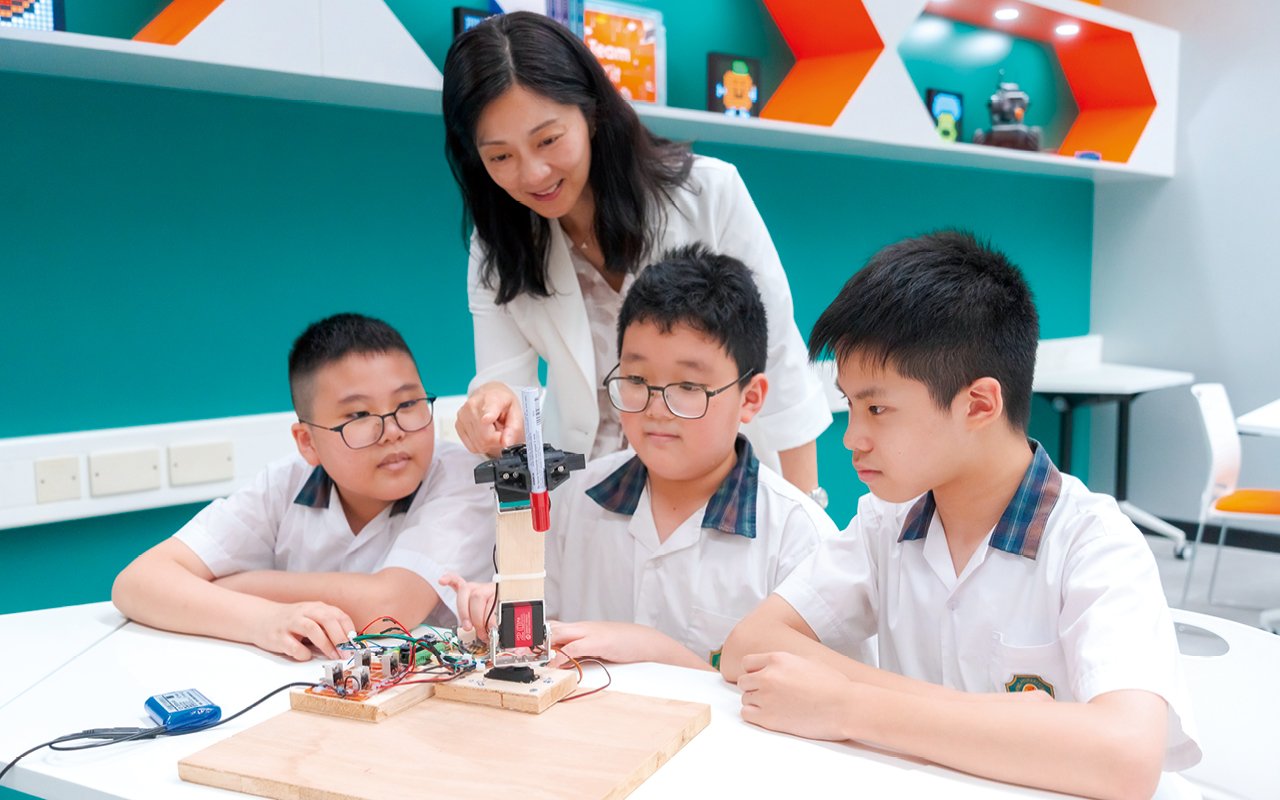
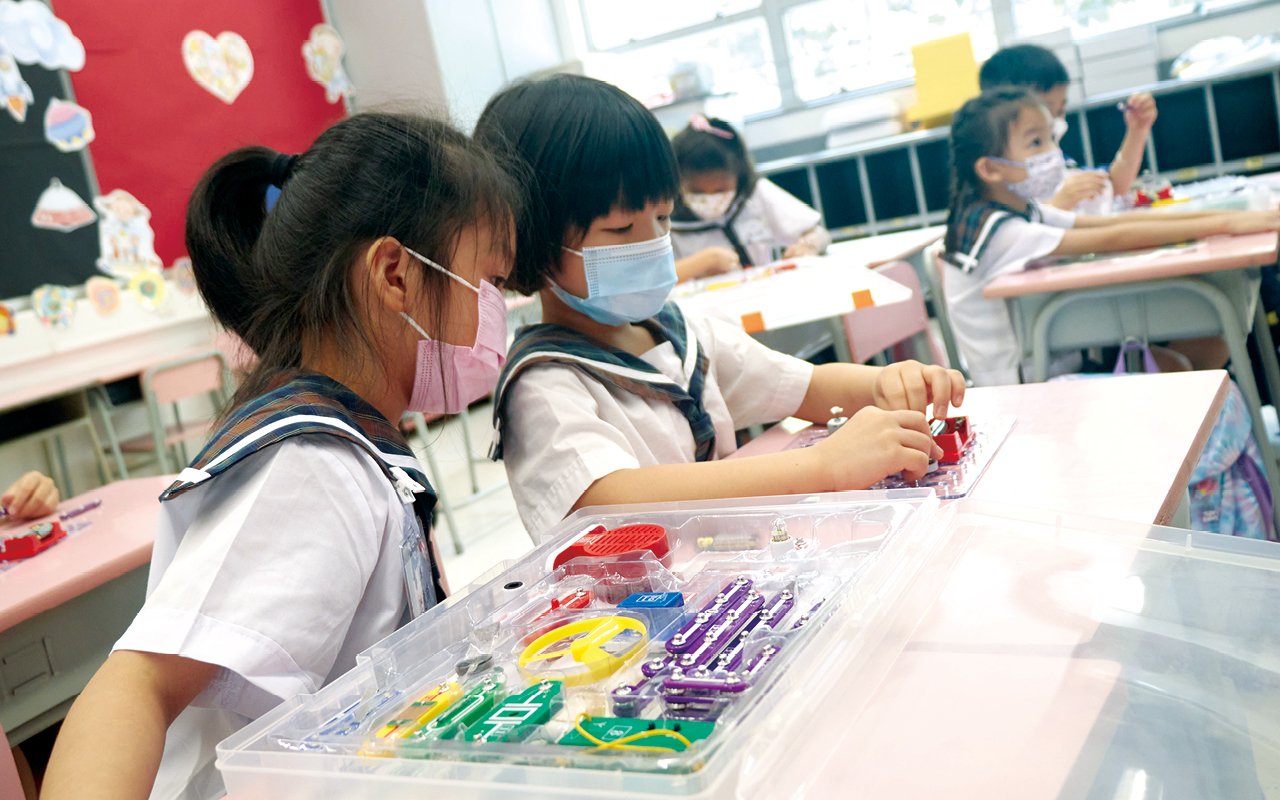
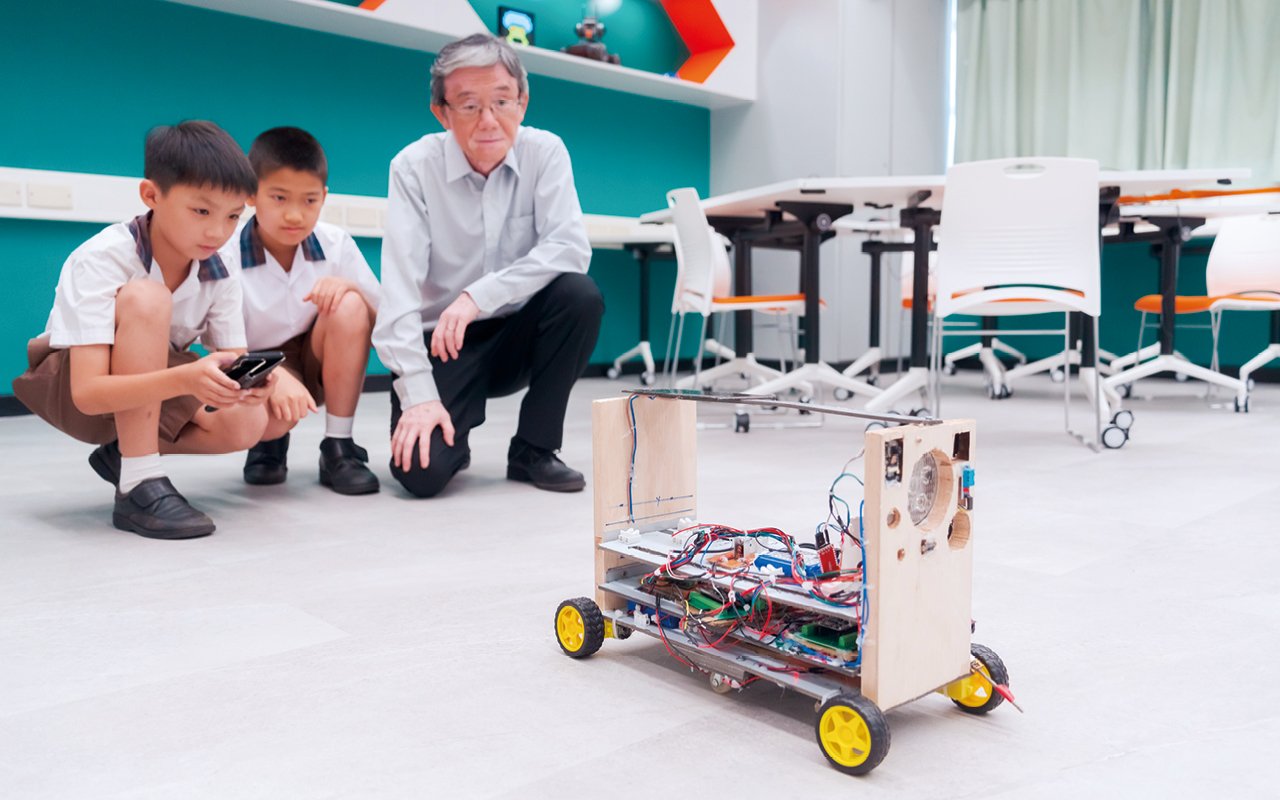
If society wants to develop high-tech industries, it is inseparable from professional talents in electronic technology. Therefore, the school specially designed electronic components classes to allow students to gradually master the use of tools and learn about parts starting from primary school. Using tools can train students' small hand muscles; learning parts gives students the opportunity to train their thinking and absorb electronic knowledge. The course has created unlimited possibilities for students' scientific development. This is because the teaching team carefully uses original electronic components as teaching tools and forgoes the purchase of external teaching kits to enable students to understand the uses and characteristics of each electronic component, thereby constructing solid basic scientific knowledge to connect and apply higher-level scientific and technological knowledge.
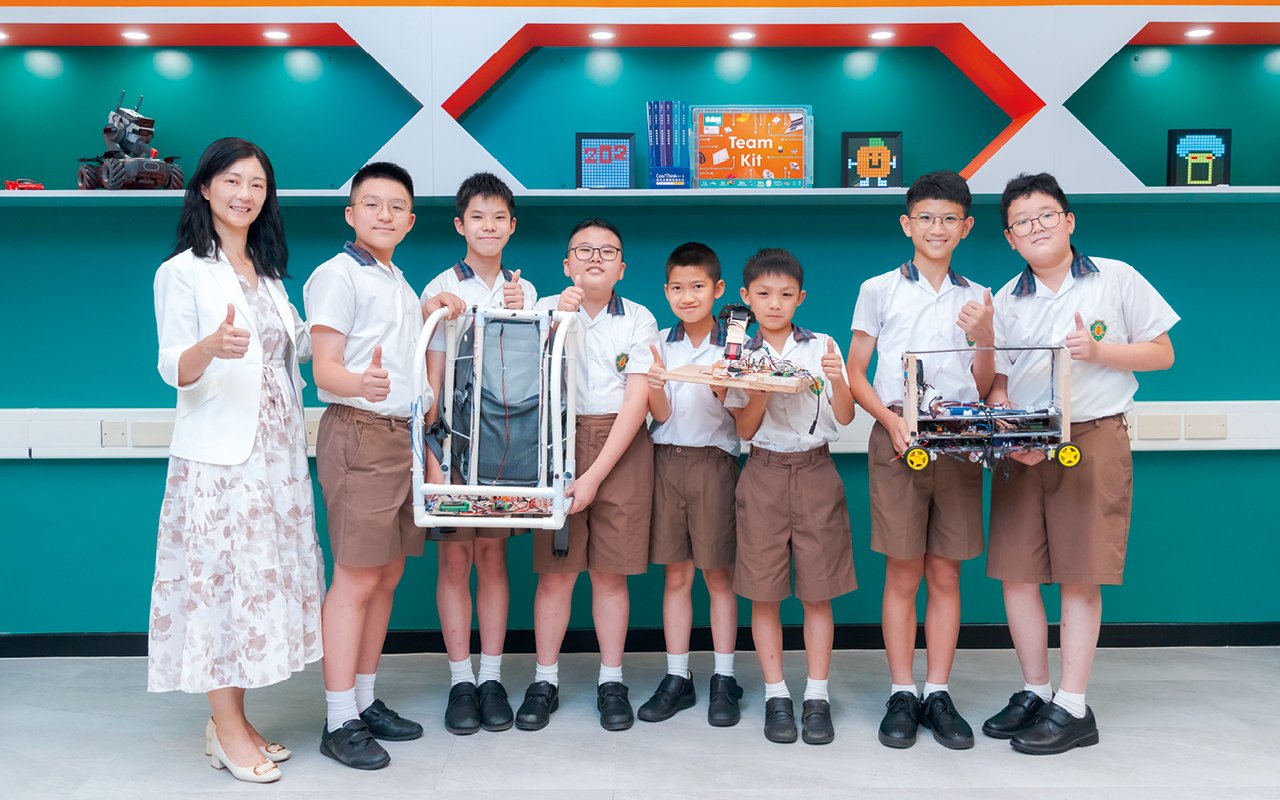
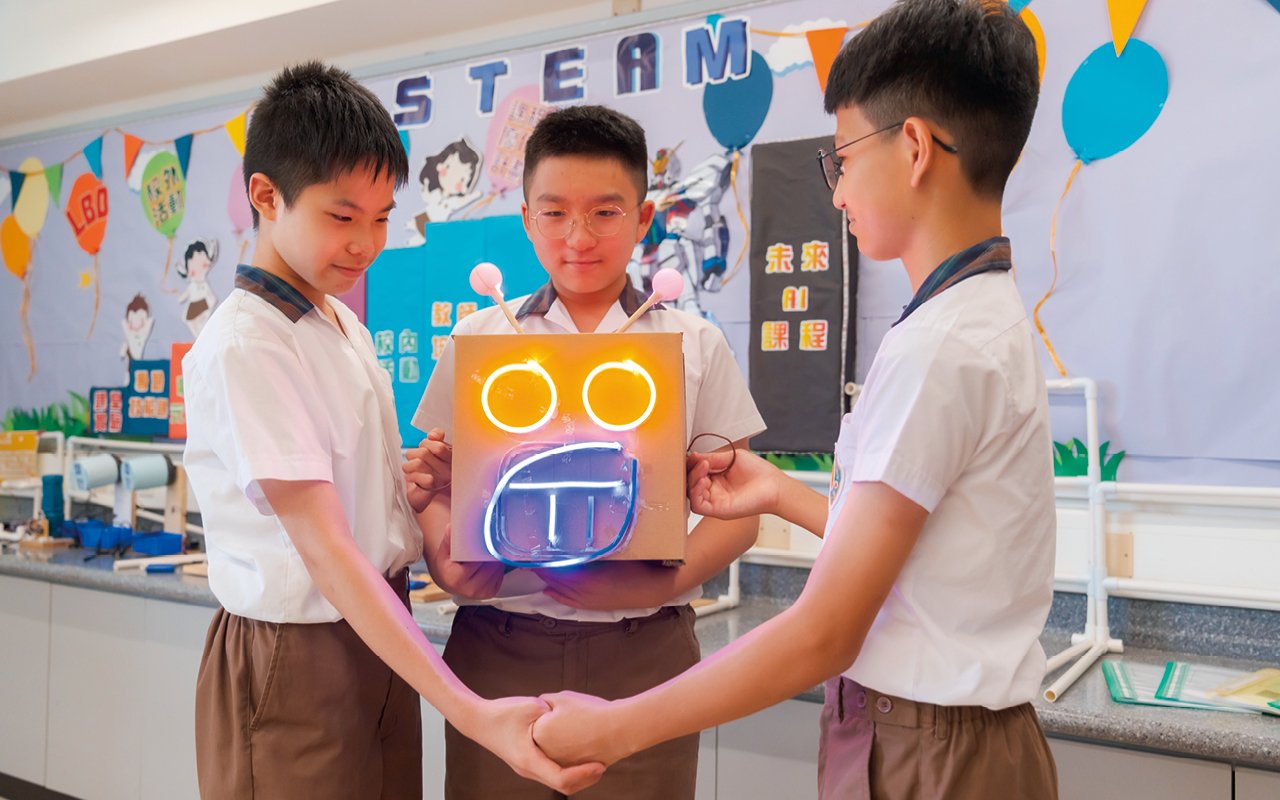
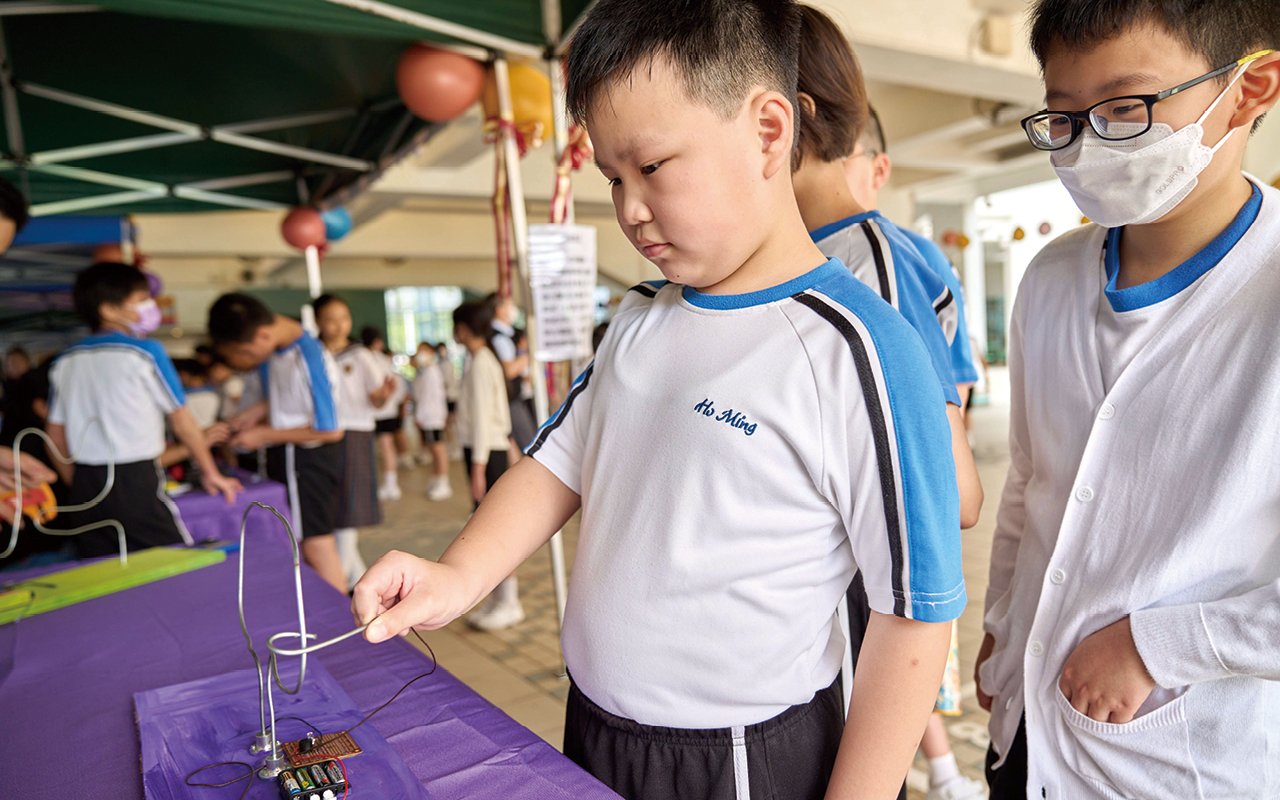
In the electronic components class, students will learn to apply different electronic components, including LEDs, buzzers, seven-picture tubes, etc. Once students understand their operating principles, they will be able to flexibly use different components to build different circuits. In order to strengthen the "hands-on" element of the course, the teacher also arranged different special exercises in the class, allowing students to apply what they learned and use their creativity and collaborative spirit to create practical works such as electronic rain gauges, ultrasonic flash photo frames and body temperature detectors. At the same time, they also combined visual art elements to beautify their electronic products and practice the learning spirit of STEAM.
Integrating artificial intelligence to improve learning and teaching effectiveness
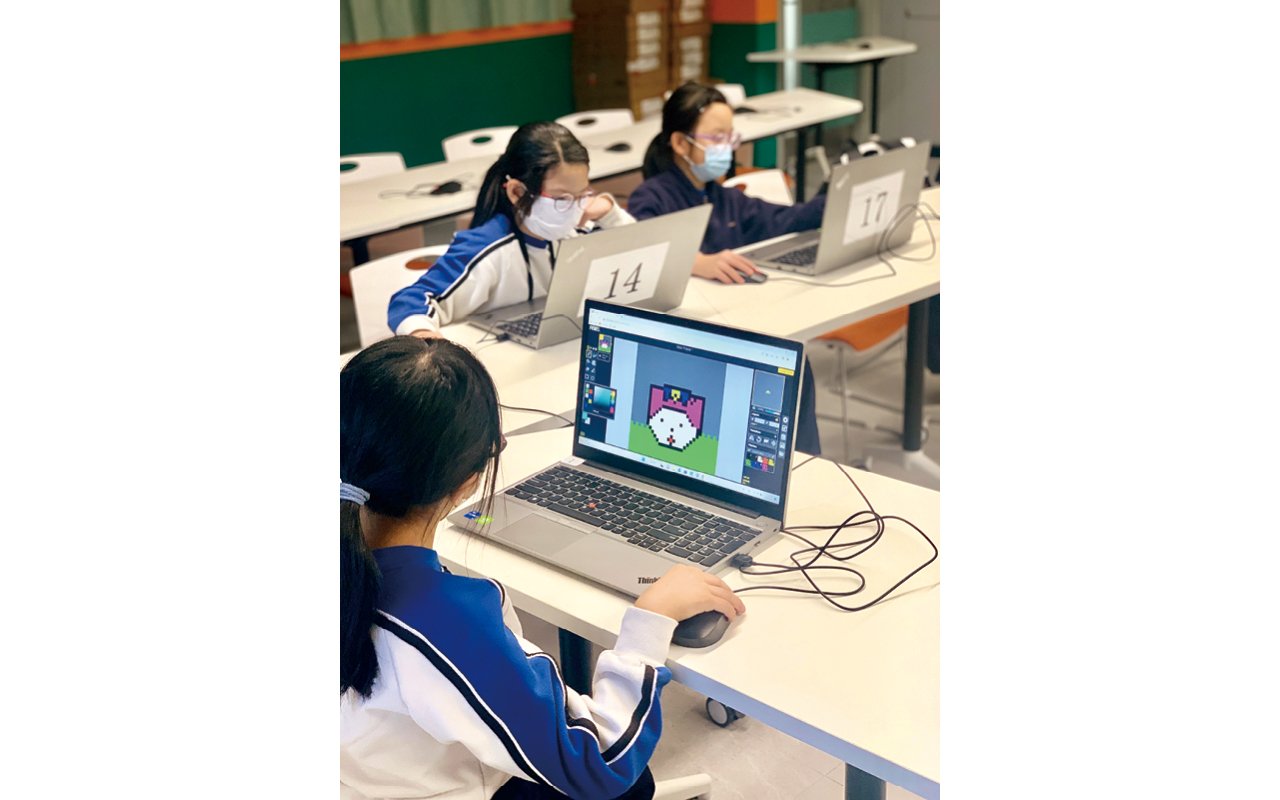
The school's STEAM curriculum has gradually matured, and in recent years it has moved further towards an interdisciplinary STEAM curriculum, implementing artificial intelligence experience courses in lower grades, and developing programming and artificial intelligence cognitive courses in upper grades. Through curriculum innovation, students will enhance their understanding of the latest developments in technology and cultivate their innovative spirit to meet the development needs of the future world. Principal Tan said: "To support the next stage of STEAM education development, the school successfully applied for funding from the Quality Education Fund to implement the 'School-based Smart Maker Programme', which aims to cultivate students' practical skills, master the interdisciplinary application of STEAM, and enhance creative thinking and problem-solving abilities. At the same time, the school plans to use artificial intelligence technology in teaching to assist teachers in correcting exercises, and use big data to analyze students' learning situations and difficulties, provide students with more appropriate guidance, and improve learning and teaching effectiveness."
Introducing off-campus support programs to deepen STEAM teaching effectiveness
In order to broaden students' horizons and enrich their learning experience, the school actively introduces professional support programs from universities and external organizations to enhance learning diversity. The school began to participate in the three-year "Jockey Club Computational Thinking Education" project in 2020 to inspire students' digital creativity in daily life and cultivate their aspiration to use technology to benefit society from an early age. Through the program, students will be exposed to and learn technological knowledge such as computational thinking and artificial intelligence. The course is student-centered and emphasizes active learning and mutual collaboration. The school carefully lays a solid foundation in computational thinking for students so that they can connect to programming learning in the future. By closely integrating knowledge and thinking development, students can use computational thinking to formulate solutions when faced with problems, and actually solve problems through programming skills.
At the same time, in order to cultivate students' design thinking, problem-solving skills and digital creativity, the school participated in the "STEM+C Curriculum Plan" of the Center for Teaching Technology of the Education University of Hong Kong to teach students to use programming software and microprocessors to build and design systems. During the planning process, students first try out the system in a relaxed manner (to play), think about its operating principles (to think), and then follow the instructions to write programs (to code), connect components, and make models (to STEM). A reflection session is arranged at the end of the class to allow students to consolidate what they have learned from the activity. Therefore, in addition to learning programming knowledge and skills, students can also develop design thinking and digital creativity when creating, and gradually build their problem-solving abilities and confidence.
Actively participate in innovation and technology competitions to create opportunities for students to succeed
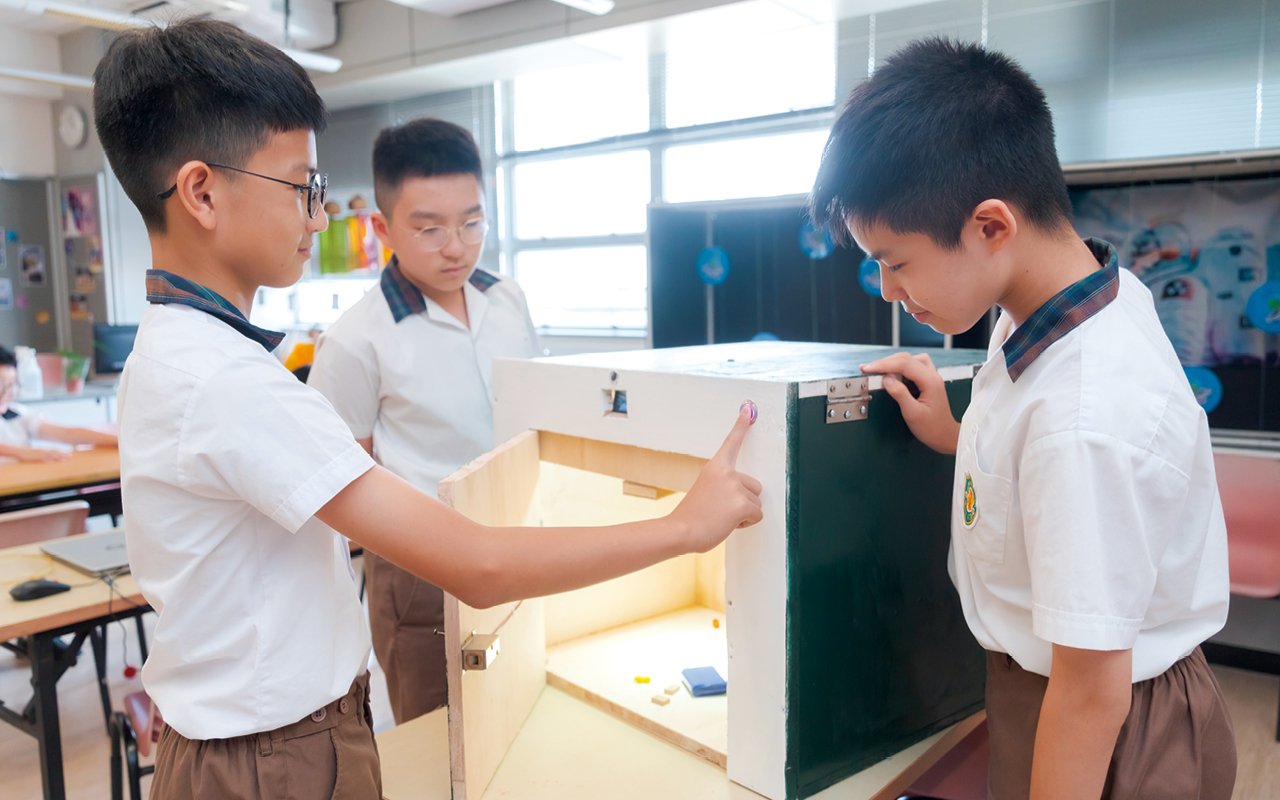
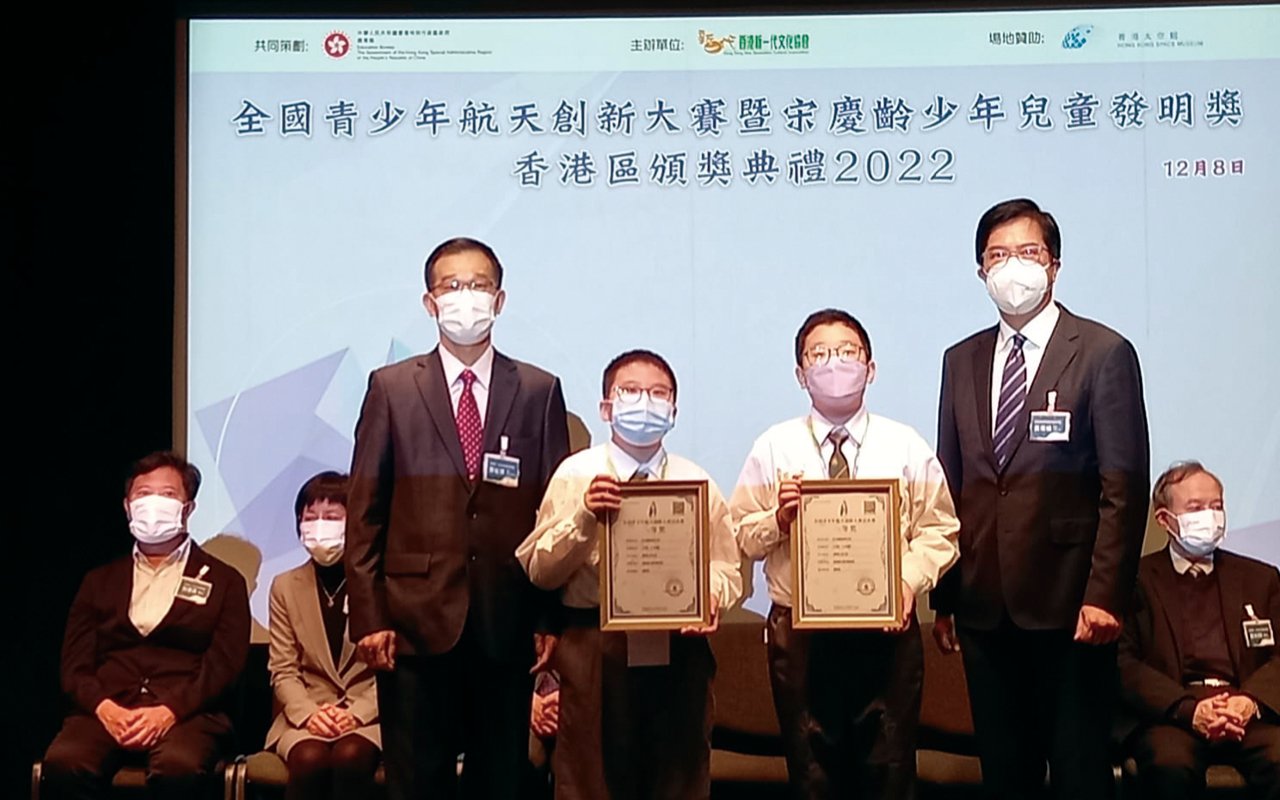
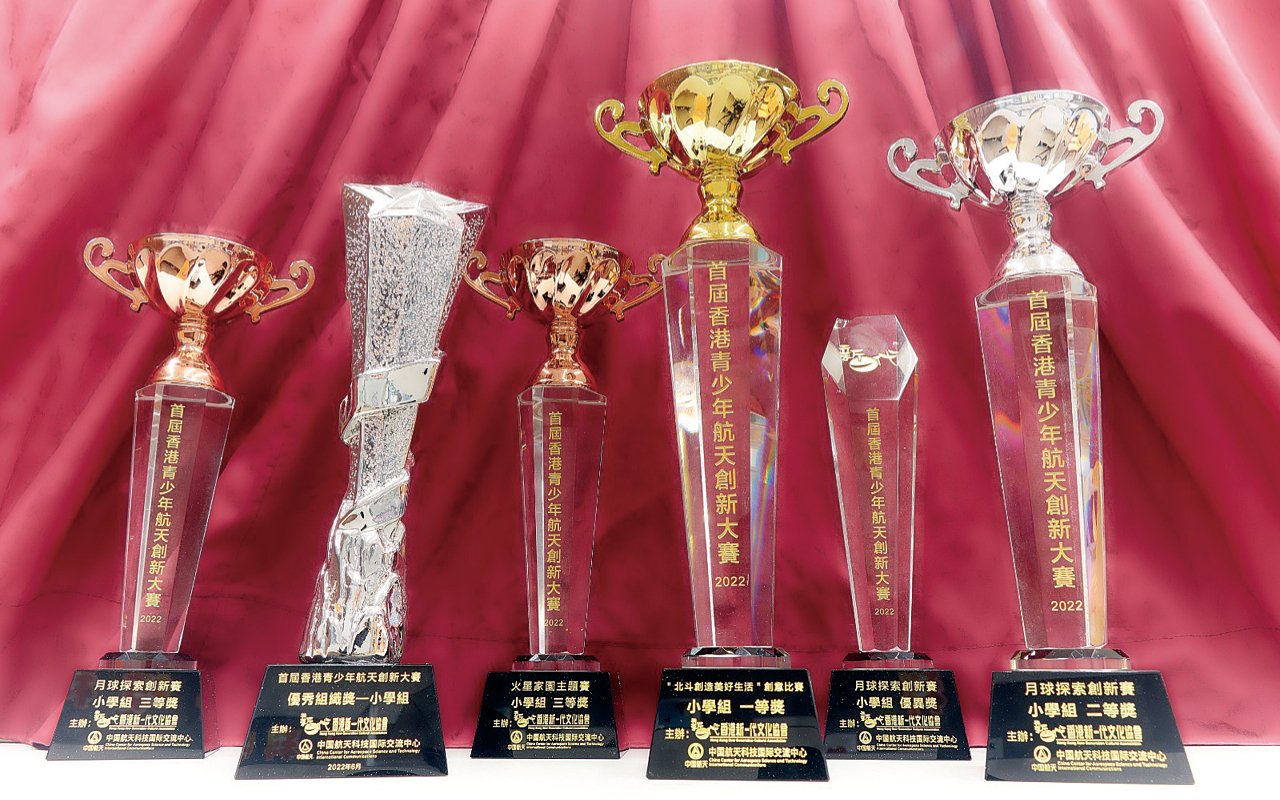
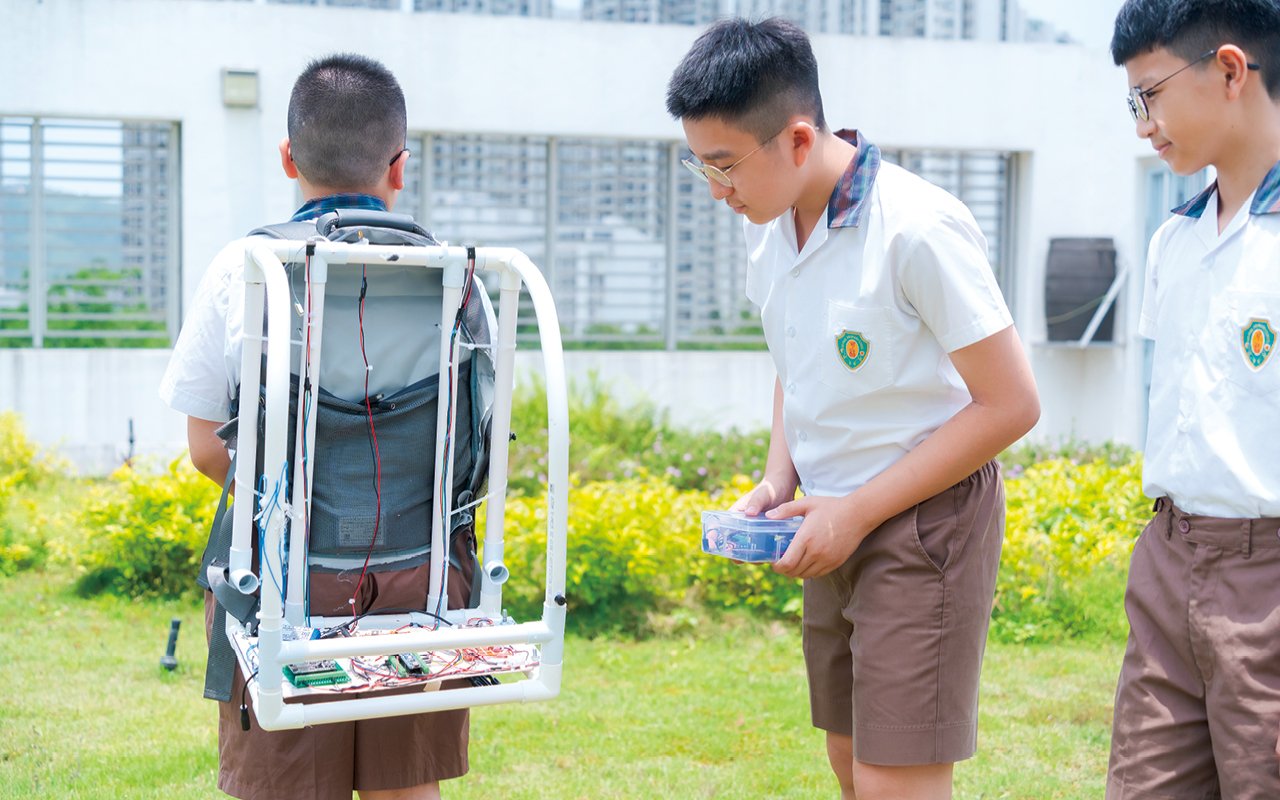
The school's achievements in promoting STEAM education over the years are obvious to all. It provides students with various types of activities and competition opportunities, and is committed to training students to join the school team to develop their talents and become "electronic scientists". Students have also performed well in various innovation and technology competitions in recent years and won many awards. For example, in the "Be a Maker-Hong Kong STEAM Starter Competition", the school's entry "Smart Housing Estate Anti-epidemic Gate" stood out among many schools and won the championship of the senior group and the most suitable theme award; in the "First Hong Kong Youth Space Innovation Competition", a total of 6 Among them, the work "Hiking Safety is in the Backpack" represented Hong Kong in the "National Youth Aerospace Innovation Competition" and won the first prize in the primary school category in the "Beidou Creates a Better Life" creative competition. In addition, students also used their creativity to design scientific and technological works that meet social needs and successfully won three merit awards at the "Hong Kong Innovation and Technology Exhibition". Principal Tan said, "The school focuses on cultivating the characteristics of students as scientists, teaching them positive spirits such as perseverance, selfless dedication, and daring to innovate. During the design process of scientific and technological products, students will go through the process of 'design, production, testing, and improvement' and learn from failure experiences to welcome the final success. This learning process has not stopped even during the epidemic, and we are happy to see students' outstanding performance recognized by the society."
Create an innovation and technology atmosphere and actively give back to the community
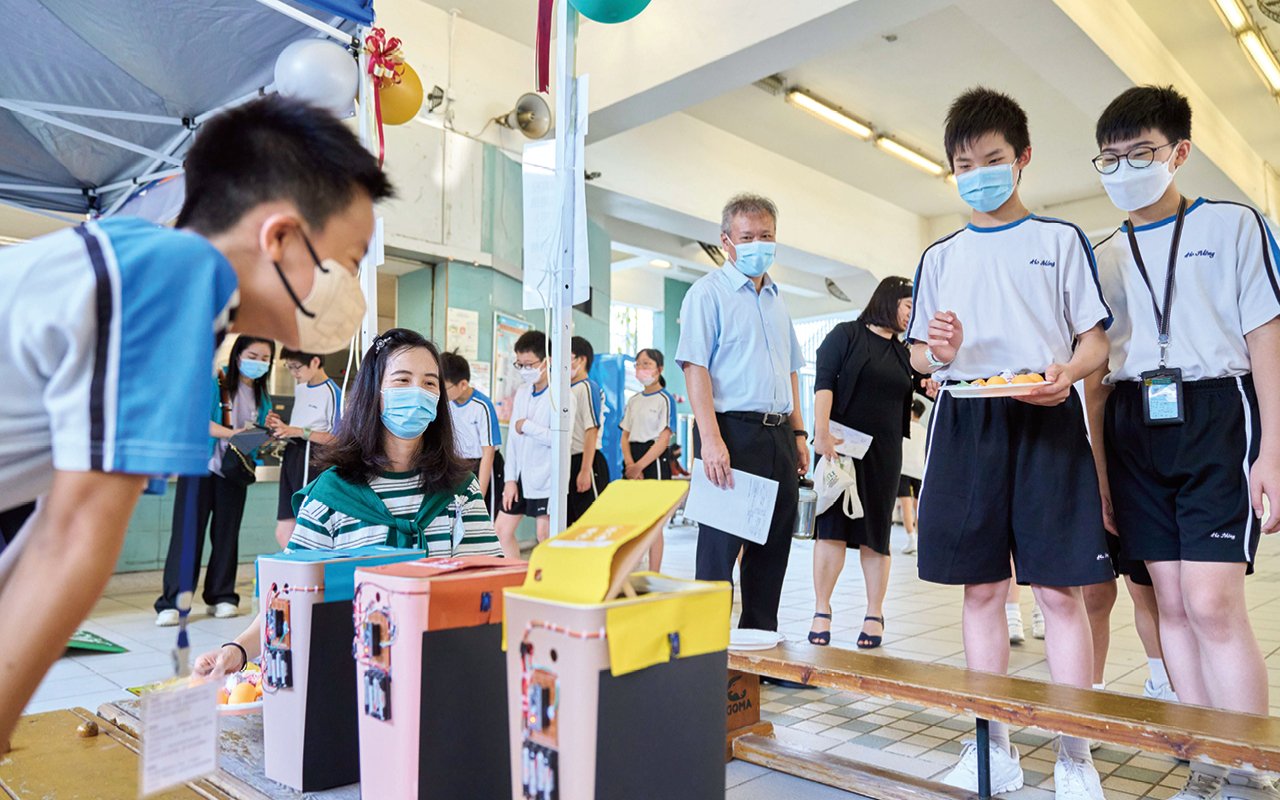
As a leader in STEAM education, the school has been committed to promoting the development of STEAM in the community, promoting professional exchanges among regional schools, and sharing experiences related to STEAM education to create a strong innovation and technology atmosphere. Therefore, the school regularly holds STEAM workshops or open days with different organizations and schools to provide teachers, students, and parents with comprehensive and diversified science activities, deepen the public's understanding of the field of innovation and technology, and jointly cultivate students' ability to explore and solve problems.
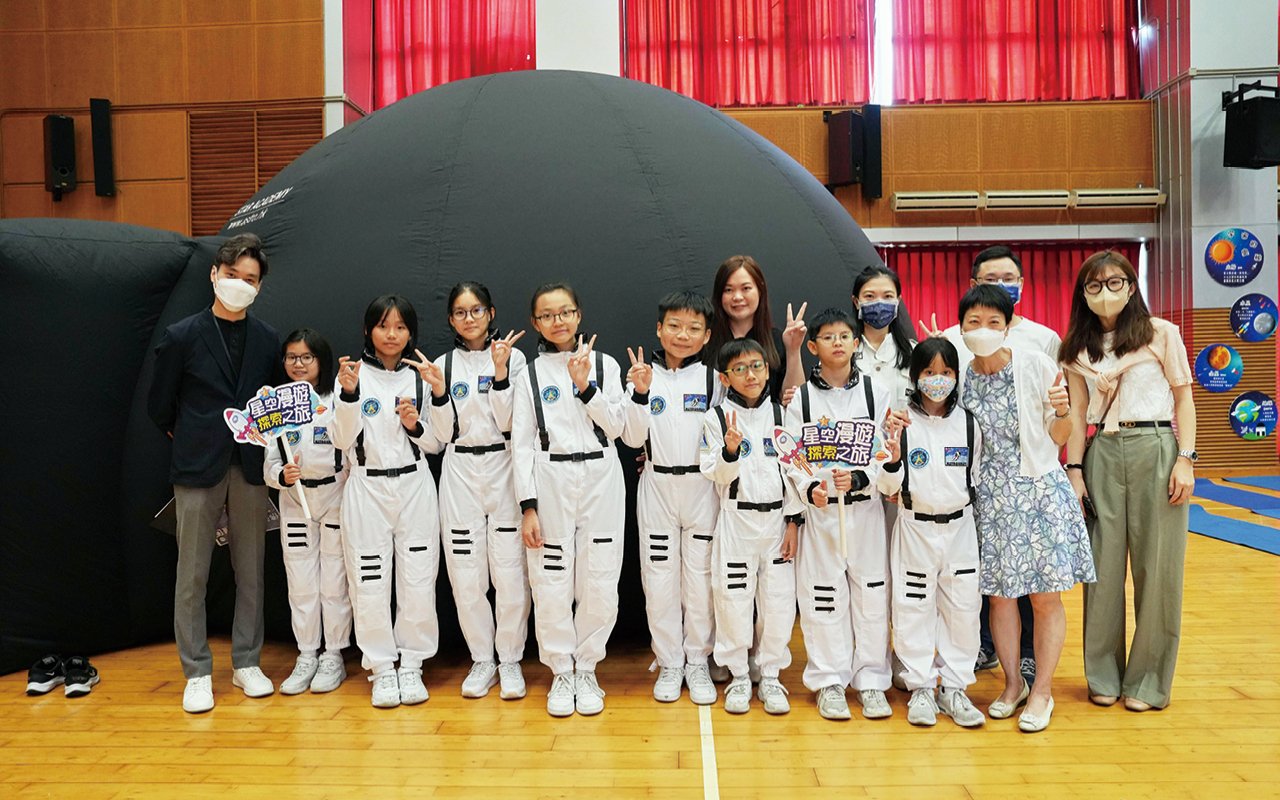
Principal Tan added: "On the 30th anniversary of the founding of the school, in line with the school anniversary theme of 'Building Future Scientists', we organized a series of science and technology experience activities to have fun with everyone. For example, in the 'Chinese Culture and Science and Technology Fun Day', through interesting experiential activities, participants learned about Chinese traditional culture and ancient and modern technological development, as well as the country's scientific and technological innovation achievements; in addition, we also organized the 'Memorable Starry Sky Roaming and Exploration Tour', inviting teachers, parents and students from many kindergartens, with more than 300 people. People participated in the activities, and Keming's "astronauts" led the guests to the digital three-dimensional astrology hall to observe the stars, learn about the eight planets, and experience different STEAM booth games. "The school's STEAM education also achieved the participation of the whole school. At the school anniversary celebration ceremony, the STEAM team teachers and the fifth and sixth grade "electronic scientists" carefully produced 6 The officiating guest activated the dice and the dice shimmered and started to rotate, symbolizing igniting the school's pursuit of science and technology and creating more future scientists.
Pay attention to value education and cultivate good scientist character
Values education is an aspect that the school attaches great importance to. It covers the four levels of knowledge, emotion, intention and behavior, and runs through various subject areas to cultivate students' good values and attitudes of "I am a memorable person". The teaching team uses the theme of "Building Future Scientists" to instill in students the positive qualities needed to become outstanding scientists, such as patience, not being afraid of difficulties, and a desire to serve the society and change the world. Teachers from the subject team will actively cooperate with the discipline team. In addition to teaching subject knowledge, they also let students understand the importance of personal ethics for scientists, and organically combine scientific knowledge with value education.
Optimize the campus environment and cooperate with the development of STEAM education
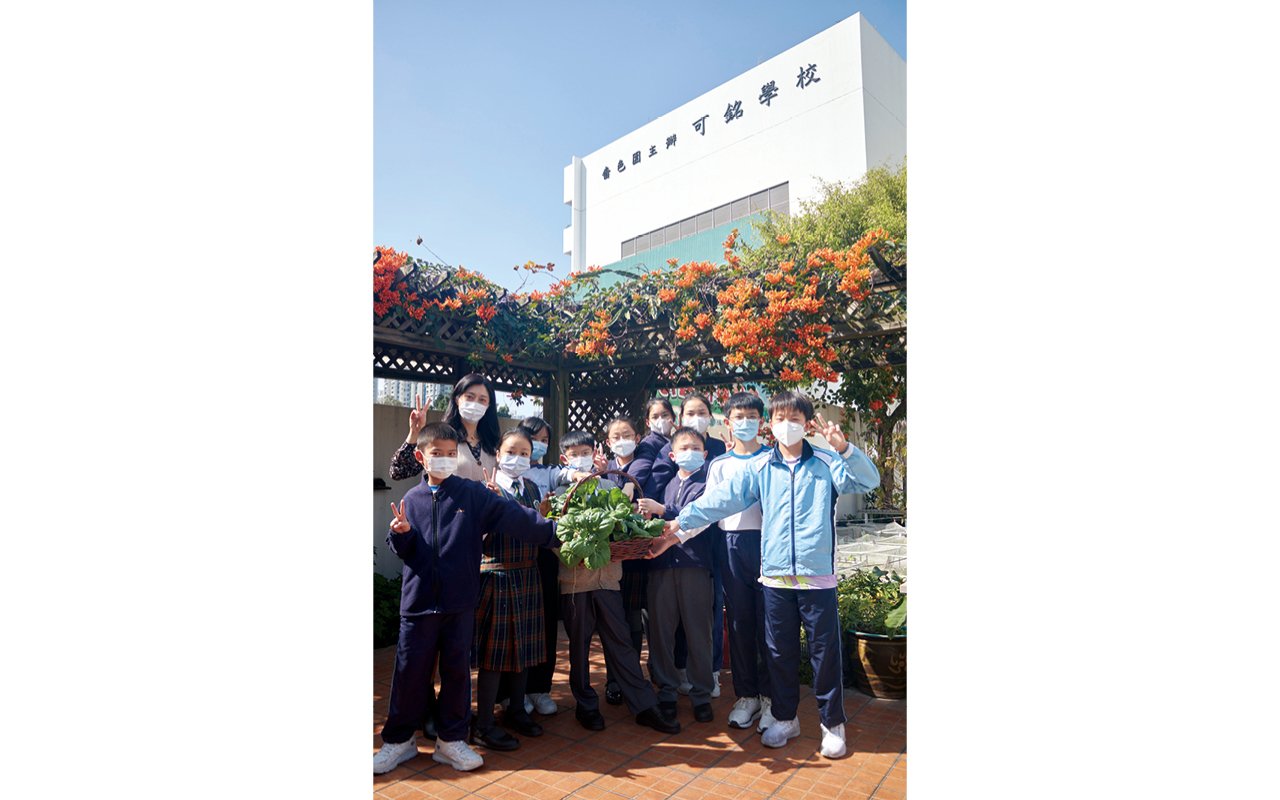
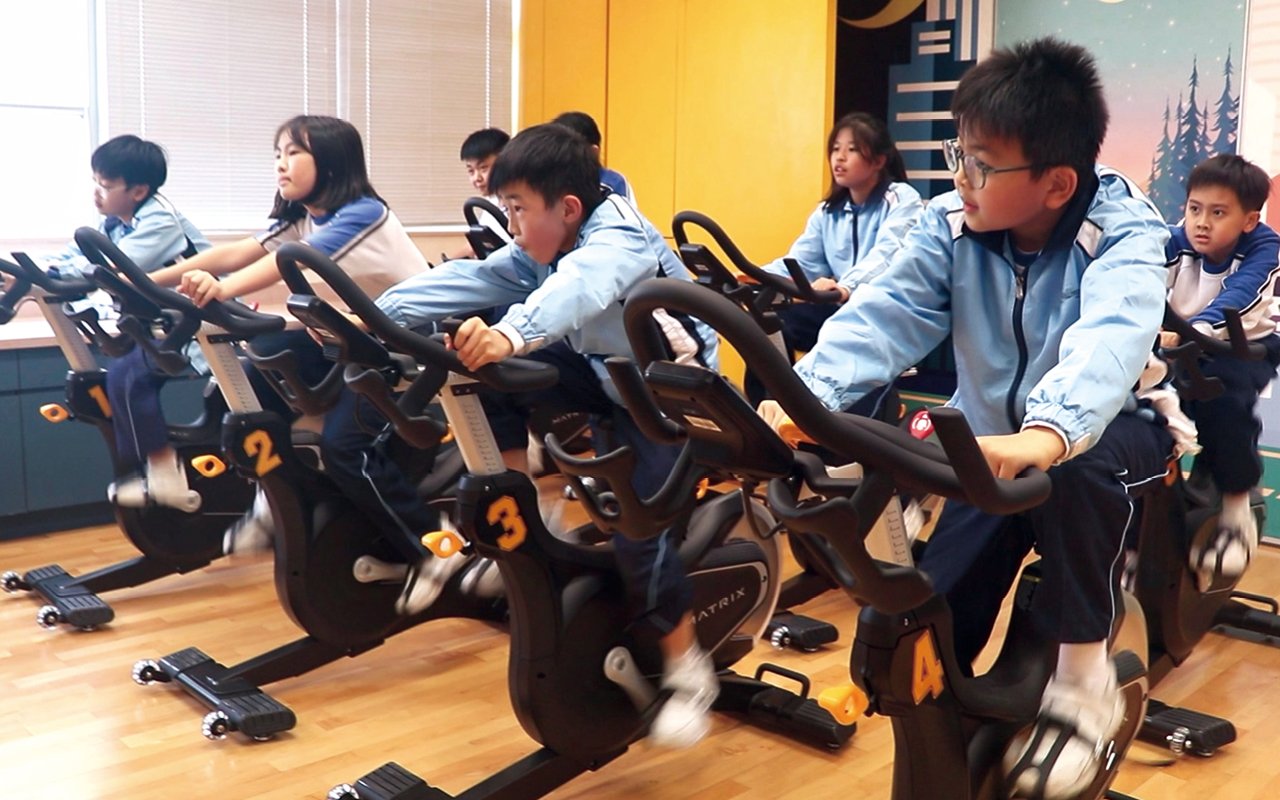
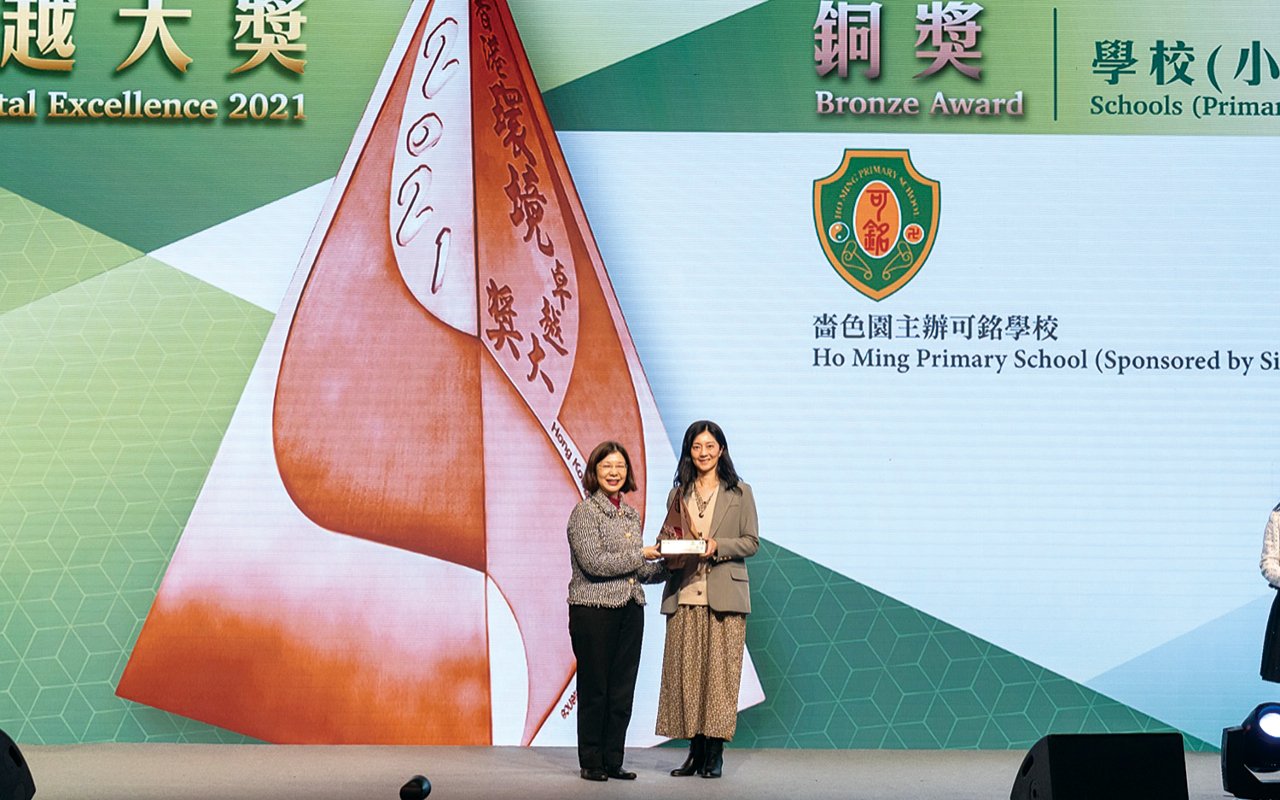
The school continues to invest resources to optimize the campus environment, and in line with the development of STEAM education, it has added different teaching facilities, such as solar panels, green rooftops, hydroponics and soil cultivation, etc., to provide students with different learning opportunities and maximize educational effectiveness. Through proper planning and opening of different multi-purpose learning spaces, we will take care of the diversity of students' learning and give them more opportunities to explore their personal interests and potential. At the same time, various environmental protection equipment have been installed around the campus and a "green education corridor" has been established to allow students to practice environmentally friendly and carbon-reducing living. The school's excellent campus planning was awarded the "Environmental Excellence Award" to recognize the school's outstanding performance in environmental protection. This year, the school's "i-bike Physical Fitness Training Center" was officially opened, providing virtual reality cycling simulation training and introducing a Bluetooth smart rope skipping machine. Through big data analysis and physical fitness training, it teaches students to perform circuit training, comprehensively taking care of students' physical fitness, life and health needs, and realizing interdisciplinary collaboration between physical education and STEAM.
Courses
Ho Ming Primary School (Sponsored by Sik Sik Yuen) · 2023年6月
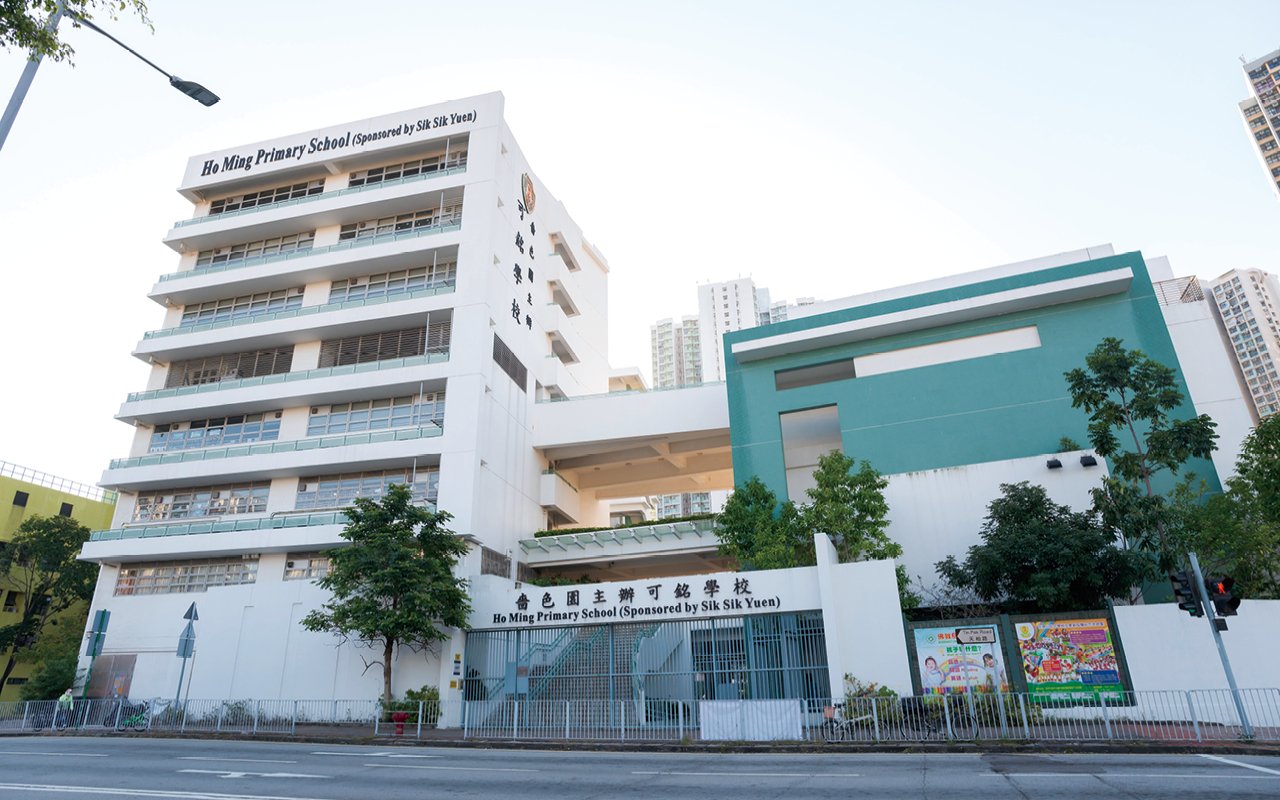
School building appearance
This English version is translated by AI. If there are inaccuracies or omissions, please refer to the original Chinese text.