
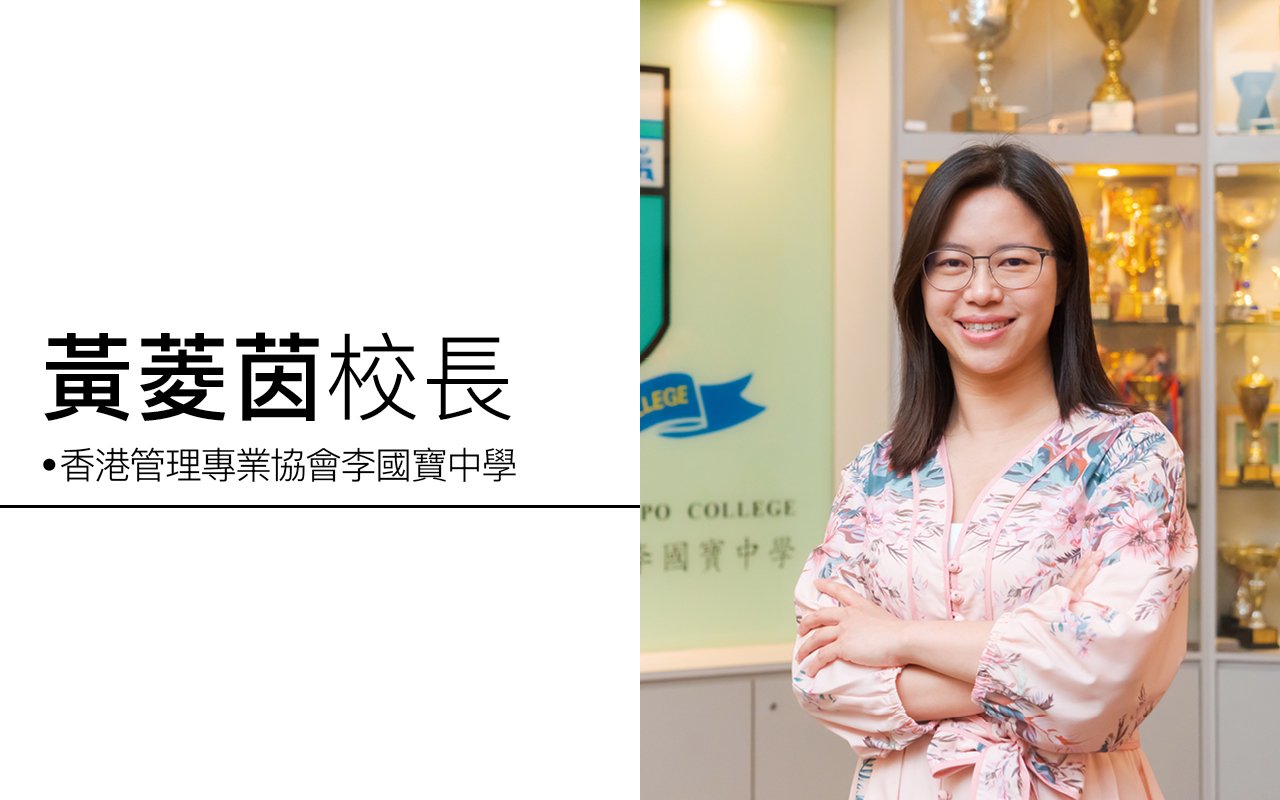
HKMA David Li Kwok Po CollegeSince its establishment, the school has been committed to creating an international learning environment, using English as the main teaching language, and specially adding school-based French courses. The school makes good use of its international enrollment advantages to allow teachers and students of different nationalities and cultural backgrounds to work together to build a diverse and inclusive campus. With its diversified teaching strategies and excellent academic achievements, the school has been favored by parents and students for many years. Principal Huang Lingyin firmly believes that an international teaching team can further enrich students' classroom learning and campus life, making the campus a "Hub" for students to face the world, so as to introduce international educational thinking, so that students can maintain a broad vision in learning, seeking knowledge and dealing with others, and equip them to become future world citizens.
8:2 golden enrollment ratio to create a natural foreign language context
Good English is like the key to opening the door to the world. Therefore, the school attaches great importance to students' English ability and strives to create a natural foreign language learning environment. It maintains a golden enrollment ratio of 8:2 (Chinese-speaking students: non-Chinese-speaking students). More than one-sixth of the teaching team is foreign teachers from Canada, the United Kingdom, India, France and other places. In an international campus environment, students can not only learn English efficiently in the classroom, but also flexibly and confidently use everyday English to communicate with peers and teachers in campus life and daily social interactions.
Principal Huang said, "We firmly believe that good foreign language skills can help students build universal abilities, expand their international horizons, and improve their workplace skills. Therefore, language courses teach more than just a language, but also cover Western culture, historical stories, philosophers' thoughts and values, etc. Teachers will also share stories of different Western celebrities in class to stimulate students to discuss, so that students can break their inherent thinking patterns and cultivate their ability to think critically and critically."
Emphasis on biliteracy and trilingualism, small class teaching combined with e-learning
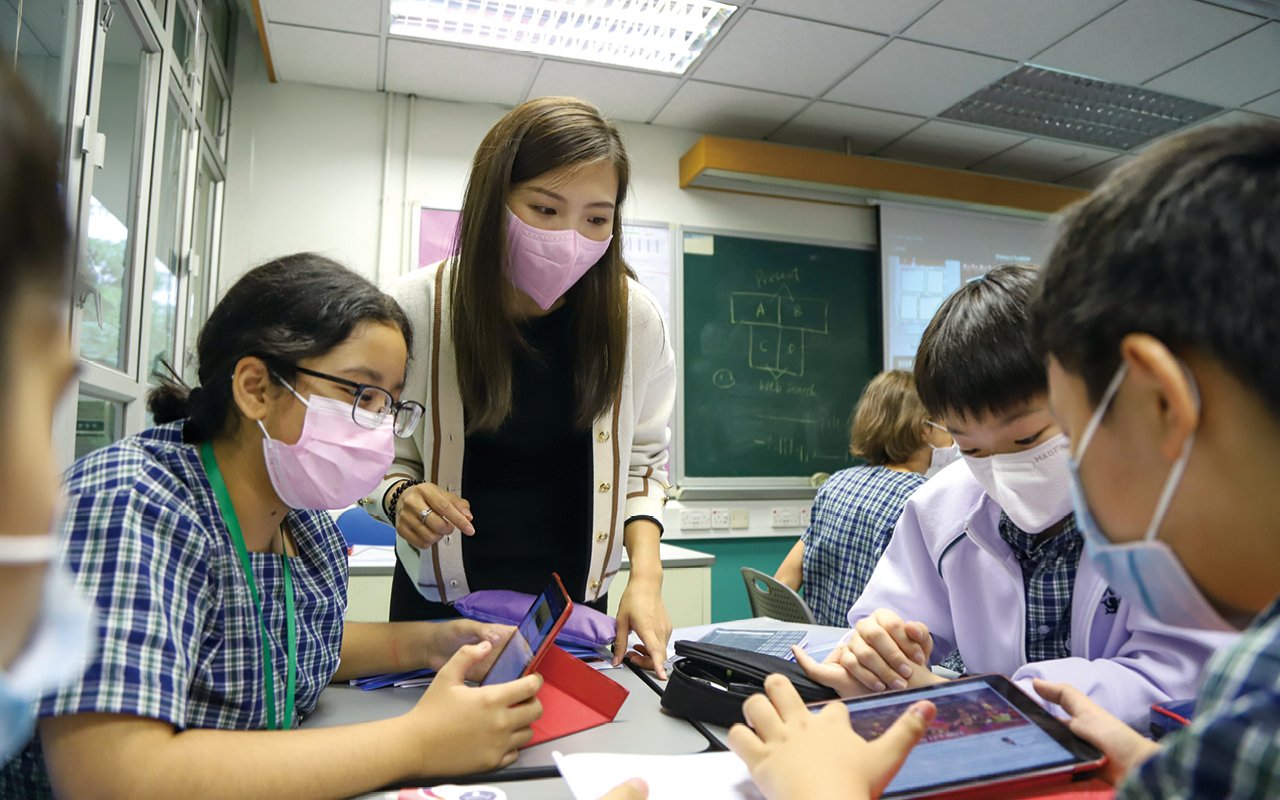
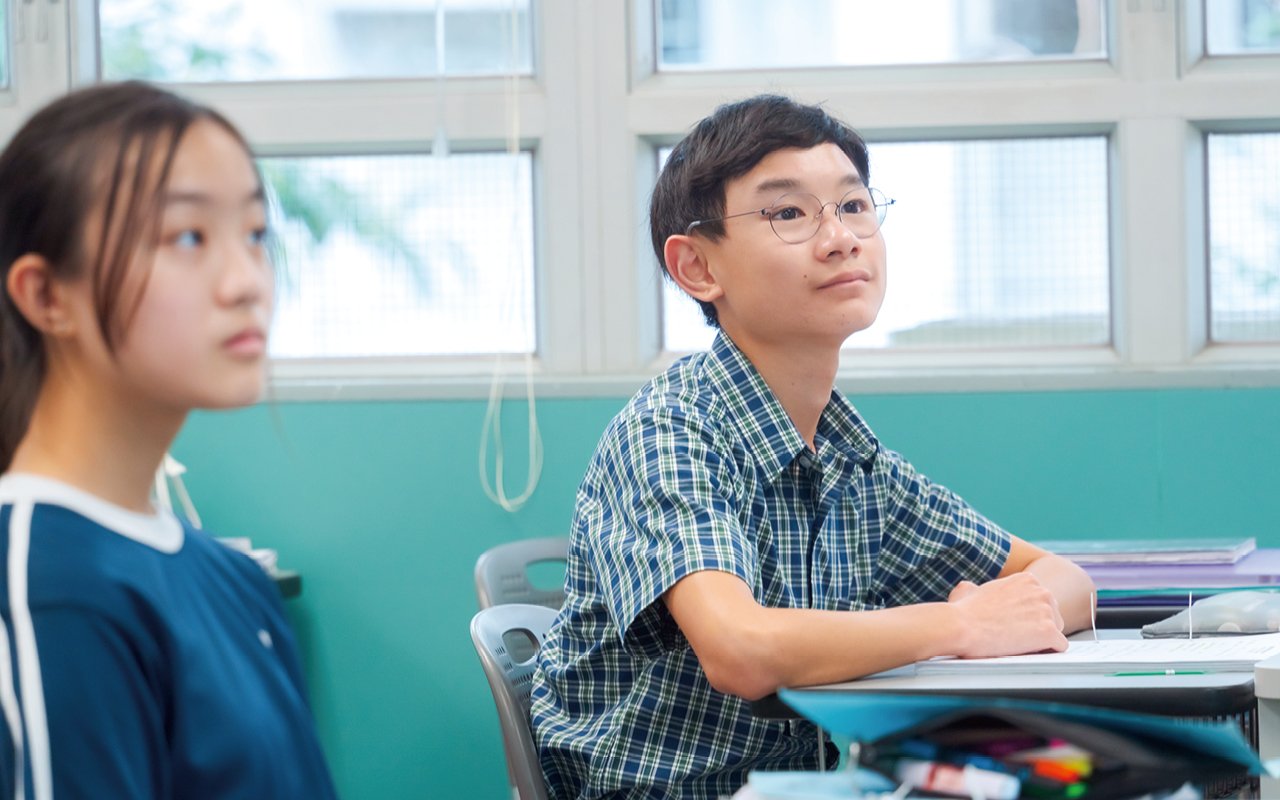
As an English direct subsidy secondary school, the school focuses on cultivating students' biliteracy and trilingual skills, and combines Chinese cultural learning elements to encourage students to go deep into the community, contact and understand Chinese history and culture, so as to enhance their interest in learning Chinese language. In order to build a rich language learning environment, with the goal of "taking care of learning diversity", the Chinese Language Department has begun to invest additional teaching resources five years ago to design school-based Chinese courses according to students' abilities and public examination requirements. The courses not only add classroom interaction and e-learning elements, but also implement divided class and group teaching to comprehensively cater for the learning needs of Chinese-speaking and non-Chinese-speaking students.
"In order to allow non-Chinese speaking students to also experience the fun and wonder of learning Chinese language, the course is taught in small groups. Activities and competition elements will also be added to the class, and electronic learning tools will be used to help students consolidate classroom knowledge and increase teacher-student interaction. At the same time, in order to allow students to further extend what they have learned and establish independent learning habits, teachers will create classroom exercises and reading materials into "QR Codes" for students to review again and again at home," said Ms. Zhu Beini, director of Chinese Language and Literature.
Diversified off-campus activities to build a sense of cultural belonging
Language learning requires context and cultural edification. In addition to school-based courses, the Chinese subject team is also actively expanding students' learning experiences outside the classroom. For example, in the first semester of this school year, teachers arranged for students to visit venues such as the "Hong Kong Palace Museum", "Xiqu Center" and "Ko Shan Theater" to experience first-hand the colorfulness and charm of traditional Chinese culture. Principal Huang pointed out that the school focuses on improving students’ understanding of traditional Chinese culture and China’s national conditions, in order to cultivate students’ national identity. Therefore, the Chinese subject group is committed to playing the role of promoting the study of Chinese culture and organizing different extracurricular activities for students to integrate language learning with life.
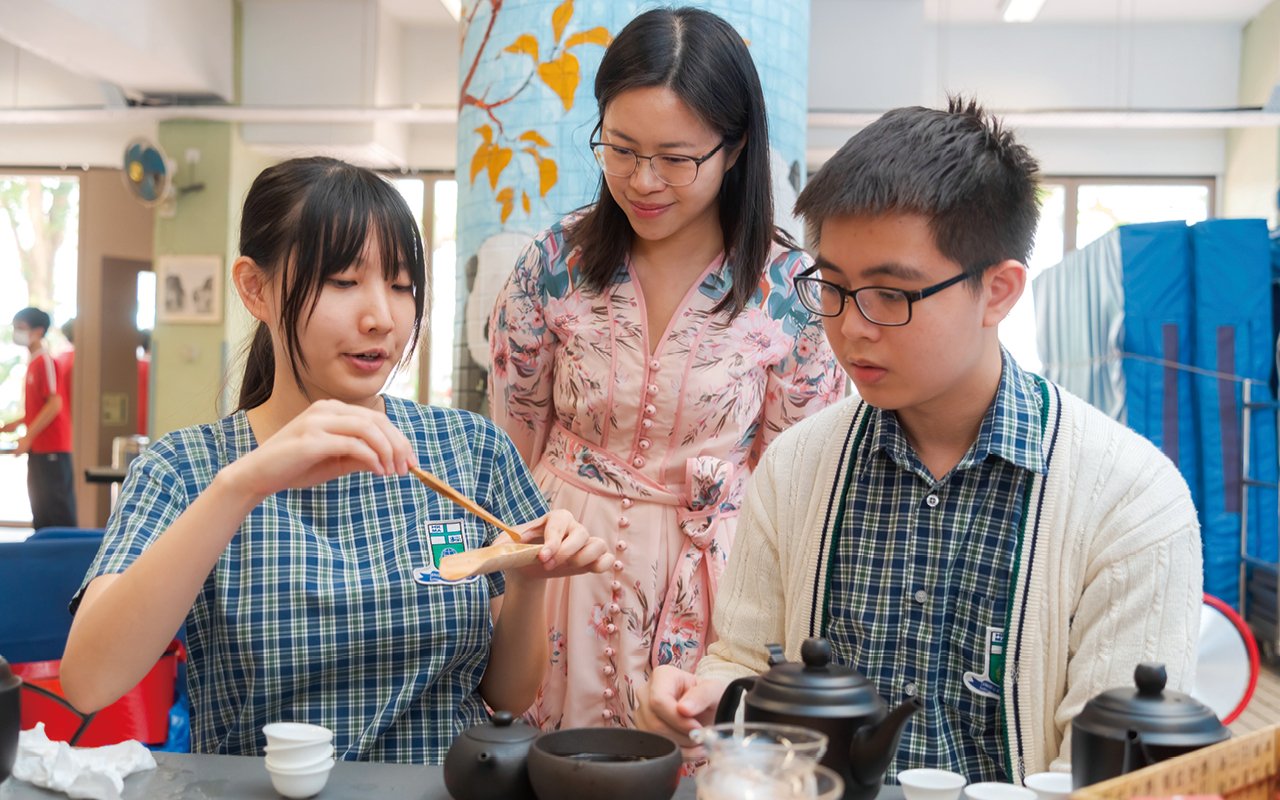
"In the past, we have taken non-Chinese speaking students to Lantau Island to experience the culture of worshiping Buddha, and even went to community teahouses to taste tea, learn to use chopsticks, and feel the moral affection shared by the Chinese. In recent years, the school has also added tea art courses, allowing students to experience the tea ceremony culture through making tea and drinking tea. This In addition, Chinese language teachers specially give Chinese names to non-Chinese speaking students and promote national conditions teaching to let students know the national anthem and national flag. The school also arranges flag-raising ceremonies and "speeches under the flag" every week to cultivate students' patriotism and sense of belonging to the country," Principal Huang said with a smile.
Annual "Cultural Week" Cultural Integration and Fun
When you enter the campus of Li Guobao Secondary School, you can feel the atmosphere of friendship and harmony. Although the teachers and students come from different cultural backgrounds, the school is committed to promoting four core values: Appreciation, Respect, Responsibility and Perseverance, and has successfully created a "caring campus". In an international campus environment, students can learn to appreciate individual value and uniqueness, and develop an international perspective through interactions with non-Chinese classmates. In addition, in order to deepen leadership training and cultivate students' sense of responsibility, the school changed the "Cultural Week" that used to be the responsibility of the guidance team to be led by the student union for the first time this year.
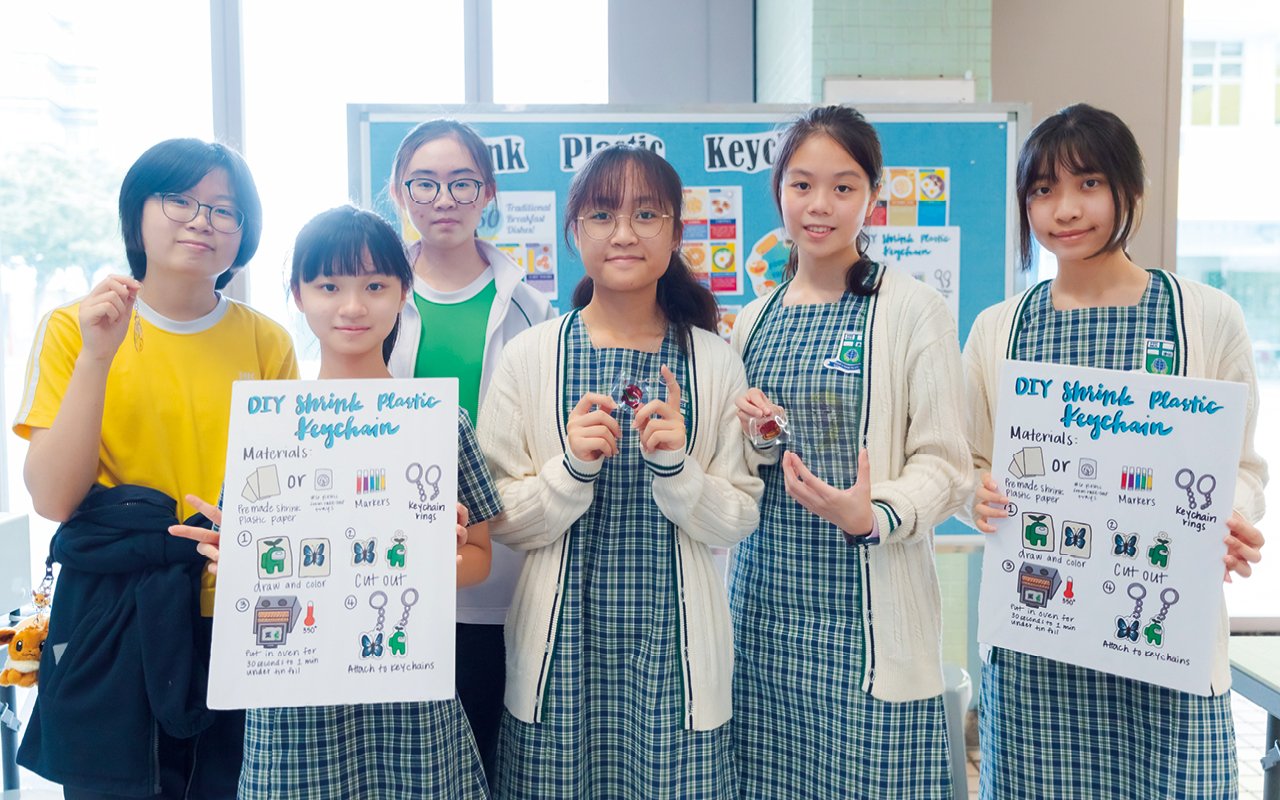
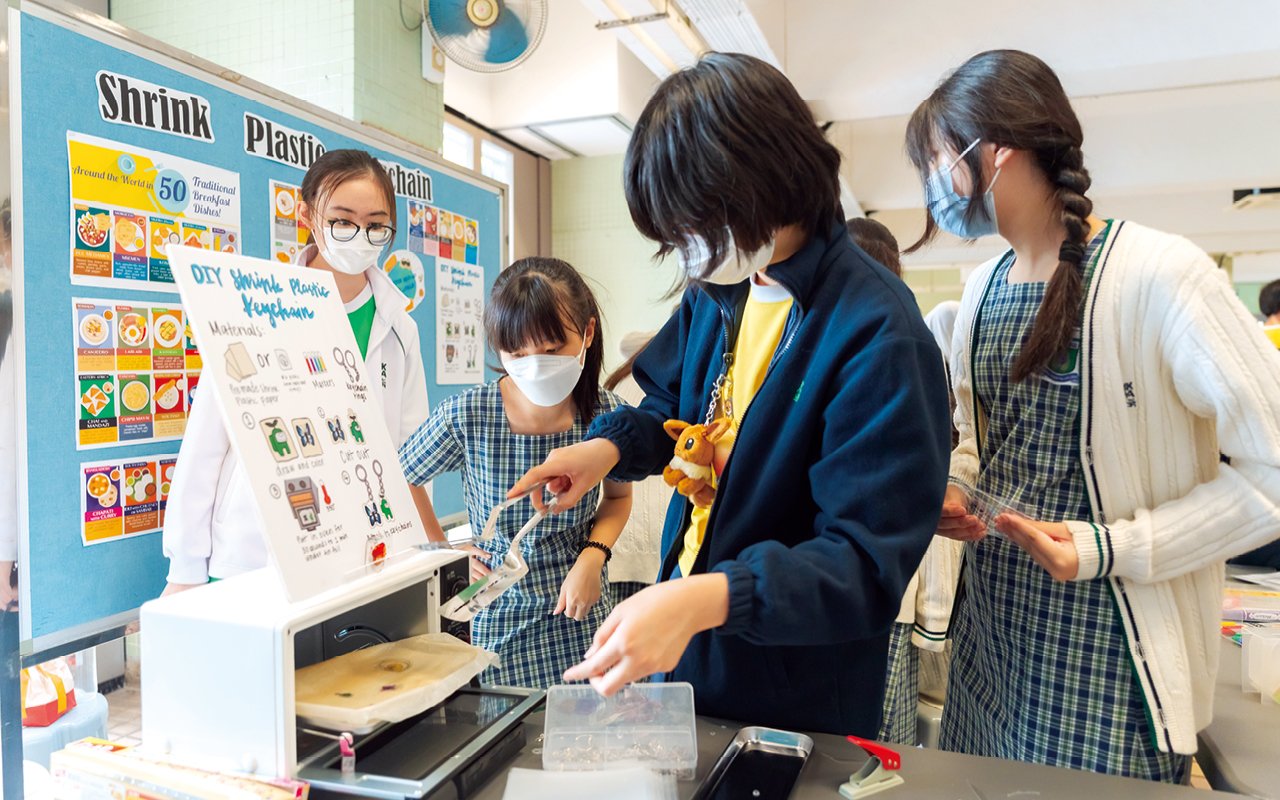
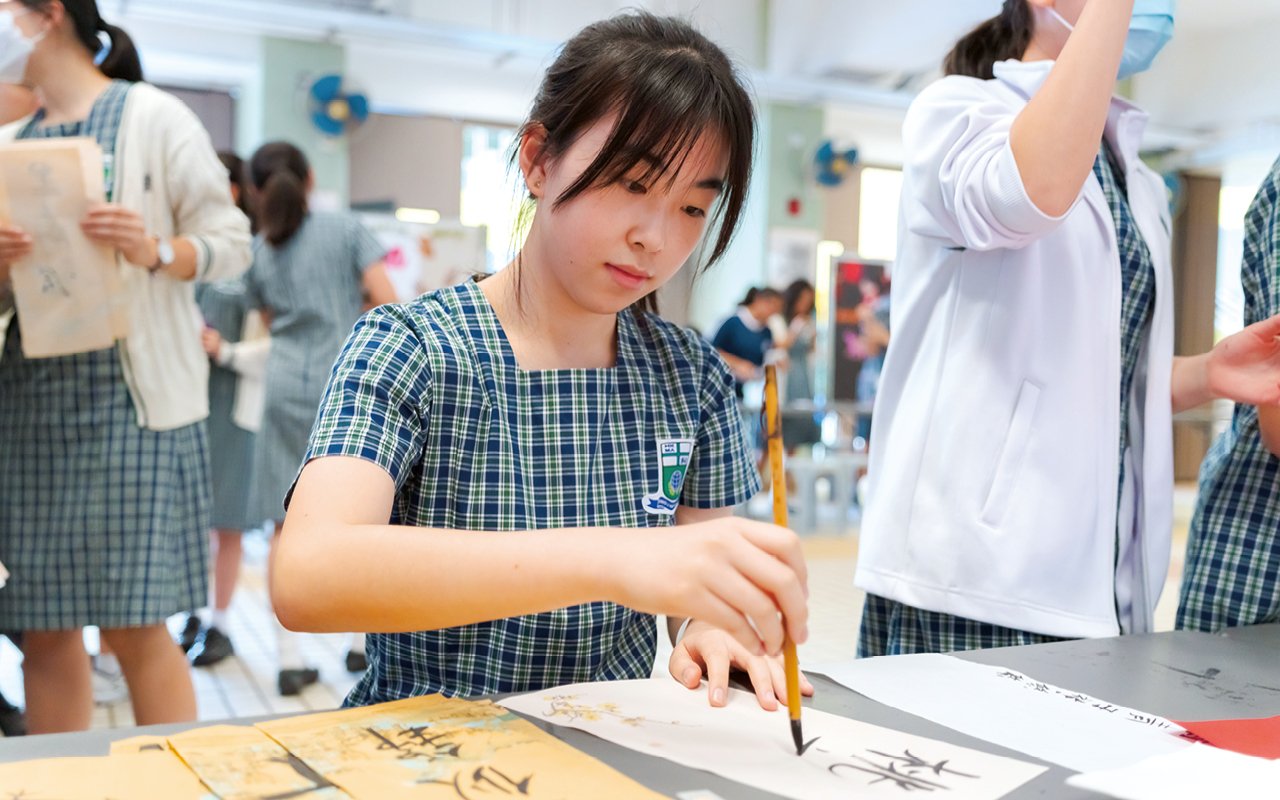
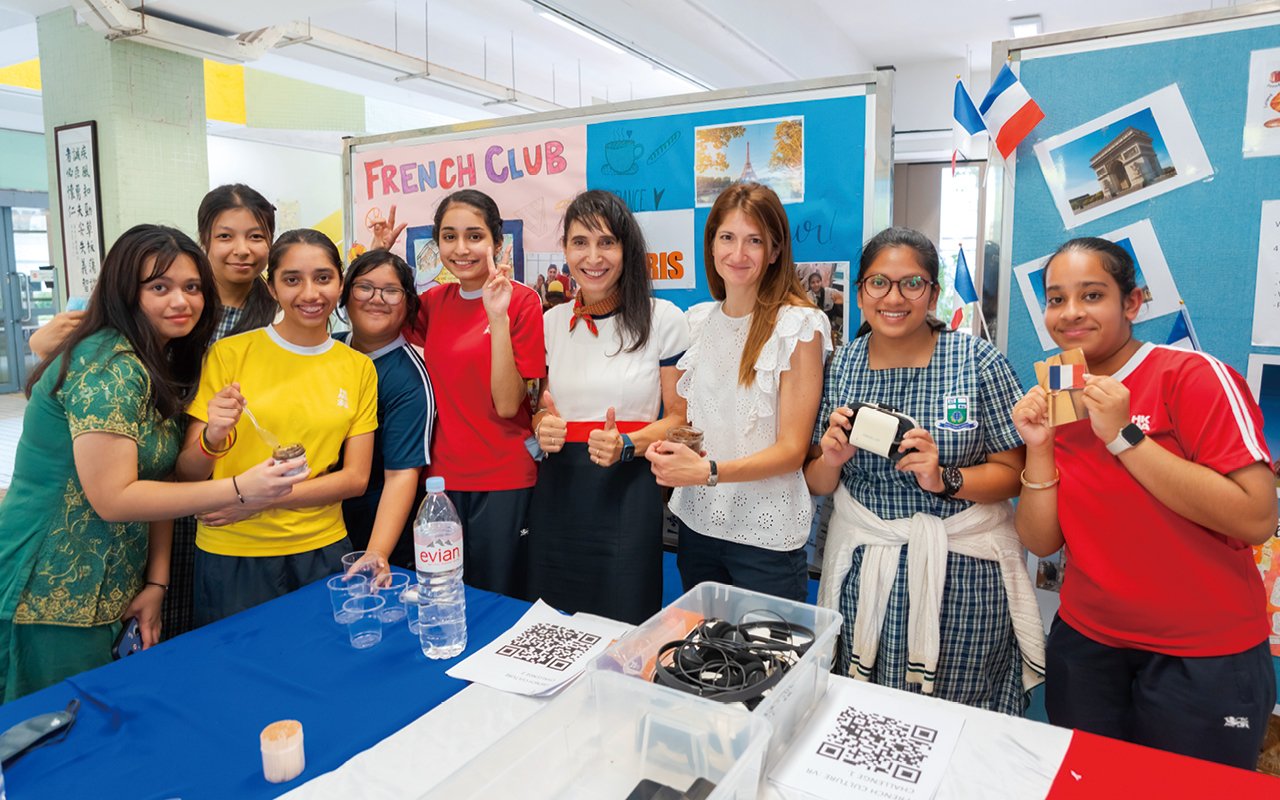
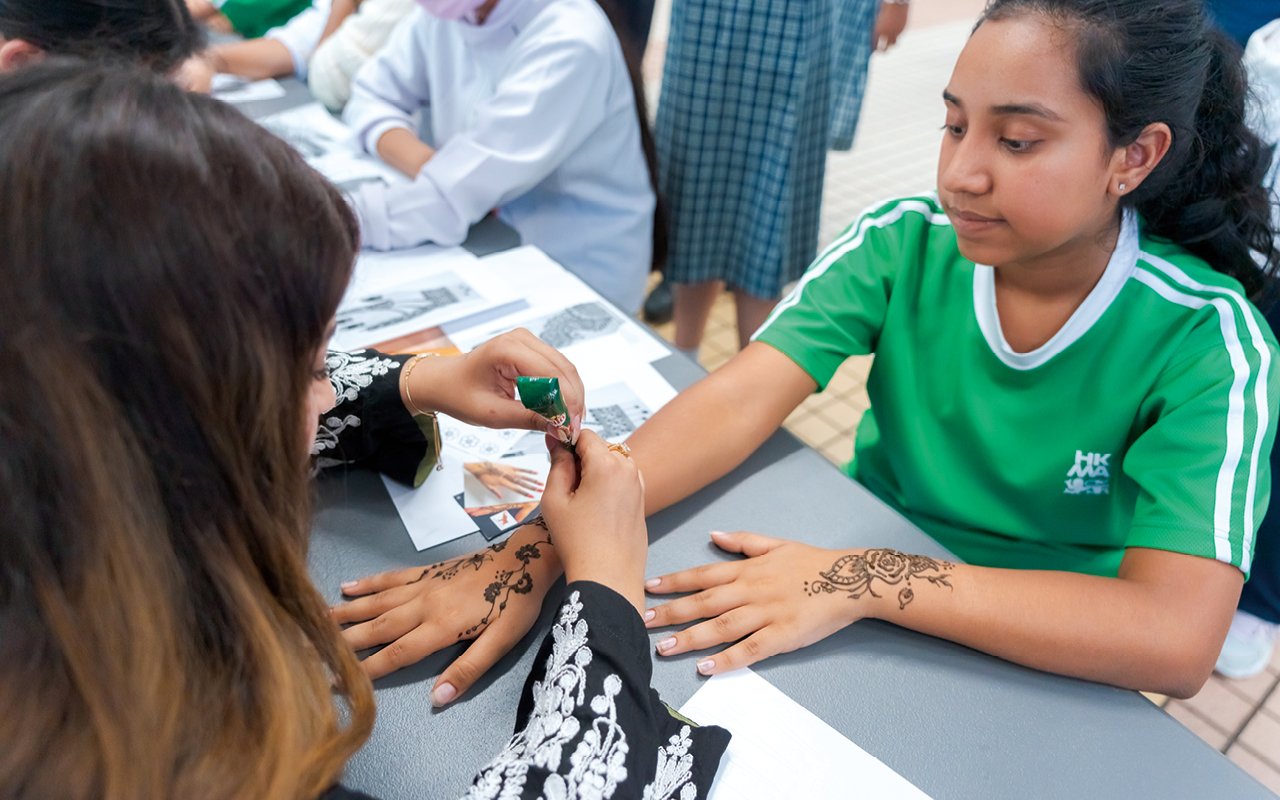
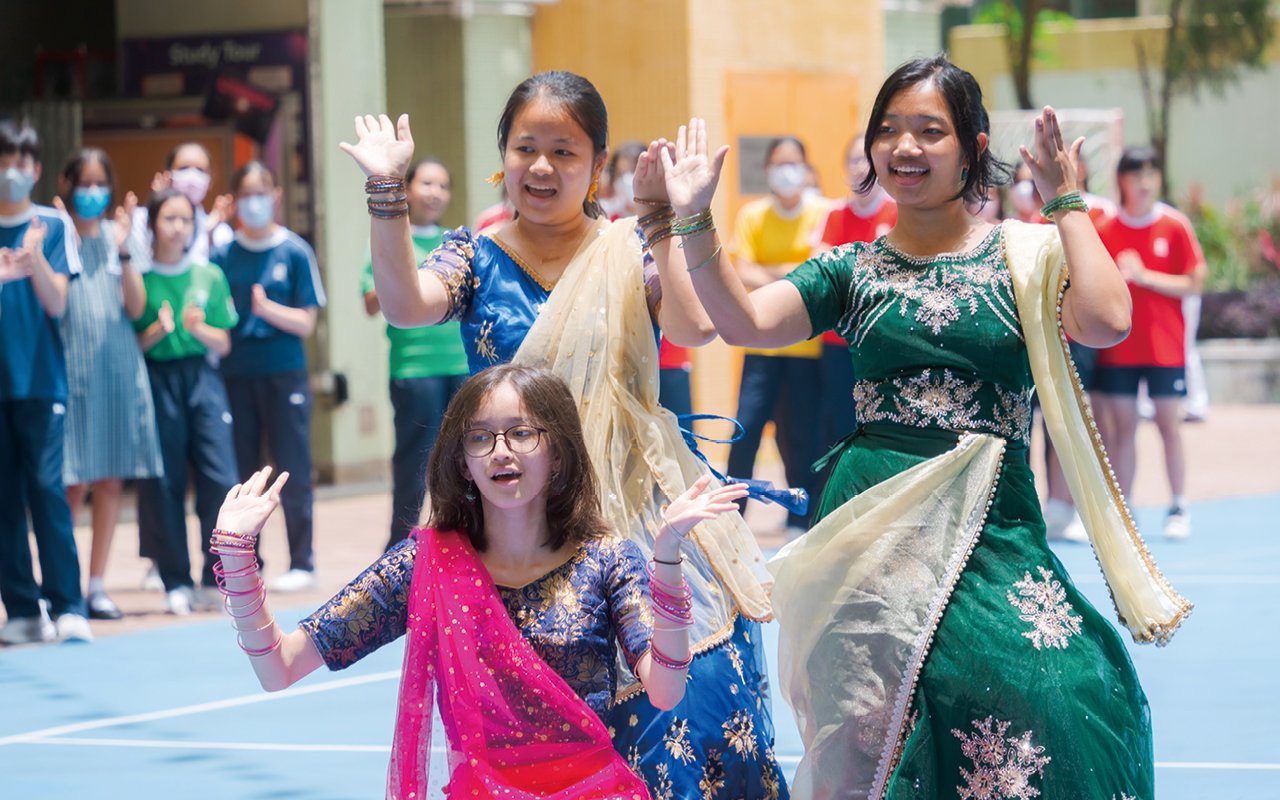
Teacher Yu Zhijun, the coordinator of the student union, pointed out that although the student union cabinet is composed of students of different nationalities, through planning activities, students learned to respect each other's ideas, used team creativity, and made good use of social media to initiate a school-wide vote. Finally, they reached a consensus with teachers and successfully held the "Cultural Week". In the "Cultural Week" activities, in addition to ethnic dance performances that combine multiple cultures, there are also different cultural stalls and workshops: students can personally experience the traditional culture of Indian Henna Tattoo and leave beautiful "tattoos" on their hands; they can also deepen the learning results of the tea art class, share tea tasting experience with peers, and taste the traditional snack Sachima with tea and cakes; the French group also set up a gourmet stall, and the French teacher personally prepared hometown-specific fig jam. Other exciting activities include "Chinese calligraphy experience", "English emergency commands", "Keychain workshop", etc., which received enthusiastic responses from teachers and students across the school.
Pay attention to cultivating international talents and establish an international outlook through foreign language learning
In order to match the multicultural teaching characteristics and broaden students' horizons, the school encourages students to learn different foreign languages and specially designs school-based French courses. Students who choose to study French and liberal arts can take the Diplôme d’études en langue française (DELF) exam at A2 level or above. This diploma (DELF, Diplôme d’études en langue française) is issued by the French Ministry of Education and is internationally recognized. Therefore, students can apply for admission to French institutions based on their scores, which greatly enhances their competitiveness for further studies.
Mrs. Caroline Gasmi-Sinkari, Coordinator of French Studies The teacher said: "The school will arrange for junior high school students to learn basic French. The curriculum will first lay the foundation of French. In addition to teaching French grammar and basic vocabulary, it will also use different cultural learning activities and project studies to guide students to engage in discussions and explore the uniqueness of the language with daily life topics. At the high school level, the school will provide students with flexible options and set French as an elective subject. The curriculum will also be extended to teach advanced French knowledge, strengthen students' listening, speaking, reading, writing and other abilities, and help students in DSE Achieved good results in the French exam."
International learning environment, broadening global horizons, integrating cross-cultural activities, and promoting students' all-round development
HKMA David Li Kwok Po College · 2023年6月
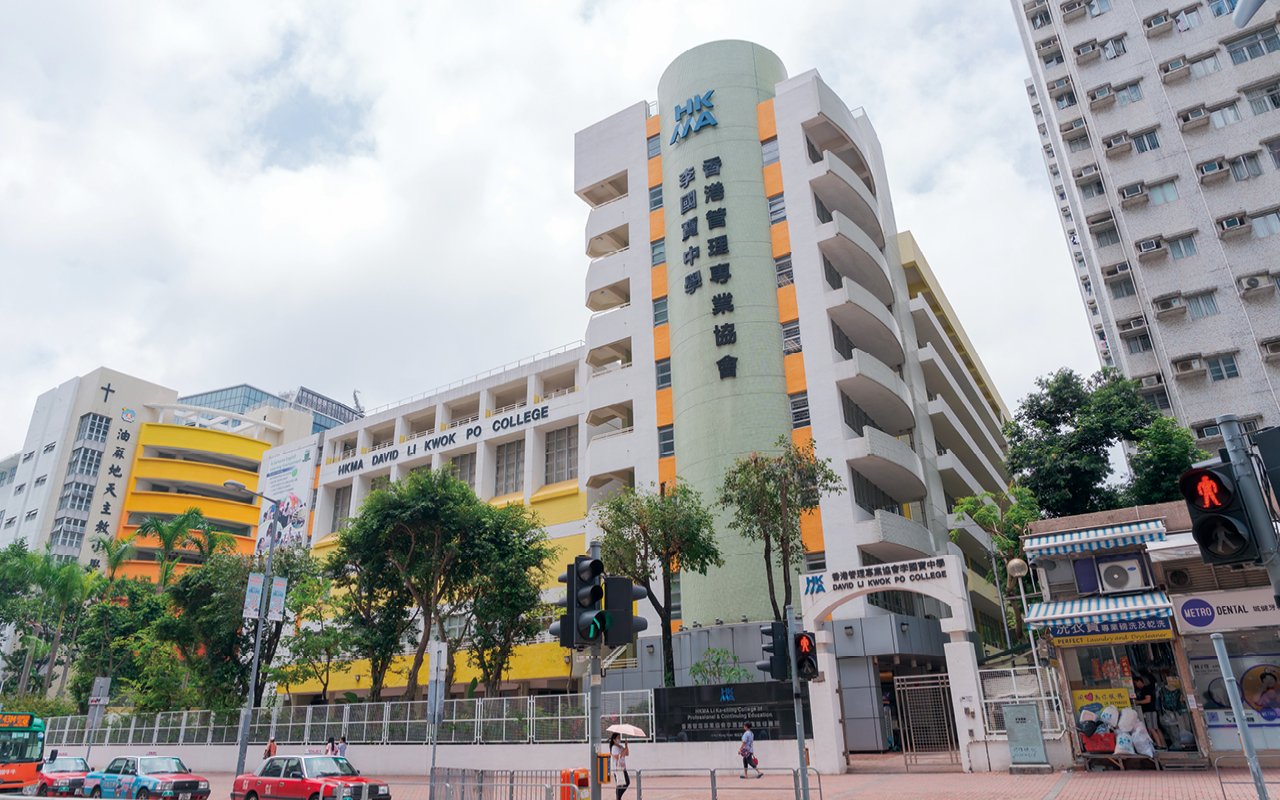
School building appearance

This English version is translated by AI. If there are inaccuracies or omissions, please refer to the original Chinese text.