In the past, school education mainly focused on students' ability to recite and memorize knowledge. However, with the development of technology, many auxiliary tools including ChatGPT and other AI have emerged. After students graduate, most of their jobs may have been replaced by AI, so the traditional education model of rote learning may not be suitable for today’s children. MAGART INTERNATIONAL KINDERGARTEN (KORNHILL) MAGART International Kindergarten And Nursery Superintendent Ke Xintong said: "If today's education only strengthens the training of memory, it is actually not in line with the skills of the talents needed in the future. Therefore, in addition to teaching children life skills and laying a solid academic foundation, schools also focus on cultivating children's three core abilities that will not be replaced by technology, including independent learning ability, problem-solving ability and creativity. Let our children become the masters of technology in the future, rather than being replaced by technology."
Independent learning mode replaces traditional recitation
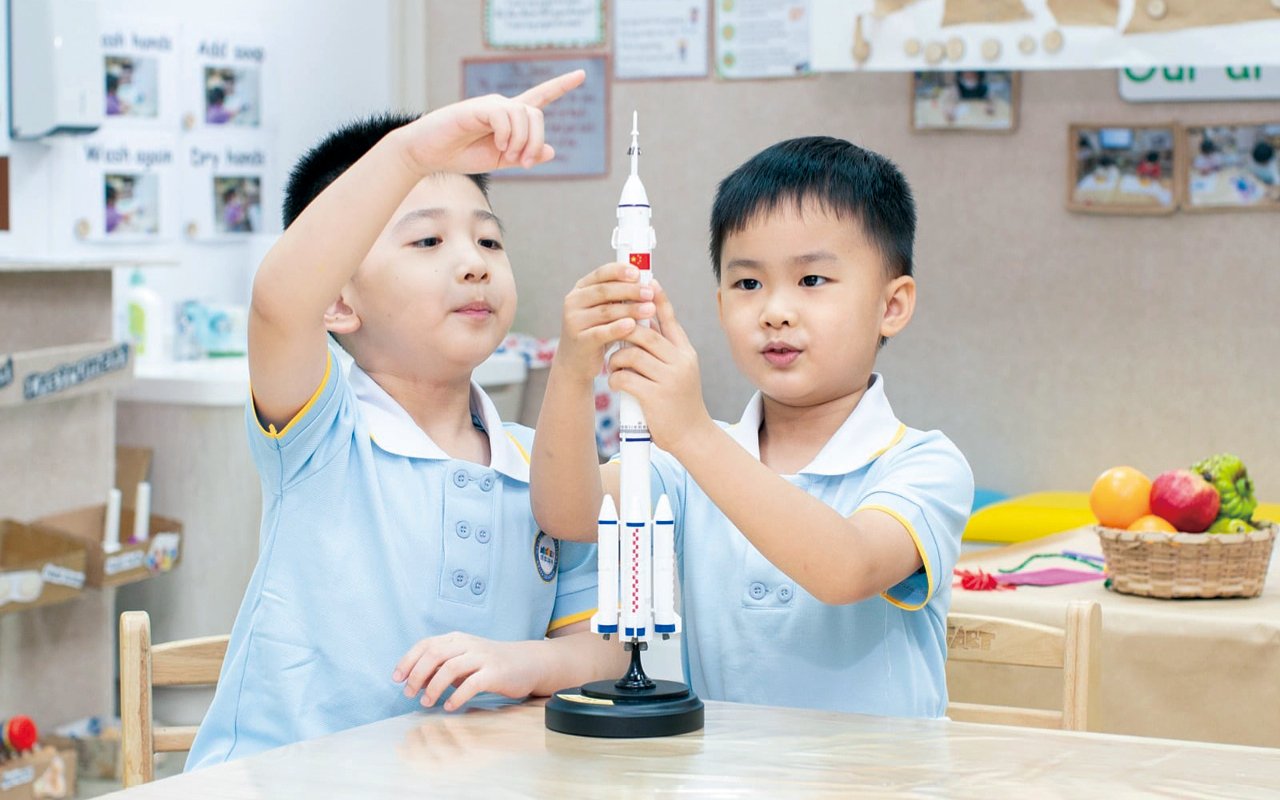
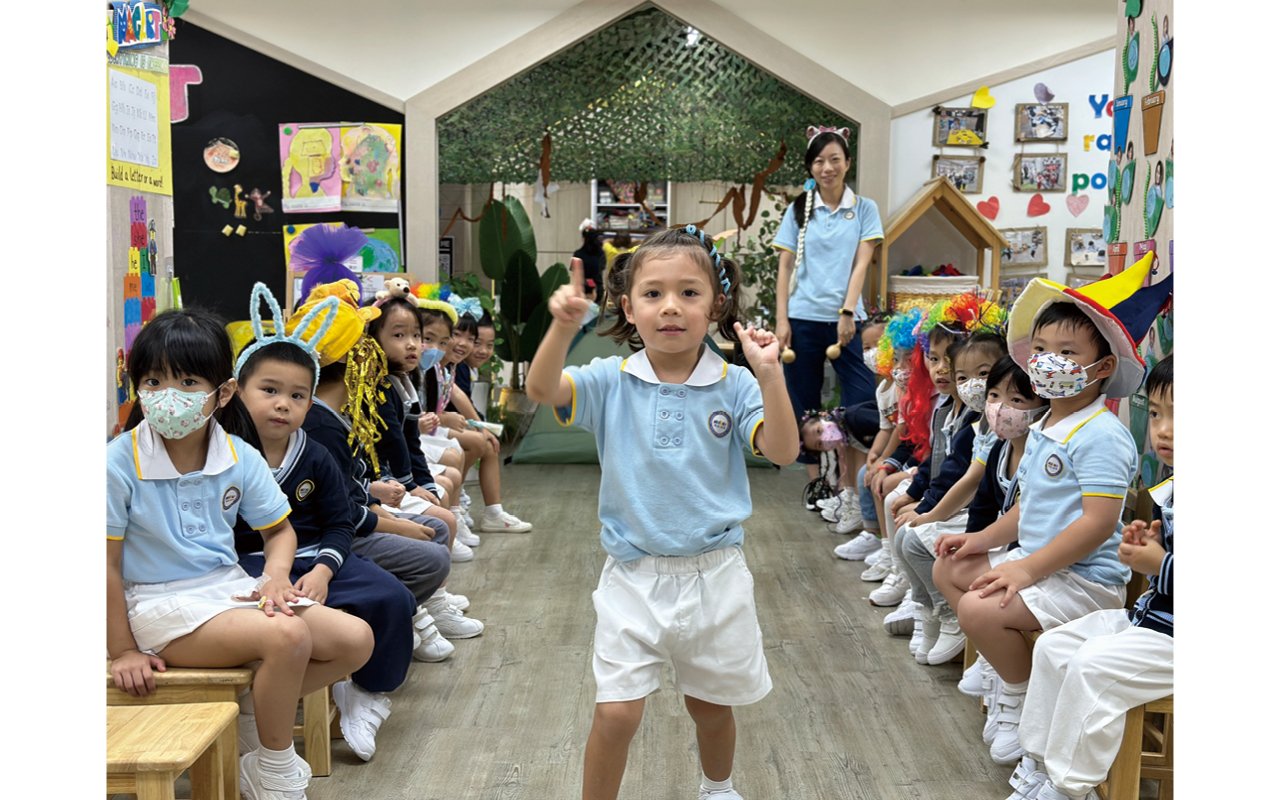
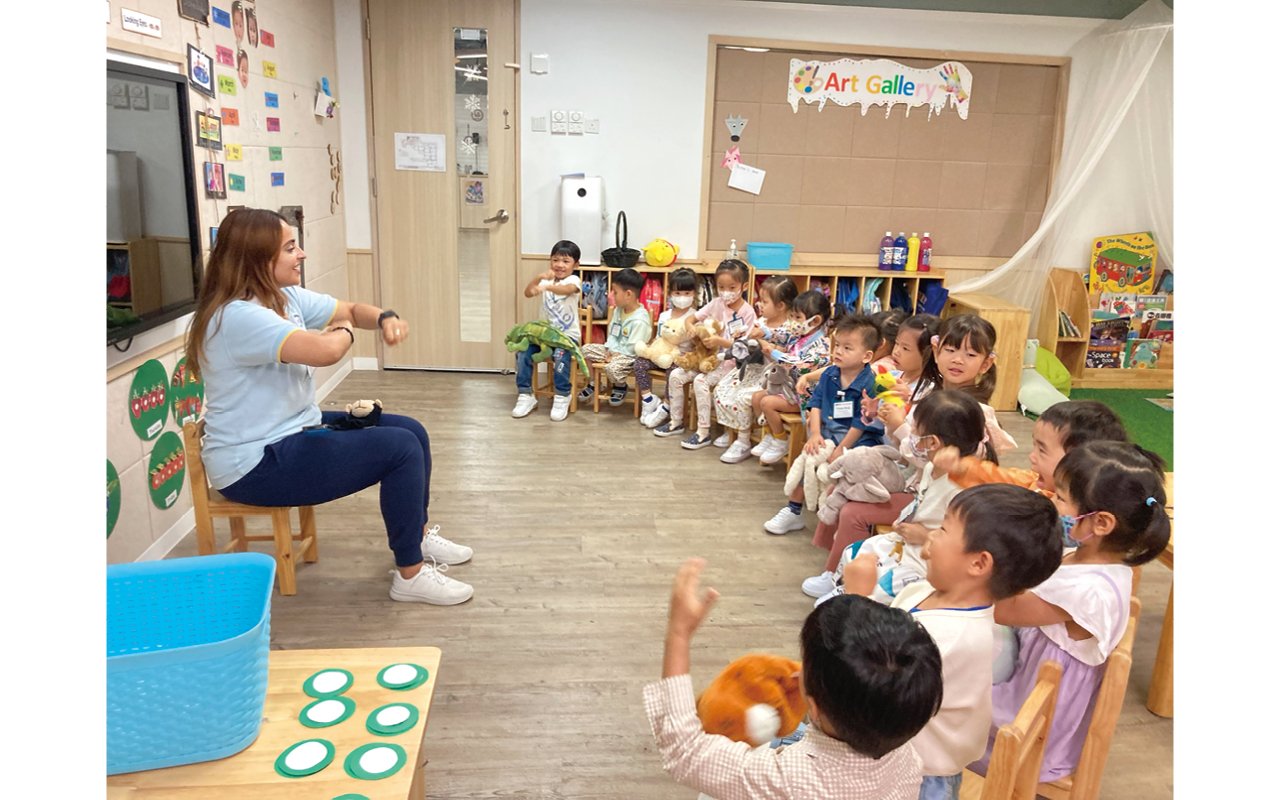
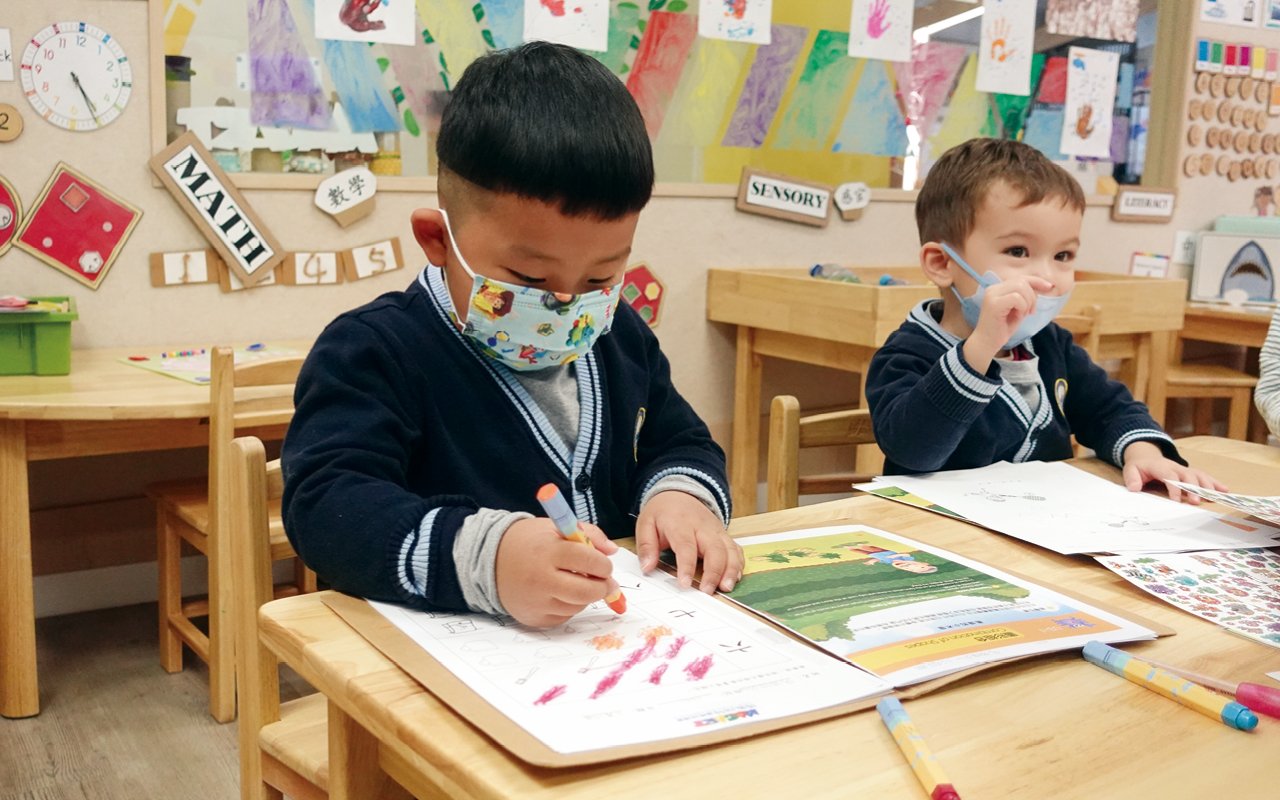
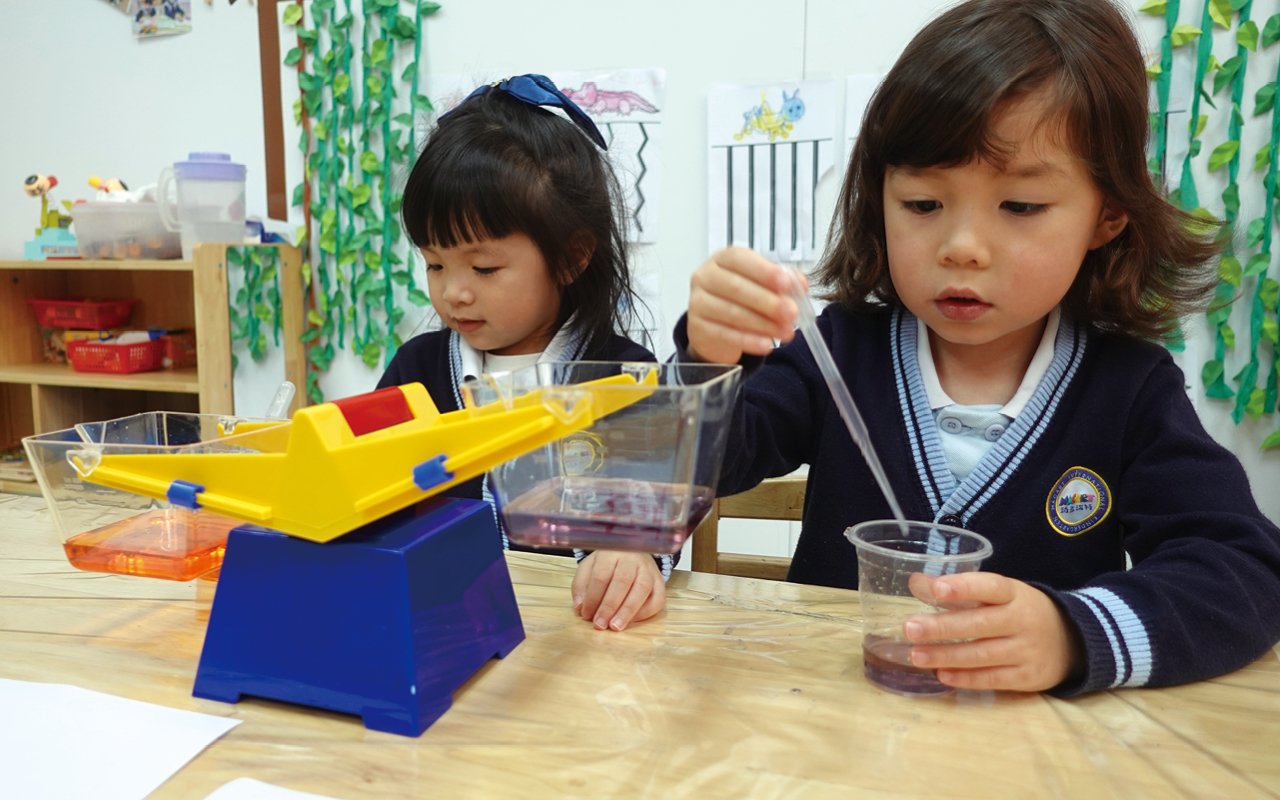
The school is committed to cultivating children who are happy, creative and able to learn independently. In the future world, there will be more technologies and new technologies. Therefore, students need to learn new knowledge in response to the needs of the new era and have the ability to adjust at any time so that new technologies can become the best tools. The school is based on exploratory education. Children are encouraged to ask questions and explore during class, and respect their curiosity. The school has "Inquiry Time" every day. Teachers will design diversified learning areas every week based on themes, student development and curriculum progress. During the daily "Inquiry Time", children can choose to review or choose more challenging learning areas. There is no "right or wrong".
Teachers will provide appropriate guidance and support, while also giving children a certain degree of autonomy so that they can learn to think independently and solve problems. Teachers will also lead children to learn and encourage them to understand knowledge through activities and practices, replacing rote memorization with deeper understanding. Superintendent Ke said: "Instead of directly providing children with 'fish', it is better to give them a 'fishing rod'. Teachers will not directly tell children the answers in class, but guide children to think and explore, so as to understand the logic behind it and then find the answer on their own. Children's self-exploration can actually better inspire their learning interests and potential."
Picture book Chinese course combined with community practice
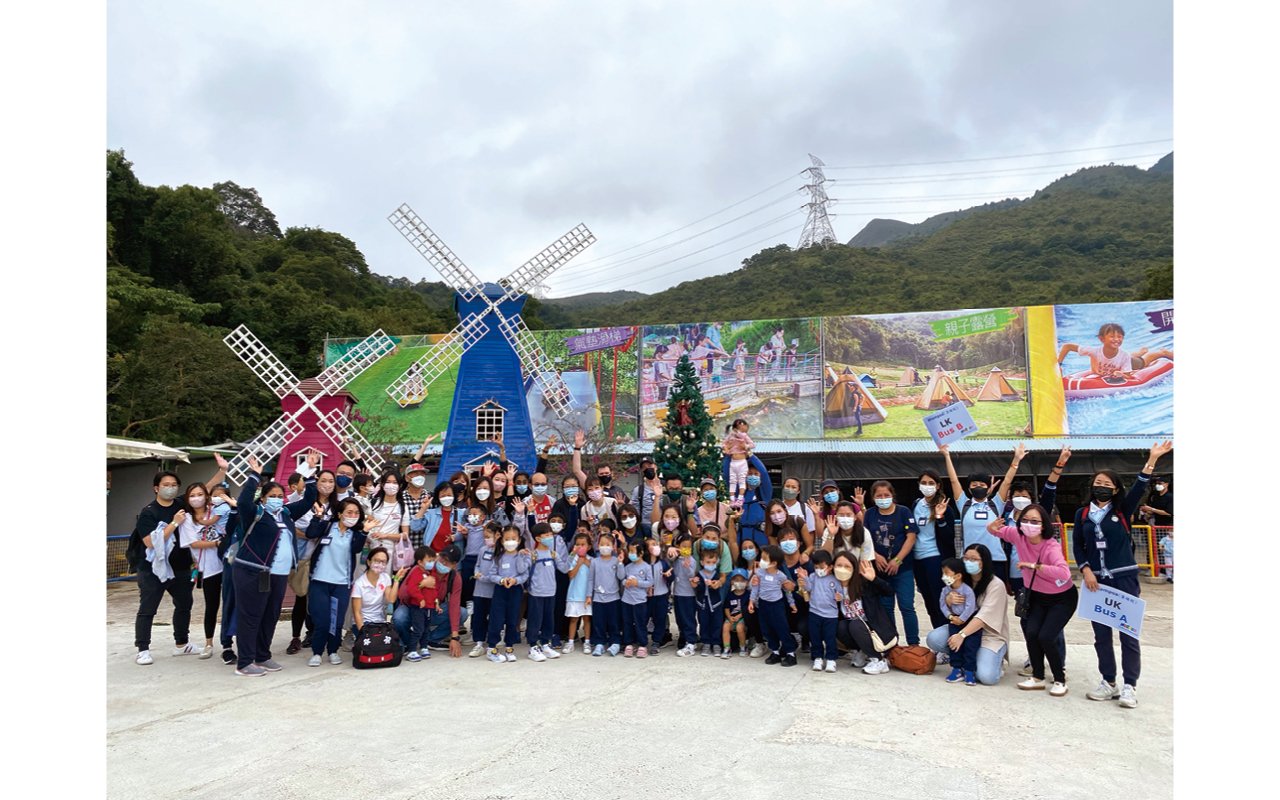
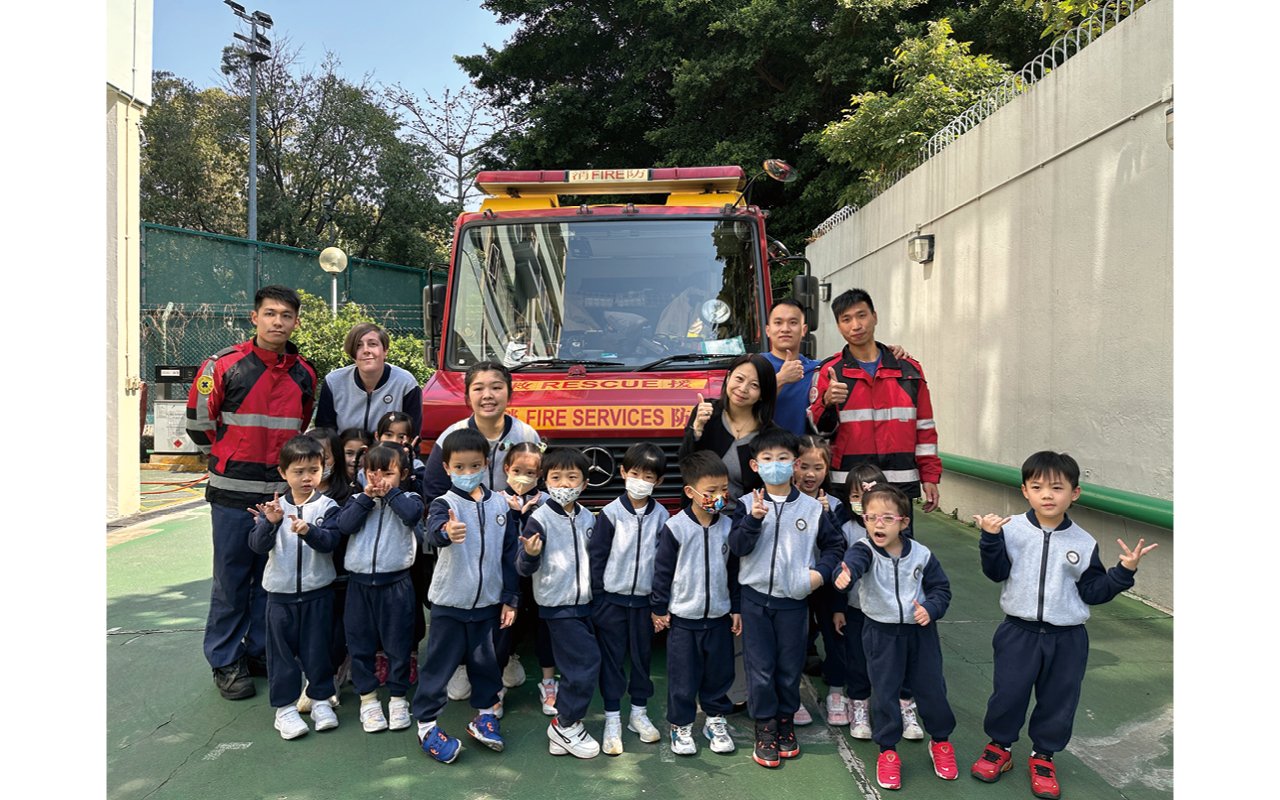
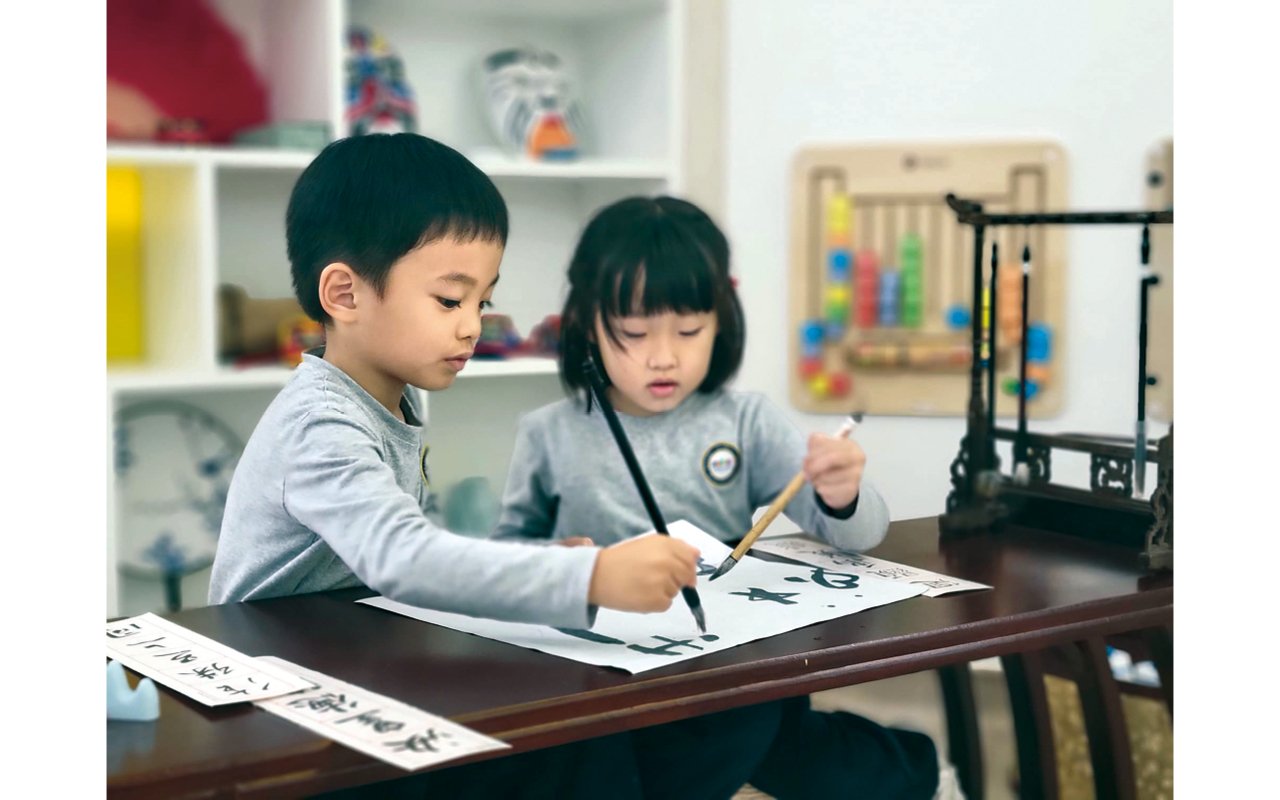
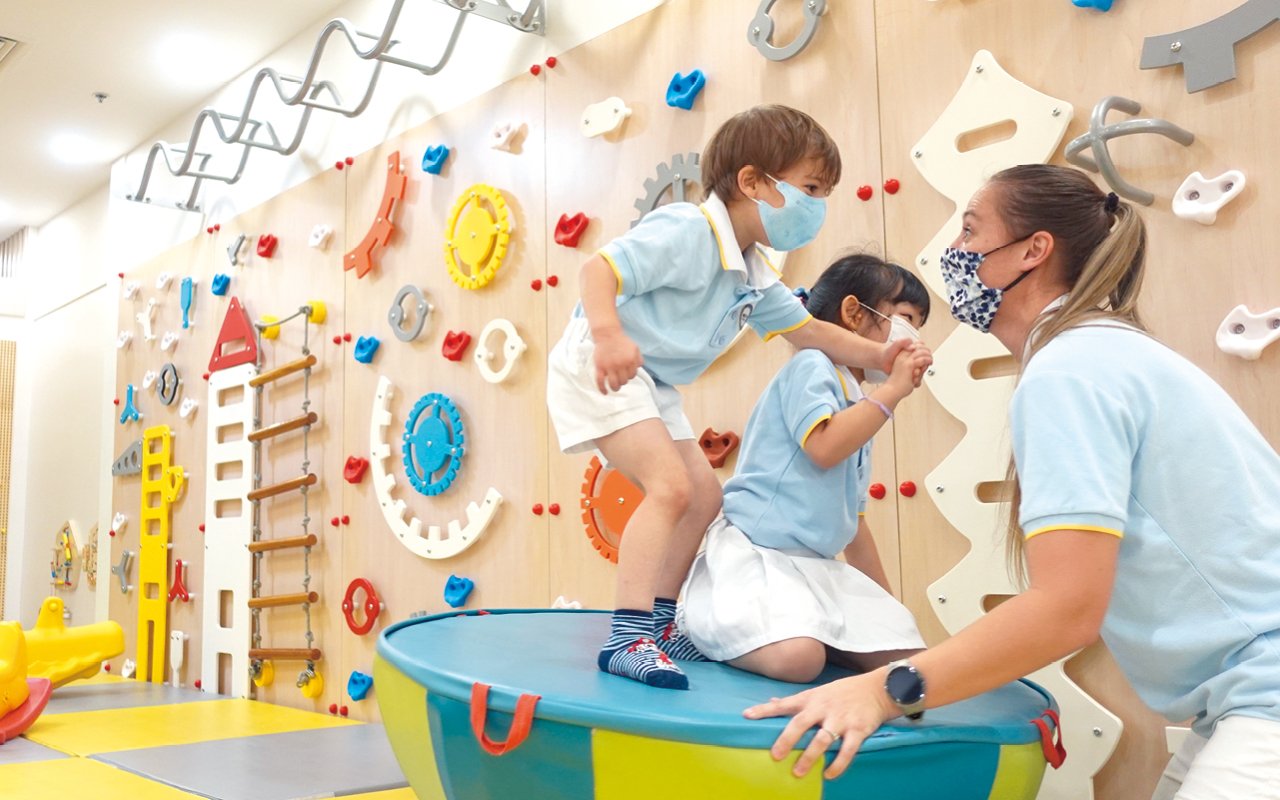
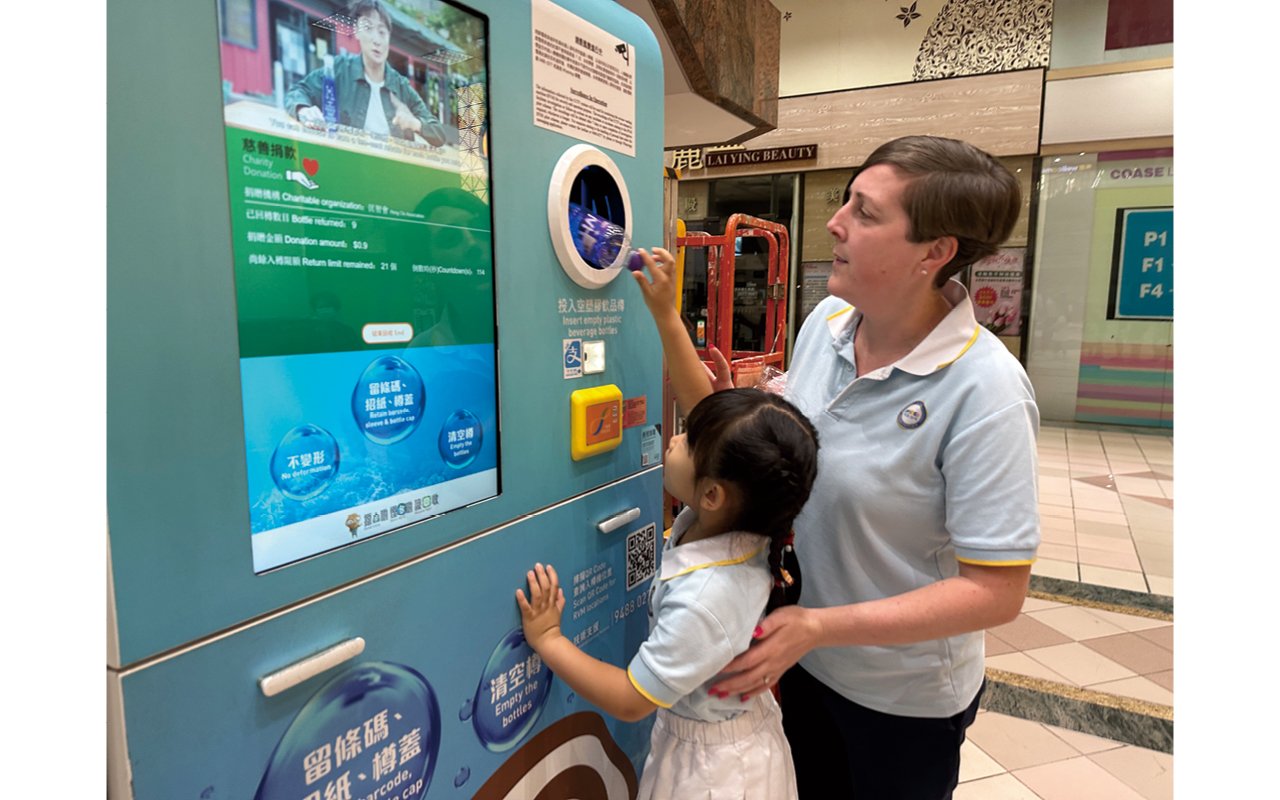
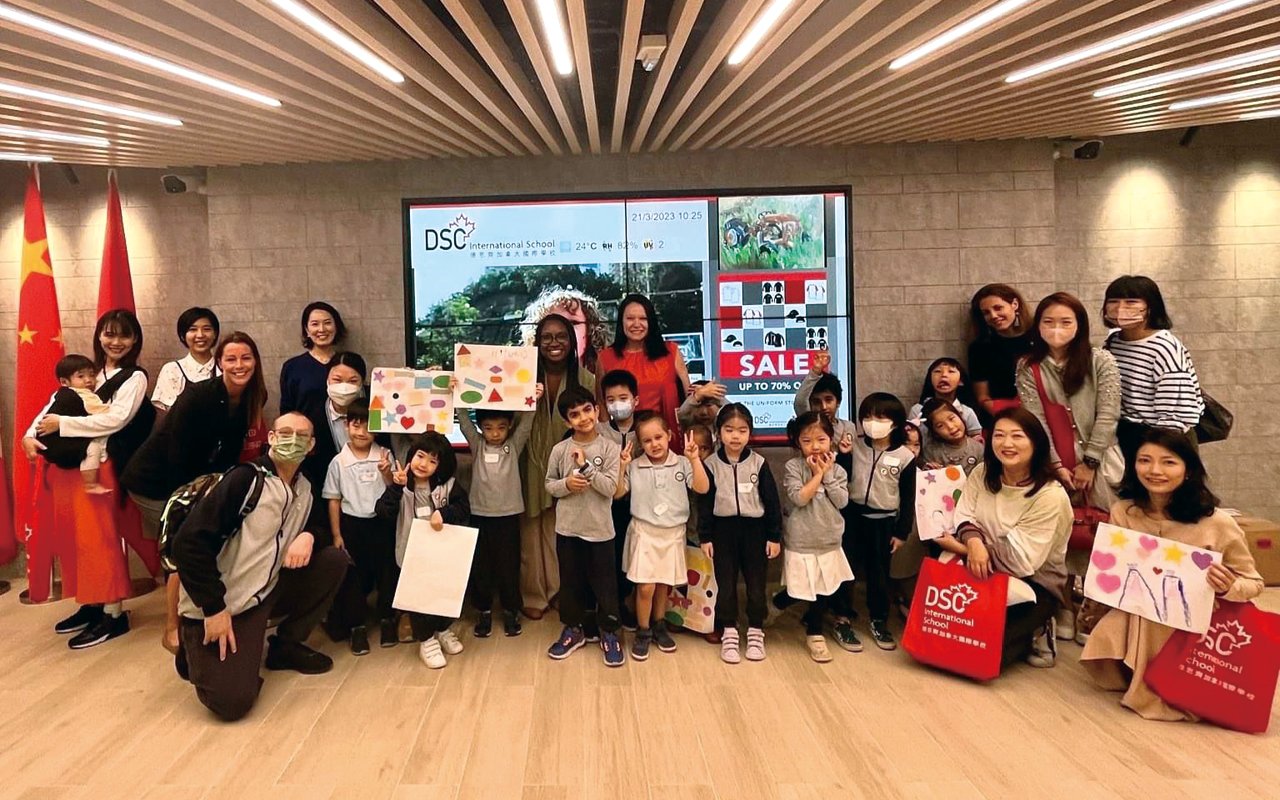
The school provides enlightenment teaching to young children on "understanding life, loving life, and creating valuable life." The curriculum is introduced with life stories and uses Chinese picture book teaching materials jointly published by East China Normal University to infiltrate inquiry-based themes into children's daily activities and extend them to community practice and parent-child activities. In each unit, students have 1 to 2 community practice opportunities related to the theme, such as visiting nursing homes, fire stations, AR water cubes, etc., to cultivate children's sense of social responsibility and take learning out of the classroom.
Cultivate problem-solving skills and increase learning competitiveness
Young children begin to understand logic and cause-and-effect relationships by observing, comparing, classifying, and exploring different situations. They learn to recognize patterns, predict outcomes, make simple reasoning, and solve problems. When young children have good problem-solving skills, their performance and effectiveness in the learning process will also improve. They are better able to cope with academic challenges and understand and apply what they learn. The school adopts a school-based bilingual logical thinking mathematics curriculum jointly published by National Taiwan University Mathematical Olympiad experts and a team from Nanjing Normal University. This curriculum follows the cognitive laws of children's physical and mental development and is educational and entertaining, "learning by doing, learning by playing", allowing children to construct basic concepts of mathematics through operational experience and perception, and develop children's logical thinking, including analysis, reasoning, problem-solving, independent thinking and critical thinking.
At the same time, the school focuses on children's ability to apply innovative technologies. Its school-based "Screen free coding program" allows students to practice through operations and arouses students' interest in learning programming. Coding courses focus on training children to analyze problems, break them down and find solutions. This kind of logical thinking training can help children develop problem-solving abilities and cultivate creative thinking and logical thinking abilities. The course includes action games and visual manipulation activities to enable young children to understand the principles and procedures of coding more closely. Children do not need to use screens during the course, but they can learn programming logic and basic programming knowledge through the interactive learning process. After children learn programming at an early age, they can understand the logic of programming and how to use programming tools early, and will be more competitive in future society or study.
Set up art research topics to enhance children’s creativity
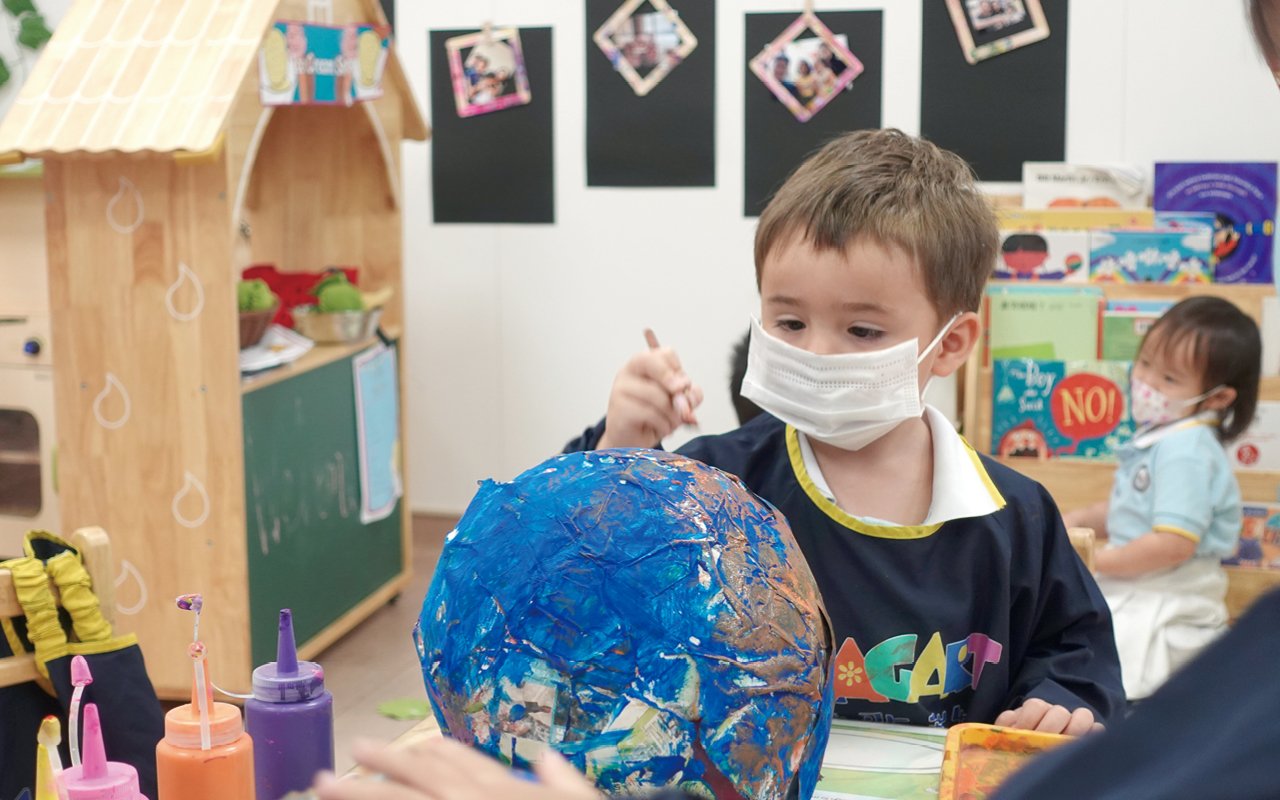
The school encourages and is committed to cultivating children's creativity and imagination, and sets up the "Artist Research" topic in each unit course to explore the works of different famous artists (past and present), such as Takashi Murakami and Monet, etc. At the same time, art-themed cooperation activities will also be carried out, with the purpose of guiding children to observe the world from an artist's perspective and find new and interesting ways to experience and enhance creativity when working with peers.
Kindergarten bridging course: 100% of graduates are admitted to first-tier and preferred primary schools
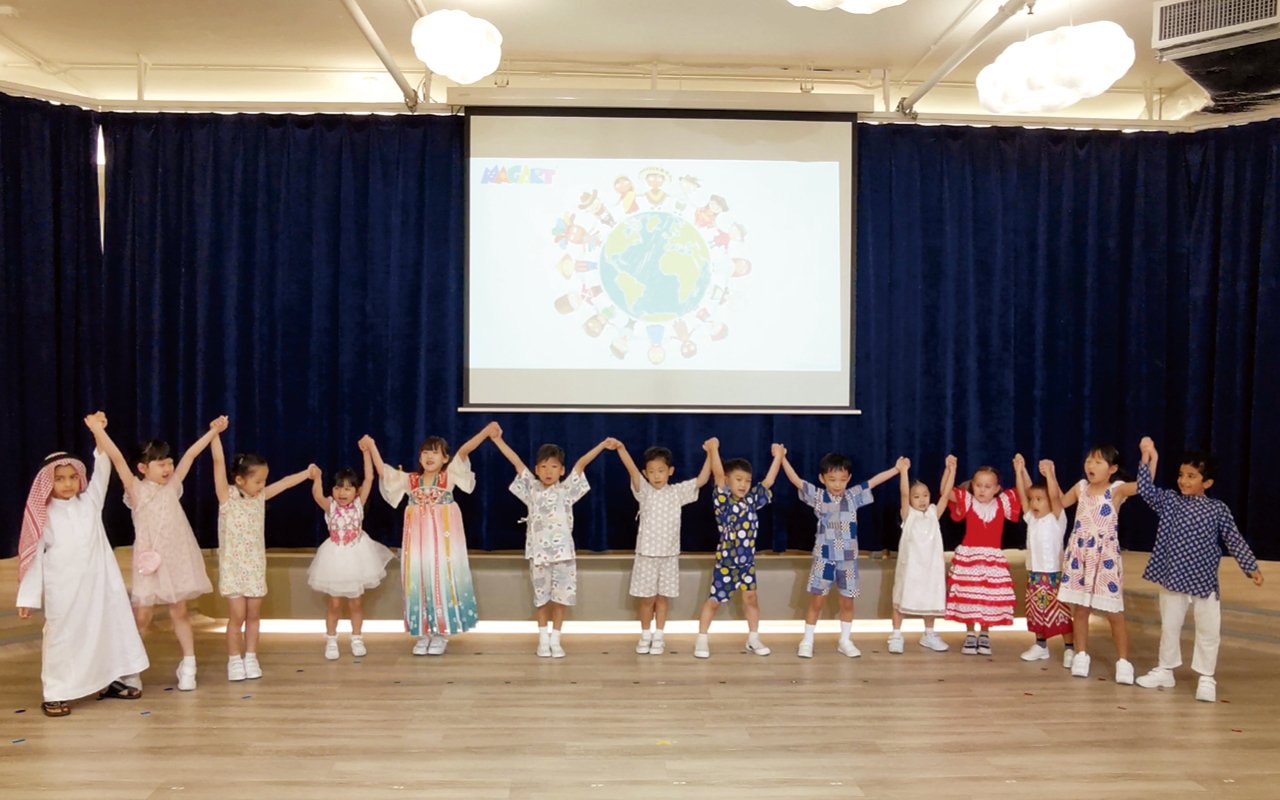
Each child has the opportunity to show and tell in Chinese and English in front of the whole class in each learning unit. The school has students from 21 different countries, and each child can bring an item from his or her home in each unit and display it in front of all classmates. Through continuous demonstrations and speech introductions, children can train their bilingual expression skills, increase their self-confidence, speaking skills, understanding skills, etc., which is of great benefit to the entrance interview for primary school entrance.
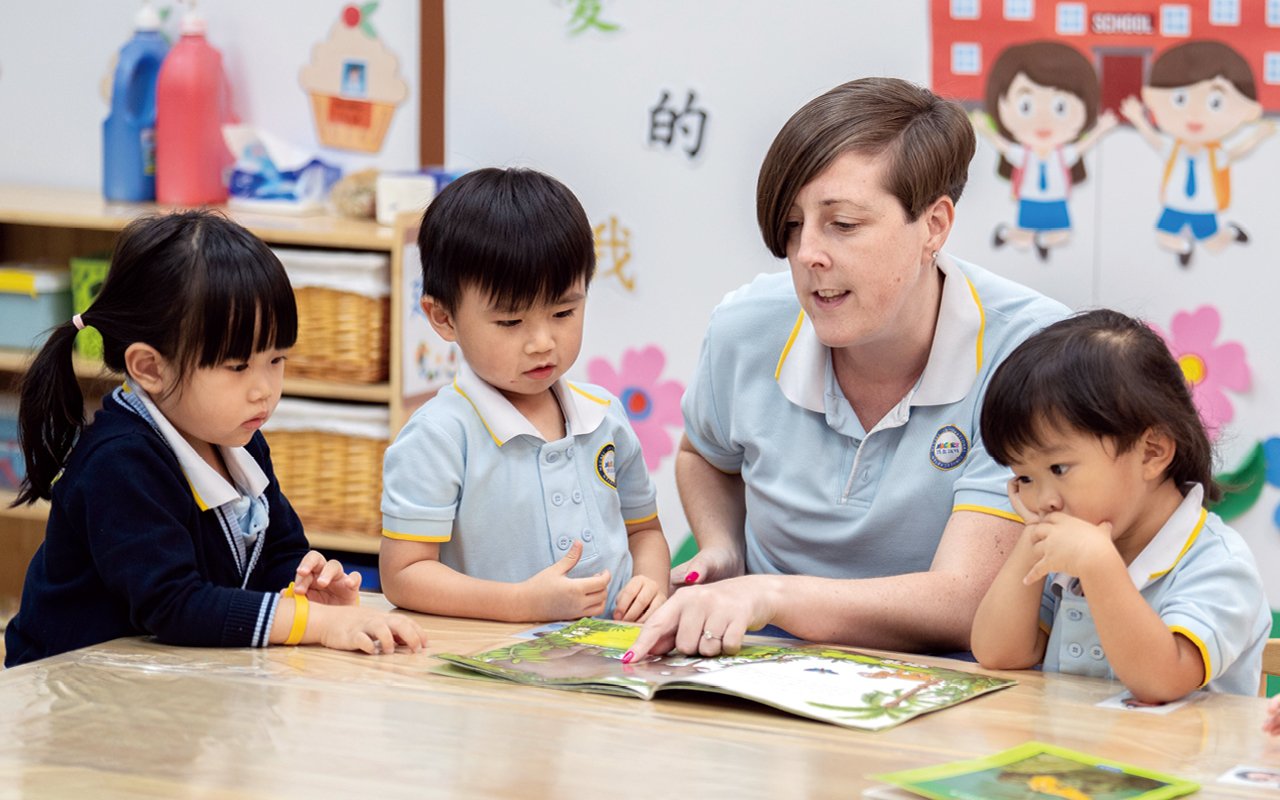
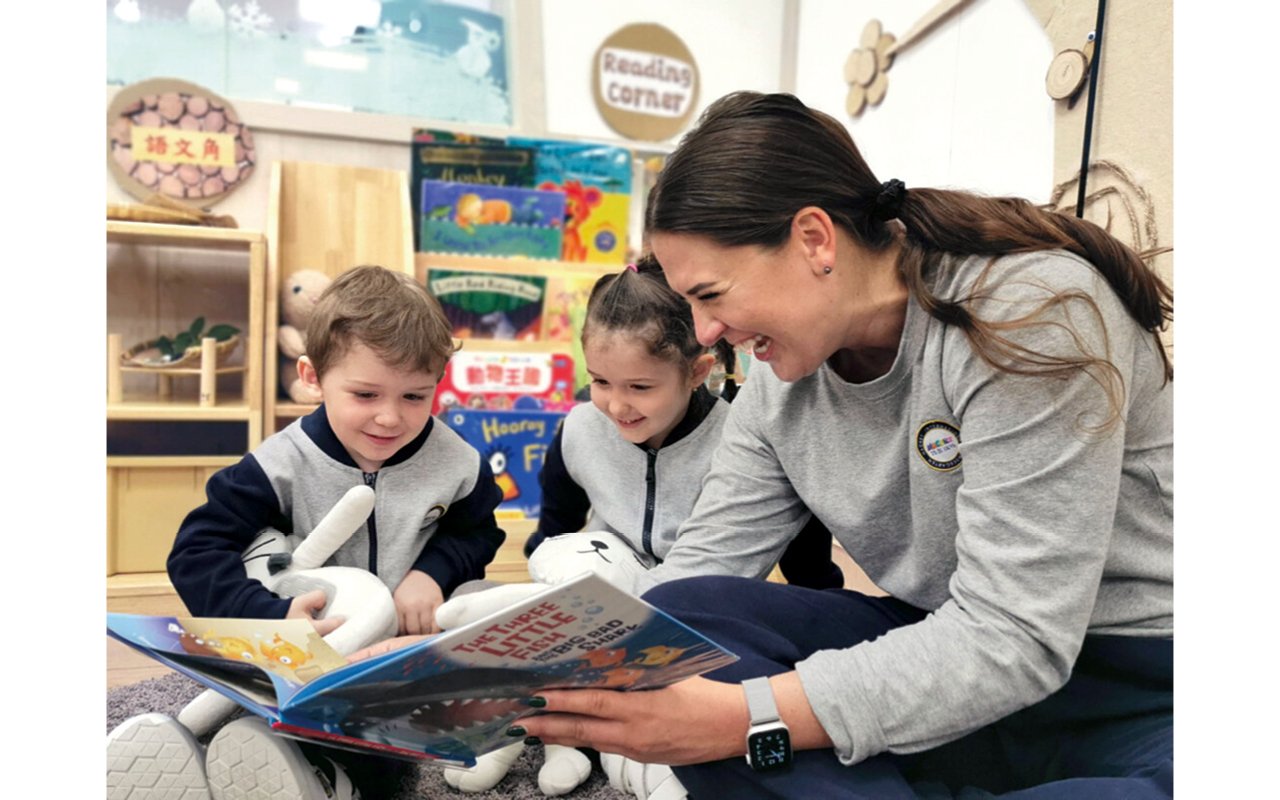
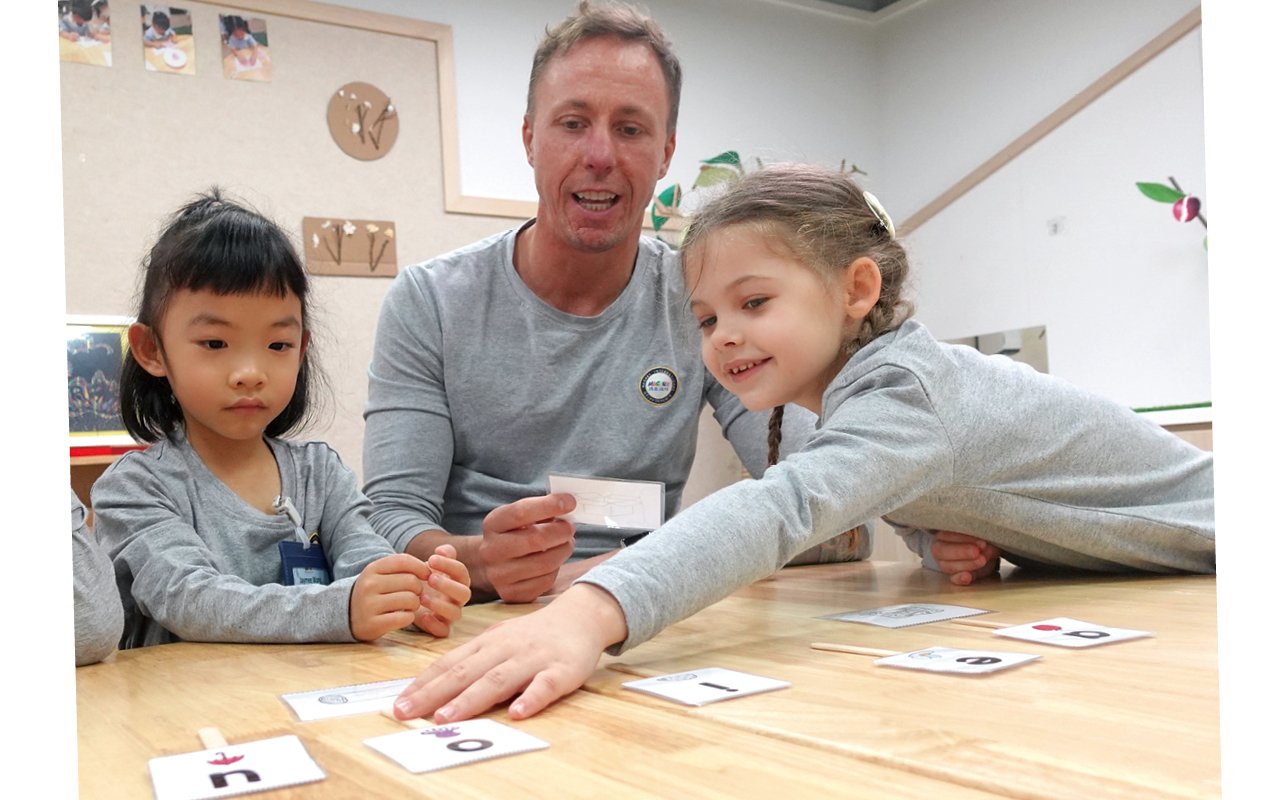
In order to help preschool children lay a solid foundation in language, reading and writing, the school specially designs a Guided Reading Program to provide individualized guidance and support based on each child's reading level and needs. Students learn letter sounds, vocabulary and comprehension skills through guided reading, focusing on developing sound awareness and reading strategies such as prediction and contextual understanding. Through stories and discussions, preschoolers expand their vocabulary and improve their language skills. At the same time, guided reading enhances children's self-confidence, stimulates interest in reading, and cultivates a positive attitude. The school also combines other literacy games for parents and children to participate together to achieve comprehensive preschool language development.
In addition, the school provides students with comprehensive kindergarten bridging courses and fully subsidizes primary school interview courses and concentration training for students. Through rigorous and diversified school-based curriculum, in recent years, 100% of the school's graduates have been admitted to first-tier and preferred primary schools, including: La Salle Primary School, Wong Kam Fai Primary and Secondary School, Jyuen Primary School, Kowloon Tong Missionary Primary School, St. Mary of Canossian School, St. Francis of Assisi English Primary School, St. Paul's Catholic Primary School, Chinese International School, Hongli College and other private, direct subsidy and international schools, giving students a broader development path.
Rigorous academic foundation to cultivate new generation AI talents, three essential skills for young children
MAGART INTERNATIONAL KINDERGARTEN · 2023年10月
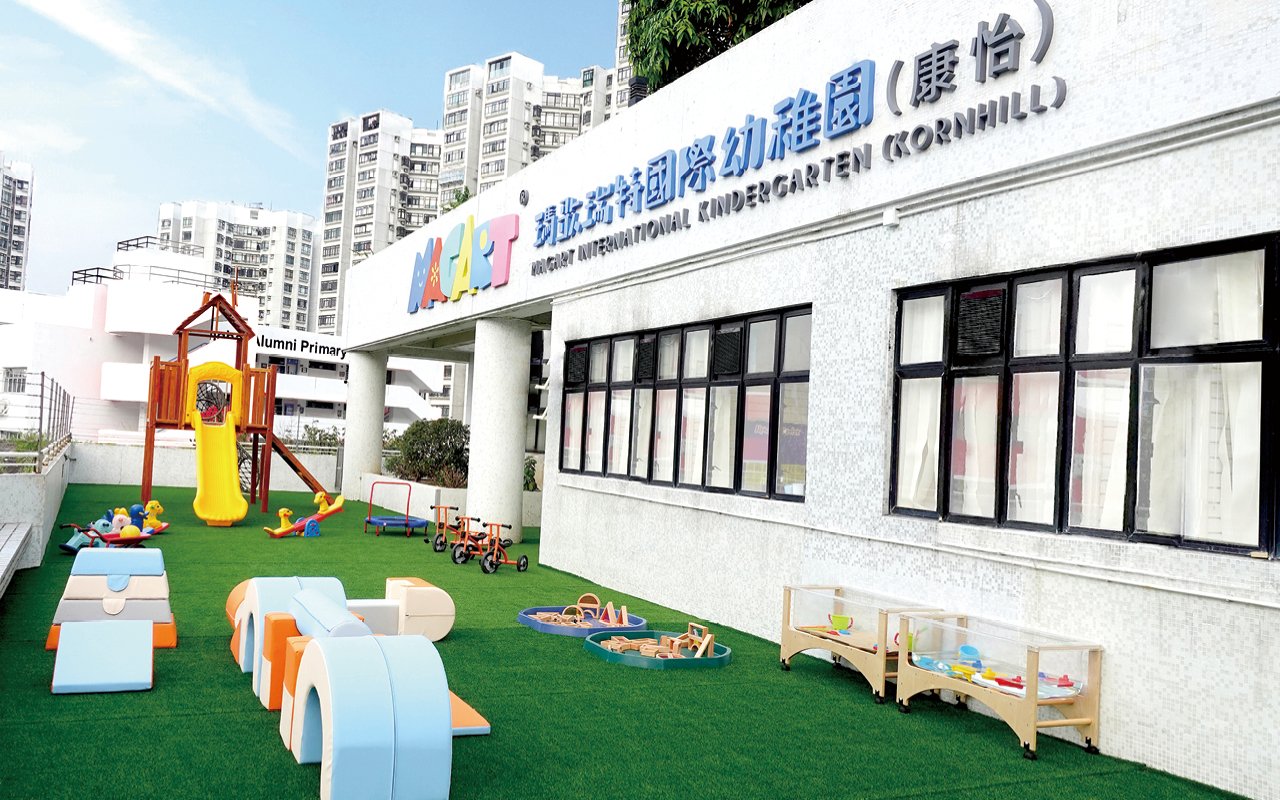
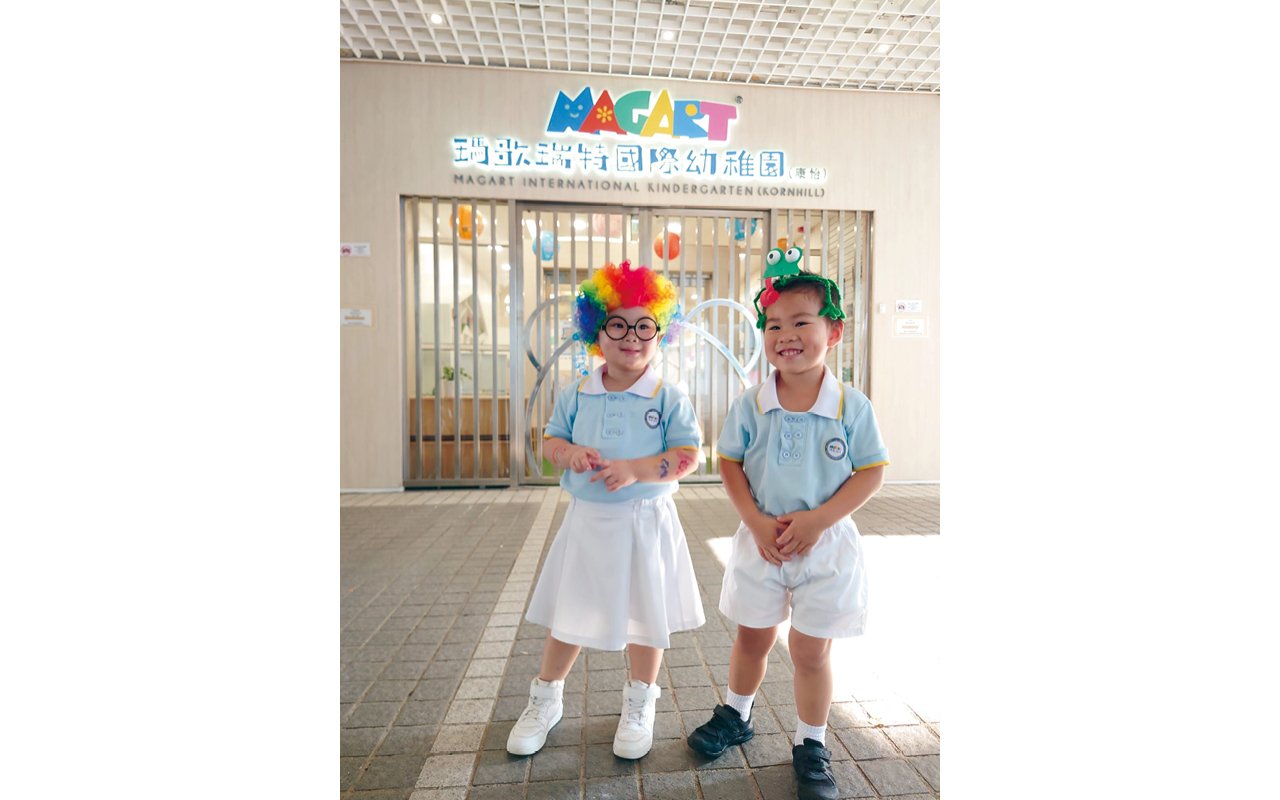
School building appearance
This English version is translated by AI. If there are inaccuracies or omissions, please refer to the original Chinese text.