
Po Chiu Catholic Secondary School Make good use of resources and strive to upgrade the school’s basic equipment and enhance teaching efficiency. With the school motto of "Ending with Perfection", the school strives to promote the balanced development of students in different aspects, and pragmatically plans courses based on students' needs and social environment to keep pace with the times. Among them, the school actively promotes drama education, and teachers from different disciplines work together to help students build confidence and empathy; interdisciplinary STEAM education emphasizes cultivating essential skills in the 21st century, helping students respond to future social challenges, and providing clear development goals for their career planning.
Participate in the business-school cooperation program and continue to improve software and hardware equipment
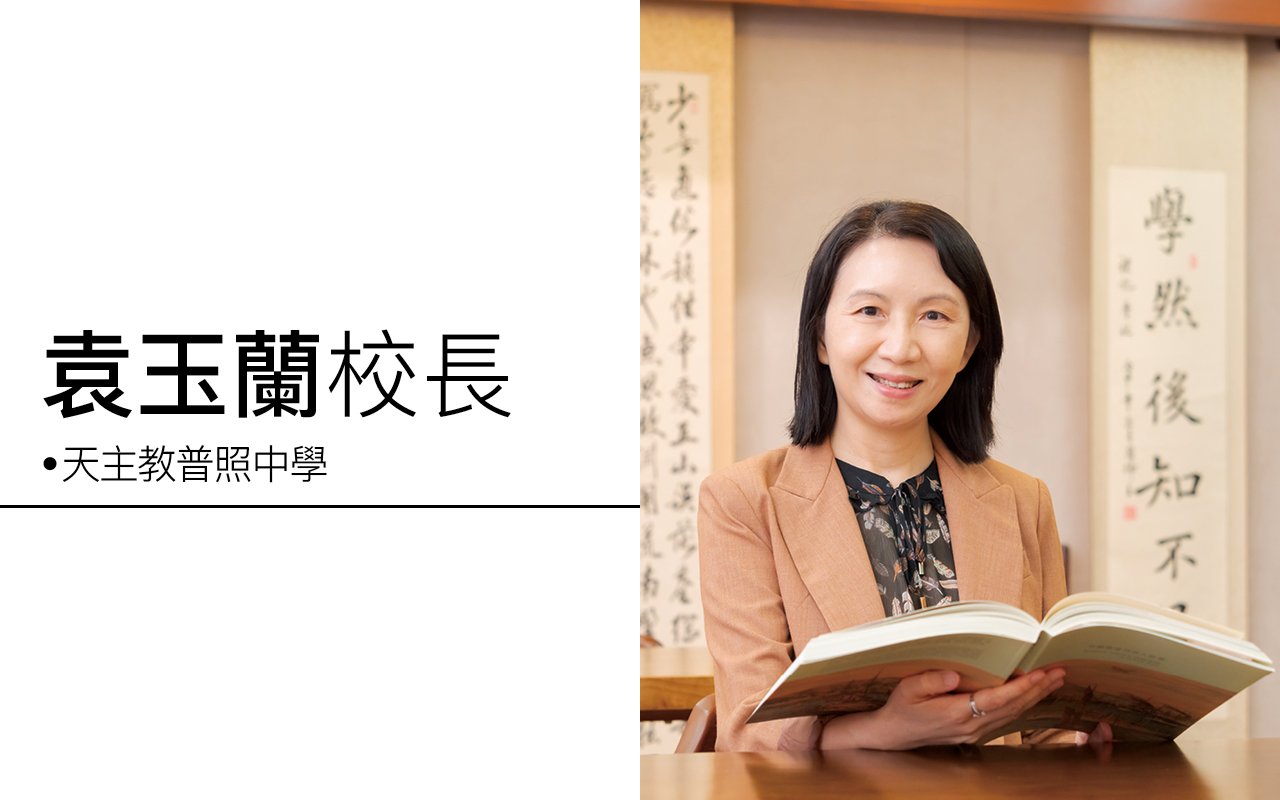
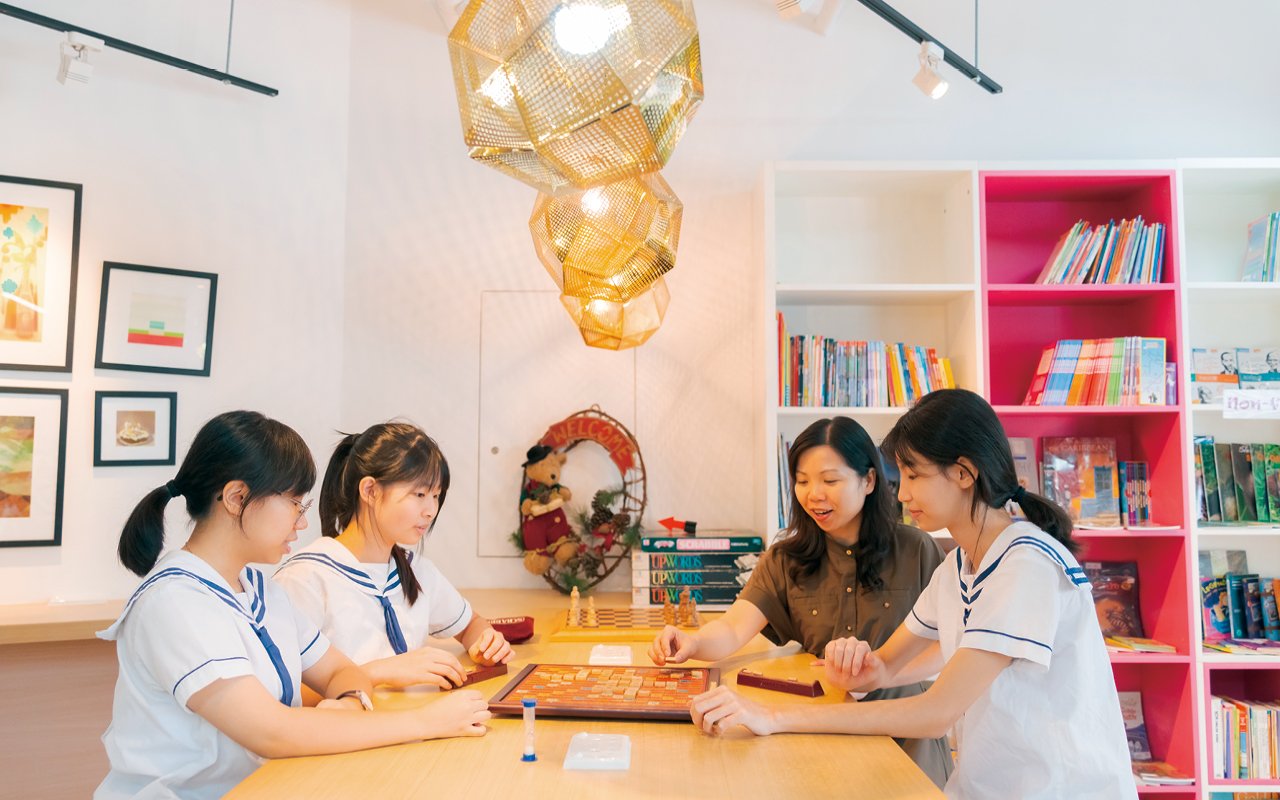
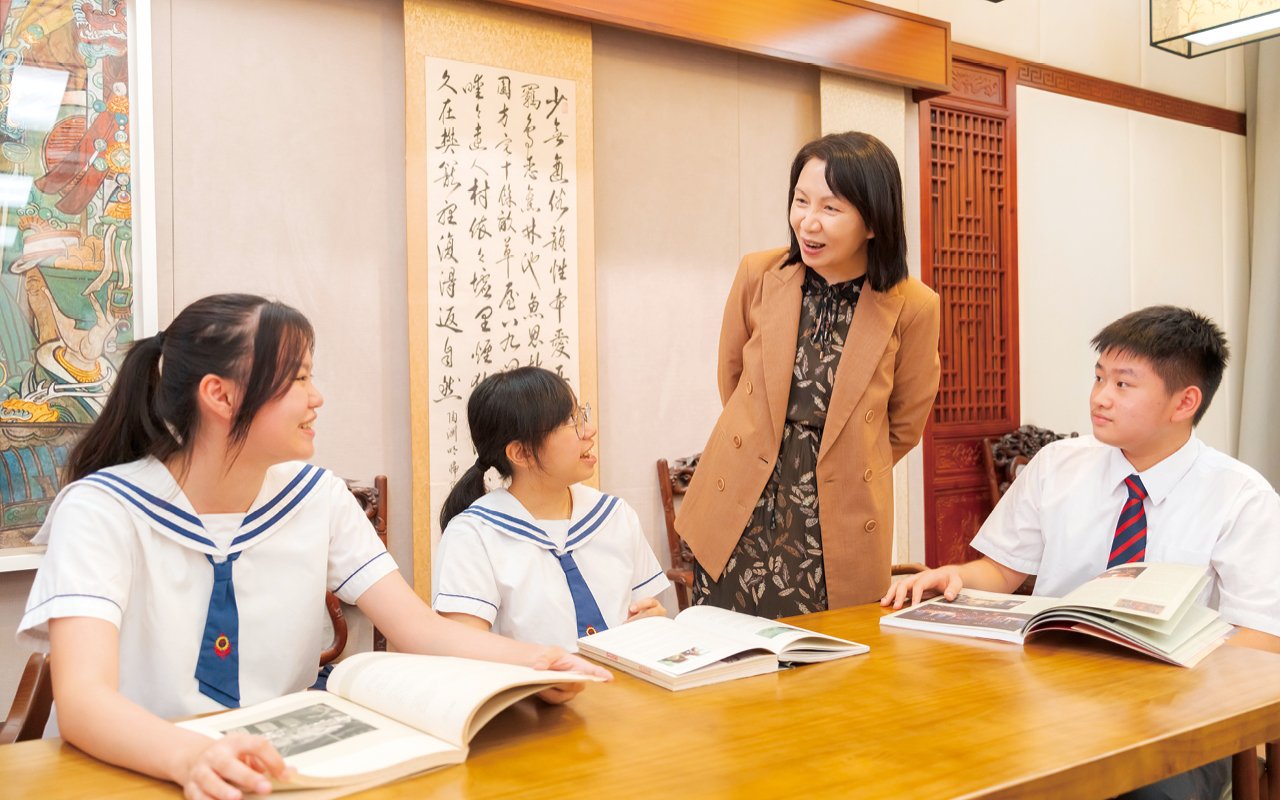
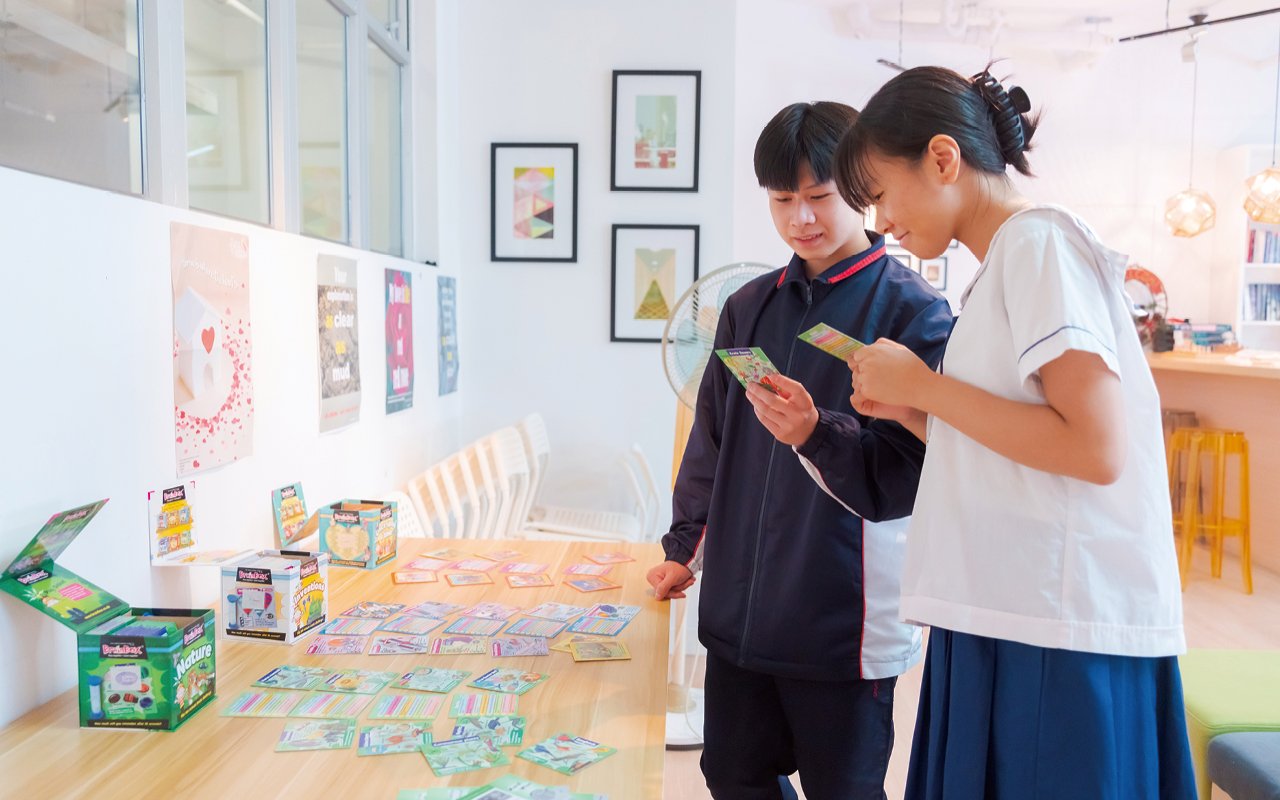
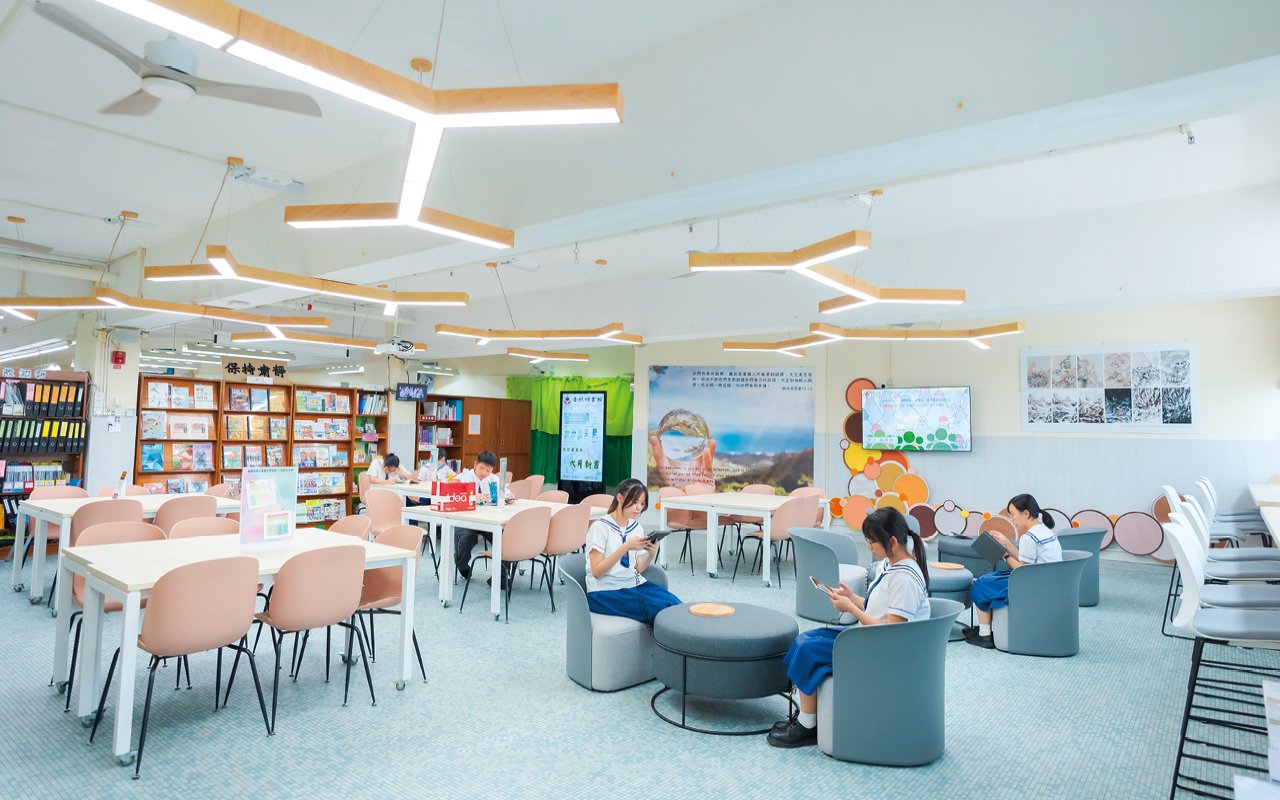
The history of Principal Yuen Yuk Lan娓娓道来Po Chiu Catholic Secondary School: The school was founded in 1970, formerly known as Puzhao Academy. In the early years, affected by the subway project, the old school building needed to be demolished and moved to the current site, and it was changed from a boys' school to a boys' school. Principal Yuen Yuk LanLooking back at that year, I would like to thank former Principal Li Jianhua for applying for the school to join the Wharf Group's Project WeCan "School Start" program with the support of the school sponsoring group, so that the school has sufficient resources to continue to upgrade various facilities, including adding Chinese Courts, English Courts, Star Reaching Courts and libraries, as well as the software and hardware needed to support learning, creating a better learning environment for students.
At the same time, through relevant programs, outstanding students can receive scholarships to encourage them to maintain good performance. The school also makes good use of resources to arrange various learning opportunities to broaden students' horizons and allow them to see the outside world. Principal Yuen Yuk Lan explained: "Most of our students come from grassroots families, so the school must help them find confidence, expertise and goals."
Drama classes are compulsory to promote students’ growth
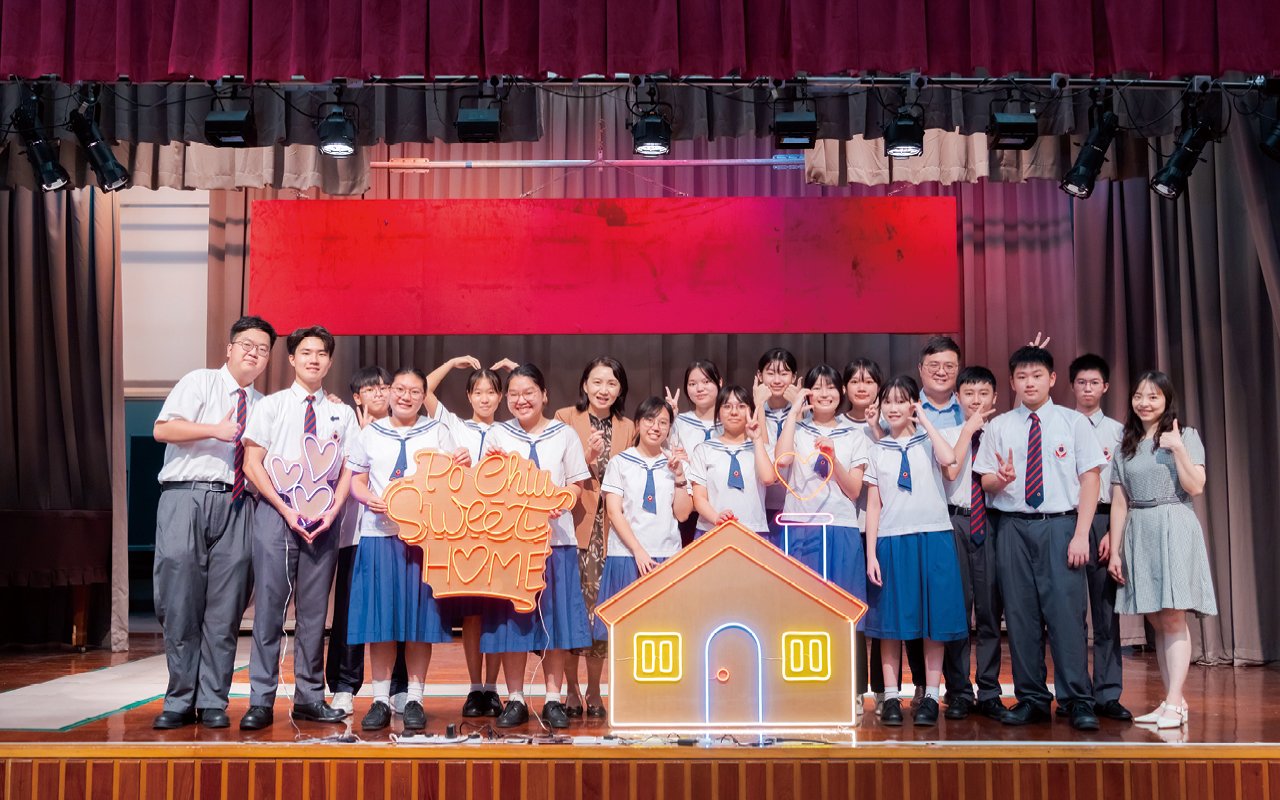
The school has been promoting drama education since 2008 and provides students with regular drama education courses. The school's drama education is divided into three levels. The first is to involve all students - students in Form Two and Form Four must take compulsory drama education courses to expose students to the basic elements and knowledge of drama. Students need to start from scratch, write, direct and act in a play, and perform it at the end of the semester. During the creative process, their creativity, communication skills, thinking skills and data collection skills are developed. Students also need to conceive of language and actions to express the content of the story. Principal Yuen Yuk Lan emphasized: "Drama education is not as simple as just making a play. Drama teachers put a lot of effort into planning. After years of hard work, they continuously improve and design appropriate courses to make drama a systematic and comprehensive practical course."
Drama and English collaboration to improve confidence in using English
Interdisciplinary curriculum design helps strengthen students' different abilities and integrates knowledge and skills in different subjects, thereby enhancing their learning confidence. Therefore, the school actively promotes interdisciplinary collaboration between drama education and different disciplines. For example, scene design and costume design require the use of knowledge of visual arts. Teacher To Kaixin, the head of the English subject, said that the scripts for the Secondary 2 drama course were prepared by English teachers, and some of them were based on biblical stories and designed with simple dialogues. "Even if the same script is used, it still needs to be adjusted according to different classes and students' learning conditions, so that students can more easily master the interpretation method."
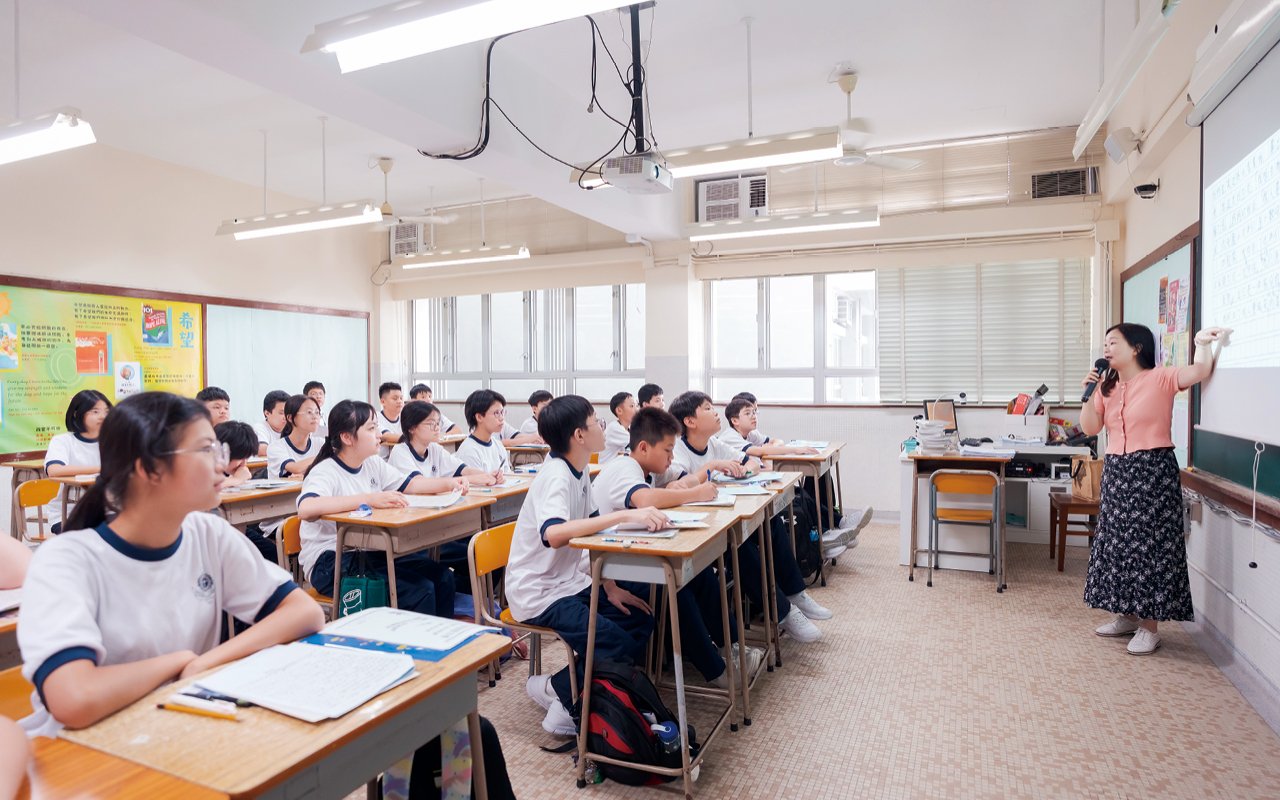
In English class, students will read in groups, and the teacher will explain the meaning of vocabulary and provide guidance, reminding students of the interpretation skills of each character, how to express appropriate emotions according to the storyline, and to make corresponding tone and expression according to the content at the moment. After the reading, teacher Lu Yun, director of drama education, will guide the students' body movements and stage movements for rehearsal. The entire drama education course is of great benefit to students. They have the opportunity to perform in English in front of classmates at all levels, which can serve as a good oral training opportunity.
Compared with other English activities, drama performances are more challenging and interesting, and can often bring students an immediate and unparalleled sense of success. Every year when the teacher tells the students that they must perform an English drama, they all show expressions of disbelief, but when the students finally successfully complete the performance on stage, they gain a great sense of satisfaction and success. At the same time, the teacher will invite students to conduct self-evaluation after the drama performance is completed. They all feel that their confidence and ability in English are gradually increasing. Drama courses are providing students with the best English context and promoting students to communicate in English in daily life.
Elite training releases talents and appreciates oneself through self-study
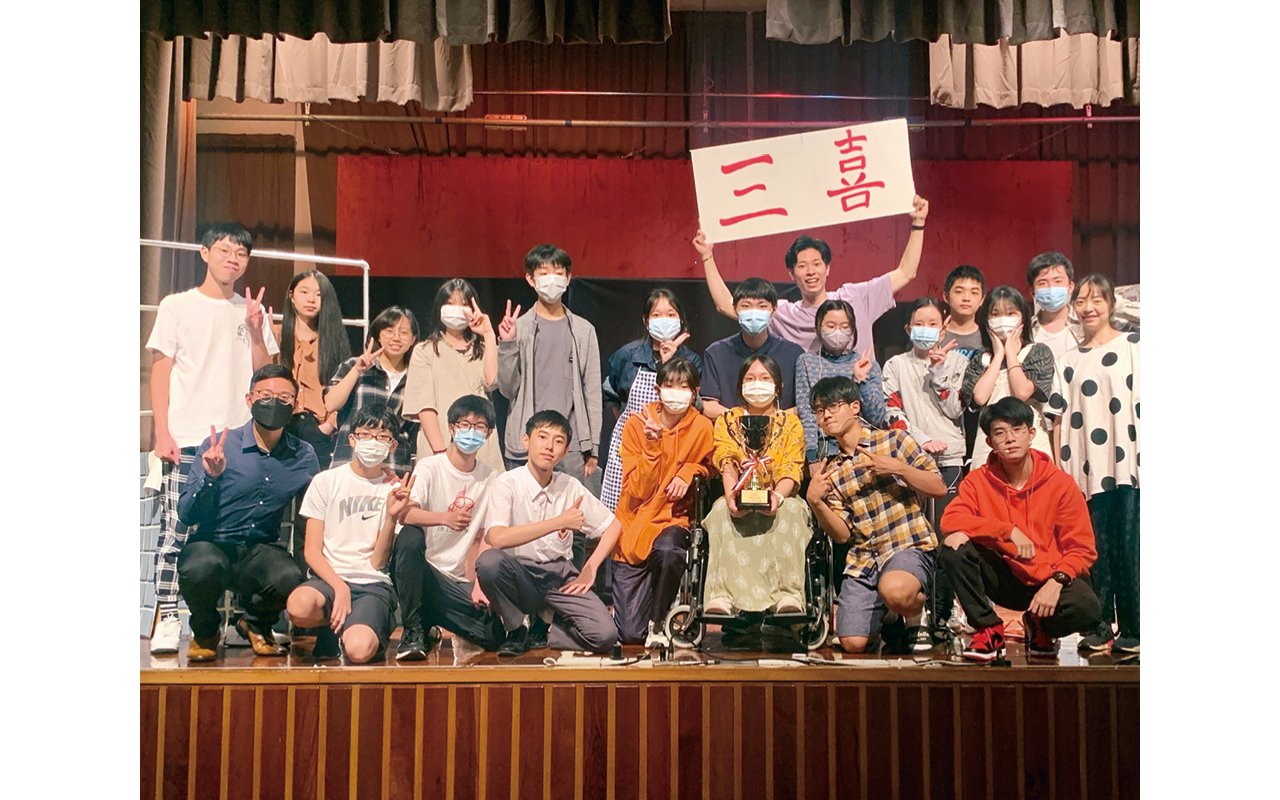
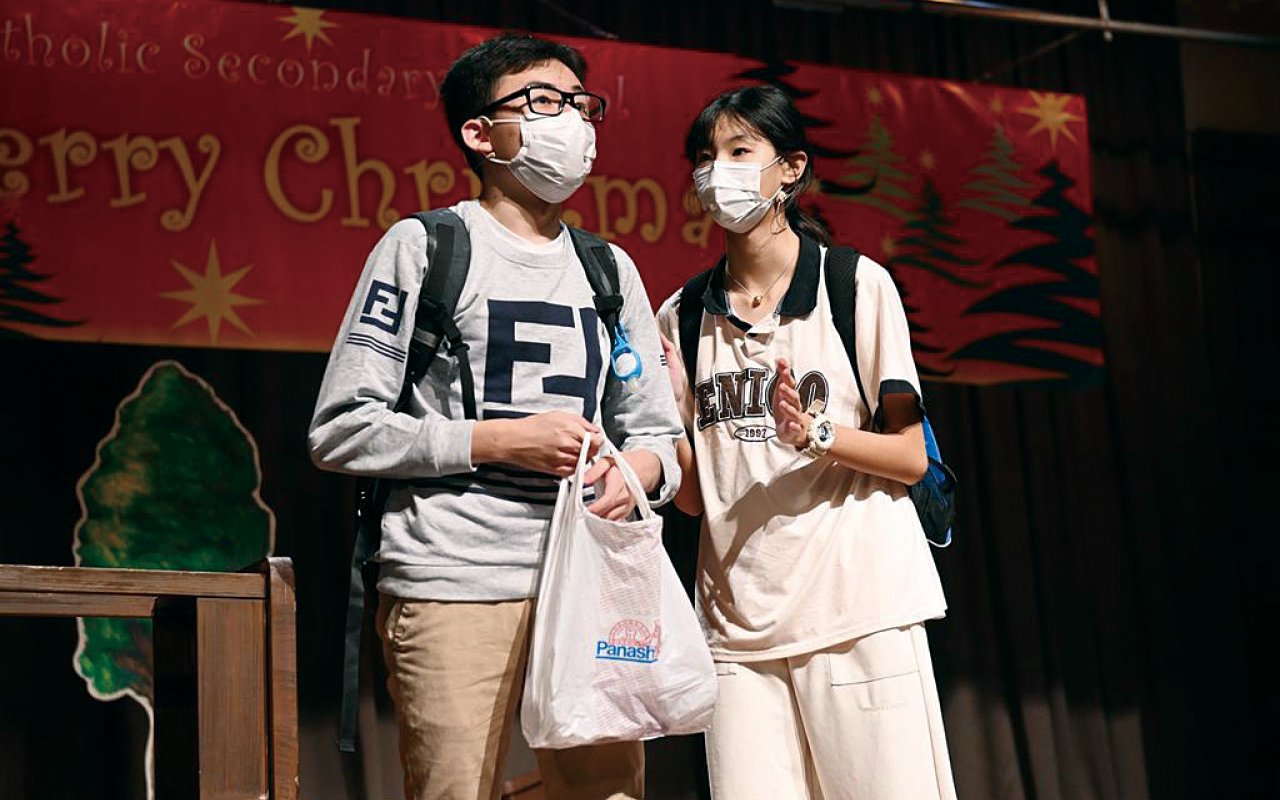
In addition to on-campus performances, the second level of drama education in schools is to promote gifted education. The school will invite outstanding students to join the drama club for elite training and provide more performance opportunities. In addition to discovering actors, it also provides stage production courses for students, allowing students with different potentials to show their talents. The school also creates practical opportunities for students, such as arranging for a drama club to perform at the Christmas party. Among them, parents are invited to attend the school's annual tribute event to parents, the "Spring Festival Gala", giving drama club students the opportunity to showcase their creative achievements. The third level of drama education is to go beyond the campus and arrange drama clubs to participate in off-campus competitions and perform performances, hoping that students can unleash their potential. The school drama club has also won numerous awards over the years. For example, it won many awards at the Hong Kong Schools Drama Festival in 2022-2023, including the "Judges' Recommended Performance Award" and was invited to perform at Ngau Chi Wan Civic Center.
Teacher Xian Chengqian, who is in charge of drama education, said that one of the focuses of drama education is to help students build self-confidence and give them opportunities to develop their talents. By taking on positions such as script creation, stage management, lighting and sound design, etc., you can independently explore your own potential. Drama education is different from traditional classrooms, which are led by teachers. Students will actively search for online resources, learn the knowledge and skills of behind-the-scenes production on their own, and develop the ability to learn independently. "Students can learn on their own without relying on teachers, and can reflect on their own strengths through drama education, and then appreciate themselves. I believe this can have a lasting impact on students' future growth. Because students have the ability to self-study and build self-confidence in learning, even if they are not good at certain areas, they will try hard and do their best."
Multiple outlets for drama education to achieve unlimited possibilities in the future
Another concept of drama education is to cultivate students' empathy. When they play different roles, they need to change their existing thinking patterns and put themselves in the shoes of others. The school hopes that through the training of drama education, students will have a better understanding of their peers, teachers, and parents, and students' discipline and behavior will also improve.
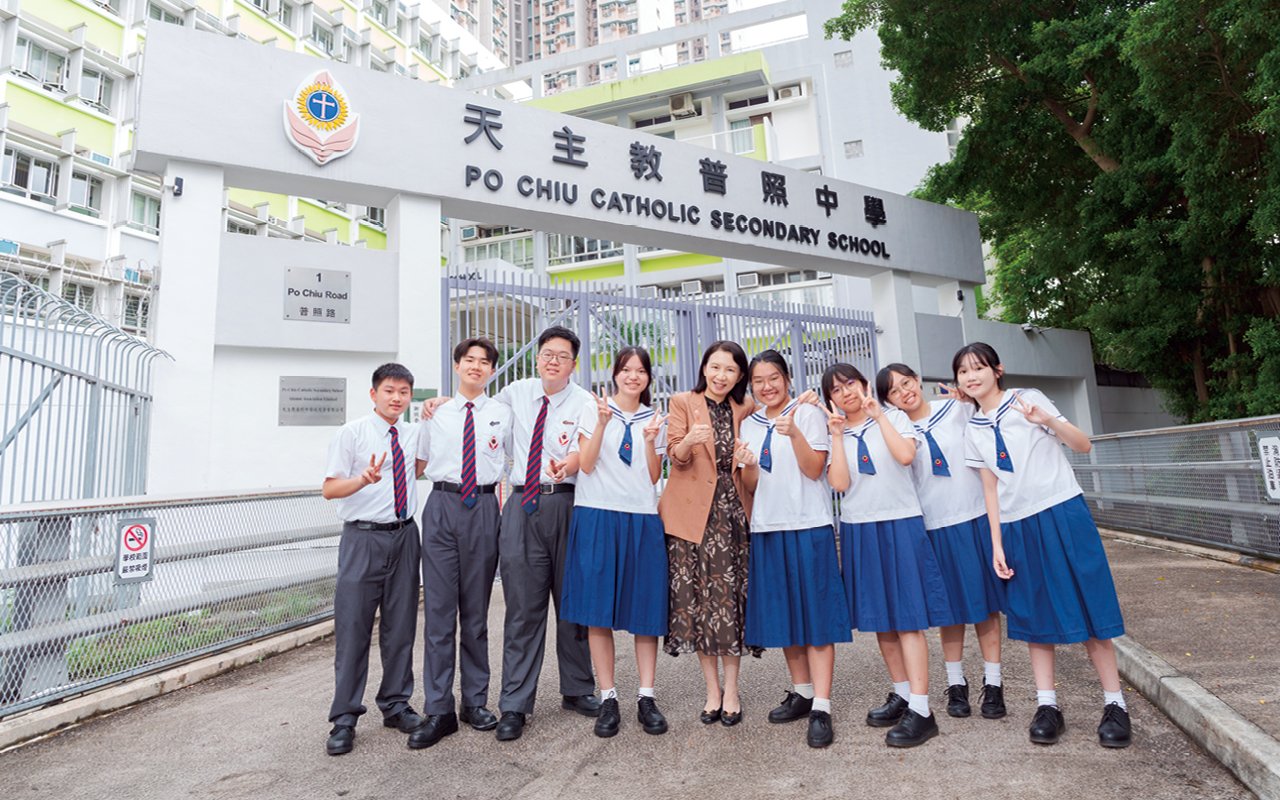
In addition, the school invests a lot of resources and manpower in drama education. Comprehensive planning and good coordination among the teaching team help confident and interested students to chart a future path here. The school also encourages them to enroll in drama, screenwriting, multimedia and other related courses offered by the Hong Kong Academy for Performing Arts and the Vocational Training Council in the future, hoping that they can apply what they have accumulated in drama education. The students' confidence during the interview and photo shoot also reflects the positive impact of drama education on their personal growth.
STEAM interdisciplinary collaboration stimulates interest and diverse activities promote the development of thinking
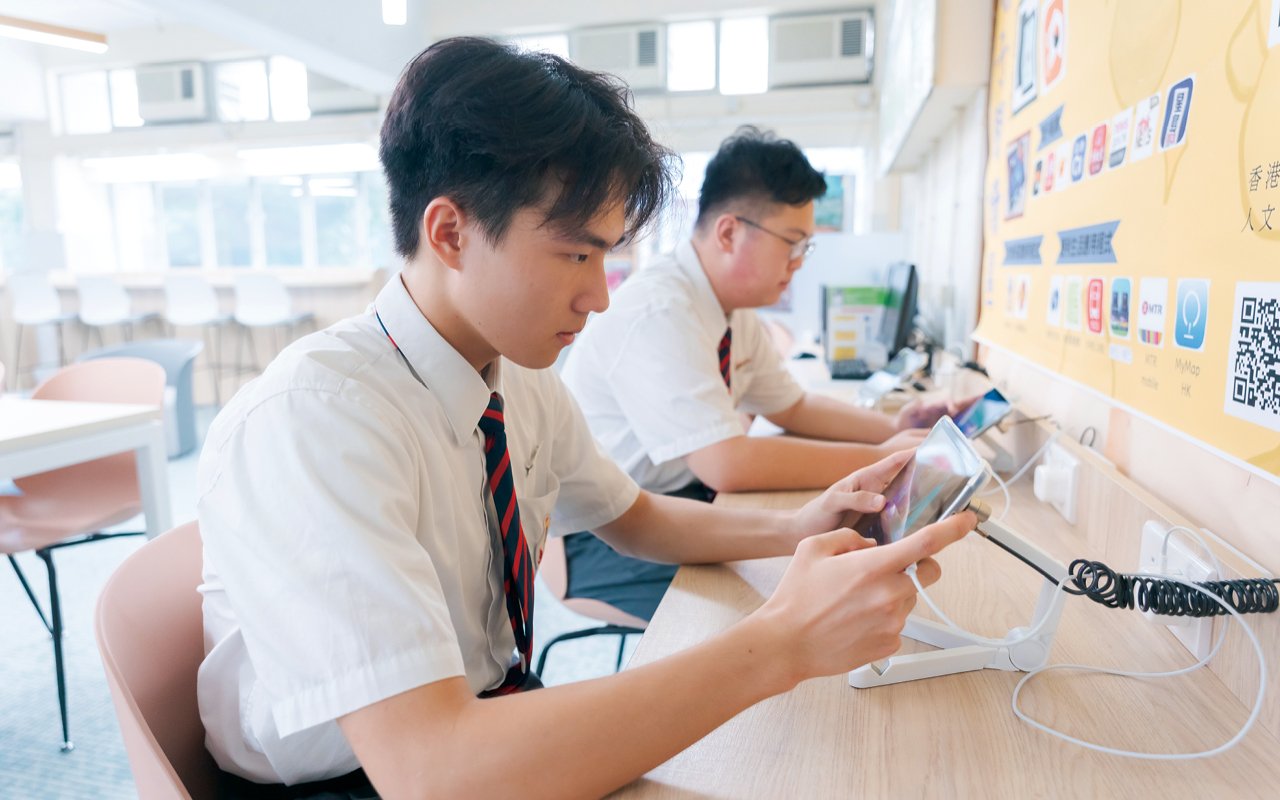
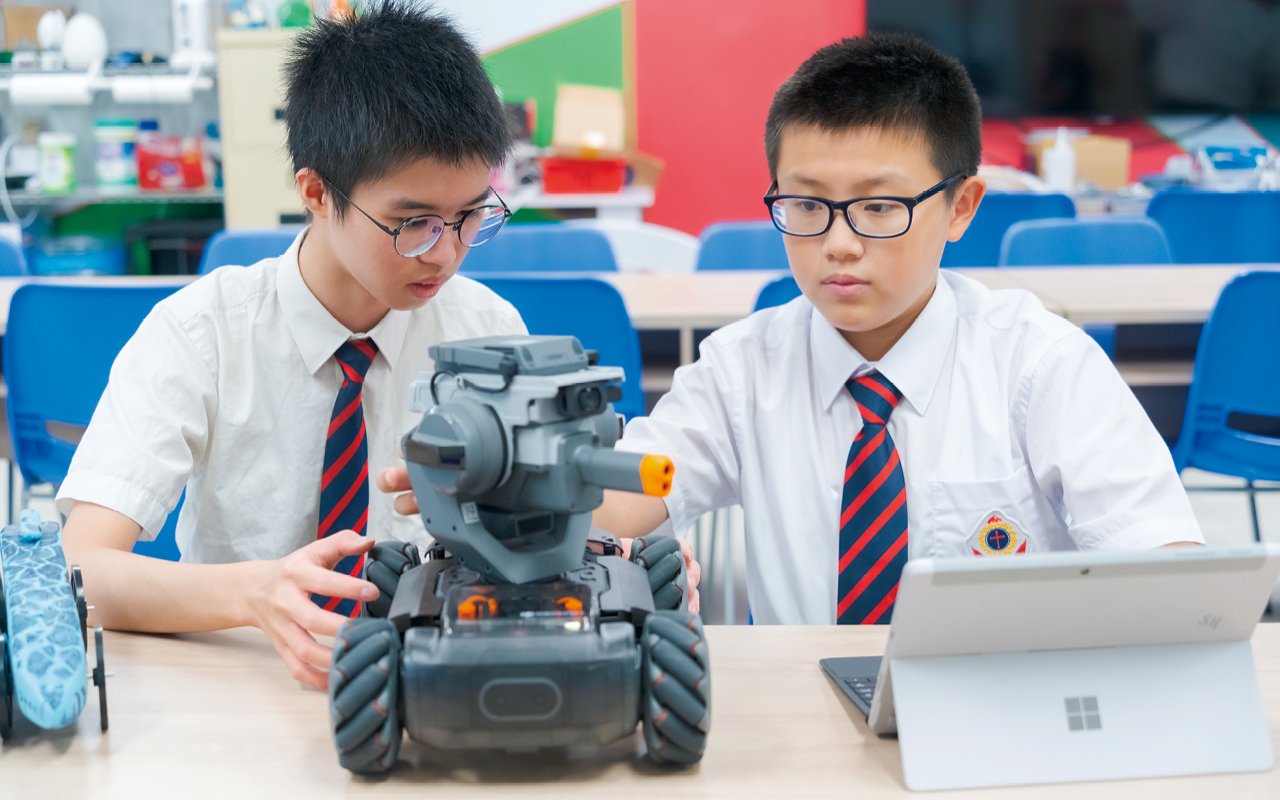
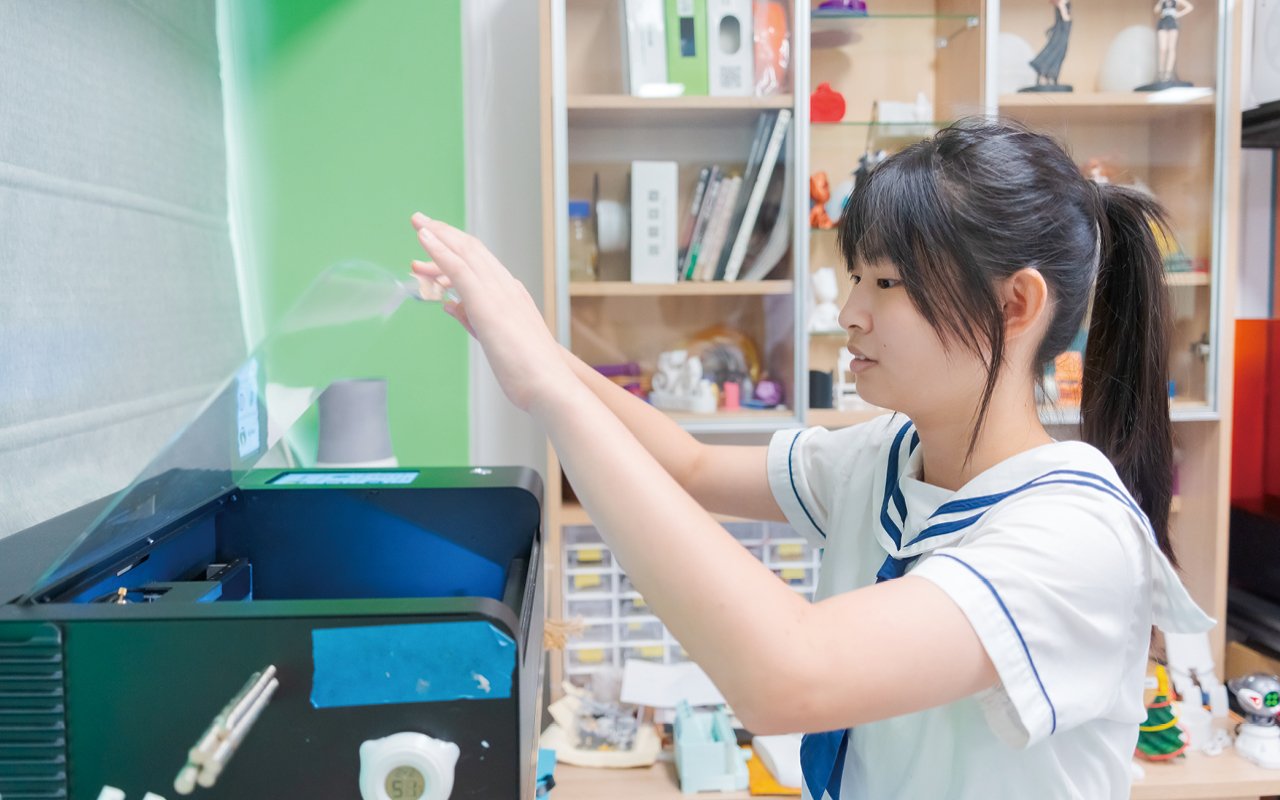
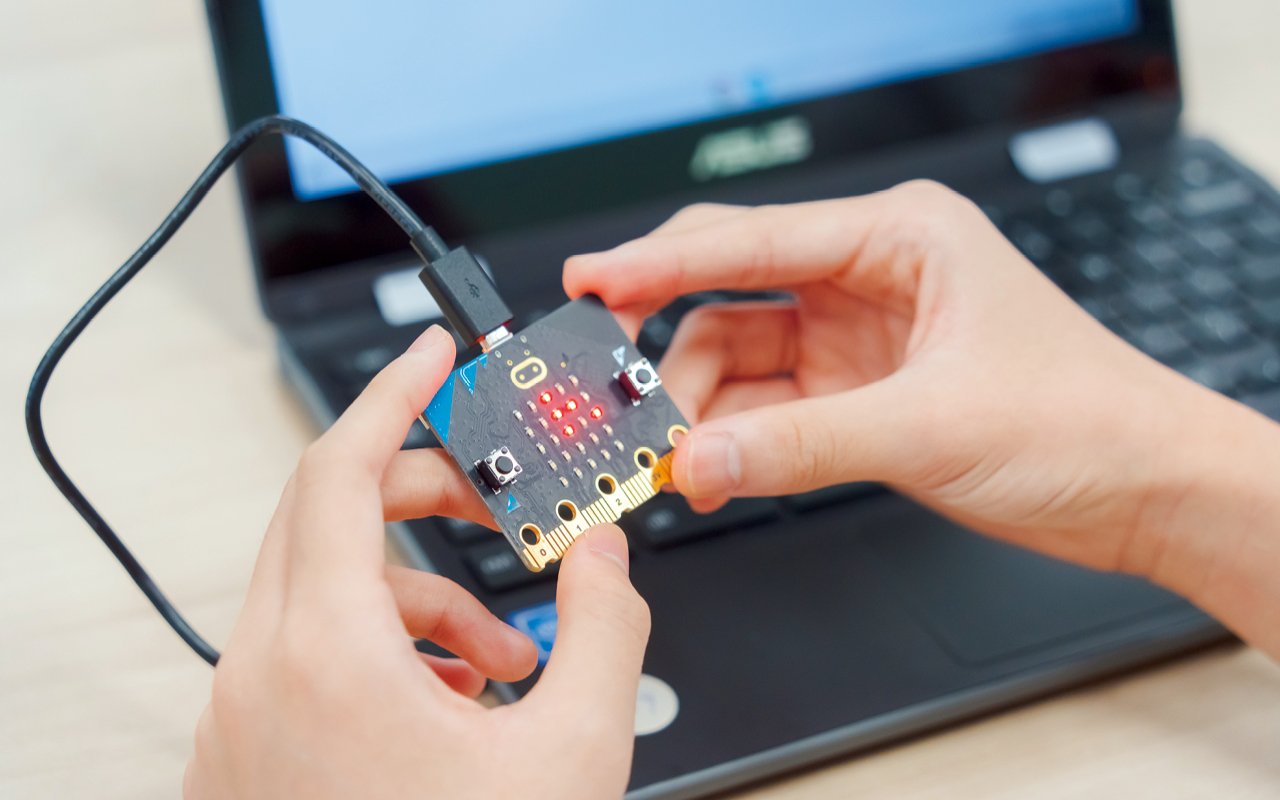
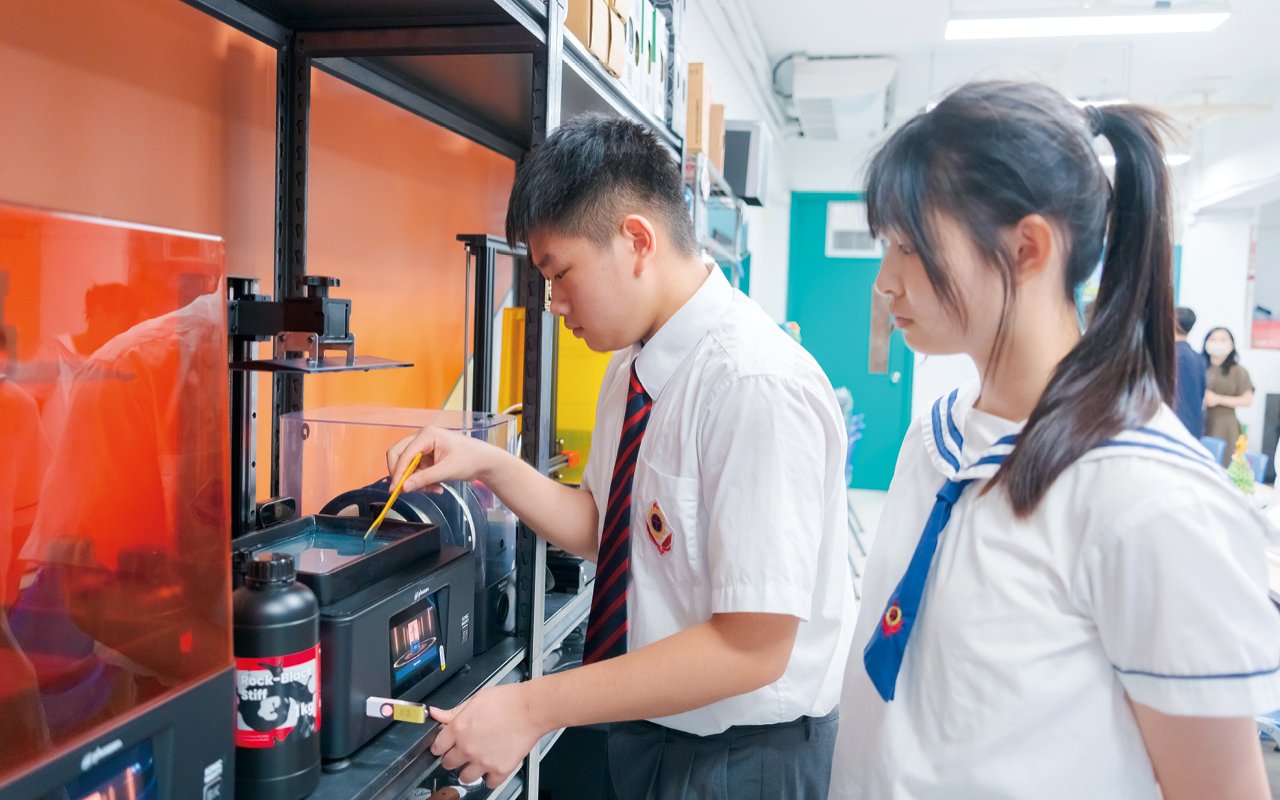
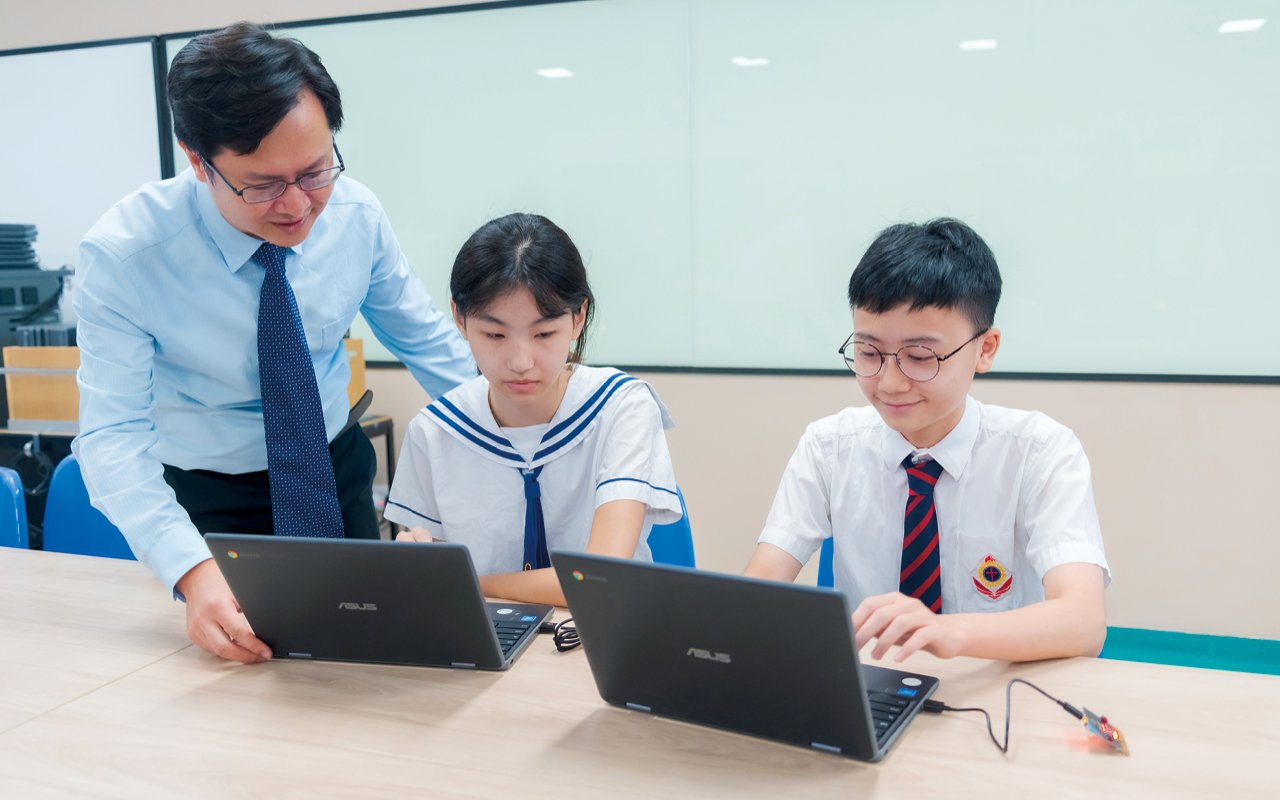
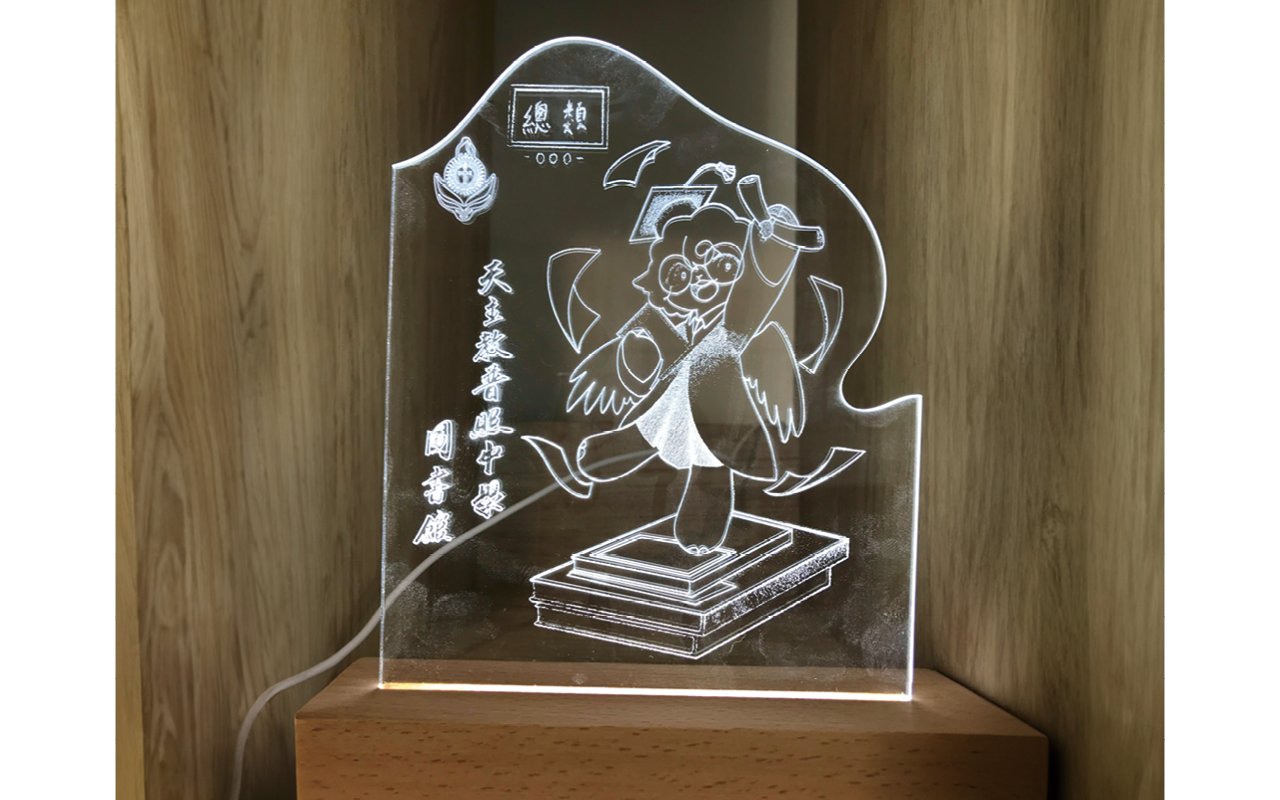
The school has focused on developing STEAM education in recent years. In order to ensure the coherence and comprehensiveness of education, the computer department director Zheng Zewei leads a team to coordinate the entire promotion of STEAM education. The school has added programming courses to junior high schools to gradually cultivate students' interest in science and technology and build a solid knowledge base. After-school classes include teaching drone control, 3D printing, artificial intelligence, Robomaster, etc., allowing students to choose freely according to their interests. At the same time, the school has specially set up a STEAM learning room, which is equipped with high-standard computers and a variety of advanced audio-visual equipment. Students can make good use of the tools to learn programming and practice with smart mechanical balls, allowing them to learn in a complete environment. In addition to school-based courses, the school also organizes many STEAM activities, such as STEAM DAY, rocket car activities, thumb piano making, forensic science and 3D printing model classes, etc., to enhance students' creative thinking and problem-solving abilities.
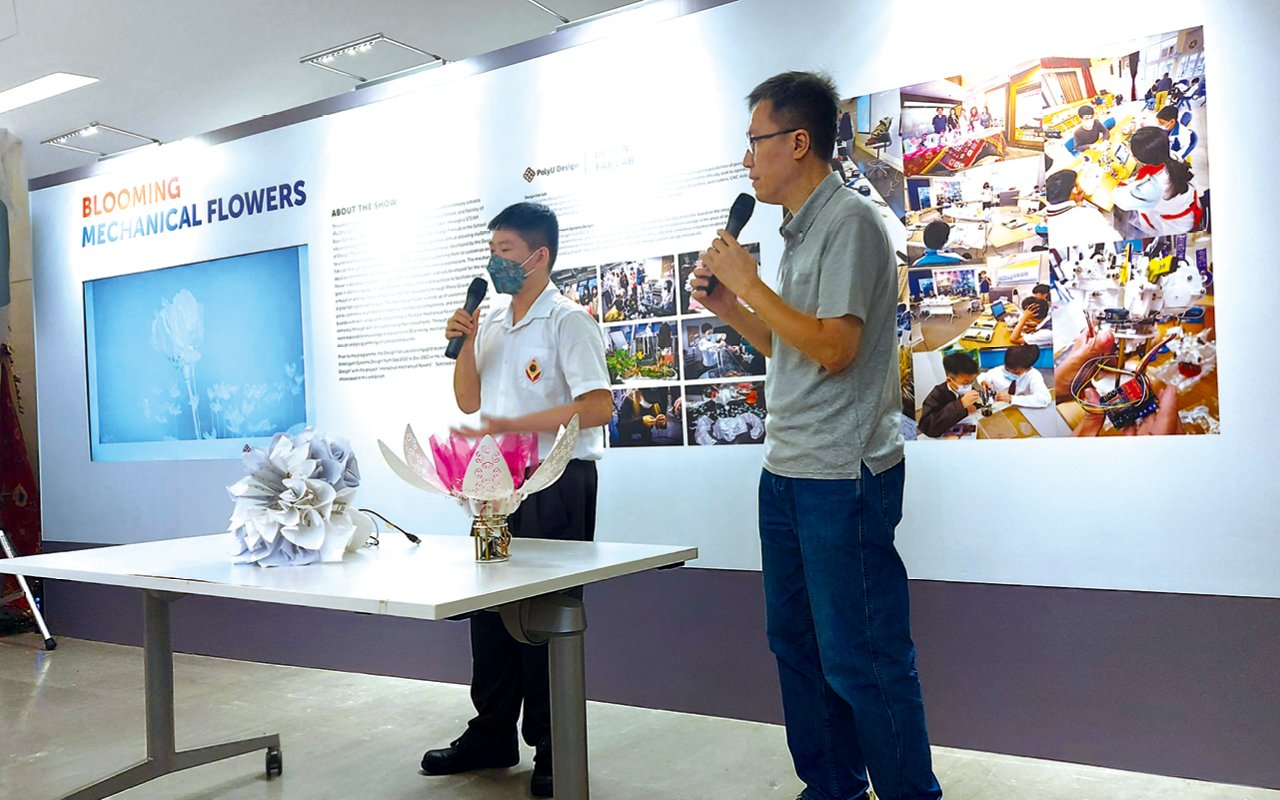
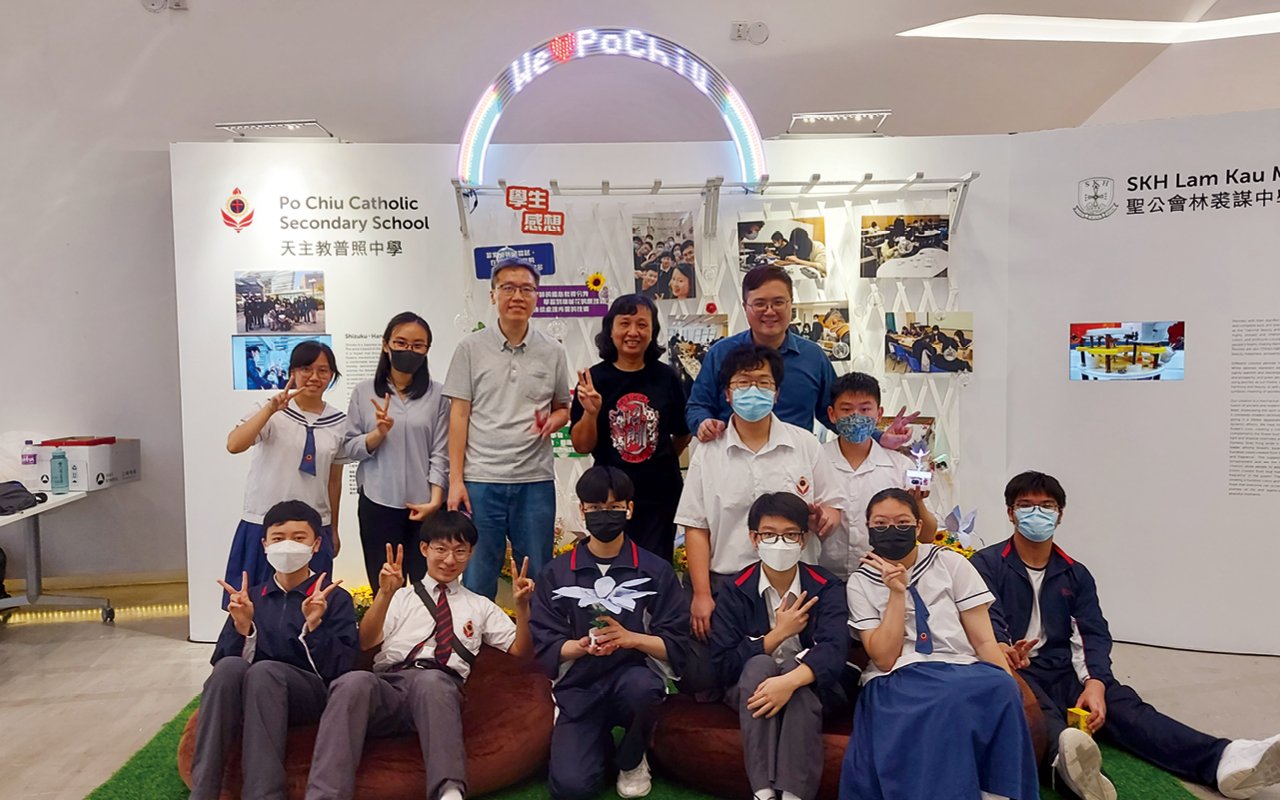
Mr. Xie Runan, the head of the Chemistry Department who is mainly responsible for STEAM extracurricular activities, shared his experience in interdisciplinary collaboration. Last year, the school arranged for students to participate in a joint mechanical flower workshop and exhibition organized by the Hong Kong Polytechnic University. The activity combined technology with art and simulated plant dynamics through mechanical devices. The visual arts department emphasized that students should use their creativity. Interdisciplinary collaboration can bring students a multi-sensory learning experience, encourage students to study hard, and satisfy their own innovative ideas. The extracurricular activities organized by the school are diversified in content, focusing on inspiring students' interests and taking them to experience areas that are not accessible in ordinary classrooms. Because of this, teachers observe that students are more proactive and motivated to learn new things than in class, thereby promoting students' motivation to learn independently.
Equip 4Cs common abilities and cultivate teamwork spirit
STEAM education emphasizes learning common skills in the 21st century, including the 4Cs, namely Critical Thinking, Creativity, Communication Skills and Collaboration Skills. Teacher Xie said that students have their own interests and expertise. Even if teachers teach students many skills, not all students may be able to fully master them and apply them flexibly. For example, some people are good at welding, while others know programming. Therefore, promoting interdisciplinary collaborative teaching can not only develop students' knowledge, skills and ability to synthesize information, but also break down the gaps in subject areas, allowing students to exert their teamwork spirit and each contribute their own expertise. "Take the interdisciplinary teaching of science and visual arts as an example. In class, students who know how to draw will help other students to turn flat paintings into 3D models. The focus of teaching is to let students learn teamwork. Students may not be able to master all skills, but they must know how to communicate with others and let everyone use their expertise. Just like working in the workplace, people who are good at information technology but do not understand marketing need media to perform their own duties. This is exactly what students need to learn."
Arrange alumni to teach and provide clear learning objectives
Through STEAM education, students' diversified development can be effectively promoted, allowing students to develop their talents in technology in addition to drama education. The school hopes that students can grasp the development trends of the times, become information technology-related professionals, and have ideal development space. Principal Yuen Yuk Lan said: "The current industry development trend is closely related to computers. All walks of life, whether it is artistic creation or engineering logistics, require information technology talents."
In addition, the school will also arrange for alumni to return to their alma mater to teach STEAM-related activities, reflecting the alumni’s strong sense of belonging to the school and their willingness to support the younger generations. On the other hand, the participation of alumni can strengthen students' emotional connections, allow them to experience a sense of success from their senior brothers and sisters, see their future development goals, and inject them with learning motivation. Students can see the status of the professional world through alumni, which will be of great help to future career planning.
Drama education builds self-confidence, integrates STEAM learning concepts, and opens up a rich future for life.
Po Chiu Catholic Secondary School · 2023年10月
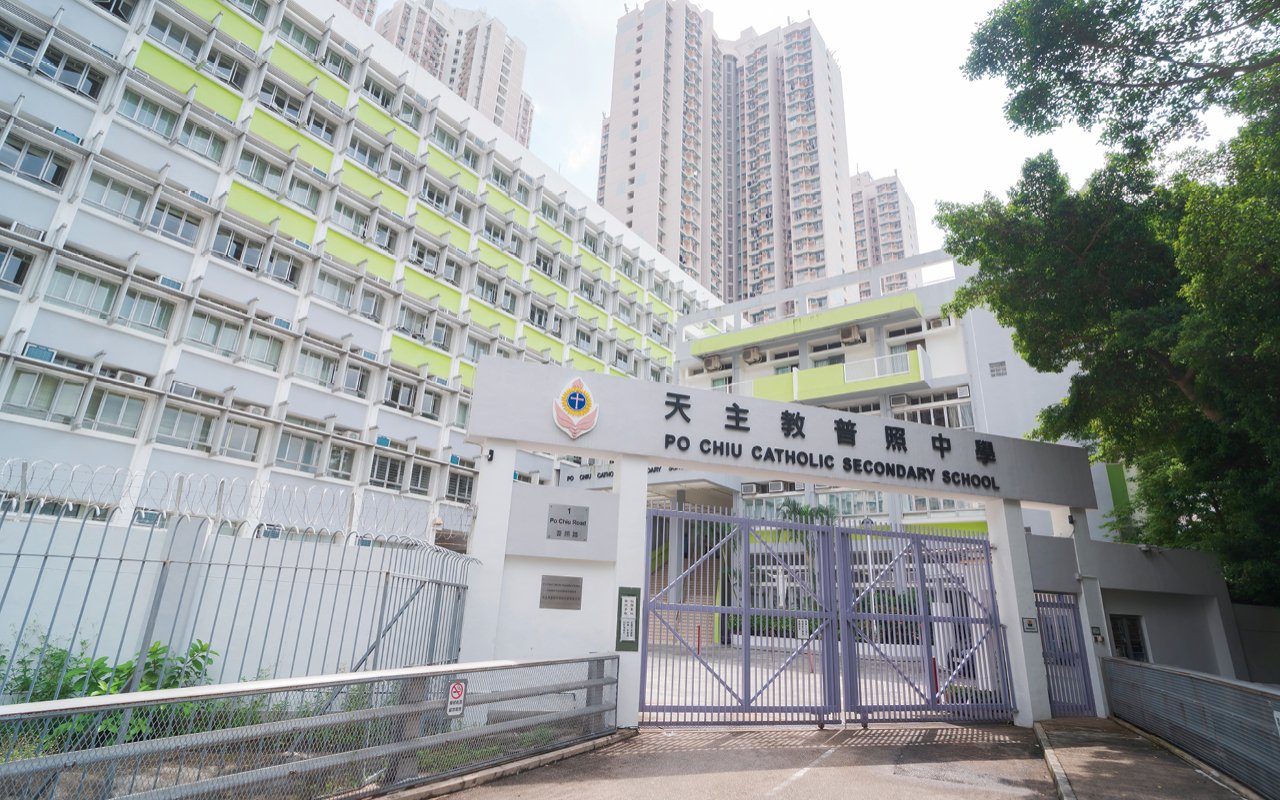
School building appearance
This English version is translated by AI. If there are inaccuracies or omissions, please refer to the original Chinese text.