
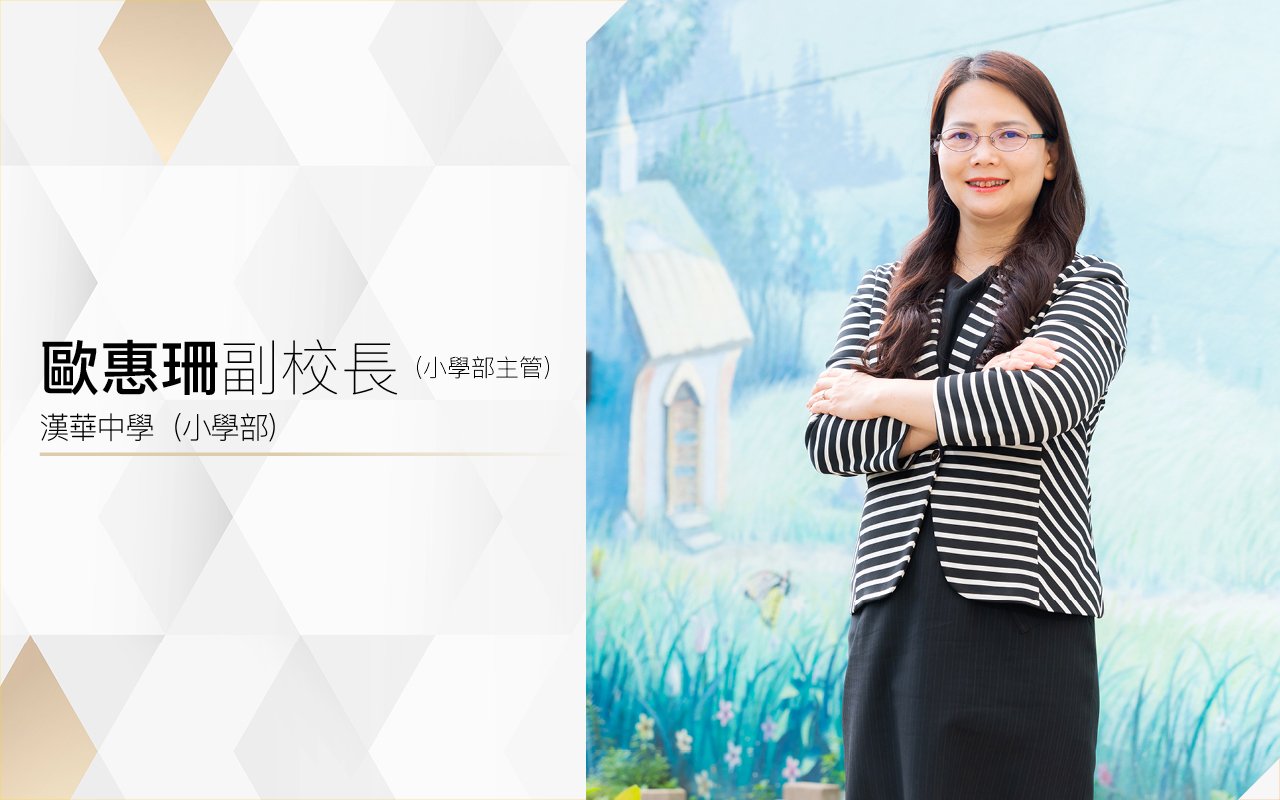
Hon Wah College (Primary Section) attaches great importance to students’ English development and is committed to integrating English context into daily life to create future international talents. Vice Principal Ou Huishan, the head of the primary school, takes care of the diversity of students' learning and actively creates interesting English classes. The school has 5 foreign teachers. English, science and visual arts subjects are all taught in English, creating an international language learning environment. It uses innovative teaching methods such as higher-order thinking teaching and cooperative learning methods to help students integrate English knowledge and learn and apply it flexibly.
Special English courses to promote higher-order thinking
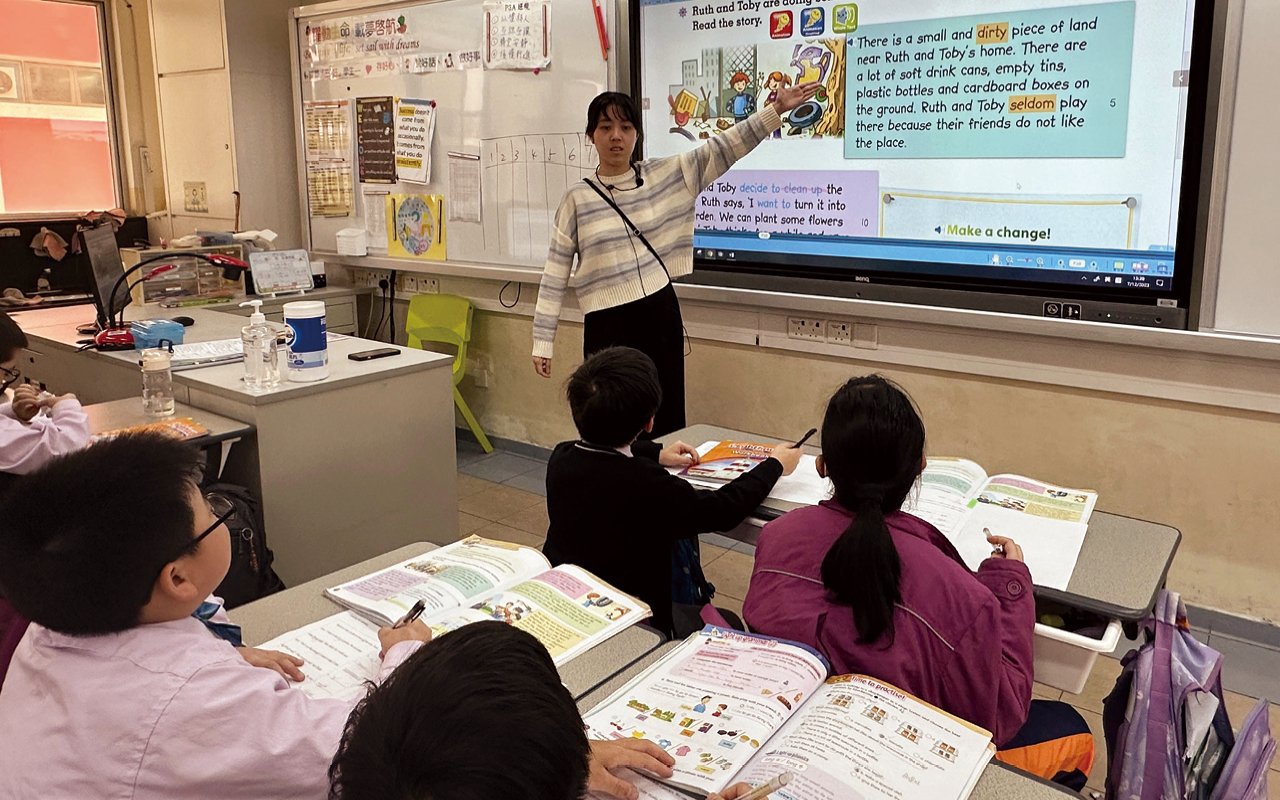
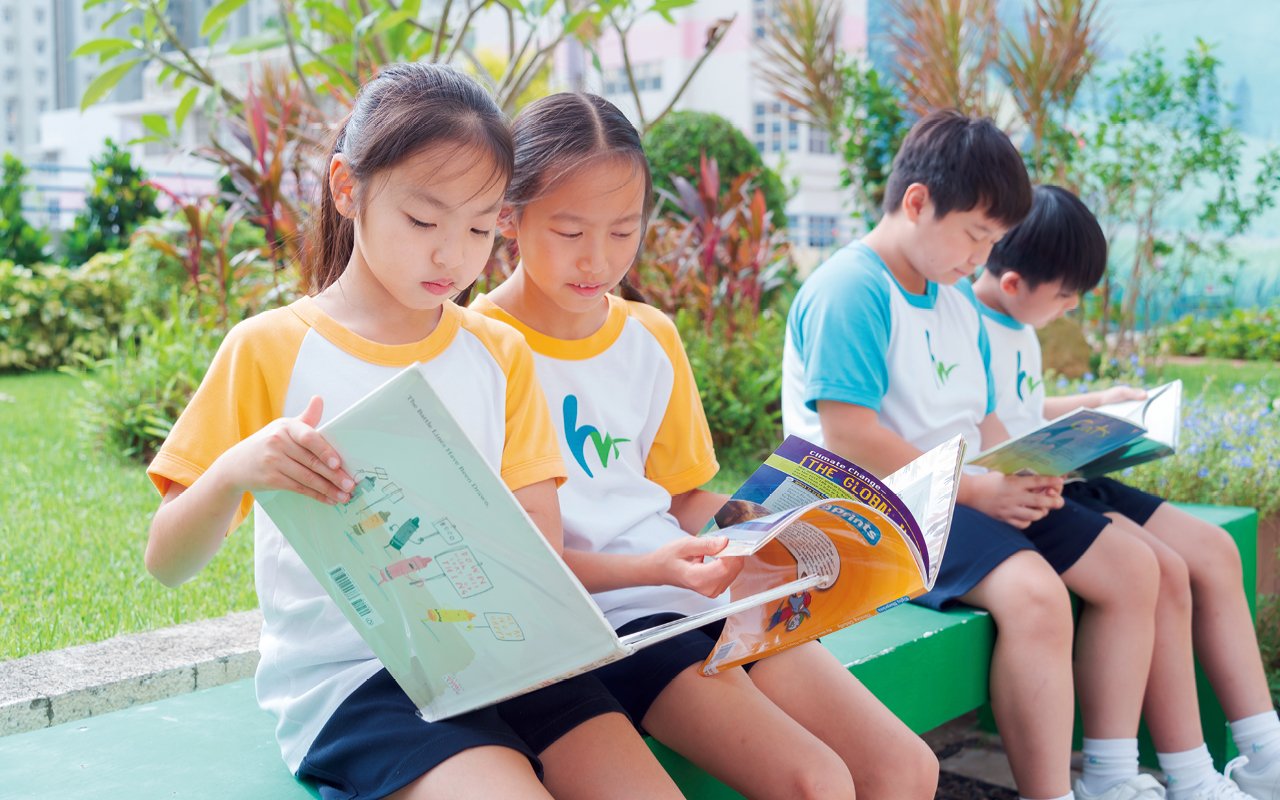
As a direct subsidy school, Hon Wah College (Primary Section) uses its advantages in resources to focus on developing a comprehensive and balanced school-based English curriculum. In addition to English days on Mondays, Wednesdays and Thursdays, the school implements cross-curricular reading in grades one to six. Foreign teachers will lead students to read books of different types and themes in class, and connect them with the learning themes of the school-based curriculum to broaden students' reading levels and achieve the effect of extended reading, thereby enhancing their reading interest and reading ability. During the reading process, the teaching team also introduces higher-order thinking training to encourage students to think and discuss, deepen learning content and promote peer interaction. At the upper primary school level, the English subject carries out experiential writing teaching, and introduces teaching activities such as thinking discussion and cooperative learning. Students first organize and share materials in the English class, and then conduct group writing and develop into individual writing. The teacher provides guidance during the process, providing appropriate guidance and suggestions to help students master writing skills.
Flexible Curriculum Framework Bilingual Teaching Policy
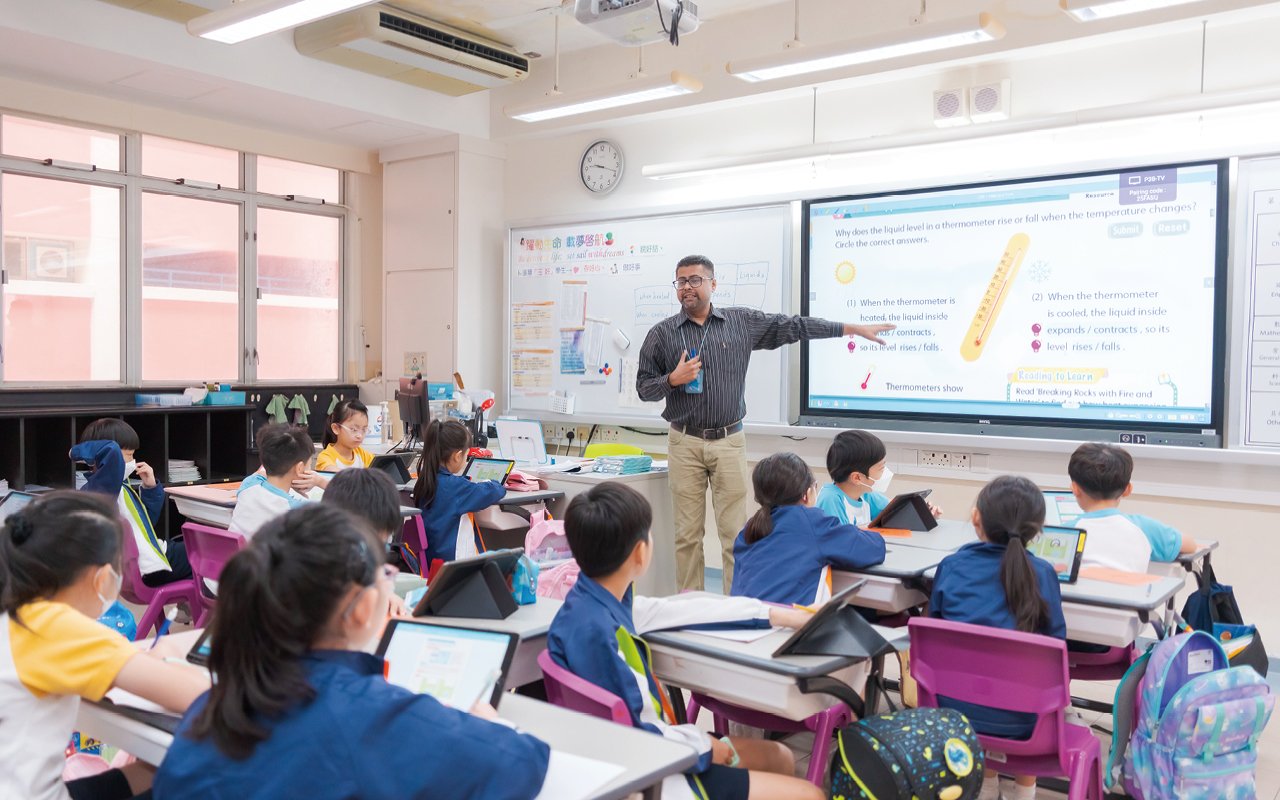
The school flexibly adjusts the curriculum framework according to students' future development needs so that students can acquire comprehensive knowledge and skills. To this end, the school extracted scientific content from the general knowledge curriculum more than ten years ago and established a "science subject", which is taught entirely in English. The course advocates more participation, more attempts, and more discussions, and encourages students to discover the key points of learning on their own. It also incorporates the inquiry-based "5E teaching method" to train students to become "knowledge leaders" who actively explore and deepen scientific concepts and knowledge. Vice President Ou said, "Most of the first-hand information in science fields is written in English. We hope that by learning science in English, students will become accustomed to reading English and explain different scientific principles through imagination and creativity, thereby inspiring innovative thinking and inquiry-based learning."
At the same time, in order to deepen students’ knowledge cultivation, the school’s visual arts classes from grades one to six are all taught in English. The course contents cover understanding of art history, evaluation of works of famous artists, peer evaluation, etc., from which they can accumulate English vocabulary and improve their cultural level. In addition, the school promotes a thematic learning model, with different themes each year, including Zentangle, harmonious pastel, artist imitation, oil pastel, etc., to deepen students' understanding of the arts. The "Han Chinese Little Painters" activity is also held outside the classroom, where students are invited to exhibit their works to create a sense of learning success and enhance the artistic and cultural atmosphere on campus.
School-wide English musical demonstrates students’ language skills
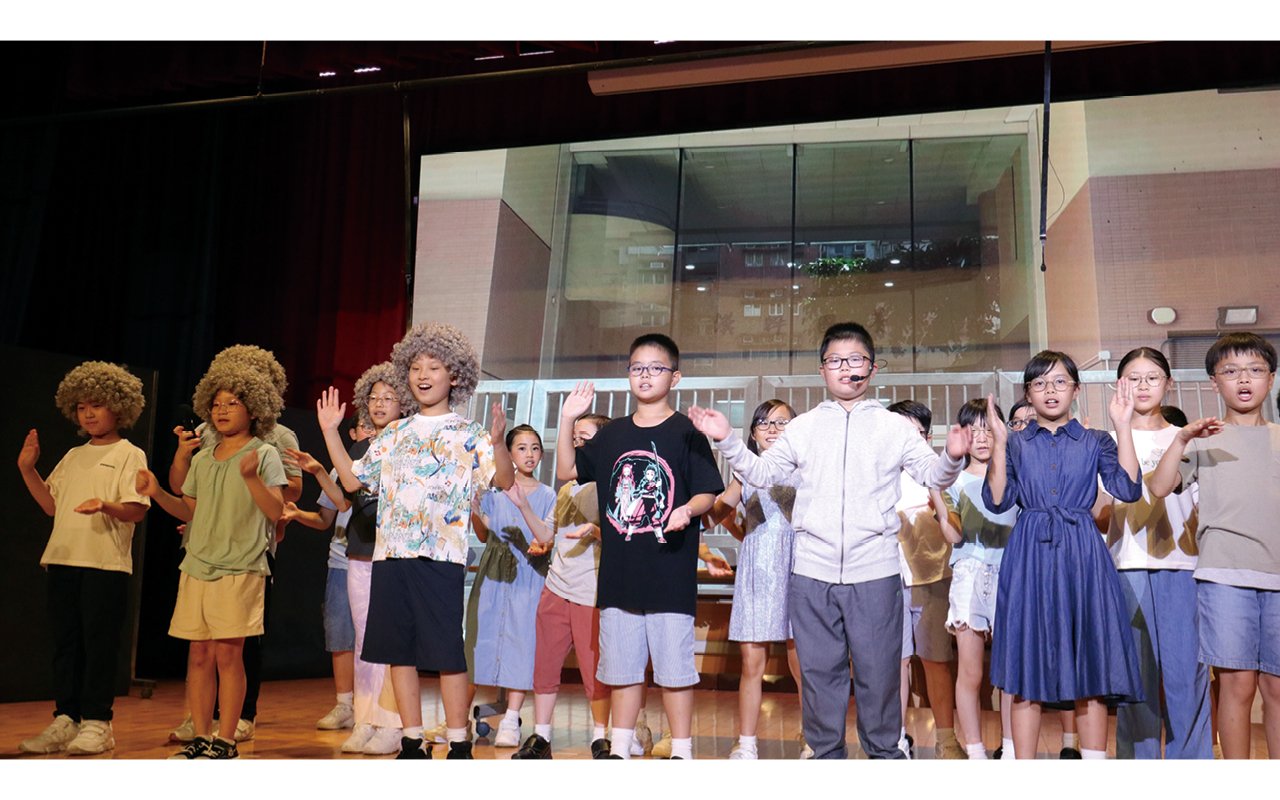
The school-wide English musical is a major characteristic learning activity of the school. A large-scale English musical performance is held every year. All students in Class 18 and all teachers work together to complete a play with rich educational significance. The school has two English drama classes every week, which are taught by foreign teachers and supported by professional theater troupes to improve students' English and social skills through drama. In the past three years, the English Department has collaborated with the Chinese and Mandarin departments to perform school-wide English-Puerto musicals, which fully demonstrated the students' excellent bilingual abilities. Vice Principal Ou pointed out: "The content of the musical is related to the school's concerns. This year's musical has the theme of caring and helping each other. We hope that through the performance, students will learn the spirit of getting along with others and helping each other."
Cross-subject learning to build common skills
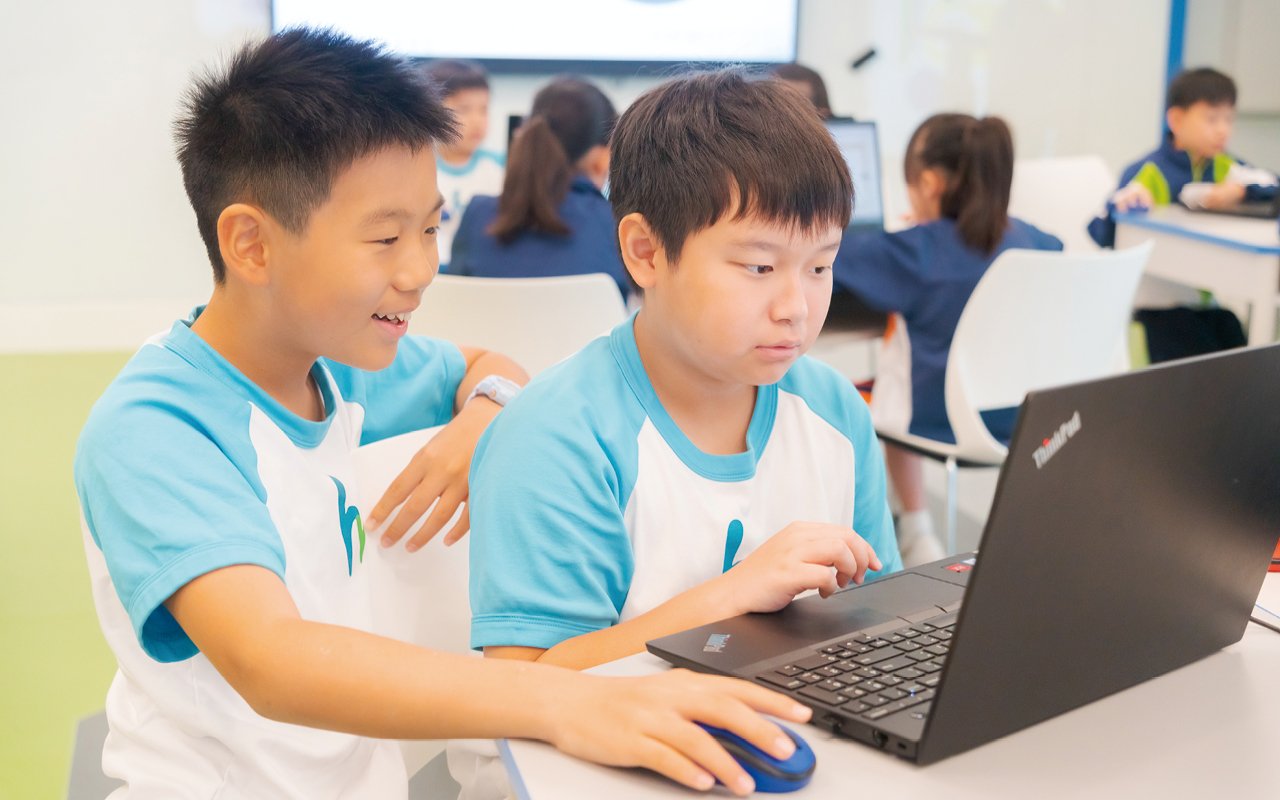
Interdisciplinary learning can help enhance students’ initiative and enthusiasm for learning and cultivate common abilities in the 21st century. The school specially designs interdisciplinary theme learning courses and designs themes to match different learning stages, such as "Children's Dream Alliance" for second grade, "Little Seeds of Dreams" for fourth grade, and "Smart" Fun Life for sixth grade, etc. The teaching team first integrates the curriculum of each subject, strengthens the subject content learned at all levels, and allows students to conduct cross-disciplinary research around a question (Problem). Through the process of data collection, sorting, analysis, synthesis, reflection, etc., new arguments are summarized to achieve the effect of deepening what has been learned in the classroom and constructing new knowledge.
Vice President Ou added that interdisciplinary thematic learning courses can help students explore their strengths and abilities and enhance their learning confidence. At the same time, the course combines career exploration elements to help students set life and career goals, prioritize the goals according to their importance and consequences, and implement the plan step by step to cultivate analysis and evaluation, learning and social skills, and establish the characteristics that outstanding talents in the future must possess.
Comprehensive school-based curriculum structure to improve English learning effectiveness
Hon Wah College (Primary Section) · 2023年12月
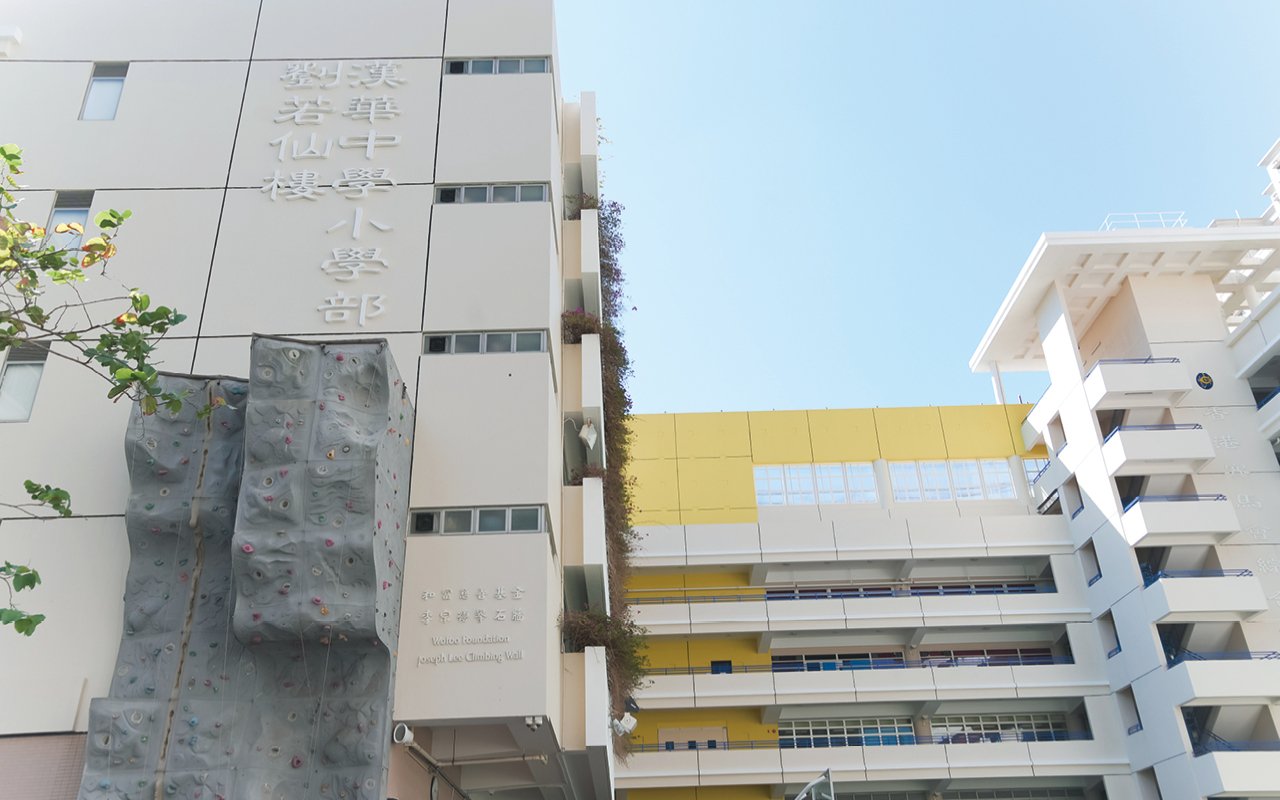
school building

This English version is translated by AI. If there are inaccuracies or omissions, please refer to the original Chinese text.