
Buddhist Wong Cheuk Um Primary SchoolRegard students as seedlings and irrigate them carefully, encourage them to grow slowly and discover their strengths. The school actively promotes reading, cultivates students' independent learning abilities, and introduces cross-curricular reading to combine subject knowledge. The school also holds an English Day to lead students to simulate traveling to many countries and learn cultural nutrients through having fun. At the same time, an immersive English context is created through robots and interactive classrooms. New students will also take an English assessment before starting school to take care of learning diversity. The school also arranges various experiential activities every afternoon to allow students to practice what they have learned in a pleasant and interactive environment.
Give full play to students’ personal characteristics so that everyone can shine
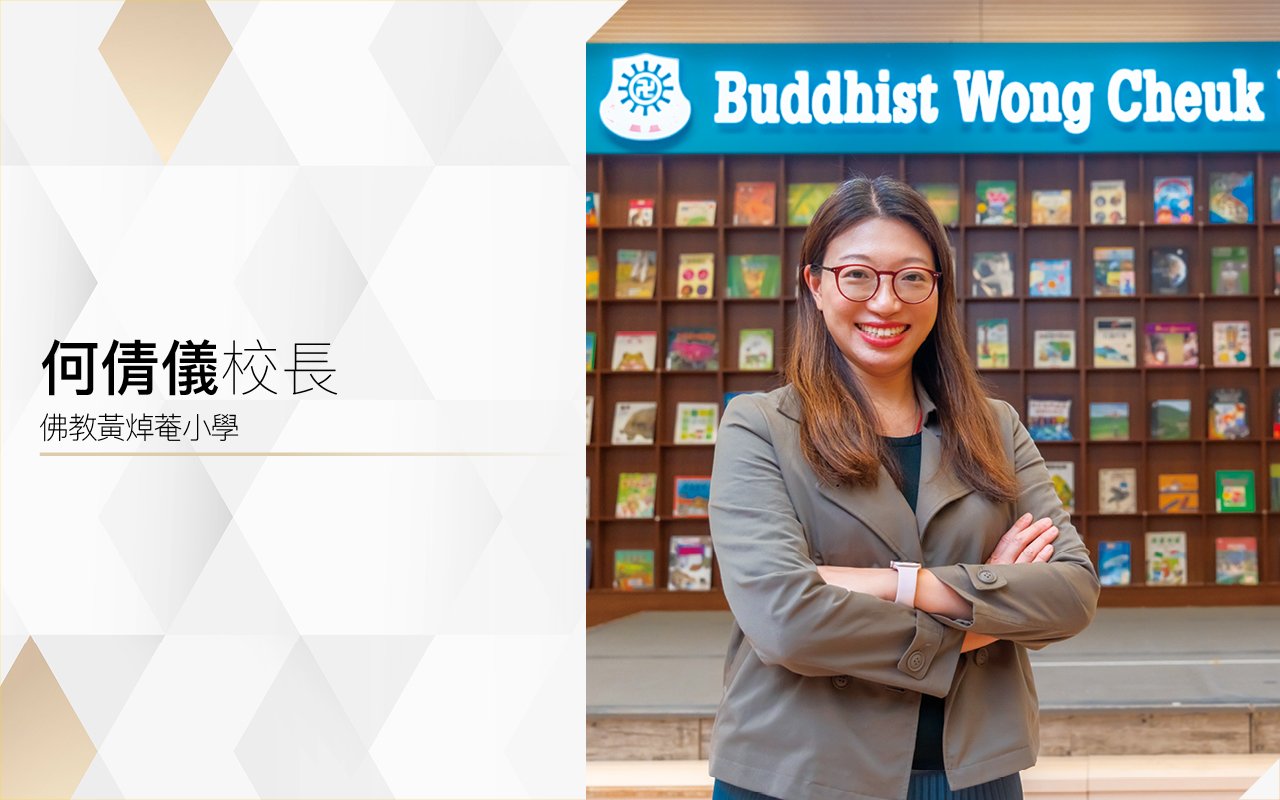
Principal Ho Sian-yee told the story of bamboo, using the time required for seedlings to grow, reminding students not to be too hasty. She pointed out that although bamboo looks ordinary, as long as its characteristics are properly utilized, there will be room for development, and she encouraged students to discover their expertise and everyone can shine. This illustrates the school's teaching philosophy - "Excellence, unity, and full potential", which means to stimulate students' potential ("Excellent"), provide a pleasant learning environment ("Yue"), cultivate empathy ("Together"), and encourage them to actively participate in different activities and competitions ("Exhibit their full potential"). Principal Ho hopes that students will understand the truth and practice the wisdom and compassion referred to in the school motto of "Wiseness and Compassion."
Strong reading atmosphere and diverse forms of sharing
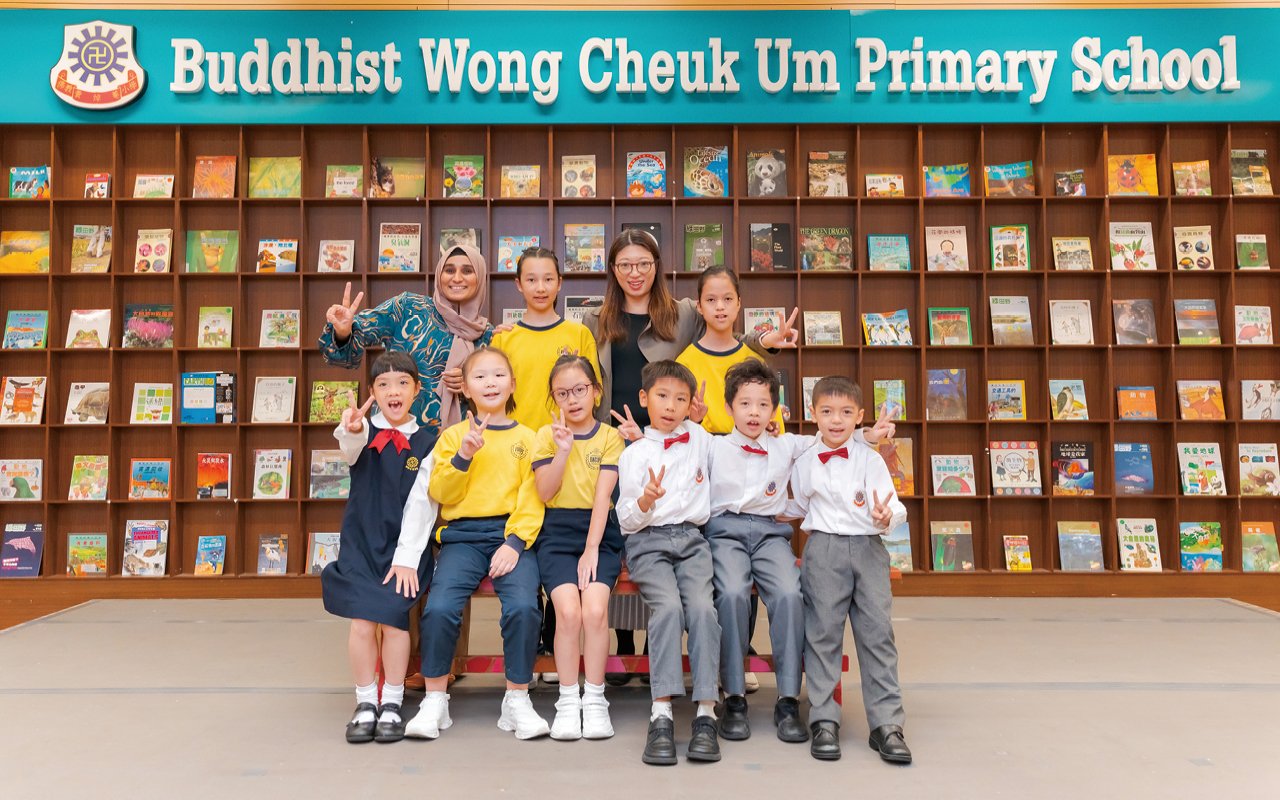
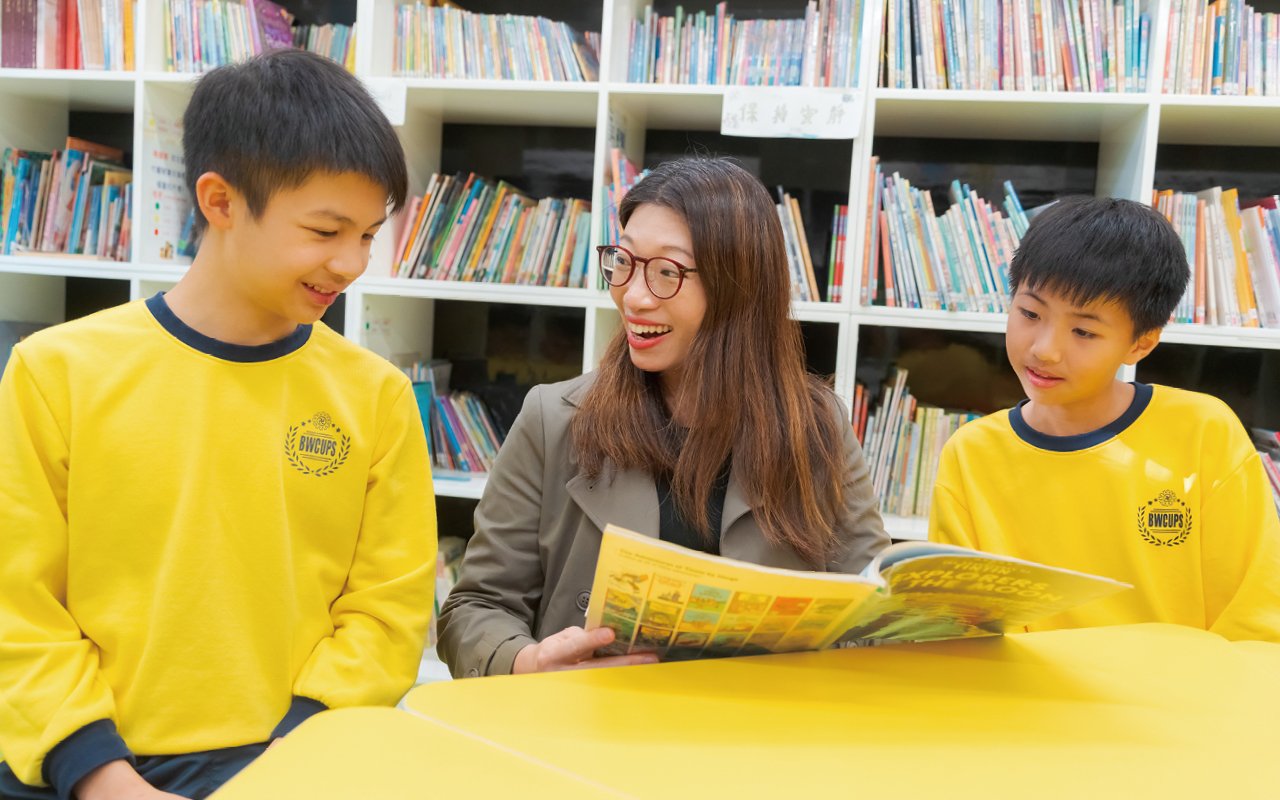
In order to help students explore their potential, the school attaches great importance to cultivating reading and information literacy, and expects students to become independent learners. What students see when they step into the school gate every day is a beautiful book wall, and the gardening club is updated every three months to create a reading atmosphere. Principal He considered that students were afraid of too much text and resisted reading, so he purchased three-dimensional books and introduced electronic tools such as VR and AR books to allow them to listen to the content. In the morning, two foreign English teachers were arranged to tell stories in the classroom. During the reading class, teachers and students read together to cultivate reading habits. The school has also invited the author to the school in the past to talk about his creative ideas and share the joy of reading. Some students were even attracted by the detective story "Sherlock Holmes".
After finishing reading, students will summarize their experiences by designing bookmarks and writing postcards. Under the guidance of the teacher, they introduced the content of the book on postcards, selected one of the story elements such as characters, illustrations, and morals, and shared what they admired. The postcards will eventually be sent to Taiwan, allowing students to make pen pals and create incentives for reading. In the past, students also participated in story speech competitions, presenting their reading results in the form of speeches and internalizing knowledge through content output.
Theme-based teaching model: applying knowledge learned
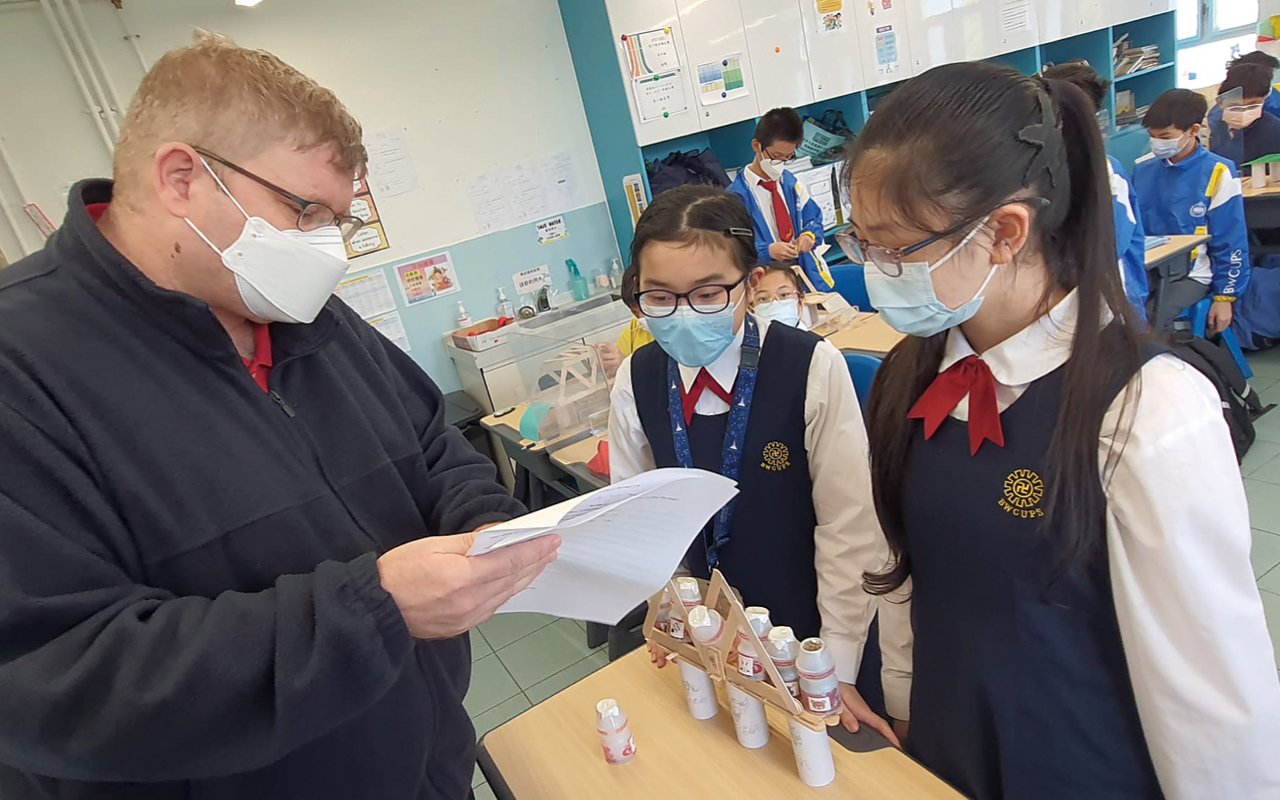
The school actively promotes cross-curricular reading, connects English with other subjects, conducts theme-based teaching, and encourages students to apply what they have learned. Teacher Leung Chin-hung, head of General Studies, introduced that the third grade class uses the theme of smart consumption and takes advantage of the school’s geographical advantage of being located in Causeway Bay with numerous shopping malls to teach the concepts of “wants” and “needs”. Through situational questions, students are allowed to choose gifts according to the budget, and learn about consumer responsibilities and rights from reading, and are reminded that theft is inappropriate behavior; when talking about healthy eating in fourth grade, students need to design healthy food and games for birthday parties based on the food pyramid; in fifth grade, the life and characteristics of inventors are used to let students understand the importance of perseverance and other values. At the same time, they are encouraged to use their creativity and solve problems through daily observation; the sixth graders are concerned about the survival threats and conservation of endangered animals, and understand the "ecological bridge" designed for animals and how to allow them to cross safely. Students will start with picture books, slowly construct concepts, and then personally design a model of a bridge. Finally, they will use weights to represent animals to test the load-bearing capacity and incorporate design thinking.
In addition, following its participation in the DreamStarter program in the past, the school this year uses its own integrated curriculum to promote students to enter the community, understand the needs of others, develop their own strengths, and cultivate empathy. Teacher Liang shared: "The purpose of the "Life is Not a Game" project is to use table games to allow students to care about the lives of stray cats and dogs and think about their needs and pains." The game simulates animals waiting for adoption in a shelter. The faster the player reaches the end, the sooner their lives will end, thus expressing their plight. Students are required to introduce the game in English and write a Chinese and English version of the rule manual to help improve their speaking and writing skills.
English Day Fun Experience Multi-national Culture
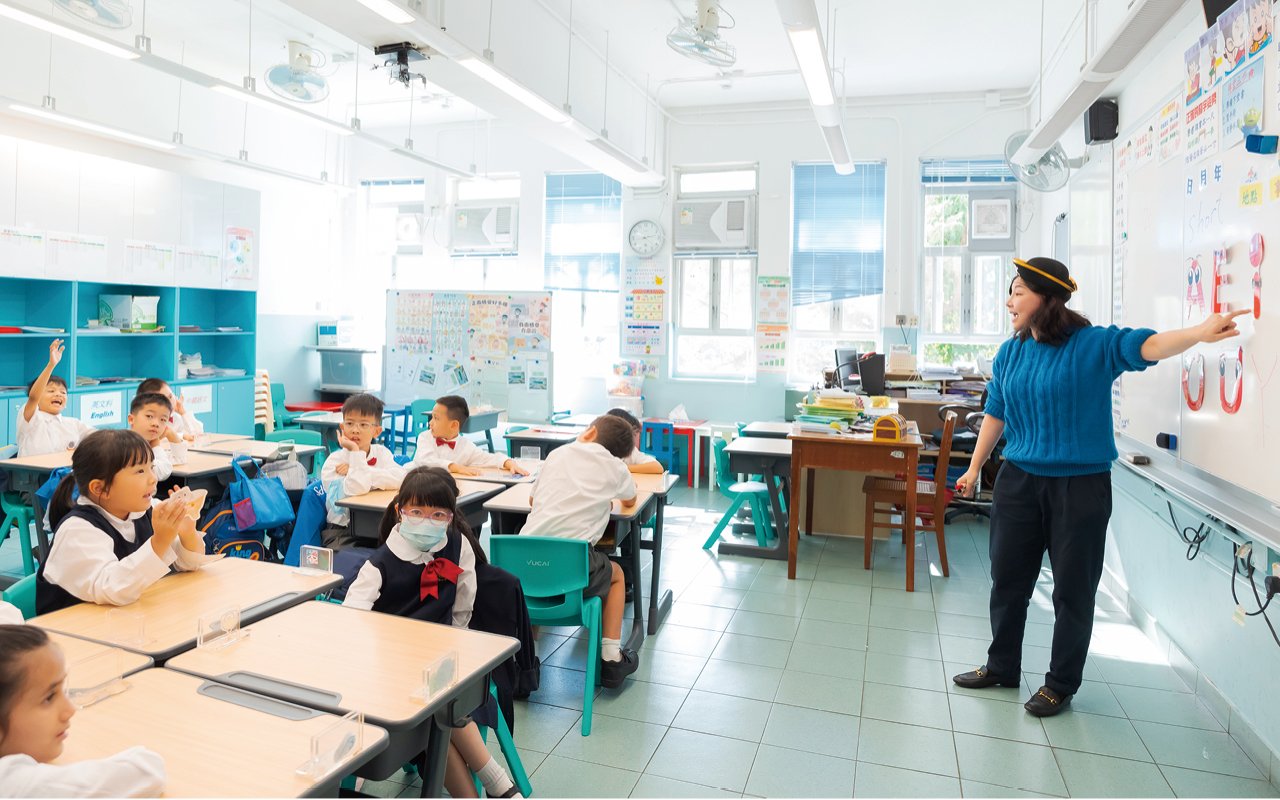
In order to increase students' engagement in learning English, the school specially held an English day to create an atmosphere of enjoyable learning English, allowing students to hold props and boarding passes, walk around in classrooms with different country themes, travel around in English, and learn about local customs. Teacher Huang Xiaowen, director of the English subject, shared that different themed activities will be designed that day, such as teaching students to make kites and experience Brazilian culture. Foreign English teachers will also display collections of jewelry to allow students to get in touch with Indian clothing culture first-hand, attracting them to try them on with excitement. Students can also experience emerging sports such as Finnish wooden chess and American dodgeball, and experience the flamenco dance that originated in Spain. At the same time, the teaching team will distribute tokens to students based on their class performance and grades in advance, allowing them to redeem their favorite food on the day of the event. The meals on that day will also match the national theme, such as burritos, etc. Parents of students gave greater support to the event and enthusiastically discussed the dishes beforehand to enhance home-school cooperation.
Create context, promote self-study, and talk to robots
The school attaches great importance to the application of 21st century innovative technologies and has deployed multiple robots called Talkbo in the classroom to communicate with junior primary school students in accordance with the course content. Teacher Huang pointed out that students can choose advanced topics for self-study as needed. Even if the pronunciation is inaccurate, Talkbo will encourage students to repeat their speech to achieve the effect of trial and error.
In addition, the school has built a digital three-dimensional mobile astrology museum, a starry sky tunnel, etc., combined with the school-based astronomy curriculum and incorporating English vocabulary. The immersive activity room takes students on a virtual zoo tour, allowing them to learn animal words and sentences through a realistic environment. Teachers also do not forget to combine real life experience in their daily teaching. For example, when teaching Living Room and Dining Room, they explain that due to limited space, Hong Kong families often combine the living room and dining room. By connecting English learning with daily experiences, students are more willing to share their personal experiences in the classroom.
Promote teaching in accordance with aptitude and assess English proficiency
In order to cater for the different learning needs of students, the school incorporates gifted education elements into daily classes and arranges students with strong English proficiency to participate in top-notch extracurricular activities. Principal He said that thinking tools will also be added to the subjects to consolidate the knowledge structure. For example, the Design Thinking model is used to allow students to pay attention to changes in the surrounding environment and think of ways to improve and implement it. "When students find that they are not doing well enough, they will revise it again and learn how to solve the problem through continuous learning."
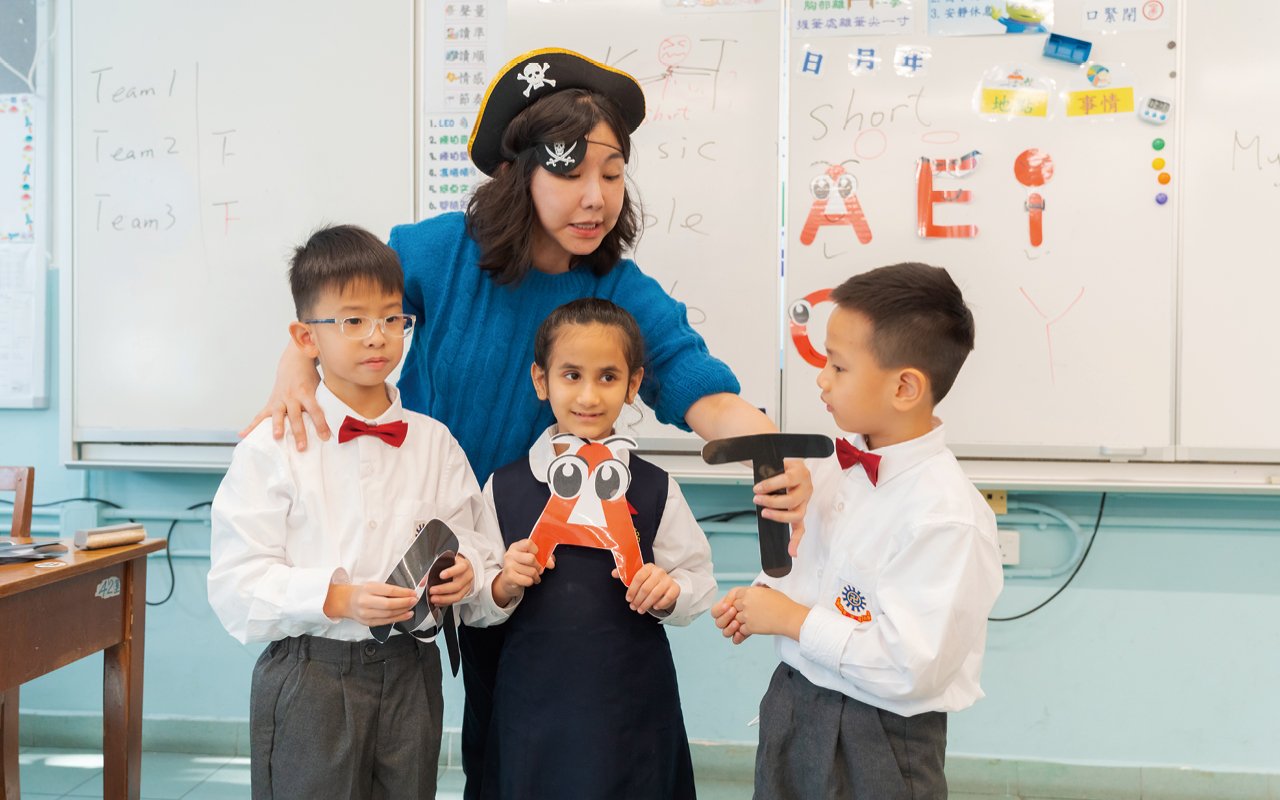
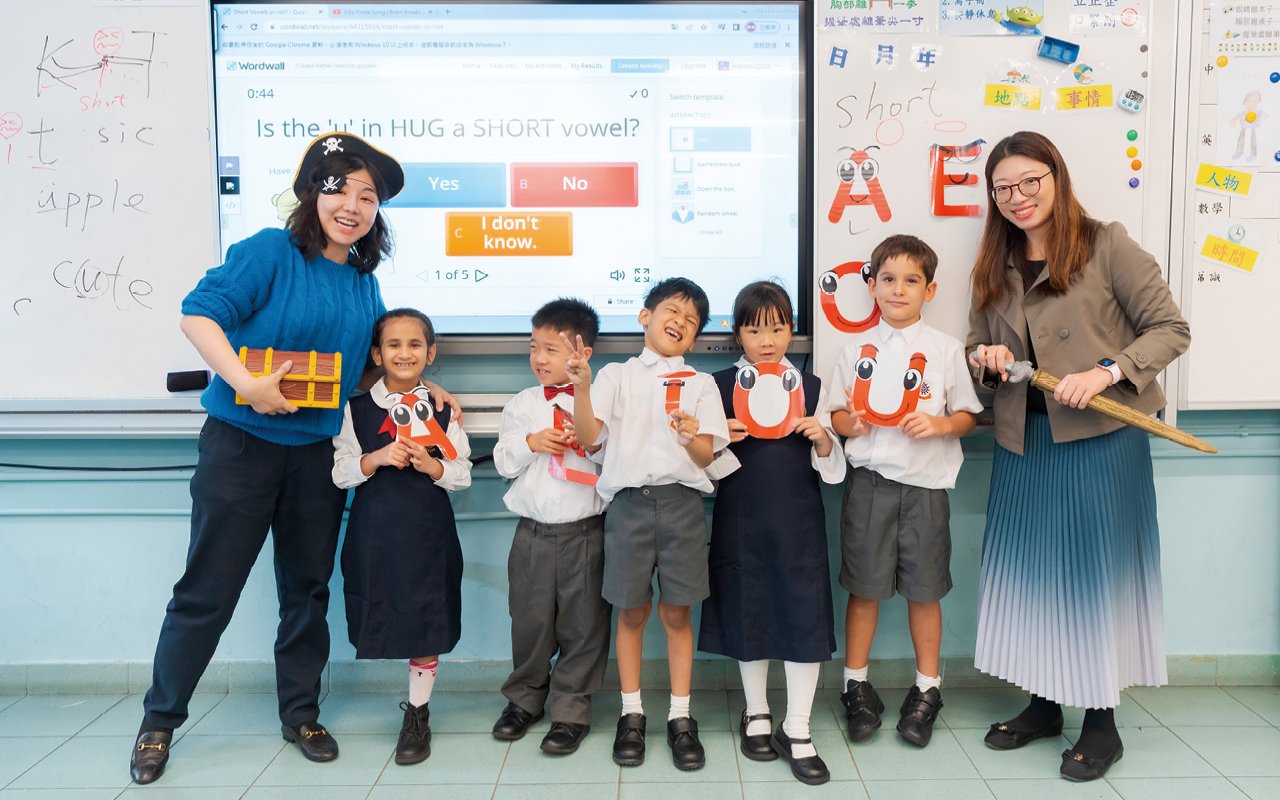
For new students, the school will arrange the "Primary One Entrance English Assessment" to understand their English proficiency in 10 areas, and "prescribe the right medicine" through two parts: paper and pencil and oral. The teacher will add challenge questions to the worksheets for students with stronger abilities to try; for students who are strong in speaking and have weak writing abilities, they will carefully observe their writing and fine motor development. The use of layered classrooms will help them train the syllables and spellings of new students at the same time. The school will introduce the "word dismantling method" to teach pronunciation starting from vowels (vowels), and gradually add different English letters so that they can master the skills of stringing words together.
Diverse experience activities to practice what you have learned
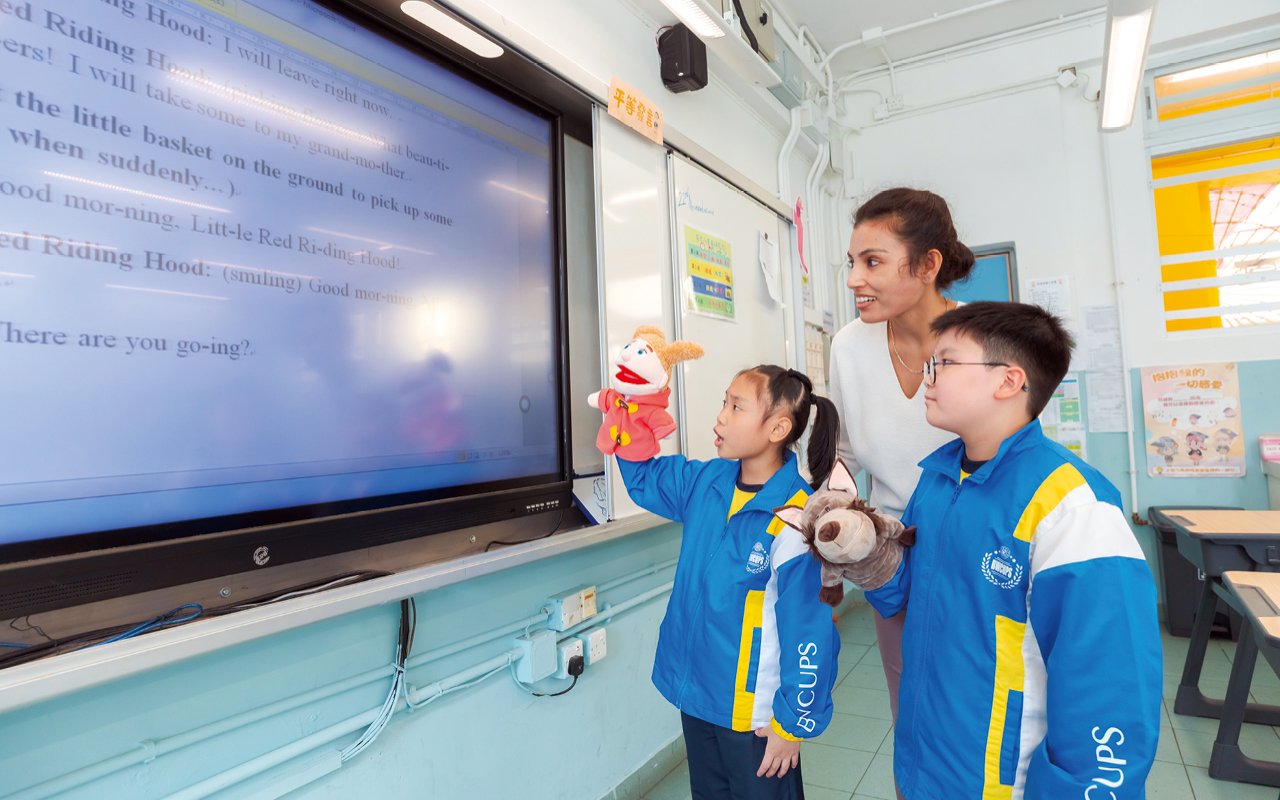
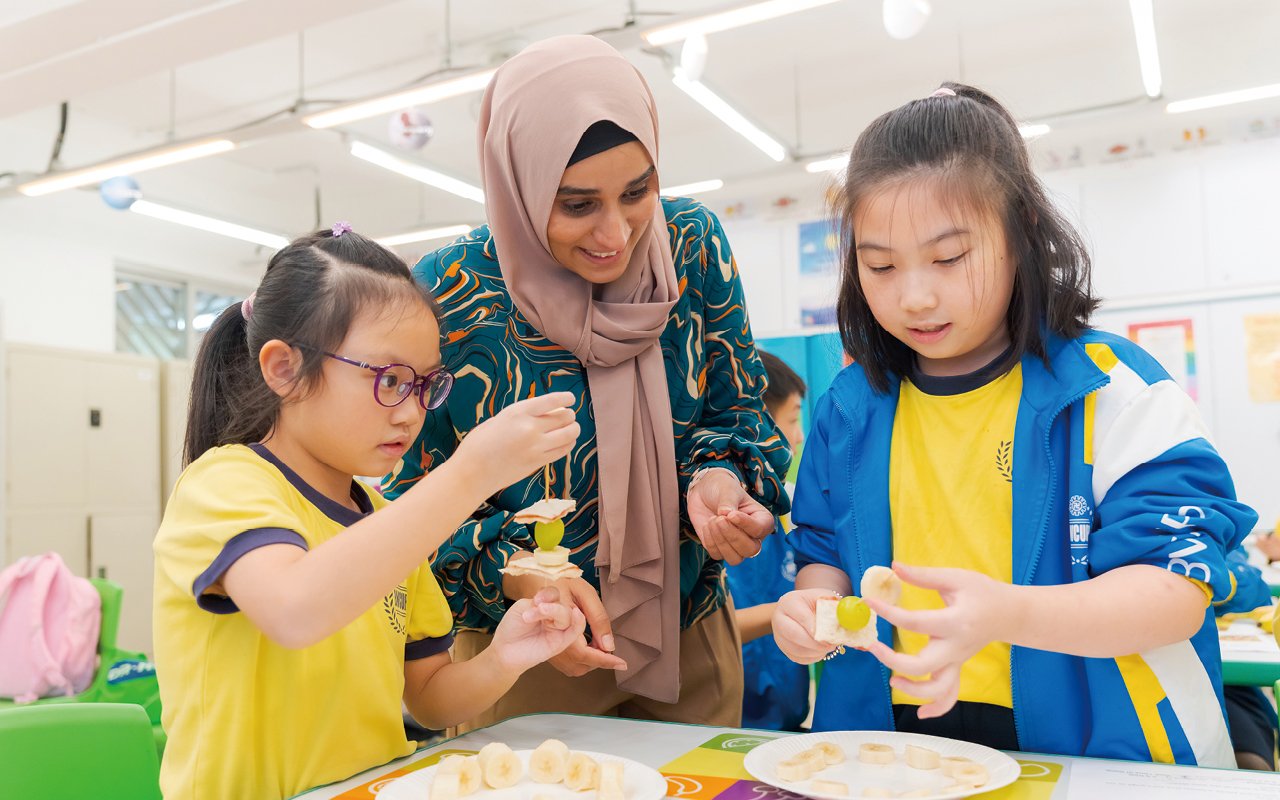
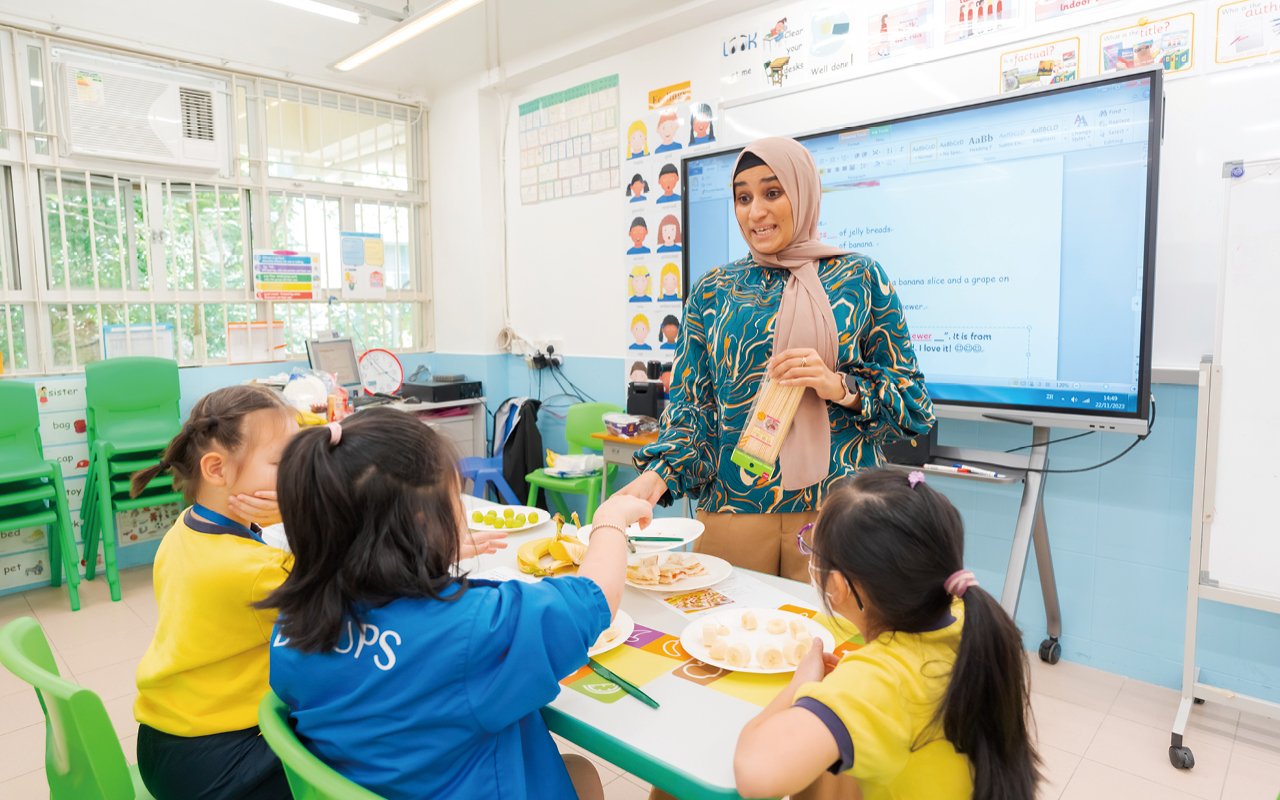
The "Learning and Playing" timetable is a major teaching feature of the school. Subject courses completed in the morning will be practiced in experiential activities in the afternoon to achieve enjoyable learning. The school arranges different activities every day, such as: an English puppet class led by a foreign English teacher; an English playgroup that covers crafts, storytelling, etc.; an English kitchen is set up to teach students cooking-related vocabulary, infiltrating English grammar and food culture; and an English drama allows students with strong abilities to try out script writing, learn drama skills, and strengthen their expression skills in speech and body language. Students with poor English skills can also work behind the scenes and learn to make backgrounds and props from the visual arts teachers. In addition to leading English activities, English ambassadors also need to help introduce other on-campus activities to help improve speaking skills and self-confidence.
In addition, in order to meet the needs of different courses, English pinyin classes are offered in the lower grades to strengthen pinyin and listening and speaking exercises; English interview classes are arranged in the upper grades to prepare for the transition to middle school. The latter not only trains self-introduction skills, but also sets up situational questions to practice in order to be close to the interview content, such as asking students which super power they want to have. Through various activities, the school is committed to making students feel the fun of learning English and helping them explore their potential.
Grow with heart and learn English happily
Buddhist Wong Cheuk Um Primary School · 2023年12月
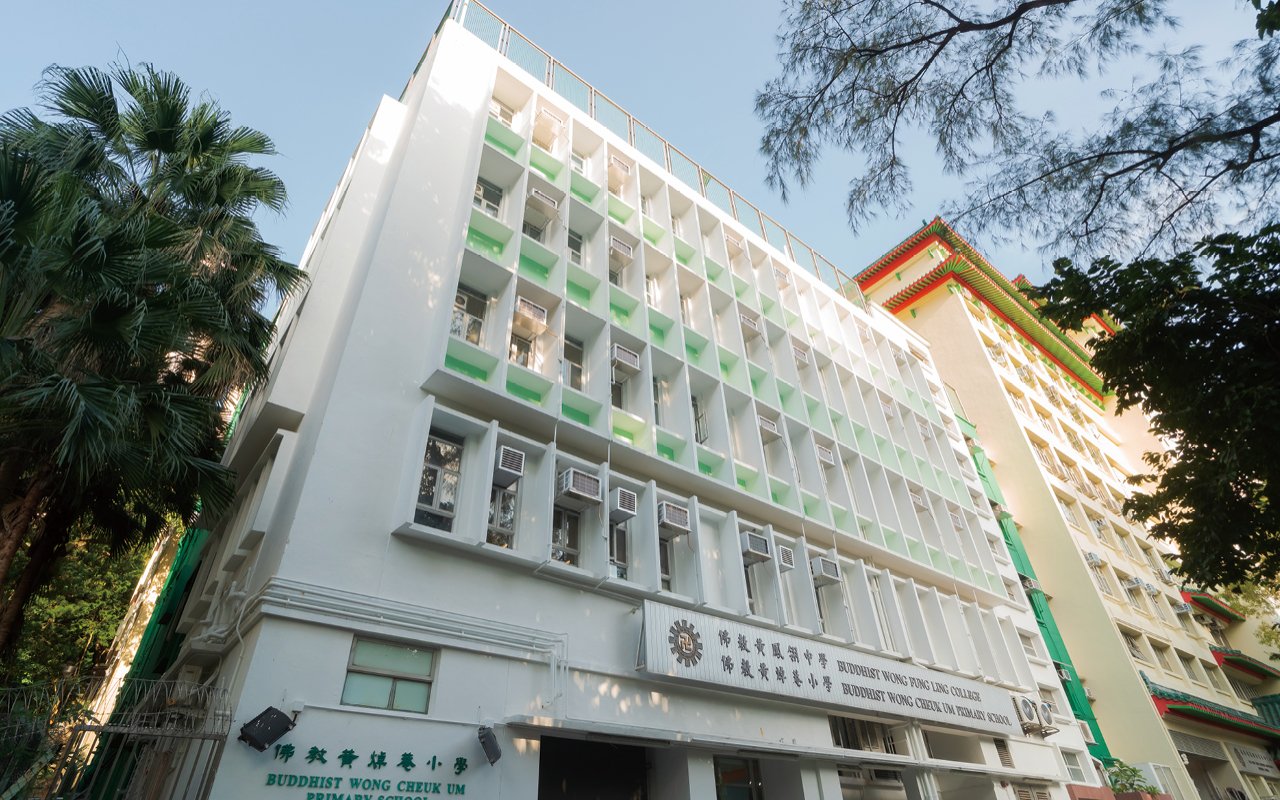
school building


This English version is translated by AI. If there are inaccuracies or omissions, please refer to the original Chinese text.