
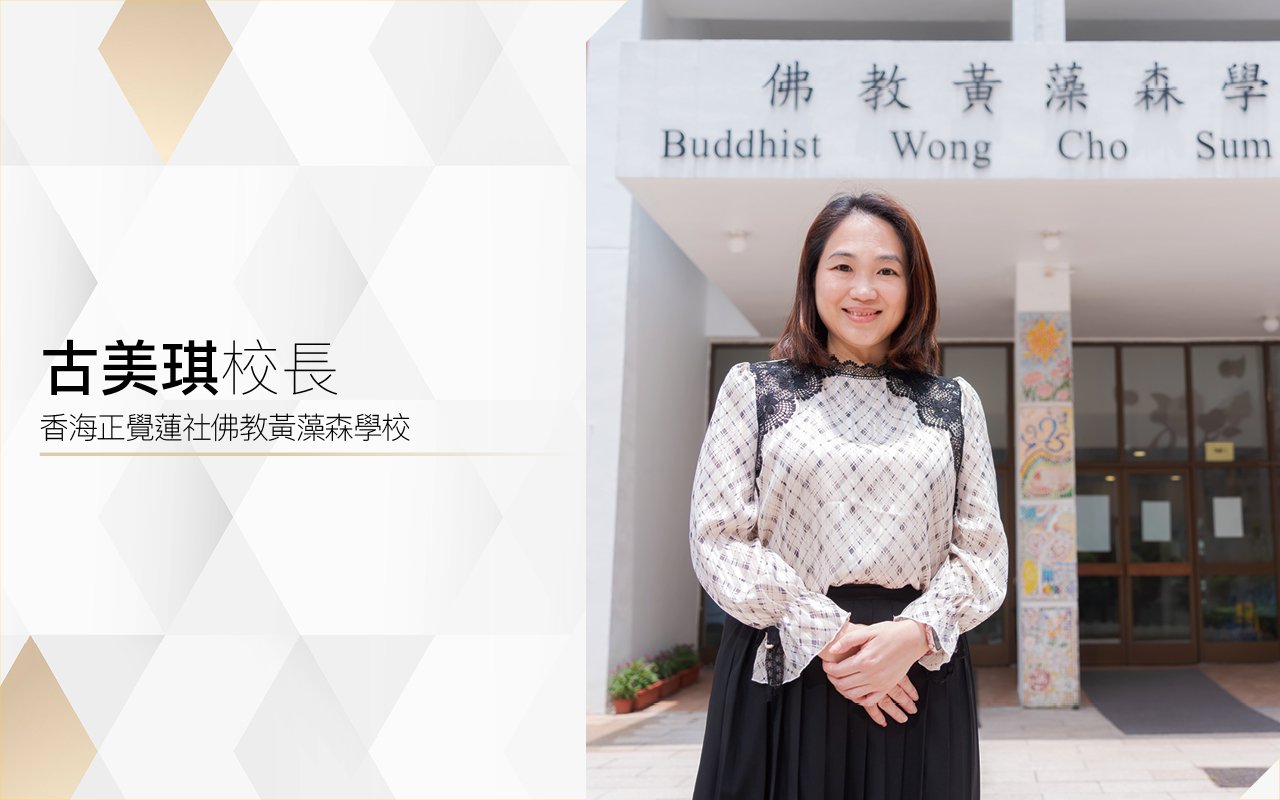
HHCKLA Buddhist Wong Cho Sum School With the mission of cultivating students' "right knowledge, right views" and "inspirational learning and behavior", we are committed to promoting high-quality education so that students can have balanced development in the six aspects of education. Principal Gu Meiqi has rich educational experience and has served the school for more than 20 years. She firmly believes that every child has unique potential, but everyone learns differently. Therefore, in terms of English learning, the school adopts diversified teaching methods, through strategies such as interdisciplinary reading, experiential learning and e-teaching, so that students can learn English happily and apply English in daily life.
Interdisciplinary reading to cultivate the spirit of inquiry
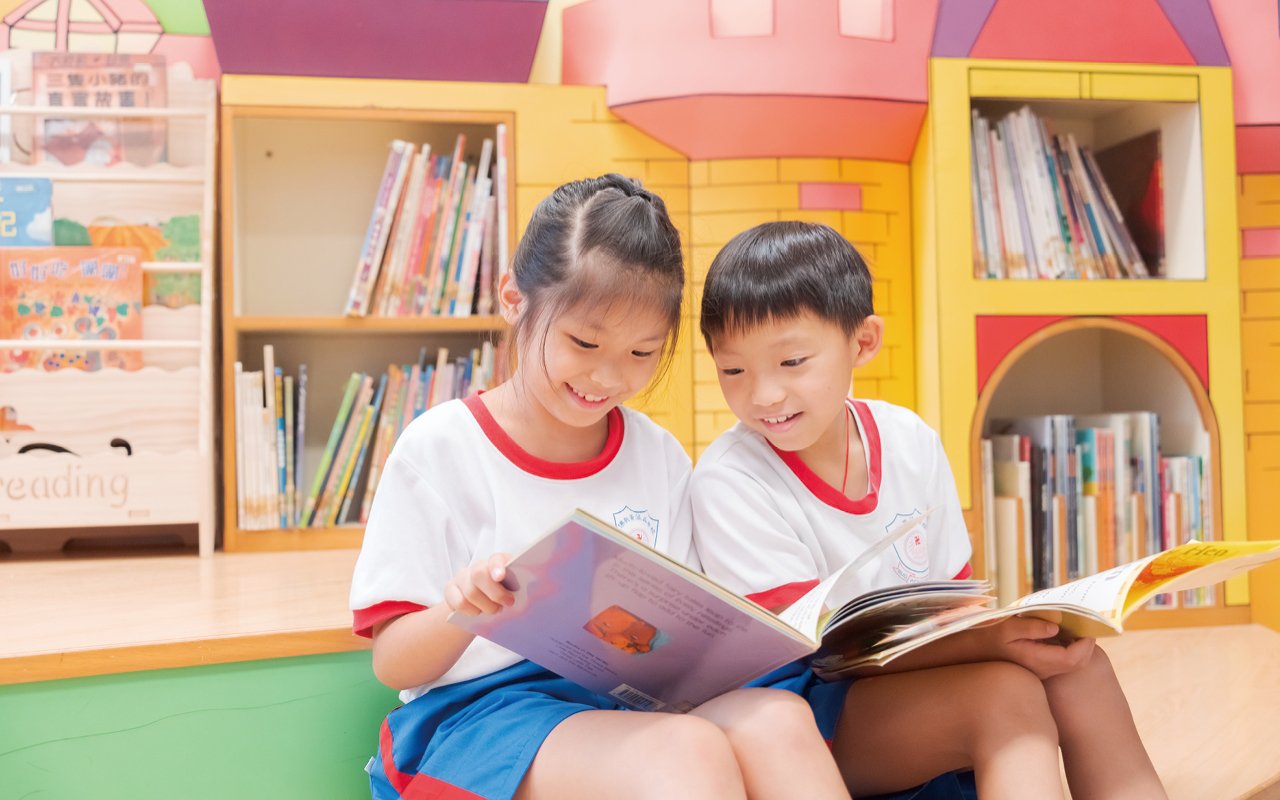
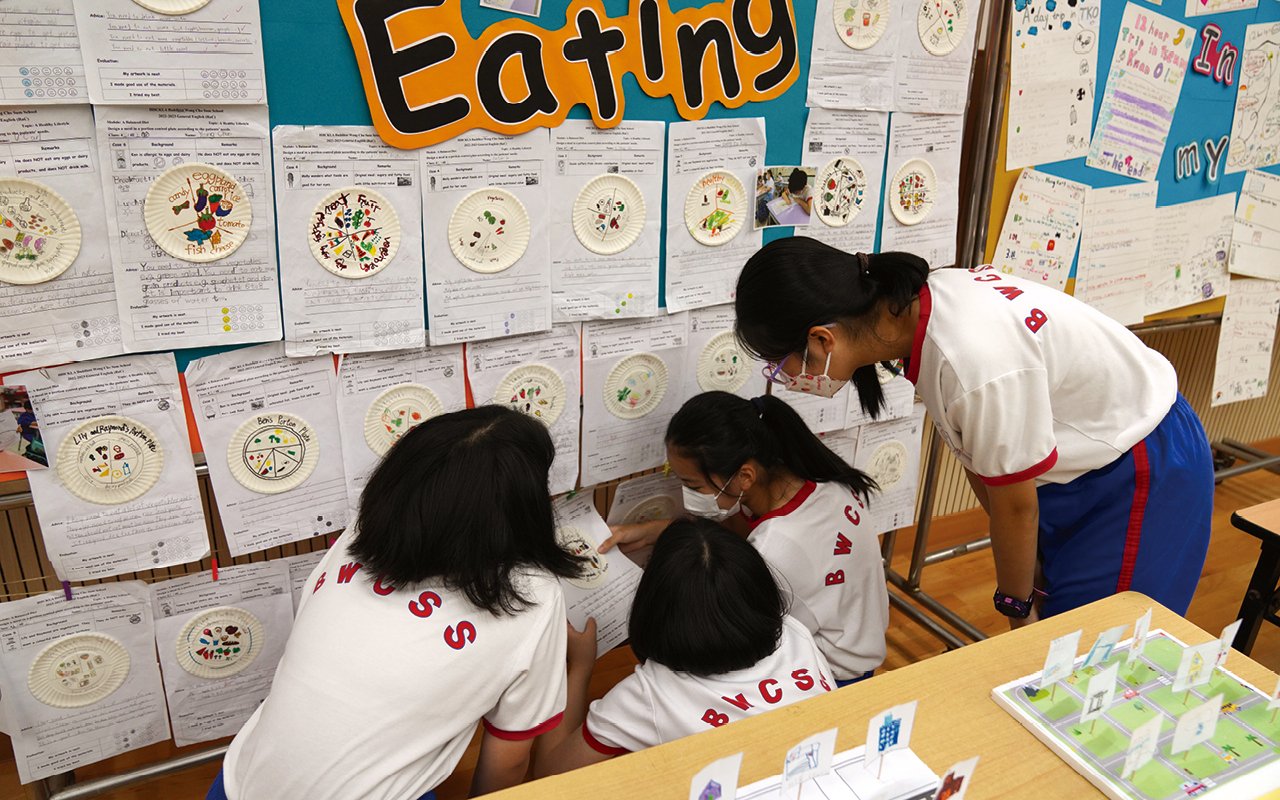
Reading is an effective way to improve English proficiency. Interdisciplinary reading not only allows students to lay a solid language foundation, but also broadens the level of knowledge absorption. The school adds interdisciplinary reading elements to the English curriculum from Primary 1 to Primary 6 to help students combine English with knowledge points from different subjects. By reading English articles, students can improve their reading and comprehension skills and develop their topic research skills. For example, on the topic of healthy eating, fourth grade students need to read an English menu, research whether the food in it is healthy and beneficial, and then design a healthy eating menu based on their research results. During the process, students were not only exposed to the English vocabulary of different foods, but also learned scientific knowledge about healthy diet and food nutrition. The school has used interdisciplinary learning in English since childhood to cultivate students' inquiry spirit and situational learning ability, paving the way for future transition to middle school courses.
Create English context and transform "knowledge" into "skills"
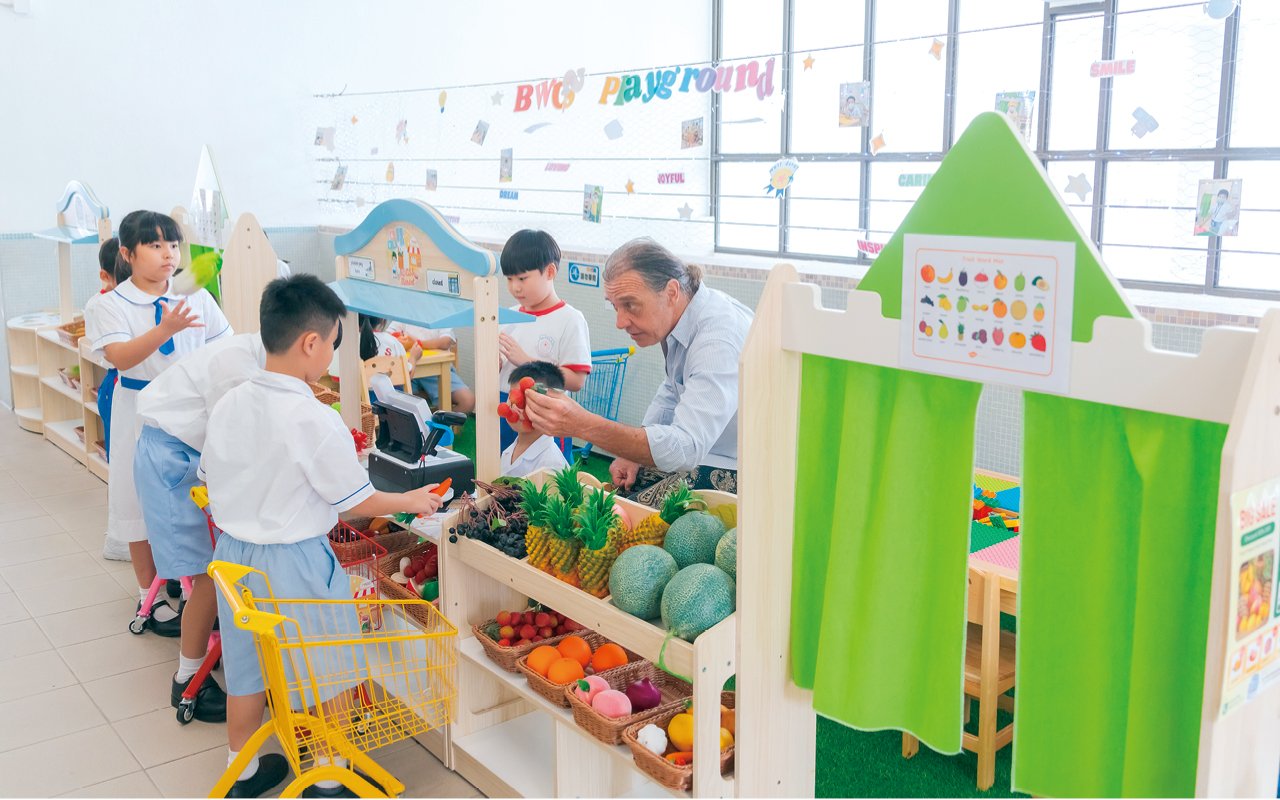
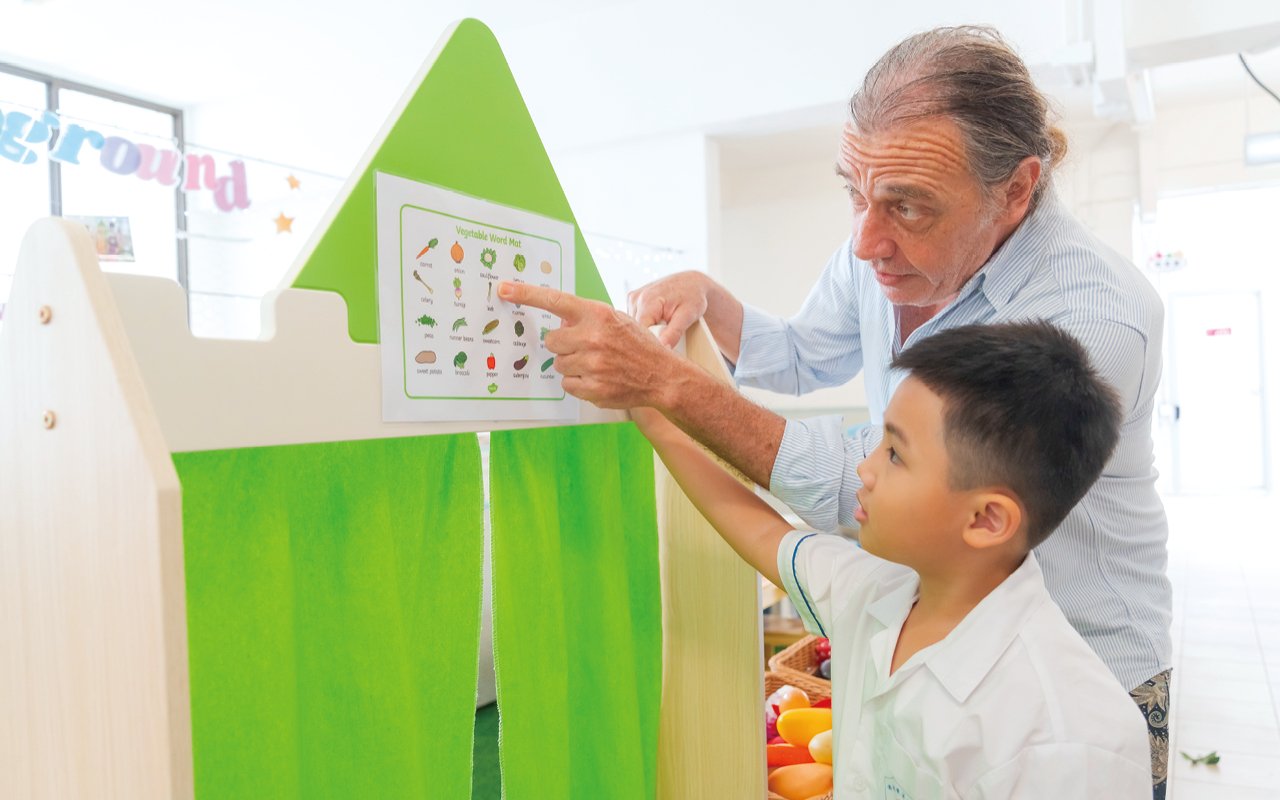
The school focuses on building a strong English learning environment, with the purpose of creating real situations for students, giving them opportunities to practice English skills in life, and transforming knowledge in books or classrooms into their own practical application abilities. There is a "simulated market" on campus for students to learn English topics about the market and trading, and through role-playing, they can understand and apply knowledge in a more concrete and simple way. The situational learning model also allows students to apply the English vocabulary and sentence patterns they have learned in actual situations, thereby improving their English oral expression, communication and English listening skills.
At the same time, the role of "simulated market" is not only within the classroom, but also outside the classroom. Students can engage in English activities in the "Simulated Market" during recess, such as English corner performances or interesting English games. Allowing students to make good use of this English context will make learning English more interesting and virtually encourage students to actively participate and invest in English learning. More importantly, students can gradually build up their self-confidence in learning English through role-playing and various activities, and dare to use English freely in different situations in life.
Immersive learning experience, applying English in real situations
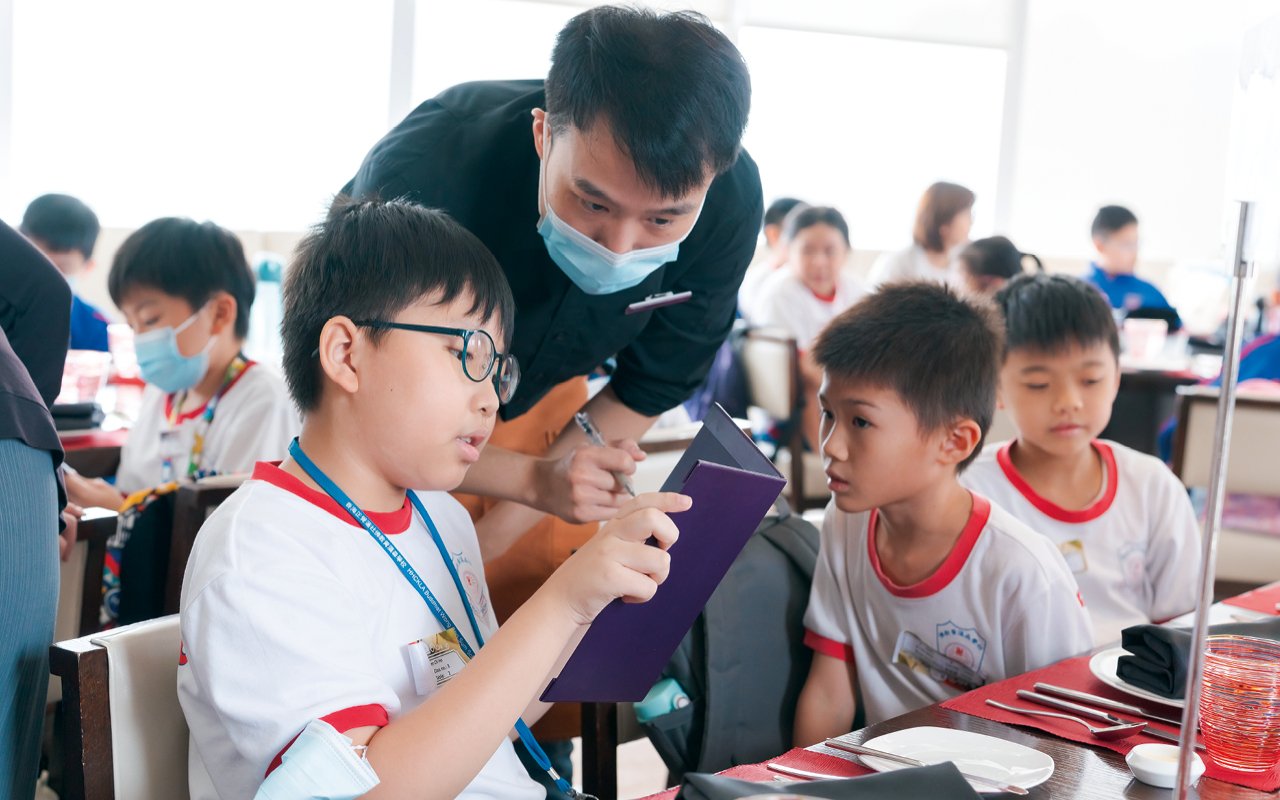
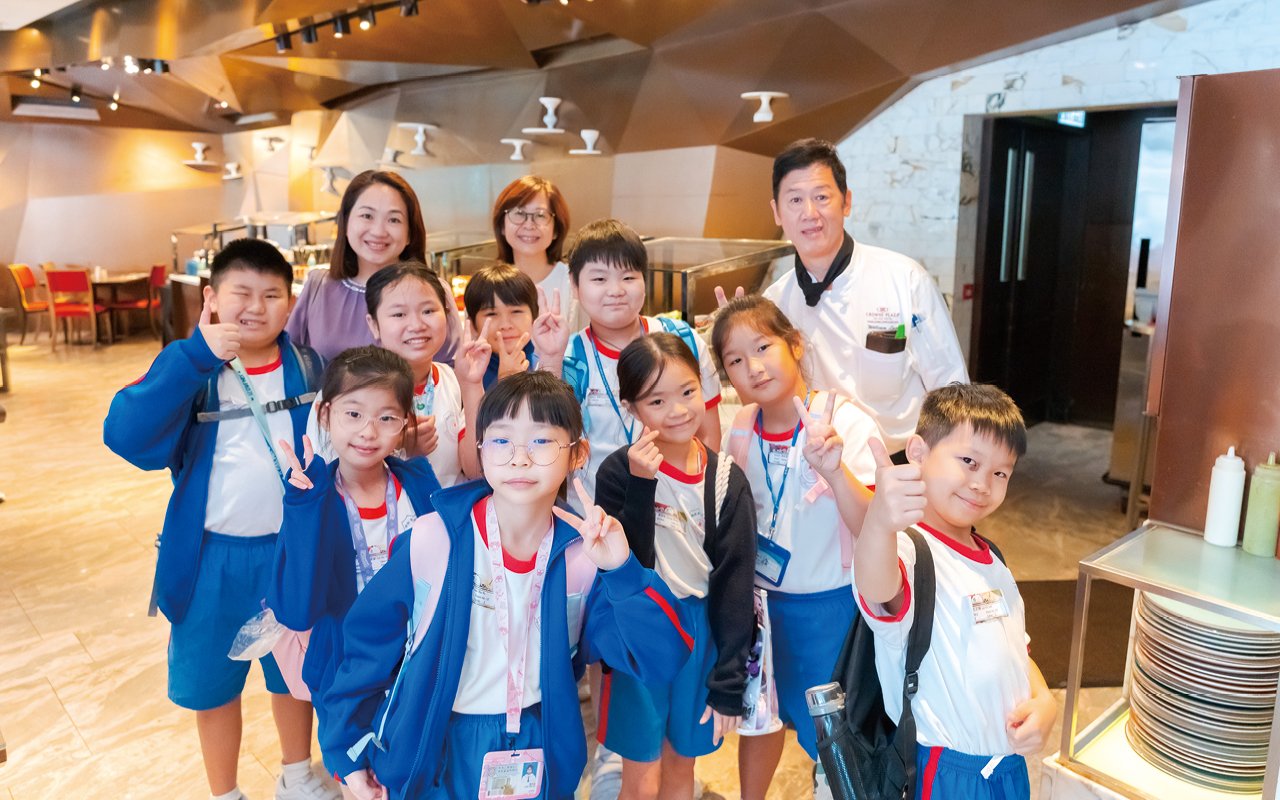
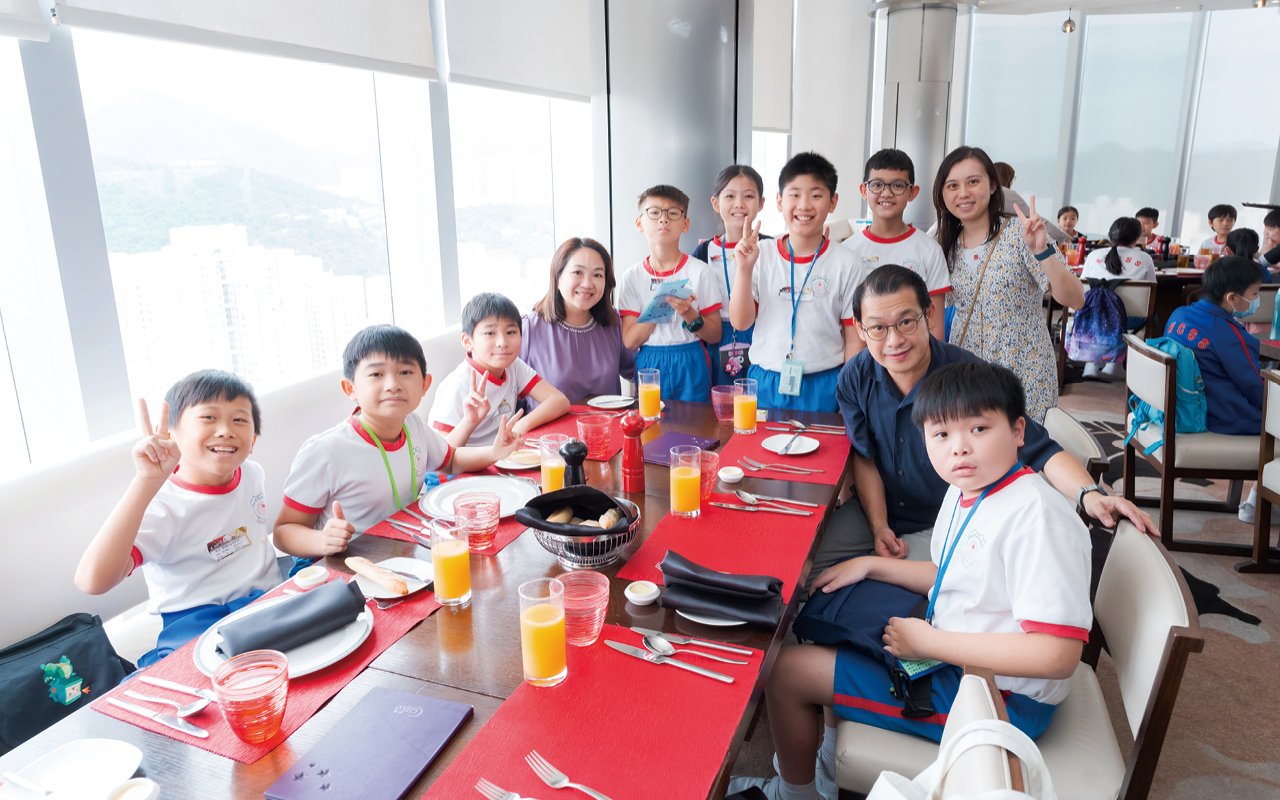
Experiential learning allows students to comprehensively enrich their learning content and enhance their interest in learning through personal experience, thereby stimulating their exploration and learning of new knowledge and skills. Therefore, the school specially designed an experiential English learning course and led all fourth-grade students to a five-star hotel for immersive experiential learning. The entire activity was conducted in English. The hotel staff introduced the hotel's Chinese and Western restaurants, family suites, banquet halls, etc. in English, allowing students to understand the English communication and skills involved in world-class hotel services, and thus understand the importance of English for future development. Principal Gu pointed out: "Today's English teaching can no longer be limited to schools. It must allow students to experience more. Students do not always have the opportunity to contact five-star hotels, so this just gives them an opportunity to learn and experience."
At the same time, the school arranged for students to have lunch in a hotel, and foreign teachers explained Western table manners to the students, such as the difference between spoons and teaspoons, reminding students of "dos and don'ts" during meals, etc. Director of the English Department Director Lie Shuxian said: "Let the students try to order food in English and use the English words and food names learned in the class in daily life through personal experience. During the experience of the day, the school also designed an interesting English guessing riddle game, arranging students to guess the positions and responsibilities of different staff in the hotel, making English learning more interesting and lively, and at the same time increasing their understanding of the hotel industry."
English combined with value education to cultivate outstanding citizens in society
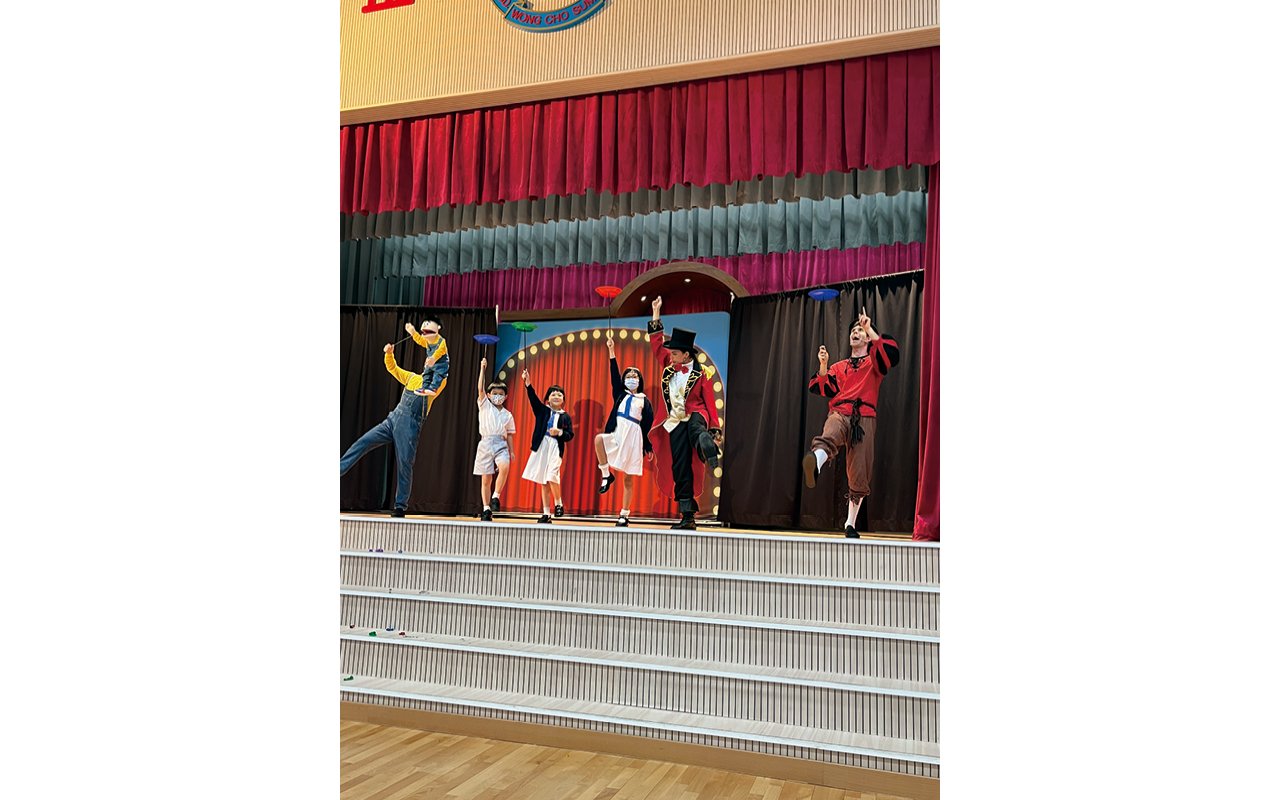
The school attaches great importance to value education, so it combines English learning with value education, and organizes diversified English activities to cultivate students' values and moral awareness so that they can become good citizens. The school holds "Positive Energy Week" activities every year, allowing students to read books related to value education, participate in booth games, watch English dramas, English ambassador programs, etc., to establish an English learning atmosphere, encourage students to communicate more in English, and at the same time, correct values and moral education are subtly passed on to students. Principal Gu said: "Through these activities, students are effectively helped to establish positive values, so that they can express their opinions in English in daily life and demonstrate good citizenship when interacting with others."
In order to train students to become excellent English users with a global perspective, the school arranges for students to study English literary works from different countries to understand the historical background of other countries, feel their cultural atmosphere, conduct cross-cultural exchanges, and apply the learned knowledge and skills to real situations, thereby establishing an international perspective, while learning to respect multiculturalism and understand different value systems and perspectives.
In addition, English teachers also encourage students to participate in community service activities, cooperate with community organizations, and perform English teaching, environmental protection or other voluntary services. This can not only improve students' English skills, but also cultivate their team spirit and collaboration skills, and even care for the community and sense of social responsibility, and truly practice the spirit of caring for others.
Pioneer of e-learning, remarkable results and well received
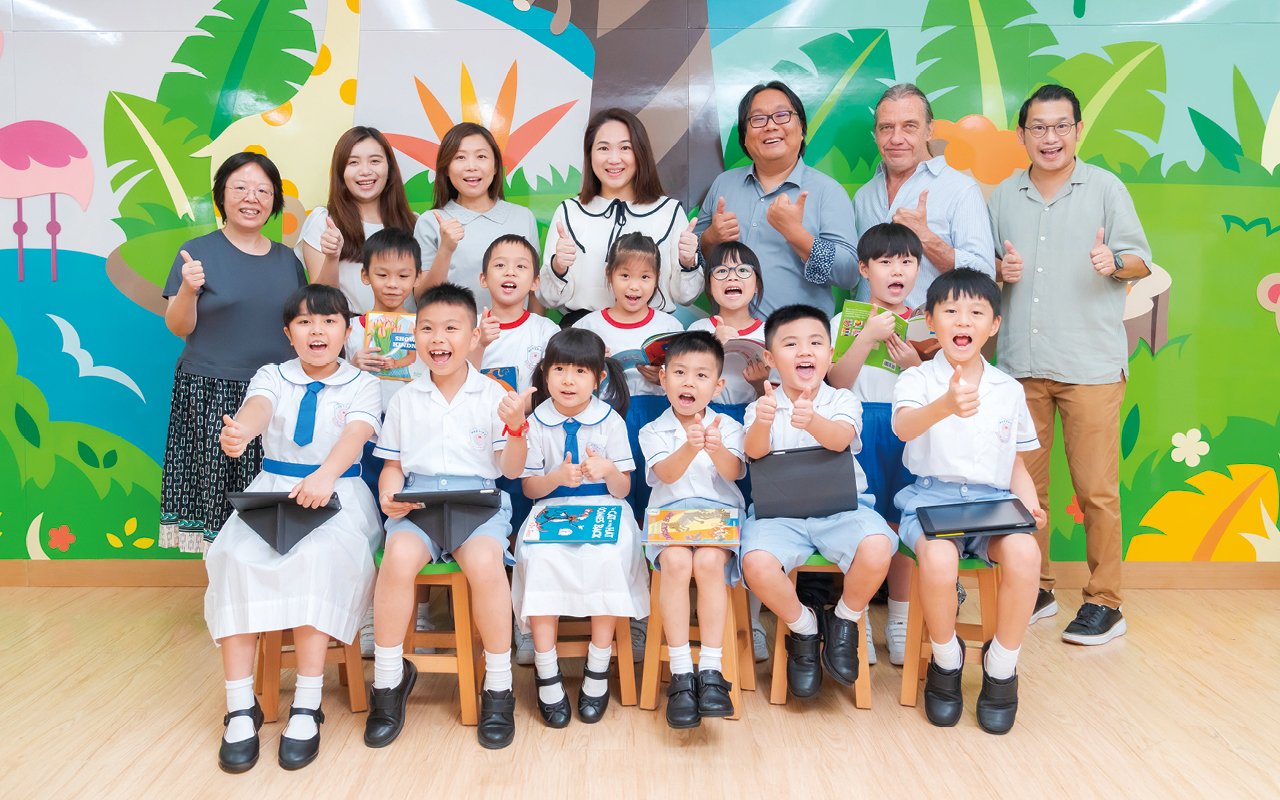
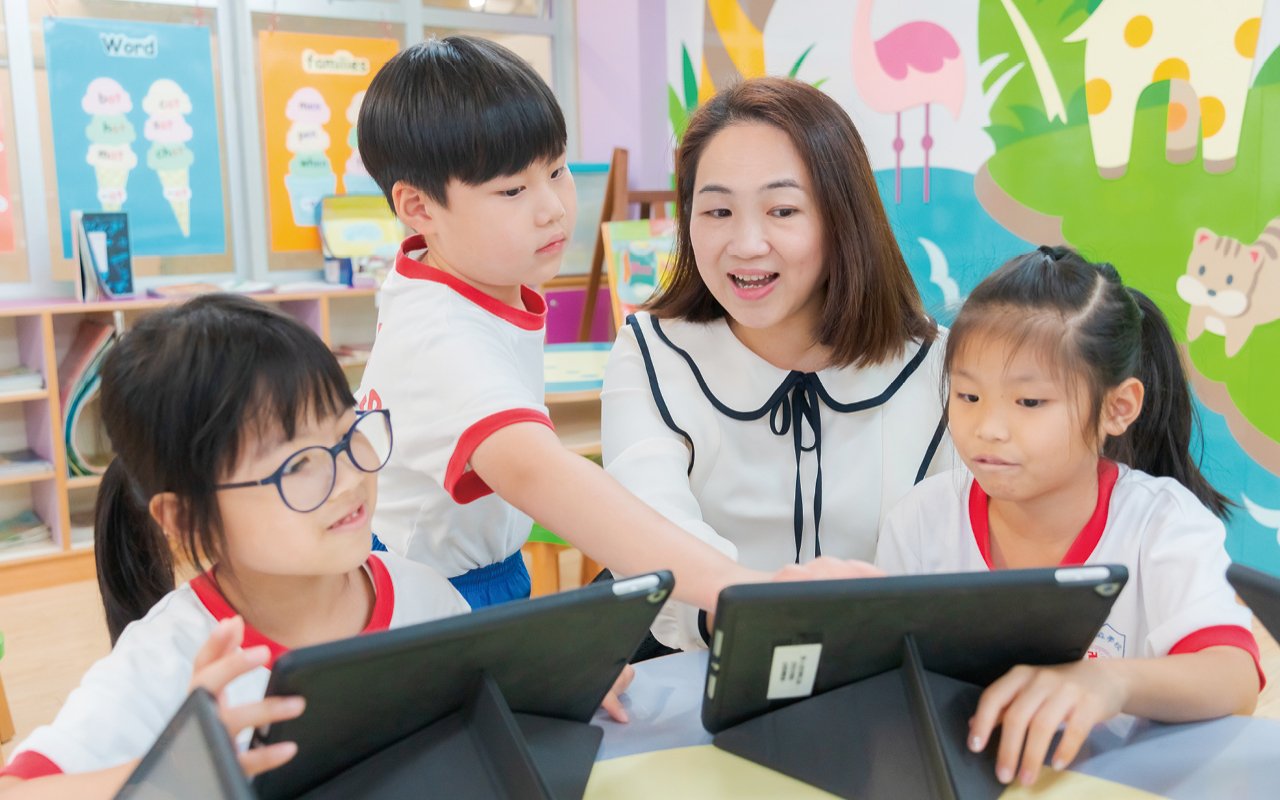
The school has always kept pace with the times and grasped the trend of electronic teaching. As early as 1998, it had implemented information technology education and designed school-based electronic textbooks. In 2002, it became one of the six trial primary schools for the Education Bureau's "Wireless Network-E-school Bag" project. It invested a lot of resources to build a school-wide wireless network and set up an e-school backpack teaching webpage to use laptop computers to trial Chinese, English, Mathematics and other subjects. The program was well received by students and laid a solid foundation for the school to vigorously promote e-learning in the future. In 2011 and 2014, the school was selected into the Education Bureau's "School E-Learning Pilot Project" and "E-Learning School Support Project" respectively. It made good use of the funding to purchase tablet computers and produce a full set of electronic English teaching materials for grades one to three. The students' English proficiency has steadily improved, and their listening and speaking performance has been particularly outstanding.
The school has been recognized by the society for its achievements and contributions in information technology education. From 2015 to 2019, the school was invited by the Education Bureau to become a "Professional Development School" for four consecutive years, responsible for assisting other schools in promoting e-learning. The teaching team has won many awards including the "Chief Executive's Award for Teaching Excellence" and the "World Information Summit Award". The school helps teachers master e-teaching in a step-by-step manner. For example, the school provides e-teaching workshops for teachers and gradually introduces tablet computers as teaching tools in the curriculum in small steps. It also provides students with sufficient electronic tools and cooperates with the small class teaching model to enable the school's e-teaching to be smoothly implemented.
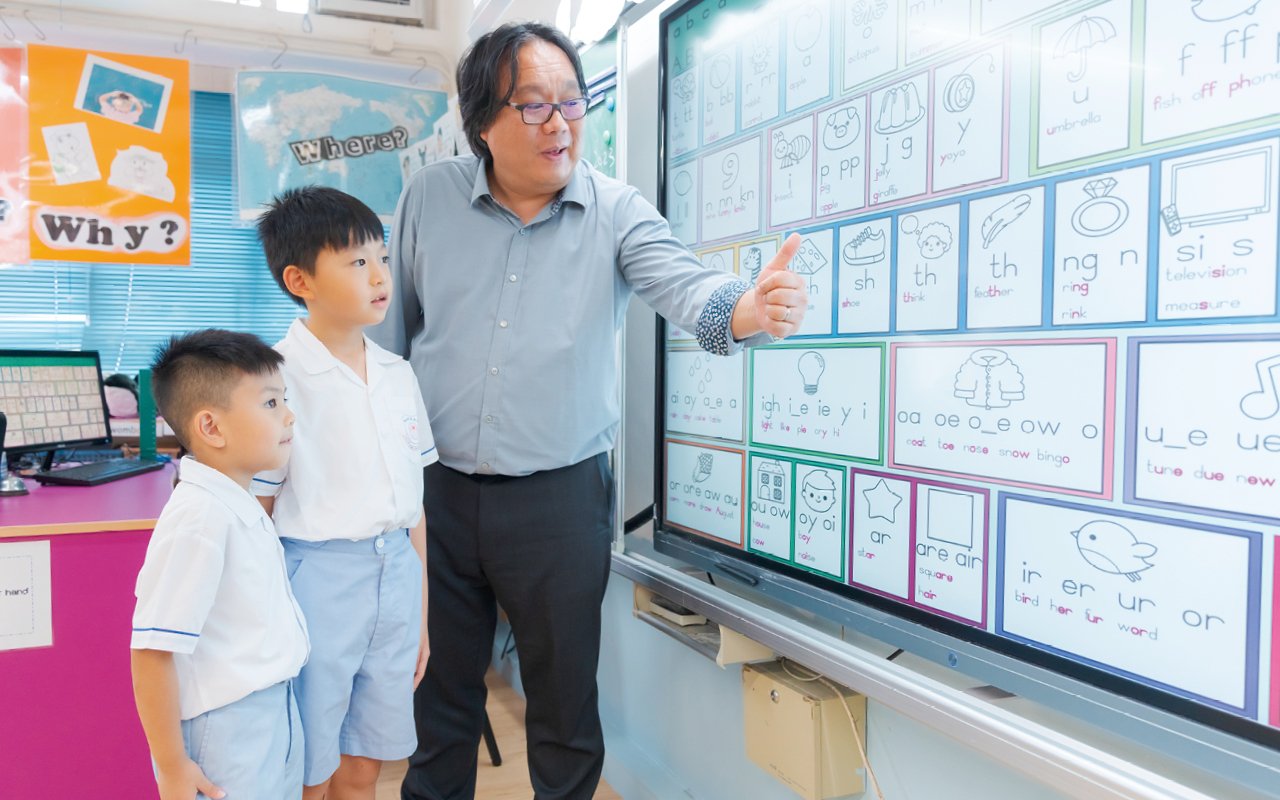
Experiential English learning broadens knowledge horizons
HHCKLA Buddhist Wong Cho Sum School · 2023年12月
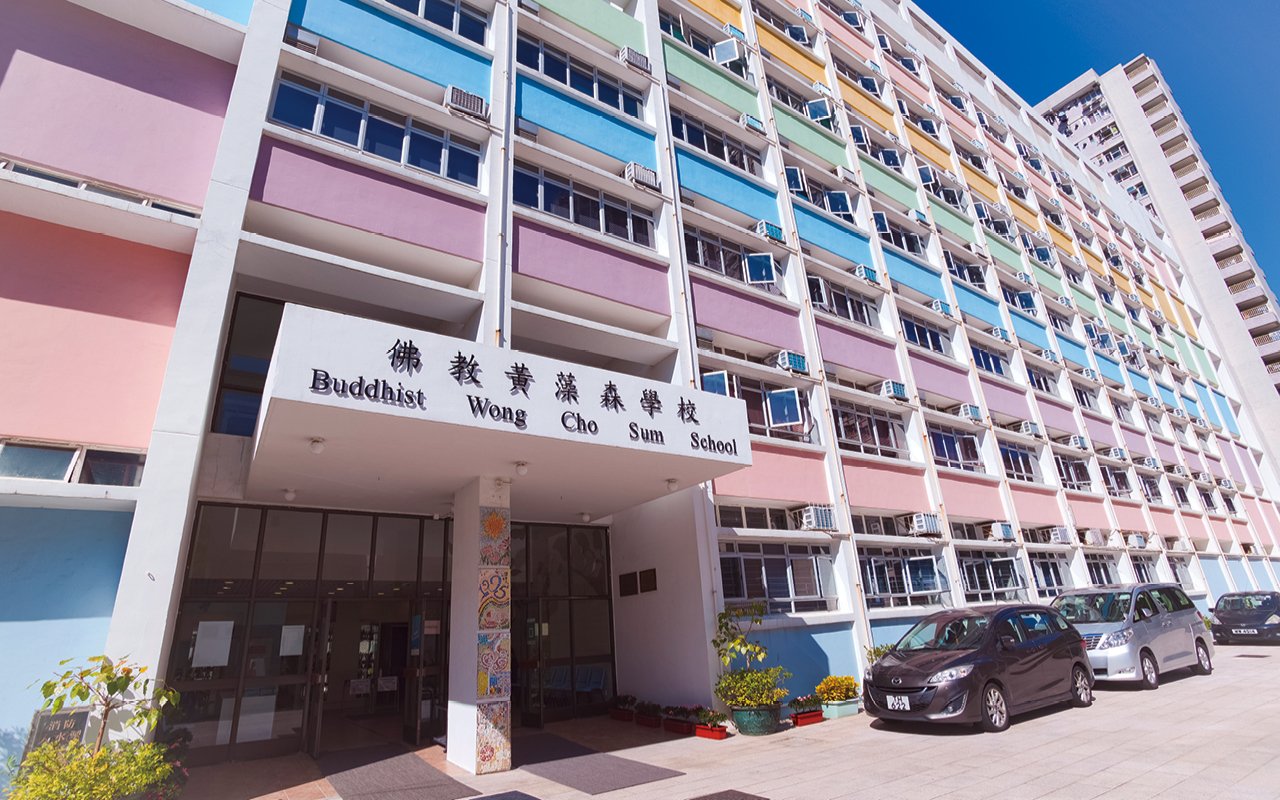
school building
This English version is translated by AI. If there are inaccuracies or omissions, please refer to the original Chinese text.