
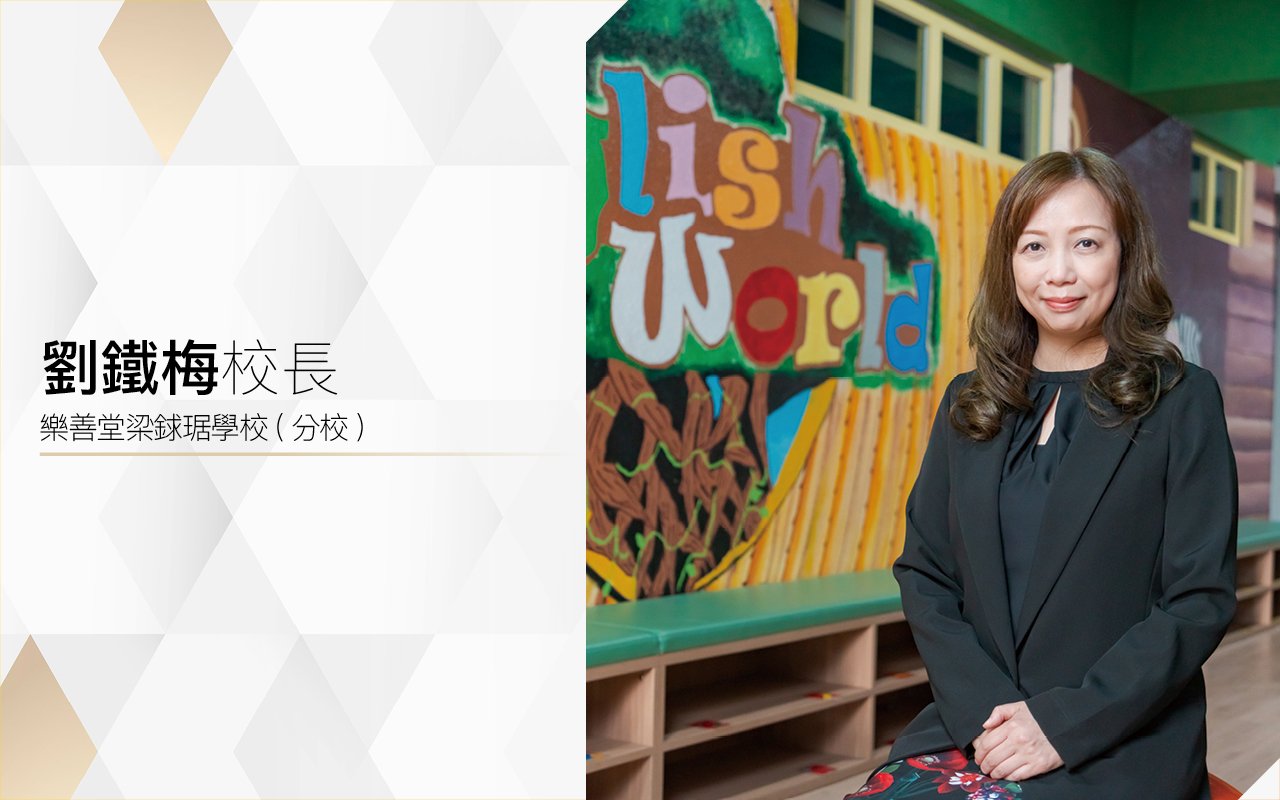
As English is an international language, primary schools organize a variety of English activities to improve students' interest in learning. @TERM0@@, located in Yuen Long District, has rich experience and excellent teaching results. By developing various innovative English courses and using interdisciplinary collaboration and blended learning models, it has successfully created an immersive English learning context for students, allowing students to learn English proactively and spontaneously in a relaxed atmosphere. Principal Liu Tiemei said that in the past six years, the school has made remarkable achievements in teaching English. Students have a strong interest and enthusiasm for English, and the school is also popular with parents and students in the district.
Create a friendly learning environment and comprehensively create an English atmosphere
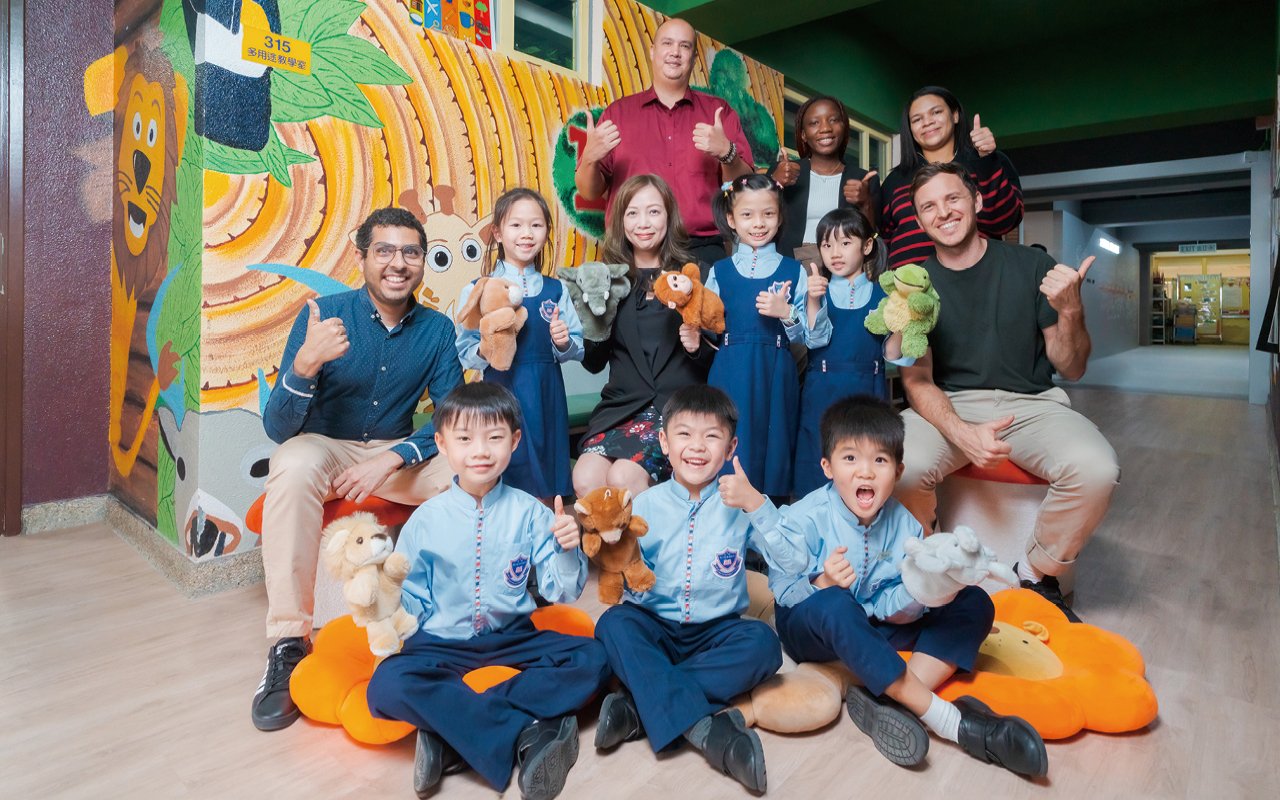
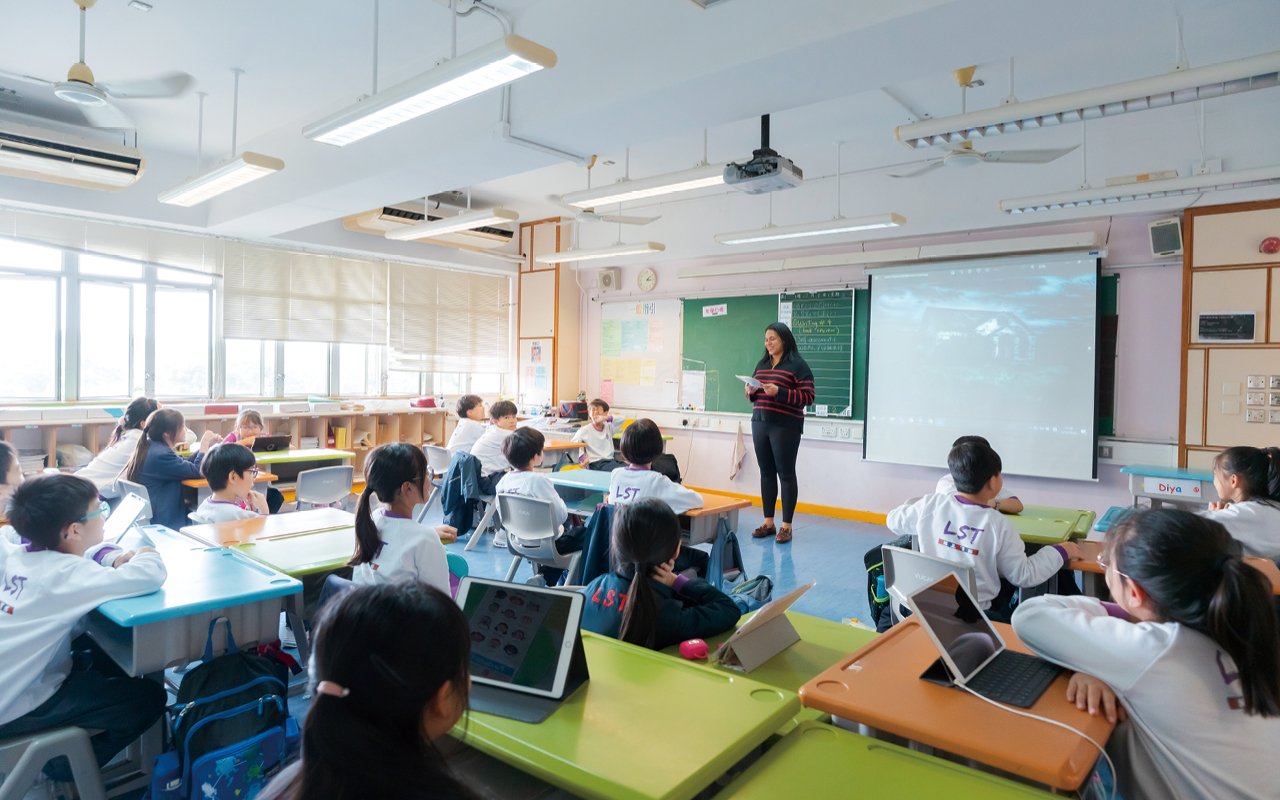
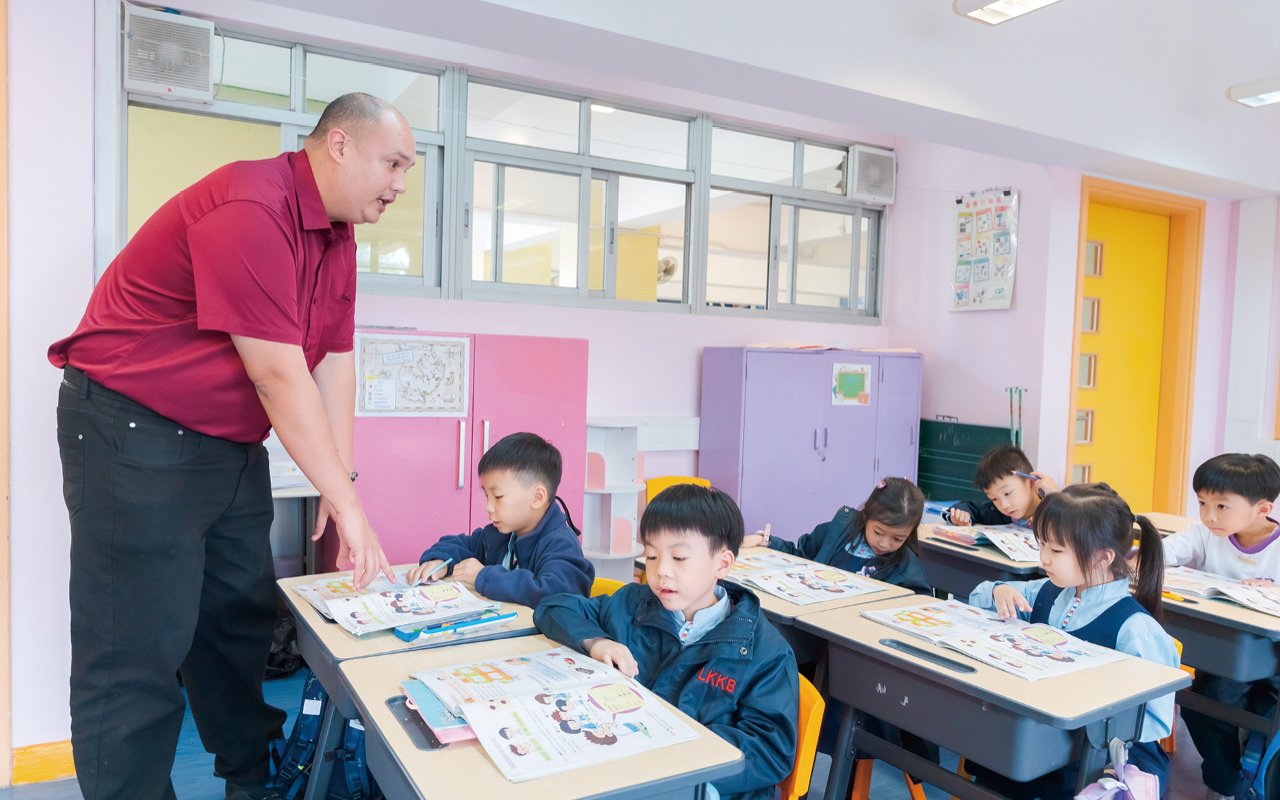
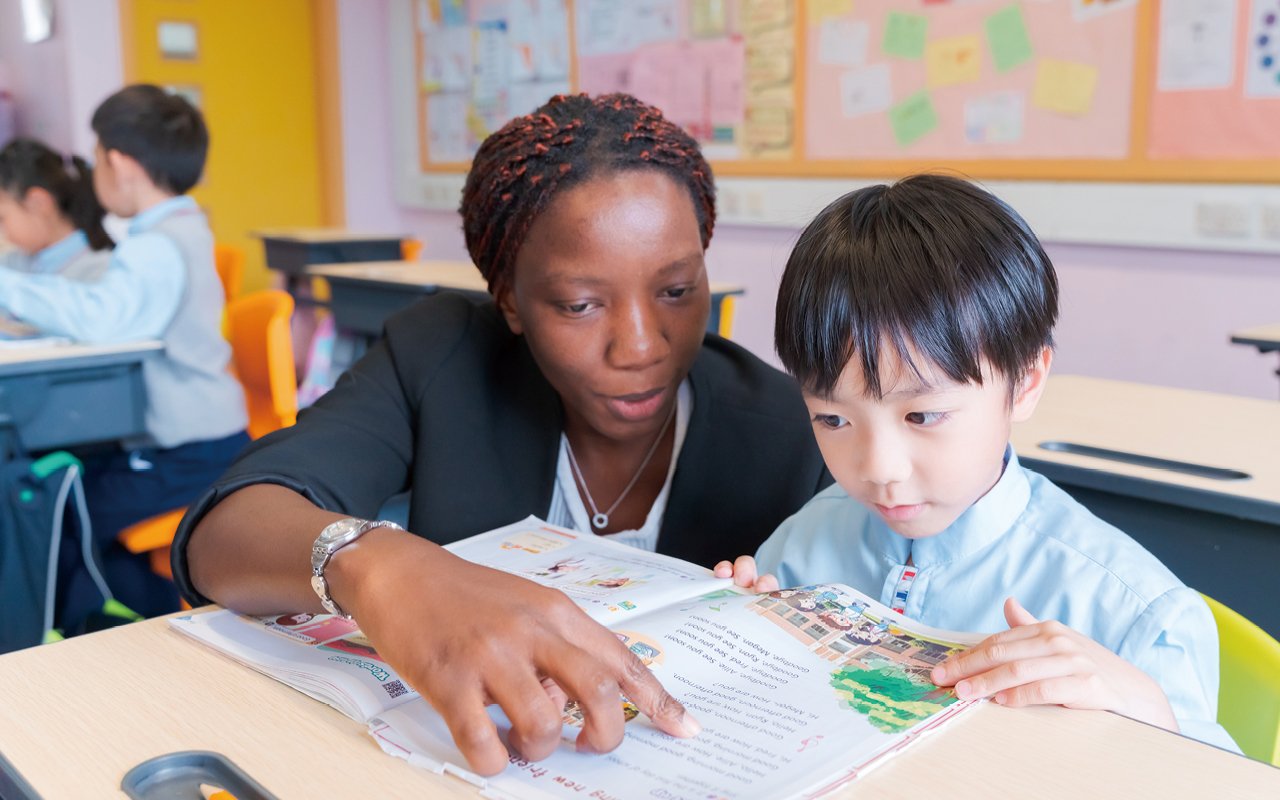
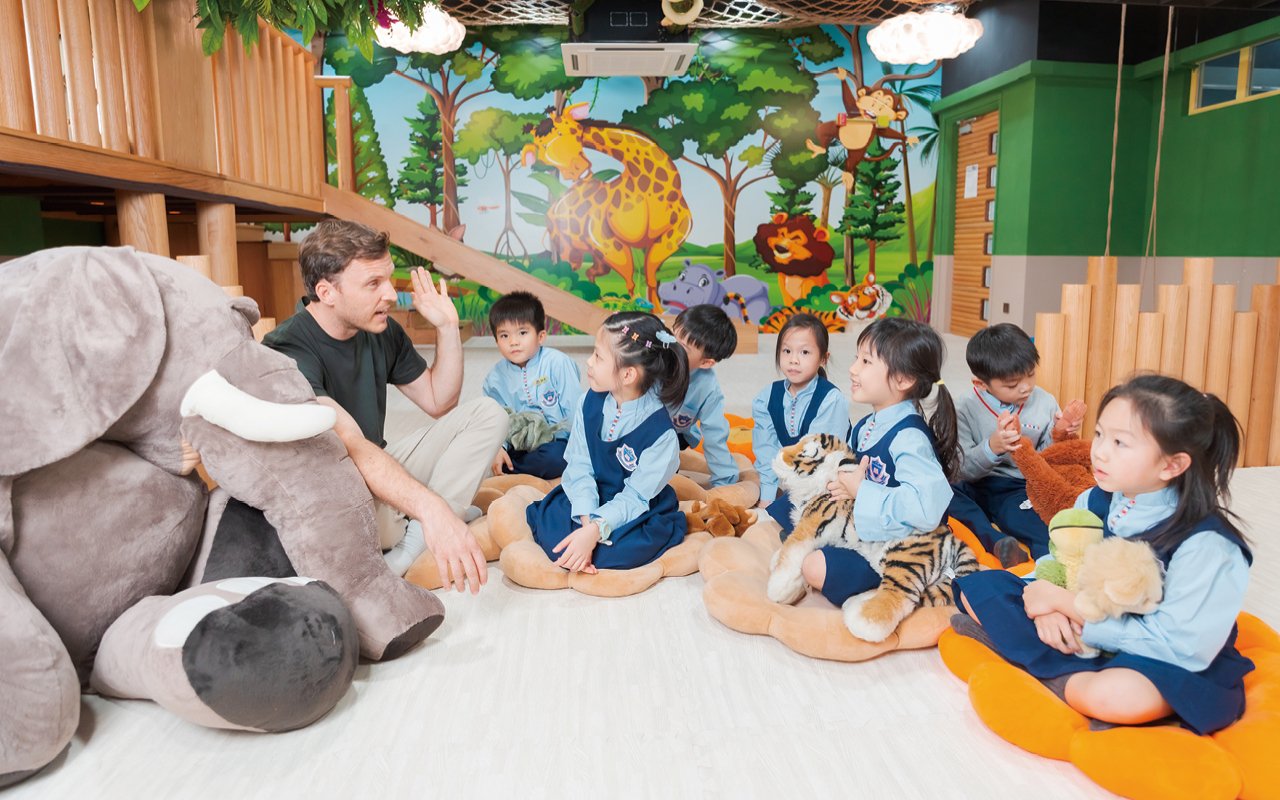
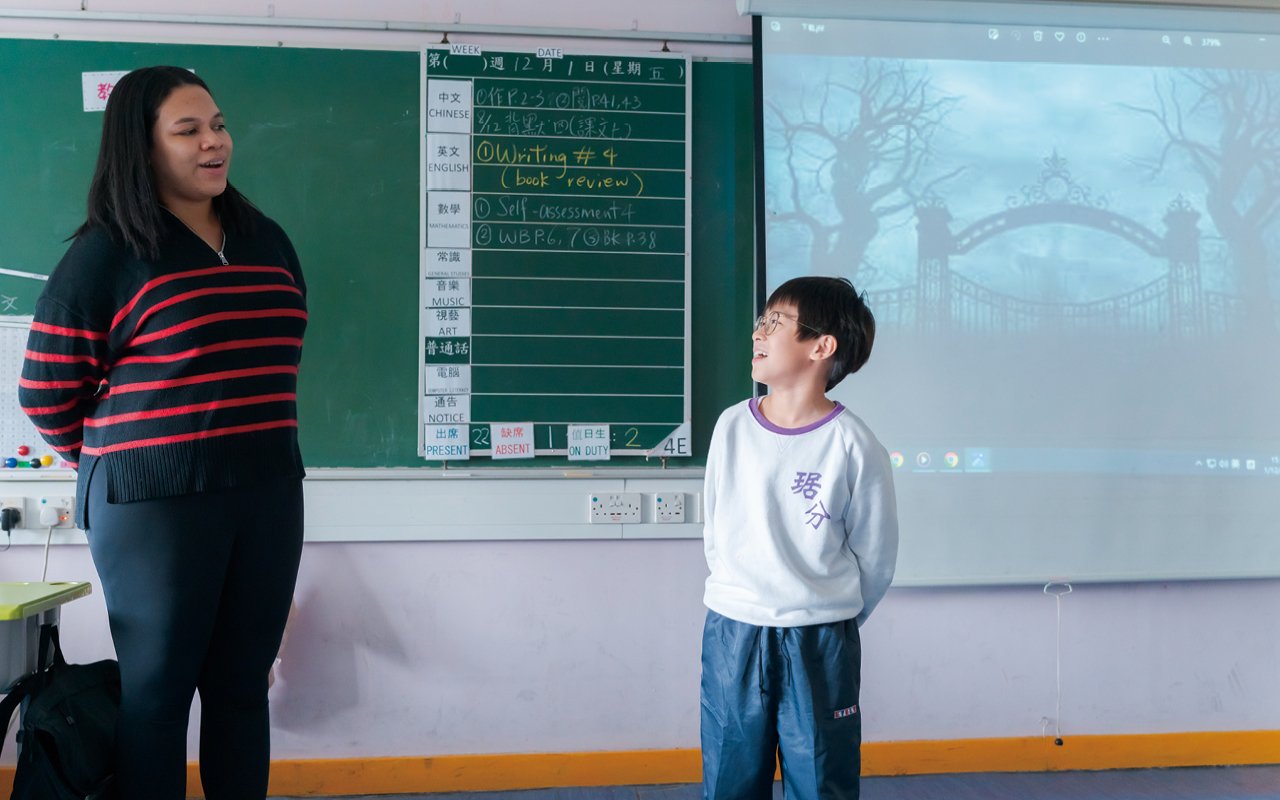
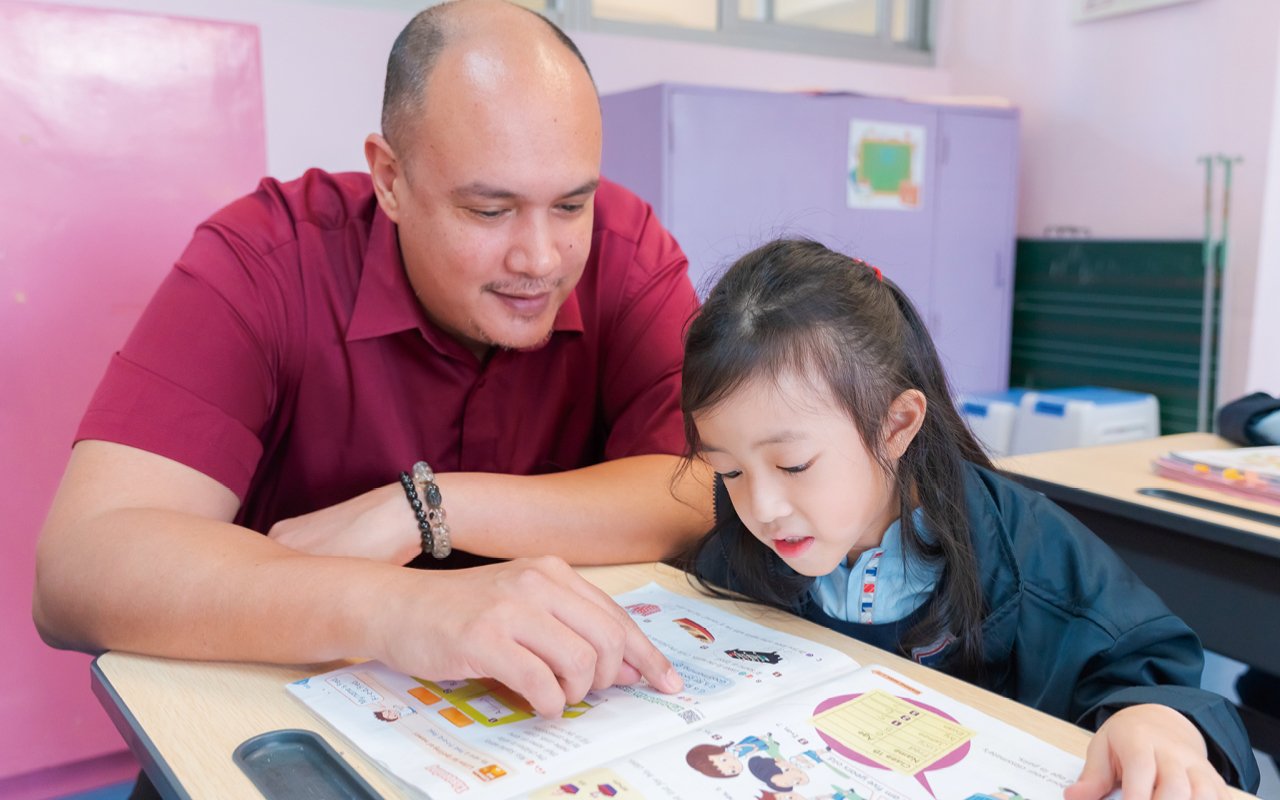
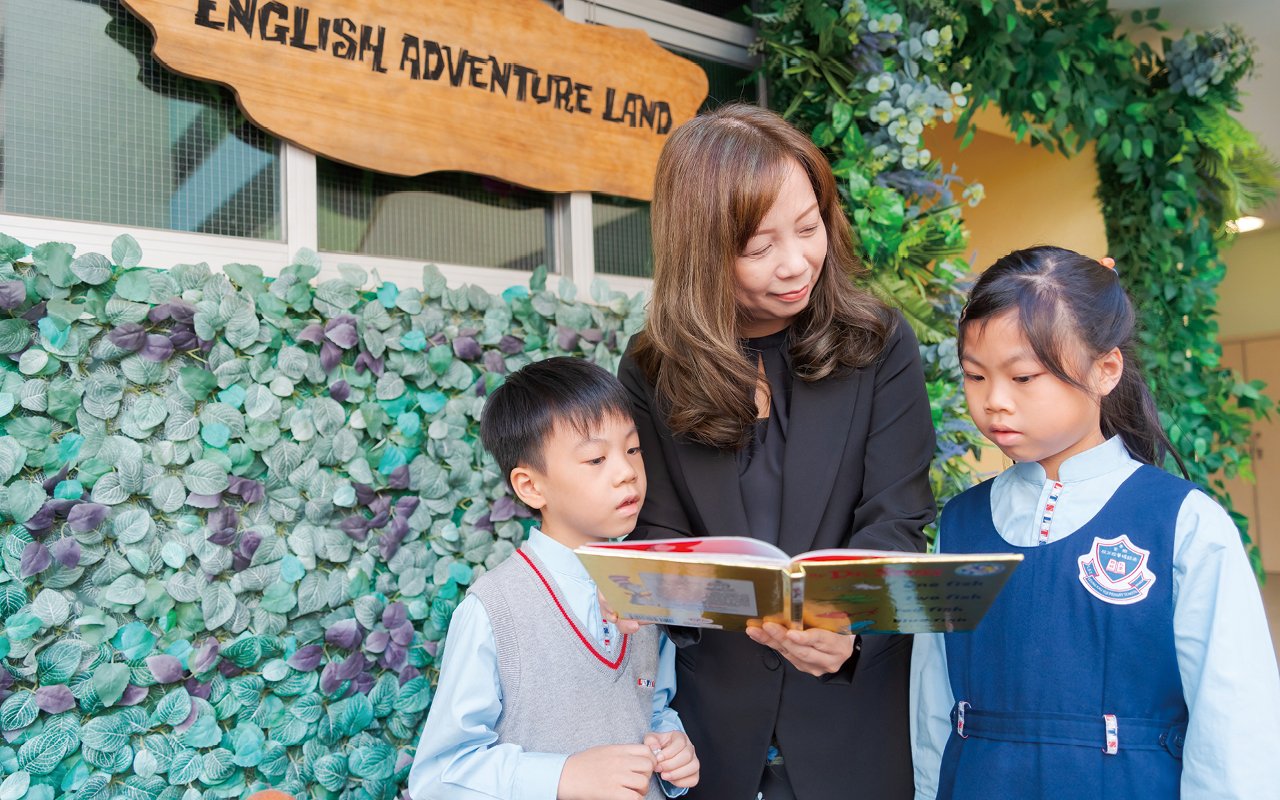
The school is committed to creating a comprehensive English context, allowing students to immerse themselves in learning in an English environment and integrate English into daily life. The school employs many foreign teachers to create a strong English atmosphere. For example, six of the seven classes in the lower grades are taught by foreign teachers, a very high proportion, which effectively cultivates students' familiarity and interest in English. The school actively trains foreign teachers to pass relevant assessments. In addition to teaching English subject courses, they are also qualified to teach courses in other subjects, such as computers, general knowledge, visual arts and other subjects. They can flexibly integrate English into the teaching of other subjects so that the teaching of various subjects complements each other.
Foreign teachers participate in many parts of teaching, such as lower grade reading classes, drama classes, school-based courses and various interesting activities and innovative courses. Students stay in school for a long time. When they have long-term contact with foreign teachers, the contextual atmosphere of English will subtly affect the students and integrate into their daily lives. Under the "immersive" English context experience, students will not be afraid to communicate with others in English.
In terms of electronic teaching, the school has an English online platform "FLIP" to encourage students to learn English at home. Students need to take what they have learned in daily life, classes or extended activities and put it on the platform in the form of short videos, and the teacher will reward them. The school has introduced the platform since 2020 and uses it regularly for students. Students with different abilities can also use the platform to learn and create works independently. For example, a student performed a cartoon character in a short film and added his own voice, which amazed the teacher.
Interdisciplinary collaborative teaching creates diverse English contexts
Principal Liu said that the school has been actively exploring ways to learn English in different places, such as drawing on experience from Scotland, Finland, Taiwan, China and other places to understand how to help students learn English more effectively. Ultimately, it was discovered that using an interdisciplinary learning approach can consolidate students’ English abilities in an all-round way. In terms of curriculum design, English subjects will infiltrate elements from other subjects, and other subjects will also infiltrate English elements. The collaboration between different subjects will not only enhance the interest, but also connect English more closely with daily life, strengthen students' ability to integrate learning in the long term, and enrich the learning outcomes of each subject.
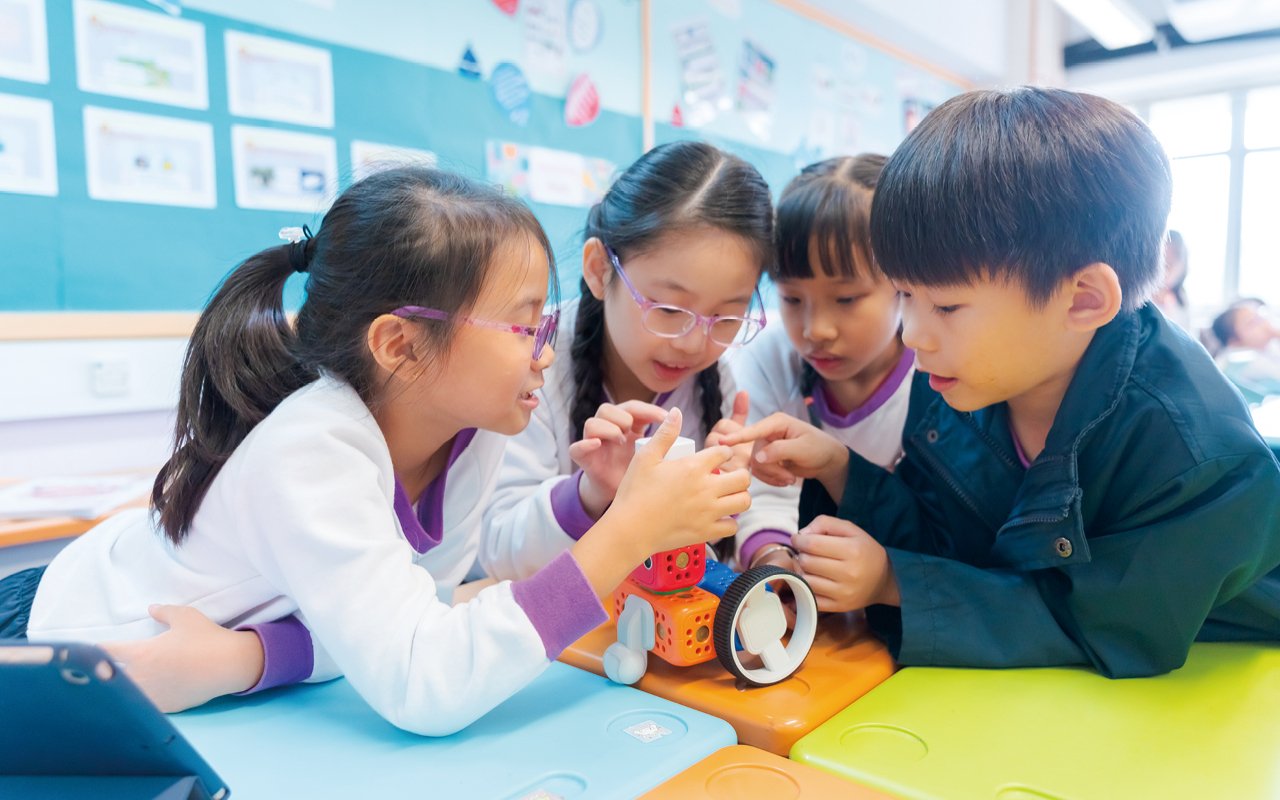
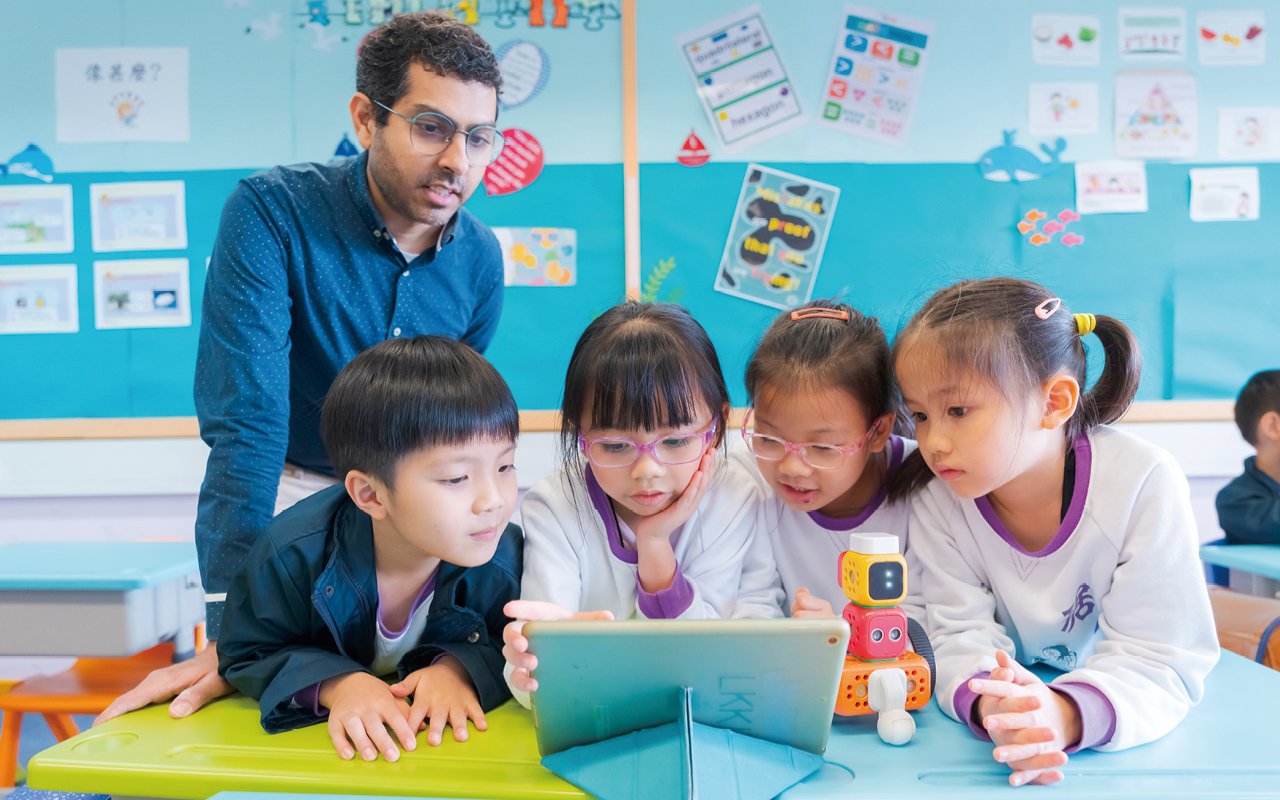
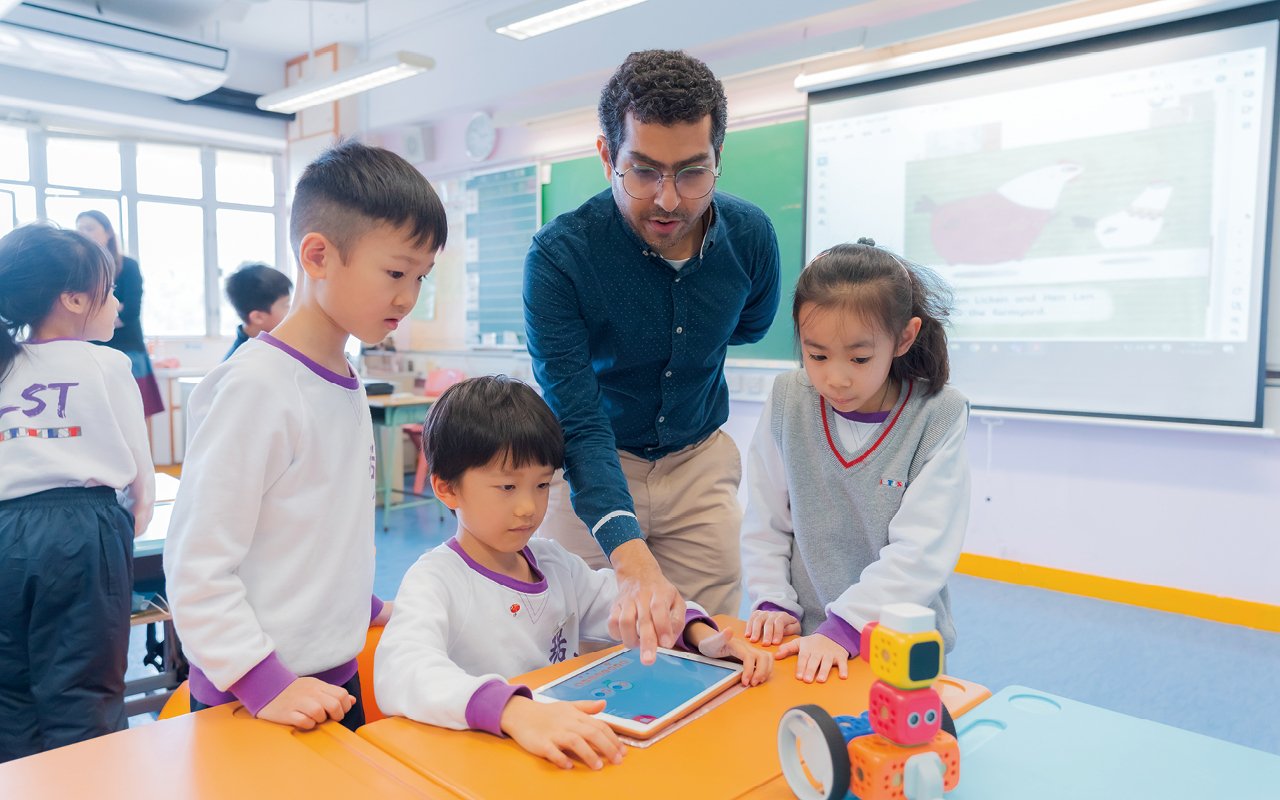
In terms of English school-based courses, interdisciplinary teaching forms are diverse, including integrating computer programming education into English subjects. For example, in the lower grades, Robo school-based curriculum is added with English storytelling elements. Students not only read storybooks, but also need to cooperate with scripts and write programs to design and create scenes in storybooks, and then use Robo to interpret stories in English classes. This model allows students to apply technological knowledge to other subjects and enjoy more participation opportunities in the process, making the classroom more interesting. In addition, the lower grade English school-based curriculum incorporates drama elements, and English drama classes are offered, and foreign teachers majoring in drama are hired to teach, encouraging lower grade students to bravely express and perform themselves in English, improve their English expression skills in a vivid form, and cultivate their self-confidence.
The school has also integrated artificial intelligence into the visual arts subject. Students must enter English commands into the artificial intelligence to draw, so they need to learn English terms related to visual arts, and then draw works. Students can not only use English flexibly, but also learn to integrate the knowledge of technology, English and visual arts subjects at the same time, and learn collaboratively. The school also adds English elements to each subject to improve students' learning motivation. For example, English is integrated into physical education subjects to allow students to learn English related to ball sports, because in daily life, they also need to understand relevant English when watching ball games. It can be seen that the school's curriculum design is very thoughtful, bringing English into daily life, and is committed to creating a diverse and interactive English context, so that students can experience that learning English is not only required for English classes, but also for other subjects. They will pay more attention to English and understand the importance of English as an international language.
Fun English to expand horizons and innovative curriculum activities
In addition to cross-disciplinary collaboration, the school has actively developed various innovative English courses in recent years, such as Robo Wunderkind programming combined with English story-telling course design, and also introduced Global Eyes themed learning. By developing a variety of innovative and interesting subjects, it has greatly enhanced students' interest in learning English. Global Eyes is a special English course where foreign teachers lead students to understand the characteristics and cultures of different countries. There are different themes for grades 1 to 6, such as music, clothing, food, sports, festivals or environment, etc. Project-based learning model will be adopted in the classroom. In addition to using English to learn about the cultures of other countries, teachers will also connect local elements to allow students to explore and collect information, compare the differences between other countries' cultures and local culture, broaden students' horizons, and learn mutual respect among cultural differences to establish correct values.
In terms of reporting method, after students at each level study the topic, they will produce a finished product as a learning outcome. For example, using environmentally friendly materials to make clothing and musical instruments from other countries. The reporting format closely follows the English school-based curriculum. For example, the theme of the second grade is environmental conservation, and the Global Eyes curriculum will also closely follow the theme of environmental protection. The teaching of the two complements each other. In addition, students will find it relatively easy to search in English during the information collection process, thus encouraging them to use English more to find learning resources.
Enriching English activities and accompanying learning process
The school holds a grand English event "International Cultural Week" every year. During the event, the school invites foreigners from different countries to introduce students to the cultures of each country, and engages in culturally distinctive activities and games with them, thereby expanding students' international horizons and creating an appropriate English context. In addition, an "International Cultural Day" will be held. All teachers in the school will participate in theme-based learning activities, go to each classroom to teach around the theme, and work with students to create related finished products.
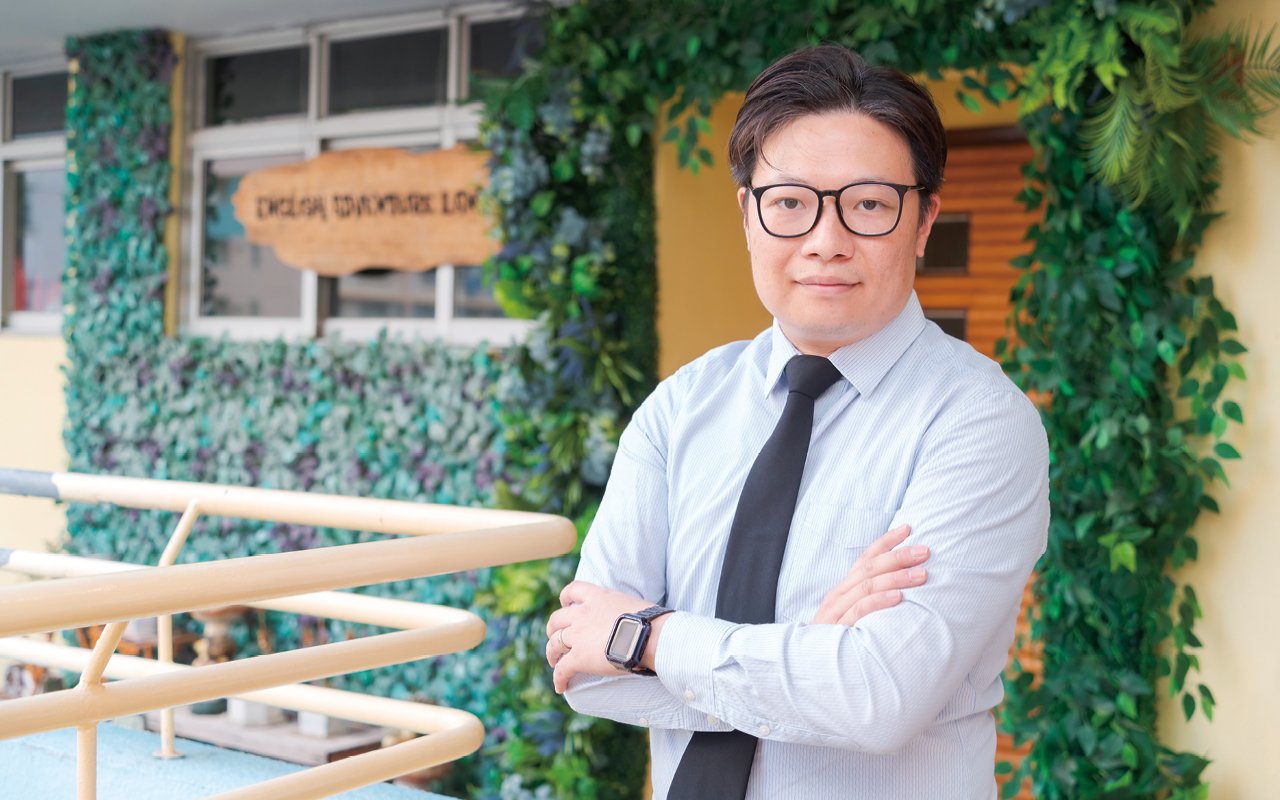
Principal Liu believes that to enable children to learn English spontaneously, it is not just about organizing activities for them to participate, but more importantly, using an all-round and interdisciplinary model to add English elements to each subject, so that students can understand the importance of English in daily life and improve their learning motivation. Interdisciplinary collaboration requires the cooperation of other subjects and is the result of the cooperation of teachers in various subjects. These courses and activities allow English to successfully penetrate every aspect of students' lives, allowing them to enjoy a colorful English learning environment.
Blended learning model: seeking knowledge through interaction
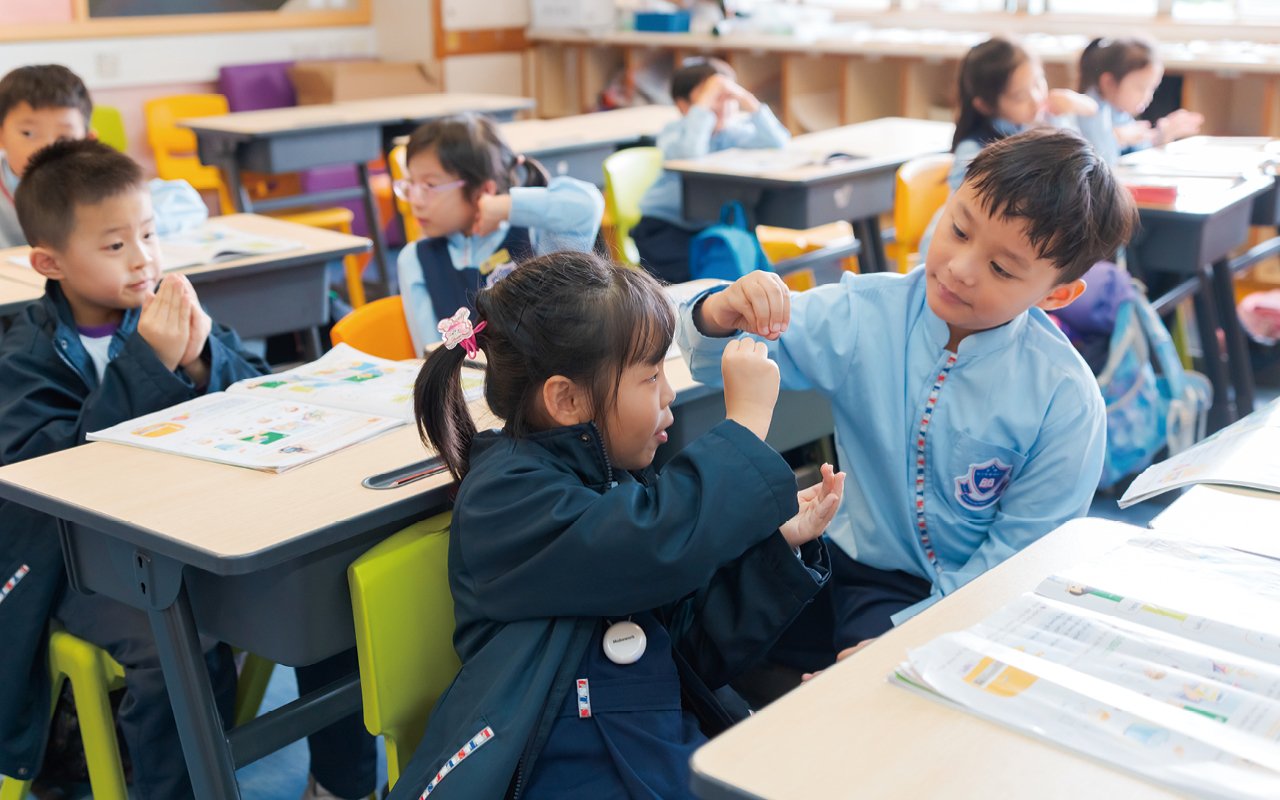
The school abandons the traditional one-way teaching method and emphasizes blended learning, that is, the traditional teaching model is supplemented by other learning models. For example, when combined with information technology tools, the two complement each other and effectively improve students' learning quality. In practice, teachers require students to use e-learning platforms to preview before class, such as watching a short video first, answering questions in the video, and then discussing and communicating with classmates in class, or doing relevant assessments and integrated homework and other extended learning after going home. Principal Liu believes that blended learning can increase the number of school hours, allowing teachers to have more time to communicate and discuss with students in class, giving students more space to explore, and allowing them to be more spontaneous and engaged when learning, which is an important part of promoting independent learning.
Teacher Feng Zhanchen, Director of Curriculum Development, stressed that the school adopts the "adaptive teaching" strategy, which can fully cater to the personal needs of different students and take into account their different learning interests. He also pointed out that the school's teaching policy is student-centered. Teachers will guide students during the teaching process, discuss and communicate with them, and finally summarize the answers. The school does not advocate giving students a fixed standard answer, but hopes to inspire students and cultivate their problem-solving abilities through interactive communication. This also reflects the school's teaching policy of teaching students in accordance with their aptitude and teaching for mutual benefit.
Promote reward programs to encourage independent learning
The school is committed to creating a stress-free learning environment, using reward programs to improve students' learning motivation and promote independent learning. For example, the school has a "Gemstone Project" in which students must collect four "gems" representing four learning abilities in exchange for corresponding prizes. These four learning goals include four aspects: language proficiency, future skills, values education, and health and life. If students meet the corresponding requirements, they can exchange for different non-material rewards, such as playing with teachers, eating, etc. Therefore, students are very enthusiastic and strive to achieve excellent performance in all aspects.
The school also designated Wednesday as a "no homework day". That is, every Wednesday, the teacher will not assign homework. Instead, students will be asked to arrange their own activities for the day, record them, and report to the teacher. Principal Liu believes that in order for students to learn independently, they need to be given enough space and time to learn to arrange their own study plans. On "No Homework Day", students will actively arrange activities that are beneficial to their body and mind, such as reviewing, learning English, doing sports, etc. They can choose the areas of study they are interested in in a pressure-free environment and actively strive for rewards.
In addition, copying notes is an important manifestation of students' independent learning. The teacher will reserve half of the blackboard space in class to record the students' integrated knowledge and encourage students to copy notes. In addition to writing notes, students also master the skills of recording the key points of the subject, as well as the way of thinking. Other subjects also have notes in Chinese and English, so students can take the initiative to learn English in other subjects. Through the training of copying notes, students develop the ability to integrate knowledge independently. From the clear key points written by the teacher on the blackboard, students learn to use various higher-order thinking tools to assist their thinking and develop thinking habits, which will also be of great benefit to their future studies in middle school and university.
Teacher Feng pointed out that the advantage of using blackboard to note the key points of teaching compared to Powerpoint is that the former can effectively train students to understand and apply knowledge, and allows them to confirm answers and learn in depth during discussions with classmates. The process is more in line with students' learning process. It is not just about giving correct standard answers, but also getting answers through discussion and sharing, pointing out mistakes, making reflections and corrections, so that students have a deep impression.
The teaching achievements are abundant and highly recognized by all parties.
The school builds the school into a happy place for learning English by expanding innovative English courses, interesting and interactive English activities, and using interdisciplinary collaboration and blended learning. On the other hand, in terms of transition to higher education, Principal Liu said that most students who enter the school already have a strong interest in English, so there is not much difficulty in transitioning to English when they enter primary school. In terms of transition to secondary school, students have laid a solid foundation in English after six years of "immersion" English learning, which helps them easily master the course content of English secondary schools.
Principal Liu, who has been working in the district for nearly 30 years, said frankly that more than ten years ago, students in the district were afraid of English and thought it was very difficult to learn English. However, as the curriculum has been continuously optimized and more foreign teachers have been hired in the past six years, students are no longer afraid of contacting English. Instead, they love it more, know how to learn and use it, and develop a certain degree of English expression ability. Some parents even shared that when they took the light rail, they saw school students talking in English even outside class. It can be seen that students have integrated English into their daily lives and are learning English independently, which is especially rare in the district.
The school's English policy has successfully achieved the expected teaching goals. After six years of study, students have the confidence to communicate and express themselves in English, and enjoy the process of learning English. This is proof of the school's fruitful results in English teaching. Due to its outstanding performance in bilingual teaching, the school is often invited to other regions to share its experience in bilingual interdisciplinary learning. This shows that the school's outstanding teaching performance in this area has been recognized by all parties.
Immersive learning context, spontaneous learning of English
L.S.T. Leung Kau Kui Primary School (Branch) · 2024年1月
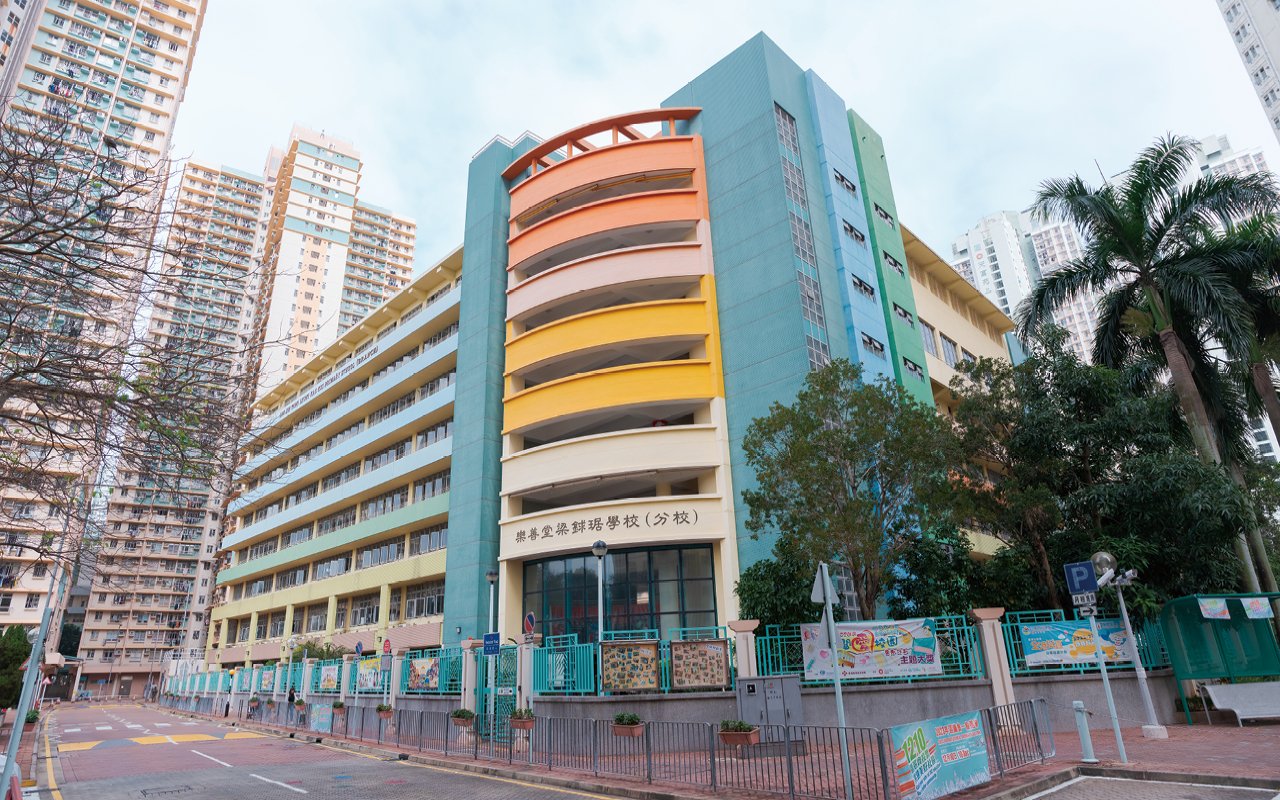
School building appearance




This English version is translated by AI. If there are inaccuracies or omissions, please refer to the original Chinese text.