
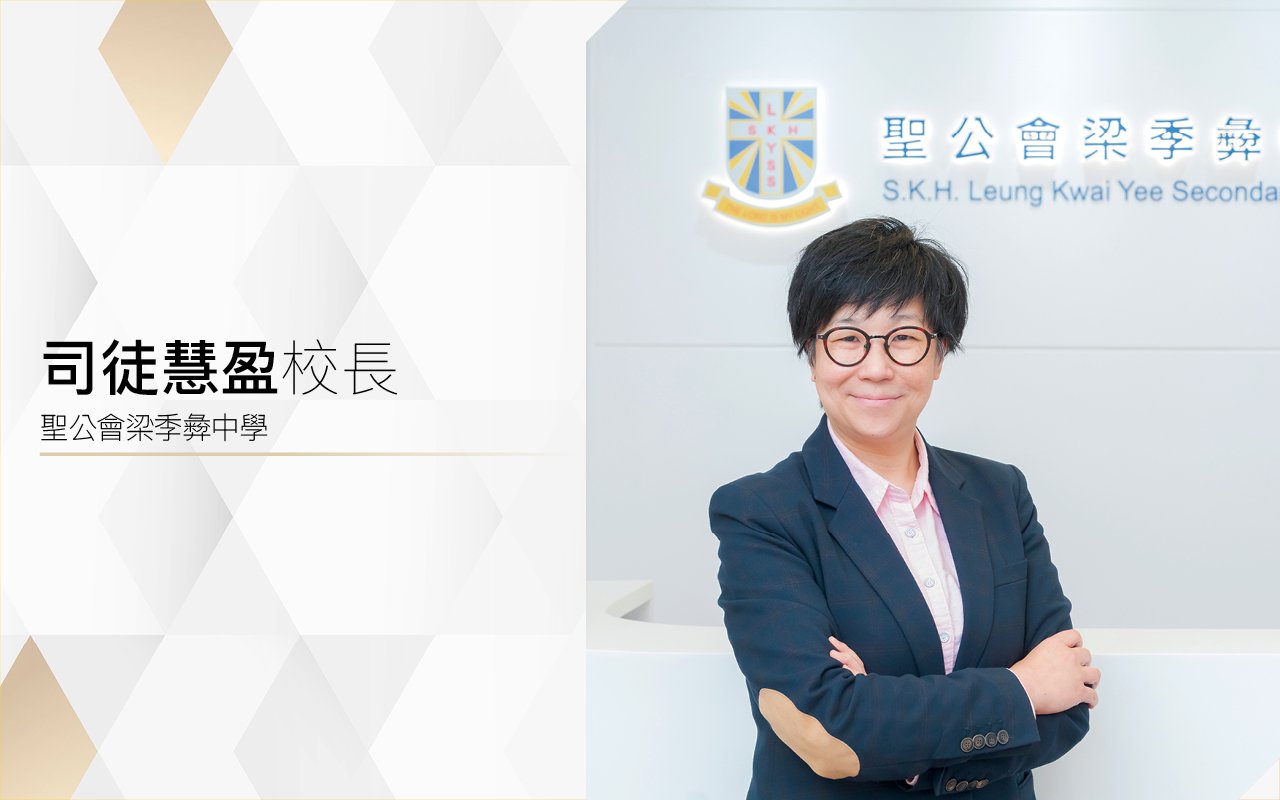
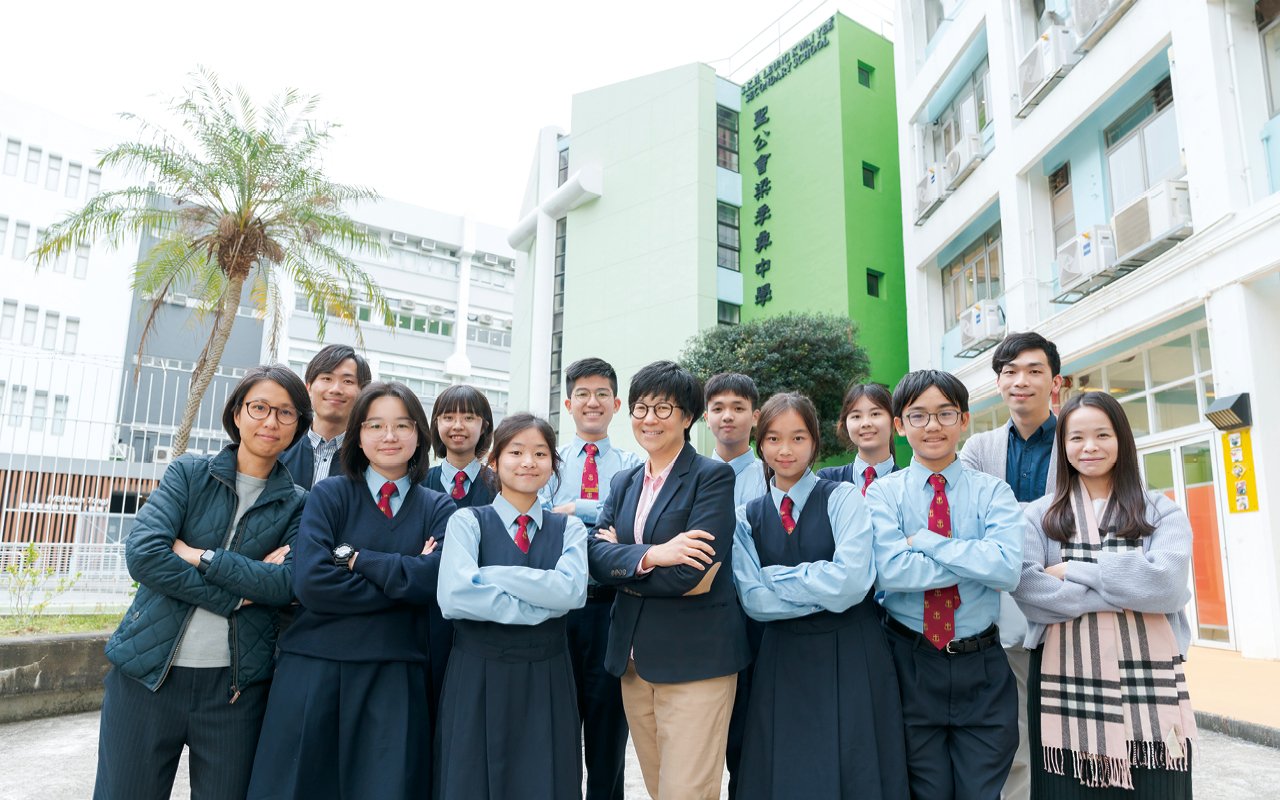
S.K.H. Leung Kwai Yee Secondary SchoolWe are committed to cultivating the balanced development of students' six educations, establishing correct values and good character for them, and training them to think independently, so that they can develop their potential and contribute to society in the future. Principal Szeto Huiying advocates meaningful learning, hoping that students will not only study diligently, but also hope that they will live a prosperous life. The school takes enjoyment of learning as one of its educational goals, providing students with a large number of experiences and learning opportunities, creating different stages for them to experience success, and apply knowledge in daily life to glorify God and benefit people.
Brand-new biliteracy and trilingual strategy organically combines cultural elements
In order to allow students to enjoy learning, the school adds cultural elements to the regular Chinese and English courses so that students can feel the fun of learning. Taking English as an example, the English subject is not limited to a single field of language, but incorporates cultural elements into it, making English classes no longer monotonous and allowing students to broaden their horizons while enjoying the process of learning English. Principal Szeto pointed out: "Especially for junior high school students, when they first enter middle school, their levels will inevitably vary. Some students don't want to feel inferior, so they will choose to remain silent. We don't want this." Therefore, the school has added cultural elements to the English classes in junior high schools, through theater sharing, interactive games and other methods to understand the culture and background behind the works. We hope that students will understand that learning English is not limited to grammar, listening, speaking, reading and writing. It also adds
The fun of English.
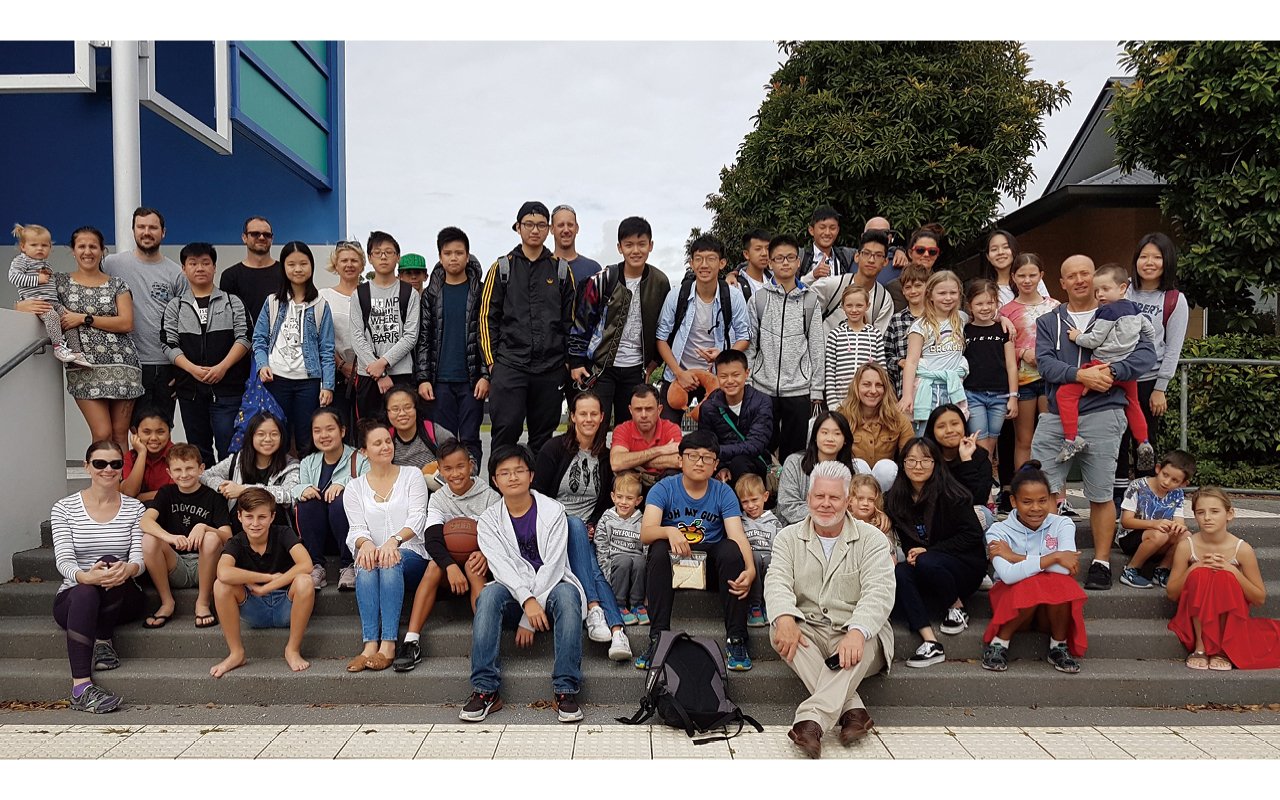
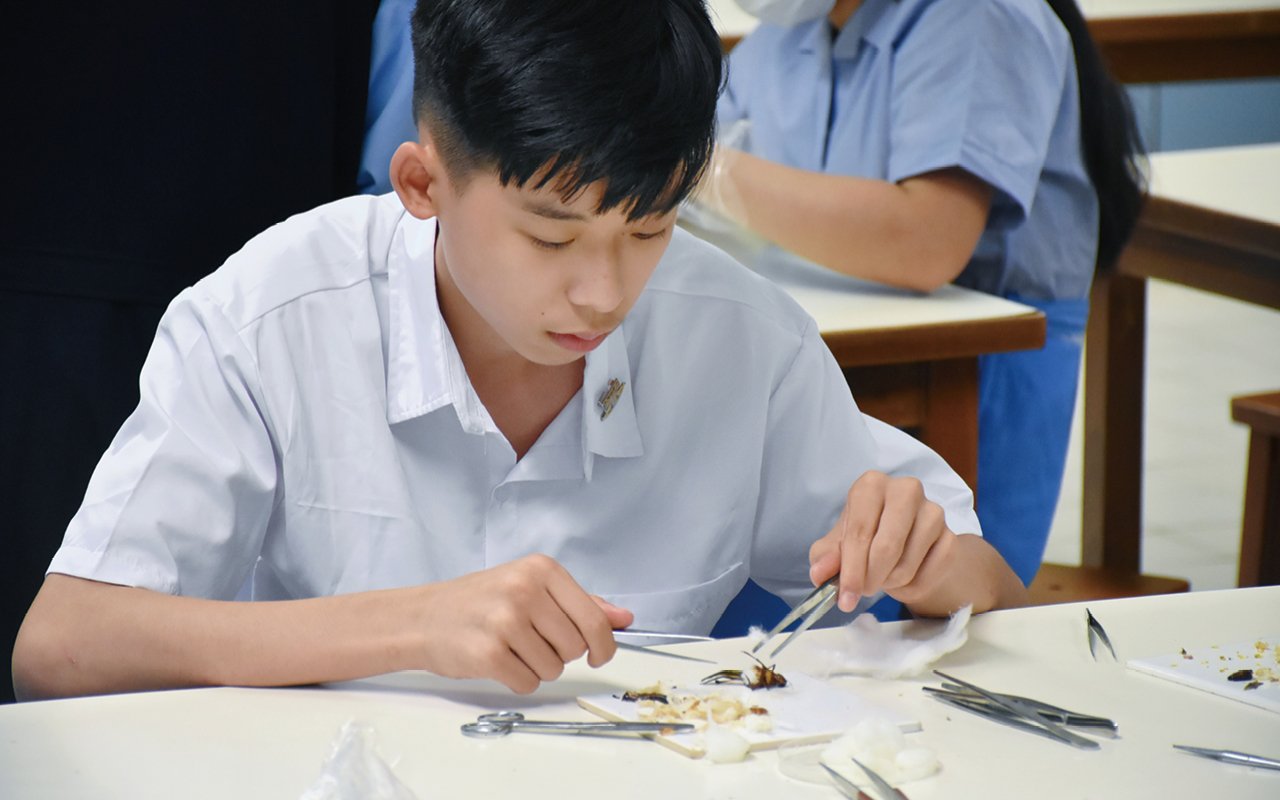
The school will take students out to enjoy English musicals and use English to understand foreign cultures during these experiences. The school also regularly organizes study tour groups to the UK, Australia and other places, arranging students to stay with local families. In addition to giving them an English context, they can use English effectively in communication and better understand the local customs. In addition, the school has a school-based interdisciplinary English course that combines English elements with subjects such as Chinese history, science, geography and history, allowing students to understand the English vocabulary of different subjects. While learning other subject knowledge, it also trains reading, creativity, problem-solving and collaboration skills.
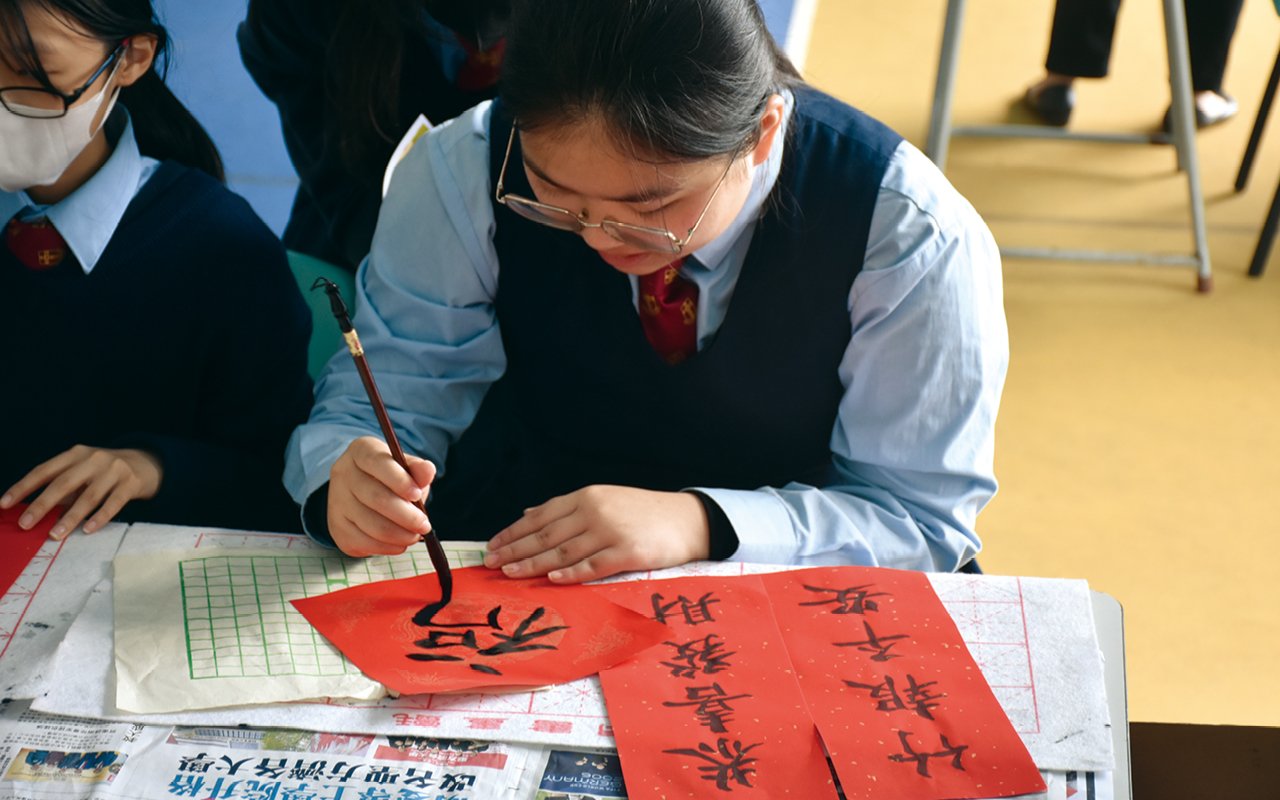
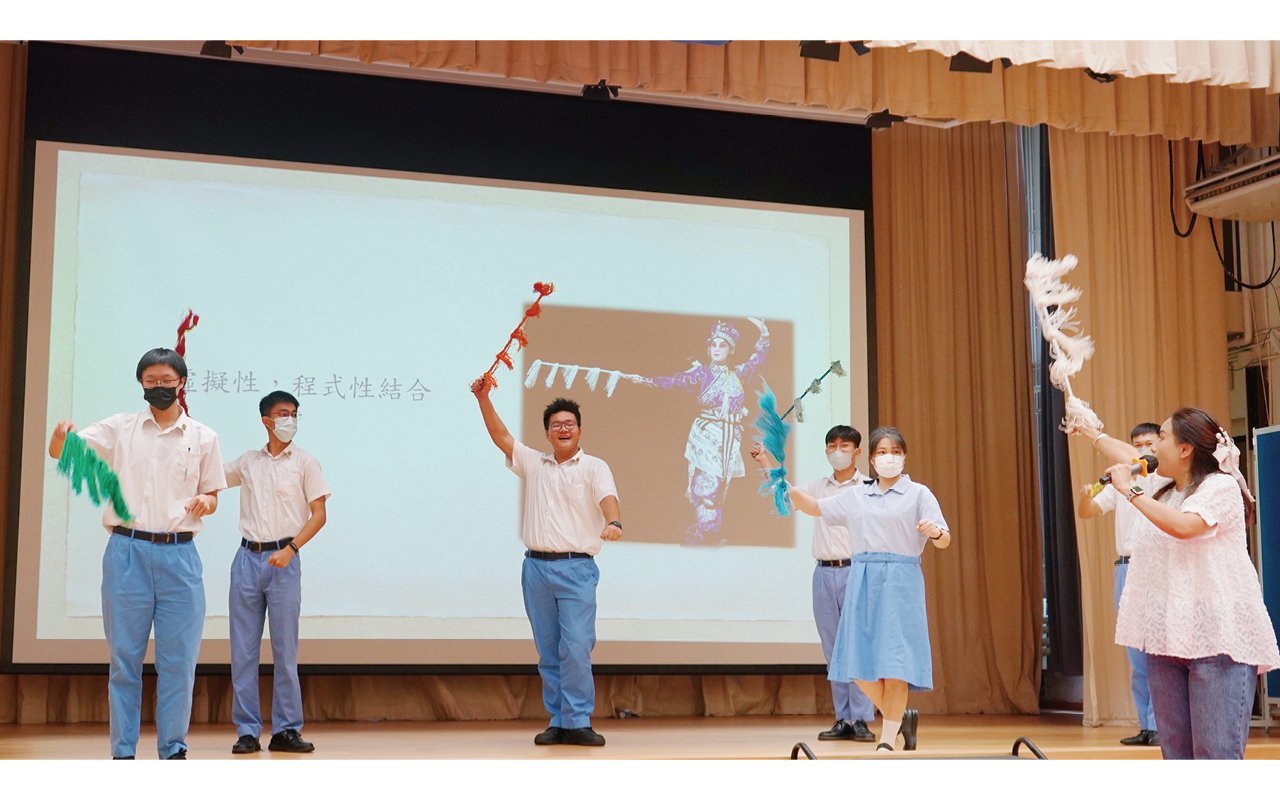
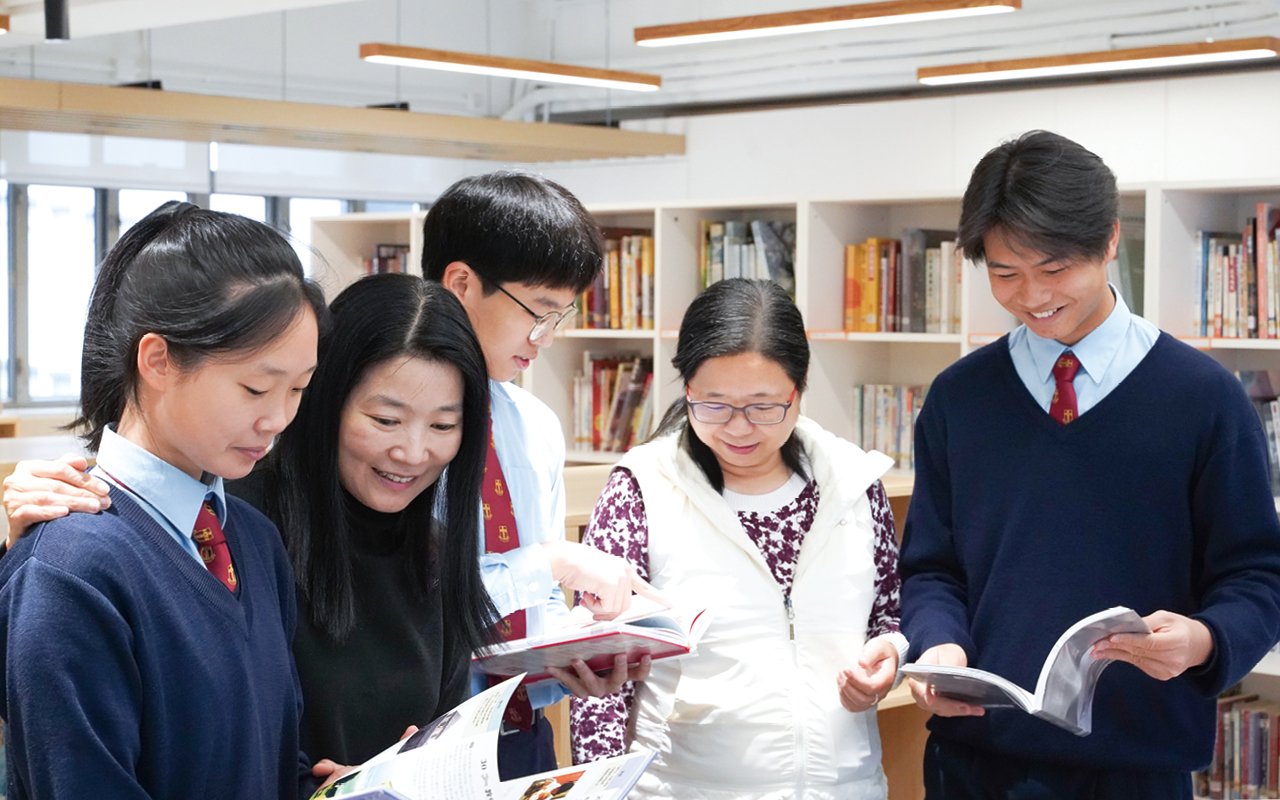
The learning and teaching of Chinese subjects also focus on cultural aspects. Principal Szeto said: "In the past, Chinese language and culture subjects were included in the Advanced Level Examination. Although this subject is not included in the new high school academic structure, after the high school curriculum has been optimized in recent years, schools have more space to re-introduce Chinese literature subjects." She described this decision as having "incredible" results. It has brought an interesting experience to learning Chinese, allowing students to understand literature from an interesting perspective and motivating them to learn actively. For example, students can learn to appreciate opera by participating in the "Arts and Culture Club - Cantonese Opera Appreciation of "The Purple Hairpin"", thereby understanding that opera is a treasure of Chinese culture. Only by appreciating the method can you appreciate its beauty, otherwise it will be no different from ordinary stones. In addition, the school will also lead students to watch dramas and movies, and discuss the contents of the dramas and movies together to deepen what they have learned in the activities. In addition, the school arranges literary walking activities, taking students to Central and Sheung Wan, the Chinese University of Hong Kong, etc., so that they can observe local people and events while being inspired by relevant literary works to create their own works.
After the introduction of the Chinese Literature subject, students actively participated in external creative competitions, and even won the Merit Award and the Special Award in the 33rd Hong Kong Poetry Competition (Rhymed Poetry) held by the Hong Kong Public Library. The winning student shared afterwards: "At first, I thought that oblique meter was very difficult and that I would never be able to learn it, let alone write modern poetry. I never thought that I could really learn oblique meter and win a prize in a competition. I'm so glad that the school offers a literature subject." In fact, winning the award is secondary. The most important thing is that students can hone themselves, think about others, and see the vast world of literature.
Special school-based courses: applying knowledge to life
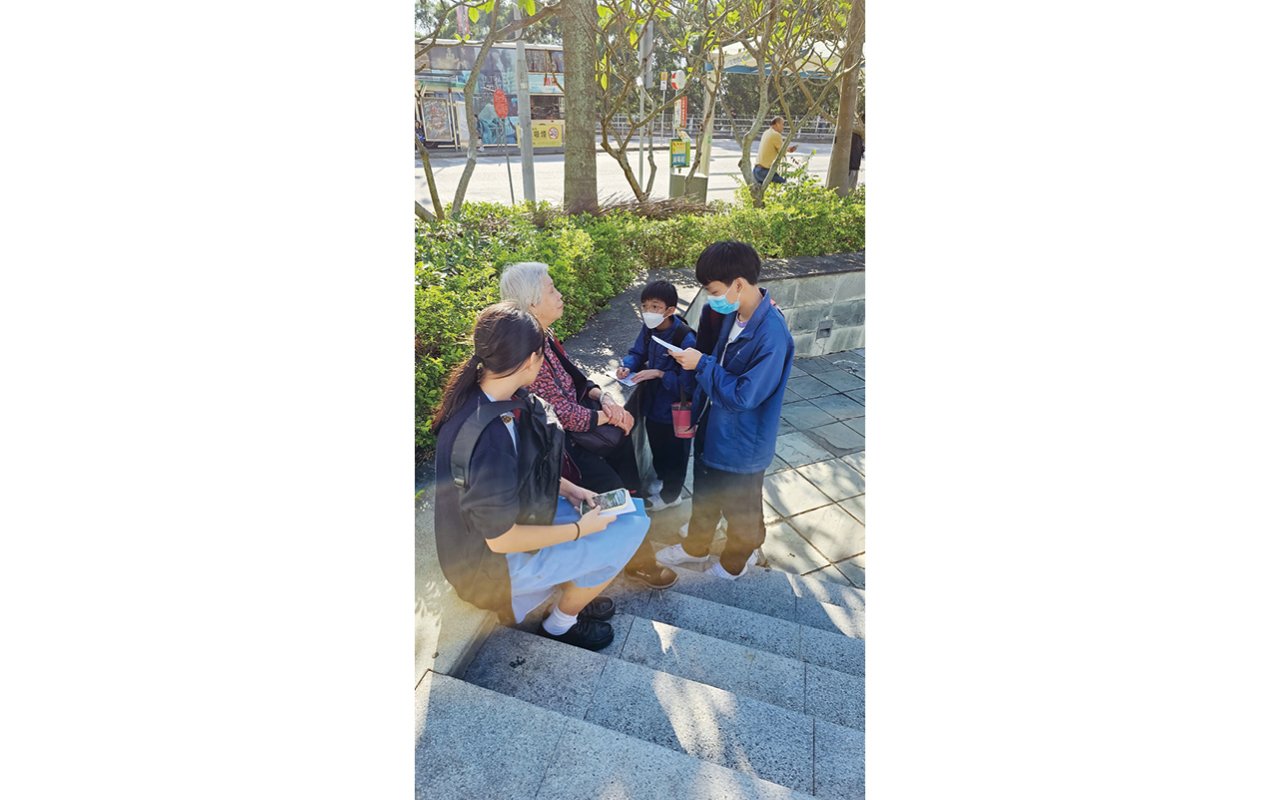
The school adopts the Design Thinking teaching plan and launches "LKWhy" and "Guan Tang" school-based courses for Form One and Form Two students respectively. "LKWhy" starts from the school, allowing secondary-level students to come into contact with campus figures they often see in campus life, such as co-workers, laboratory assistants and security guards, etc., to understand their "pain points" and difficulties at work, find solutions to their problems, and design an ideal campus. While students get to know the school, they also build empathy for the people around them and develop problem-solving skills. "Guan Tong" enters the community. In this course, the teacher will take students out to visit the Kwun Tong community and interview different groups in the community, such as the elderly, ethnic minorities, etc., so that students can understand the inseparable relationship between individuals and communities through observation and interviews, and cultivate their empathy and understand the needs of different groups in the community, so as to use the knowledge they have learned to find solutions for them. It also trains students' common skills through contact with strangers. Some students shared: "The older generation of neighbors introduced us to Tsui Ping Village in detail, which enhanced our understanding of the community's history, which cannot be found online." For high school students, the teaching team integrated it into different subjects as an extension of the characteristic school-based curriculum. It is hoped that starting from empathy, students will become young people who care about the community and the people around them, are passionate about life, and are willing to contribute to society, and live out the Christian spirit of "not to serve others, but to serve others."
In addition, the school has also designed a school-based "art development course" for Form 4 students. Teachers will take students to enjoy different art performances, and also invite professional tutors to teach students acting and music, etc., so that they can have the opportunity to try writing scripts, composing music, etc., gain achievements from the learning results, and find their own interests and even their personal future development direction. Through the "Art Development Class", students can freely choose the art venues they want to visit, which will broaden their horizons and enhance their extracurricular knowledge. Principal Szeto added: "Many students think that 'playing' and learning are separate, and equate learning with classes and exams, but this is not the case. In fact, the knowledge students learn can be used in daily life."
Know yourself, bravely pursue your dreams, and open up your ideal future
Since the first year of secondary school, the school has assisted students in career planning. Principal Szeto pointed out: "Many times, teenagers aged 13 or 14 love to have fun, so we have two major directions to implement career planning. One is to understand themselves, and the other is to understand the world, explore the needs of society, and think about how to contribute to society." In junior high school, students will start by understanding themselves and understanding their personal strengths and interests. The school organizes personal exploration activities to strive for every platform to let students see more and encourage students to try to face it.
At the high school level, the school encourages students to "dream" to find their own dreams, and through different activities, students are allowed to try in more aspects. For example, students who are interested in doing business are allowed to participate in competitions such as the New Year Festival and start-up projects to give them room for practice. For students who are aspiring to be writers, teachers also encourage them to submit articles and help them contact publishers. For students who are good at art, the school will also arrange for them to participate in joint-school art exhibitions held at the cultural center. In addition, the school will organize a mentorship program to allow alumni working in different industries to share, helping students learn more about different industries and find a path that suits them. Under the guidance of career planning policies, students can not only find their own direction, but some students have also successfully entered prestigious universities such as Peking University and started their ideal future.
Diversified learning opportunities to apply what you have learned
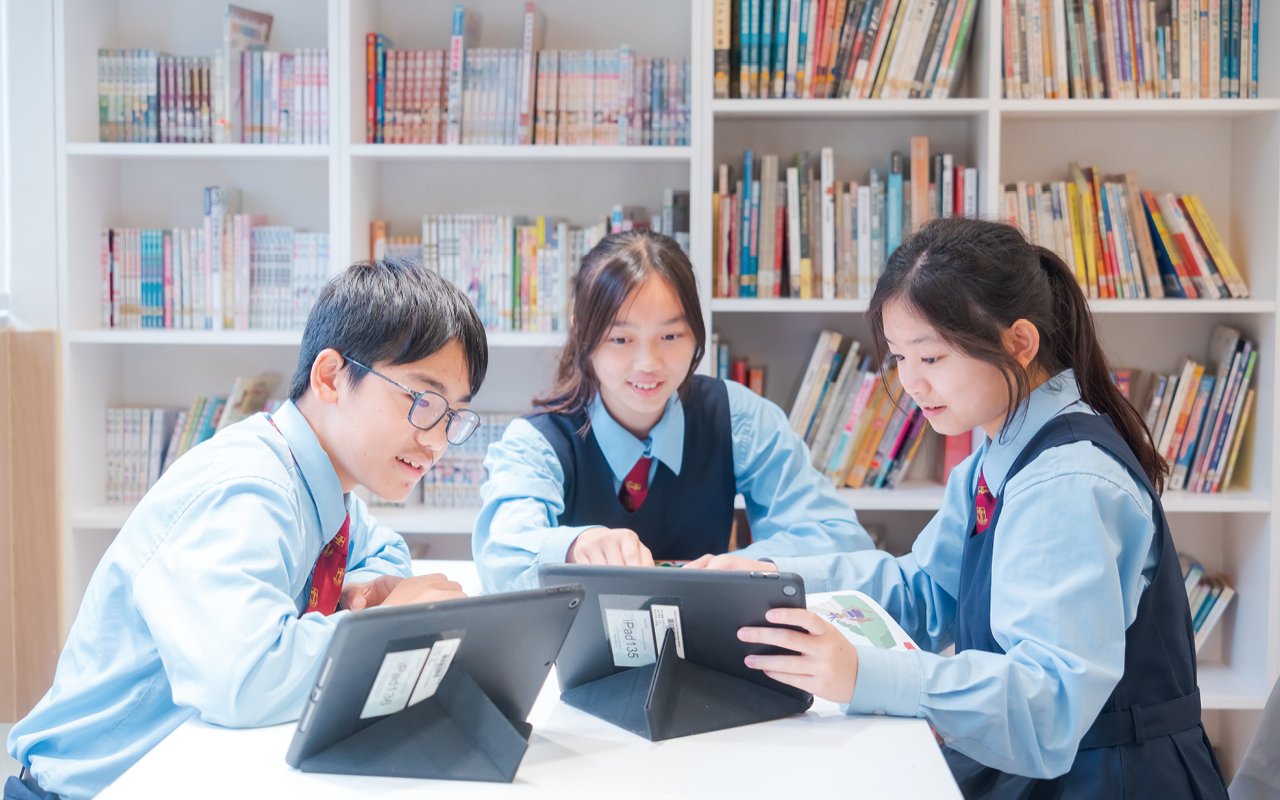
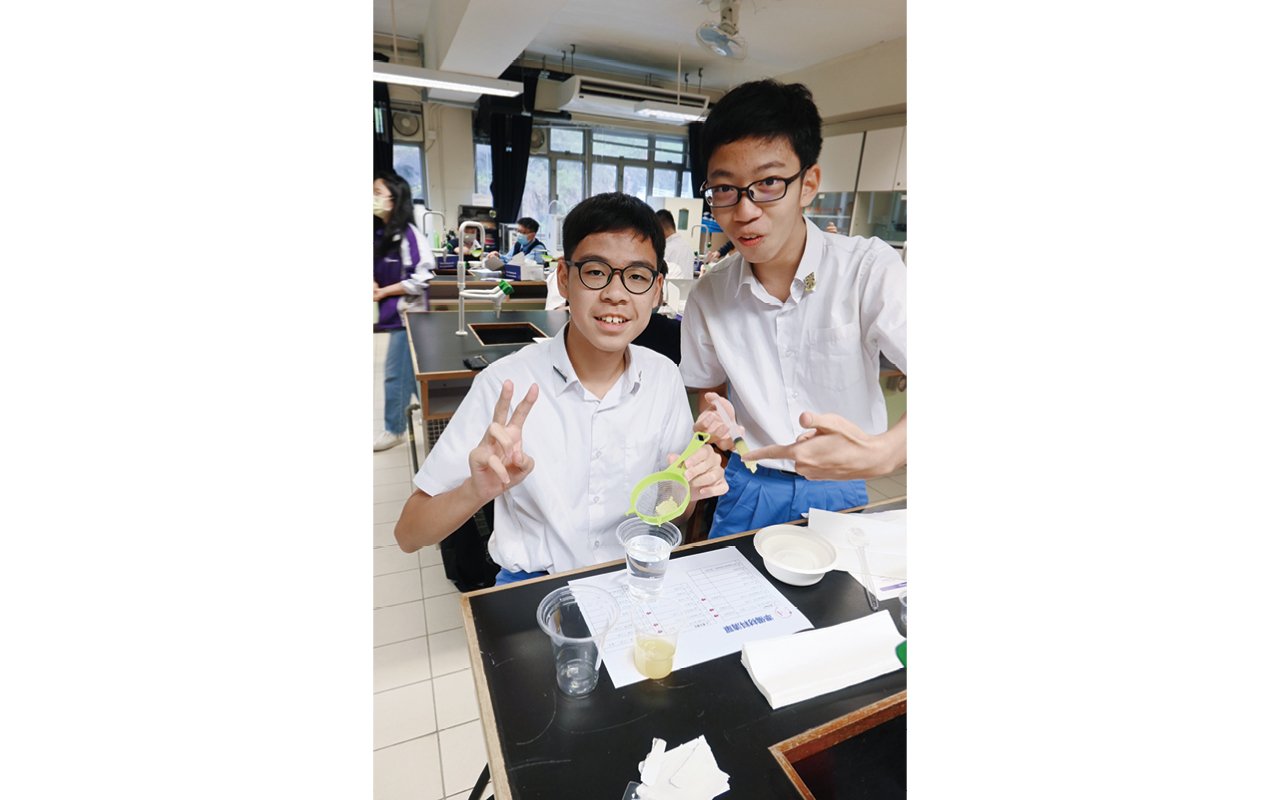
"STEM education cannot be separated from life, and students need to try to find solutions to problems." Principal Szeto pointed out that in terms of STEM education, in addition to teaching basic programming, robotics and other fields, the school will also actively cooperate with external organizations to provide students with more opportunities to try. For example, we cooperate with colleges and universities to allow students to explore problems that need improvement in schools from the perspective of students, and use STEM knowledge to propose solutions. "At that time, some students proposed to solve the problem of mosquitoes in the school located on the mountainside. Under the guidance of the teacher, we used scientific knowledge to design a mosquito trap and used science and data to solve life problems." The school also encourages students with stronger abilities to continue to move forward and participate in collaborative projects with universities or participate in competitions to put their knowledge into practice in design and life.
Learn from activities and practice from contributions
Extracurricular activities provide students with opportunities to develop their interests and expertise. The school offers more than 40 extracurricular activities, covering academics, service, arts, sports and interests, etc., and implements the belief of learning from life. Principal Szeto said: "We believe that students need to be recognized, which is a strong motivation for them, whether it is to the community or to society. If students feel that they are involved and contribute, they will be able to love that place." Therefore, the school actively encourages students to practice the skills learned in the activities and use them to contribute. For example, for students who participate in performance-related extracurricular activities, the school will arrange performance opportunities for them to perform for teachers, students, and the general public, giving extracurricular activities another meaning beyond study and interest, and practicing through contribution.
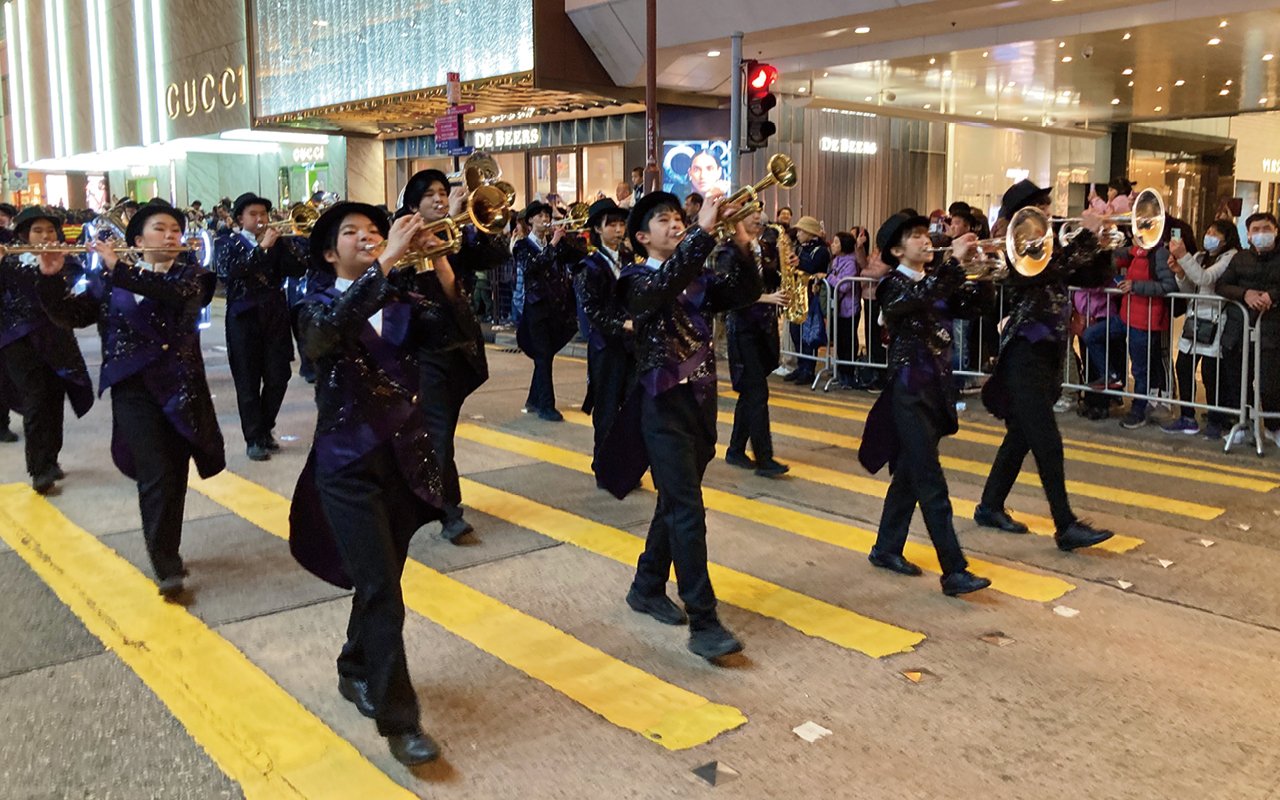
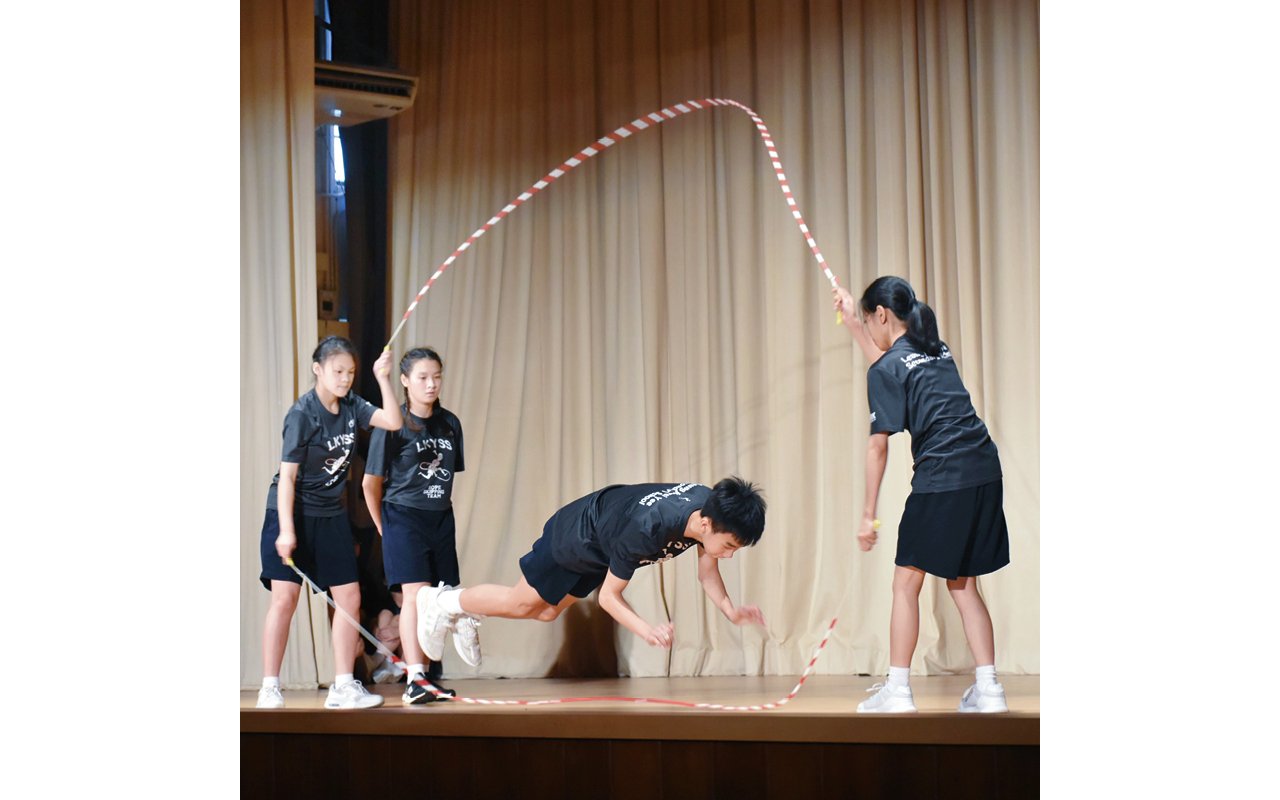
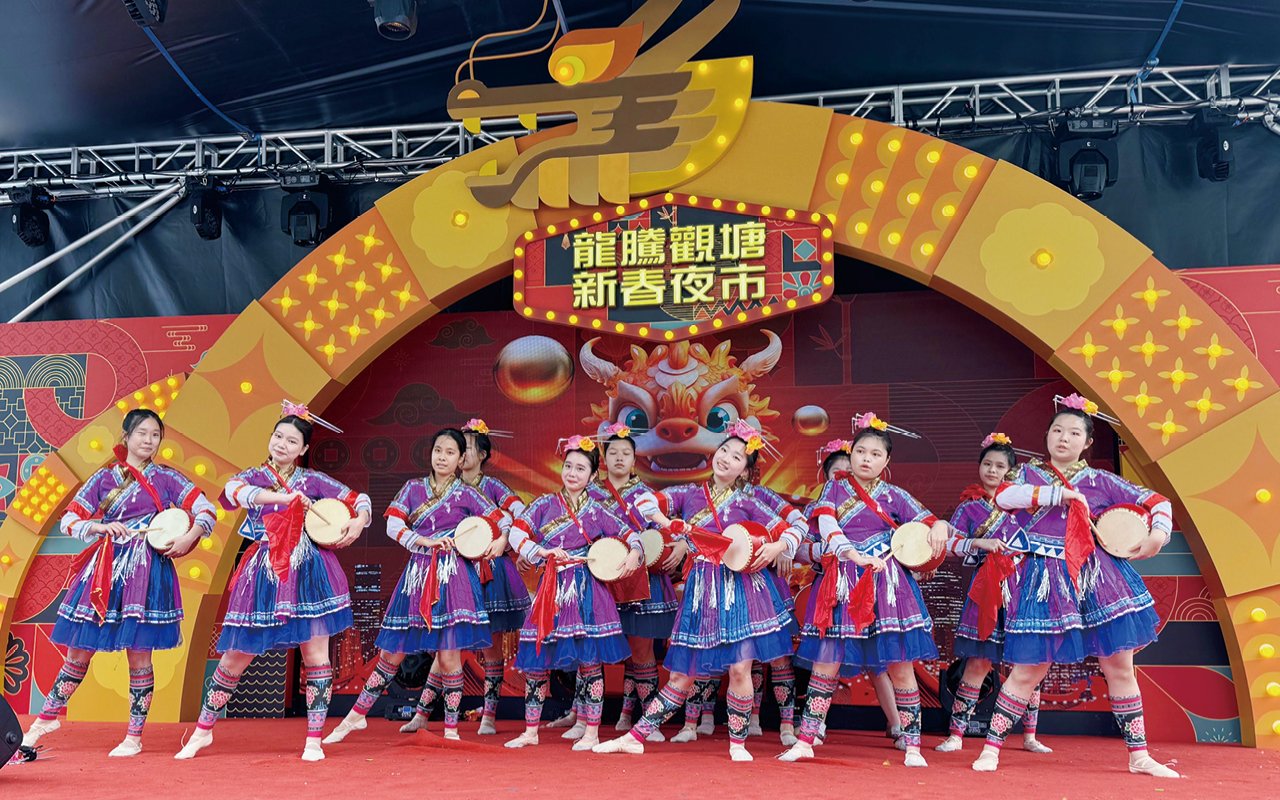
At the same time, the school will even strive for a broader stage for students, allowing them to seize these opportunities to contribute to society, such as participating in Christmas carols, Lunar New Year float parades, community New Year dances and fancy rope skipping performances, etc. Principal Situ added that the students felt happy and gained a sense of success in the process. In addition, the school regularly arranges for students to participate in different overseas competitions to broaden their horizons. At the same time, through competitions, students' perseverance and team spirit are trained, which is beneficial to their physical, mental and spiritual growth.
Actively create platforms to cultivate leadership skills
The school actively creates platforms to cultivate students' leadership skills in stages. For example, the "Seed Leader Training Program" is launched to allow Form 1 and 2 students to understand the characteristics of leaders and inspire their leadership skills. With the support of "Seed Leader" instructors, students can lead their classmates to organize class activities and practice what they have learned. Students who have participated in the program shared: "I still remember that when I participated in the activities, the classmates were not very familiar with each other. In elementary school, we had fewer opportunities to be exposed to these leadership or negotiation activities. The most important thing about these activities is to train our communication skills. The teachers can also give us timely suggestions and lay a good foundation for our positions as officers and other positions in high school." In addition, the school also designed "Lead" for the third and fourth grades of secondary school. "Beyond" leadership program allows students to develop their courage and learn to solve problems through projects such as canoe building, rock climbing and urban orienteering through sea, land and air, and encourages students to take the initiative to assume the role of student leaders in different positions. The school also organizes workshops and day camps for the student leaders of the student union and the four clubs, so that students can learn how to plan and write plans, host meetings and review the effectiveness of plans, etc., to help them lead organizations and prepare for social work in the future.
Adopt the concept of positive discipline and cultivate a positive attitude towards life
Principal Szeto understands that young people desire to be recognized and participate, so the school adopts a positive discipline model to cultivate young people's proactive attitude towards life. "The design and arrangement of school education policies are all based on the concept of positive discipline - using mutual respect and cooperation, under gentle but firm teaching, to help children develop self-discipline and guide them how to solve problems together when they encounter conflicts." Therefore, the school cooperates with the Chinese University of Hong Kong to provide each teacher with a positive discipline training course, so that teachers can better understand young people, and cooperate with the language teaching of positive discipline to help young people grow. Principal Szeto pointed out that students are highly engaged in class because it gives them a sense of recognition and makes campus life more meaningful. For example, students, teachers, and alumni are invited to design furniture using the branches of withered trees, which not only serves as life education, but also allows them to participate in it.
Pay attention to home-school cooperation and work together to help students grow
The growth of classmates and the adaptation of secondary one students require joint support from parents and schools. For this purpose, the school starts from the aspects of curriculum and parents. On the one hand, students are provided with bridging courses during the summer vacation, ranging from three days to one week, so that students can adapt to life after entering high school. For example, summer English courses are launched, with the English subject team and specially hired English teachers providing guidance to help students lay a solid foundation in English before the start of school and help them learn English more efficiently.
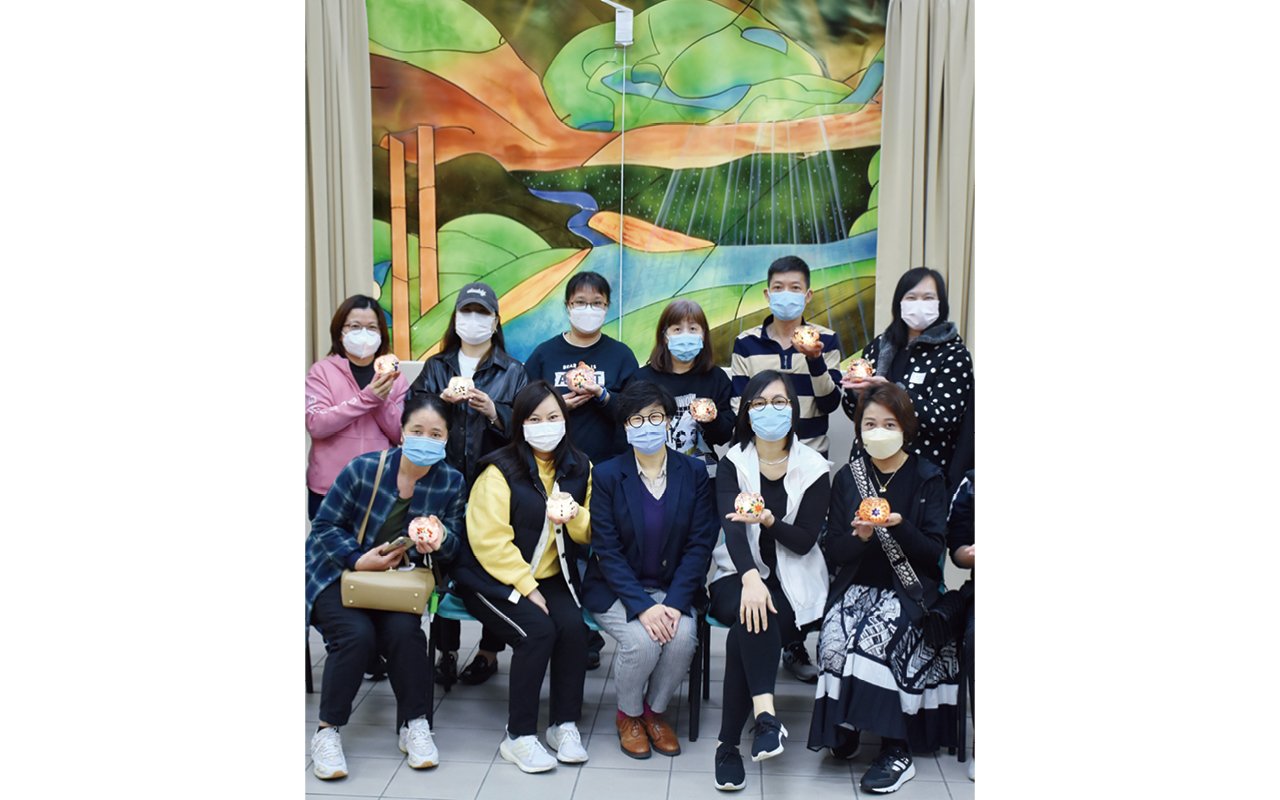
On the other hand, while caring for students, the school will also organize courses for parents during the summer and after school starts, covering popular artificial intelligence, emotional management, etc. Parent-teachers will set up different interest classes and parent-child activities for parents. In addition to providing diversified and practical information, it also allows parents and children to have common topics and share interesting things about "school". At the same time, the school will also use the TEEN room to let parents know more about the school's teaching characteristics and their children's schooling situation.
Enjoy learning, understand life, empathize with neighbors, We Learn • We Live • We Love
S.K.H. Leung Kwai Yee Secondary School · 2024年3月
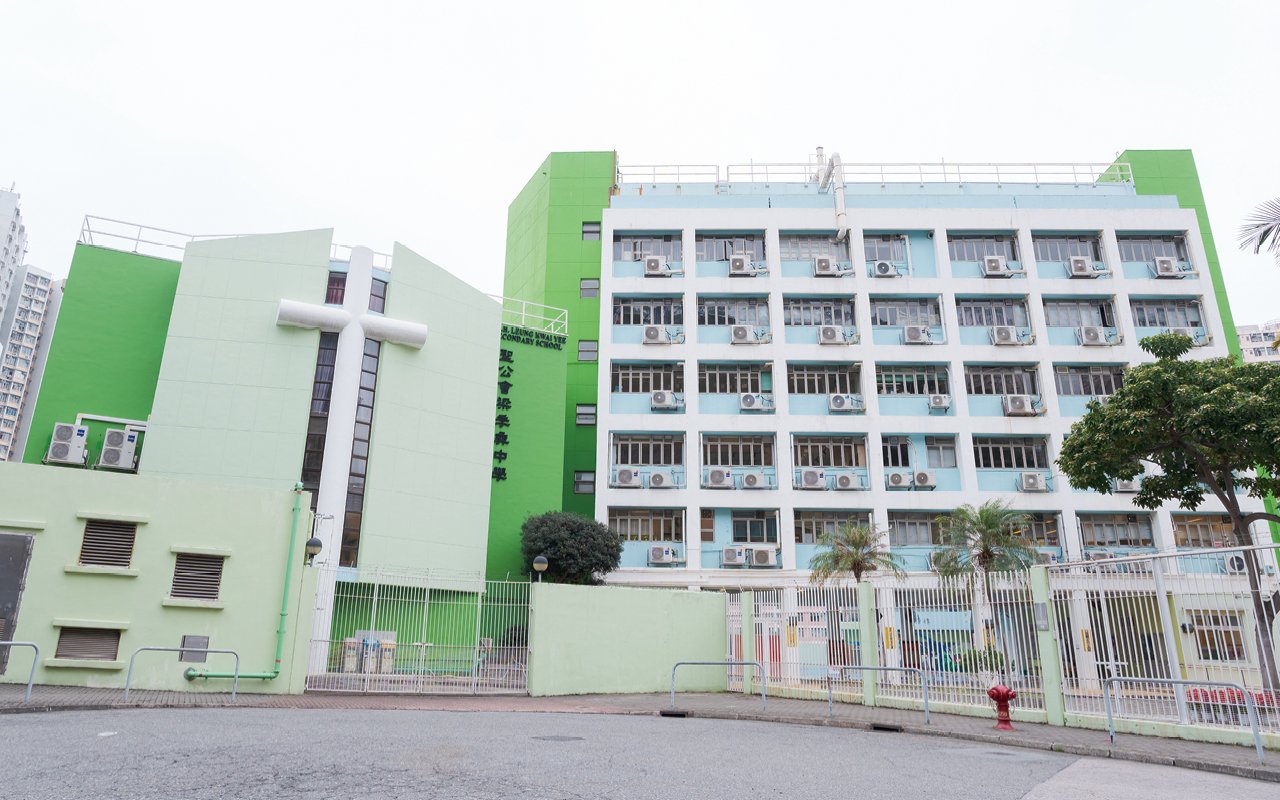
School building appearance
This English version is translated by AI. If there are inaccuracies or omissions, please refer to the original Chinese text.