
The development of information in the 21st century provides students with a platform for all-round development. It is increasingly important to cultivate students' problem-solving and collaboration abilities. Carmel Bunnan Tong Memorial Secondary School attaches great importance to the development of learning across learning areas and vigorously promotes STEM education. On this basis, "A" is added to represent visual arts and humanities. Through courses, activities, collaborations, etc., the school practices the interdisciplinary and cross-field advantages of STEAM, integrates aesthetics and humanistic care into different disciplines, conveys positive values, cultivates students' creative thinking, uses STEAM as a spirit to understand the connections between disciplines, and builds problem-solving abilities. Principal Chan Oi Chi believes that the purpose of STEAM education is not just to solve problems, but to interpret the world with humanistic care and in conjunction with what is learned in the curriculum, and to give back to society in the future.
Interdisciplinary links break down barriers in knowledge fields
Interdisciplinary collaboration is an indispensable part of STEAM education. Through the combination and integration of different subjects, the knowledge of different subjects is integrated and the barriers between subjects are broken down, so that students can obtain a continuous learning experience. In terms of curriculum, science, mathematics, visual arts and computer subjects will cooperate with each other in the curriculum, using a model that combines practice and theory, and through different learning topics to be closely linked and connected, so as to consolidate knowledge points in different fields and train students' "hands-on" ability. For example, the Secondary 2 learning topic is a collaboration between Science and Mathematics, allowing students to practice in person, using the mechanical concepts learned in Science and the similar triangle topics in Mathematics to make Roman cannon mounts. Through interrelated topics, different subjects are closely linked, and students can flexibly apply the knowledge they have learned in different areas. In addition, the school will arrange a "STEAM Project" exercise period for each level, allowing students to use their creative thinking from the exercises, learn to use STEAM knowledge to solve problems, and also add interest to learning through "hands-on work" and group collaboration.
Combining science with aesthetics to cultivate artistic connotation
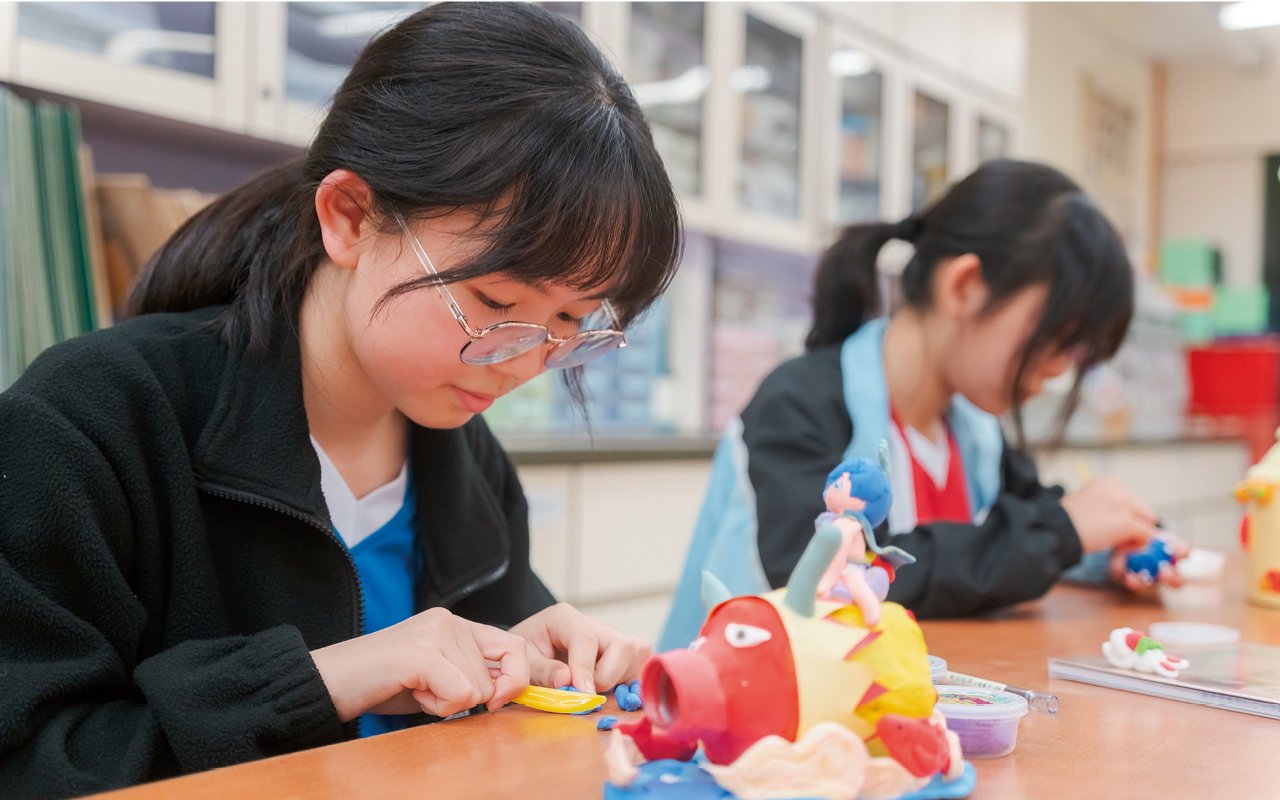
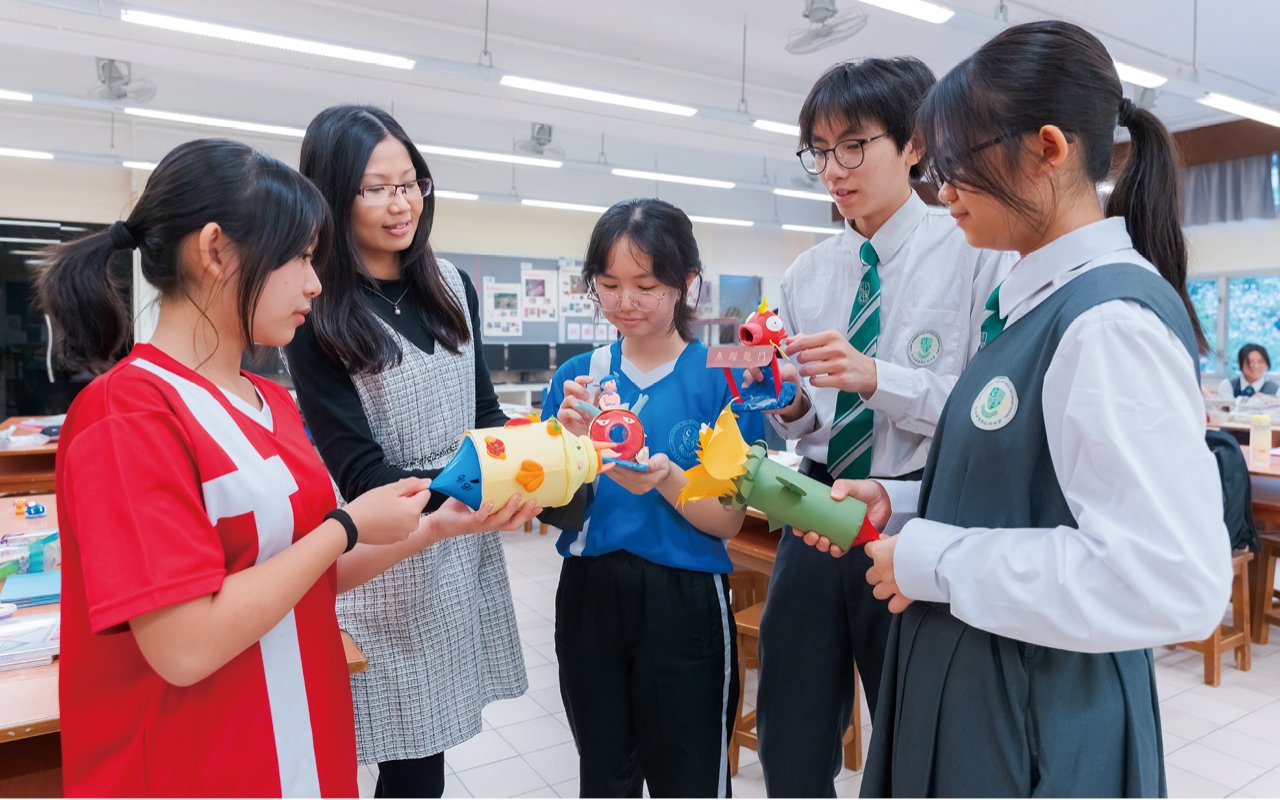
The school combines visual arts and science subjects, allowing students to learn and apply knowledge from two completely different fields: science and aesthetics. Taking the Visual Arts Department of Form 1 as an example, the school launched thematic teaching and launched the topic of "Good Luck and Good Luck". First, students were taught knowledge about Chinese culture, intangible cultural heritage, etc. in the classroom, and made paper-cut creations. Then, through independent learning, they inspired artistic inspiration and deepened the connotation of the works. At the same time, the science department will also launch the topic of "air cannon" to teach students scientific theories, make prototypes of air cannons by themselves, and design a "wishful and auspicious" shape for the air cannon in the visual arts class, giving the seemingly ordinary air cannon an artistic beauty and cultural connotation, thereby enriching students' learning experience.
Focus on humanistic care, scientific and technological products give back to society
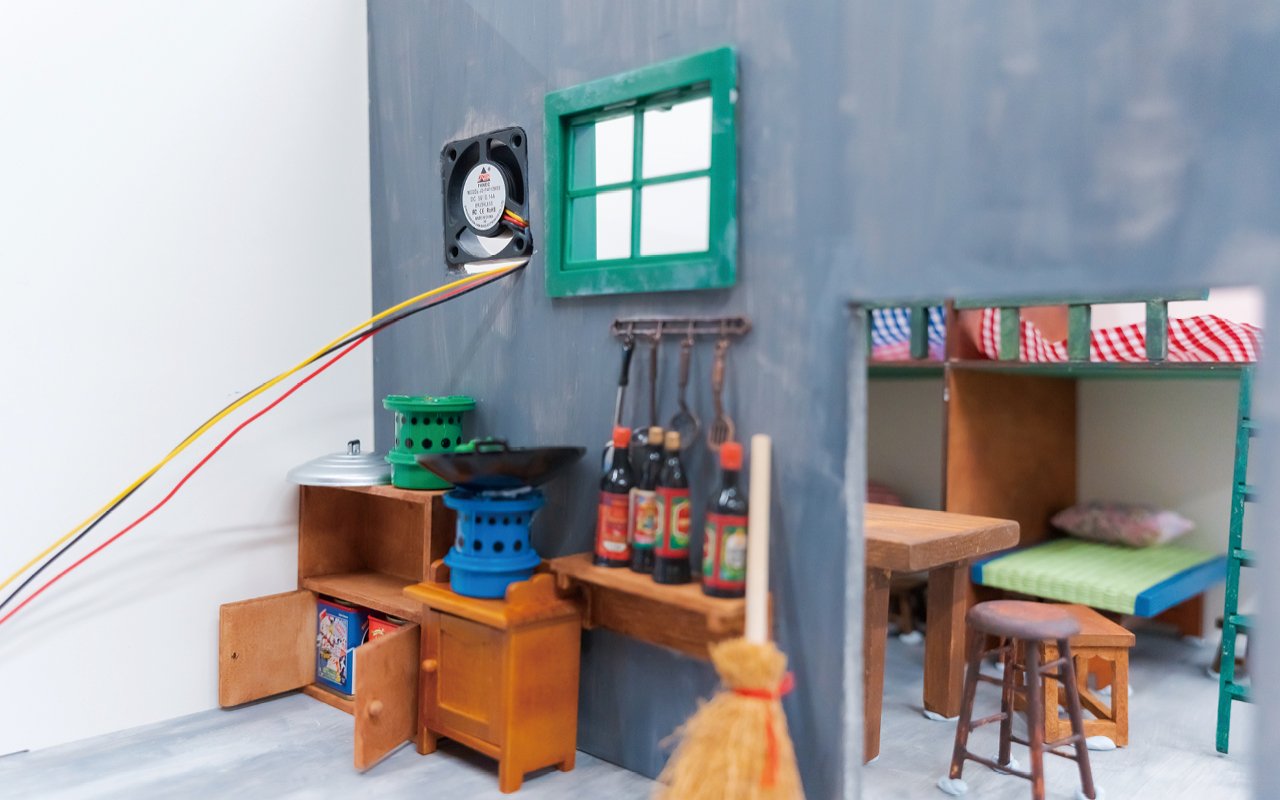
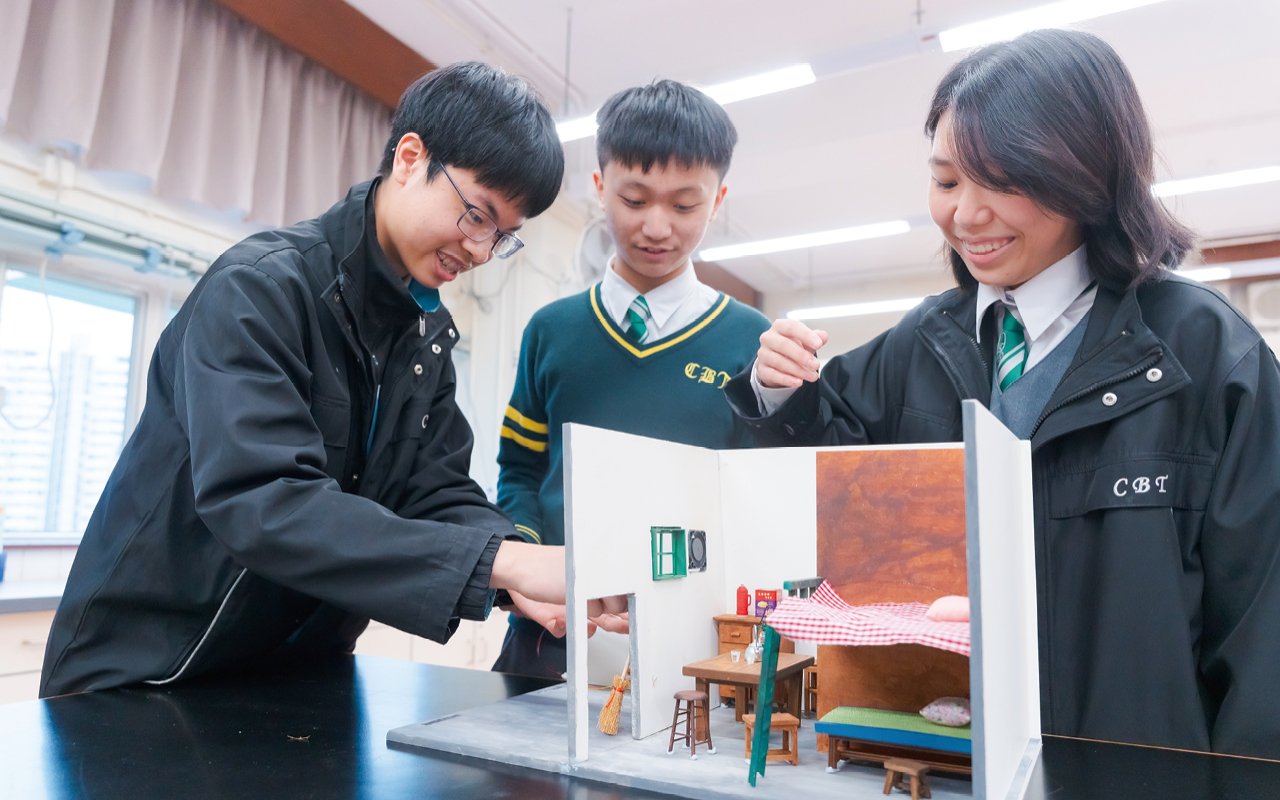
The school emphasizes that STEAM education, whether it is science, technology, engineering or mathematics, should be based on the concept of humanistic care, and its ultimate goal is to hope that human beings can have a richer and happier life. Therefore, the STEAM products designed by students in classroom activities are all aimed at benefiting the public. For example, last year, the school led students to participate in the "Junior Secondary School History E-Reading Award Scheme 2023" organized by the Curriculum Development Institute of the Education Bureau and the E-Learning Development Laboratory of the University of Hong Kong. The students read the chapter - "The Early Development of Public Housing in Hong Kong and the Lifestyle of Residents in the 1950s and 1960s" and the website of the Mei Ho House Living Center of the Hong Kong Youth Hostel Association to learn about the problems of cramped and airless living environment in resettlement buildings at that time. Later, the students used the principle of air convection to create the "Mei Ho Lou Mei Model (miniature model)" by adding a simulated exhaust fan from the 1960s to try to improve the air quality. Starting from history, students combined with scientific inquiry to build empathy for history and humanistic literacy in the process. From a modern perspective, students used creative thinking to solve problems scientifically. This work even won the Creativity Award in the junior high school category and is worthy of recognition.
Utilize information technology knowledge to solve daily life problems
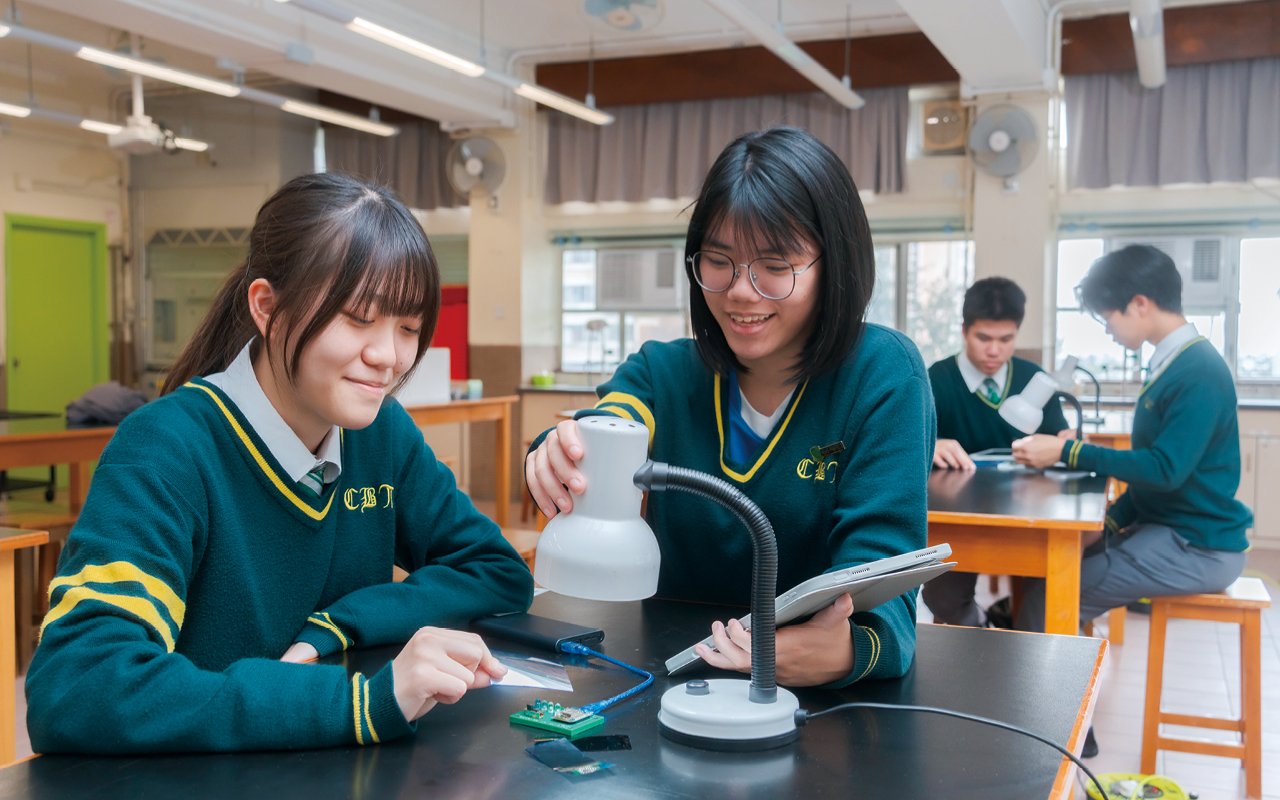
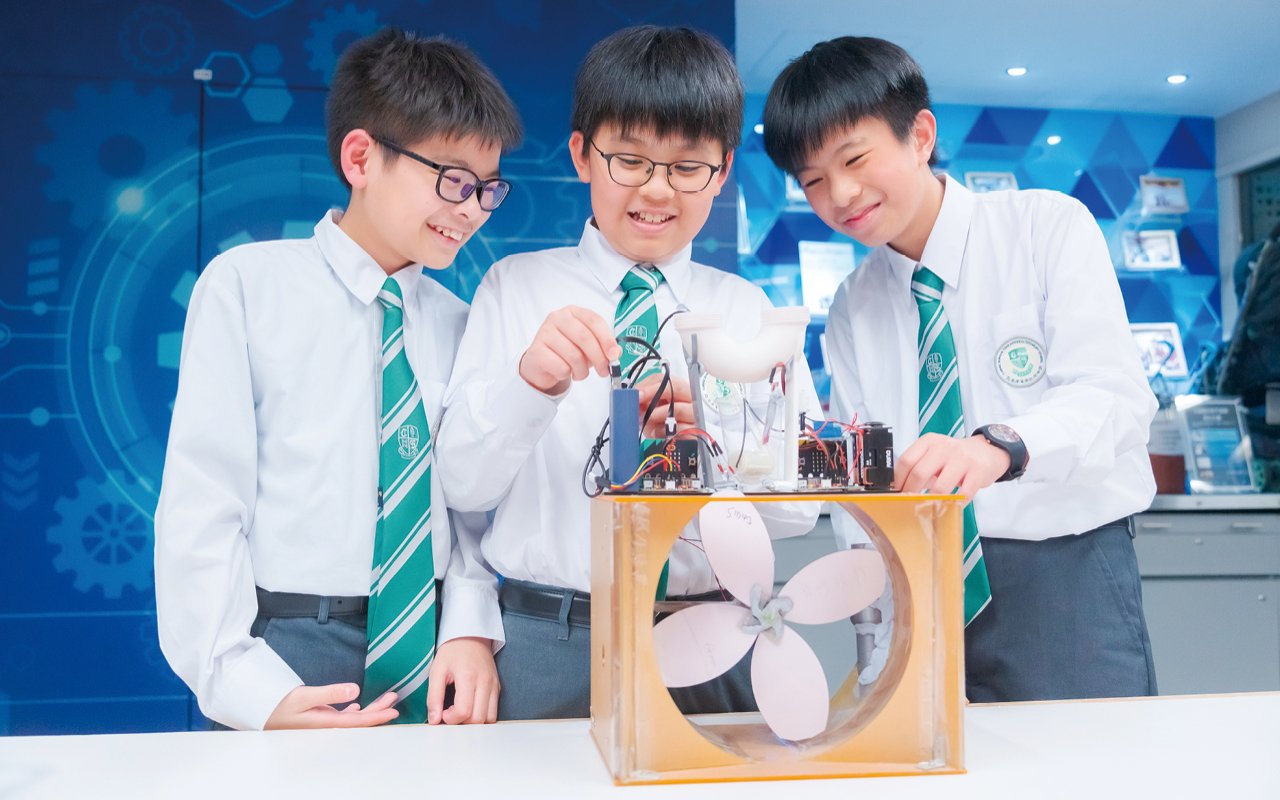
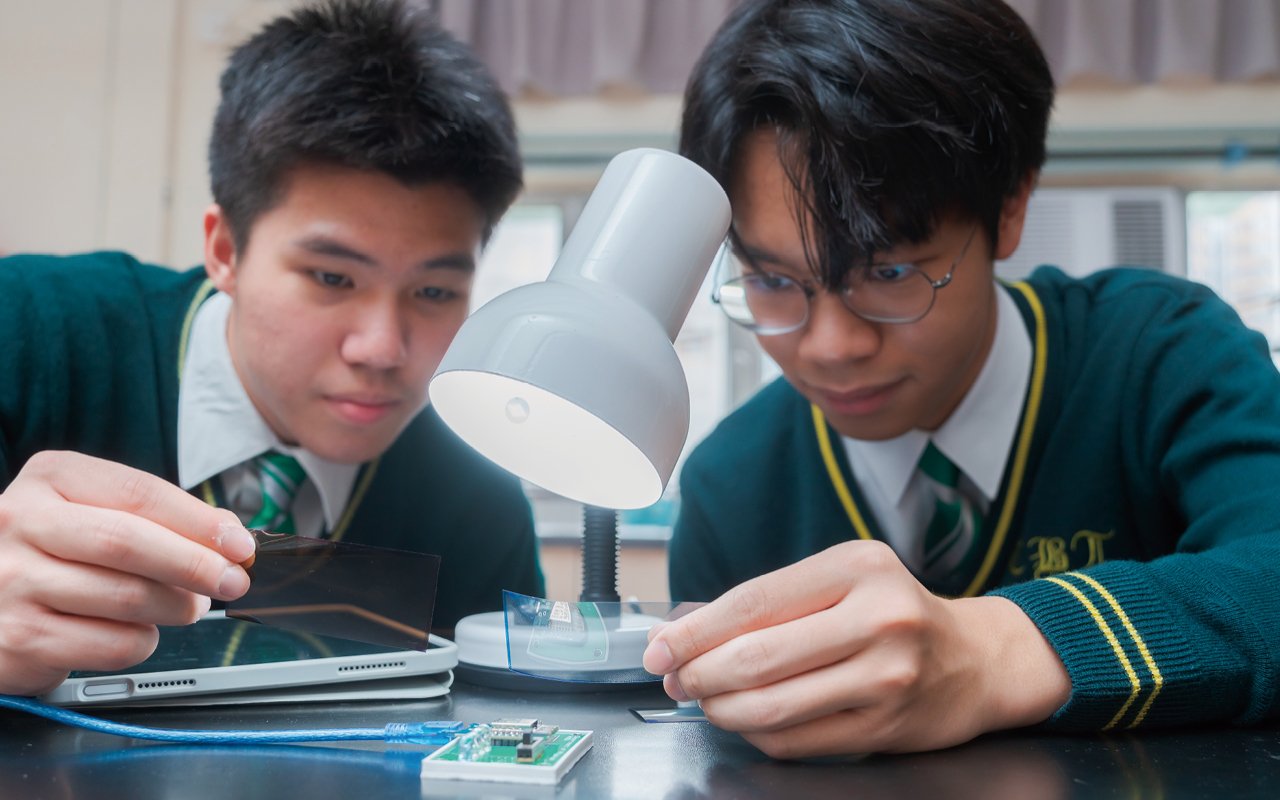
Starting from Form 1, the school arranges programming classes for students to teach programming skills and convey the concept of information literacy; to Form 2, the school will teach students variables, write conditional statements, etc., and lead them to practice programming concepts to solve problems in daily life, and try to make small smart products, such as smart fans, smart lights, and alarm systems; Form 3 cooperates with the Science Department to use U-shaped air isolation pipes as the experimental target, allowing students to use smart products to ensure that the U-shaped air isolation bends are always filled with liquid to prevent other gases from flowing back into the room. In the science class, teachers will also study with students what kind of liquid can be placed in the U-shaped air barrier, which has the strongest and most durable sterilization ability; while the computer department will teach students to create an intelligent system for monitoring the liquid in the U-shaped air barrier elbow to monitor whether the level of the liquid meets the requirements. If insufficient is detected, the liquid will be pumped into the U-shaped air barrier.
Through a series of information technology courses that emphasize both practice and theory, students can learn to apply technology in their lives through hands-on exploration. In addition to bringing intellectual inspiration to classmates, it can also train their creativity and problem-solving skills, and jointly build a better living environment. Not only that, the school actively encourages students to participate in off-campus competitions. For example, in the environmentally friendly wind power generation competition, students used environmentally friendly materials to make a wind power generation system that can provide long-term power supply to an intelligent system for liquid monitoring in U-shaped air isolation bends. The students' finished products even won awards in the New Territories. In recent years, the school has updated artificial intelligence courses to teach students related concepts and knowledge and integrate artificial intelligence into product design.
Cultivate interest in innovation and technology learning, gifted education shows its strengths
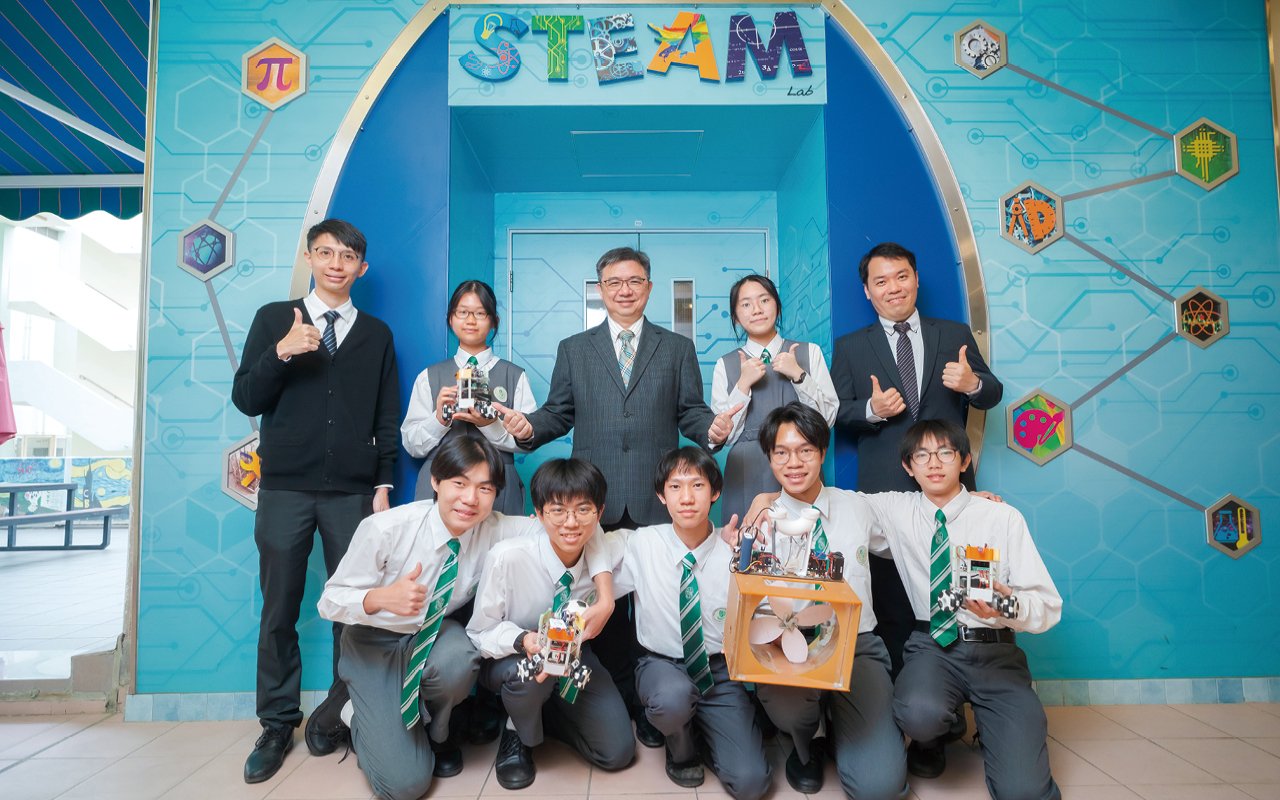
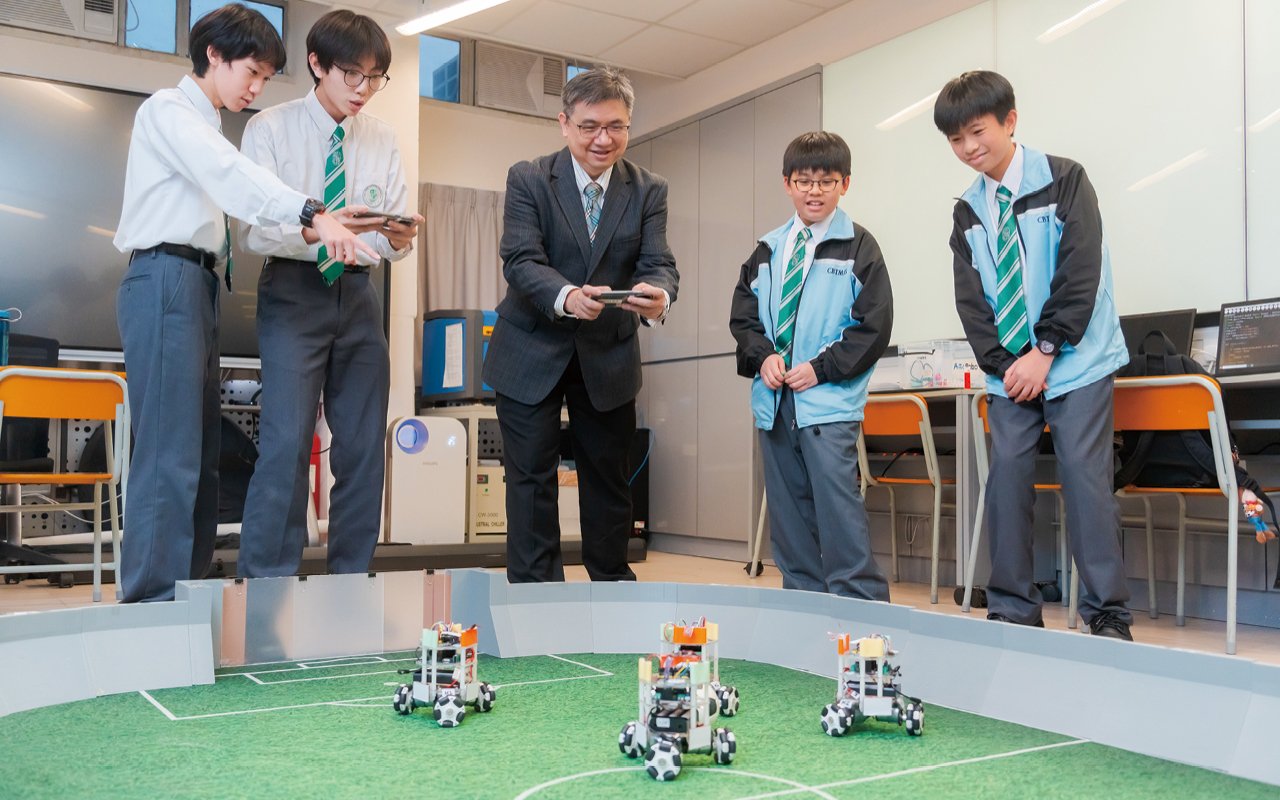
In order to continue to effectively promote STEAM education, the school actively cultivates students' interest in learning innovation and technology, and provides great help to students with potential, hoping that they can fully demonstrate their talents in their fields of expertise. For students who are good at programming, the school will provide robotics classes, programming groups, etc. after class to allow students to participate and express their creativity. At the same time, the school will select top-performing students in the regular robotics courses at the intermediate level to participate in the robot football course. Students need to comprehensively apply STEAM knowledge to build a flexible robot to participate in the competition, so as to exercise their creative thinking, teamwork and problem-solving abilities. Last year, the school even led students to participate in the "Pengcheng Cup Football Robot Competition 2023", a football robot competition organized by the Hong Kong University of Science and Technology, and stood out from 34 teams and won the overall runner-up of the Pengcheng Cup. During the game, students control their own soccer robot through programming and compete with their opponents in a three-on-three match. Not only can they comprehensively use STEAM knowledge and practical skills to complete the game, but they can also broaden their horizons, broaden their knowledge, and cultivate their creativity, collaboration, and problem-solving abilities.
The school implements the concept of "Teach for future" and holds diversified STEAM activities to cultivate students' mastery of STEAM skills and prepare them for future innovative technology-related jobs. For example, in the "Rocket Car" activity at the intermediate level, students need to learn to cut, assemble, and make a streamlined rocket car for competition. Through activities, students can try to apply the knowledge learned in books in different fields. The school has also cooperated with business schools and launched molecular gastronomy activities to allow students to understand the cooking principles of soft-boiled eggs and other foods from a scientific perspective. It also launched a tooth repair activity to lead students to try to prepare the chemical materials needed for filling teeth, simulating the process of filling teeth by a dentist. Thanks to the school's flexible use of industry resources, students can understand the possibilities of science in different fields, explore their own interests and more possibilities, and even plan their own future direction.
Diverse learning facilities to create a scientific and innovative learning atmosphere
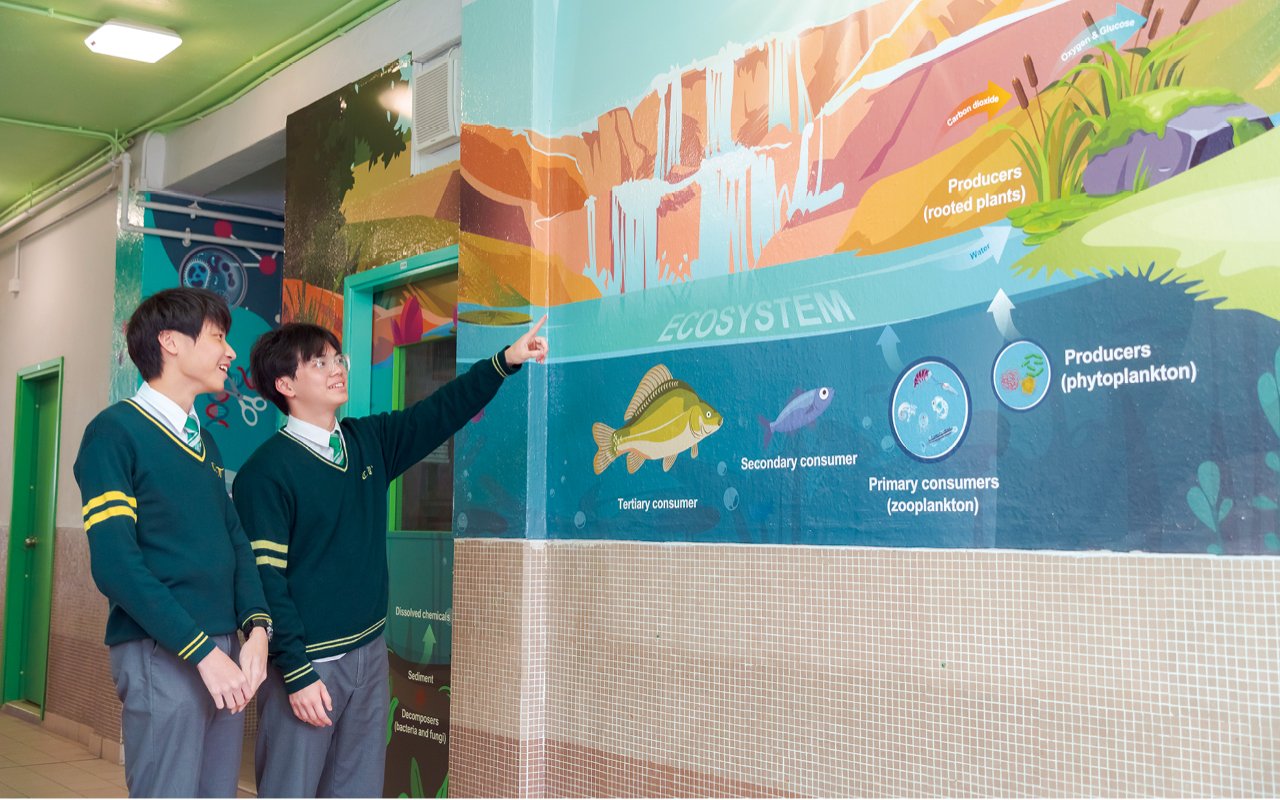
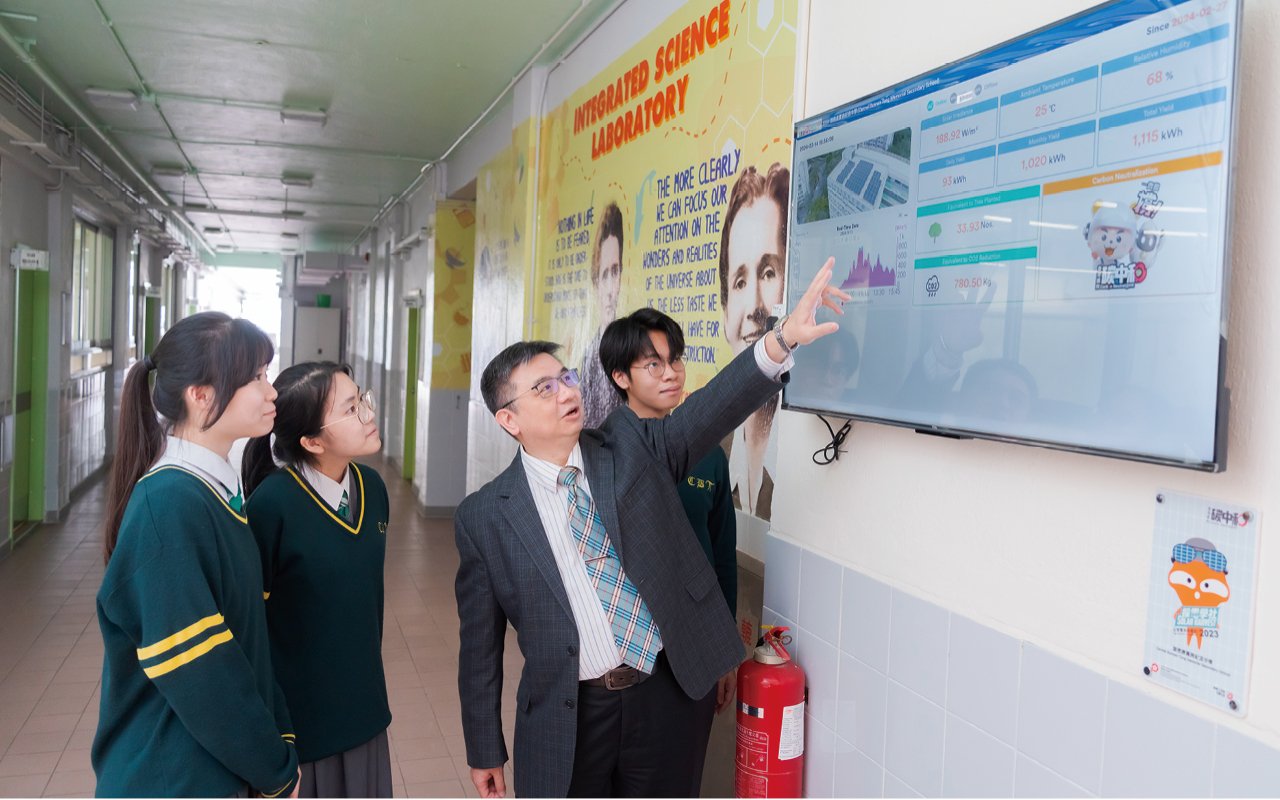
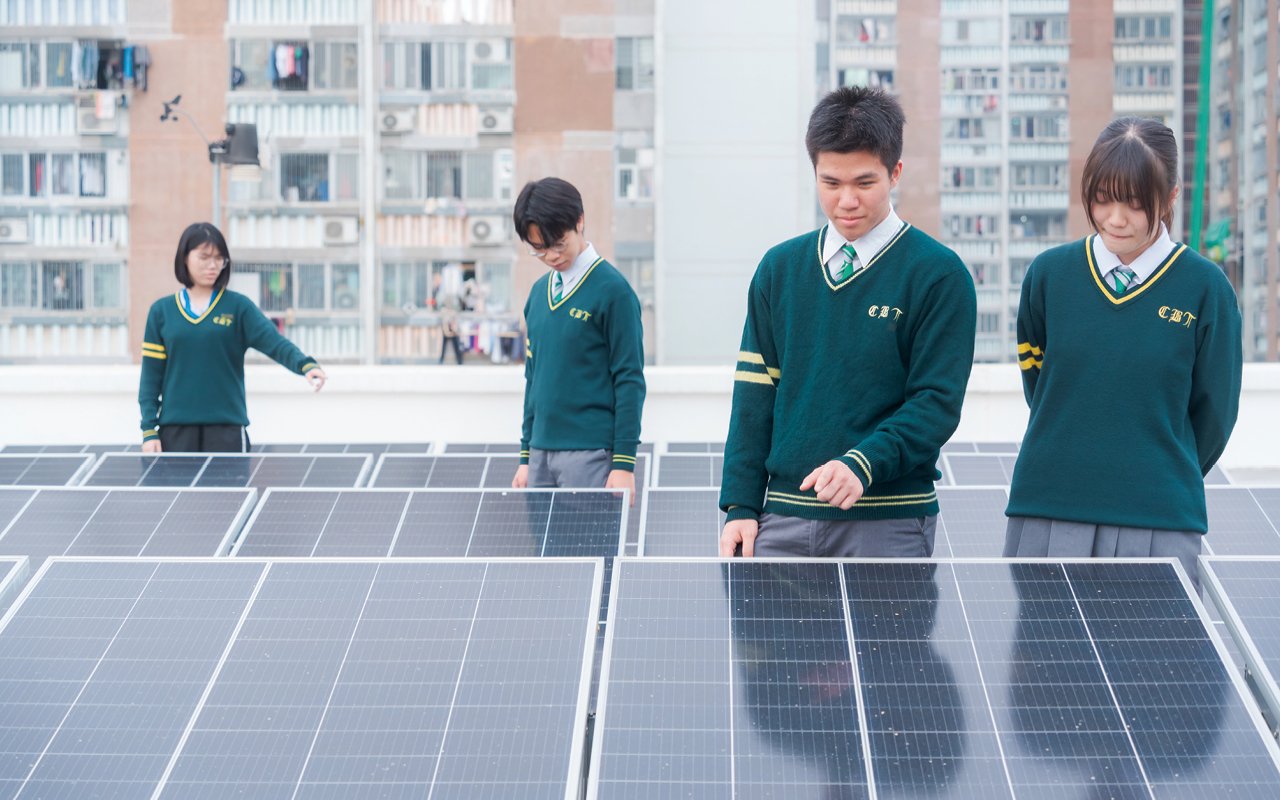
The school understands that while promoting STEAM education, it also requires the coordination of hardware facilities, so it specially provides students with up-to-date and diversified learning equipment, such as a STEAM room equipped with a variety of high-tech tools such as 3D printers and laser cutting machines; it also has physics, chemistry, biology and comprehensive science laboratories. The school started with the campus environment to enhance students' interest in STEAM. The theme walls of the four laboratories were also designed around the subject knowledge of the laboratories. For example, the lives and ecosystems of famous scientists were painted. Clocks with chemical symbols were specially purchased for use in the laboratories, allowing students to further explore their interests in the field of science. In addition, the school participated in the feed-in tariff scheme this year and cooperated with the installed renewable energy system to convert solar energy into electrical energy. There is also a display screen to record the data of solar power generation, allowing students to understand scientific knowledge, technology and environmental protection, reflecting the importance of solving problems with science and technology, and establishing humanistic care.
Comprehensive application of subject knowledge, all-round STEAM education
Carmel Bunnan Tong Memorial Secondary School · 2024年4月
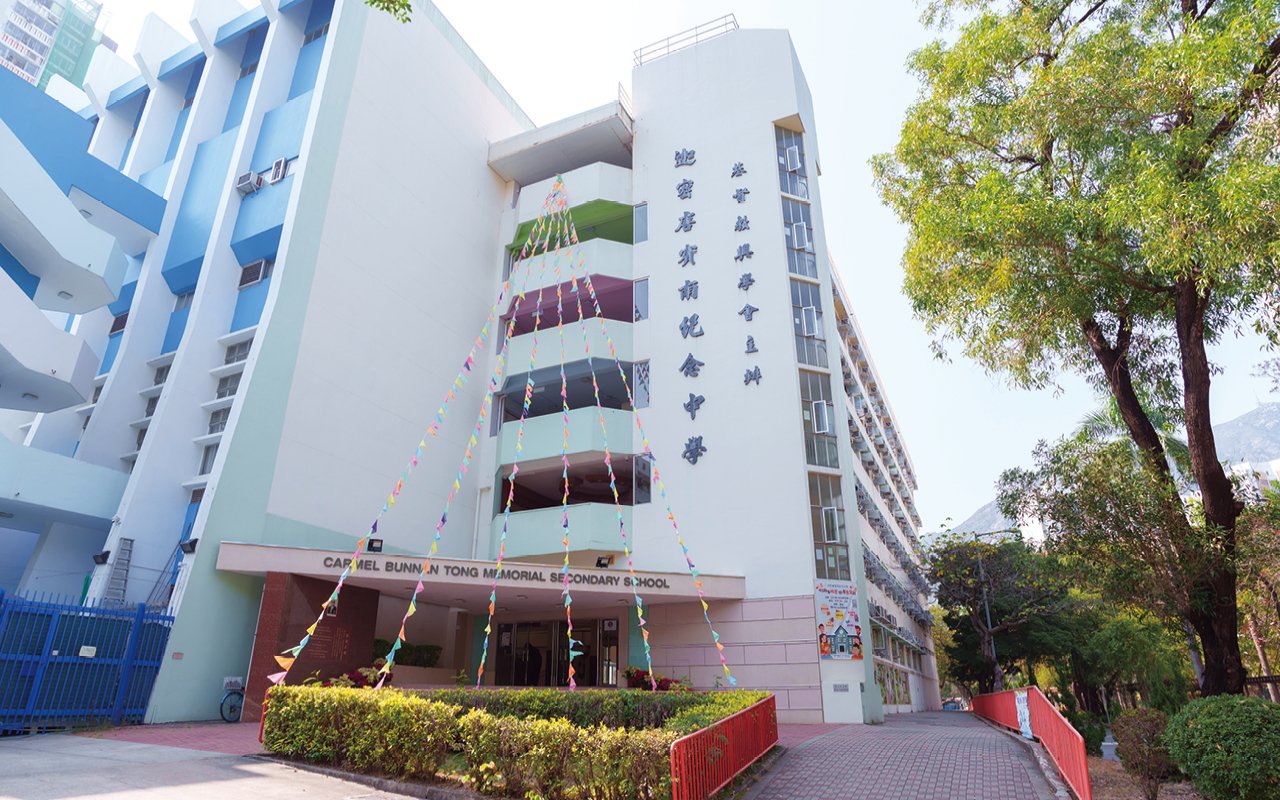
School building appearance
This English version is translated by AI. If there are inaccuracies or omissions, please refer to the original Chinese text.