
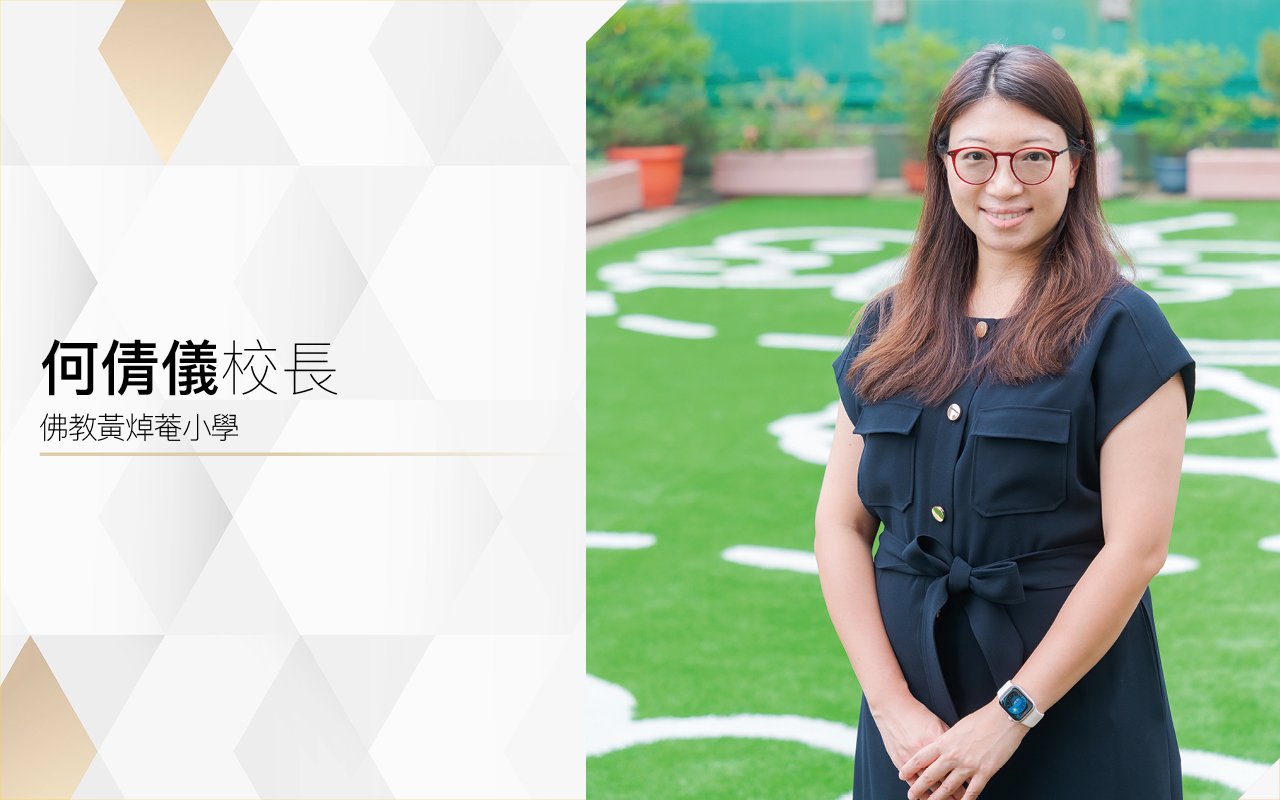
As children grow and seek knowledge, school education not only passes on the torch of knowledge, but also helps shape children’s character, skills and values. Buddhist Wong Cheuk Um Primary School We understand this well. The school has a long history and has carefully combined Buddhist education and civic education. In the face of the ever-changing society, the teaching team’s educational methods have not fallen behind others. Under the leadership of Principal He Qianyi, the school has closely followed the latest developments in future education in recent years. We will further enrich the school-based curriculum, introduce new technological teaching equipment, promote students' independent learning, and also emphasize the importance of interdisciplinarity to encourage students to observe and think about problems from different angles, so as to cultivate tomorrow's pillars of knowledge that are integrated, broad-minded, and knowledgeable.
Interesting themes build "intrinsic motivation" to make children love learning more
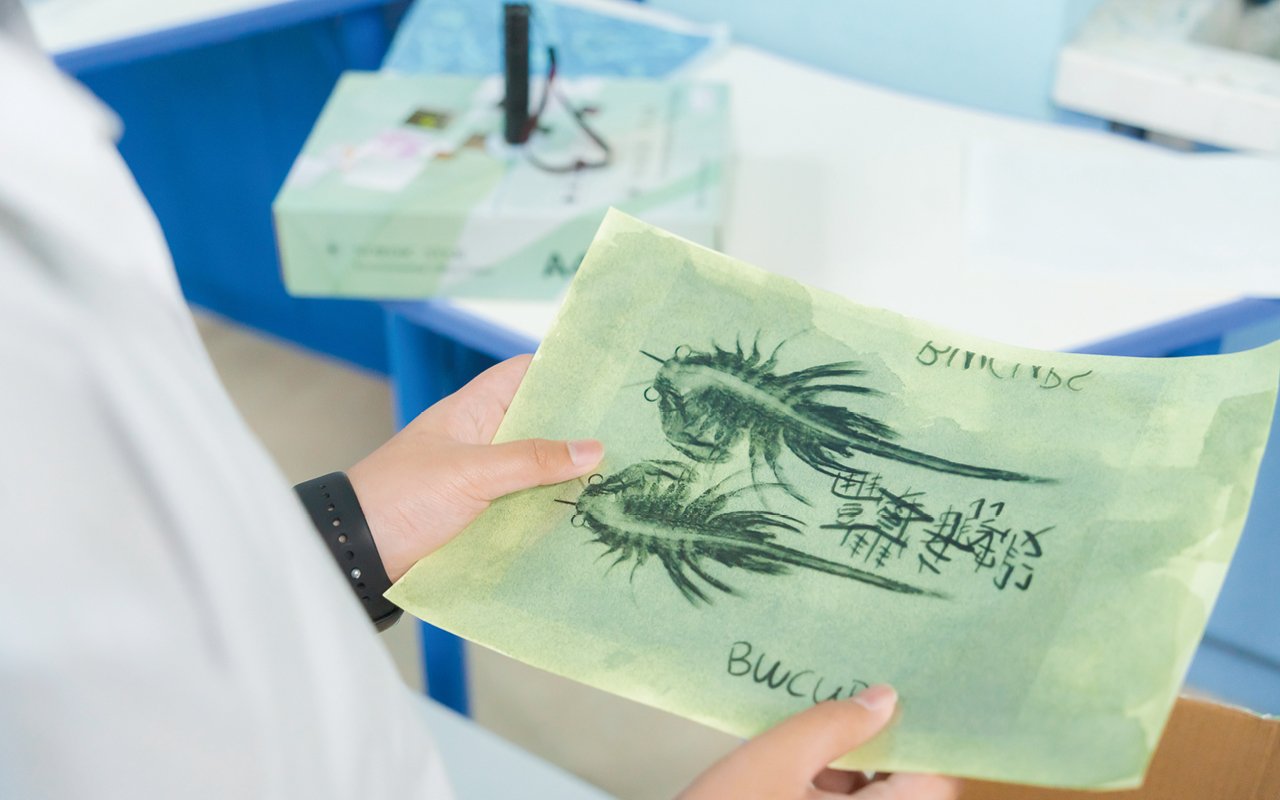
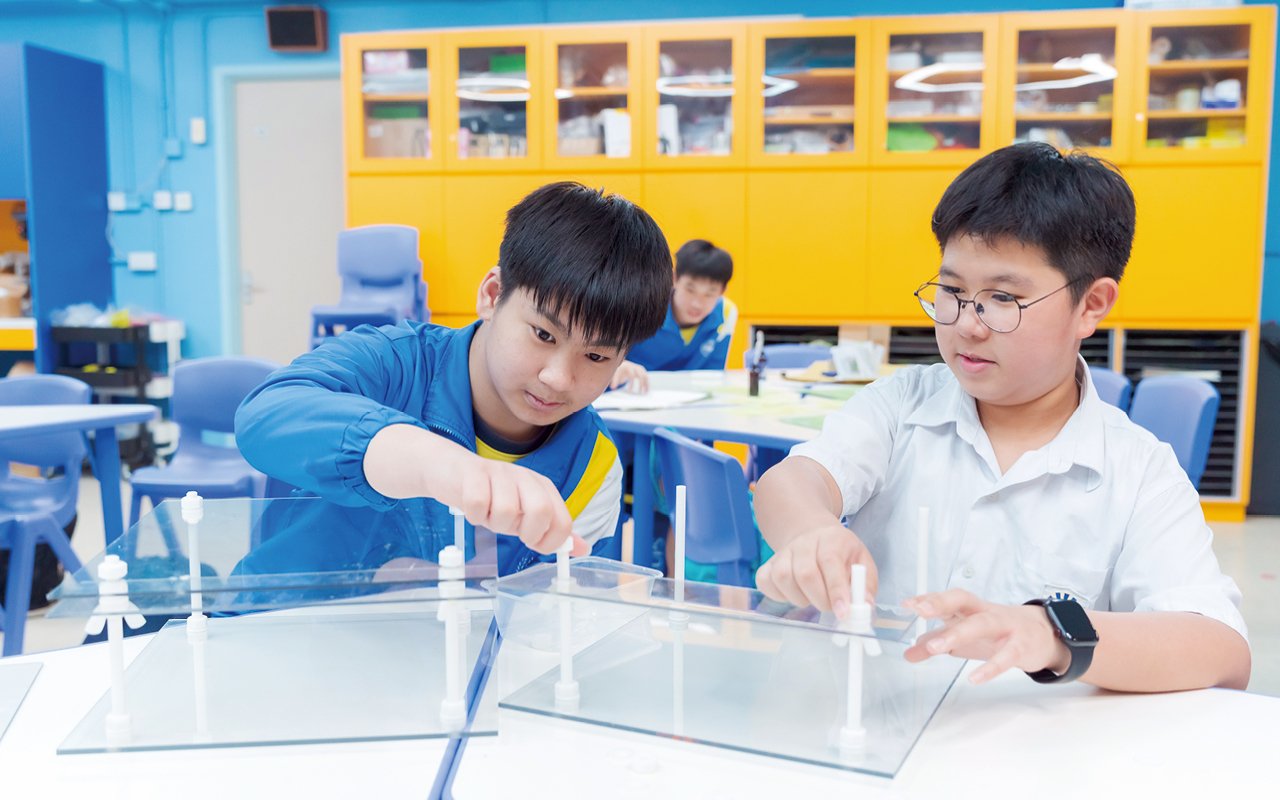
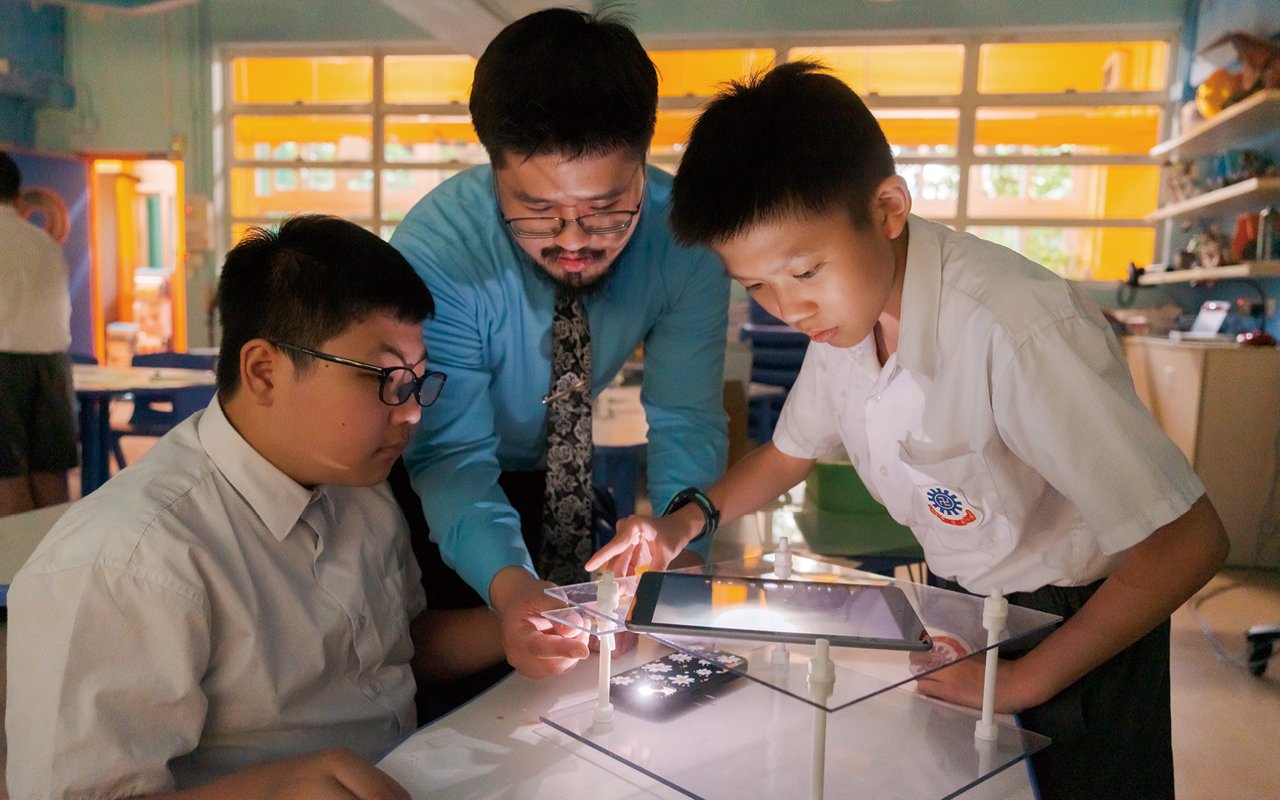
Principal He firmly believes that finding interests and establishing learning goals for children is the first step in education. "Children naturally like to be close to nature and have a love for everything in the world. They will find it interesting when they see fallen leaves spinning on the ground, they will be amazed when they see flowers blooming, and they will feel love when they see animals approaching. Therefore, the school team used "Brine Shrimp" as the protagonist and designed a series of scientific inquiry activities for students to let children Through observation, students learn about the interlocking natural ecology, thereby learning to respect nature and care for the environment. "In the learning activity titled "Brine Shrimp", students will use microscopes to observe the shape and structure of brine shrimp at different magnifications and angles, and then use tablet computers to record the appearance of the organism, and finally use stereoscopic techniques. 3D printing technology prints the finished product.
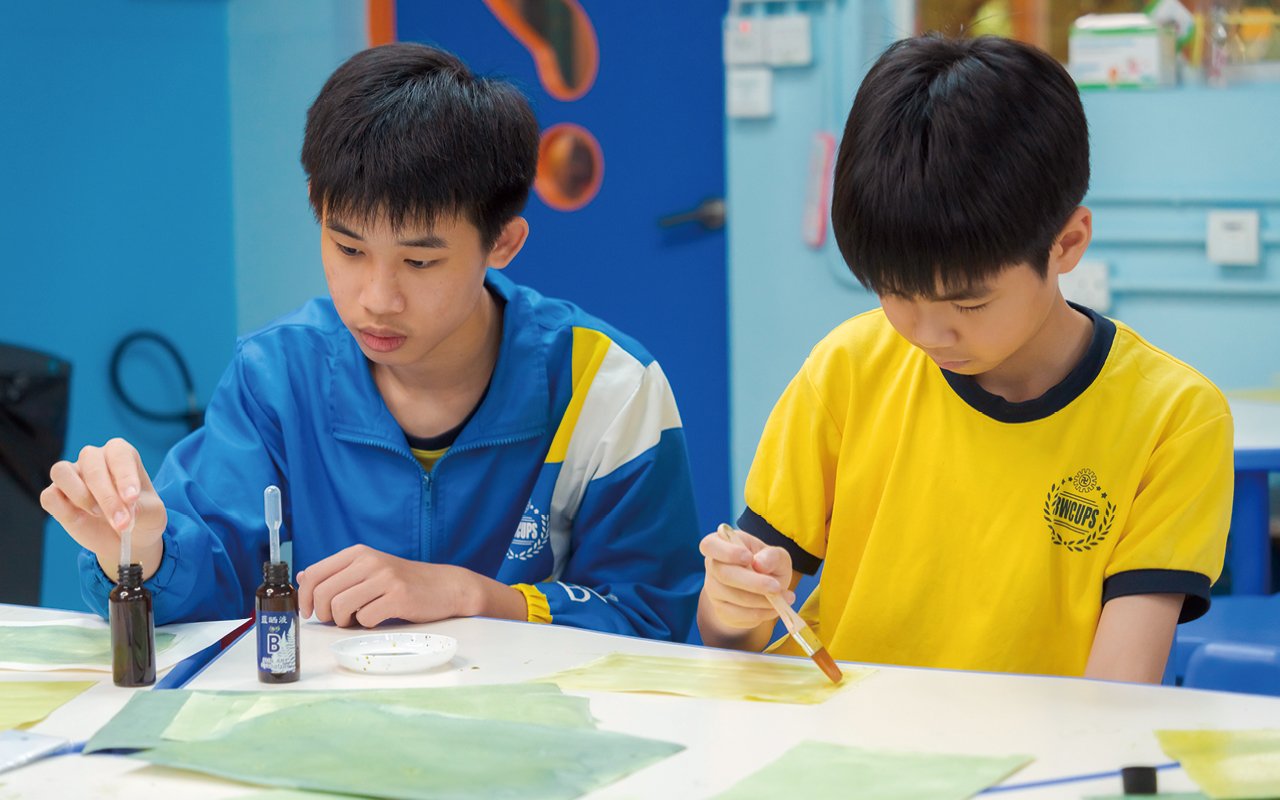
The teacher will leave room for thinking and experimenting during the activity, allowing students to explore and think about how to use relevant tools, and then encourage them to build a frame of the right size for the microscope. Finally, they will combine mathematics and common sense knowledge from multiple subjects, such as understanding the theories of magnification and focus, and using a level ruler and measuring the balance point of the microscope to adjust the correct angle and distance for the microscope. Finally, they can see the beautiful and lively brine shrimp under the mirror. After successfully seeing the beautiful brine shrimp under the mirror, the students have to use the aesthetic education of the visual arts department to create with the help of photography or electronic painting. The final 3D printed product can materialize the children's learning results, create a profound learning experience for them, and help them internalize knowledge more deeply.
Replace traditional special reports and establish a campus culture of mutual help and mutual learning
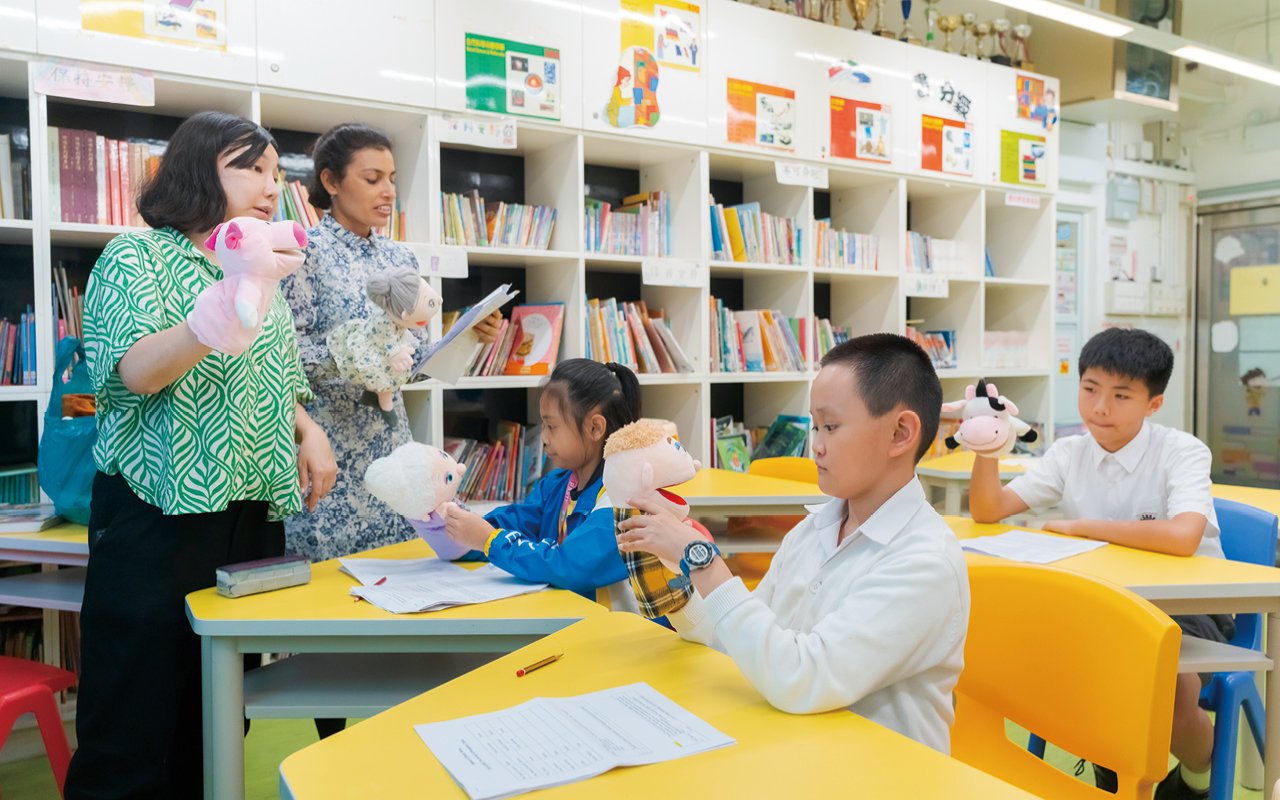
Children like nature and games. Therefore, the school has also changed the boring report model of the traditional project study to a "Game Jam" culture, allowing students to have a taste of game design and programmers. Based on the theme, they can create their own game stories, draw characters, and use programming tools to create computer games. Taking this year as an example, students used "environmental protection" as the theme and created many interesting mini-games. During the process, they were first divided into different groups to discuss the story background of the game. Then they drew self-portraits, transformed the drawings into game characters, added programming elements, and finally allowed their peers to try out the game to introduce the gameplay and creative background of the game. "This learning model can strengthen children's teamwork spirit, while also requiring them to have creativity, communication, problem-solving and perseverance. Finally, it breaks the shortcomings of traditional one-way reporting of project learning, allowing children to share each other's learning results and establish a campus culture of mutual help and mutual learning," Principal He added.
Combining "reverse engineering" thinking, school-based astronomy courses cultivate "observation skills"
Observation is like the seed of knowledge. Every discovery and every question a child has is a great leap forward on their learning path. Therefore, @TERM0@@’s teaching team regards “observation” as an important learning skill in early childhood education and STEAM education, and integrates the concept of “Reverse Engineering” into teaching to guide students to observe problems, deconstruct problems, think about solutions, and build the ability to learn independently.
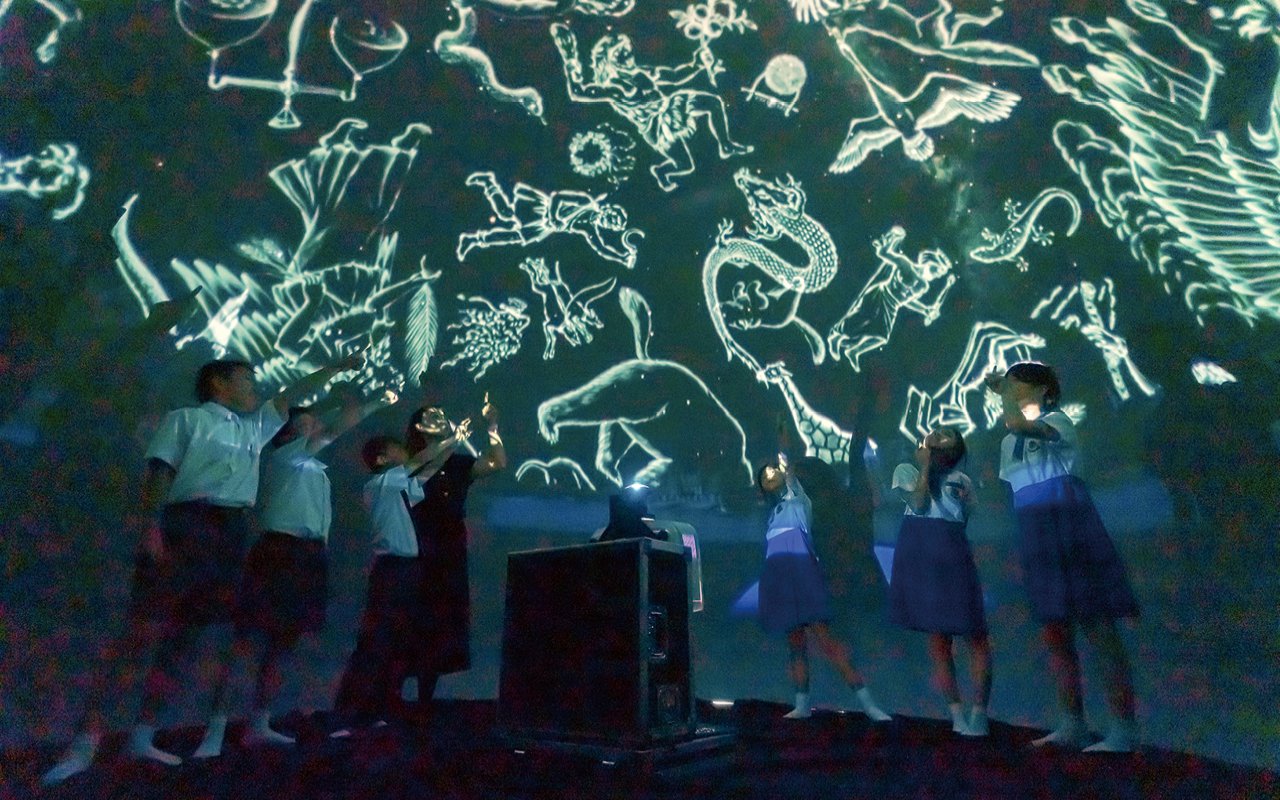
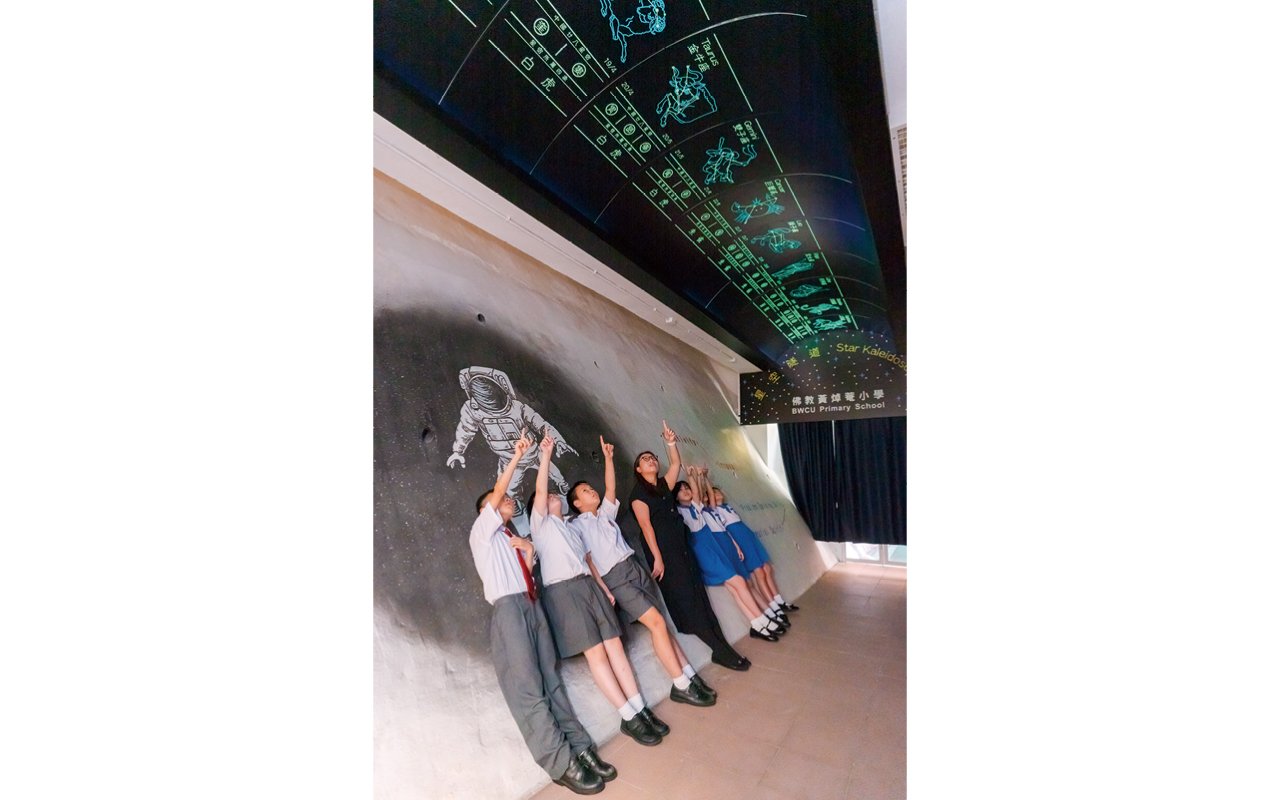
In order to cope with the development, the school has established an interesting school-based astronomy course. This course is complete and systematic and can be integrated into the existing general knowledge courses to deepen topics such as "Day and Night", "The Universe and the Nine Planets". At the same time, many new enrichment courses have been added to lead students to understand the relationship between the Chinese astronomical calendar and solar terms, simultaneously introduce the achievements of Chinese astronomical development, and make telescopes with children to enrich their daily learning experience. "This astronomy course focuses on immersive learning, so the school has a "Digital Three-dimensional Mobile Astrology Museum" with professional large-scale astronomical telescopes and small telescopes for daily stargazing. There are also astronaut costumes in the outer library, allowing students to experience the feeling of being an astronaut. The museum has also opened a "starry sky tunnel" to walk in the beautiful Under the "starry sky," everyone can learn about astronomical knowledge such as the twelve Western constellations, the twenty-eight Chinese constellations, and the Chinese sundial, and develop children's curiosity about the stars and the universe. " Principal He said that the teaching team has interdisciplinary experience and tradition, so astronomy courses are often taught in conjunction with different subjects, using interesting astronomical facilities to combine science, mathematics and STEAM knowledge breaks the boring classroom mode and makes students more engaged in learning.
Smart campus equipment is comprehensive and virtual systems are fully applied
Integrating technology into campus is a major indicator of future education. The school keeps pace with the times, makes good use of educational resources, actively optimizes school buildings, and introduces novel and practical teaching tools from time to time to provide students with a better learning environment. In recent years, in order to cooperate with the long-term STEAM education, the school has specially renovated a special STEAM room, which is equipped with a giant glass projection screen, an intelligent robot and a three-dimensional 3D printer. At the same time, all classrooms in the school have also responded to the current e-learning initiative and installed electronic touch screens, electronic whiteboards and other tools to increase the interactivity of learning and teaching. In-school teaching has also become increasingly intelligent. In addition to the introduction of three artificial intelligence robots, VR virtual reality glasses and With teaching facilities such as 360-degree panoramic cameras, we hope that students can feel the importance of technology in life and learn while having fun.
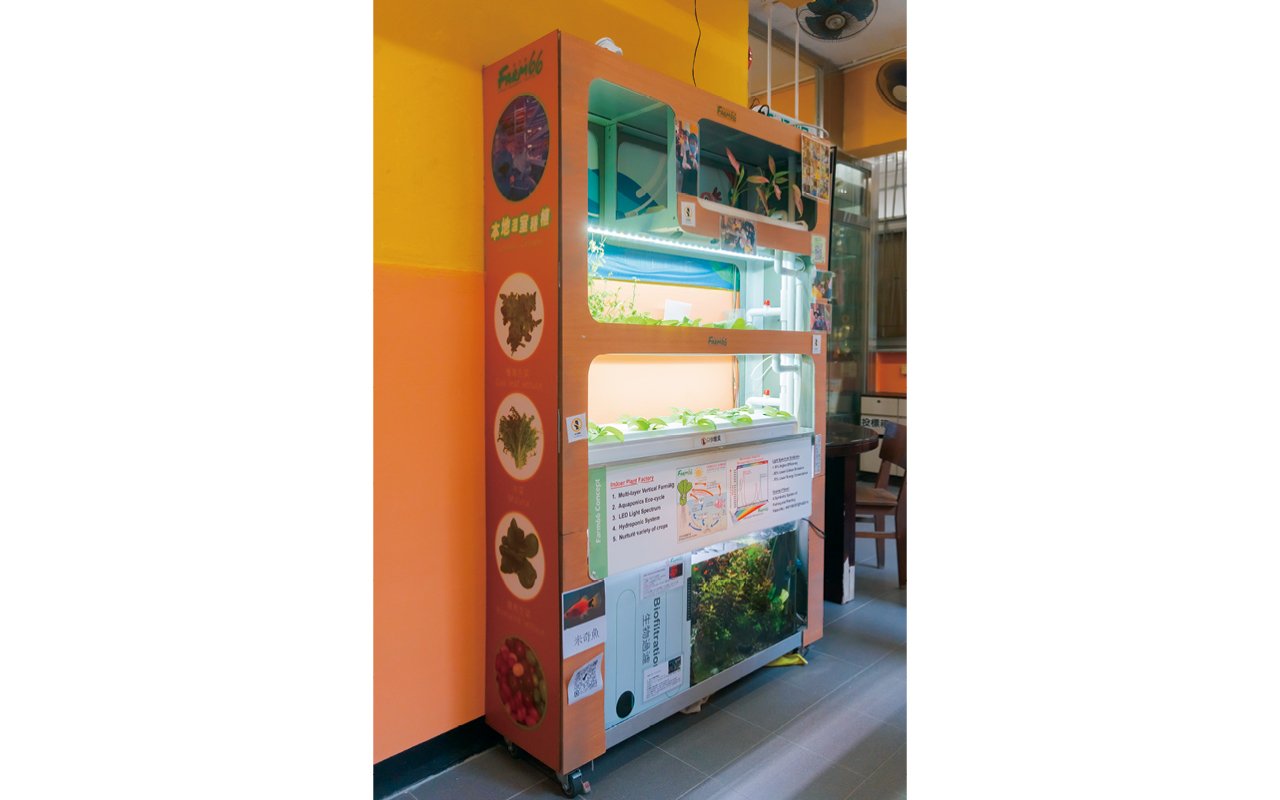
In recent years, many extra-school activities have been canceled due to the epidemic. In order to eliminate parents' concerns and increase life-oriented learning, schools have introduced multiple "virtual education systems" with a wide range of related applications. For example, last year, in order to introduce sustainable food production solutions to students, the school added an "aquaponics" system. Students can feed and admire fish in their free time after class. They can also learn about the system of coexistence and co-prosperity in nature and understand the value of organic farming. In addition, in order to promote green education on campus, a food waste machine is also installed in the school to teach students to cherish food. After the food waste is processed in the food waste machine, the produced fertilizer is then moved to the rooftop to fertilize the plants.
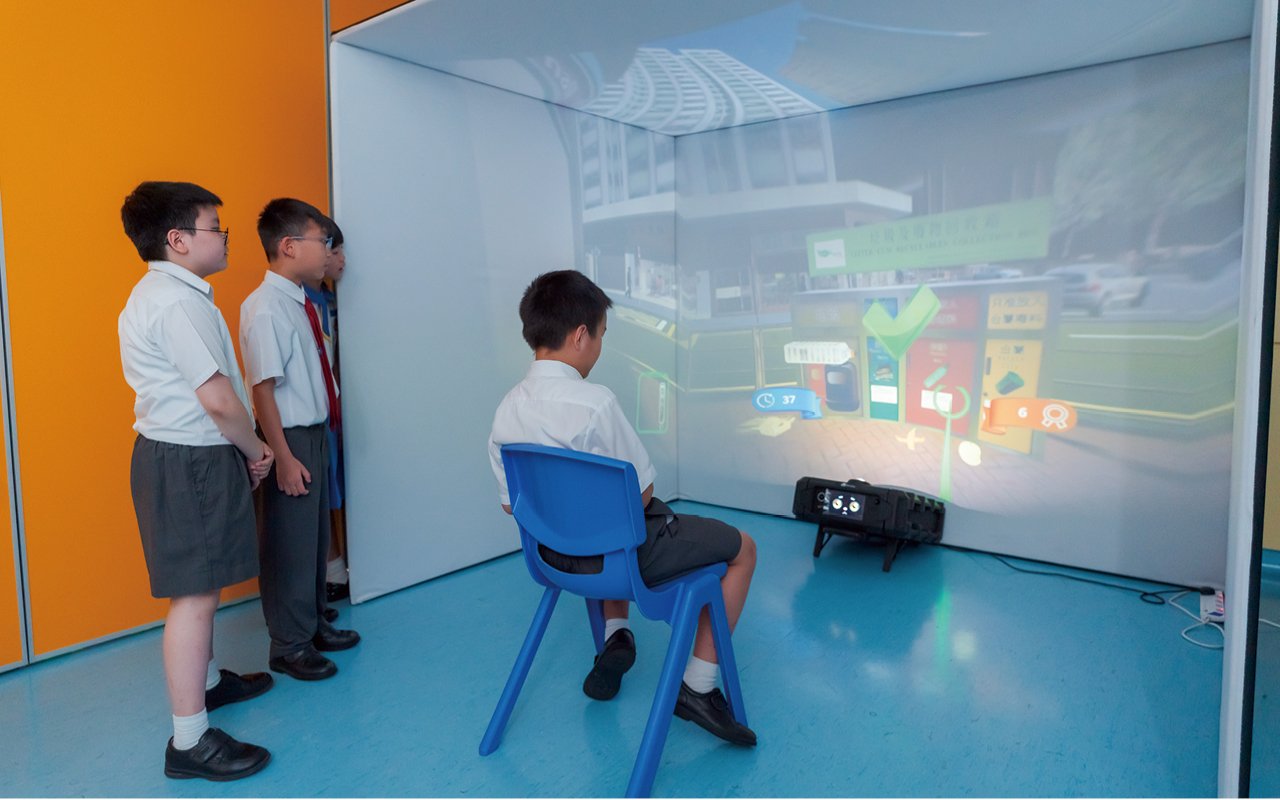
In addition, schools also make extensive use of virtual learning systems. For example, they use the system to teach students how to sort garbage. Different built-in teaching materials and games allow students to learn and play in the process, sowing positive beliefs about loving the earth in the hearts of children. In addition to understanding garbage classification, the system can also teach students about different cultural festivals and life safety knowledge. Children can cooperate with the sensor system to move their hands and feet through the camera to simulate activities such as the Mid-Autumn Festival fire dragon dance or the Dragon Boat Festival. It can also simulate crossing the road to build road safety awareness and self-care ability. "What's even more rare is that the system also provides education on life and death, with a virtual tour of the mourning hall, allowing children to understand the atmosphere and layout of the mourning hall, different mourning rituals and the attitude they should have when mourning their ancestors," Principal He added.
Positive values education and establishing future goals
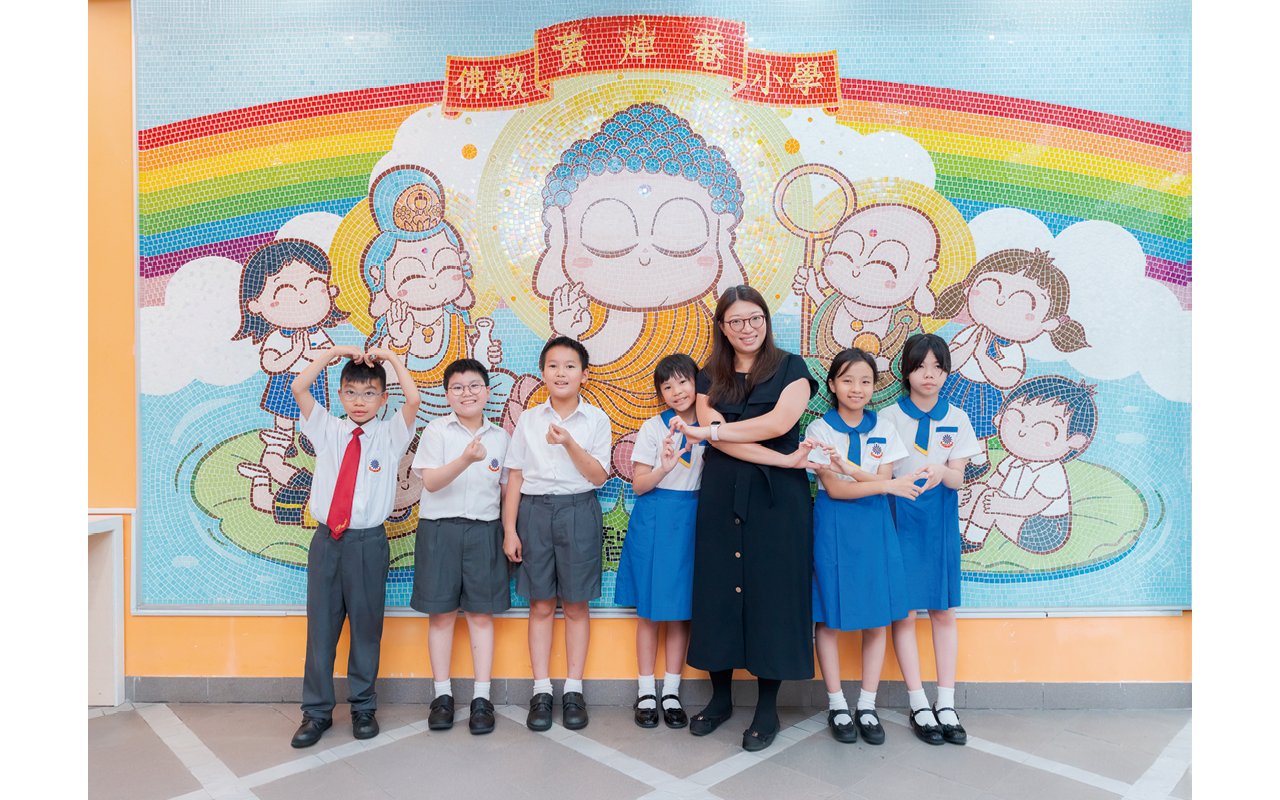
The school not only attaches great importance to students' academic performance, but also cares deeply about the establishment of their values. Therefore, the school has "Positive Values Education Class", "Mindfulness Meditation Program", "Frog Boy" class and "Paws.B" class. We hope that children will be like little frogs, cute and lively on weekdays, but still know how to observe calmly when necessary, learn to adjust their physical and mental state, think positively, and learn to be grateful from an early age. In order to promote mental health, the school also conducts meditation activities regularly and sets up mental health corners in classrooms so that students can rest freely and calm their minds during class periods.
In the comprehensive curriculum, the school has designed the "Serving Our People" activity, allowing students to personally run the school canteen and be fully responsible for preparing food, entertaining guests, cleaning and cashiering. On the one hand, it improves their self-care ability. On the other hand, it is also hoped that they can appreciate the hard work of employees in the catering industry, and at the same time establish concepts of money management and business operations. When they reach sixth grade and enter middle school, the topic turns to "career planning." The school will arrange for them to work as a kindergarten teacher for a day. It will also take them to visit coffee shops and learn latte art, food processing and tableware setting. It will also invite KOLs from different industries to the school to share their entrepreneurial and operational experiences.
Finally, the school will also let the children open a coffee shop on campus, and they will be responsible for the pricing, menu style, store layout, manpower allocation, and even the design of the coffee cups. In addition, different job interviews will be simulated, allowing them to try to fill out personal resumes, so as to understand their own interests, strengths and weaknesses, understand the competition in the business society early, and establish future goals in advance.
Deepen STEAM courses, integrate interdisciplinary spirit, "observe" and "deconstruct" university culture
Buddhist Wong Cheuk Um Primary School · 2024年5月
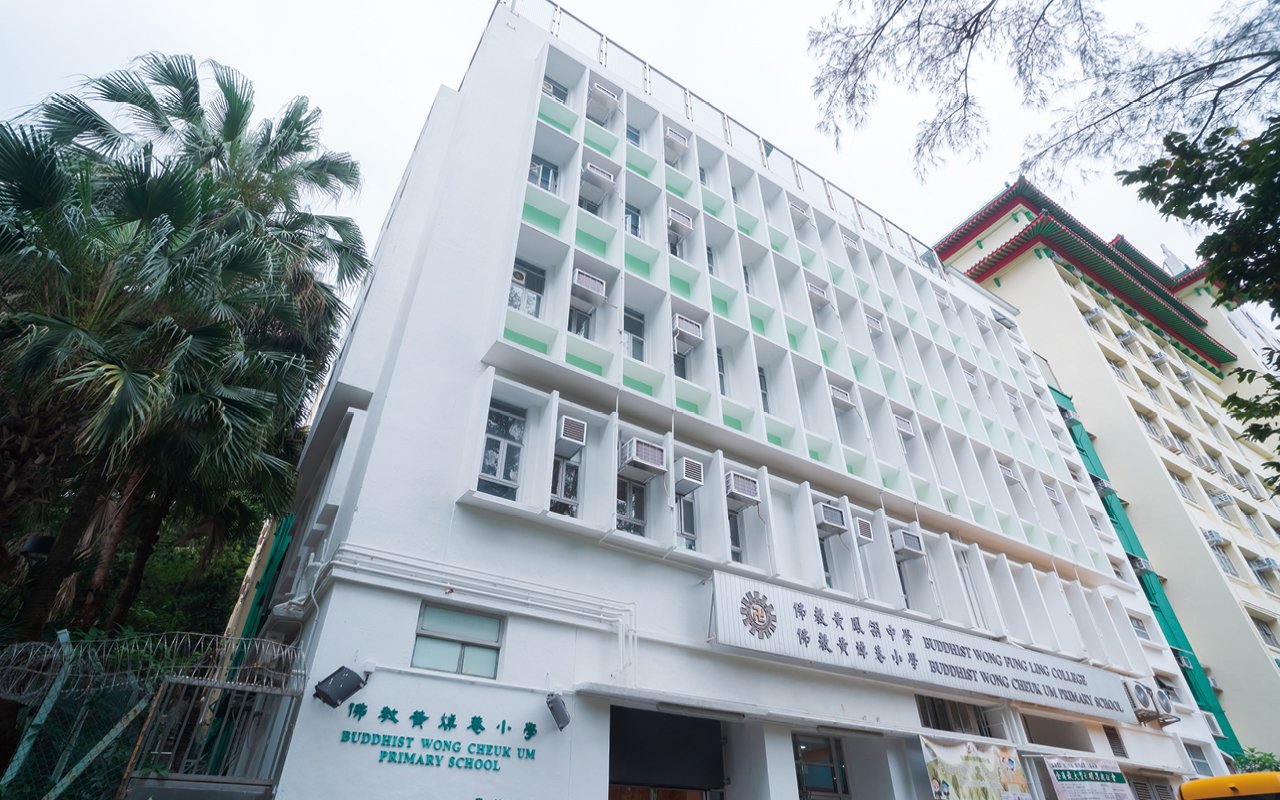
School building appearance
This English version is translated by AI. If there are inaccuracies or omissions, please refer to the original Chinese text.