
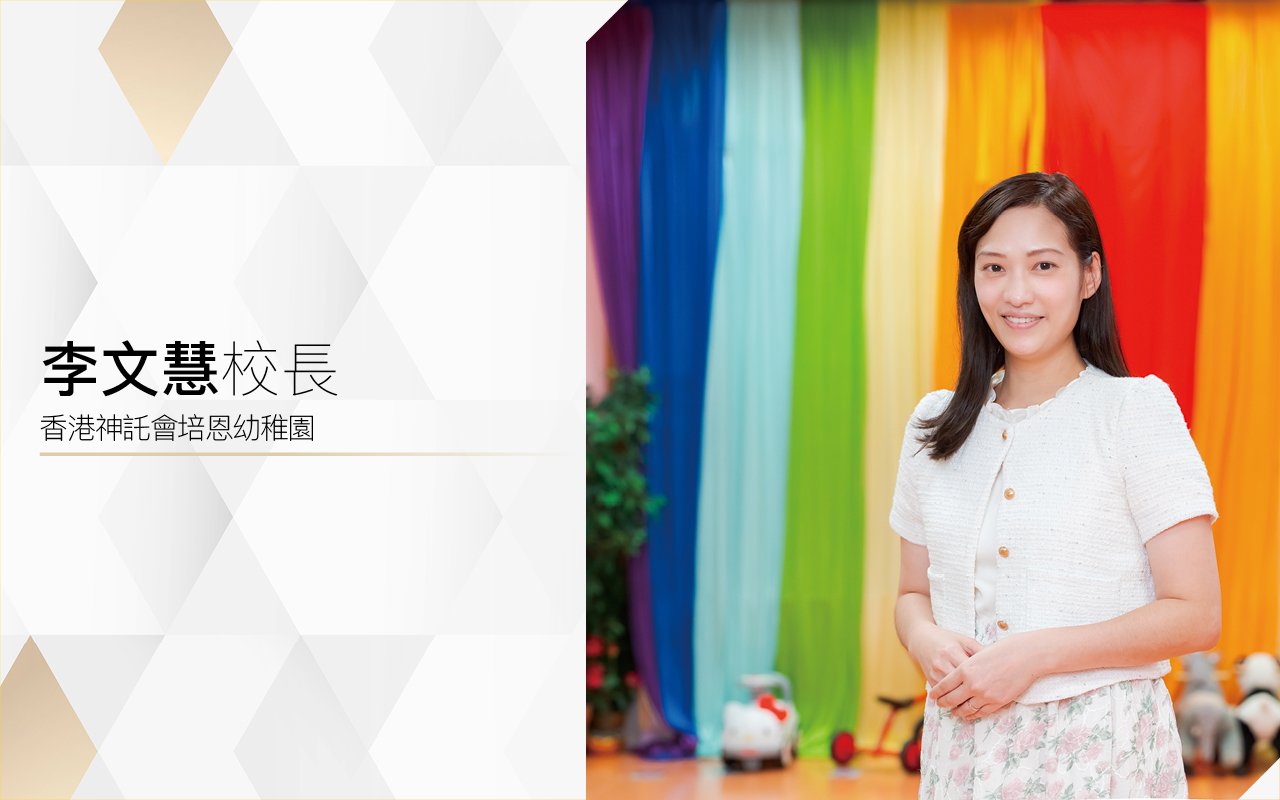
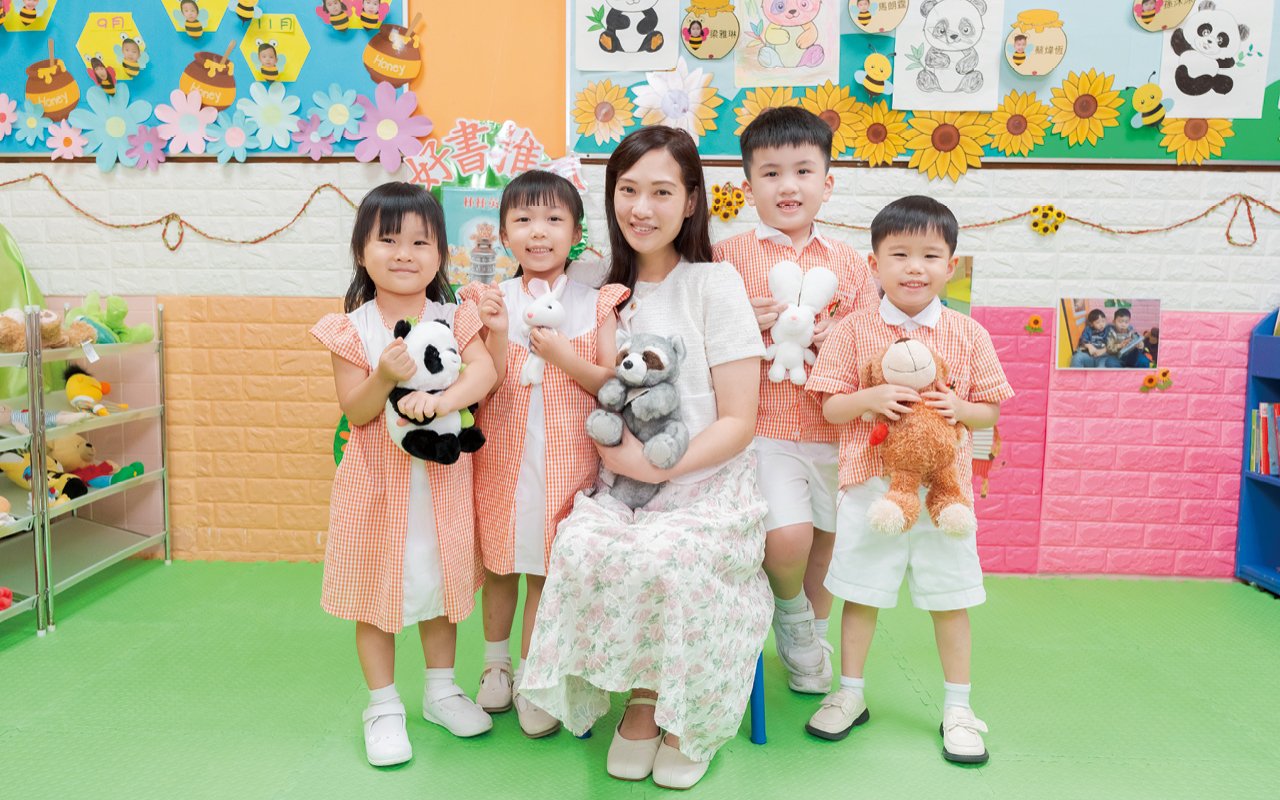
STEWARDS POOI YAN KINDERGARTEN is a Christian kindergarten that has been established for more than 20 years. It has been committed to providing children with high-quality biliterate and trilingual education and cultivating their moral and positive development in the spirit of Christian care. In recent years, the school has participated in the Chinese University Game Program, adopting the concept of positive educational games and adopting school-based "3E teaching", namely "empowerment", "expression" and "exploration". As it approaches its 25th anniversary, Principal Li Wenhui said that she will continue to use "3E teaching" to cultivate children's moral values through games, strengthen Chinese courses, and make good use of resources to help children grow up healthily.
Pay attention to biliteracy and trilingual teaching and lay a solid foundation in an interesting way
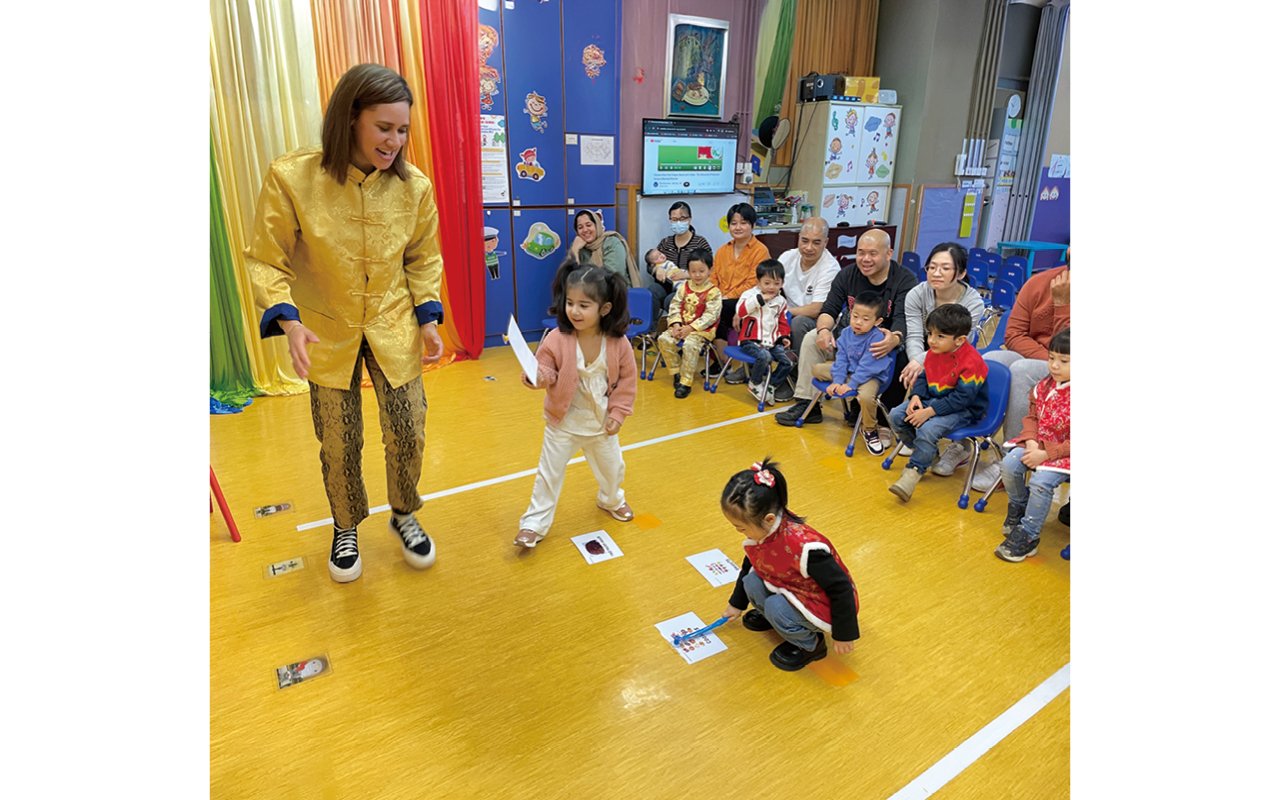
The school focuses on cultivating students with the foundation of biliteracy and trilingualism. Principal Li said: "We hope that high-quality English and Mandarin courses are not limited to the classroom, but extend to morning assemblies." The school implements "FUN FUN Morning Assemblies", of which two days are arranged for English morning assemblies and one for Mandarin morning assemblies. In the English morning meeting, foreign teachers will lead the children to do morning exercises, play games, and tell stories. In the Mandarin morning meeting, etiquette and moral character will be taught, and students will be allowed to participate in activities and games in Mandarin. It will allow students to improve their listening and speaking skills in English and Mandarin in an interesting way. In the new school year, the school plans to increase the teaching time of foreign English teachers so that students can gradually become accustomed to communicating in English. The school has also added a sensory library, allowing foreign and Mandarin teachers to read stories to children, and allow children to present the content of the stories in a variety of ways.
Inherit the characteristics of Chinese culture and cultivate positive moral character
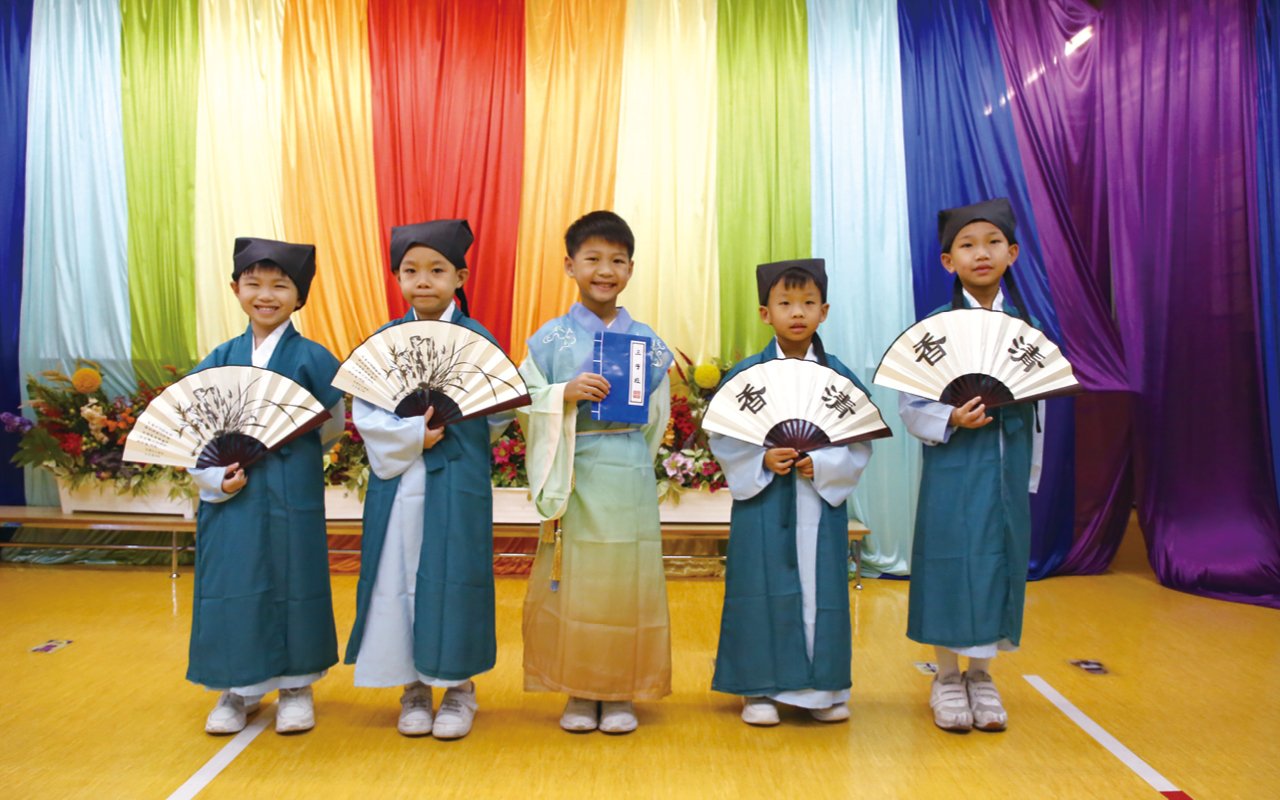
The universal values emphasized by Chinese culture are worthy of learning by the new generation. Principal Li said: "In fact, Chinese culture contains many virtues. We hope that children can inherit the fine traditions of Chinese culture, learn to honor their parents, respect teachers, social etiquette, etc., and become students who are knowledgeable and knowledgeable in etiquette." Therefore, the school will incorporate elements of Chinese culture and art into the curriculum to cultivate children's positive moral character and strengthen their cultural connotation. The school will also arrange morning meetings on moral education, invite parents to the school to participate in Chinese cultural activities, and expose their children to classic works such as Tang poetry and the Three Character Classic to build positive values.
Principal Li will continue these curriculum features and hold open days with different themes every month so that children can learn the characteristics of Chinese culture through games. Principal Li also said that he will give children more experience in Chinese culture and art, so that children can learn from games. Principal Li hopes that children can appreciate beauty and cultivate their pursuit of beauty and excellence. He plans to store students’ works related to Chinese culture, such as ink paintings, lanterns, handicrafts, paper-cutting, etc., and display them in an art exhibition during the New Year, so that they can learn to appreciate themselves and others.
Implement school-based "3E teaching" and learn from games
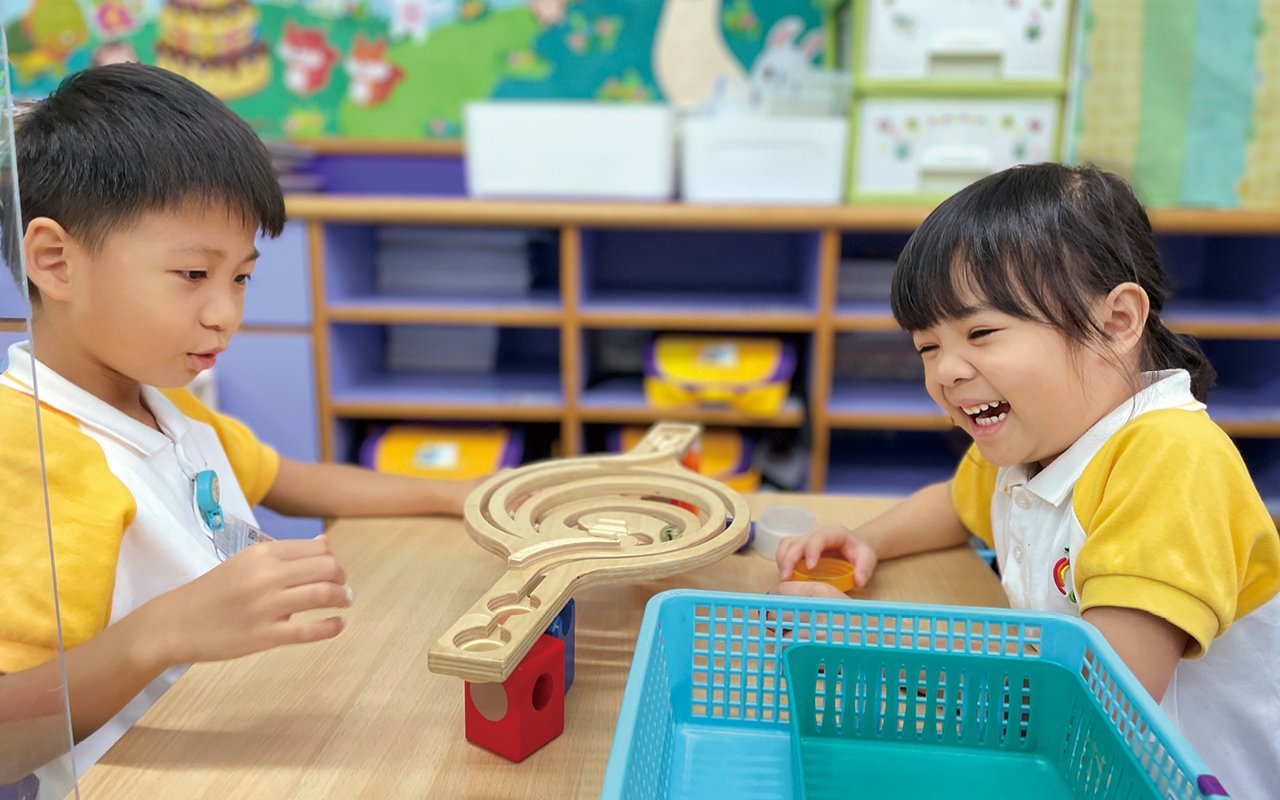
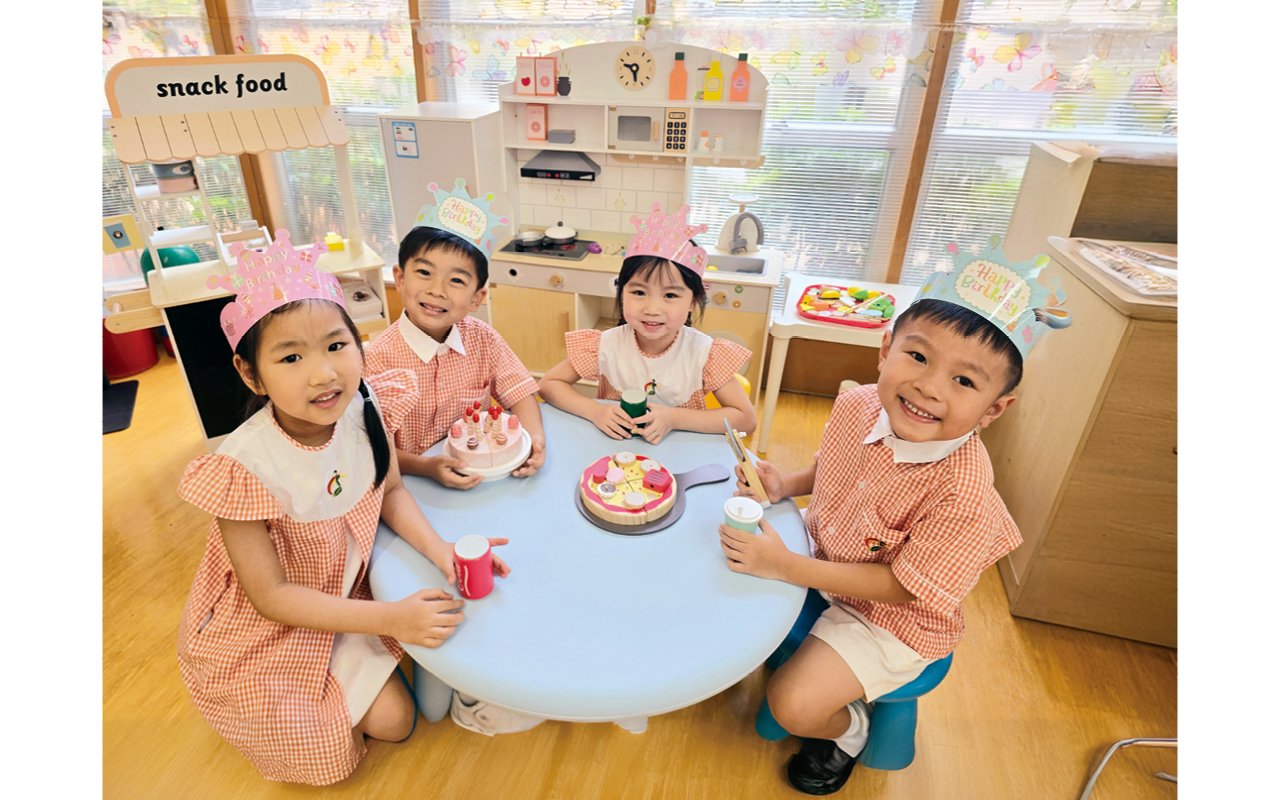
In order to implement the concept of school-based "3E teaching", the school also actively uses games to empower children and allow them to explore and express. For example, "FUN FUN Morning Meeting" and free games allow them to explore during the game, learn how to express themselves, and cultivate their ability to communicate, get along, and solve problems with others. In addition, Winter Solstice parent-child activities will be held to empower children, allowing them to try to cook rice, cut things, clean up the dishes after eating, and practice the etiquette of filial piety.
Characteristic Montessori teaching Practice self-care and independence
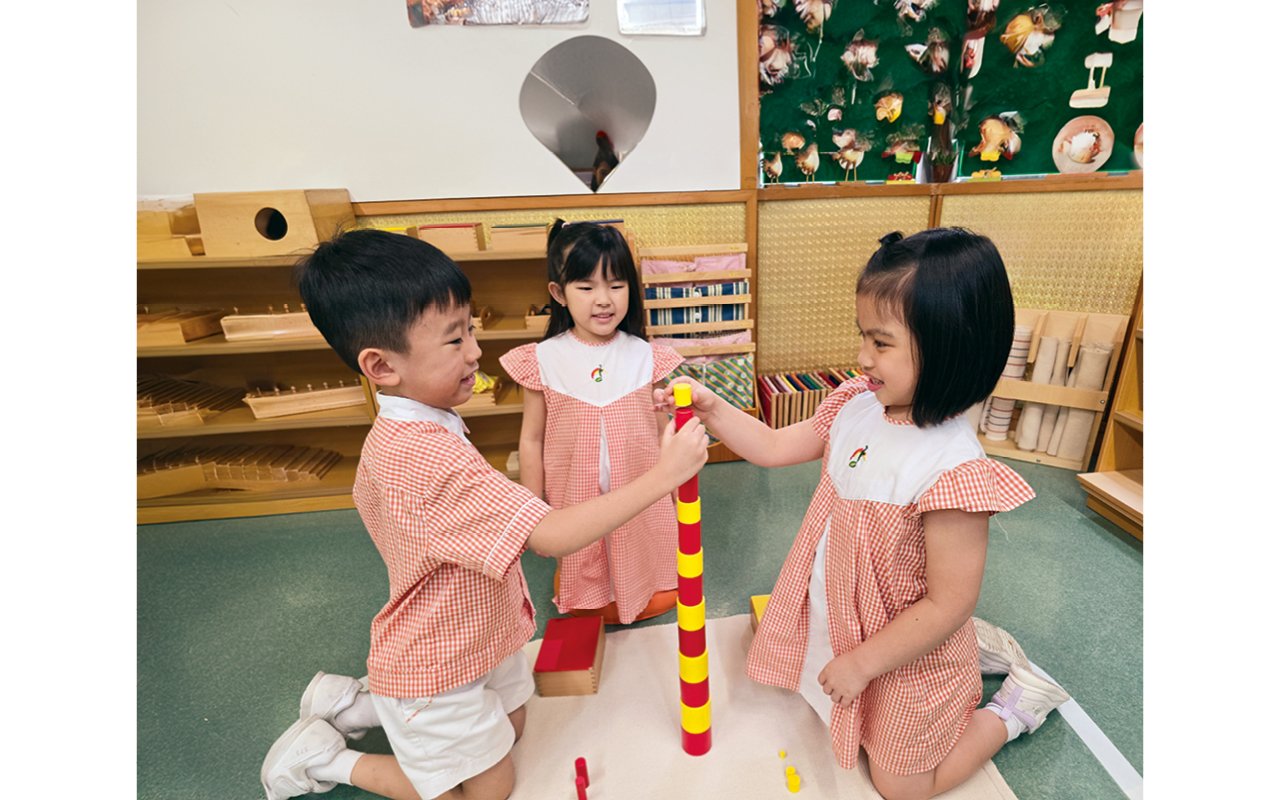
The school uses Montessori teaching methods to train children to be independent, develop their self-discipline, concentration and organization, and train their small muscle development. K1 students start with basic self-care skills. Through some simple steps, children are clearly guided to gradually develop and complete the work materials. As for the K2 and K3 stages, the school teaches children to cooperate with each other and use work materials to complete tasks together. This year, the school has added a Montessori room and plans to hire professional Montessori teachers so that children can receive more professional guidance.
Home and school work together to support children’s healthy growth
Cooperation between home and school is the key to the healthy growth of children. Therefore, the school attaches great importance to home-school cooperation, such as conducting parent workshops, arranging parents to observe classes, teaching parents to tell stories to children, playing games with their children, etc., so that parents can learn more about the school's teaching methods and their children's growth. In addition, the school also has a large support team, such as on-campus social workers, parent-teacher volunteer groups, church partners, Caritas First Tier Support Plan, etc. It also invites firefighters, Harmony House, Deaf Promotion Association and other community members to carry out early childhood activities, cooperating with the school to promote positive education and game elements into families, and work together for the growth of children.
Towards its 25th anniversary, committed to providing quality education and helping children grow up healthily
STEWARDS POOI YAN KINDERGARTEN · 2024年9月
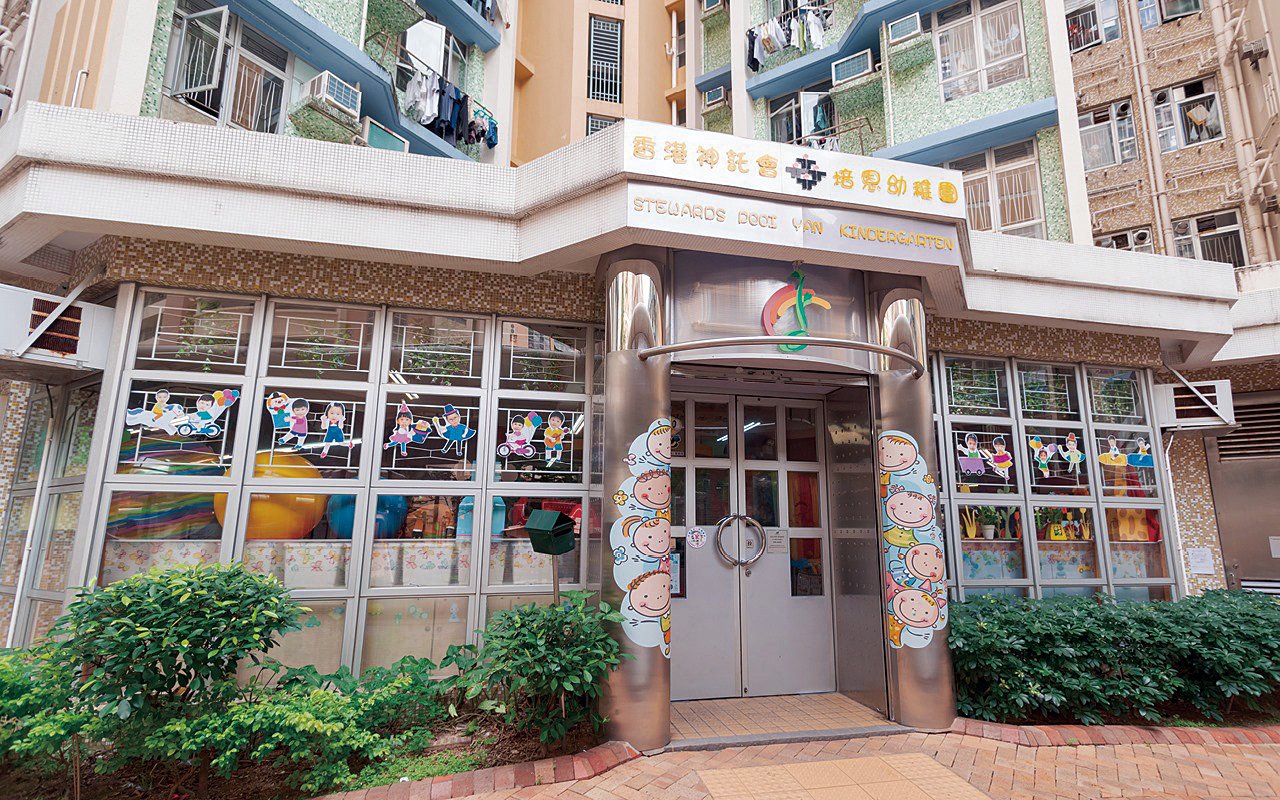
School building appearance
This English version is translated by AI. If there are inaccuracies or omissions, please refer to the original Chinese text.