
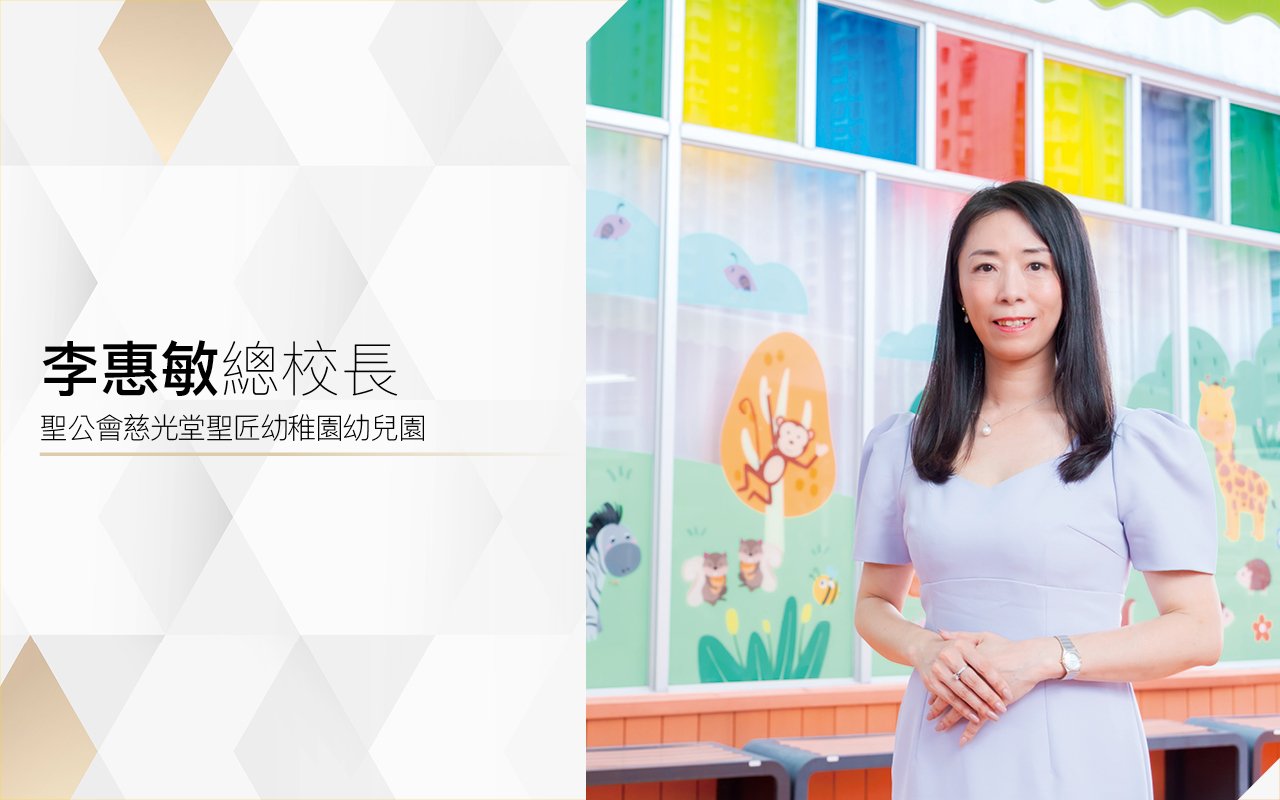
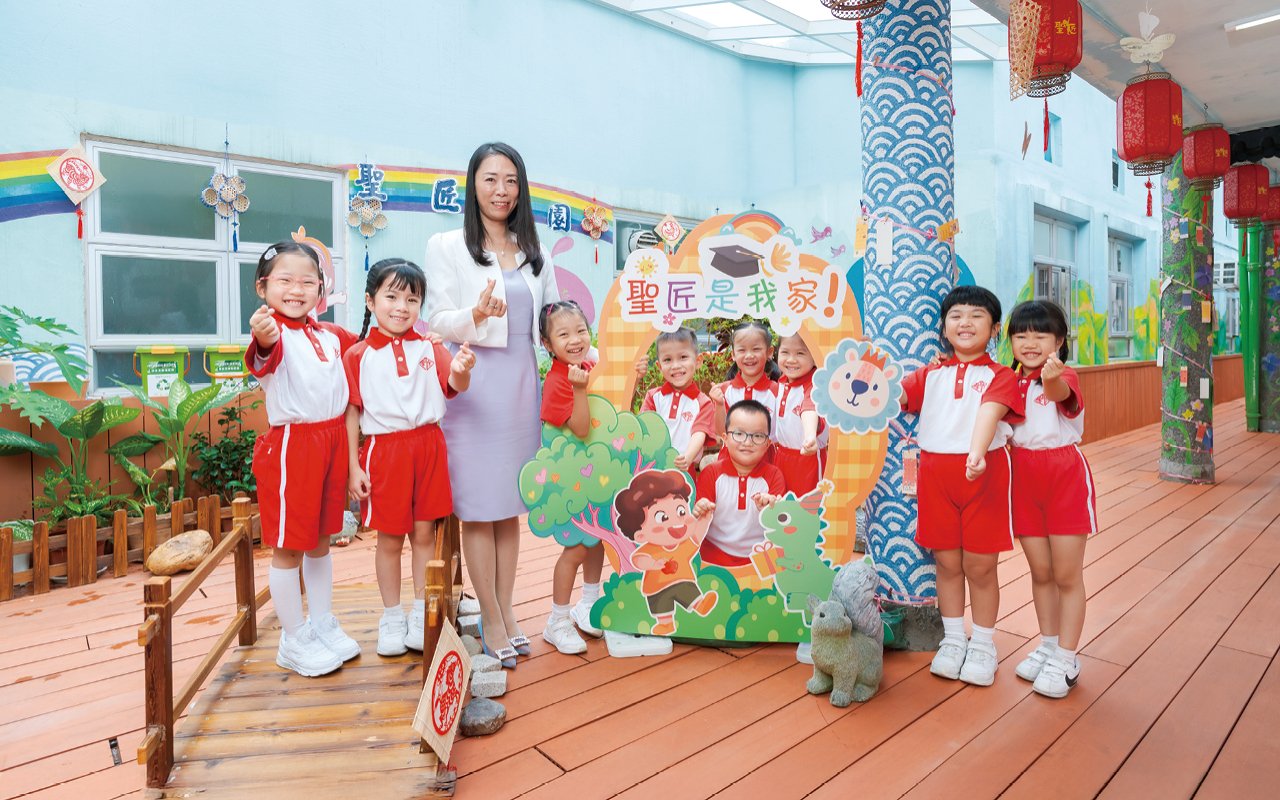
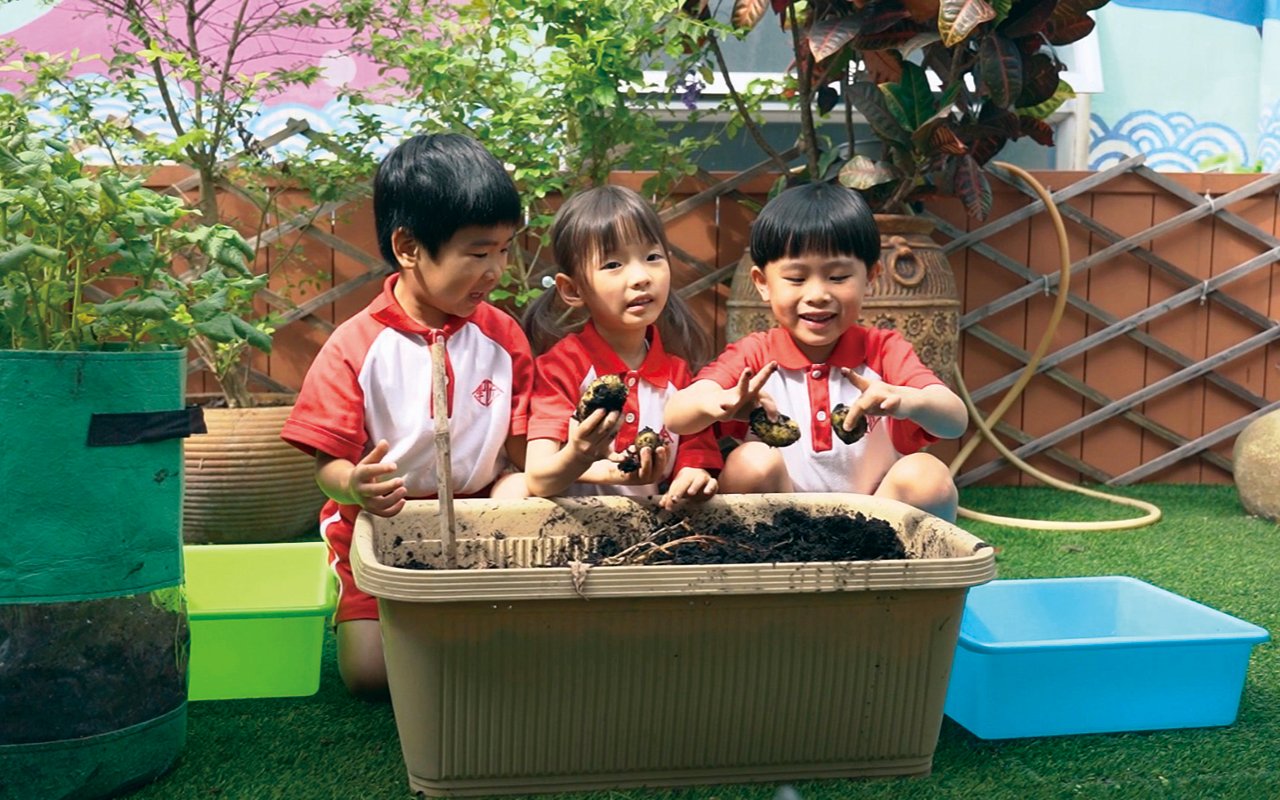
There are three kindergartens affiliated to the Anglican Metta Church. The S.K.H. KINDLY LIGHT CHURCH HOLY CARPENTER KINDERGARTEN Kindergarten (referred to as the "main school") was established in 1973, the S.K.H. KINDLY LIGHT CHURCH HOLY CARPENTER KINDERGARTEN (branch branch) was established in 2018, and the Anglican Metta Ko Pei Chang Kindergarten was opened in 1988. The three kindergartens are all led by Principal Li Huimin and are committed to nurturing the healthy and happy growth of children through spiritual education, food and agriculture education, free games, theme teaching, picture book teaching, Orfo music activities and five senses learning.
According to the famous Italian preschool educator Reggio Emilia, the environment is the "third teacher" of young children (Gandini, 1998:177). The school is well aware of the importance of the environment to the development of young children, and has cleverly combined two independent school buildings into one, making the school have a total area of 24,000 square feet. It also has facilities such as an outdoor playground, a four-season corridor, a sky garden, a small performance stage, a cycling track, a reading area, a sketching area, and a leisure area. The school building is spacious and has a beautiful environment.
Focus on taking care of children aged two to four years old, double the space for further study experience
The main school mainly enrolls children between the ages of two and four and provides PN and K1 courses; while the branch school mainly enrolls children between the ages of four and six and provides K2 and K3 education. After the main school students complete the K1 course, they can directly enter the branch school. For younger children, this model can provide more focused and detailed care. In addition, since the K1 students of the main school will go to the branch campus to continue their studies, this means that they can experience the learning environment and facilities of the two campuses, providing a more diversified learning experience through double the learning space.
Enrich teaching activities to promote whole-person development
The school arranges diversified community learning experiences for young children. From visits, festival celebrations and other activities, children can clearly understand relevant subject knowledge and experience the fun of the subject first-hand. For example: In the Chinese culture school-based learning activities, the school arranges for children, parents and grandparents to participate in the "Elderly and Younger Gathering to Welcome the Mid-Autumn Festival and Flag-raising Ceremony". Through the flag-raising ceremony, singing the national anthem, making lanterns and tasting traditional festival snacks, the school can understand the meaning behind the Mid-Autumn Festival and National Day, and enjoy the joy of the festival together. In addition, the school also provides a variety of extracurricular activities, including graphic arts, gymnastics, ballet, football training, etc., to meet children's different interests and potential and promote their overall development.
Practice five senses learning and explore from experience
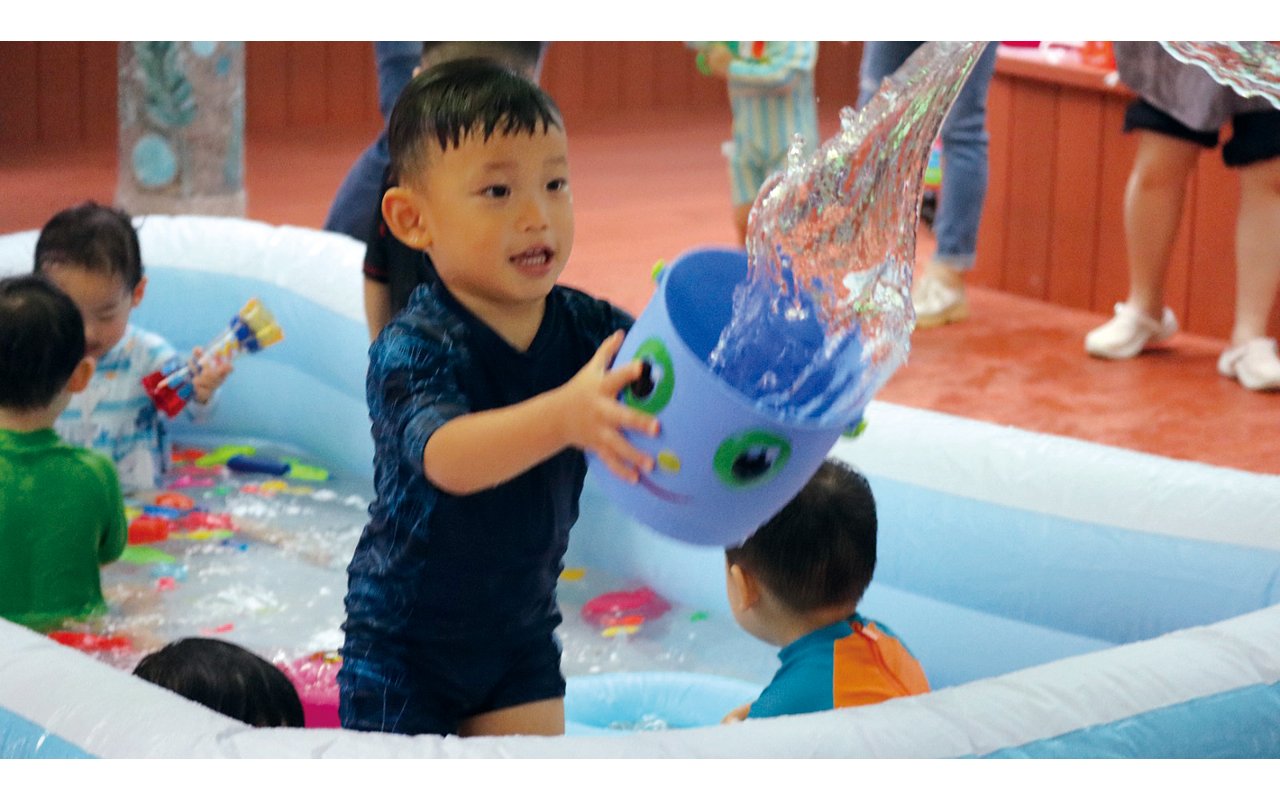
The school adopts a five-sense learning approach to guide PN and K1 students to explore the world through sight, hearing, smell, taste and touch. To this end, the school provides various teaching materials to encourage children to contact the outside world through their five senses and construct new knowledge. The school also arranges for PN and K1 children to go out of the classroom and explore the things around them to experience the fun of outdoor learning. Principal Li pointed out: "We hope to allow children to experience the diversity of learning firsthand and cultivate their love of learning and the courage to explore."
Good language skills lay the foundation for learning
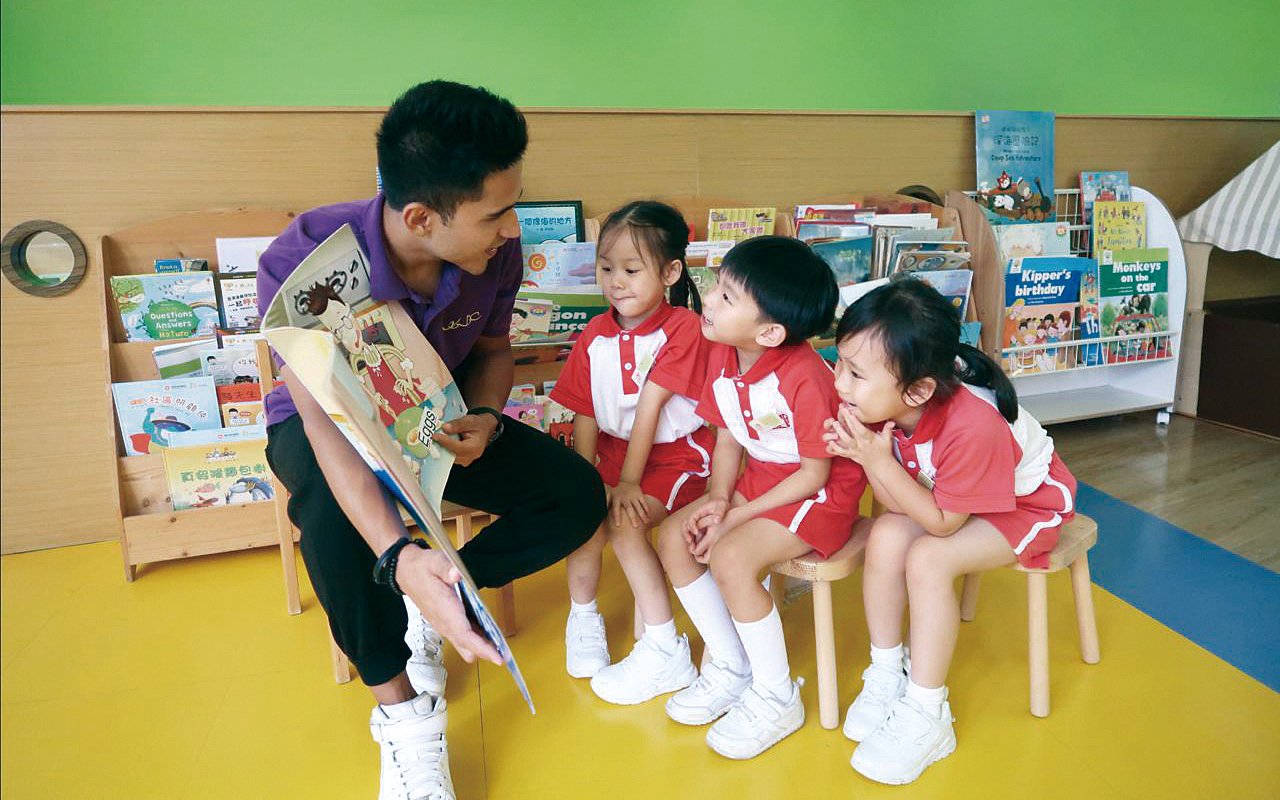
Biliteracy and trilingualism are important skills for children's future development. Therefore, the school has established a good learning context and specially hired four foreign English teachers and one English specialist teacher to start exposure to English in the PN and K1 stages to promote children's language development and allow them to be exposed to a second language in a natural environment. The school implements English story activities every day. Foreign English teachers read picture book stories with children to guide children to learn English in an interactive and interesting way. Consolidating biliteracy and trilingualism from early childhood will help their future development.
Companionship and care help children adapt to school
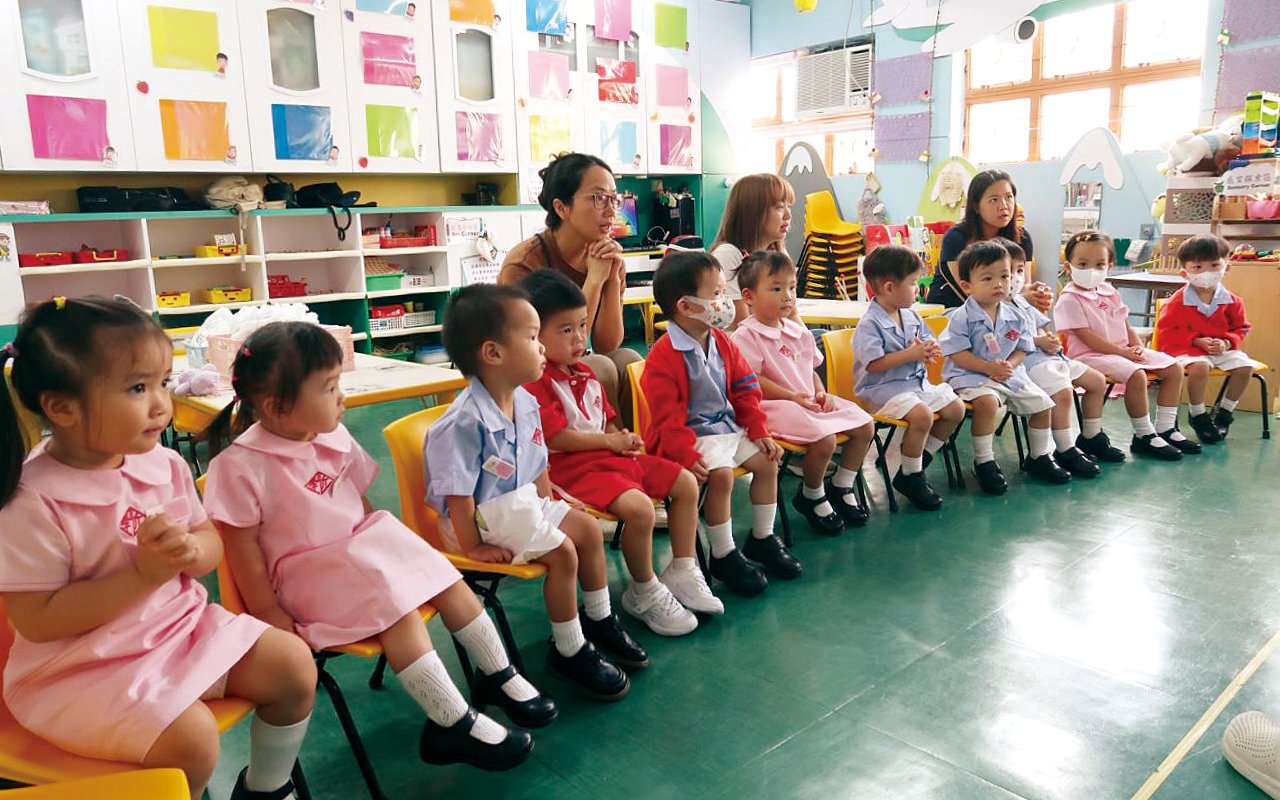
The children of PN and K1 are still young and are accustomed to living with their parents. The new learning environment will inevitably make the children feel anxious and uneasy. Therefore, in the first week of school, parents of PN classes go to school to accompany their children to study together. In addition to allowing parents to have a clear understanding of the operation of the classroom, it also enhances the sense of security of PN children and helps them adapt to school life. In addition, the school will recruit graduates and parents of K2 and K3 as volunteers to help take care of PN and K1 children. President Li pointed out: "This is a cultural inheritance. Parents of PN and K1 receive care from other parents when their children enter school. In the future, they will be willing to take on voluntary work in the school and pass on the spirit of care to the next generation."
Biblical education, full potential, ingenuity, pastoral in the city
S.K.H. KINDLY LIGHT CHURCH HOLY CARPENTER KINDERGARTEN · 2024年9月
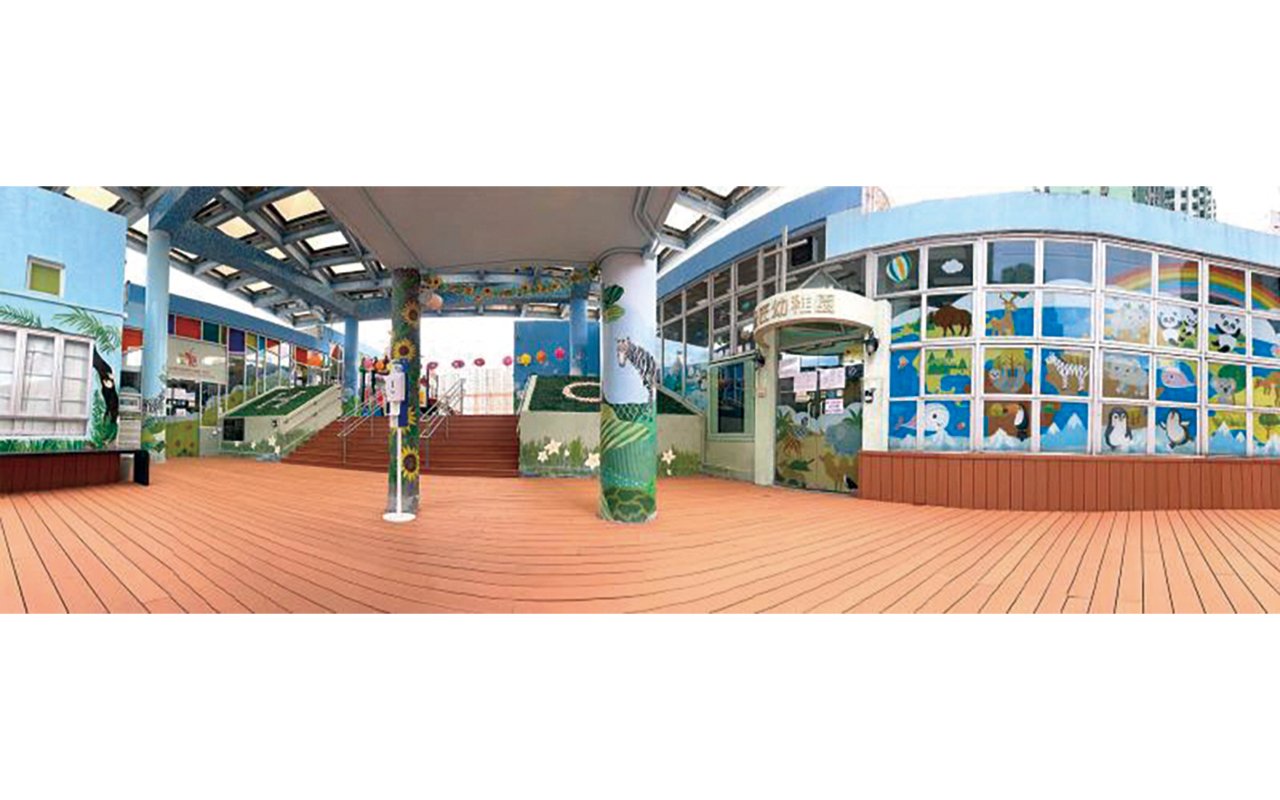
School building appearance
This English version is translated by AI. If there are inaccuracies or omissions, please refer to the original Chinese text.