
S.K.H. KINDLY LIGHT CHURCH HOLY CARPENTER KINDERGARTEN (BRANCH) Adhering to the spirit of "not to serve others, but to serve others", we are committed to providing high-quality early childhood education, cultivating children's learning abilities, and building a happy childhood to promote children's overall development and lay a solid foundation for children to enter primary school and become good citizens of society. In terms of teaching, the school provides courses at the K2 and K3 levels to help children build in-depth learning based on their existing knowledge. Through a series of diversified courses and teaching activities in the school, children are promoted to thrive.
Food and Agriculture Education Activities Implementing Positive Values
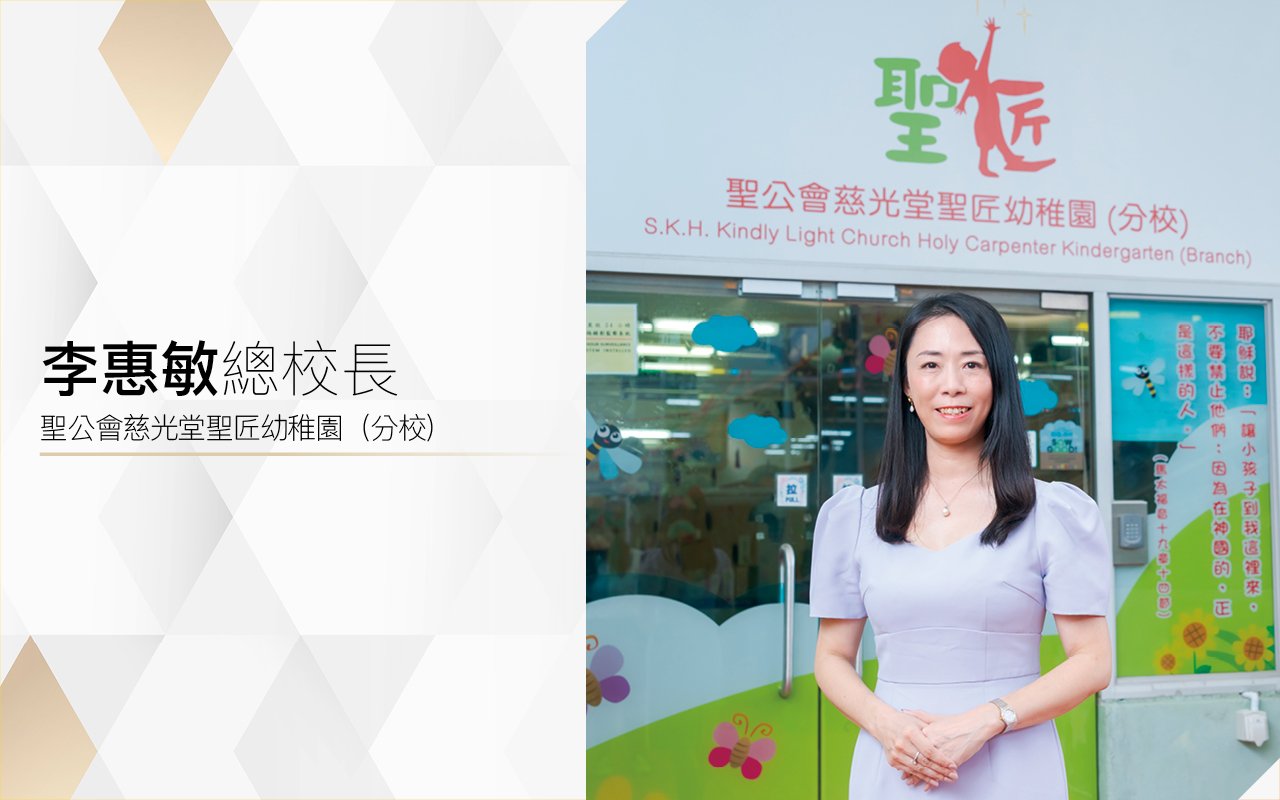
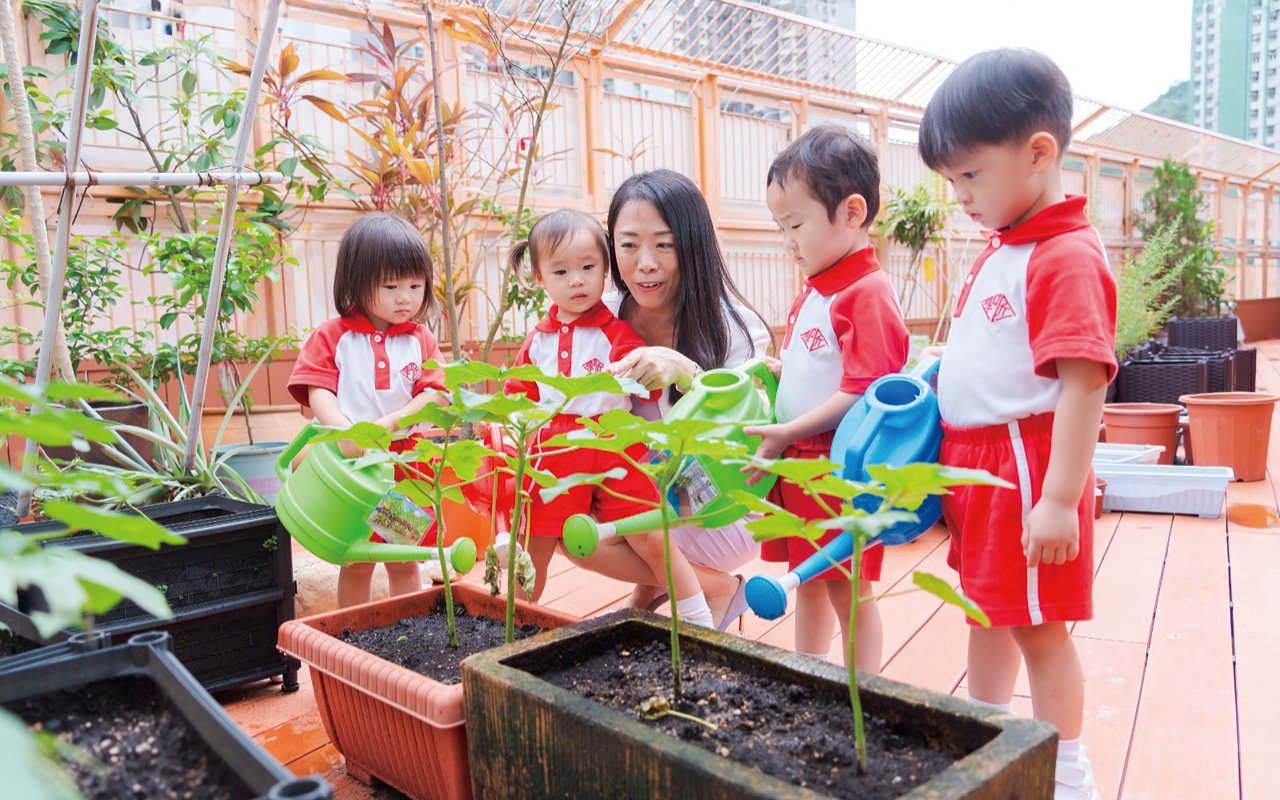
The branch uses Heavenly Father’s Garden as its design concept and takes advantage of the environment to promote food and agriculture education. Food and agriculture education does not allow children to become farmers, but gives children the autonomy to eat. From the source, planting and production, the children have full control. The school firmly believes that good habits need to be developed every day. It builds children's self-discipline and self-care abilities through the details of farming, and internalizes them into habits that will last a lifetime. Children successfully planted different plants in the sky gardens and large gardens, such as lettuce, leeks, potatoes, corns, pineapples, etc., and shared their planting experiences and results with their peers. President Li said: "We hope to cultivate children's love and patience from an early age through food and agriculture education. In the process, children can not only appreciate the wonder of Heavenly Father's creation of all things, but also understand the hardship of planting, appreciate the importance of perseverance, and understand that plants require careful cultivation in order to thrive." When the plants bloom and bear fruit, the children not only enjoy the joy brought by planting, but also gain a full sense of accomplishment. During the Parents' Day activities, the school arranged for children to cook by themselves, making potato salad sandwiches and tomato scrambled eggs using self-grown cherry tomatoes, lettuce and potatoes, and tasting them with their parents. In food and agriculture education activities, children learn to be grateful to nature and learn to respect their parents and elders through cooking. Principal Li revealed: "This year we will continue to promote food farming education. We plan to try growing onions and radishes, and learn to make scallion pancakes and radish cakes. I believe that children will gain a different and enjoyable learning experience."
Free play time to train problem-solving skills
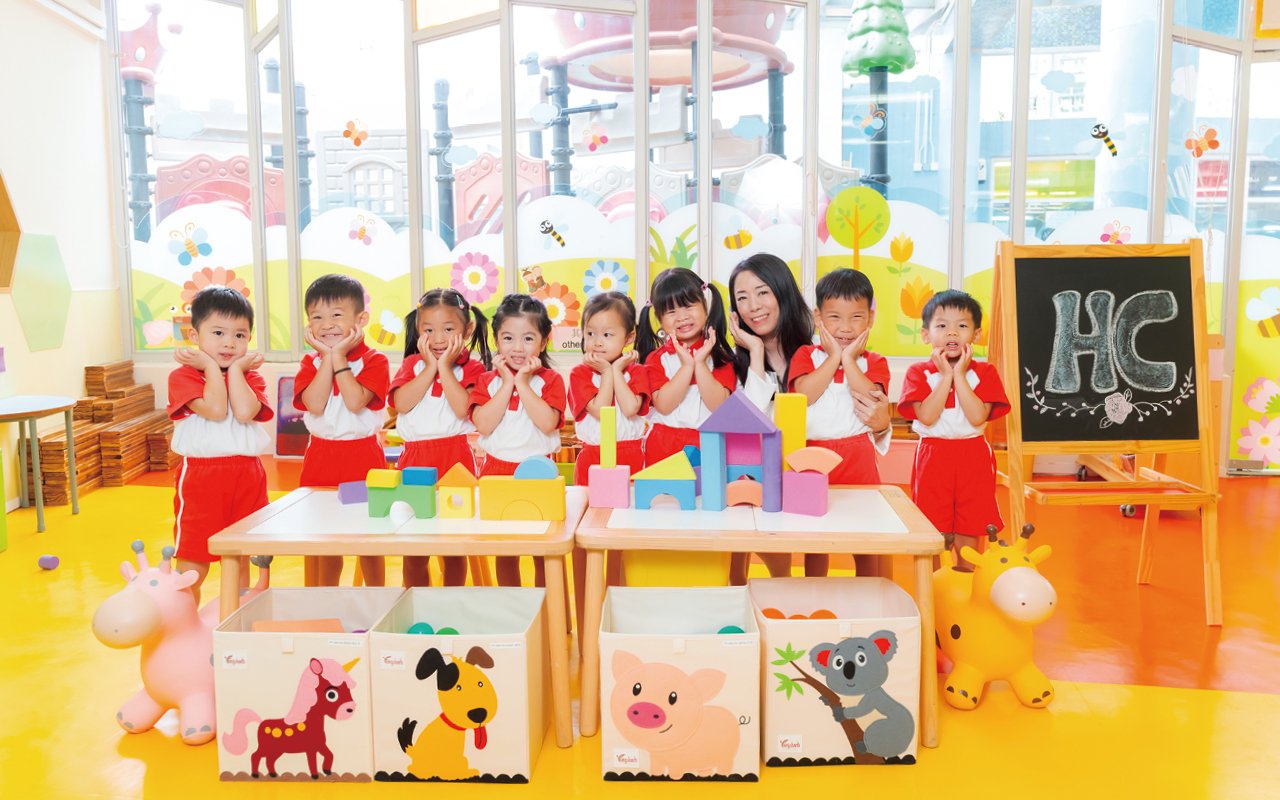
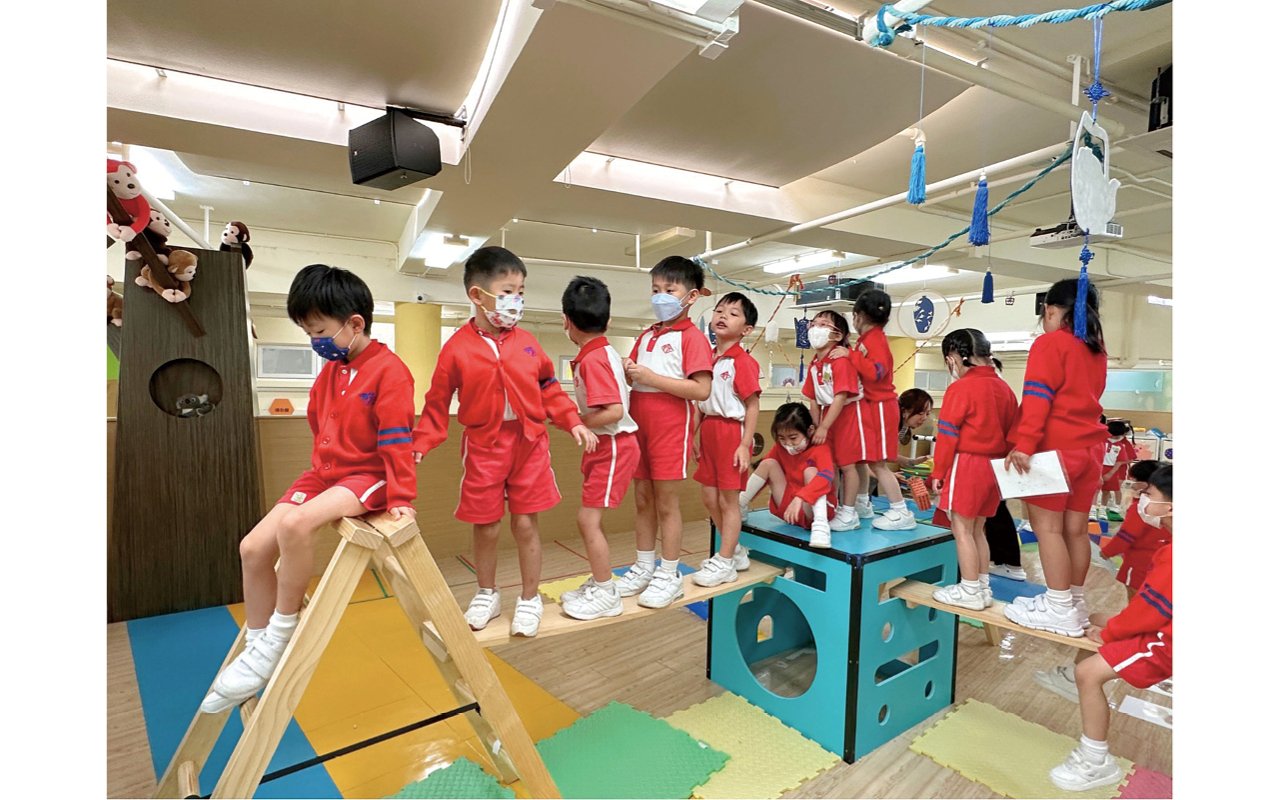
Free play is an important curriculum guideline implemented by the Education Bureau in 2017. Therefore, in the K1 stage, the school guides children to explore and learn through the five senses of "vision, hearing, smell, taste and touch" and encourages children to learn by doing; it also adds free play time in the K2 and K3 stages to allow children to choose game content, gameplay and playmates. Principal Li pointed out: "During free play, children can learn to solve problems and master how to get along with their peers, thereby improving their social and problem-solving abilities and inspiring their creative thinking."
The implementation of free play in the K2 and K3 stages has been very successful because the main school has begun to allow children to have access to and try to practice free play in the K1 stage. Therefore, when they advance to K2 and K3, they will naturally construct different plans. In the process, children learn communication and cooperation skills with peers and build problem-solving abilities. When young children face an impossible task, they can also learn from the failure, reflect on the reasons for the failure, make suggestions for improvement, and continue to work hard to discuss new solutions with their peers, thereby deepening the friendship between young children.
Lay the foundation for biliteracy and trilingualism, integrating education with entertainment
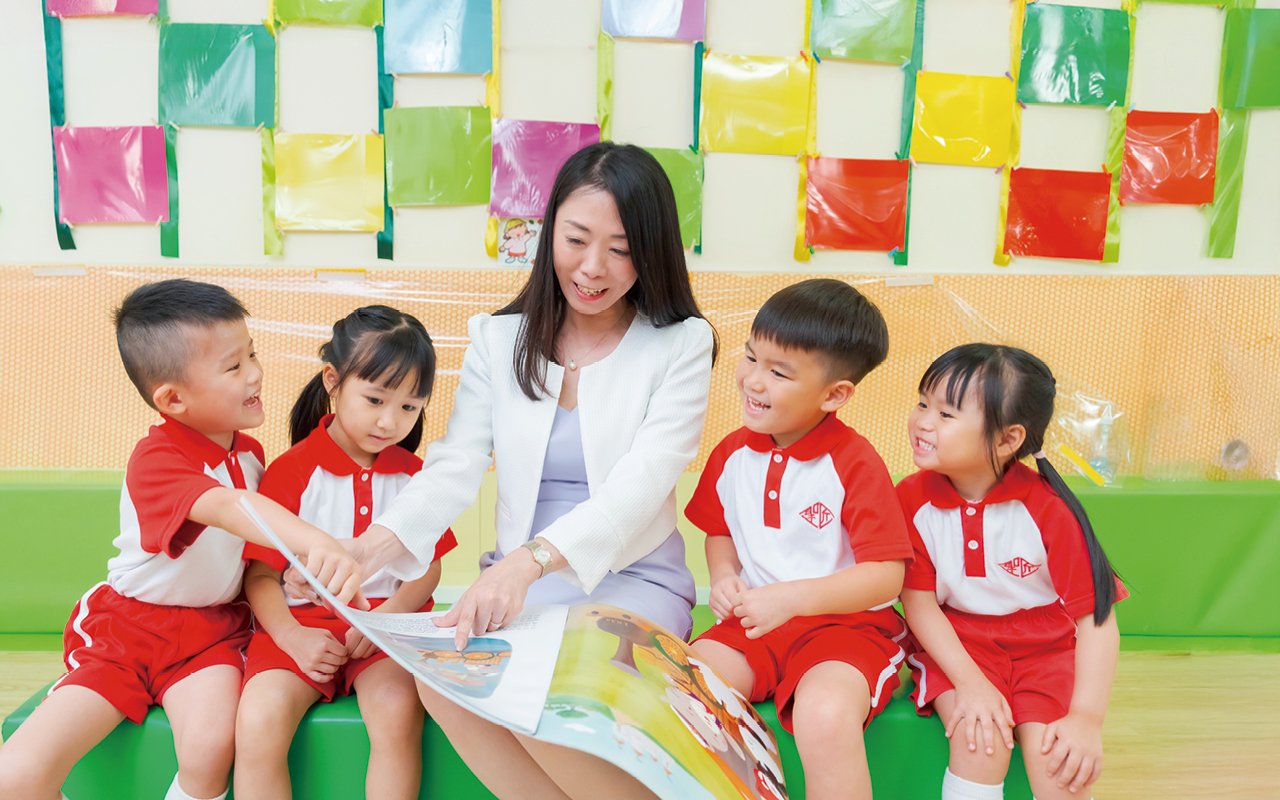
In the K1 stage of the main school, children have begun to be exposed to English and Mandarin, and will further deepen their learning when they advance to the K2 and K3 stages. In order to strengthen the English language skills of K3 children, the school arranges for each K3 class to have a foreign English teacher so that children can learn English in a natural context. In addition, the school encourages children to have more contact with foreigners in kindergarten and build their confidence in using English through interactive learning. The school will also design various teaching activities, such as the "Whole Day Class Cooking Fun-Sushi" held earlier, in which foreign English teachers assisted K3 children in making sushi, allowing them to easily learn English in an open and interactive environment; Putonghua specialist teachers told children stories, sang children's songs and played games with them, allowing them to increase their interest in learning a second language in a joyful atmosphere.
Support newly arrived students and guide them to adapt to the new environment with love and patience
Newly arrived students from the Mainland speak Mandarin as their mother tongue and need a longer time to learn and use Cantonese. However, Hong Kong schools mainly teach in Cantonese, so newly arrived children need to master how to use Cantonese as early as possible in order to communicate and learn with others more effectively. To this end, the school adopts a teaching model that focuses on Cantonese, supplemented by Mandarin, to help students adapt to the local learning environment. During the interview and understanding of the family background of the newly arrived students, teachers will communicate with the children in Mandarin, which not only breaks the language barrier, but also effectively adds a sense of intimacy. Every year, the school arranges home visits for newly enrolled children to understand their family background and promote the spirit of home-school cooperation.
Food and Agriculture Education Cultivate a sense of responsibility and experience diverse learning experiences
S.K.H. KINDLY LIGHT CHURCH HOLY CARPENTER KINDERGARTEN (BRANCH) · 2024年9月
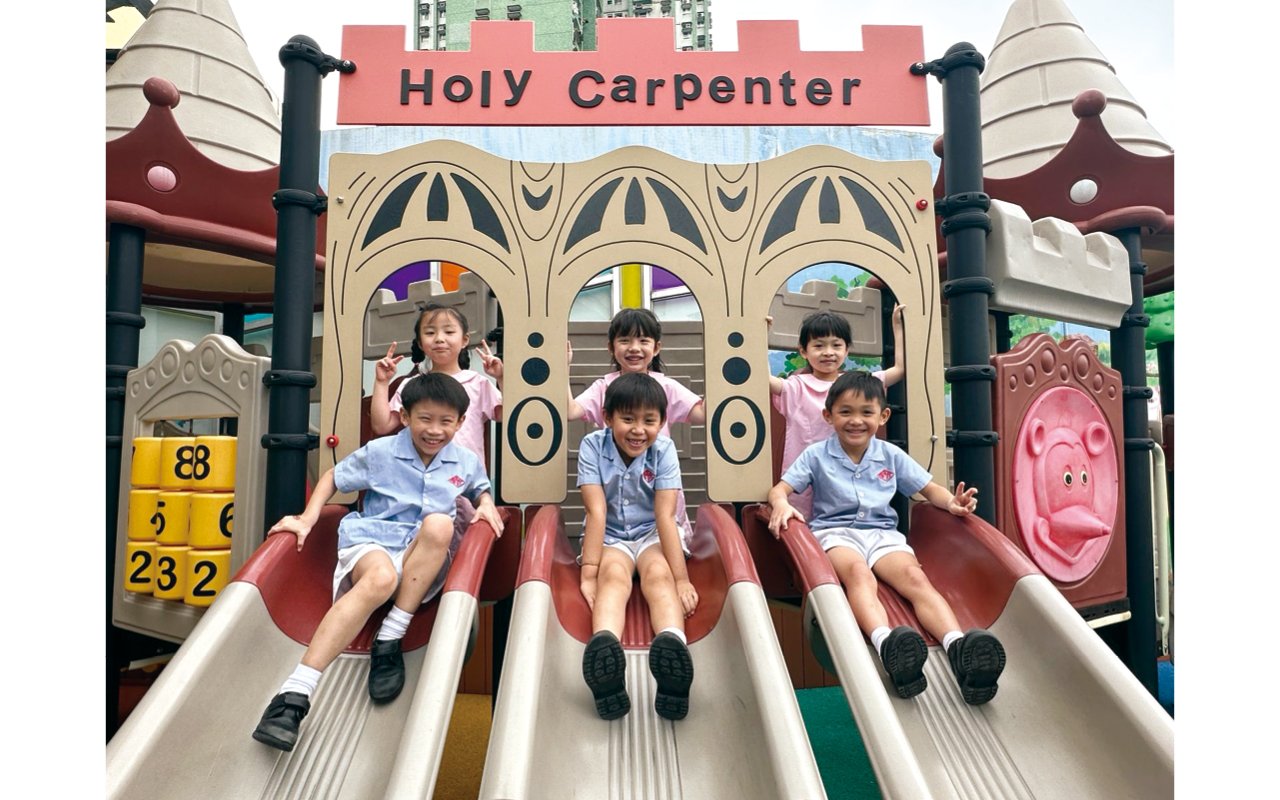
Let them increase their interest in learning in a happy atmosphere
This English version is translated by AI. If there are inaccuracies or omissions, please refer to the original Chinese text.