
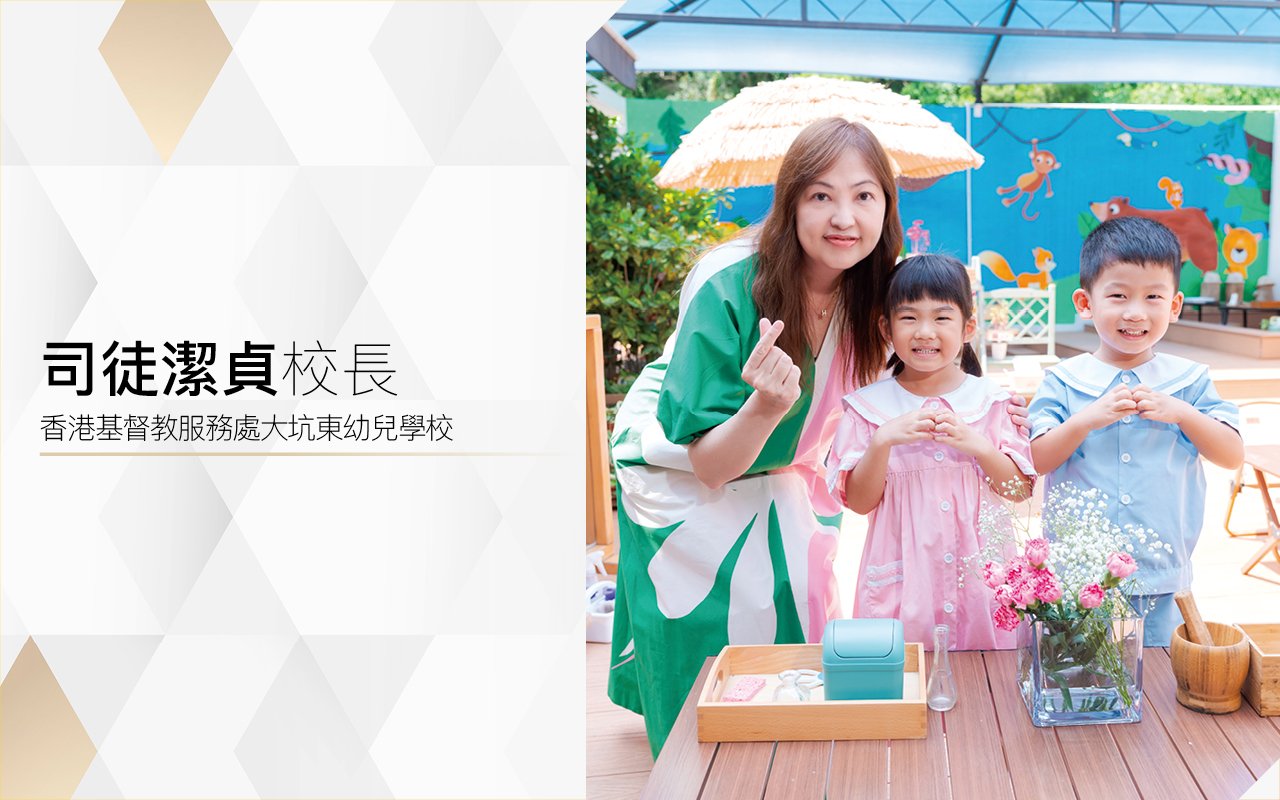
HONG KONG CHRISTIAN SERVICE KWUN TONG NURSERY SCHOOL Based on the concept of "child-centered", Montessori courses are implemented with "Follow the child" as the core, allowing children to develop a thirst for knowledge through daily life, focusing on sensory exploration and interesting learning experiences, and learn to "respect themselves, respect others, and respect the environment." To this end, Principal Szeto Jiezhen specially studied Montessori-related courses, and Vice Principal Xiao Yingyi went overseas to study the "International Montessori Dual Master's Course" and obtained a Montessori teacher license issued by the American Montessori Society (AMS), internalizing relevant educational concepts and knowledge into classroom teaching.
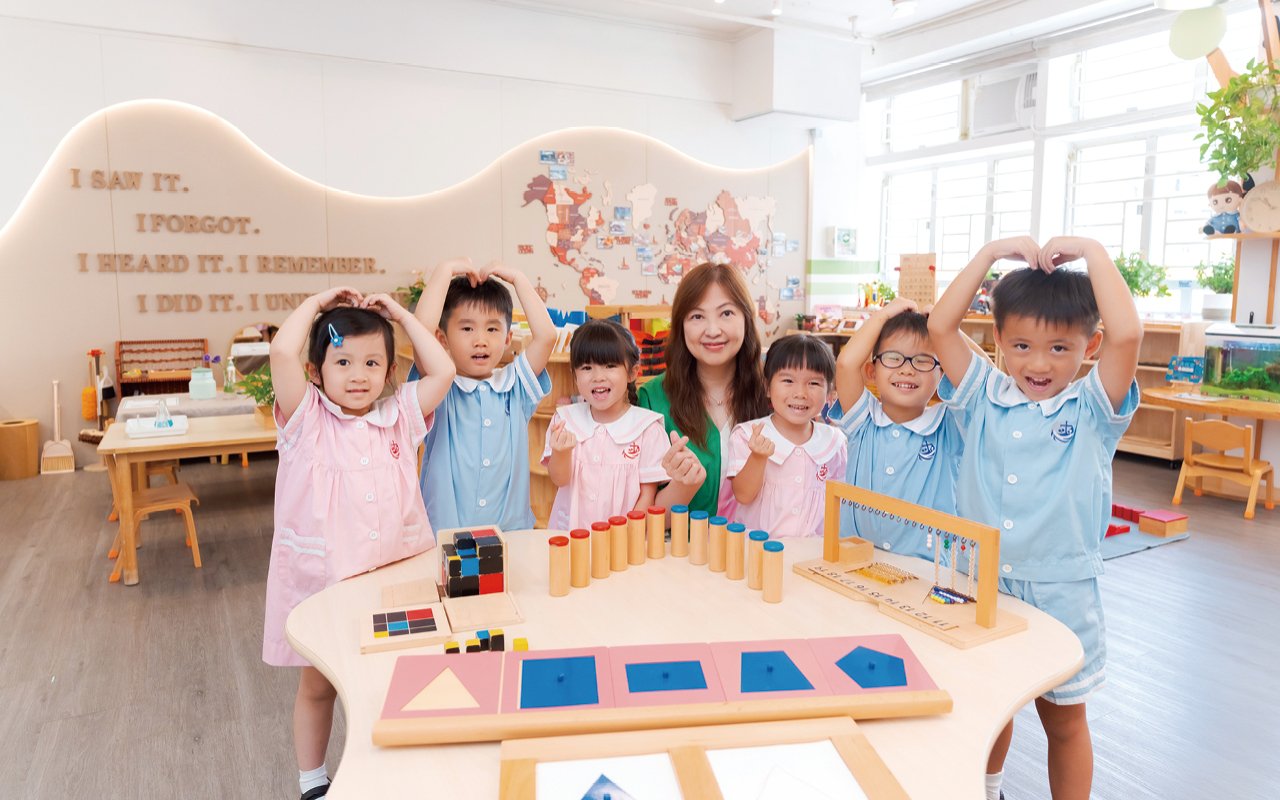
Special Montessori classrooms, five major areas based on life
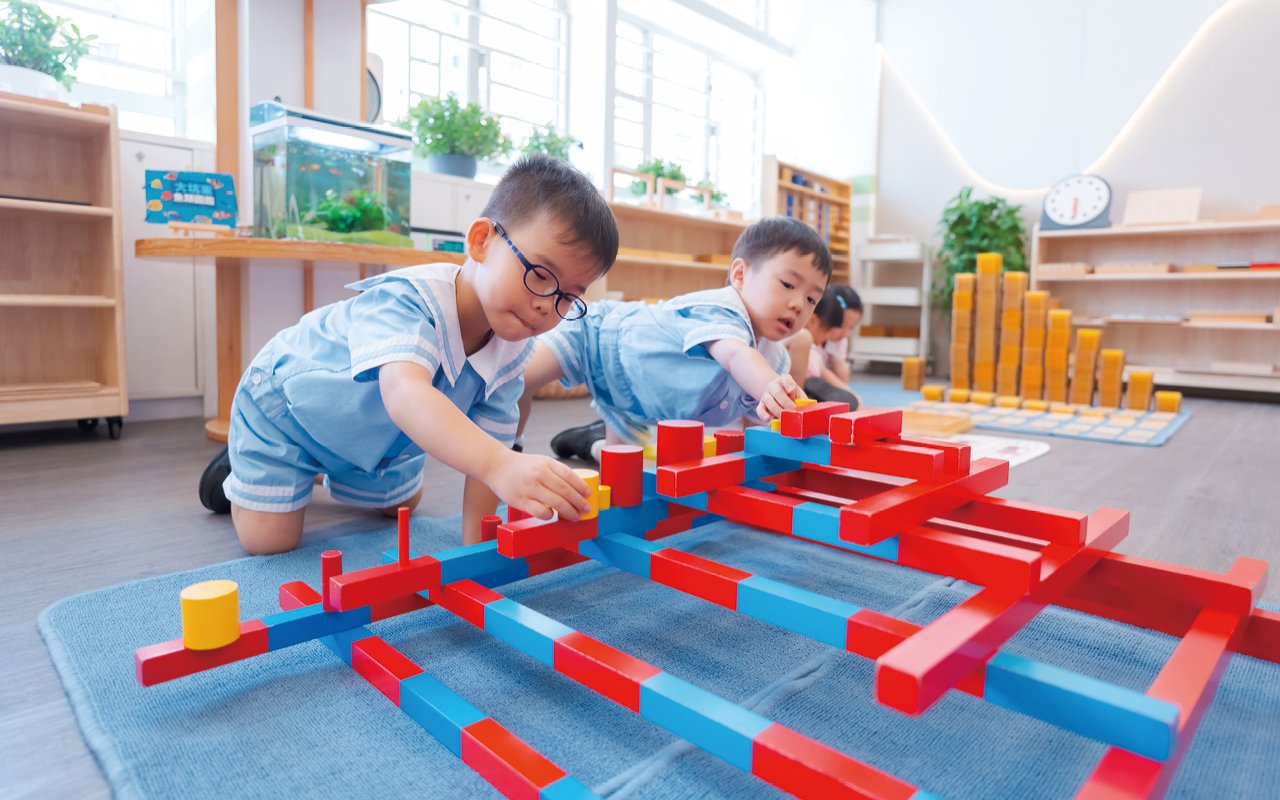
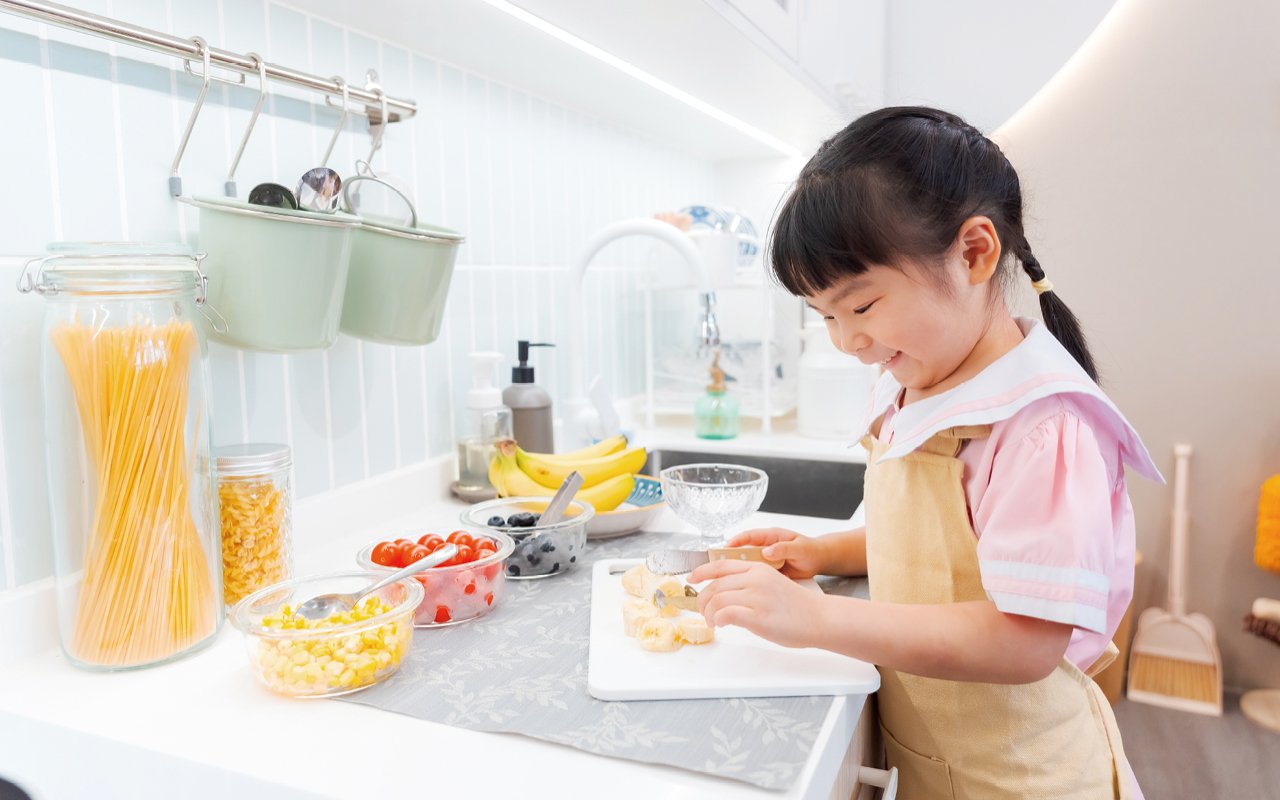
Principal Szeto said: "Montessori focuses on children's life experience, emphasizing following their interests and respecting the individuality of each child." The school has a Montessori classroom divided into five major areas: daily living area, sensory area, mathematics area, language area and cultural area. A small kitchen is set up in the daily life area, and tools suitable for young children are placed for them to perform food processing tasks, such as making salads, establishing a sense of order through detailed steps, and developing small muscles and life skills. In the sensory area, children can concretely understand different abstract concepts through the five senses, such as shape, size, and concepts of weight and weight. The work of the math area is based on daily life, such as calculating the number of people dining and allocating the number of tableware. Applying mathematical knowledge and principles, starting from the basics, promoting children's active exploration, and then improving children's abilities in the four major learning levels of "number and operations", "amount and measurement", "space and time" and "classification, correspondence and ordering".
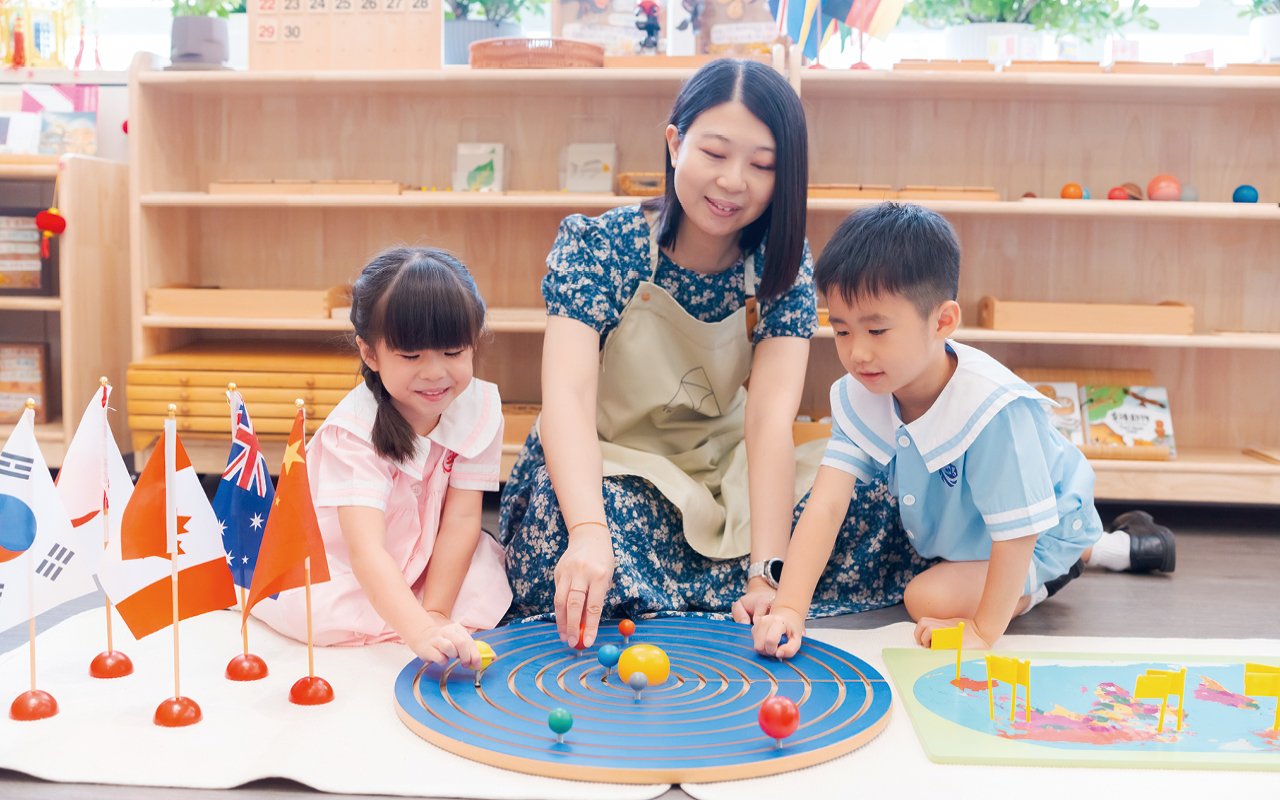
In the language area, students will learn how to match English letters and pronunciations with real objects, find the same radicals in Chinese, etc. The teacher provides blank paper for the children to record the Chinese characters they find, and gradually learn more. Finally, there is a world map and a series of teaching materials in the cultural area, which guide children to learn about different cultural characteristics, astronomy, geography, animals and plants in the world starting from Hong Kong, and expand their knowledge areas. Among them, secondary schools are more in line with local culture, adding Chinese traditional culture, festival characteristics and local feelings of Hong Kong to cater to the needs of Hong Kong. For example, during the Mid-Autumn Festival, teachers will introduce the traditional fire dragon dance custom, allowing children to learn from their interests and daily life, as well as from daily observations. Through the five major areas, children can choose different "jobs" in the area to explore based on their personal interests, goals and needs, and learn to learn and solve problems independently, so as to cultivate their respect for themselves, others and the environment.
Outdoor Montessori Garden Make good use of the environment to explore knowledge
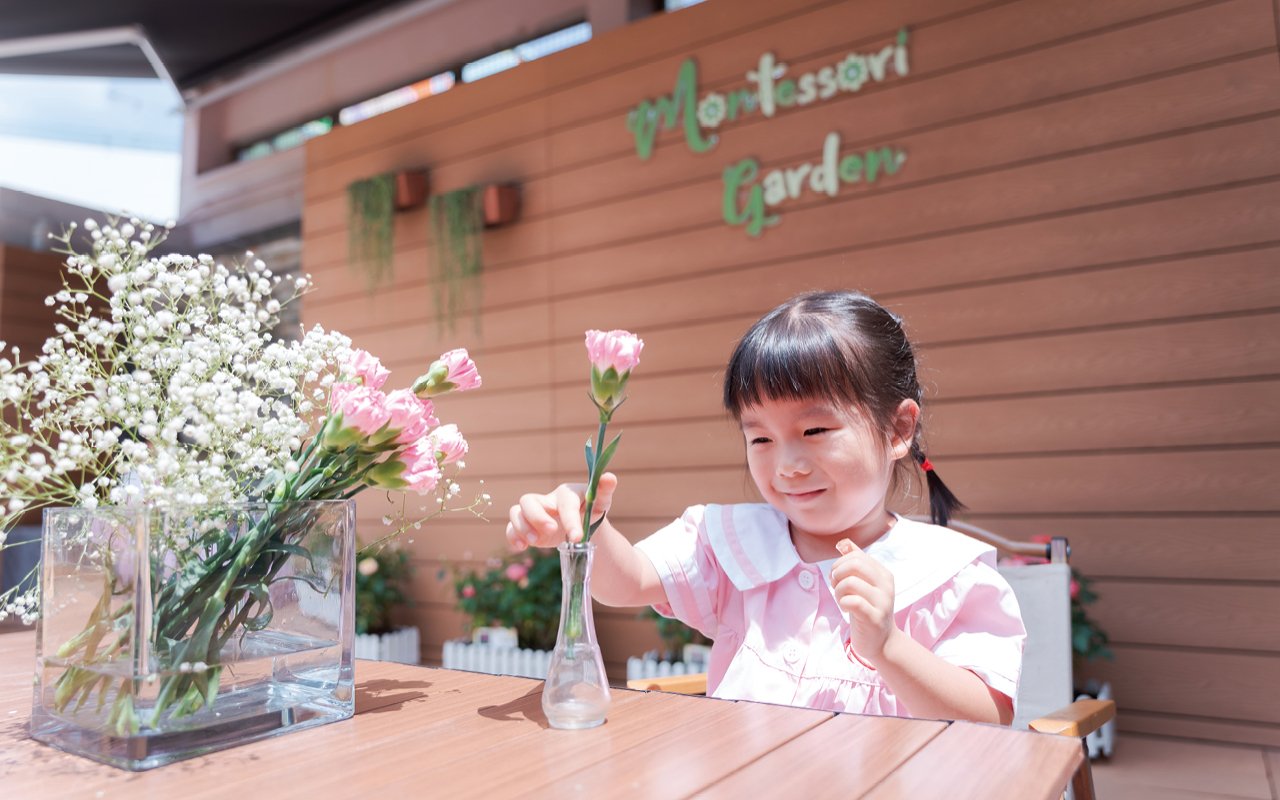
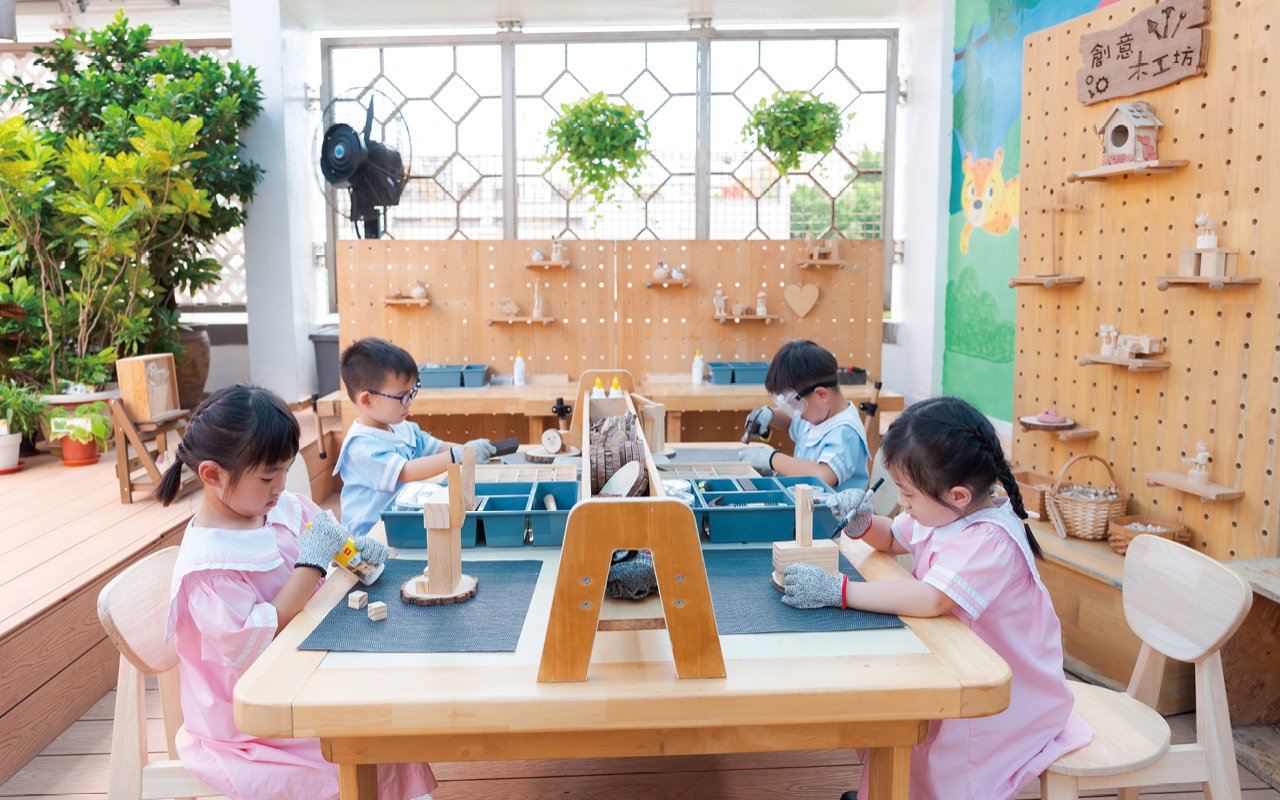
The school also has an outdoor Montessori classroom to arrange daily tasks for children, such as feeding fish, planting, pounding egg shells and fertilizing, inviting children to bring back rice washing water to water plants, using peppers to make natural insecticide water, harvesting vegetables to feed shield-armed turtles, creative wood workshops, nature exploration, etc.
On the other hand, children have more opportunities to get in touch with nature and explore different knowledge from nature, animals and plants. Principal Szeto said, "Children can experience nature through their five senses. As long as they pay careful attention, they will make many unexpected new discoveries. For example, the flowers in the garden attract many butterflies every year, so we can learn about the different species of butterflies. Children can also observe the leaves in the garden, stimulating their interest in learning, exploring the reasons why leaves turn yellow, and discovering knowledge from exploring nature."
Focus on the spirit of caring and practice correct values
Montessori emphasizes the educational spirit of caring and the need to pay more attention and observe the things around you in order to establish correct values and attitudes. Therefore, there are goldfish, shield-armed turtles and a variety of plants in the Montessori garden, allowing children to judge and understand the needs of animals and plants during the process of feeding and watering, thereby learning to care for and understand the needs of others. Principal Szeto said: "We hope that children can learn and explore more from daily life, and practice correct values and attitudes through different experiences, which will be of great benefit to their future development."
Promote parent education "Follow the child"
The school vigorously promotes parent education to help parents understand the Montessori philosophy. For example, a "Montessori Volunteer Parent Team" is organized to invite parents to the school to participate in professional training, and then enter the classroom to help implement Montessori teaching, so that the home and school work together to promote the overall development of their children. The school also regularly holds "Montessori Parent Workshops" in the hope of educating parents to "follow their children" in a correct attitude and respect their children.
Adaptation period for new students to establish a sense of security
In order to help new students integrate into campus life as soon as possible, the school has specially set up an adaptation period for new students to allow parents to accompany their children to build a sense of security. First of all, the teacher will use video to get to know each other with the children, and establish a friendly relationship before entering the school, making the children feel more secure. Then, they will introduce the Montessori teaching method and use the Montessori attitude concept to build care among mixed-age children and encourage the older brothers and sisters in the school to lead the new children to adapt to school life.
Montessori teaching, following children, learning from life, diverse experiences
HONG KONG CHRISTIAN SERVICE TAI HANG TUNG NURSERY SCHOOL · 2024年9月

School building appearance
This English version is translated by AI. If there are inaccuracies or omissions, please refer to the original Chinese text.