
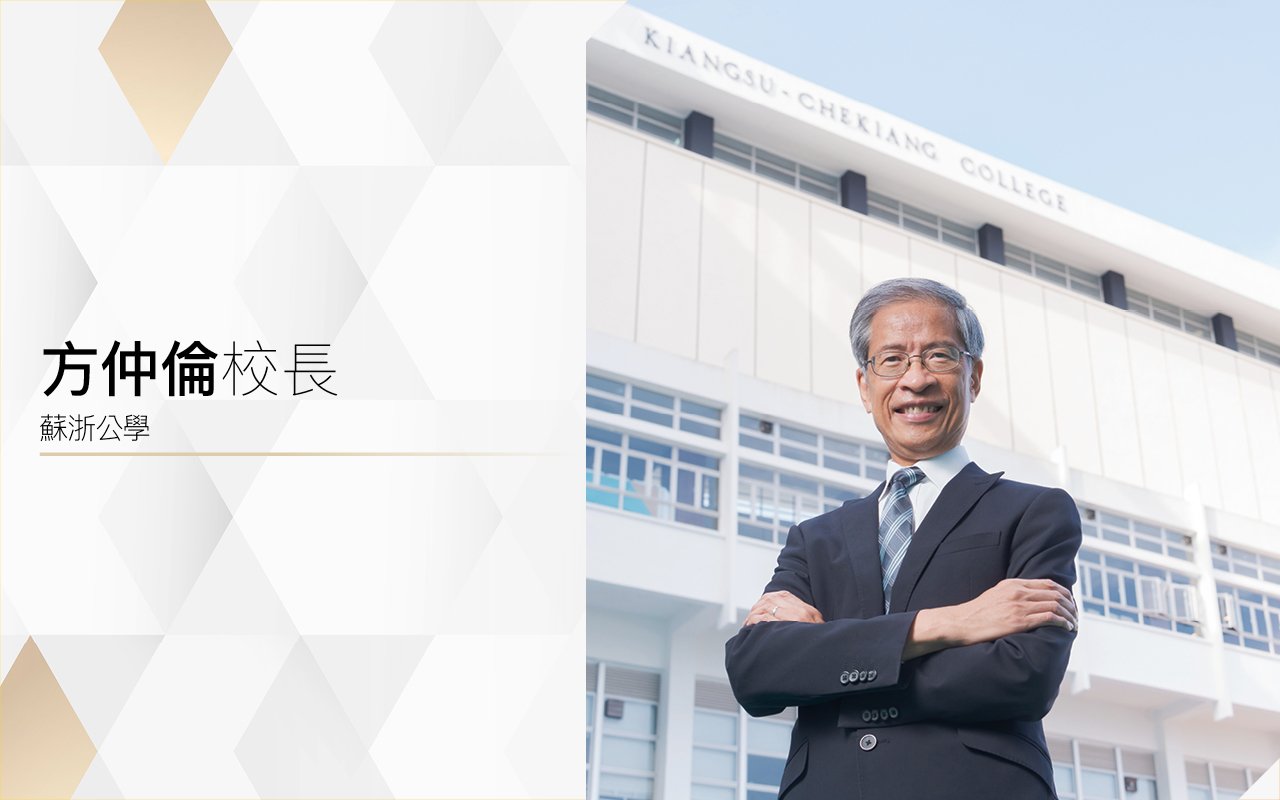
Kiangsu-Chekiang College We attach great importance to students’ language development, especially in the context of Hong Kong being “backed by the motherland and connected to the world”. In addition, with the implementation of the Talent Access Program in recent years, many mainland students have come to Hong Kong to study. Principal Fong Chung Lun pointed out: "Generally, newly arrived students from the Mainland have no problem in Chinese, mathematics and science, but there is a big gap between English and local students." On the one hand, the school takes care of the English learning needs of local students. On the other hand, it actively helps newly arrived students adapt to Hong Kong's English curriculum and lifestyle, and cultivates the ability of all students in the school to be fluent in both Chinese and English, so that they can "connect with the motherland and the world."
Leverage the advantages of "one school, two systems" to build diversified development options
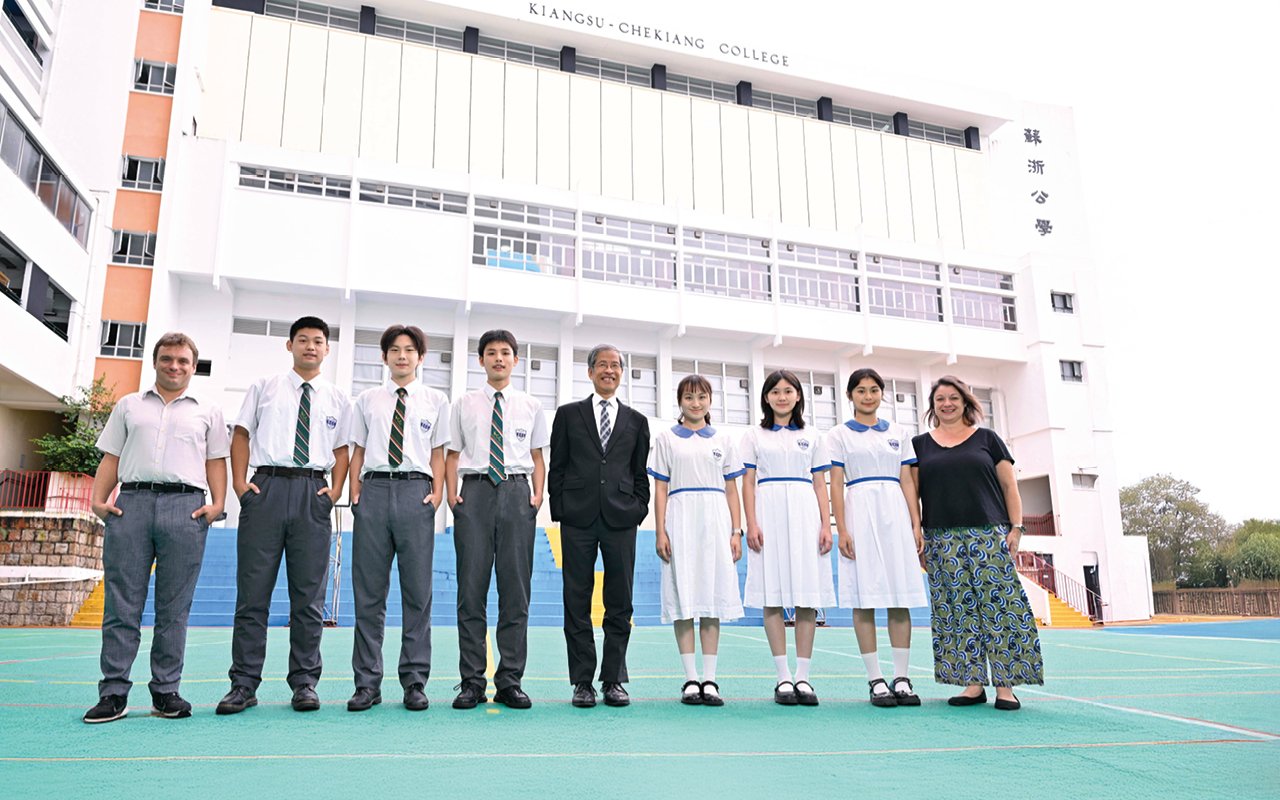
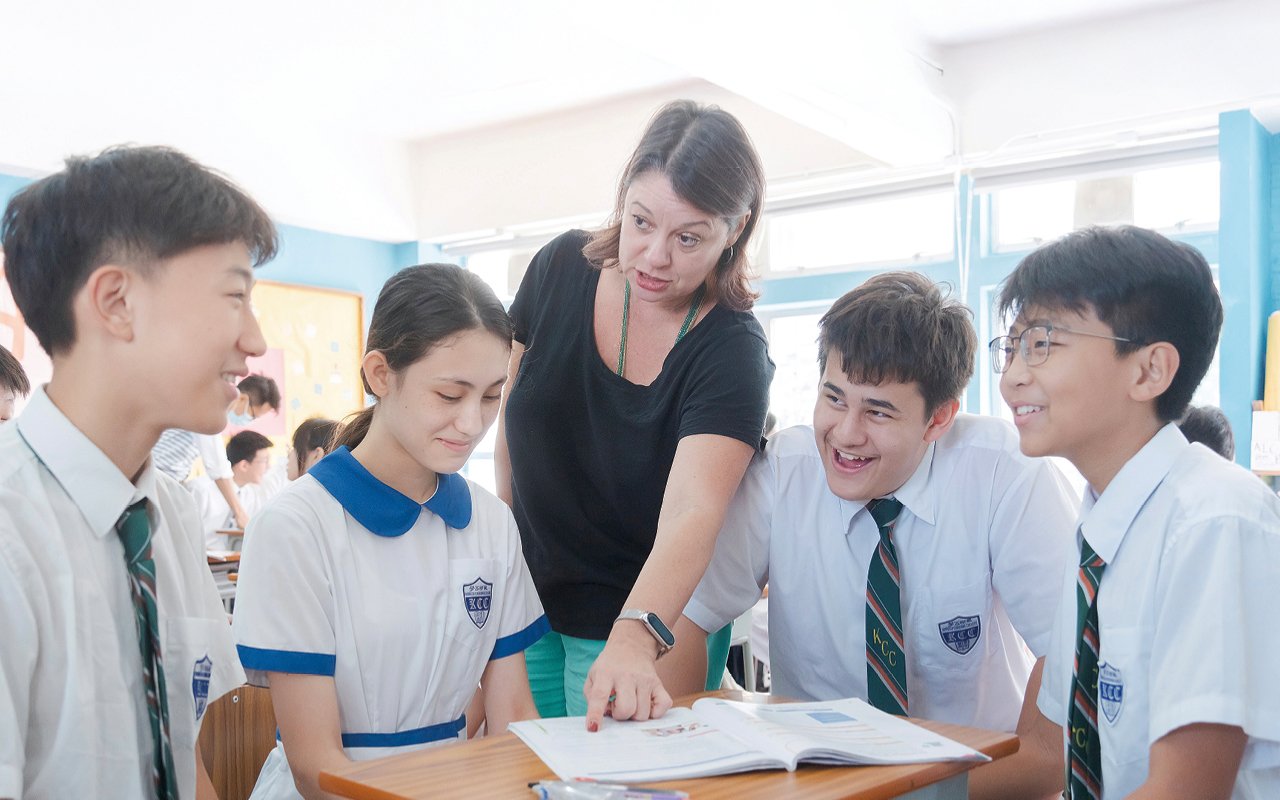
The school leverages the advantages of "one school, two systems". Students from the International Department and Direct Support Department share the same campus, effectively creating a multicultural learning atmosphere and a unique English context. Students from the International Department, whose main communication language is English, can meet and communicate with students from the Direct Support Department during their spare time, so that students can get used to using English in daily life. The school will also arrange for junior high school students to participate in special classes in the International Department to promote "peer learning" between local students and foreign students.
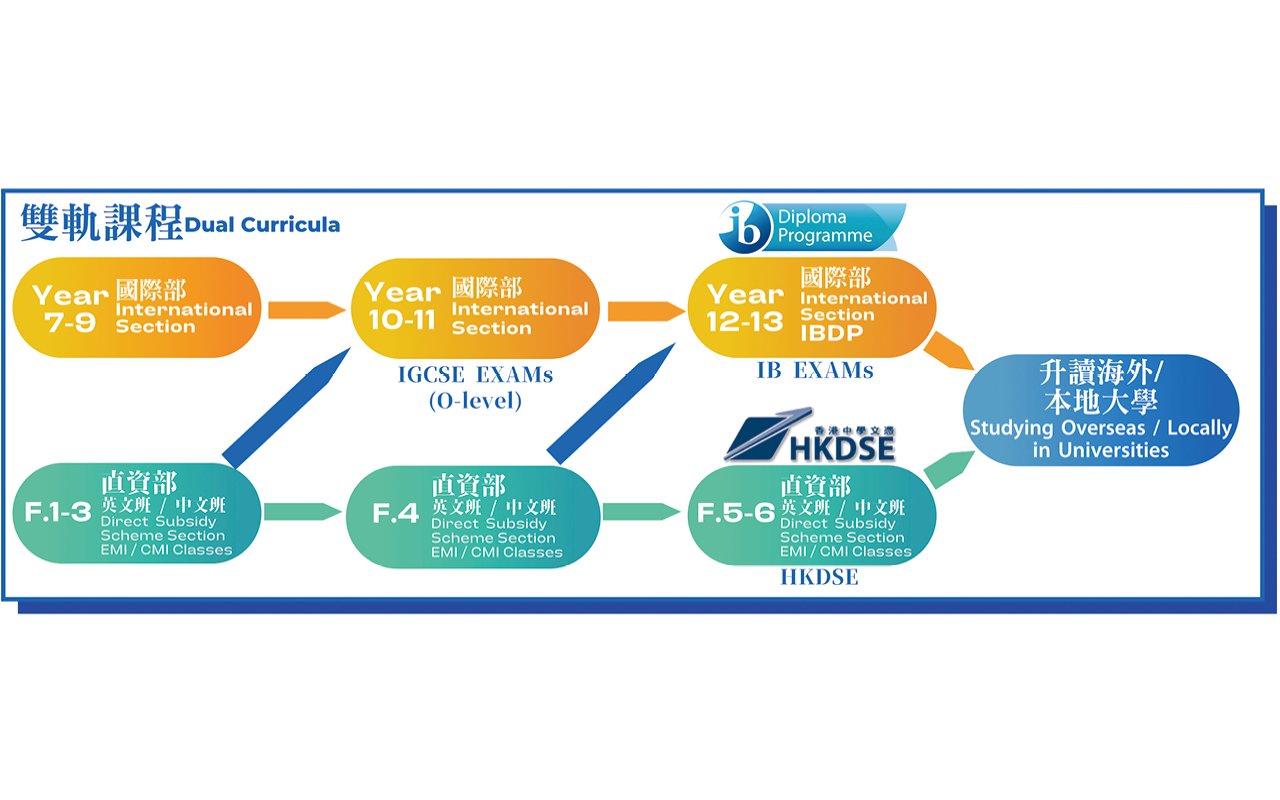
In addition, the school provides a dual-track curriculum. After completing the Secondary 3 (Year 9) course, students in the direct support department can choose to study the International General Certificate of Secondary Education (IGCSE) or the Hong Kong Diploma of Secondary Education Examination (HKDSE) founded by the University of Cambridge in the United Kingdom. They can also choose to study the International Baccalaureate Diploma Program (IBDP) or the Hong Kong Diploma of Secondary Education Examination (HKDSE) after completing the Secondary 4 (Year 10) course. Students have more diversified choices, and with the school's appropriate support and guidance, they can move towards success.
The policy of equal emphasis on Chinese and English bilingualism meets the needs of future development.
The school adopts a language teaching policy of "equal emphasis on Chinese and English". It not only strives to create a good English context and encourage students to listen more and speak more, but also supplements it with Putonghua teaching to meet the needs of students from the Mainland. On the one hand, the school adopts the "one school, two systems" model, which is divided into the International Department and the Direct Subsidy Department. Students from the International Department and the Direct Subsidy Department, who use English as the main language of communication, share the same campus, forming a unique advantage. Students from the two departments have many opportunities to interact and communicate in English in daily campus life, school activities, academic competitions, etc. The school will also arrange for junior high school students to participate in special classes in the International Department to promote "peer learning" between both parties and create a strong English context over time.
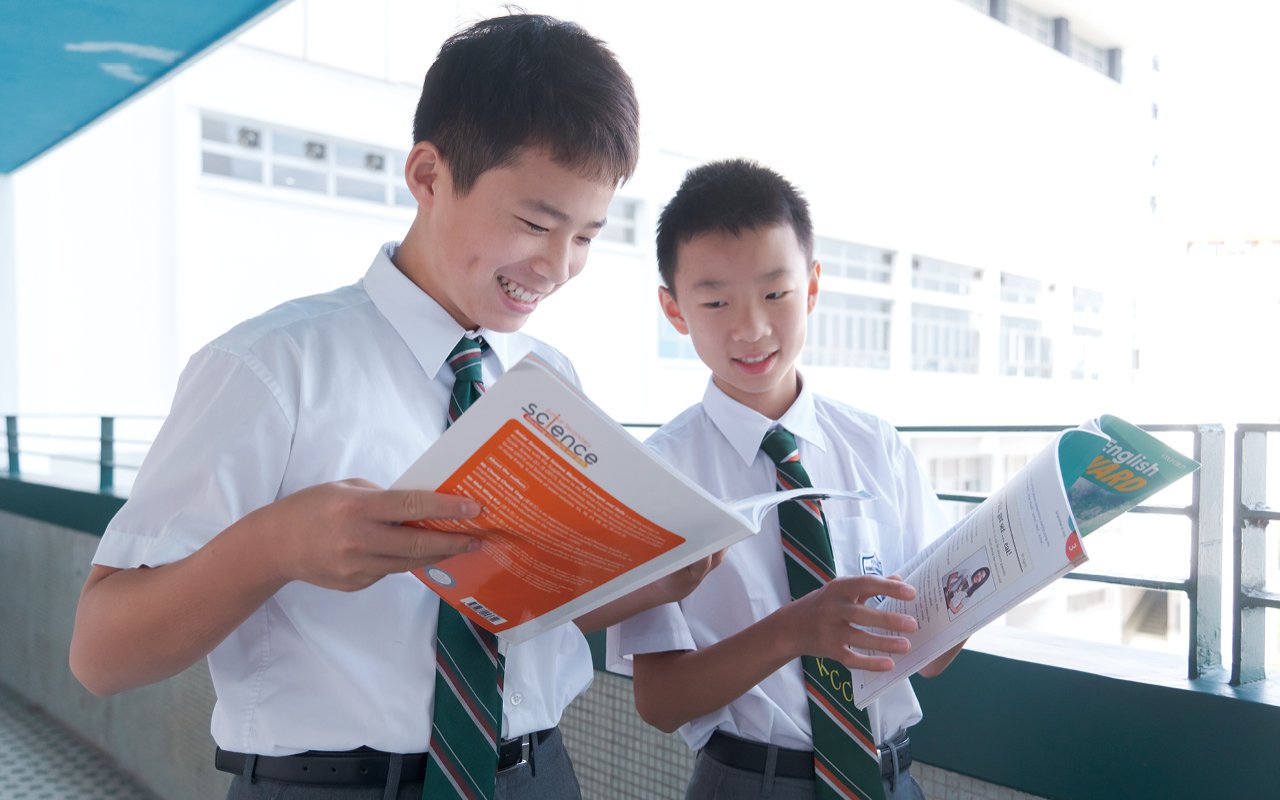
In addition, there are Chinese and English classes at all levels of junior high schools in the Department of Direct Subsidy. Among them, the main subjects of the English class are taught in English, so that students can understand English vocabulary and usage in different fields in the classroom, comprehensively apply knowledge from different subjects, and consolidate English knowledge points. On the other hand, Chinese classes take care of the needs of mainland students. Mathematics, geography, history and other subjects will be taught in Mandarin, making it easier for newly arrived students to master knowledge.
Thanks to the school's language policy of placing equal emphasis on Mandarin and English, new students arriving in Hong Kong can not only adapt to the environment more easily, but also build up their self-confidence in learning. In terms of English learning, students can master the language more easily in the atmosphere of English context. Principal Fong Chung Lun said frankly: "If newly arrived students come to Hong Kong to study, Jiangsu and Zhejiang are a good choice. Because teachers and classmates can all speak Mandarin, basic language communication is not a problem, making it easier for them to make new friends in the new environment."
Taking care of learning differences and building a solid foundation in English
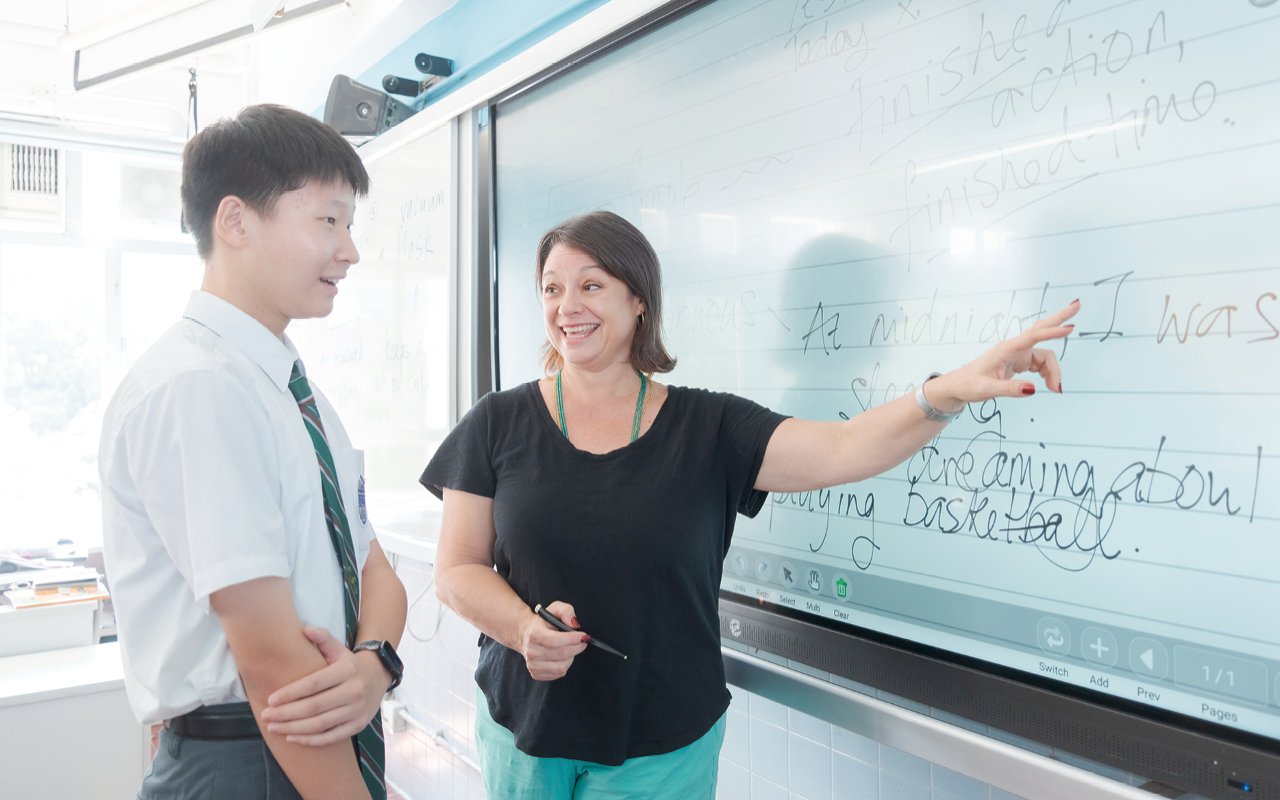
Whether they are local students or newly arrived students, there are inevitable differences in their English proficiency. In order to cultivate a solid foundation in English for students, the school plans to launch an "English Improvement Plan" for junior high school students after the unified test, allowing each student to participate in 72 hours of intensive language training outside of formal classroom time. Principal Fong Chung Lun said: "The cram school is large in scale, with up to 100 students participating. The weekly class duration is six hours, two hours of lecturer teaching, and the remaining four hours are one-to-five group tutoring, which is conducted after school on Friday and Saturday." Group tutoring can focus on the key weaknesses of each student and provide targeted teaching, so as to fill in the gaps and improve students' English proficiency. The school also plans to cooperate with large-scale external tutoring clubs to provide students with more comprehensive help.
Through comprehensive support, students can solidify their English foundation and help them keep up with their English learning progress. This is especially important for newly arrived students. When they can master English well, they will be able to build their confidence in English, which will be a great help when they enter high school, a local university, or even an overseas university. Principal Fong Chung Lun added: "The English of domestic students is actually no worse than that of Hong Kong students, but there may be some differences. There are also students from the mainland who are diligent and thirsty for knowledge. Through the influence of peers, a strong English learning atmosphere is formed, which encourages students to strive for progress."
"Backed by the Motherland, Connected to the World" Using English in Natural Context
Hong Kong must leverage its unique advantages of being "backed by the motherland and connected to the world" to become a bridge connecting the mainland and the world. Therefore, the school is committed to cultivating students to establish an international perspective and broaden their horizons, and organizes various types of exchange groups to let students understand the development of different regions, such as traveling to Southeast Asian countries, the United Kingdom, Australia, New Zealand and other places. Take the "Explore Britain" summer study tour as an example. Teachers lead students to visit the British Museum, Greenwich Observatory, Shakespeare's hometown, the "London Eye", Manchester and Liverpool stadiums and other cultural and academic significance or representative attractions. Students are immersed in a natural and interesting natural English context. Through daily communication and exchanges with foreigners, students learn and use English flexibly, and train their English listening and conversational abilities. At the same time, it gives them the opportunity to broaden their knowledge, understand the cultural characteristics and customs of different regions, explore the development of the world, inspire their interest in English, establish an international perspective, keep up with the development of the times, and truly achieve "backing the motherland, connecting the world."
Implement all-round learning and experience the fun of English
The school implements the concept of all-round learning to provide students with English learning experiences outside the classroom and enhance their interest in English learning. Every year, the International Department organizes "Discovery Week" to organize students to go out to participate in learning activities; and the Direct Support Department also organizes multiple "Discovery Learning Days" to apply knowledge, including English, in daily life through off-campus learning. Through diversified English experiences, students can feel the fun of learning English and learn about global development trends from activities. The teaching team will arrange for students to collect data and write reports after conducting activities to deepen their knowledge through exploration.
At the same time, the school also cooperated with the Department of Education of the University of British Columbia in Canada to allow students from the department to stay at the school for a three-week observation period, and the students also gained something from the activity. For example, the "Canadian Cultural Exchange" activity organized in cooperation with the library team allows students to have a better understanding of Canada, a country where English is the main communication language; it also cooperates with the English Department to carry out storytelling activities to strengthen students' own English speaking ability, and gain more English learning experience from the activities, stimulating their motivation for learning English.
Create language application opportunities and improve learning confidence
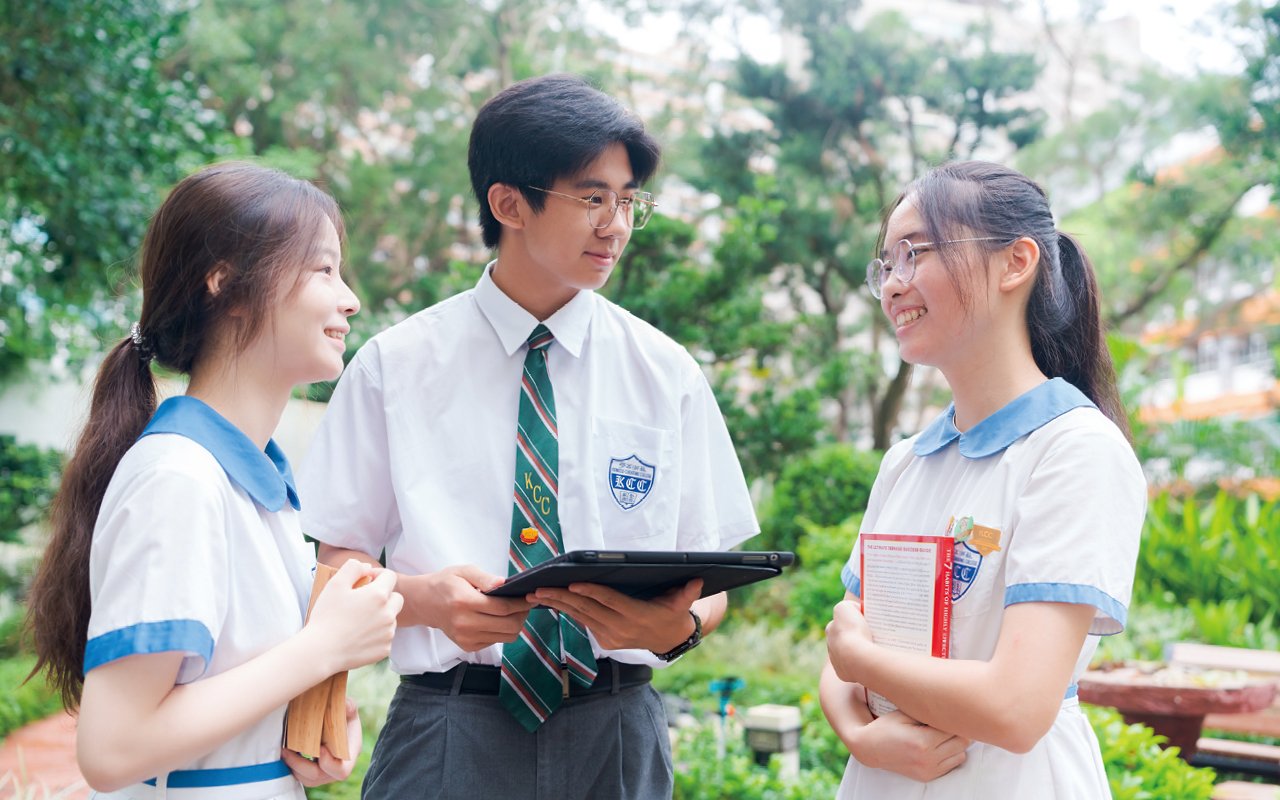
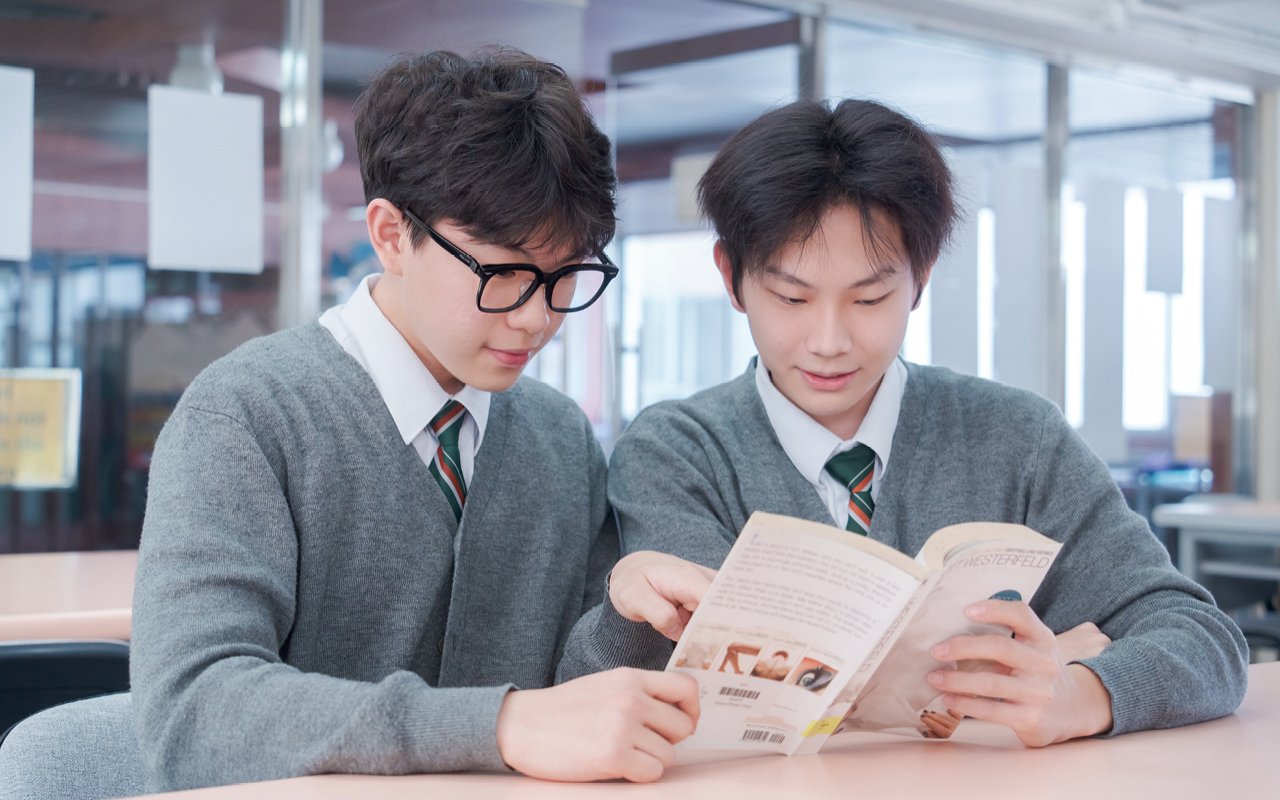
Students will inevitably feel embarrassed when speaking English in front of everyone in class. Therefore, the school actively provides various opportunities for students to communicate with teachers in English. For example, various activities such as "English Week", English book sharing, and visiting foreign tourists are held to encourage them to listen more, speak more, and use English more in daily life, so as to familiarize themselves with the situations in which English conversations are used, and to enrich their personal English vocabulary so that they can use English proficiently and confidently.
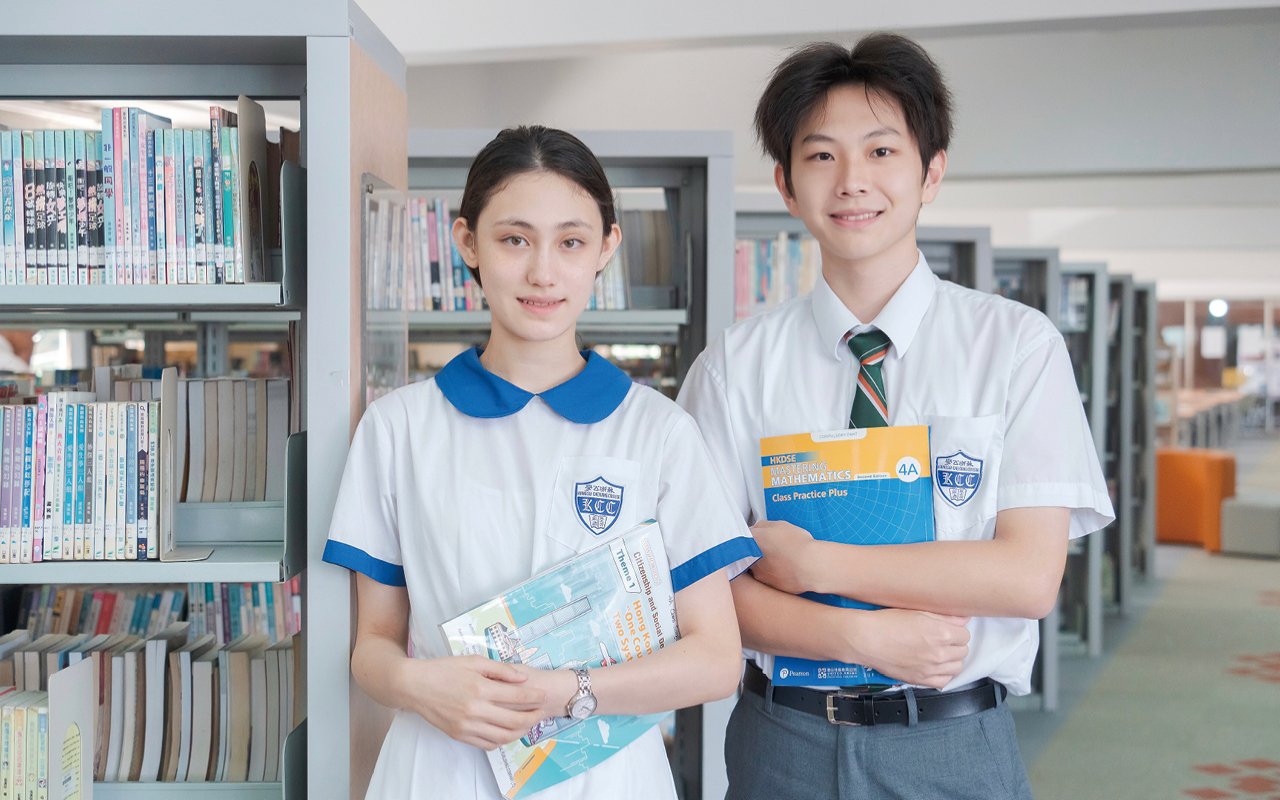
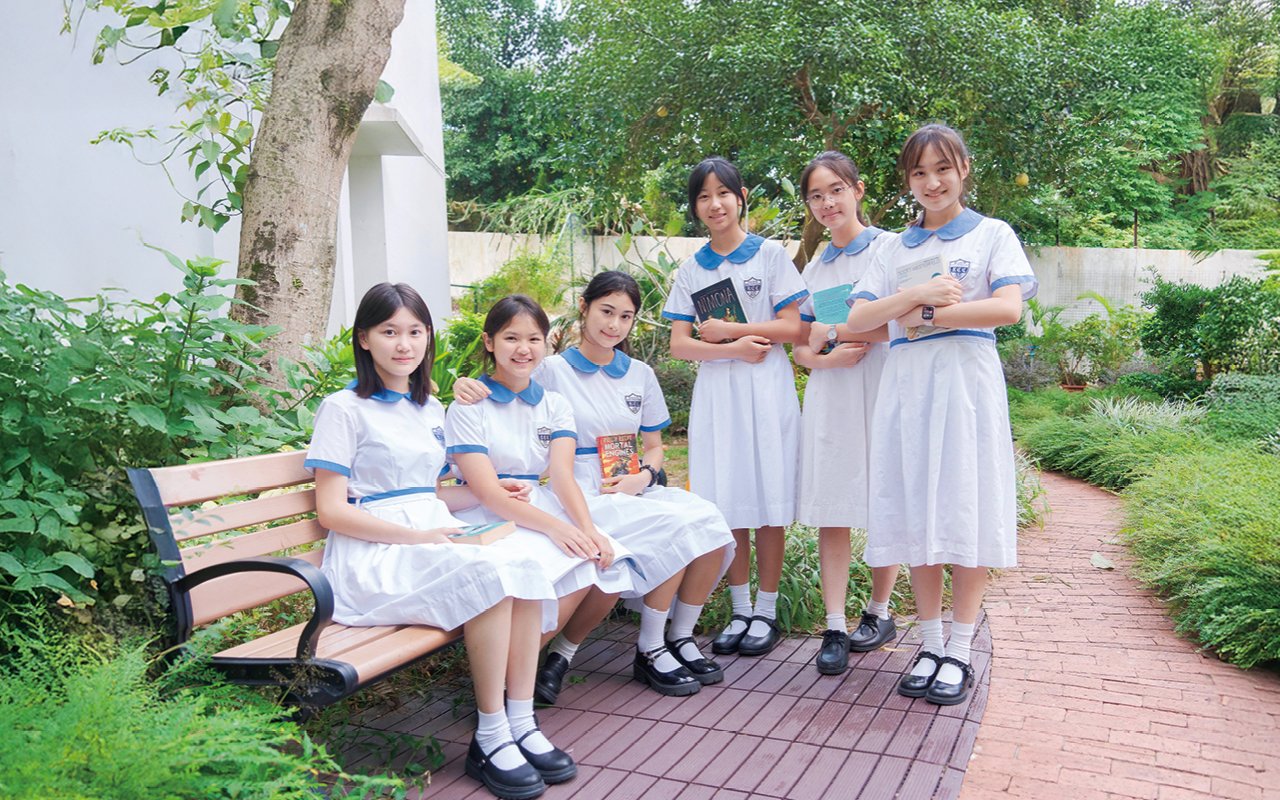
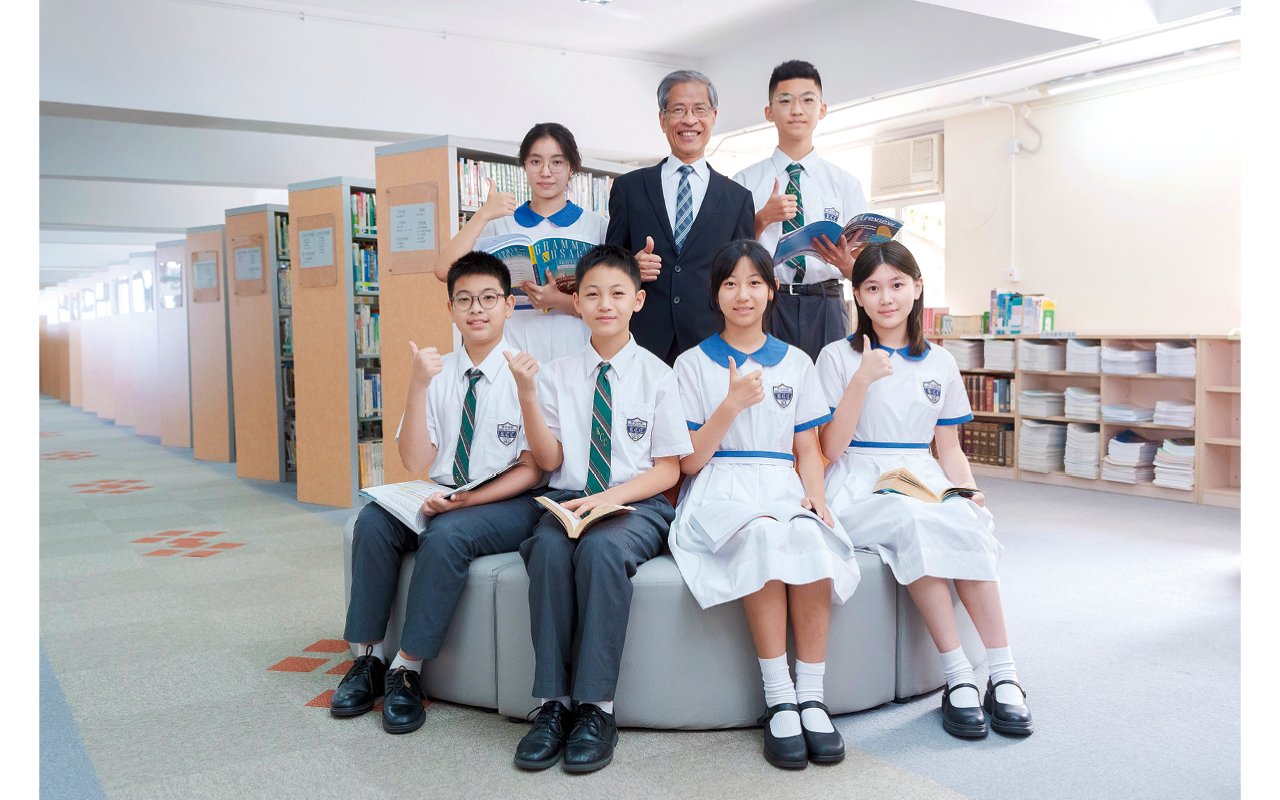
Principal Fong Chung Lun We hope to enrich students’ campus life and allow them to have a pleasant learning time. Therefore, the school carefully creates a suitable learning environment for students, such as a spacious and bright library, a small campus garden, etc., to provide students with a space for reading and review, and to practice English in a relaxed atmosphere.
In addition, thanks to the "one school, two systems" model, students in the Direct Support Division can build friendships with their classmates in the International Division by participating in extracurricular activities. Through collaboration and discussion in the activities, their English skills have been improved. With the encouragement of their peers, they are encouraged to dare to express themselves and naturally use English as a communication tool, thereby training their English listening, speaking, reading and writing skills and improving their confidence in using English.
Chinese is the root, English is the bridge, making the world within reach and helping dreams take off.
Kiangsu-Chekiang College · 2024年12月
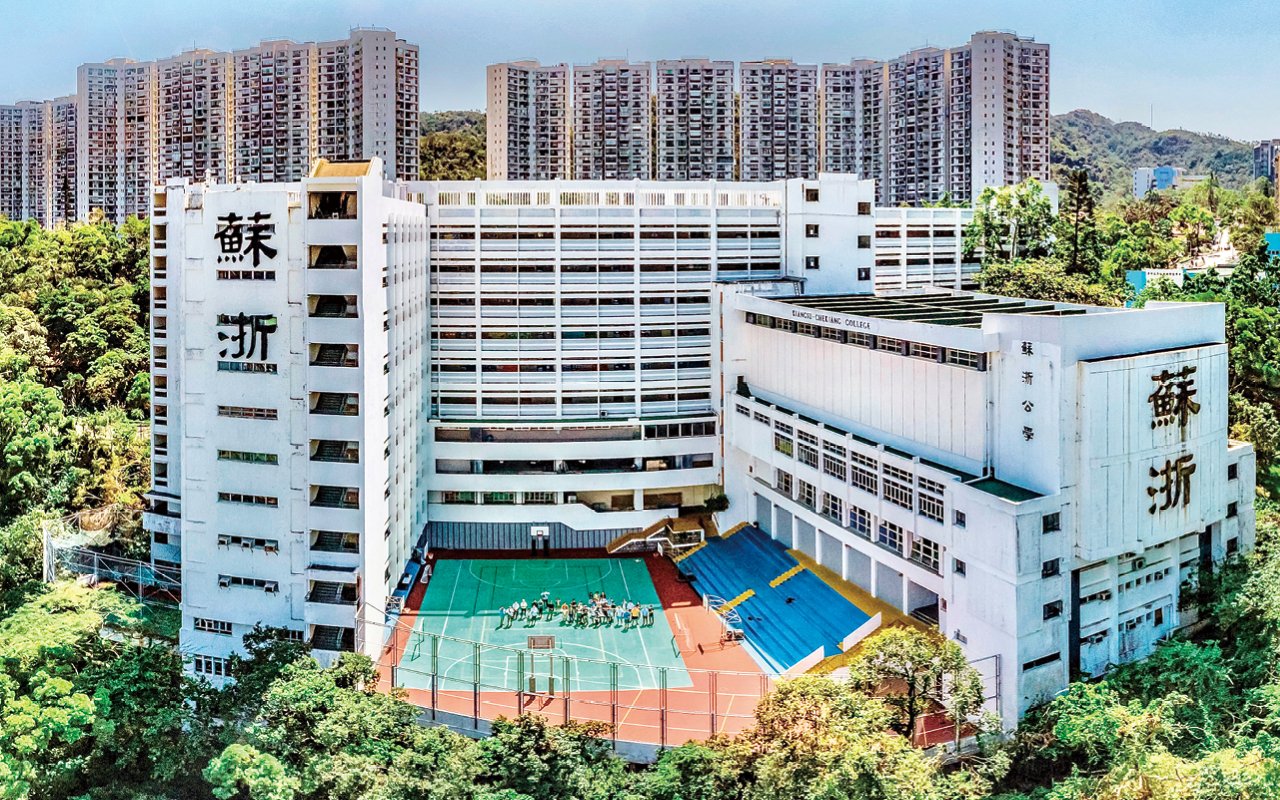
School building appearance

This English version is translated by AI. If there are inaccuracies or omissions, please refer to the original Chinese text.