
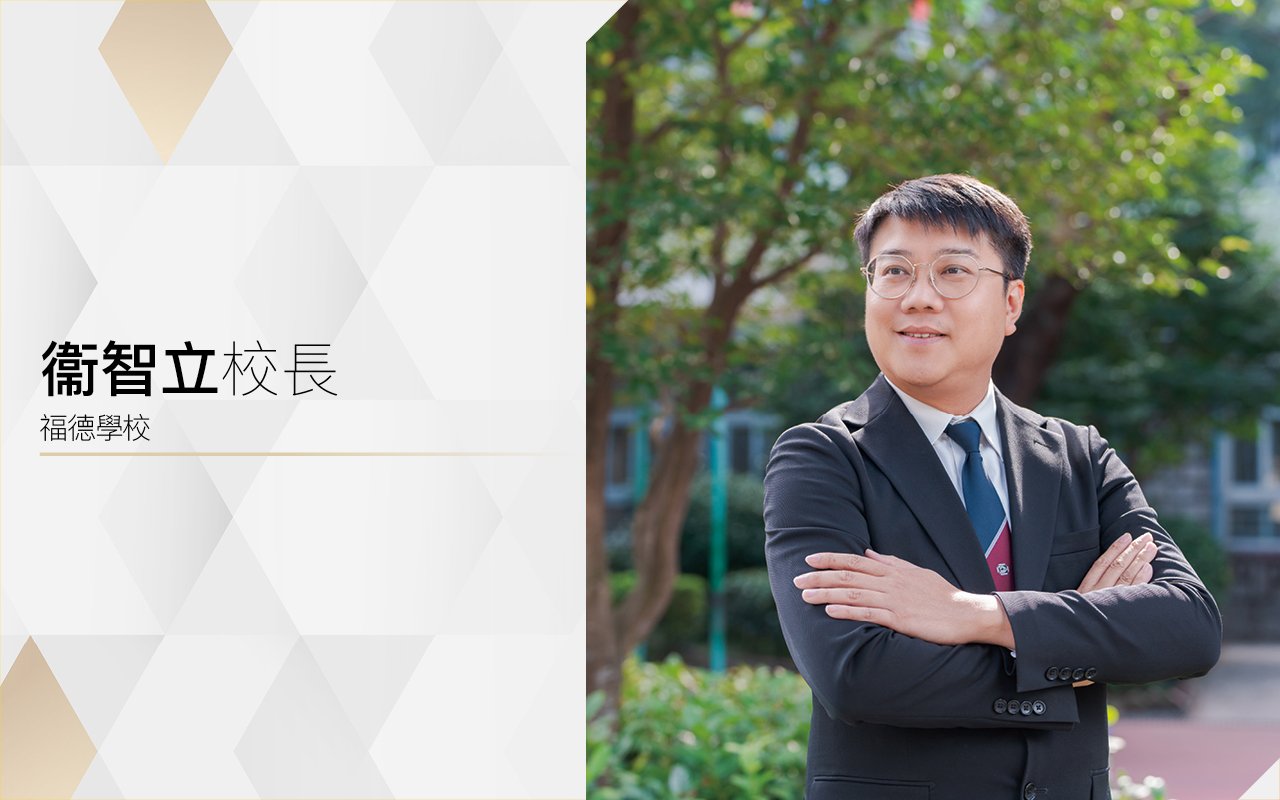
Bishop Ford Memorial School With the school motto of "Advancing morality through humility and learning through learning", we are committed to cultivating students to become talents, perfect their character and academics, be able to understand things, distinguish right from wrong, and become open-minded and optimistic children. In terms of English learning and teaching, Principal Wei Zhili believes that it is very important to establish a foundation in English. The school cultivates students’ confidence in English learning through courses, contexts, activities, etc., so that students can use English as a bridge to connect to the world, understand the cultures and traditions of various places, and thereby establish an international perspective.
Lay a solid foundation in English and develop confidence in learning
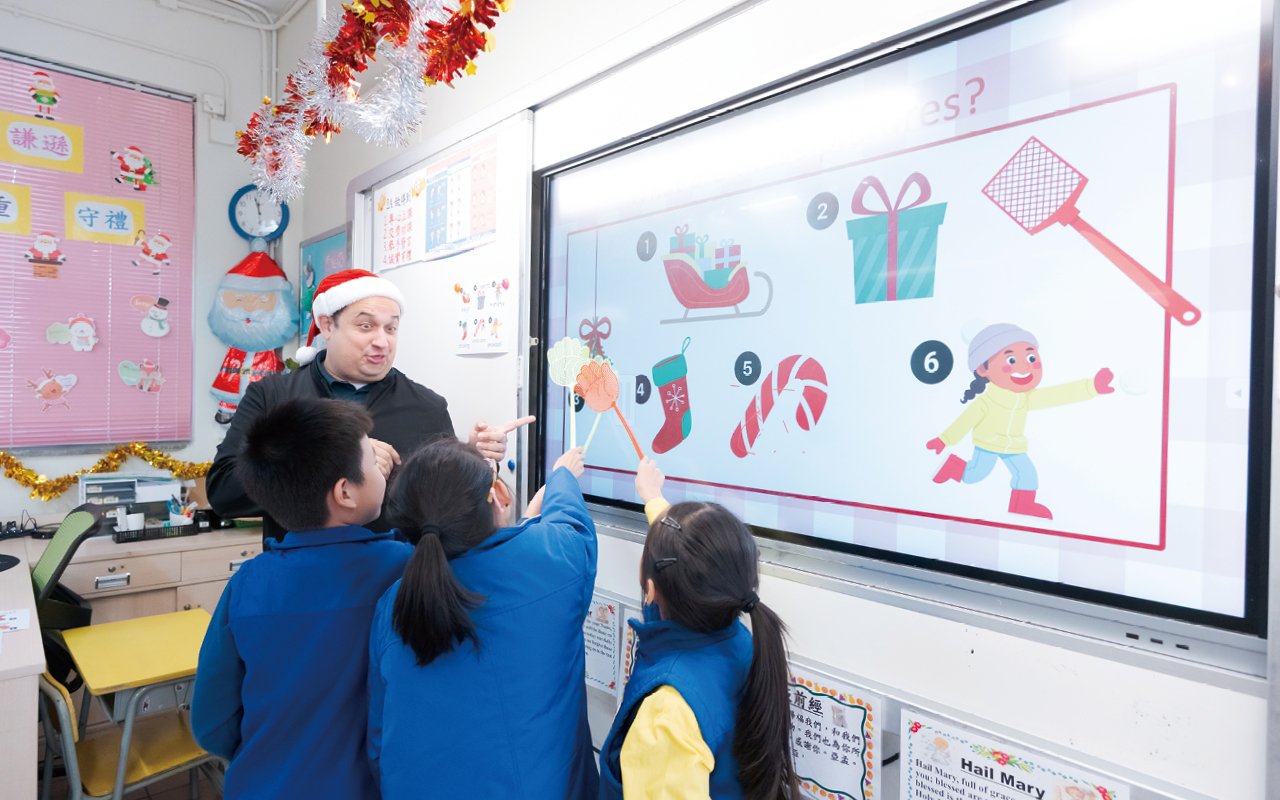
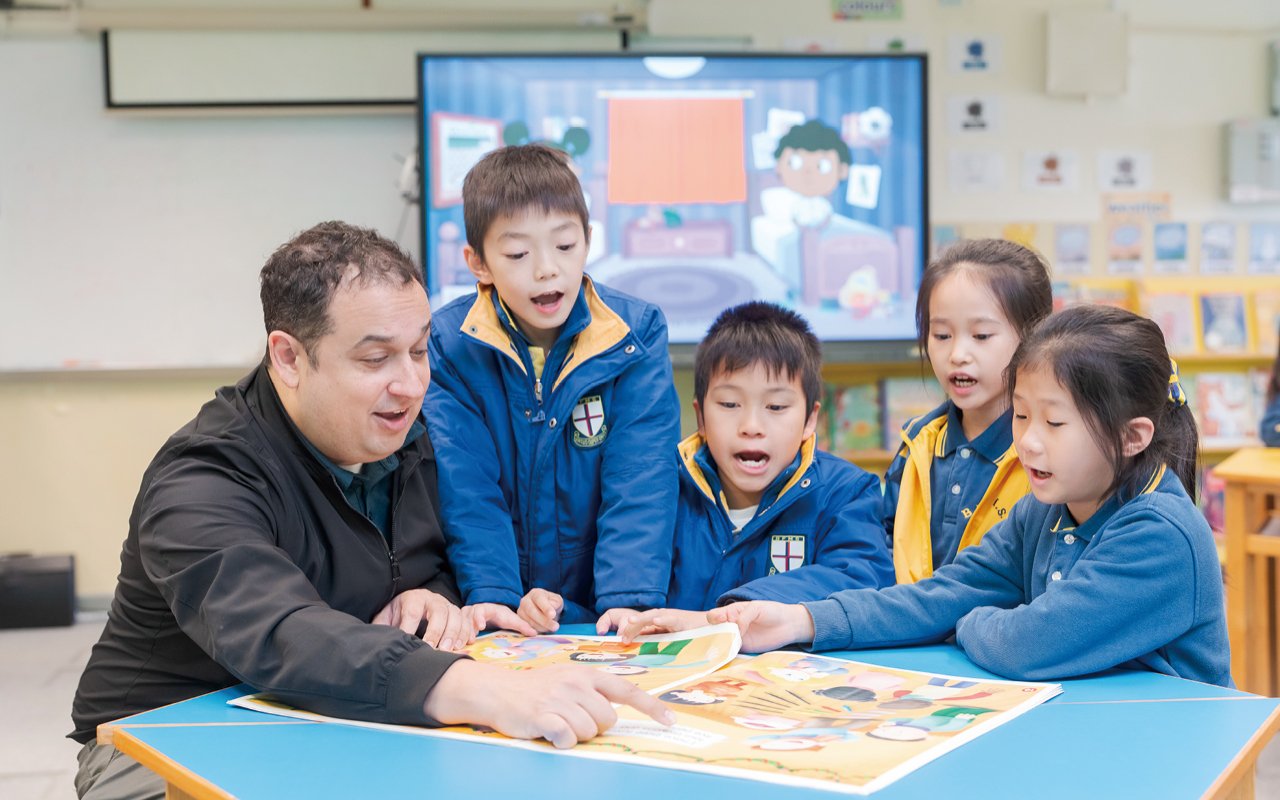
The school is committed to helping students establish a good foundation in English. For the junior primary school, the school emphasizes Phonics teaching and reading. Since primary school, the school has arranged for foreign English teachers to teach Phonics to help students master spelling and reading skills from an early age. Teachers will also carry out group learning in daily classes and teach the "Five Magic Steps" reading strategy, allowing students to analyze the topic, chapter and context to find the correct answer, helping them achieve the goal of "Learn to Read". When students master reading, spelling, and pronunciation skills, they understand that there are methods for learning English, thereby increasing their confidence in future studies.
In the upper primary school stage, the school hopes that students will "Read to Learn" on the basis of junior primary school, learn about the world through reading, and gain more English experience. Considering that senior primary school students are about to face interviews for entering high school, teachers will incorporate some antiphonal content and forms into their regular English conversation training, and specially train their reading skills, such as stress and pauses, so that they can read English articles more clearly and gracefully, helping them to be more confident during interviews for entering high school.
Enrich your learning experience, use English effectively, and look at the world
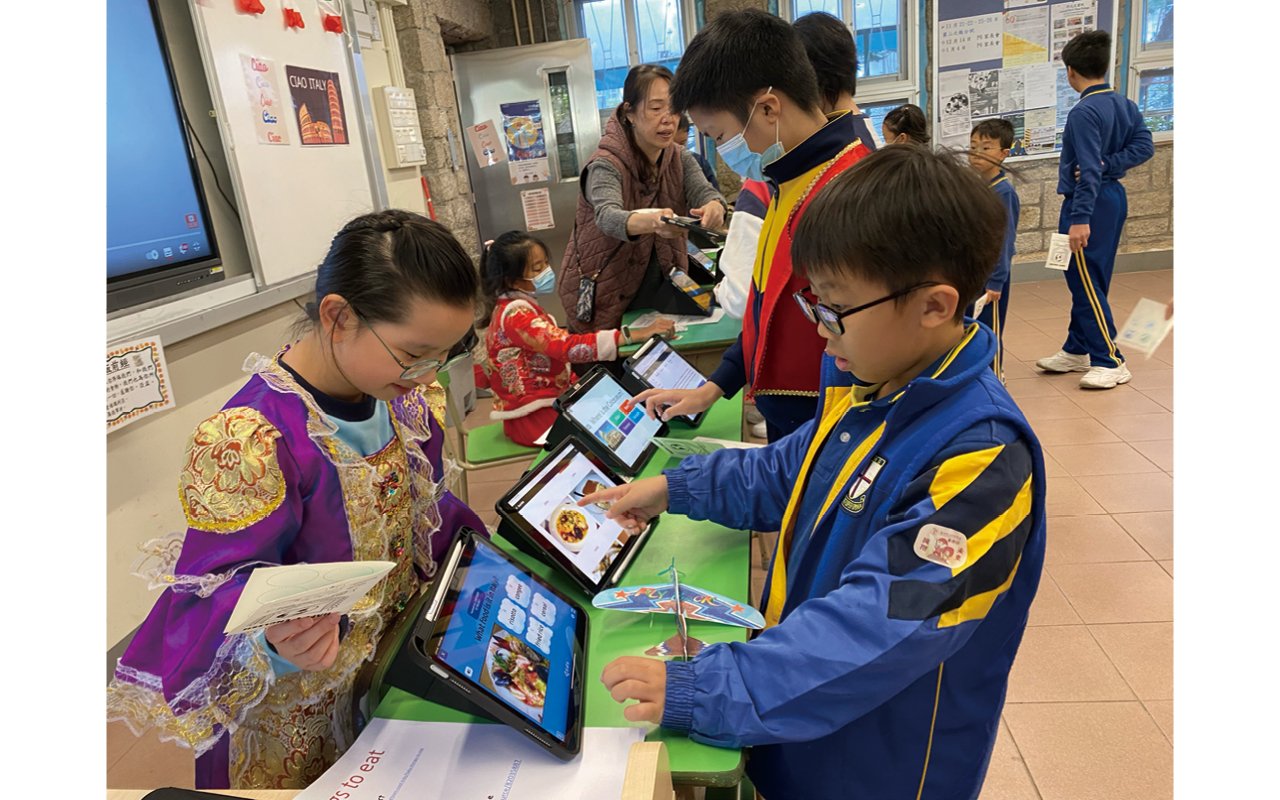
Principal Wei believes: "English is not only a subject, but also a bridge connecting the world. We hope that children will not only master English knowledge, but also understand the cultures and traditions around the world, and establish an international perspective." To this end, the school arranges diversified English learning experiences for students, providing opportunities to see the world and use English flexibly. The school has always been a member school of the "Happy English" program jointly organized by the Hong Kong Metropolitan Schools Council and the Academic Exchange Office of the Chinese University of Hong Kong. It recently hosted a joint school English day camp with the theme of "Around the World" and invited exchange students from the Chinese University of Hong Kong and teachers and students from nine schools to participate. During the activity, students wore costumes from different countries, introduced the cultures of various countries in English, and conducted activities and games based on this theme to explore the customs and customs of each country.
The school also actively arranges opportunities for overseas study tours. It has traveled to places such as Japan and South Korea, and plans to go to the United Kingdom in the future. This allows students to use English as a tool to communicate with local people, enhance their confidence in speaking English, understand the development of the world, and broaden their knowledge. In addition, the school participates in the "Youth Forum" activities of the joint schools every April, arranging students to participate in English debate competitions and communicate with exchange students from sister schools and foreign countries. This not only trains students' English debating skills, but also allows them to contact and reflect on social and world issues, bringing a positive impact to their growth and knowledge.
Create a pleasant English context and build a loving learning atmosphere
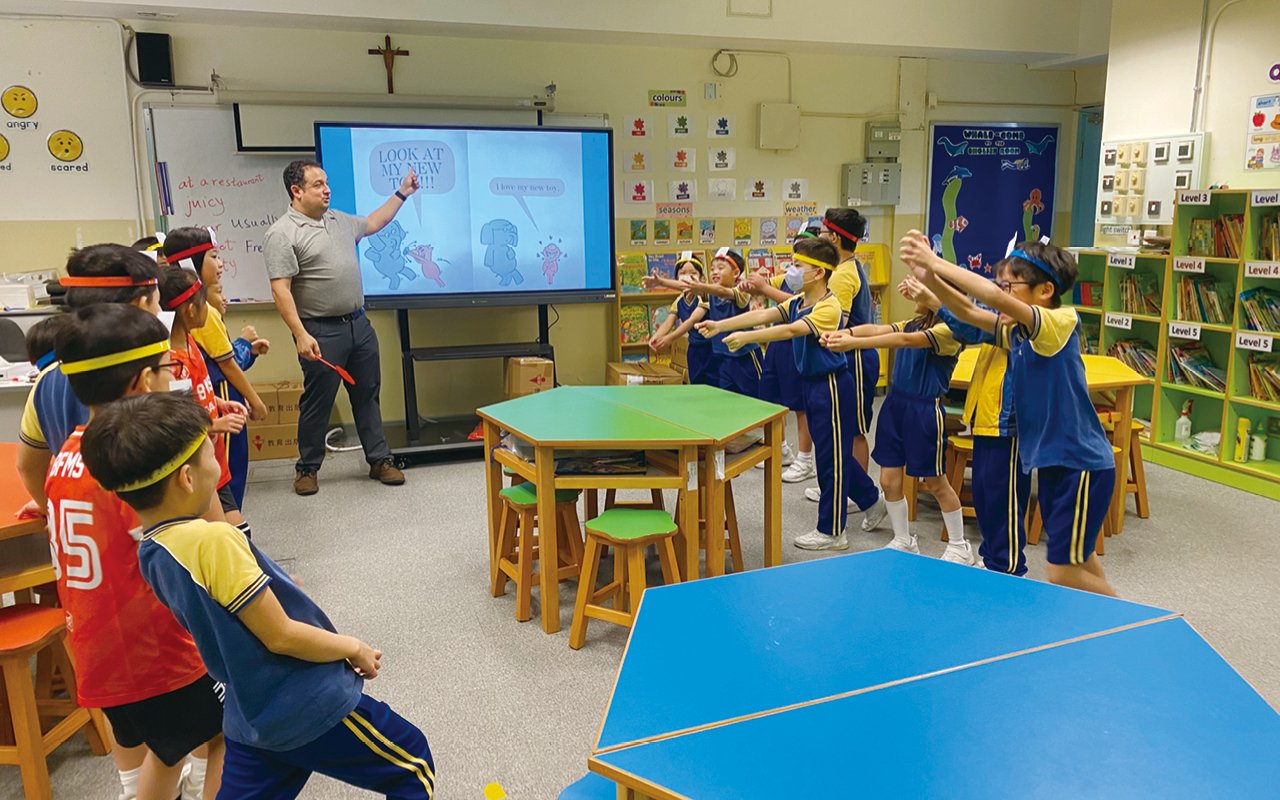
A good English environment helps encourage students to listen and speak more. The school designates Tuesday as English Day, and arranges relevant recess activities and English announcements on that day to create an English atmosphere on campus. In addition, the school organizes regular lunchtime English activities, such as booth games, in the hope that students can provide opportunities to put their English knowledge into practice through games and activities in a relaxed and enjoyable environment.
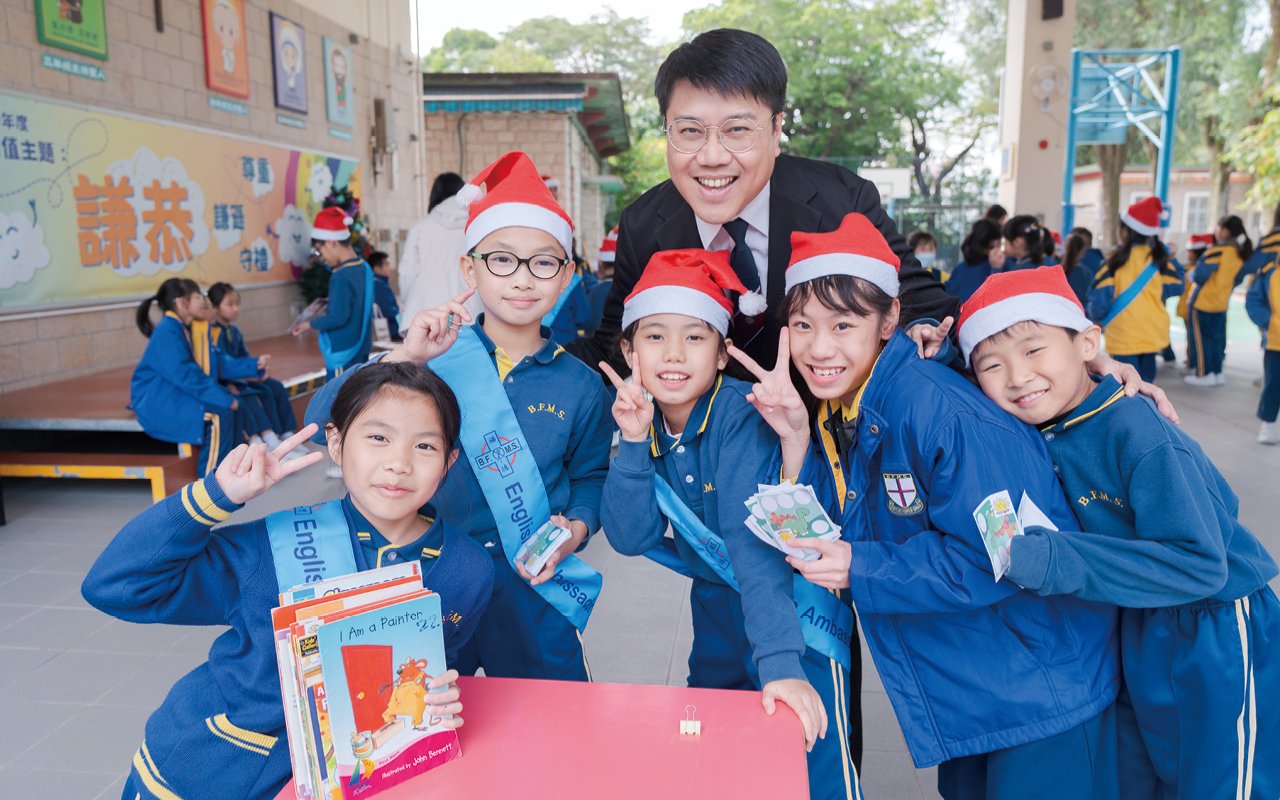
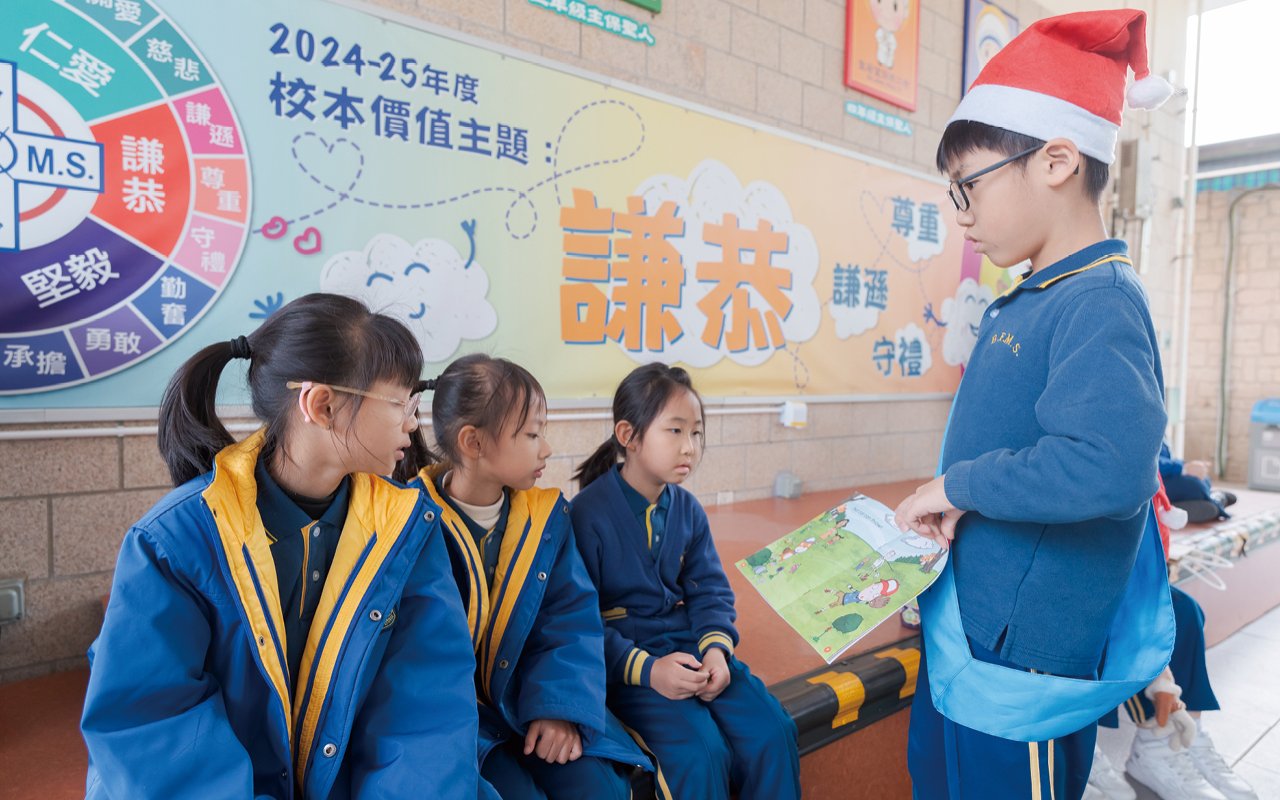
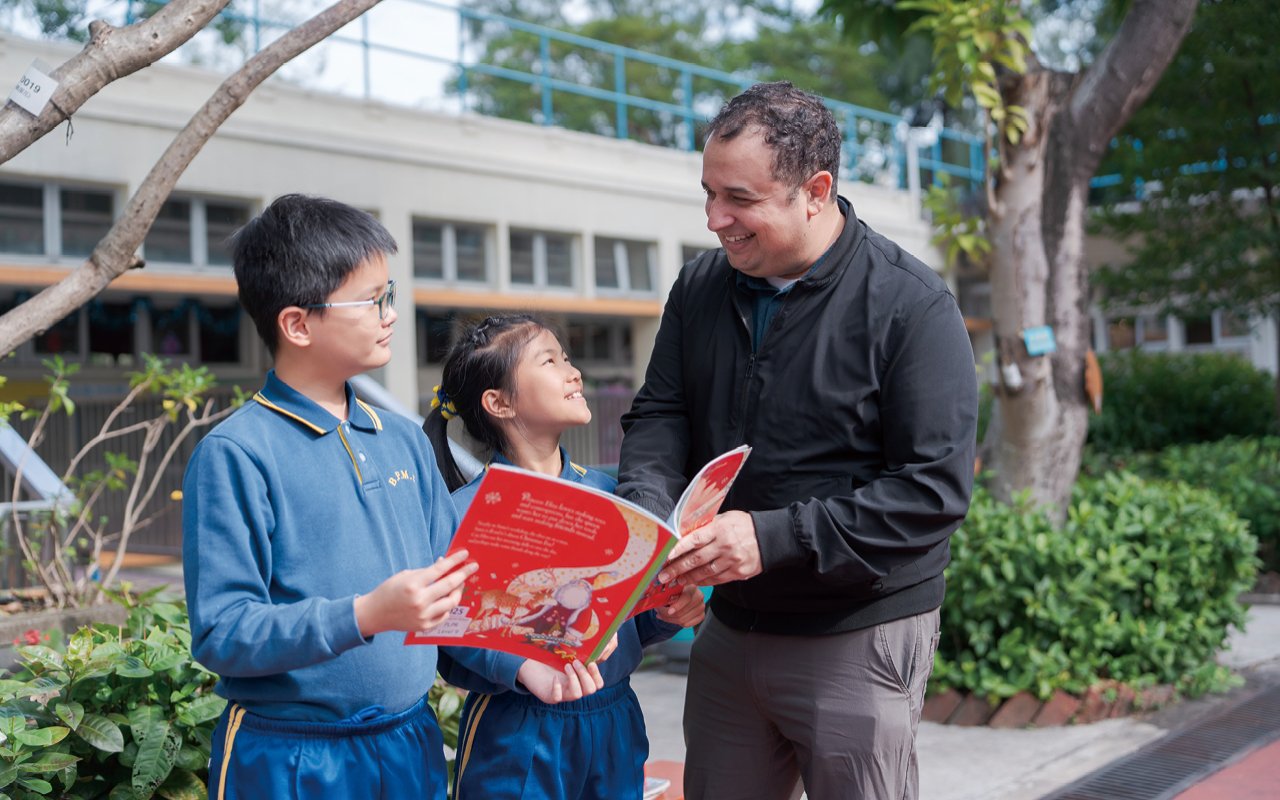
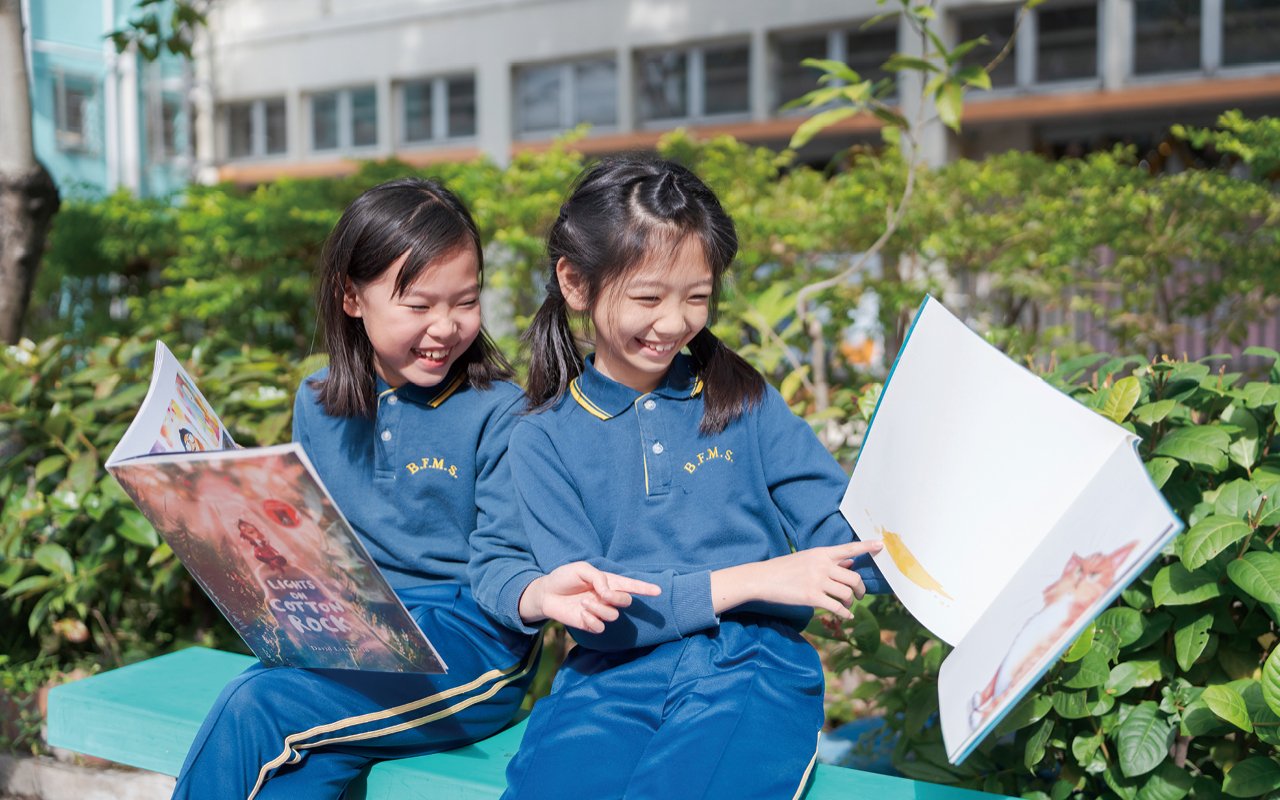
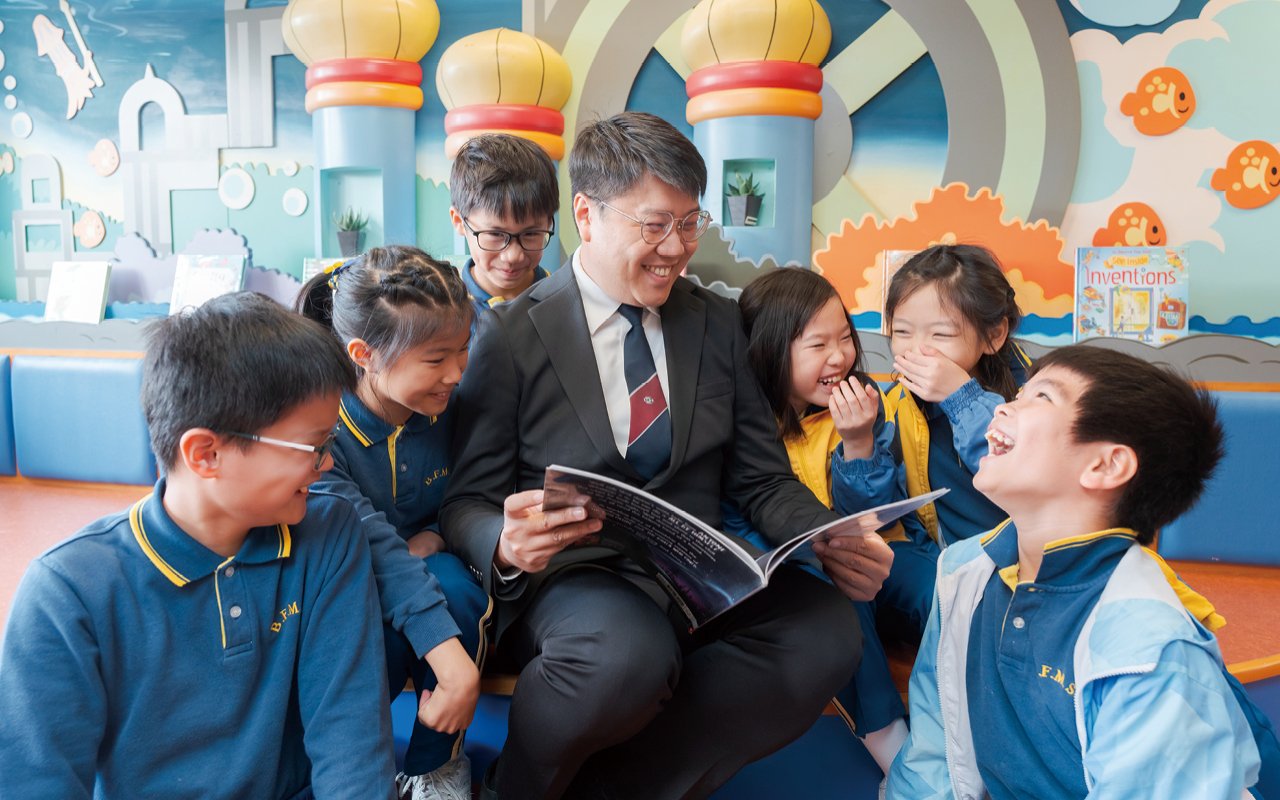
In addition, the school launched the English Ambassador Program to create a loving English learning atmosphere. The English Ambassadors are composed of students in grades three, four and five. They not only participate in preparing stall activities for recess and lunch break, but also play a role of peer support to assist students in grade one and two who are less proficient in English. Every Tuesday and Thursday, English ambassadors will go to lower grade classes to serve as "Reading Buddy" to help students with reading difficulties.
This way of taking care of the younger students by the senior students makes English learning more warm and enjoyable. For students in lower grades, English Ambassadors provide appropriate encouragement and support as peers, becoming their role models and motivating them to strive for progress. For English Ambassadors, this is not only an opportunity to review the past and learn new things, but also to use "Reading Buddy" to apply English reading, conversation and listening skills, build confidence in using English, and cultivate moral values, leadership, organizational and communication skills.
Promote English reading culture and build interest in English reading
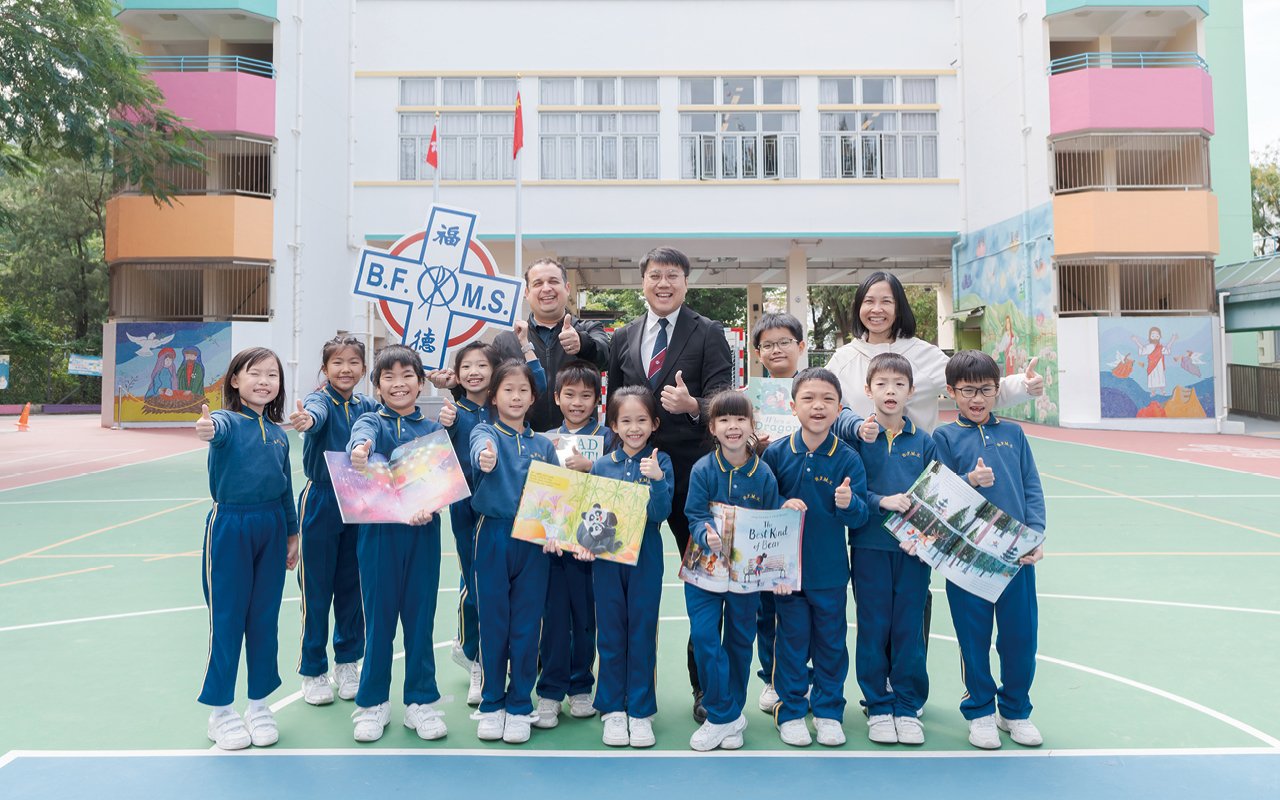
Reading is the key to unlocking the treasure house of knowledge, and the school actively promotes English reading in the school. Therefore, it is crucial to choose appropriate English reading materials for students. The school will conduct a reading test for junior primary students at the beginning of the semester to understand the students' reading level and arrange English books suitable for their level. Principal Wei pointed out: "When students read English books that are suitable for them, it will be easier for them to master them, and they will understand that reading English books is not difficult, and gradually develop confidence in English. The content of these books will not be too abstruse, but will also have certain challenges, helping students to improve their abilities. At the end of the semester, we will test students' English reading level again to understand their progress and encourage them to continue working hard."
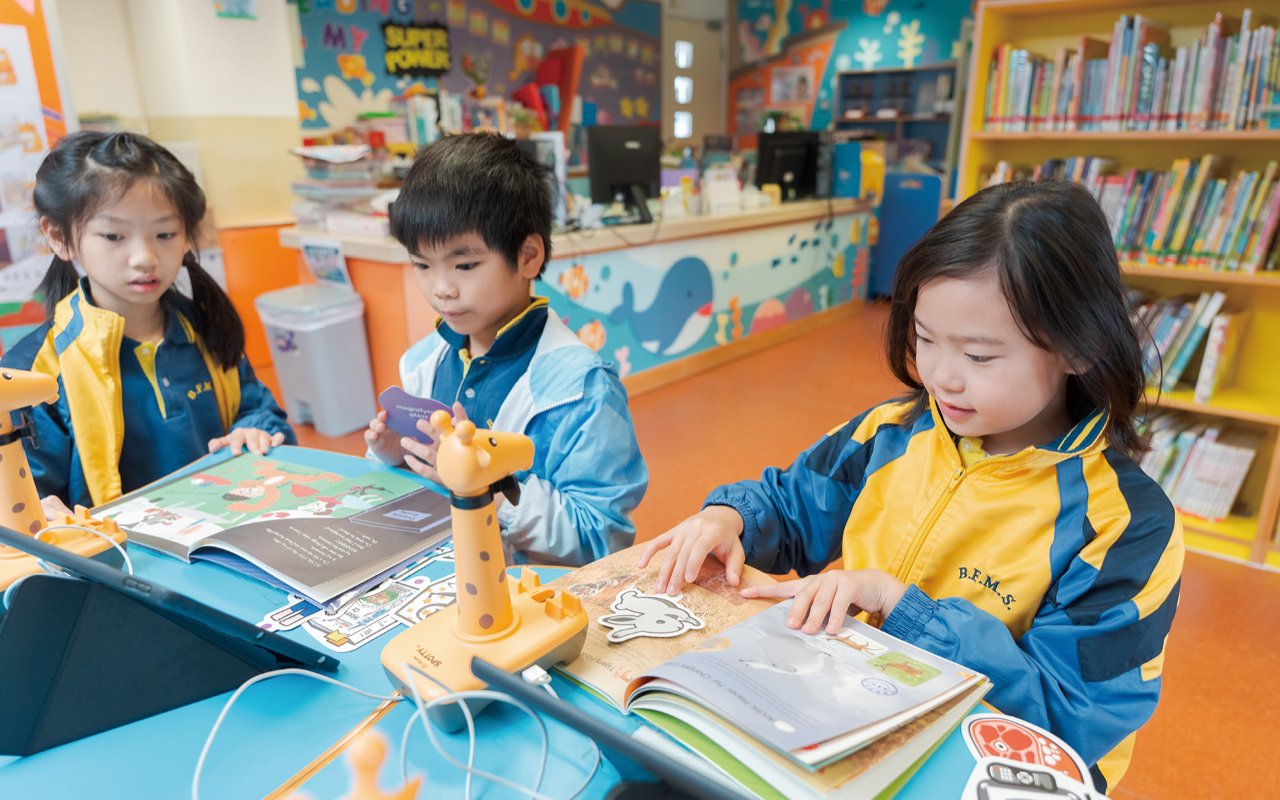
In daily teaching, the school makes extensive use of e-learning. In addition to arranging students to read physical books, it also introduces an AR English book reading system, allowing students to combine electronic tools in the reading process to enhance their interest in learning English. In addition, fourth grade students also participated in the QTNS program, reading non-fiction English books through the online platform and answering related questions. The school hopes that students will learn about the humanities, sciences, and arts through non-fiction readings. On the one hand, students can freely choose their favorite non-fiction books and explore in depth the content of interest; on the other hand, students can understand the English vocabulary used in different fields and lay the foundation for improving English and Chinese in the future. Principal Wei said: "We hope that children can start from their interests when reading, and then have greater confidence in actual exercises or exams."
Hierarchical teaching mechanism to take care of learning differences
In order to take care of students' learning differences, the school adopts a tiered teaching mechanism and makes special arrangements in teaching and homework. In the classes of foreign teachers, in addition to foreign teachers, local English teachers and teaching assistants are also specially arranged to assist in teaching, taking care of the different paces of students' learning and ensuring that they receive appropriate support.
In terms of homework arrangement, the school makes adjustments according to the students' level, provides hierarchical worksheets, and implements teaching in accordance with their aptitude. These worksheets are marked with triangles and stars. The triangles represent relatively simple basic questions or provide more hints, allowing students with less ability to complete them, thereby building their learning confidence. The questions with the star pattern are more challenging, providing challenges for students with strong English proficiency, encouraging them to further study and lay a good foundation in English.
Step-by-step transition from kindergarten to primary school to adapt to primary one English teaching
It takes time for kindergarten students to adapt to primary one, so the school adopts a step-by-step approach to help students gradually adapt to English teaching in primary school. In the primary one adaptation class in August every year, the English teacher will arrange English adaptation courses for prospective primary school students. School-based courses are also adjusted according to the actual level of students. At the same time, in order to reduce the pressure faced by students when they first enter primary school, there will be no first mid-term academic assessment in the primary one stage, and the number of silent readings will be reduced. The silent reading content is arranged in an incremental manner, allowing students to gradually master spelling skills and absorb different vocabulary in the Primary One stage, so as to easily adapt to the Primary One English course.
Master English skills, view the world with confidence, and build a caring learning environment
Bishop Ford Memorial School · 2025年1月
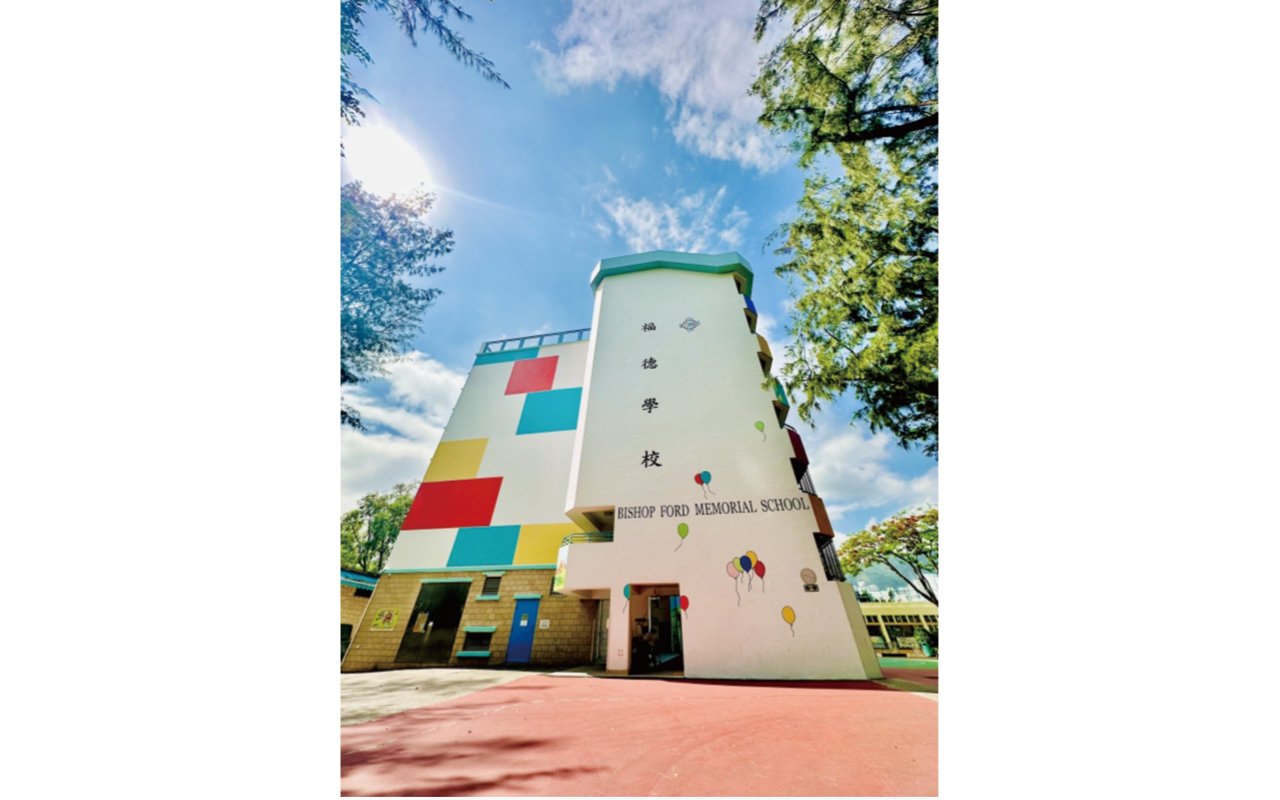
School building appearance


This English version is translated by AI. If there are inaccuracies or omissions, please refer to the original Chinese text.