
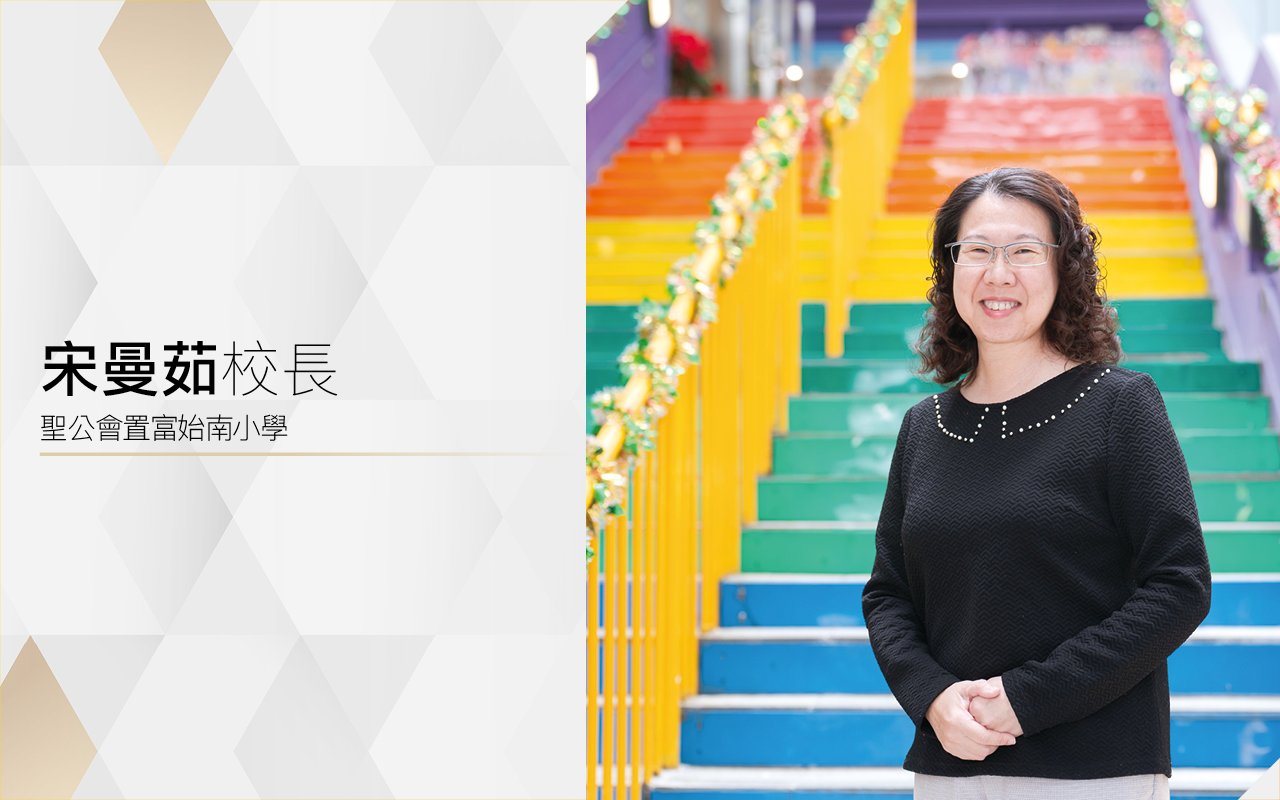
S.K.H. Chi Fu Chi Nam Primary School Over the years, we have been committed to implementing the spirit of the school motto of "not to serve others, but to serve others", helping students become independent learners by enhancing students' interests and broadening their learning space. In terms of English education, Principal Song Manru adopts the policy of "Serving to learn, learning to serve" so that students can learn to serve others through English and gain learning opportunities. With its excellent education policy, in the recent high school allocation, about 50% of the school's students have successfully entered English-language secondary schools, including La Salle College, St. Paul's College, Marymount Secondary School, King's College and Sacred Heart of Canossian College, which are popular with parents.
Learn to serve from English activities and use English effectively from activities
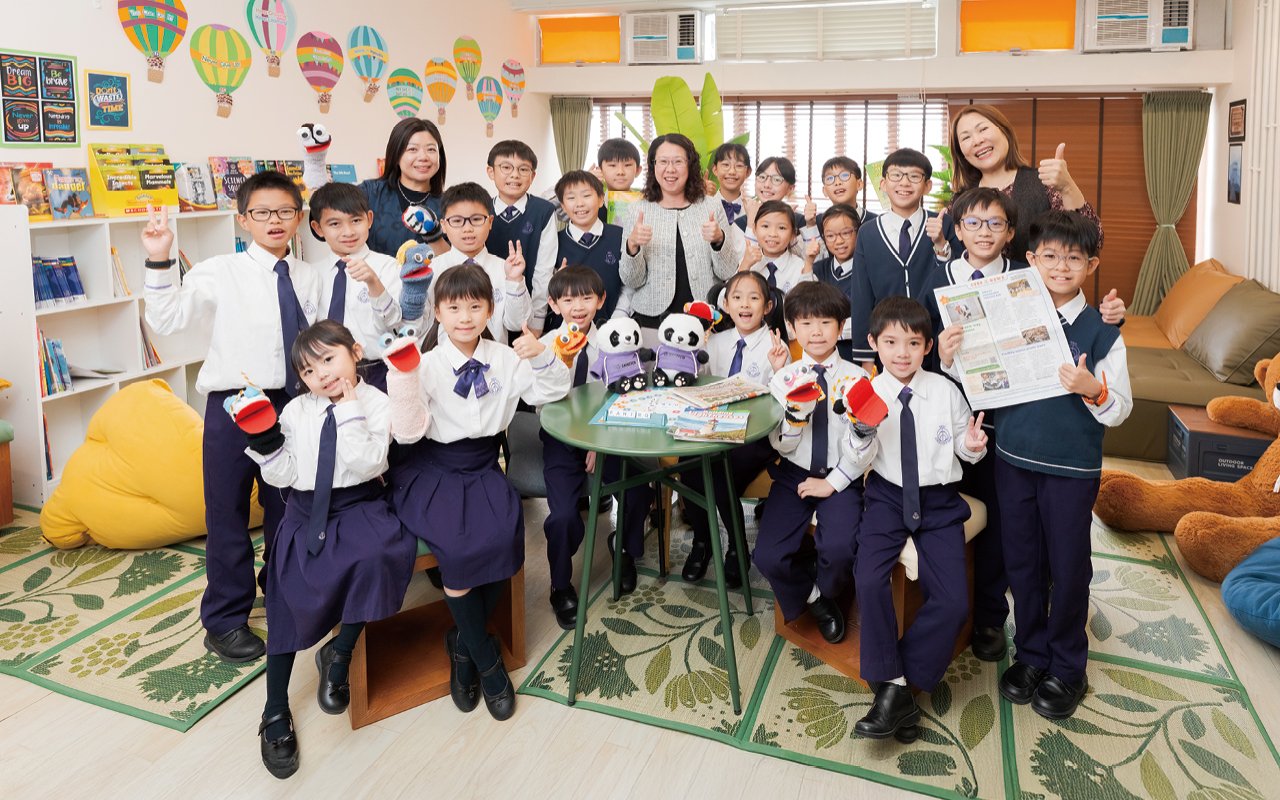
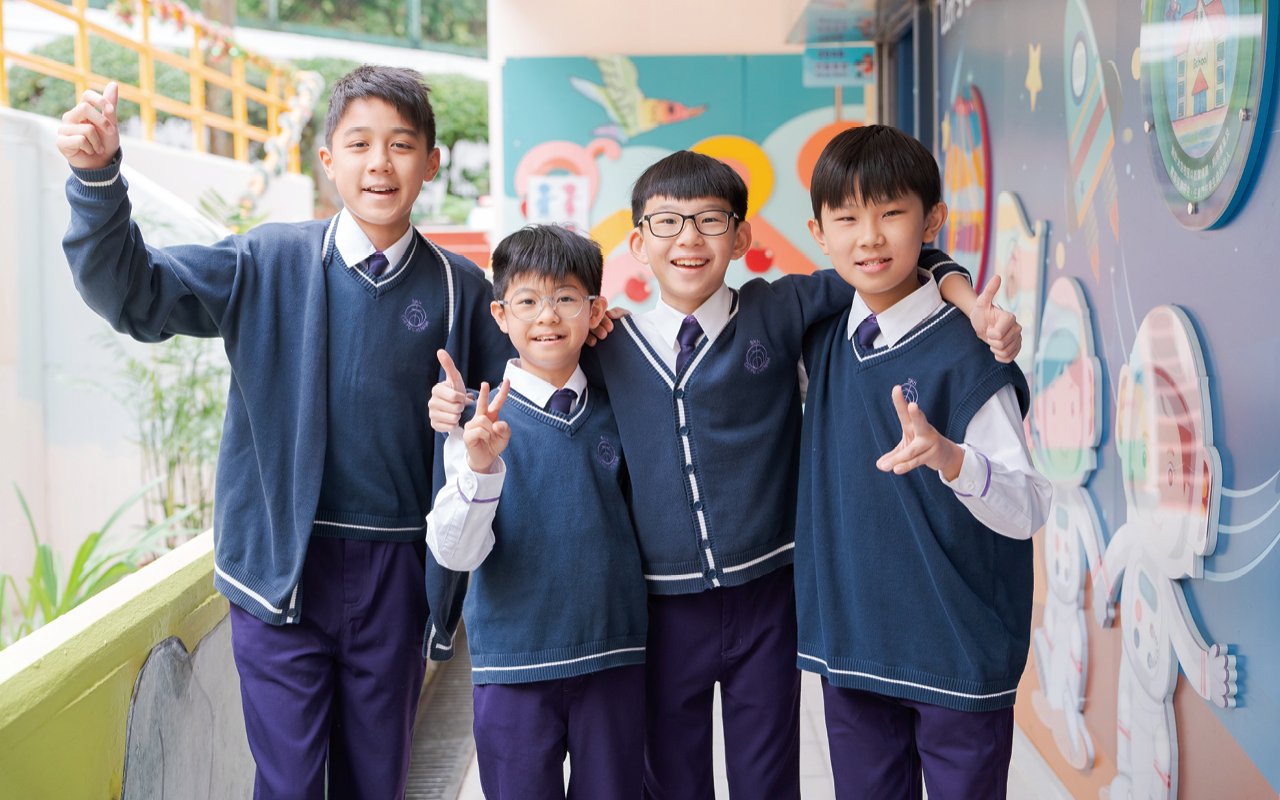
The school integrates the concept of "Serving to learn, learning to serve" into English learning, allowing students to participate in practical activities and serve others. For example, in the English Ambassador Program, foreign teachers train English ambassadors and allow senior students to serve as "Reading Buddy" to accompany lower-grade students in reading, telling stories or playing English games, learning about care and service, and reviewing the past and learning new things through service.
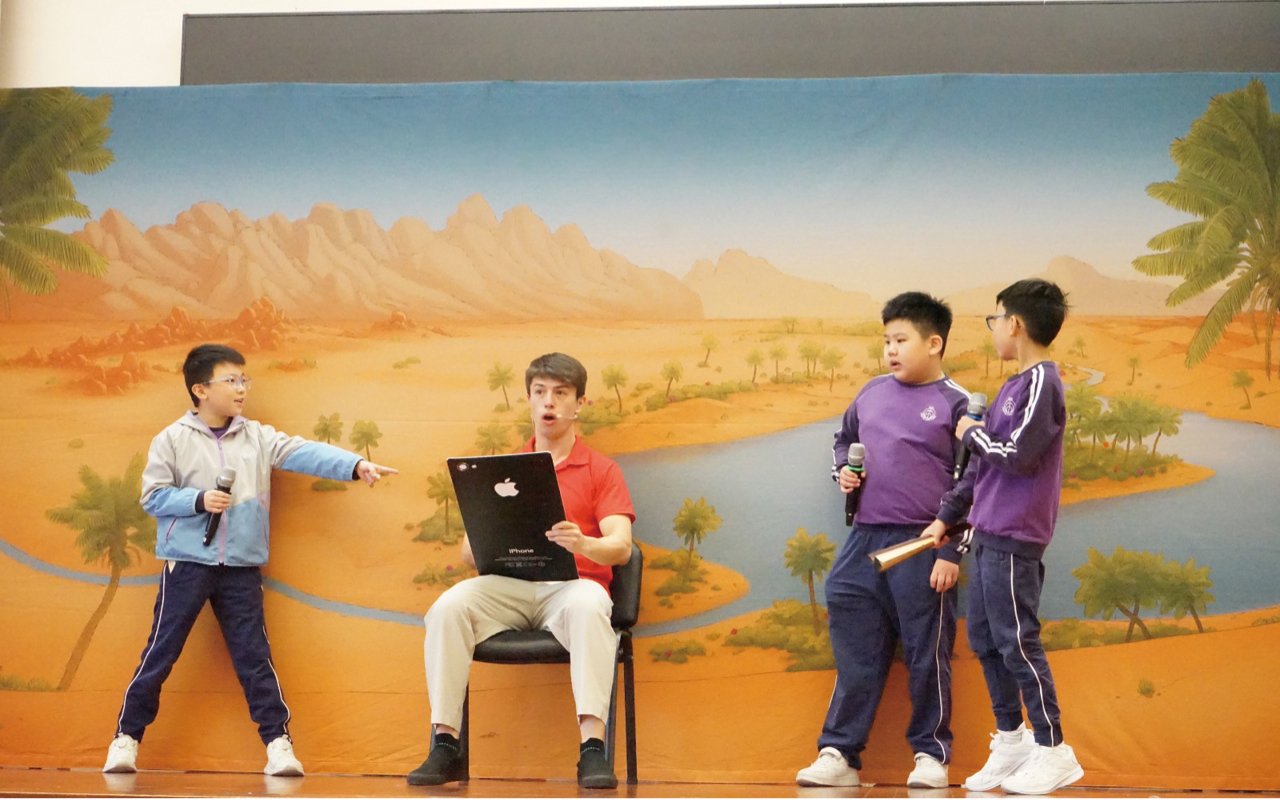
Teacher Xian Liyan, director of the English subject, shared some curriculum and activity designs for practicing and utilizing English. For example, in the "Christmas English Fun Day" held earlier, external professional organizations were specially hired to train outstanding students among the English ambassadors to participate in a musical with the theme of the birth of Jesus. Through religious elements, students in the audience can understand the true meaning of Christmas, while the actors learn and use English knowledge, film art and stage performance skills during the performance.
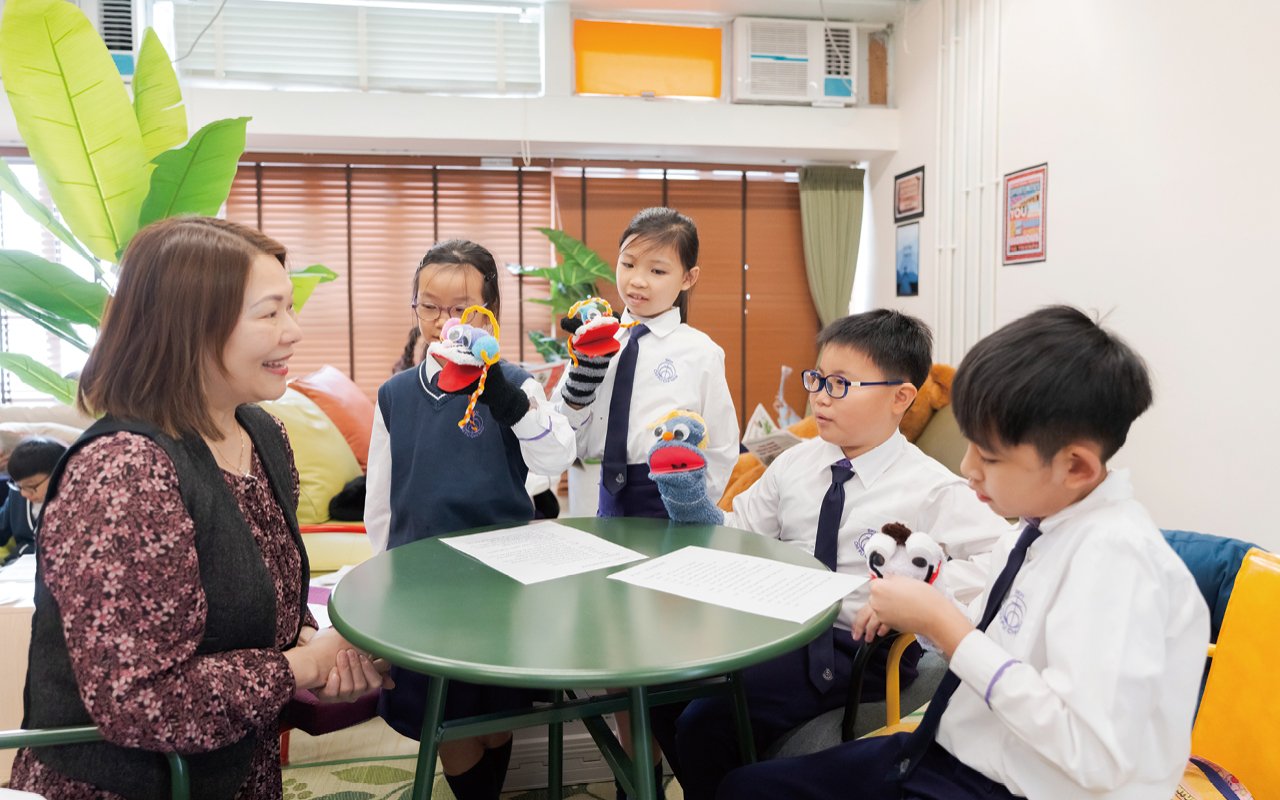
This year, the school arranged hand puppet activities for the third and fourth grades, which were taught by foreign teachers. Students had the opportunity to show their learning results and learn performance and teamwork. In addition, the school also added reading elements to the "Christmas English Fun Day", allowing students to read "How the Grinch Stole Christmas!" by Dr. Seuss (English name: How the Grinch Stole Christmas!), and through diversified methods to help students understand that the true meaning of Christmas lies in blessings, love and care.
Infiltrate values education and practice to cultivate positive energy
The school integrates values education into English courses through life-oriented activities, allowing students to learn the spirit of caring and service through hands-on practice, and to apply what they have learned in English. For example, in the "For a Good Cause" and "Lending a Helping Hand" topics in sixth grade, students not only learned relevant vocabulary and sentence structures, but also personally prepared charity sales in the school and donated the funds raised to the Society for the Prevention of Cruelty to Animals. This not only gives students the opportunity to use English in life situations, but also allows them to understand the importance of caring for animals and respecting life through practice, while cultivating their common skills, organizational skills and leadership skills.
In addition, when the sixth grade students were learning to write film reviews, the school arranged for the students to watch the Singaporean film "I Not Stupid 3" (English title: I Not Stupid 3), which tells the story of primary six students facing the pressure of the high school entrance examination and family conflicts. Students learn to analyze characters and discuss how the story relates to themselves. During the discussion, students can use the conditional sentences they have learned to make suggestions. The school also uses this to integrate values education to help students clarify their emotions and understand their confusion, worries and views on stress.
Carry out multiple thematic studies to apply what you have learned in English
Dean Lei Sheng, the academic director, said: "We hope to teach English in a three-dimensional way so that students understand that English is a language that needs to be used in daily life." Last year, the English department arranged for students to conduct special studies, such as the habitat theme for fourth grade, the paper-cutting theme for fifth grade, and the lighthouse theme for sixth grade. These all involve interdisciplinary elements and combine knowledge from other areas.
Take the sixth grade lighthouse theme as an example. The school is located in the South District and has community characteristics, so a situation was designed for students to design a lighthouse. The teacher will arrange for students to read books about lighthouses to understand their structure and history, and will take them to the Aberdeen waterfront to inspect the environment and use environmentally friendly materials to create a distinctive lighthouse model. Finally, students used the “BookCreator” software to write an e-book, share their design concepts and processes, and report in English.
In July, the school will also hold an exhibition and conduct peer reviews, with students in grades one to five voting for their favorite lighthouse. Throughout the process, students used the knowledge of English, science and visual arts to train their English speaking skills, general skills and creative thinking. They also implemented the concept of "Serving to learn, learning to serve" to inspire students to pay attention to the community and learn to love and contribute to the community.
Reading Linked Course Extended English Learning
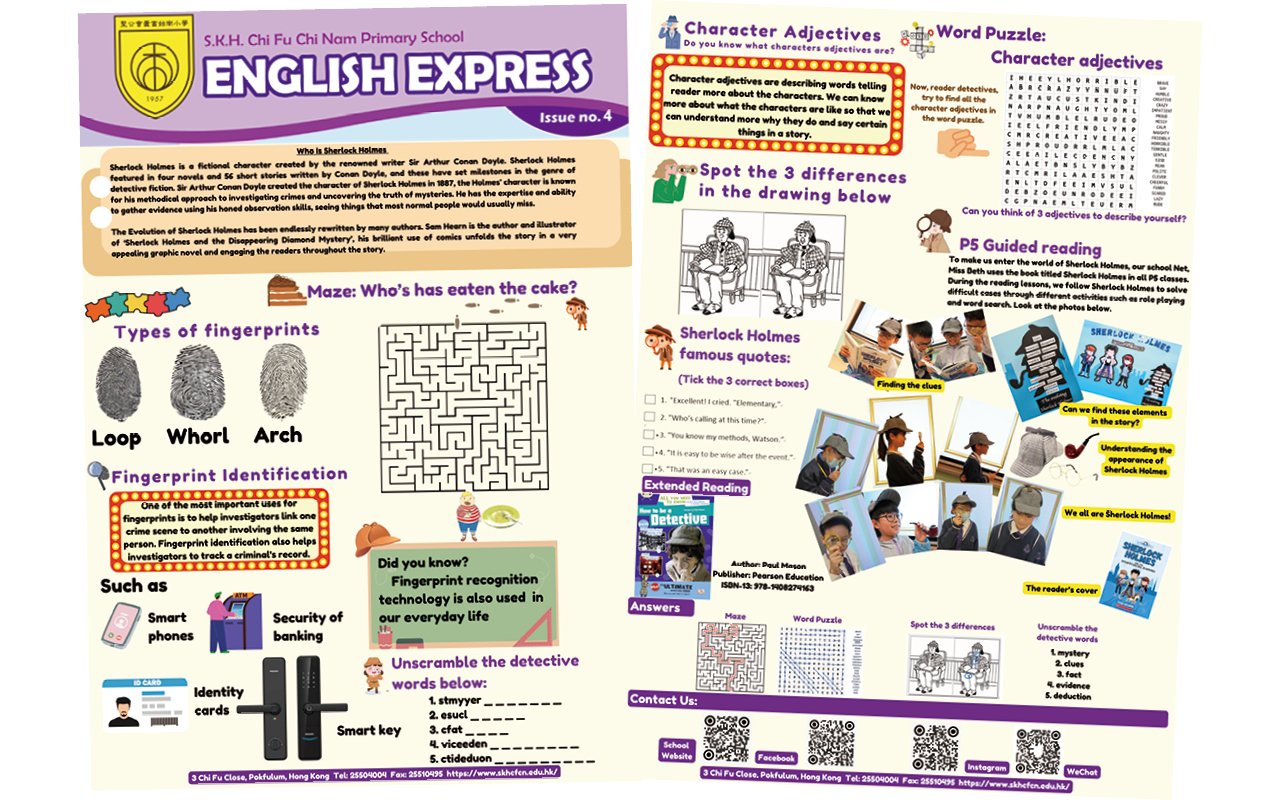
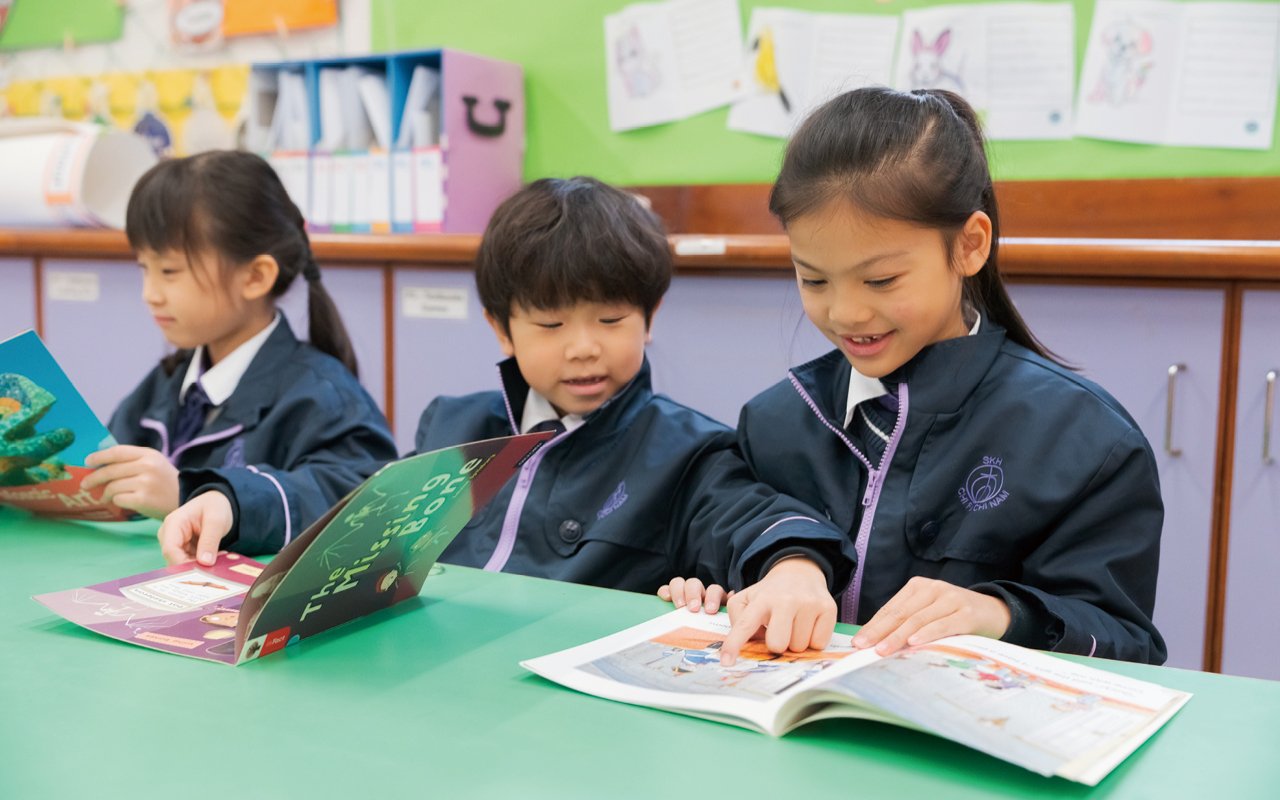
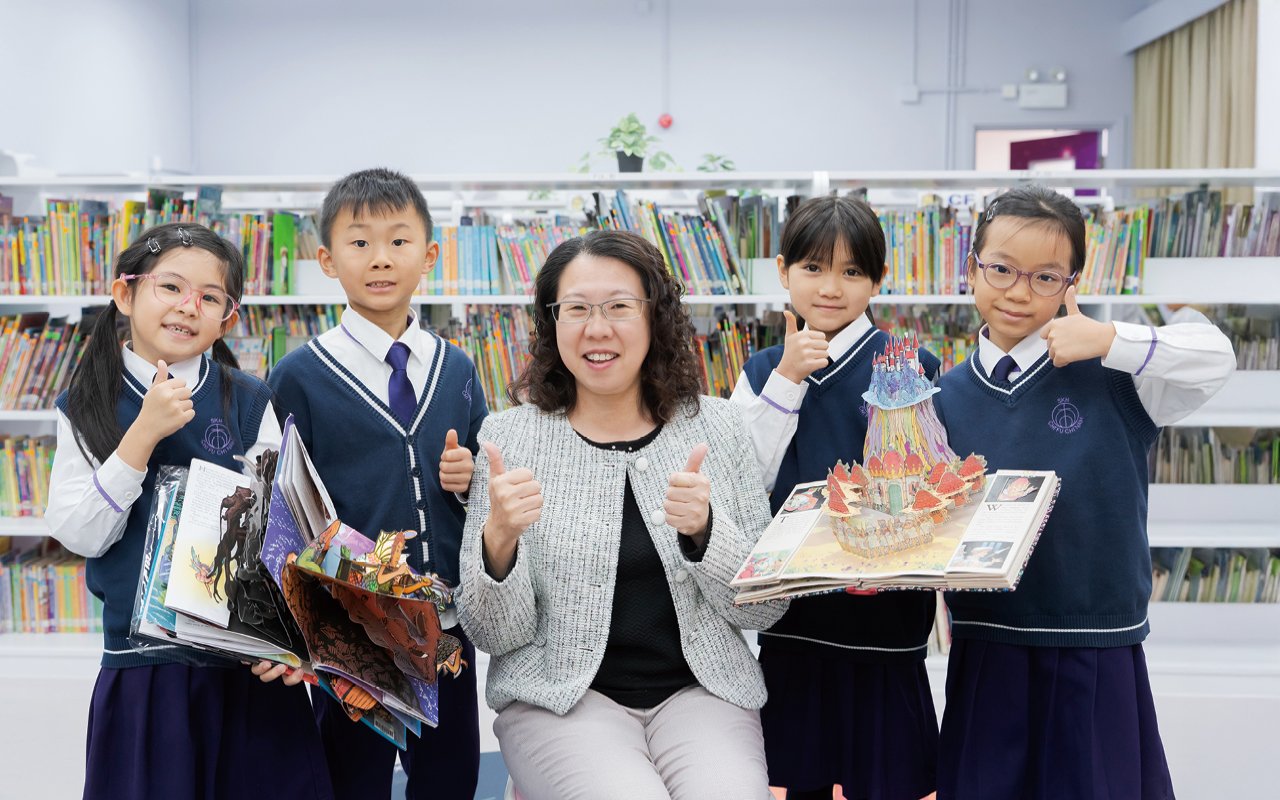
Reading is a key focus of the school this school year. In addition to physical books, the "RAZ-Plus" electronic reading platform has also been introduced. Principal Song emphasizes that the connection between reading and curriculum is very important, so teachers will regularly recommend meaningful books for students as extended reading based on the curriculum at all levels. Through the electronic reading platform, students can choose to listen to the story content while reading, and challenge test questions after reading. This not only trains students' English listening and reading skills, but also allows them to have a deeper understanding of the content expressed in the book. In the future, when schools implement cross-curricular reading (RAC) in upper primary schools, they will combine texts on environmental protection, happiness, culture and other themes to arrange cross-curricular reading topics for students. Through diversified methods such as presentations, short videos and worksheets, we allow them to have a deeper discussion on issues in different fields and understand their significance.
Construct a rich English context and explore knowledge with RAC
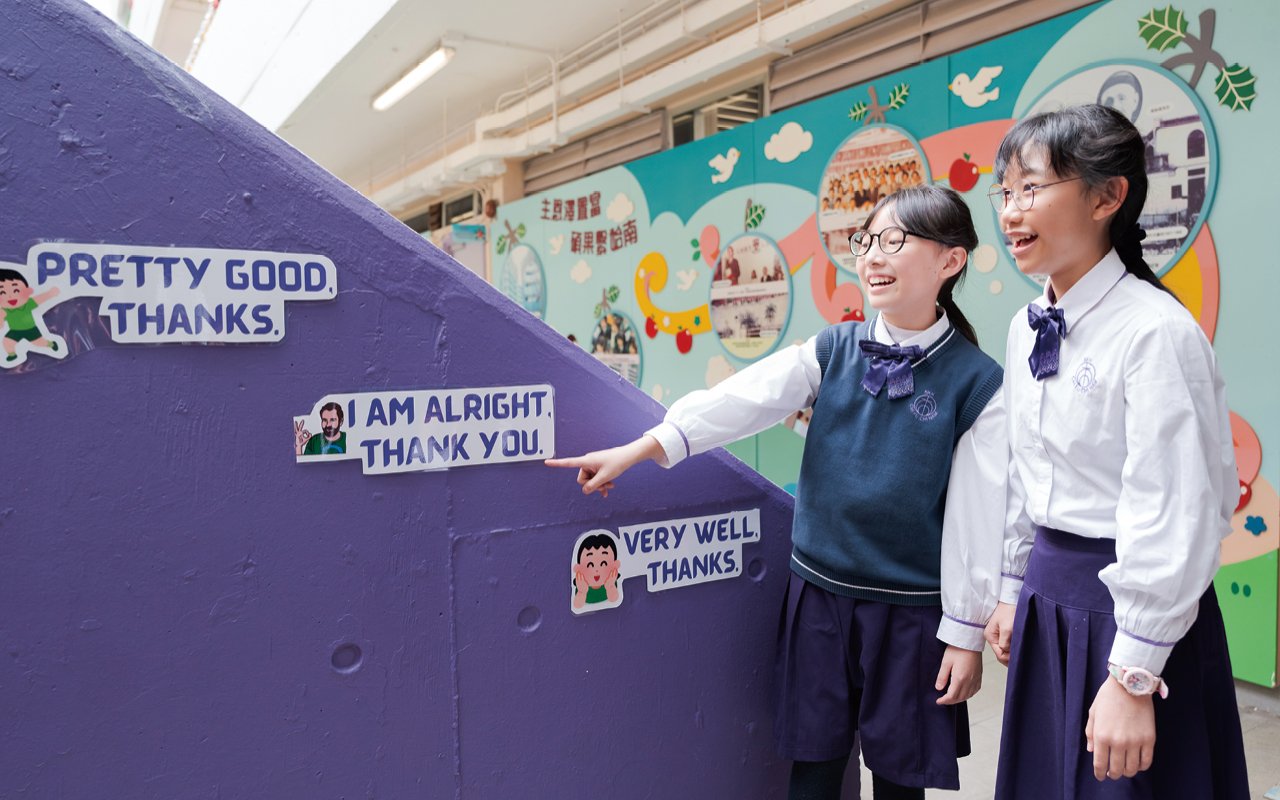
In order to build a rich English context, the school decorates the campus environment and arranges activities on specific themes every month. For example, when the Lunar New Year is the theme in January, the campus will arrange elements of the Lunar New Year and related English materials, and arrange recess and lunch break activities for students to learn the customs, celebration methods, and New Year greetings of the Lunar New Year in English. In addition, the school will allow students to explore different areas of knowledge based on each month's RAC theme. For example, the "Traditional Costume Around the World" topic in sixth grade is combined with the "International Culture" RAC theme. Outside the curriculum, cultural elements will be integrated into the school's context, and within the classroom, teachers will lead students to conduct in-depth discussions through cross-curricular reading to enhance their understanding and knowledge of different cultures.
Improve students’ competitiveness and prepare for secondary school entrance
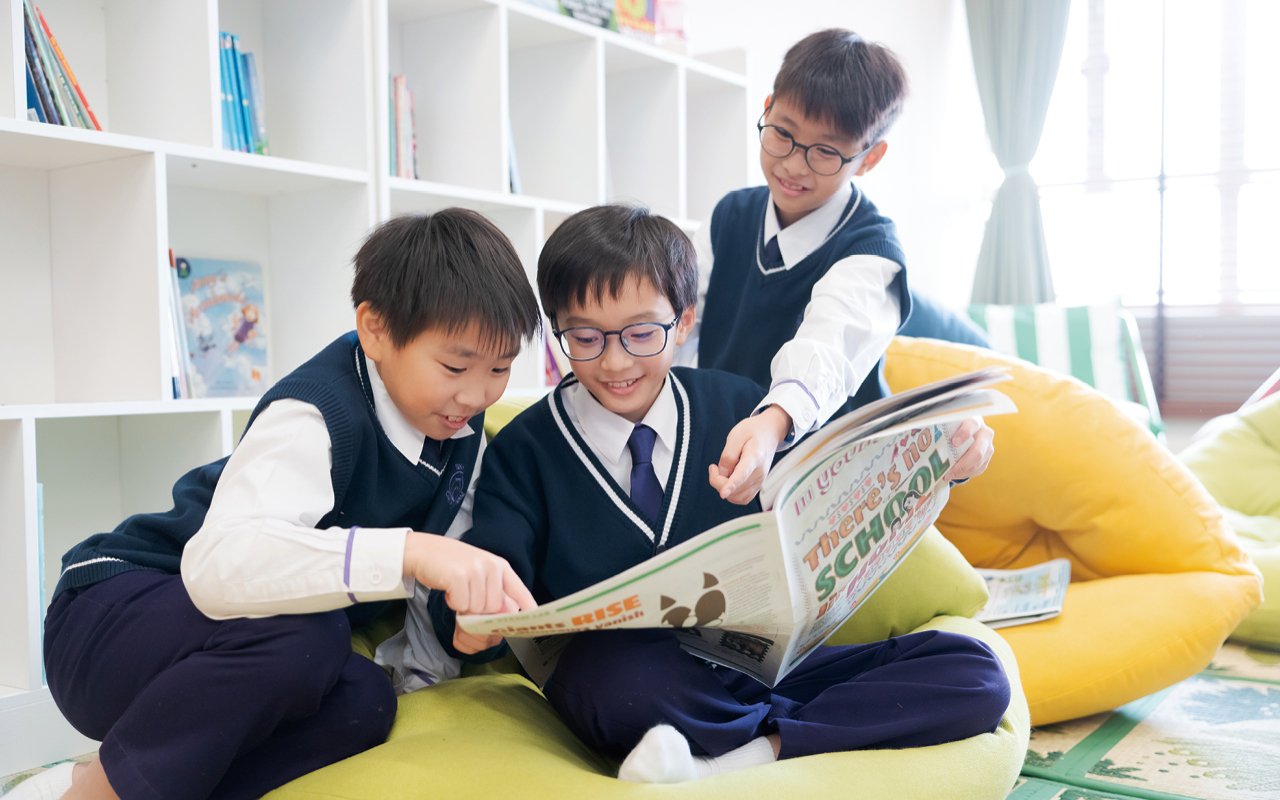
The school actively enhances the competitiveness of students. It not only encourages students to participate in off-campus competitions to challenge themselves and accumulate experience, but also provides special support to Primary 6 students in their interviews for promotion to secondary school. For example, the school provides English group discussion training and one-on-one interview training, and orders newspapers such as "Posties" and "Young Post Spark" for them. Principal Song said: "Students entering high school need to be able to report and hold group discussions, understand issues in Hong Kong and the world, and express their views in English." Therefore, the school arranges for students to conduct newspaper cutting activities to accumulate vocabulary and discuss key points, gradually cultivating them to express their opinions in English, and preparing for future interviews for entering high school.
Careful support measures for young children to build a good foundation in English
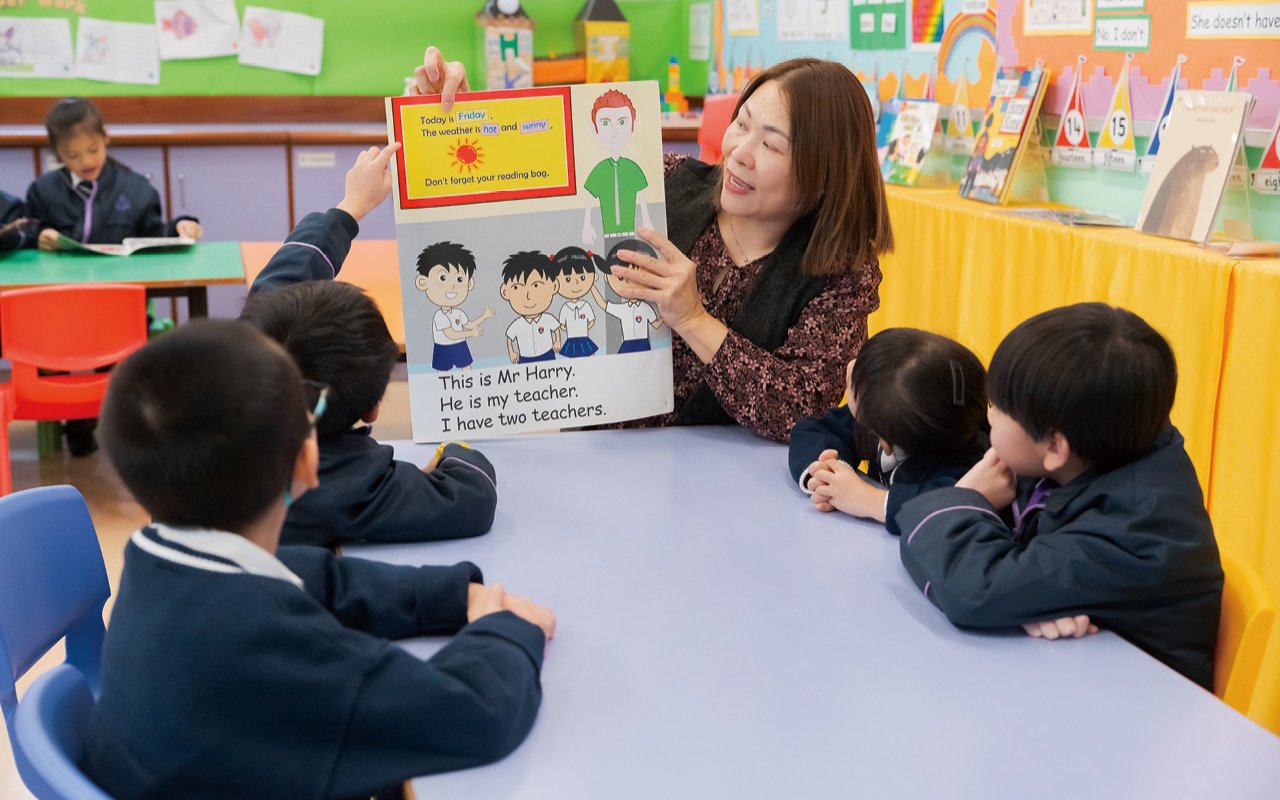
In terms of transition from kindergarten to primary school, the school has invested a lot of manpower and resources to provide support for primary school freshmen. In the first-grade English class, foreign teachers design pictures and activities to help students integrate into classroom learning more easily. At the same time, the school will not assign a large amount of homework, and the first-grade exams will be conducted in the form of simulations, and silent reading in all grades will not be scored. The school plans to start in 2025-26 and will not set exams and rankings for first and second grade students in order to reduce students' learning pressure so that they will not resist English and gradually build up their interest in learning. In order to provide more care for junior primary school students, lower grade classes will be taught by foreign teachers, local English teachers and English teaching assistants to provide individual tutoring. Principal Song hopes that students can study happily in a stress-free environment and lay a solid foundation in English.
After-school care services to support working parents
S.K.H. Chi Fu Chi Nam Primary School is the only school in the Southern District that provides government-subsidized after-school care services. Students can stay after school until 6:15 to complete homework and participate in activities on campus. This service not only helps working parents take care of their children, but also provides time and space for students to discuss and ask for advice on English topics and problems after class, making parents feel more at ease.
Serving to learn, learning to serve English linked values Giving back to society with knowledge
S.K.H. Chi Fu Chi Nam Primary School · 2025年1月
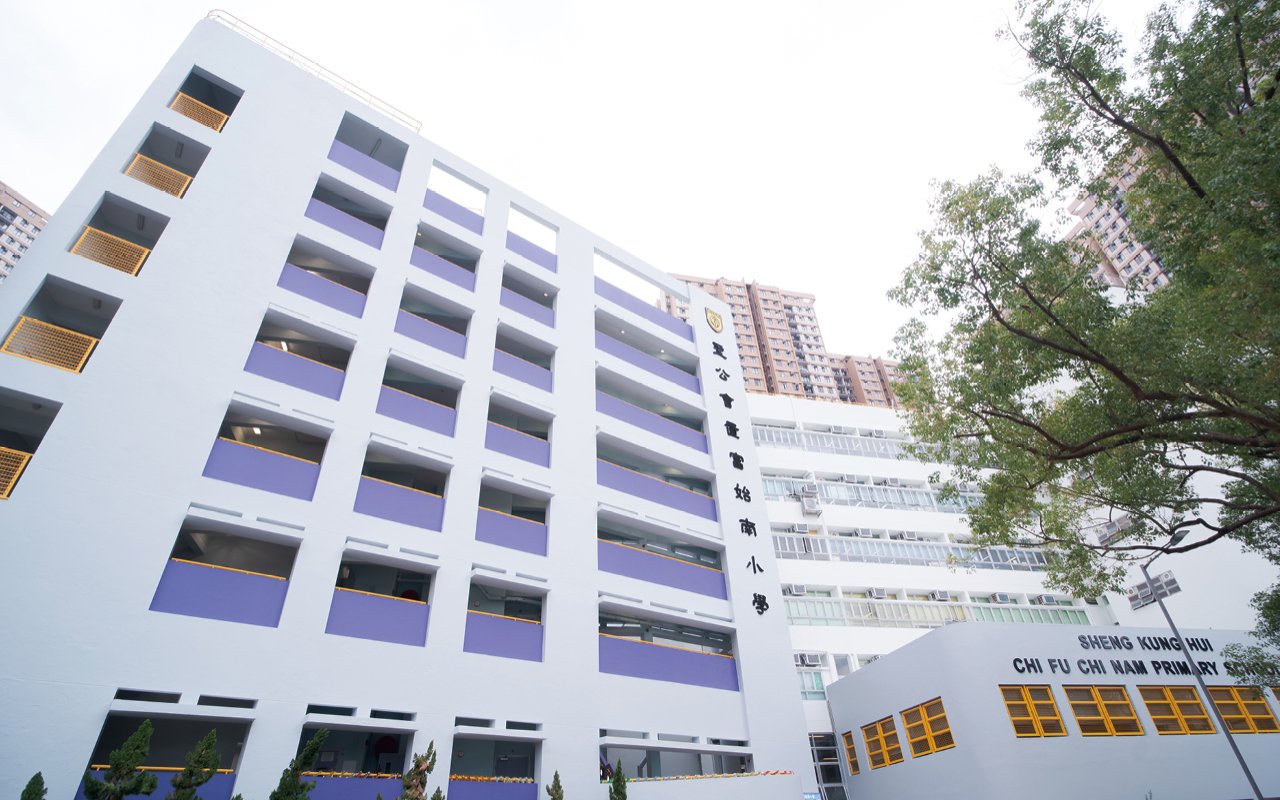
School building appearance

This English version is translated by AI. If there are inaccuracies or omissions, please refer to the original Chinese text.