
H.K.T.A. The Yuen Yuen Institute Shek Wai Kok Primary School is committed to providing students with a "tailor-made and unique" English learning process. The school's English team and foreign English teachers work together to create a rich English language environment in the school through interdisciplinary courses and extracurricular activities, in line with this year's school-based theme of "Let Us Shine", allowing students to enhance their self-confidence and express themselves through English learning.
Tailor-made course design to lay a solid foundation in English from an early age
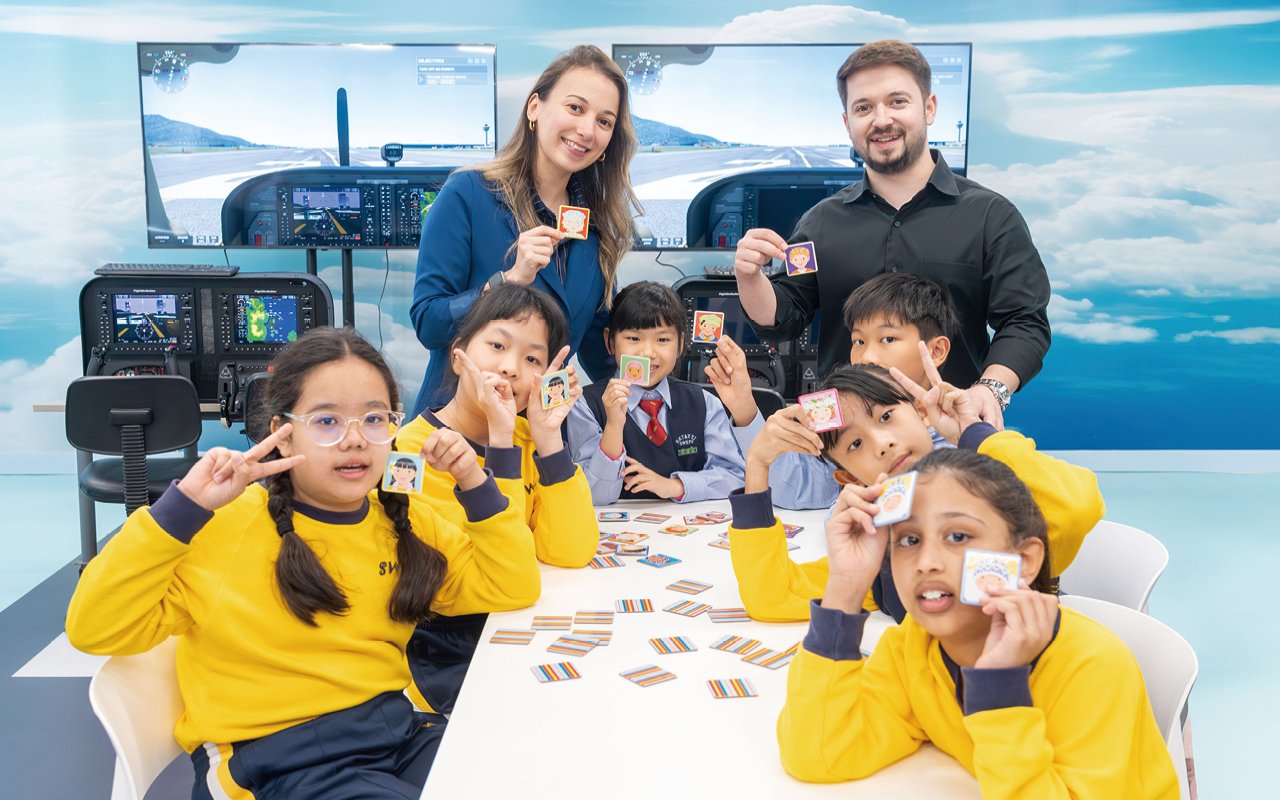
Thanks to the strong support of the school sponsoring groups, the school can invest more resources to provide students with high-quality English context. There are currently four foreign English teachers in the school, three of whom are responsible for teaching lower-grade students. In the coming year, the school plans to increase the number of foreign teachers to six to increase the opportunities for senior students to have contact with foreign teachers in the classroom, so that they can gradually become accustomed to communicating in English and no longer resist English.
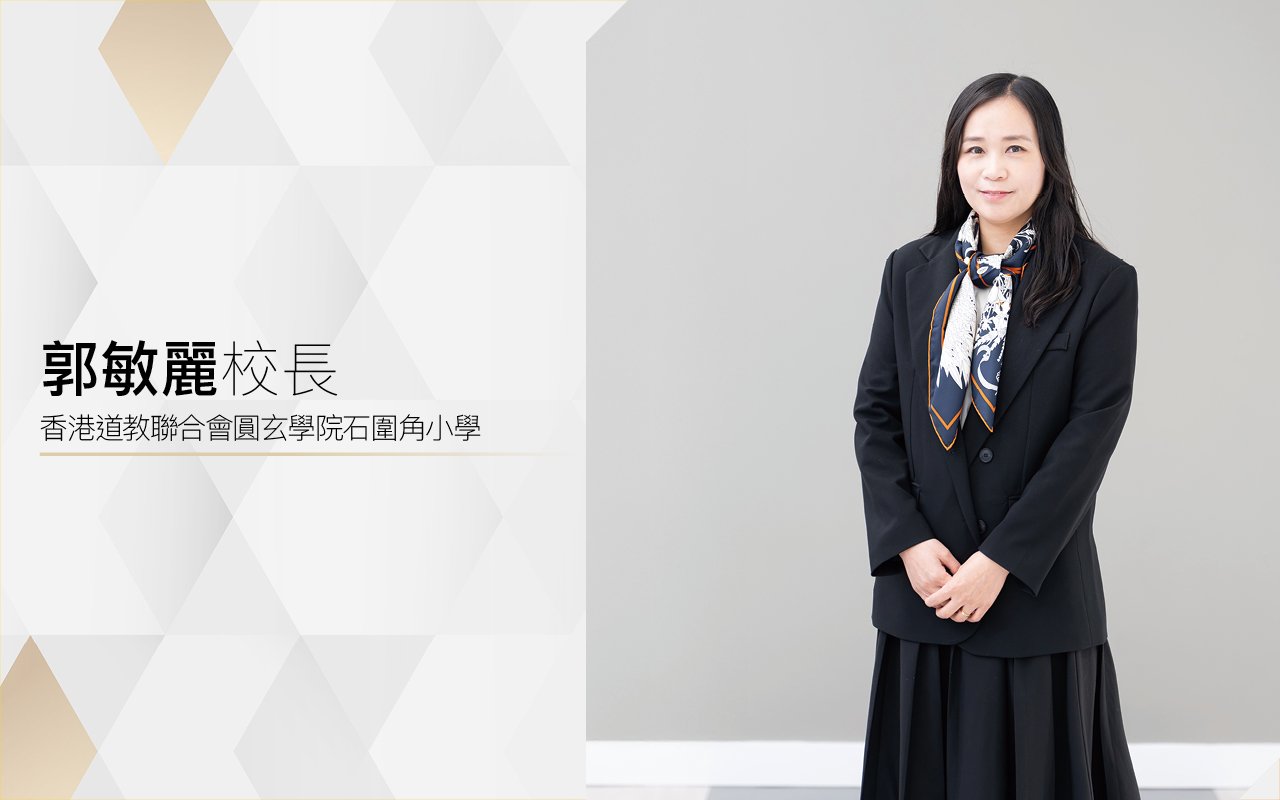
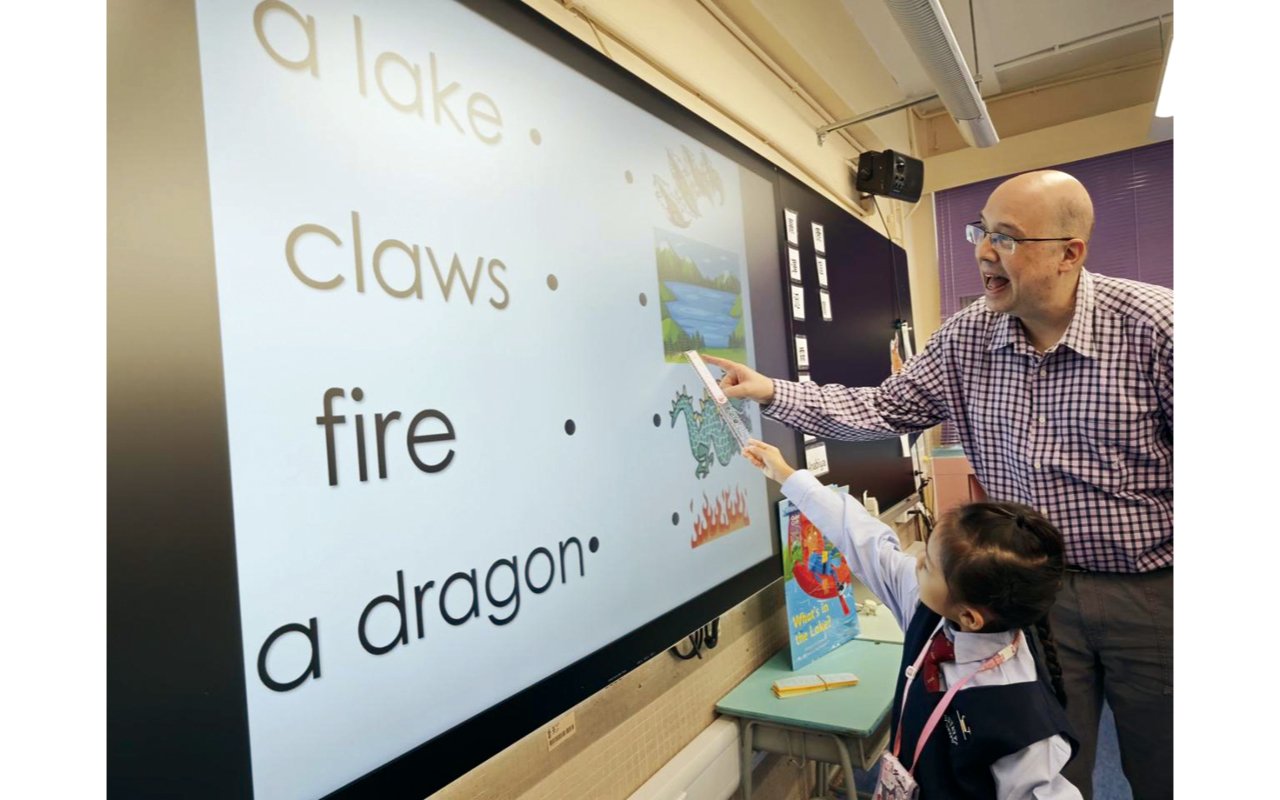
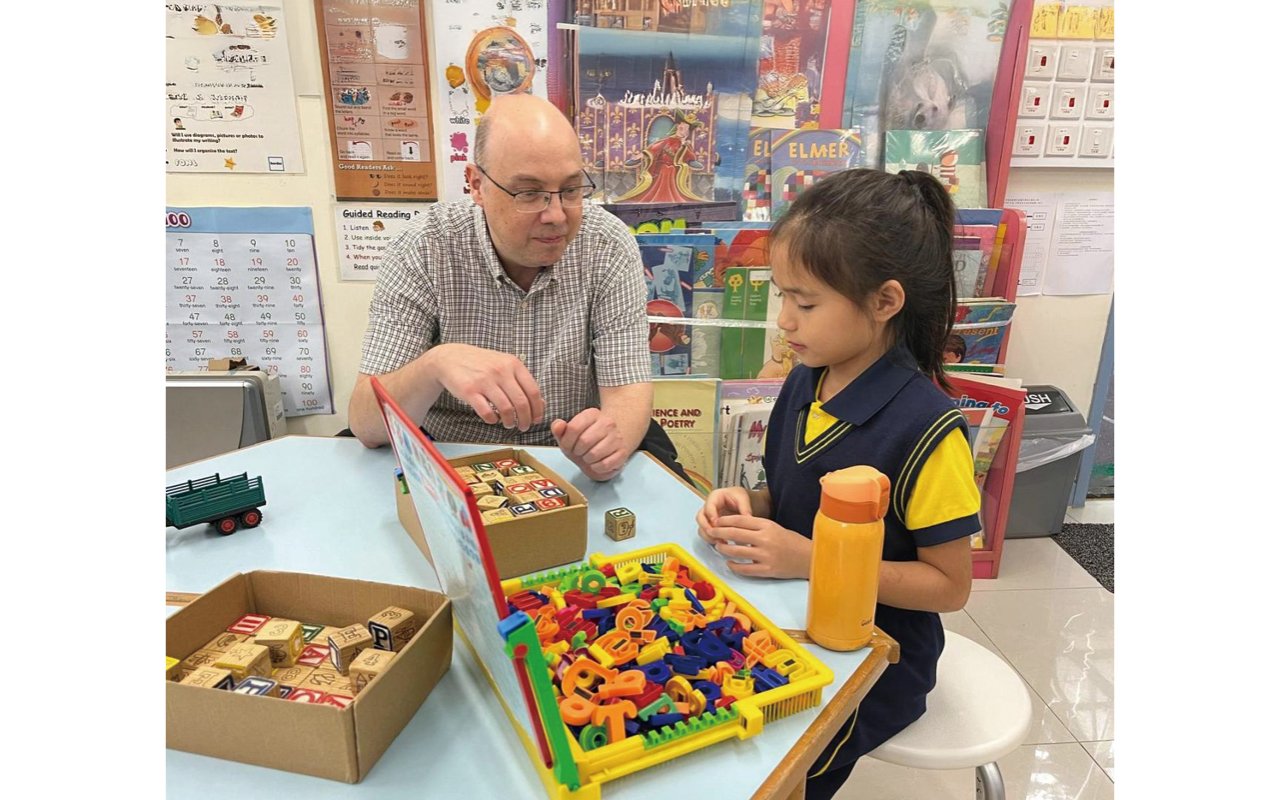
Principal Guo Minli pointed out: "Children have a "golden period" for language learning, and learning is usually more effective if they start learning at a young age. Therefore, the school's curriculum design arranges local teachers and foreign teachers to teach collaboratively from primary school, hoping to lay a solid foundation for students to learn English from an early age. Primary One students have close contact with foreign teachers, which at the same time allows them to get familiar with each other, brings a sense of security, and creates a relaxed and enjoyable learning environment." In addition to local teachers and foreign teachers, each Primary One class also arranges teaching assistants to support students' learning. Three English teaching staff work together to take care of students' learning needs in an all-round way so that they can immerse themselves in the English context.
Teachers in the English group perform their duties and prepare lessons together to learn from each other
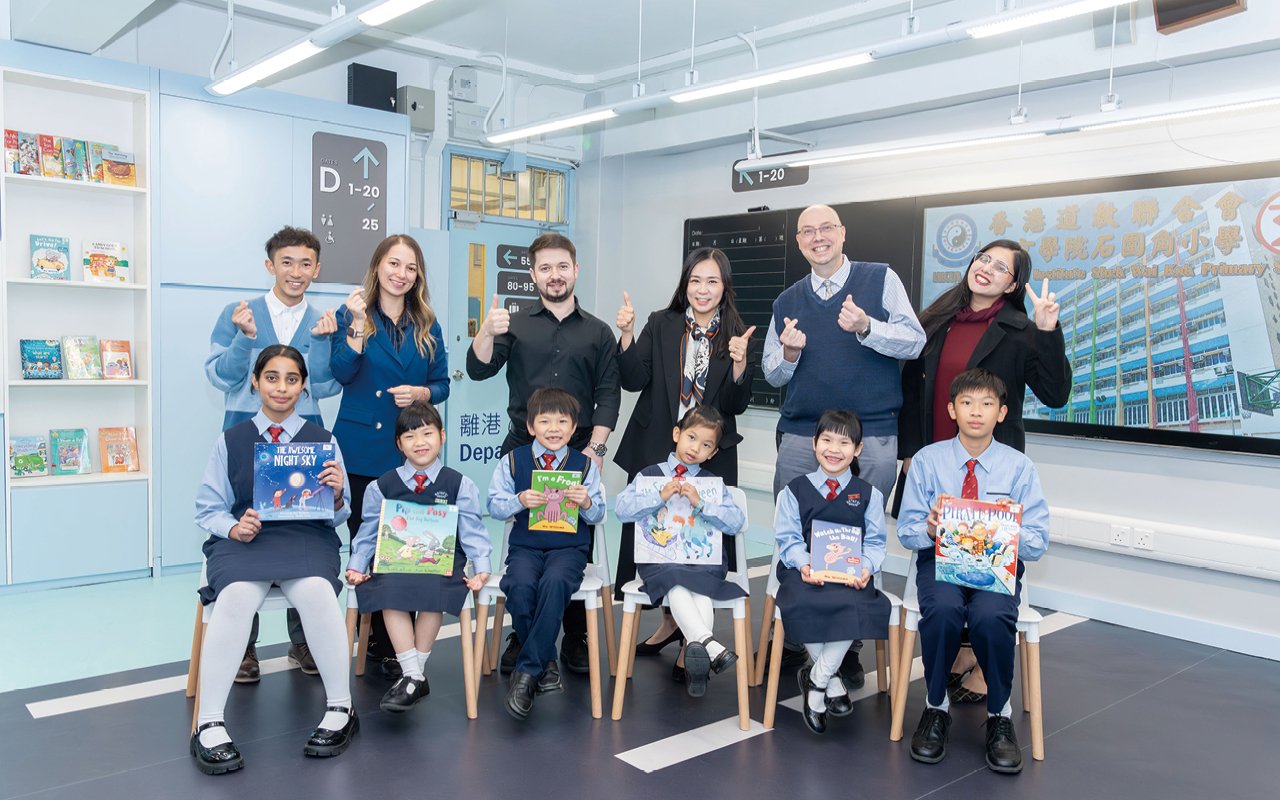
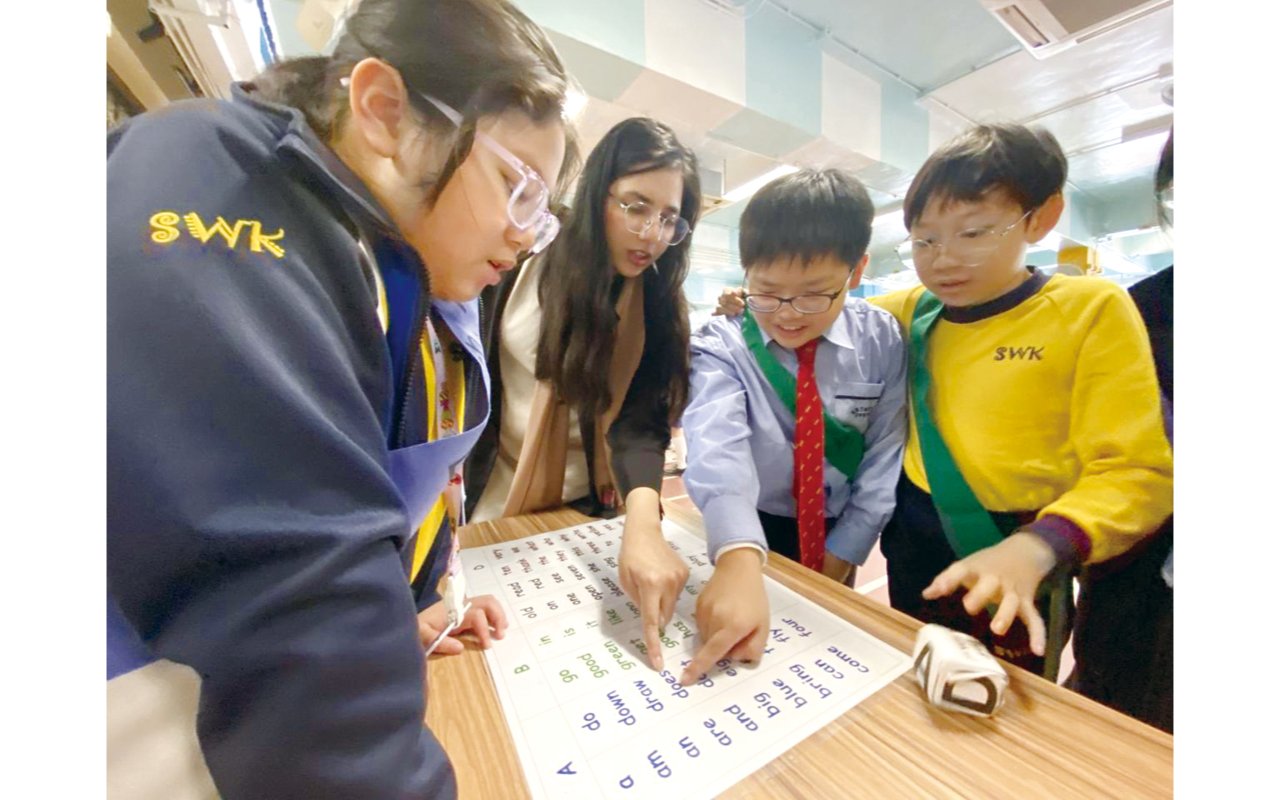
The school actively promotes cooperation between foreign teachers and local teachers. The teachers each provide teaching and guidance to students in their own areas of expertise, jointly promote English education in the school, construct English learning situations for students, and cultivate their English communication skills. Teacher Ling Songran, director of the English course, said: "Local English teachers are responsible for teaching language skills. They have a better understanding of the learning difficulties and characteristics of local students and can provide targeted teaching. Foreign teachers lead activities, match the teaching focus of different topics, and interact with students in various ways, such as speaking, games and writing." At the same time, local teachers at all levels will prepare lessons together with foreign teachers. Through the exchange of teaching experiences, foreign teachers will be familiar with the framework and teaching process of primary school curriculum, and promote professional exchanges among teachers.
Diversified extracurricular activities to consolidate English classroom knowledge
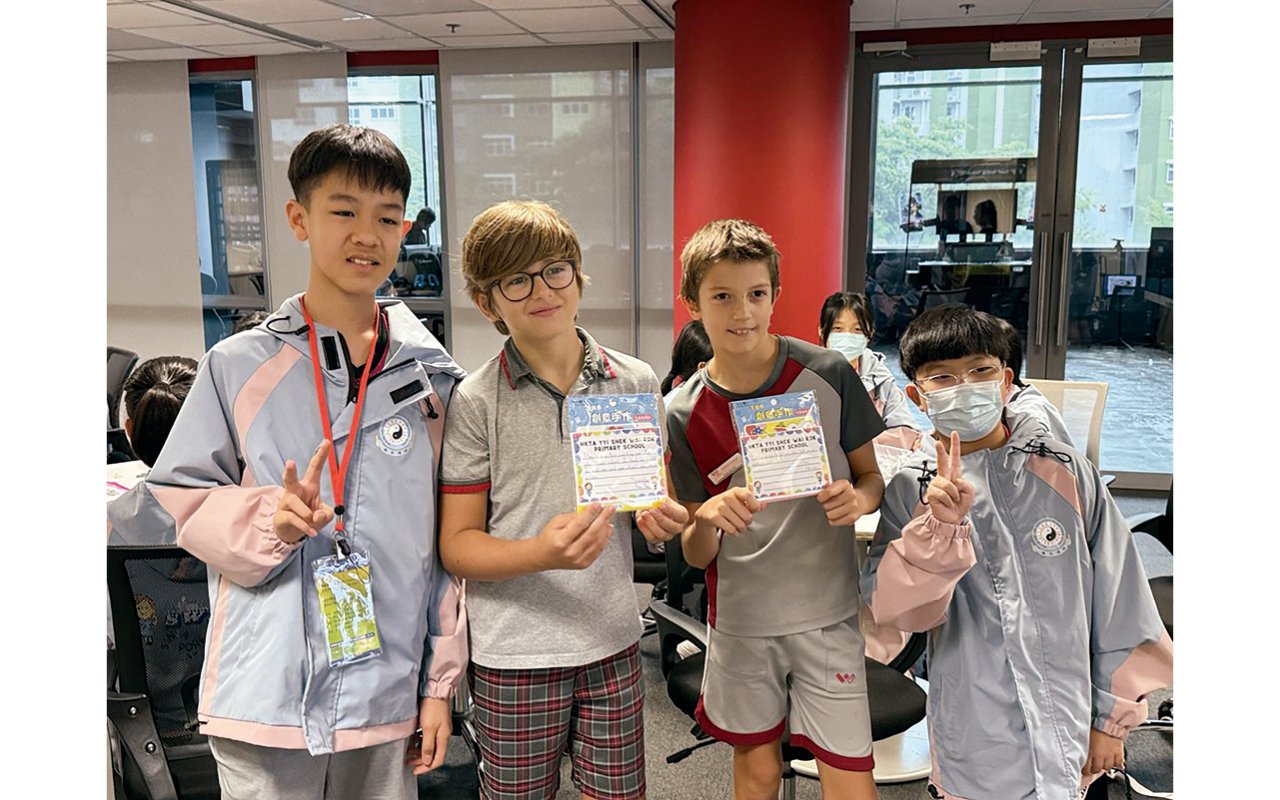
In order to effectively create an English context, the school actively cooperates with foreign English teachers to hold various English activities to integrate English into daily campus life. Teachers in the English group organize different English activities during and after class. For example, on English Day (Fun Thursday) every Thursday, foreign teachers and English ambassadors will prepare a variety of booth games for students during the break and watch movies together during the lunch break.
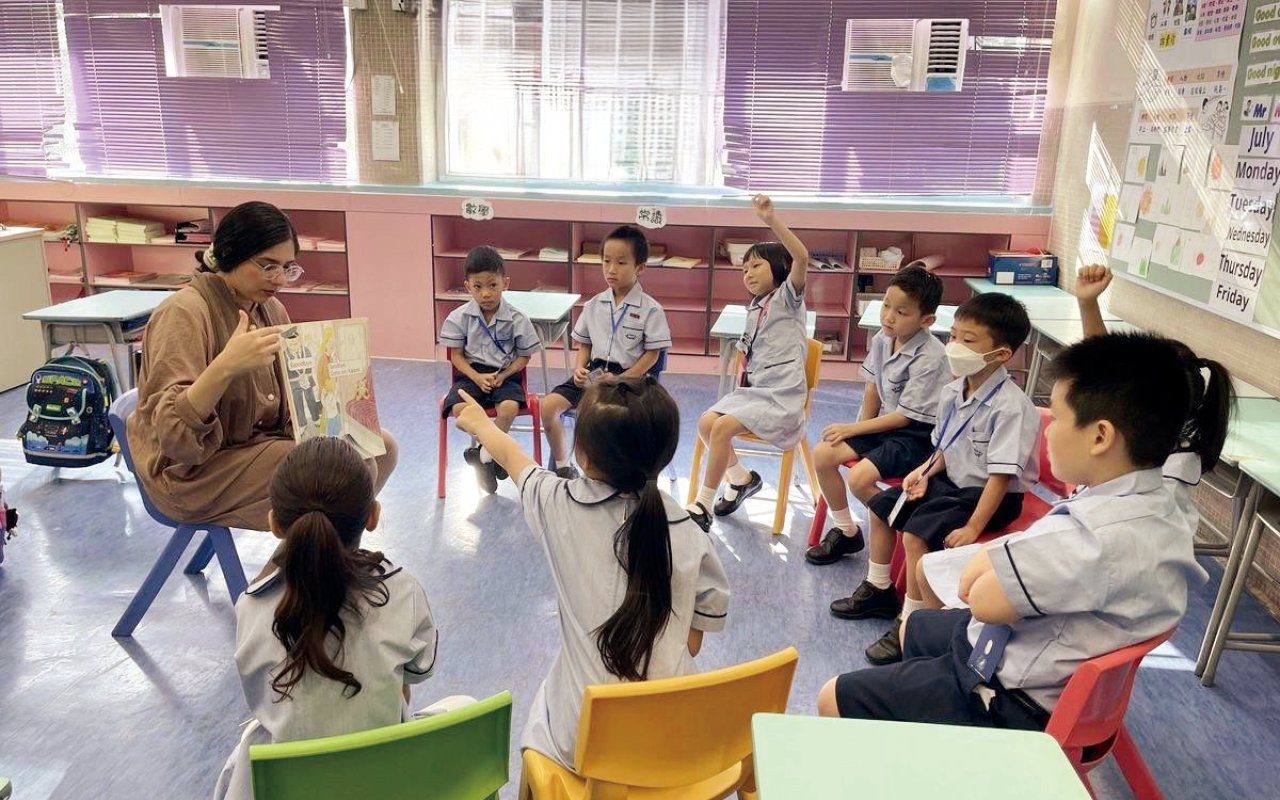
On weekdays, the English Café on campus is also open for students to engage in various activities with foreign teachers and English ambassadors, such as drawing, playing table games and reading comics. In addition, the school also holds "Morning Reading", where foreign teachers tell stories to students and teach different reading strategies and vocabulary during the morning reading period. During weekly meetings, foreign teachers will recommend and share good English books with students so that students can develop correct values and attitudes through reading.
In addition, the school will also take students abroad to learn English. After returning to normal, the school will quickly organize the "Singapore STREAM English Study Tour" to allow students to get out of the classroom and use English to communicate in real situations.
Accompanying learning with foreign teachers to create a real English context
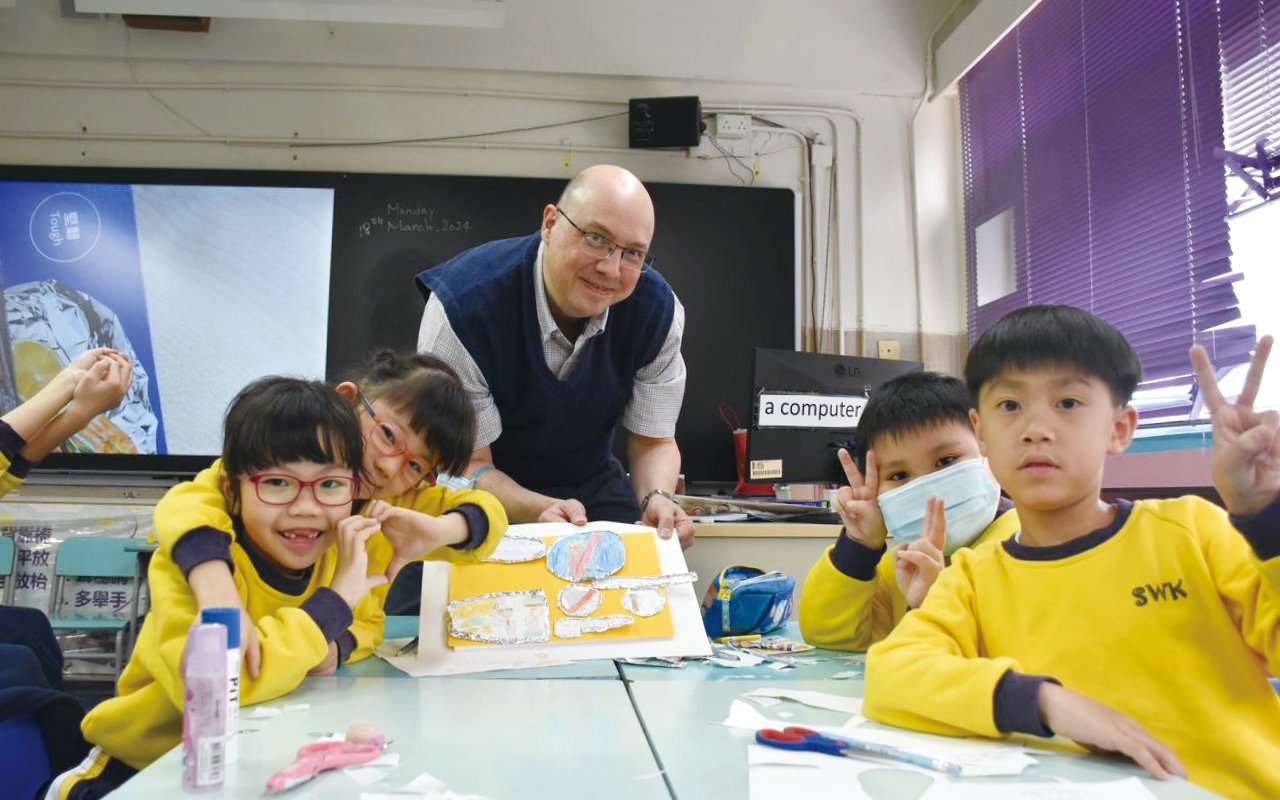
One of the foreign teachers in the school has been teaching at the school for more than 20 years. He is familiar with the campus environment, Hong Kong culture and education system, and is able to teach students in accordance with their aptitude. Foreign teachers also organize co-curricular and after-school activities to increase opportunities for students at all levels to be exposed to English in their spare time. For example, foreign teachers will accompany primary 1 and 2 students to watch English cartoons or YouTube videos and learn English through images; teachers will also select primary 3 and 4 students with higher proficiency in English, and foreign teachers with relevant professional knowledge will teach STREAM topics and conduct scientific exploration activities; students in primary 5 and 6 will receive training on personal short speeches to train their English speaking skills, improve their self-confidence, and prepare for interviews for entering middle school.
In addition, the relationship between foreign teachers and students is very harmonious. They pay attention to and take care of students' needs, so students will also be close to foreign teachers. In daily life, students are able to use the vocabulary and sentence patterns learned in class, which provides them with natural opportunities and contexts for using English. Principal Guo said with a smile, "Sometimes I greet the students at the school gate with the foreign teachers. Because we teach students to be polite, they have to say hello to us in English. At first, the children felt embarrassed when they saw the foreign teachers, but after they got familiar with them, they no longer avoided them and instead took the initiative to say hello. I am very happy to see such a change, which makes me truly feel the progress of the students."
English penetrates into different subjects and subject knowledge is integrated
In order to enable students to apply what they have learned, the school practices interdisciplinary teaching and integrates English into different subjects so that students can learn similar topics at the same time, thereby consolidating knowledge more effectively. Thanks to the full cooperation of the professional team, foreign teachers, English subjects and other subject groups work closely together to achieve an organic combination of subjects and provide students with more learning opportunities. For example, the English subject and the General Studies subject are interconnected to implement an interdisciplinary activity called STREAMaker Project. Teacher Li Kaiqi, Curriculum Development Director, pointed out: "In the Primary 3 course, students need to make insulated houses based on what they learned in class. Foreign teachers teach insulation materials and P-O-E experimental design in English in the general knowledge class, so that while learning common sense, students can also learn relevant English knowledge and communicate with foreign teachers."
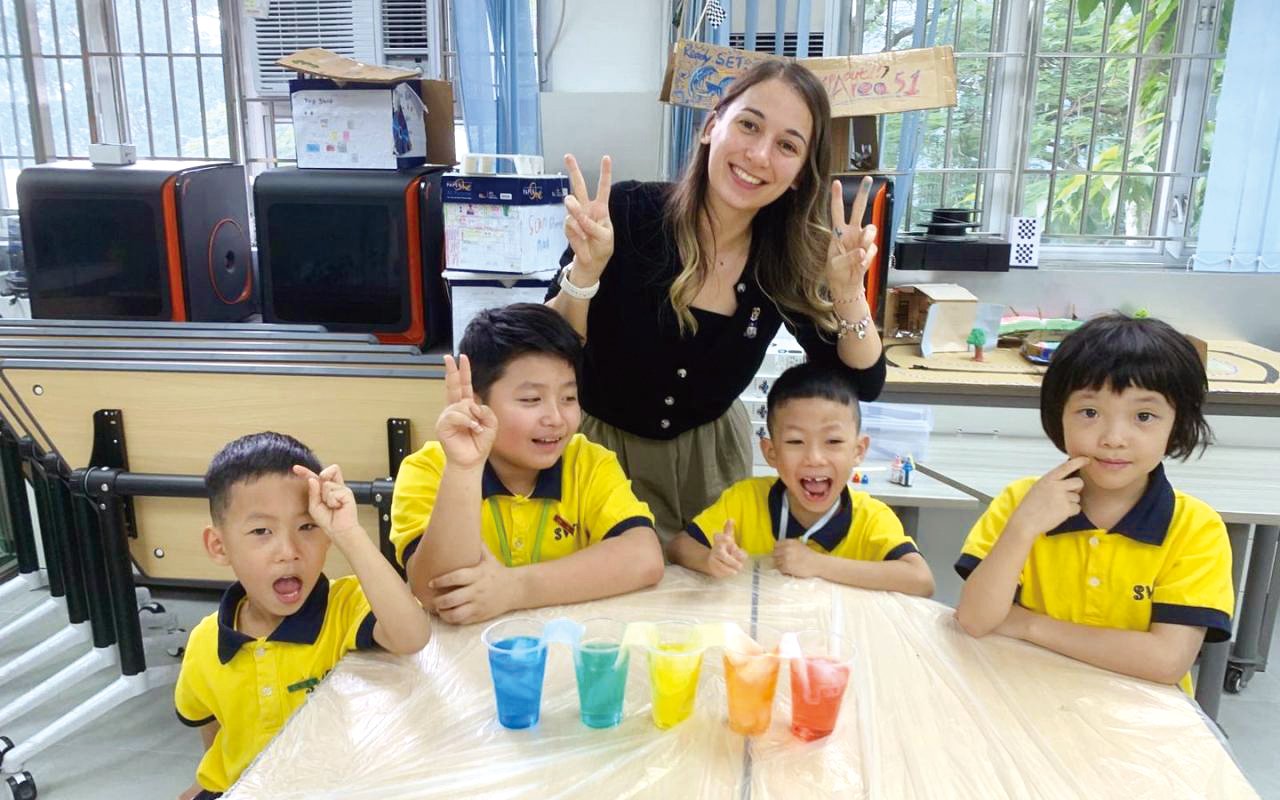
This year, all levels of the school are conducting cross-disciplinary special studies on the theme of martial arts. Taking Primary 3 and Primary 4 as an example, students learned to design nunchucks. The course will incorporate English vocabulary related to the steps, such as sequence words and English words related to nunchucks, to allow students to construct knowledge and write down the steps for making nunchucks in English. They were then required to create subtitles and design electronic picture books based on the short films. In addition, the school also organized the "Smart STREAM Kids" activity, where foreign teachers led students to conduct experiments, providing students with opportunities to learn English through STREAM activities and increasing their interest in English subjects and STREAM topics. Interdisciplinary learning breaks down the boundaries between disciplines, expands English learning to other areas, and prepares students for entry into English secondary schools in the future.
Diversified kindergarten bridging courses to cultivate interests and establish foundation
The English courses in primary school are different from those in kindergarten. Taking into account the learning needs of primary one freshmen, the school has launched diversified bridging courses to help students adapt to primary one life. For example, in the "Primary One Adaptation Class" held in August, the school carefully designed a school-based English pinyin course to teach new students to master spelling and reading skills, while also conducting English reading exercises to help students establish a foundation and prepare for English learning after the start of school.
In addition to academic areas, the school also arranges English bridging activities for students from kindergarten to primary school, such as English sports and STREAM special classes, which can build interest in English from the beginning of school. In addition, there is no examination in the first stage of Primary One, but a progressive assessment model is adopted to reduce students' academic pressure and provide them with diversified feedback and positive encouragement, so that students can gradually adapt to campus life and English learning, and become "Shixiao New Human Beings" with both talents and virtues.
Innovative curriculum design, enriching interdisciplinary activities, and jointly building an English learning context
H.K.T.A. The Yuen Yuen Institute Shek Wai Kok Primary School · 2025年1月
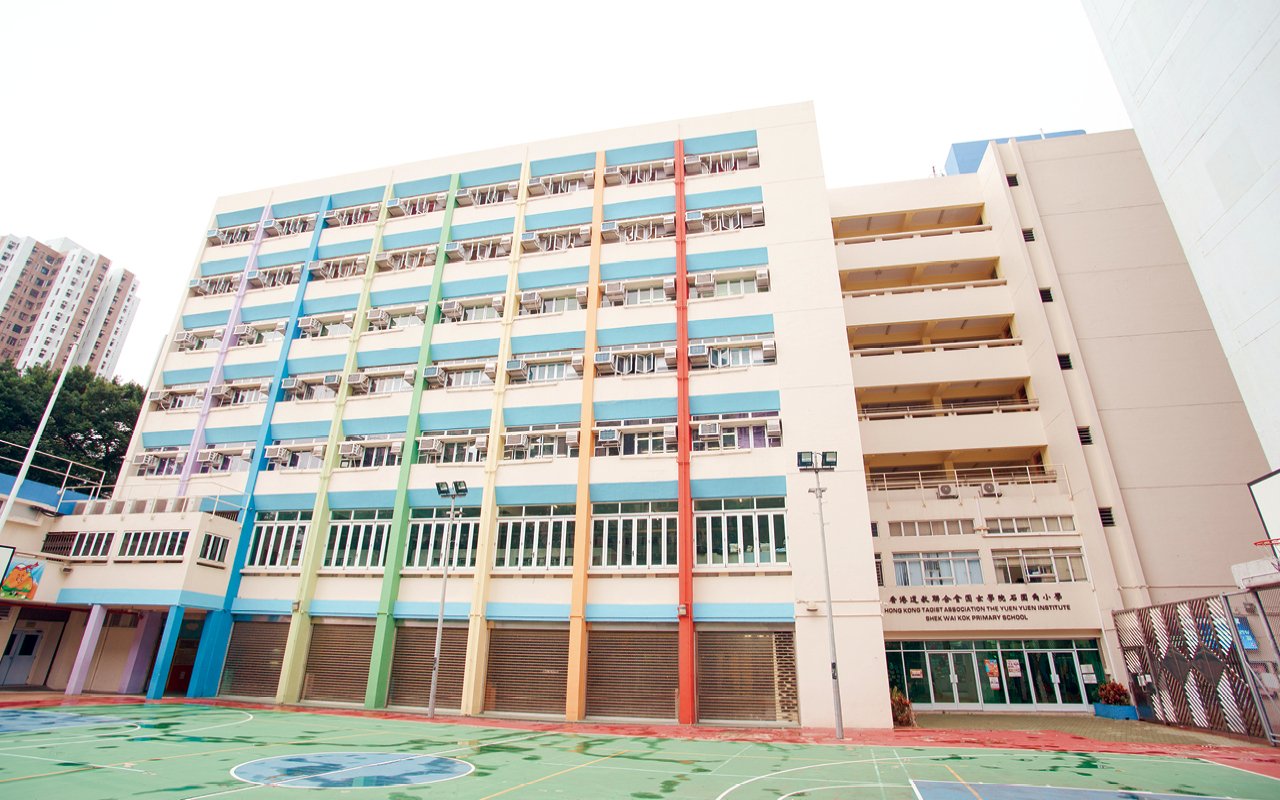
School building appearance

This English version is translated by AI. If there are inaccuracies or omissions, please refer to the original Chinese text.