
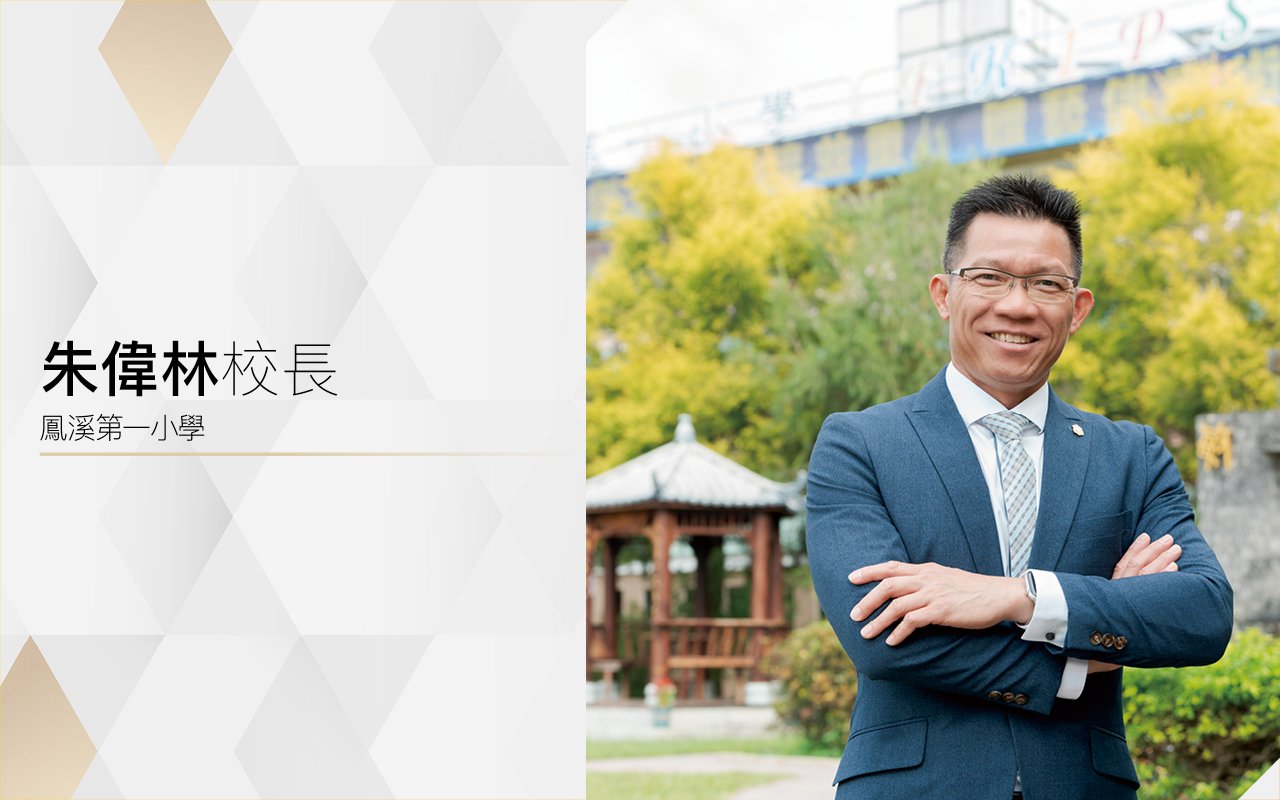
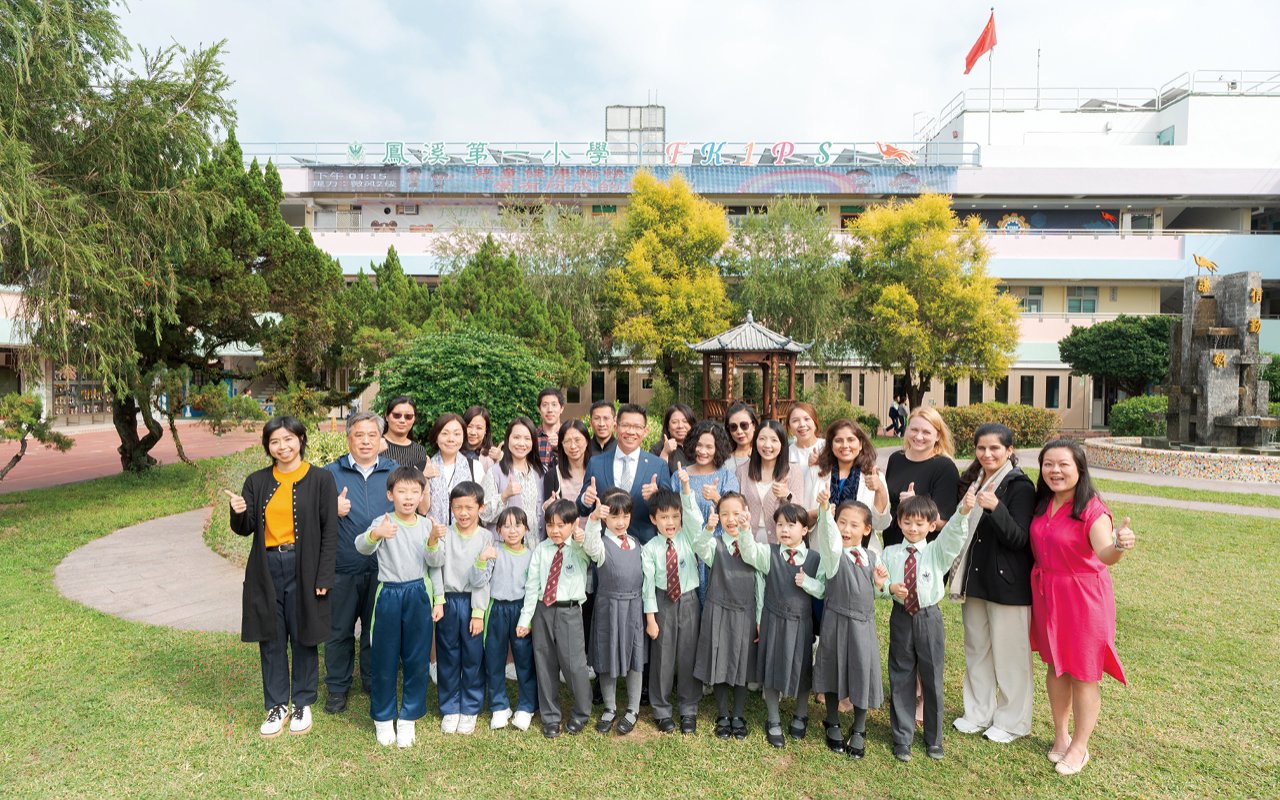
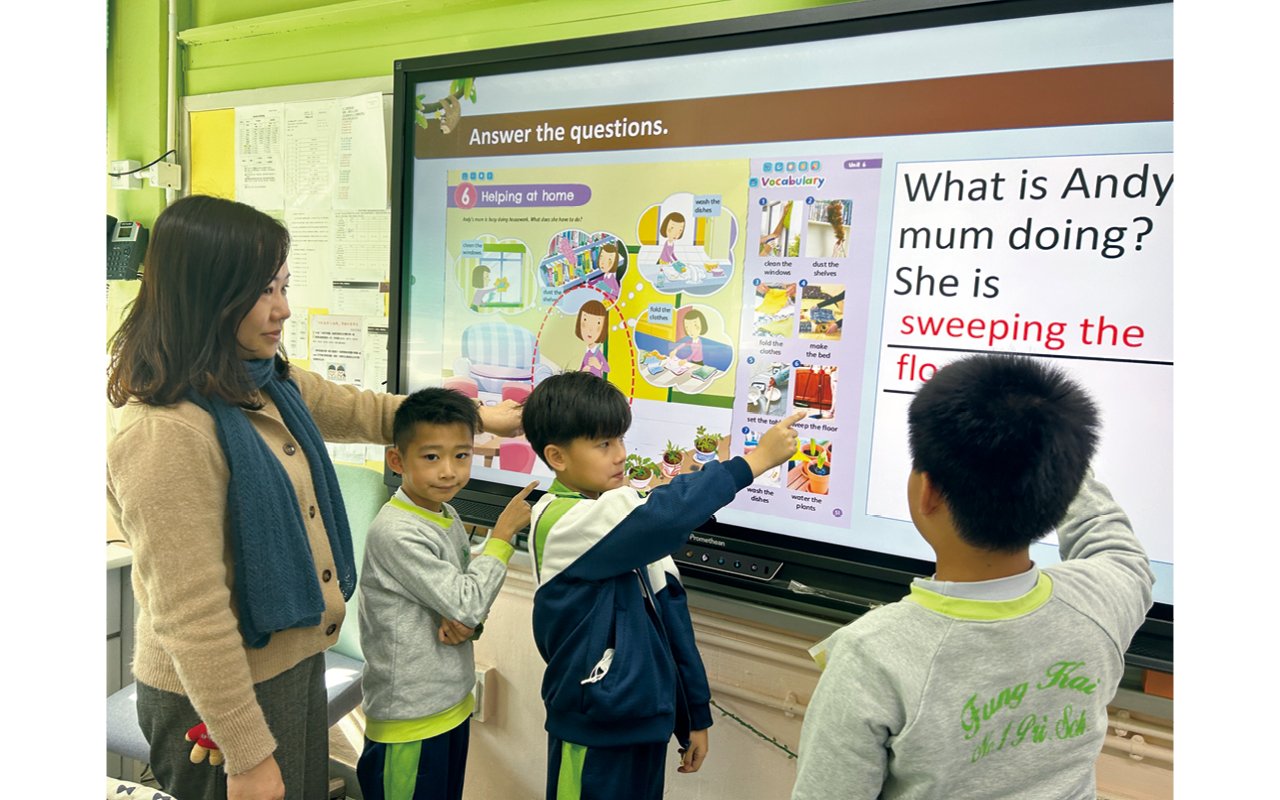
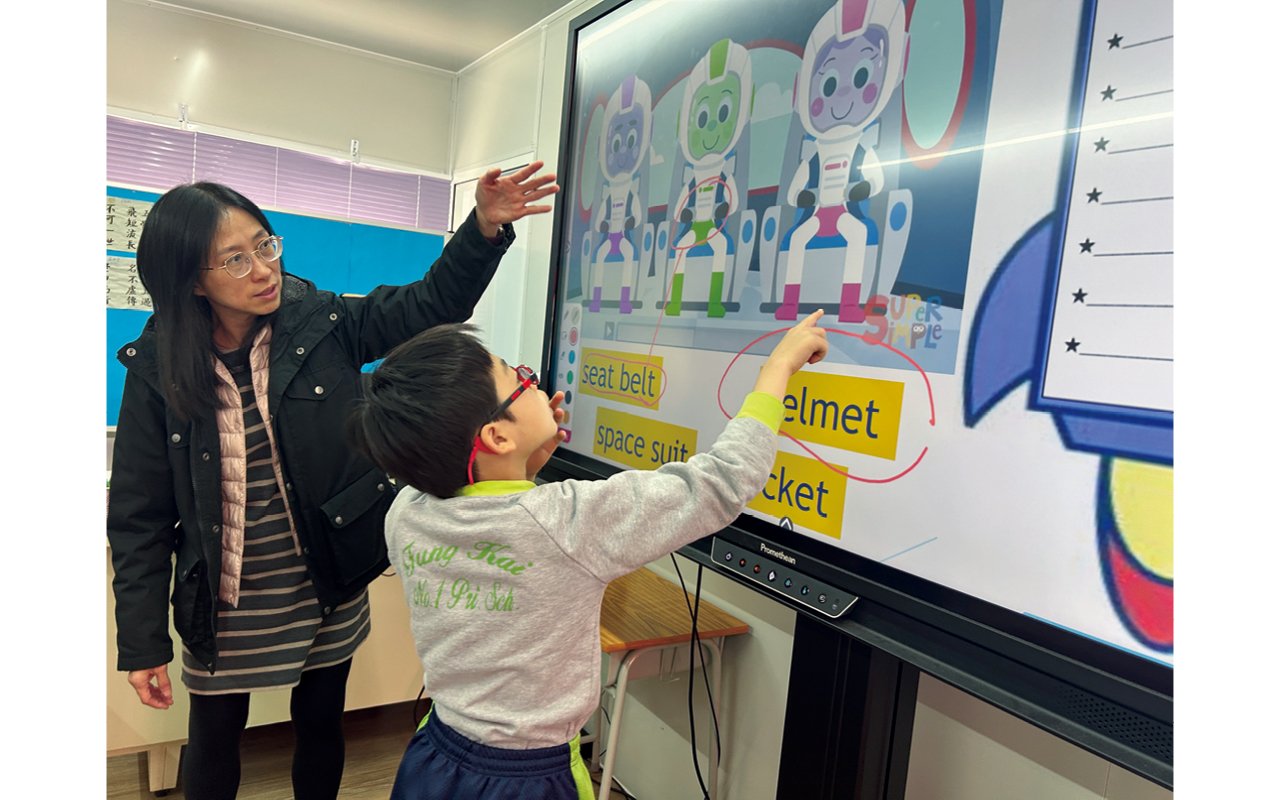
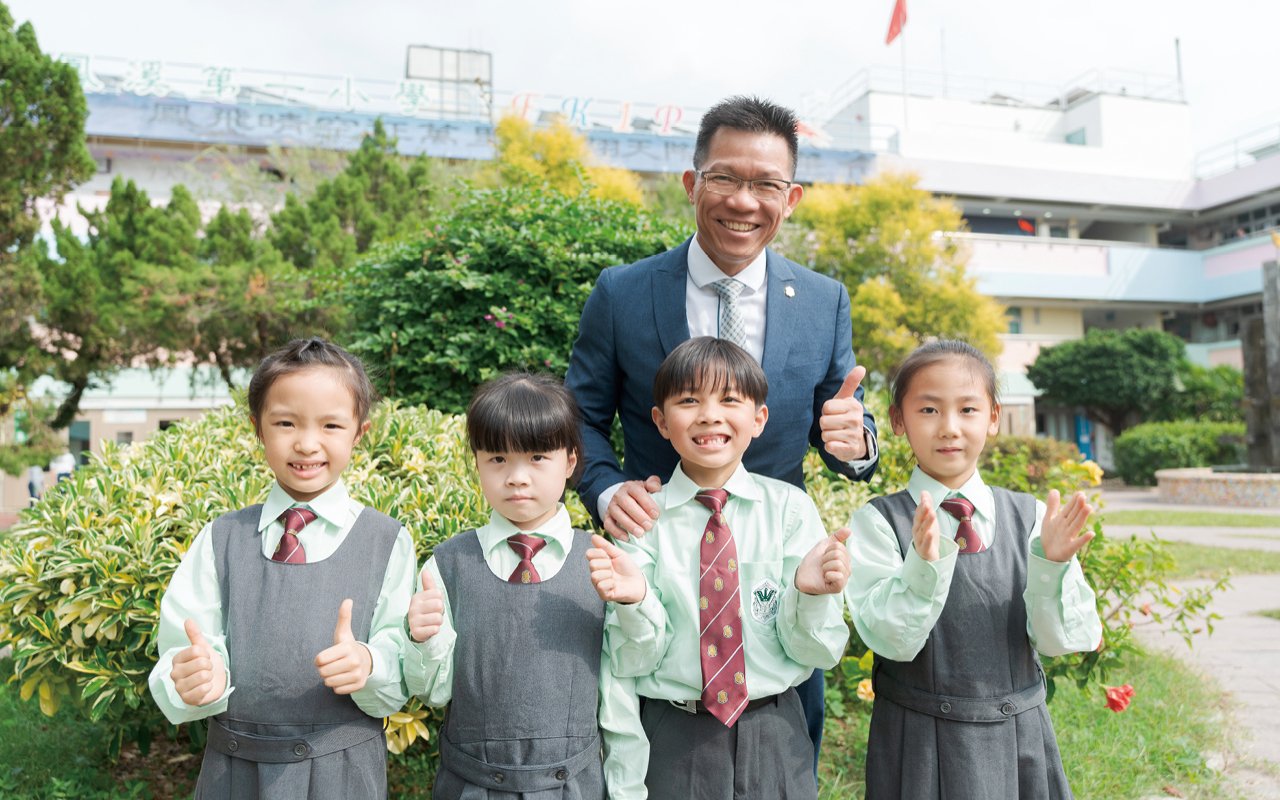
"Four Learnings and One Core" is the educational policy that Fung Kai No.1 Primary School has always attached great importance to. The "Four Learnings" respectively refer to diverse learning, teaching and learning, independent learning and electronic learning. In order to implement this direction, the school has invested a wealth of resources in English teaching planning, starting from the three dimensions of classroom learning, experience practice and environmental atmosphere, to provide a variety of English learning experiences and practice opportunities, so that students can use English flexibly. In teaching, the school extensively uses electronic technology to promote an atmosphere of independent learning, and cooperates with external research institutions to promote the improvement of teaching quality. In addition, the school also takes into account the overall development of students through the combination of English and values education to help them gain spiritual gains. In recent years, students’ English performance has continued to improve. Principal Zhu Weilin expressed the hope that the school can continue to work together with parents to help children reach new heights.
Strategic English courses to strengthen English skills in a targeted manner
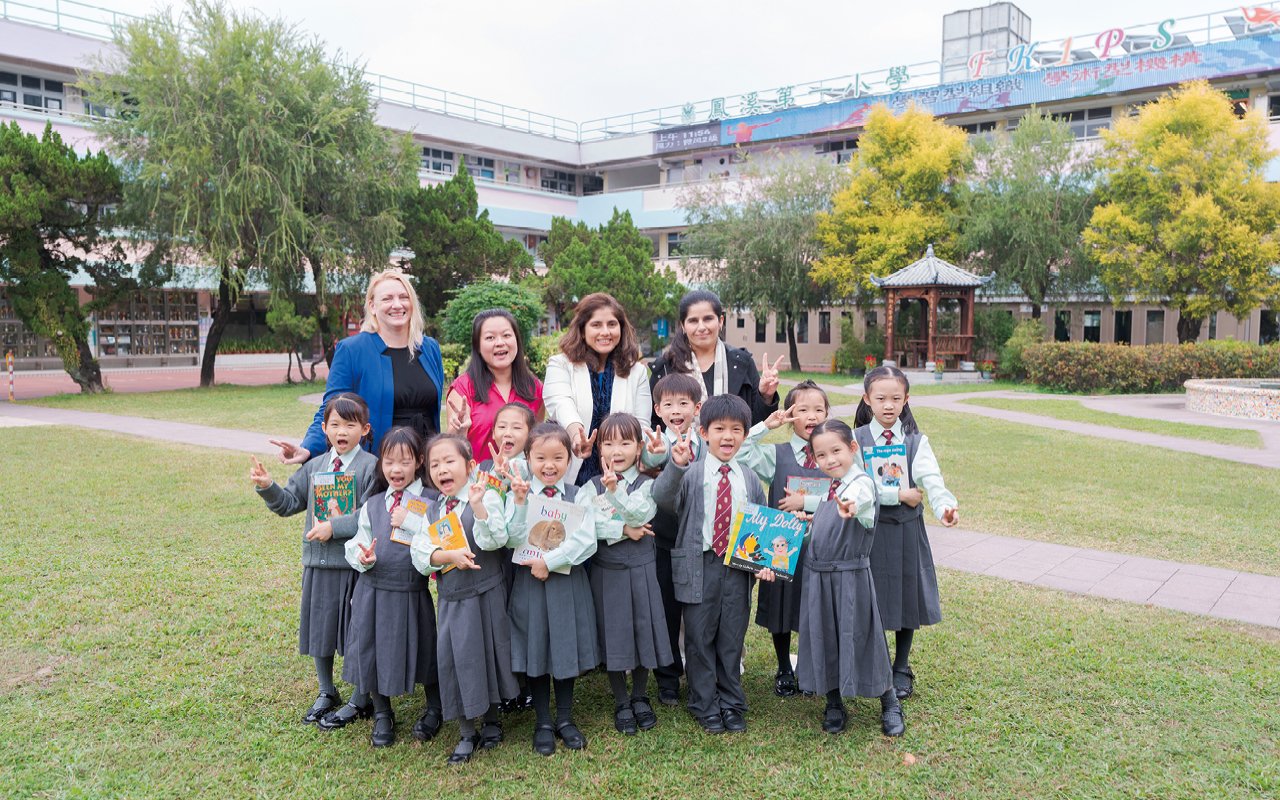
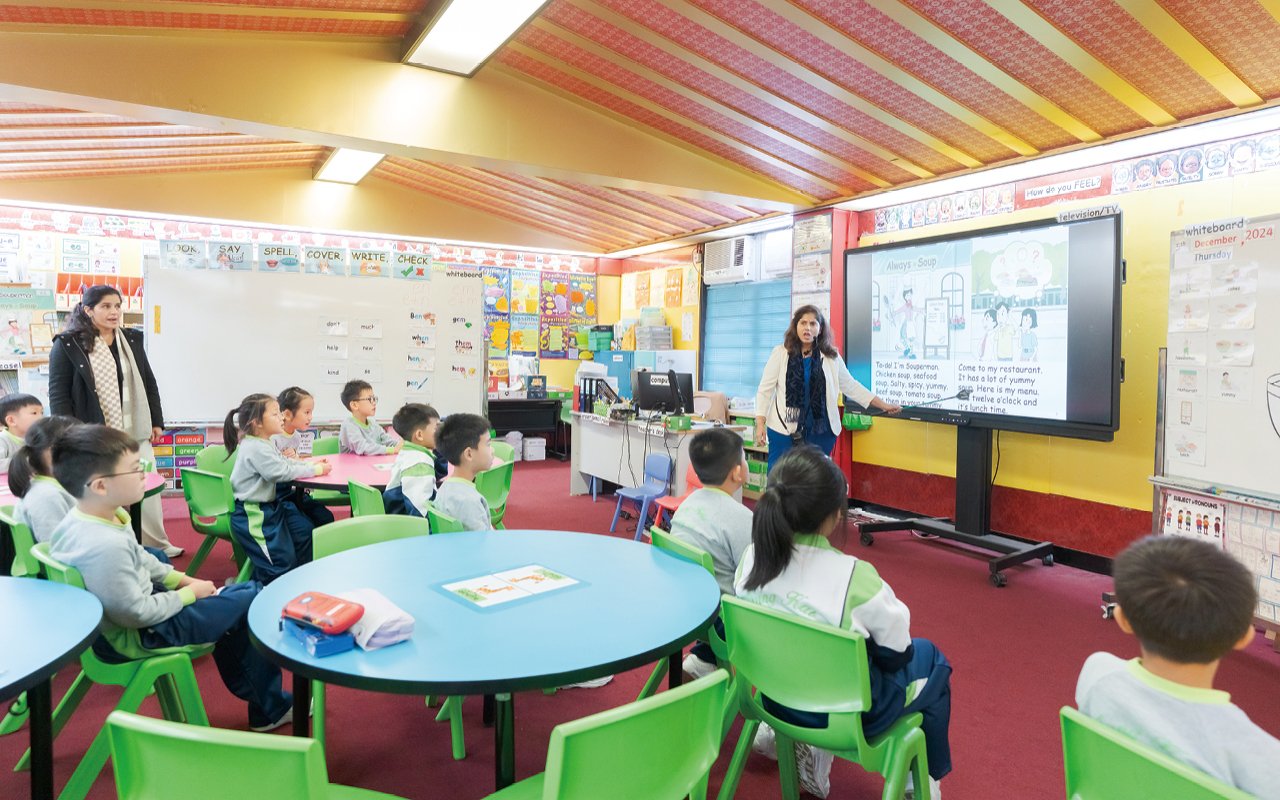
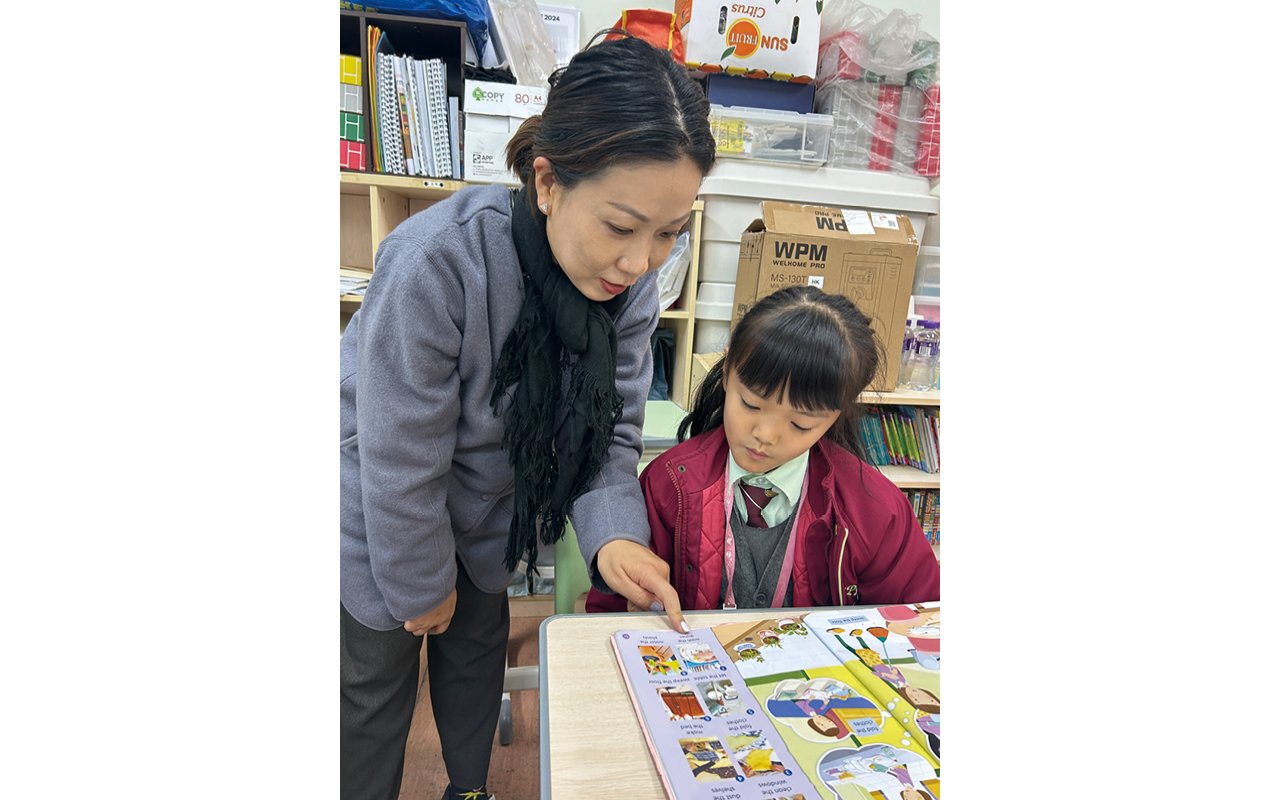
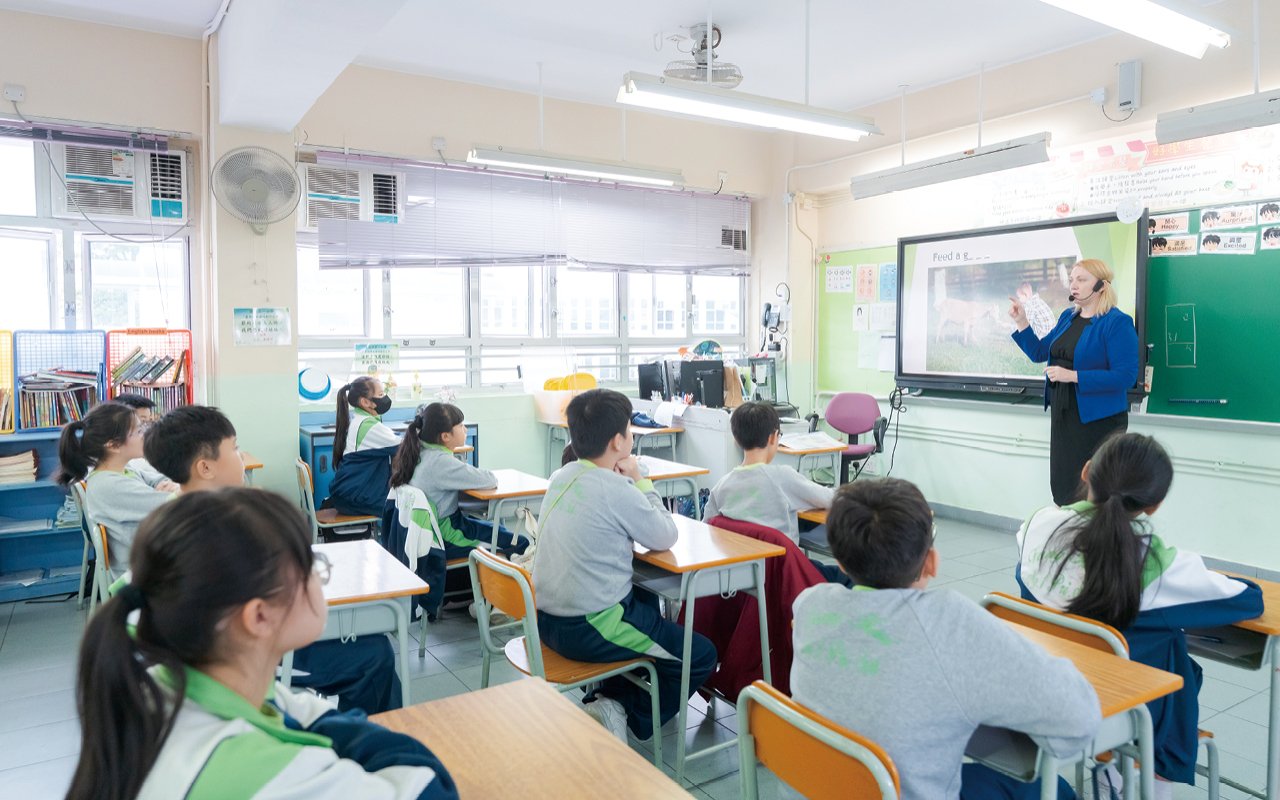
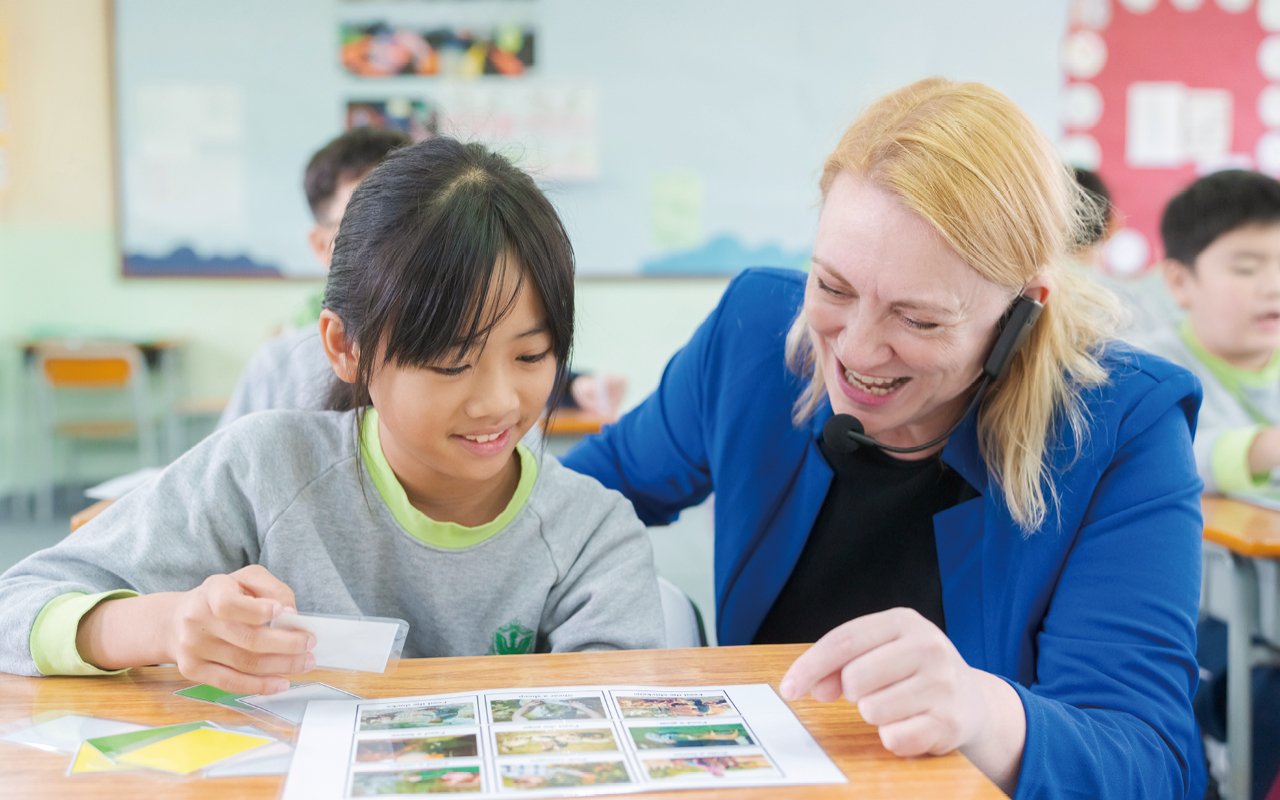
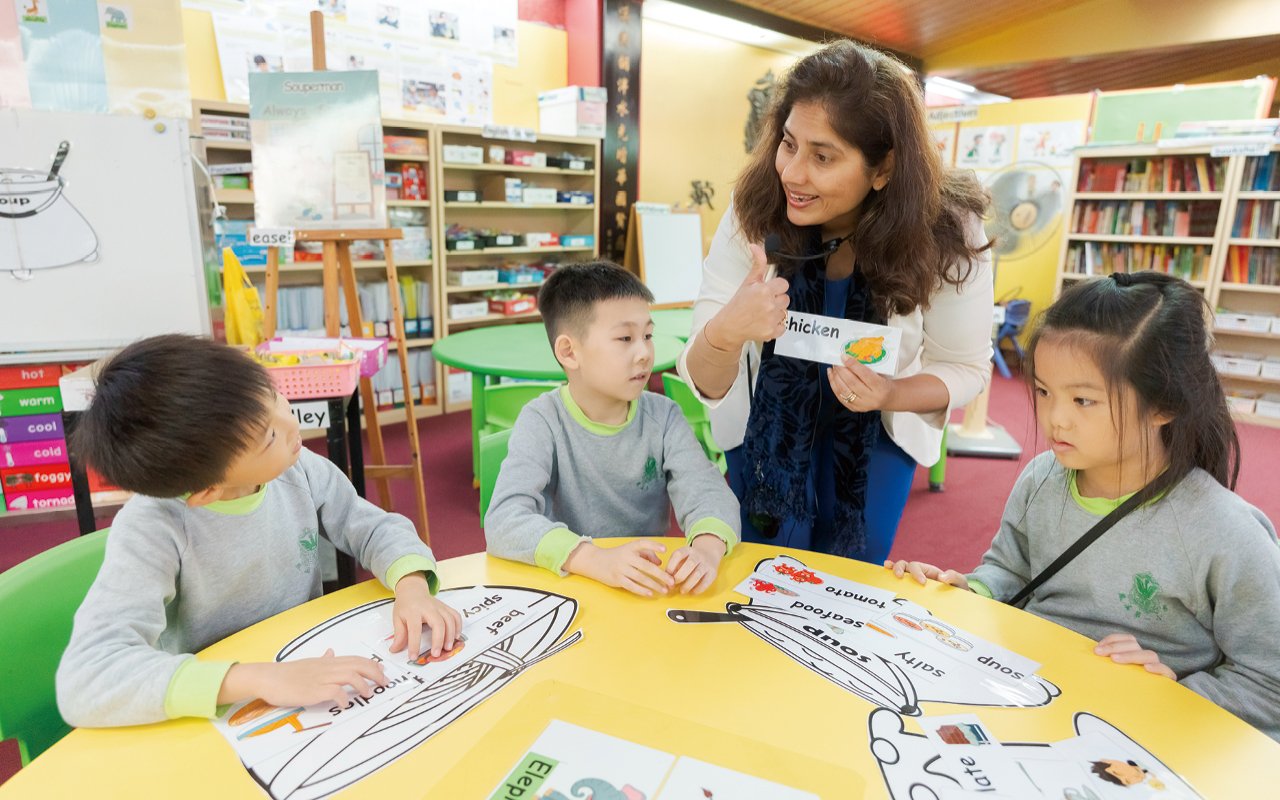
Foreign English teachers play an important role in English teaching and provide students with diverse opportunities to be exposed to English. Therefore, the school invested resources in hiring three foreign teachers, who not only provide professional English teaching, but also enhance students' listening, speaking, reading and writing skills. In the junior primary school, foreign teachers provide concentrated and intensive English Pinyin courses for first and second grade students every week.
Director Qiu Yunting of the English Department pointed out: "The earlier students learn English pinyin, the better. We hope to complete the course as early as second grade to consolidate students' English pronunciation and vocabulary foundation and prepare for future spelling and reading and writing needs." In addition, the school also participates in the Education Bureau's PLP-R/W course, taught by two foreign teachers, assisted by English teachers, to focus on cultivating students' reading and writing foundation.
At the upper primary school level, foreign teachers conduct a conversation class every week and encourage students to listen more and speak more through diversified teaching activities. The school also arranges special support for sixth grade students in interviews to help them master English interview skills and prepare for their transition to high school. According to the needs of different stages, the school provides strategic courses to allow students to practice and use English communication in the classroom, gradually develop the confidence to speak English well, and strengthen their English ability.
Make good use of learning time and technology to promote independent learning
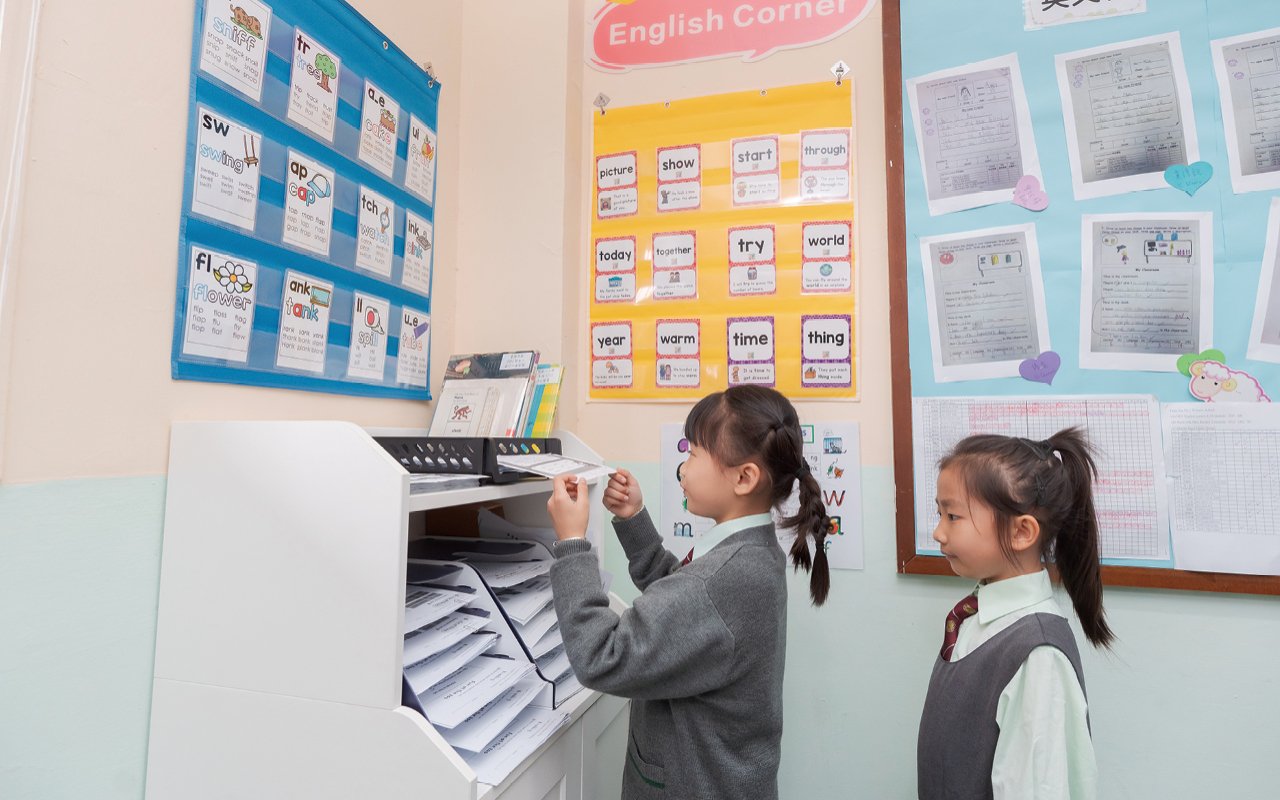
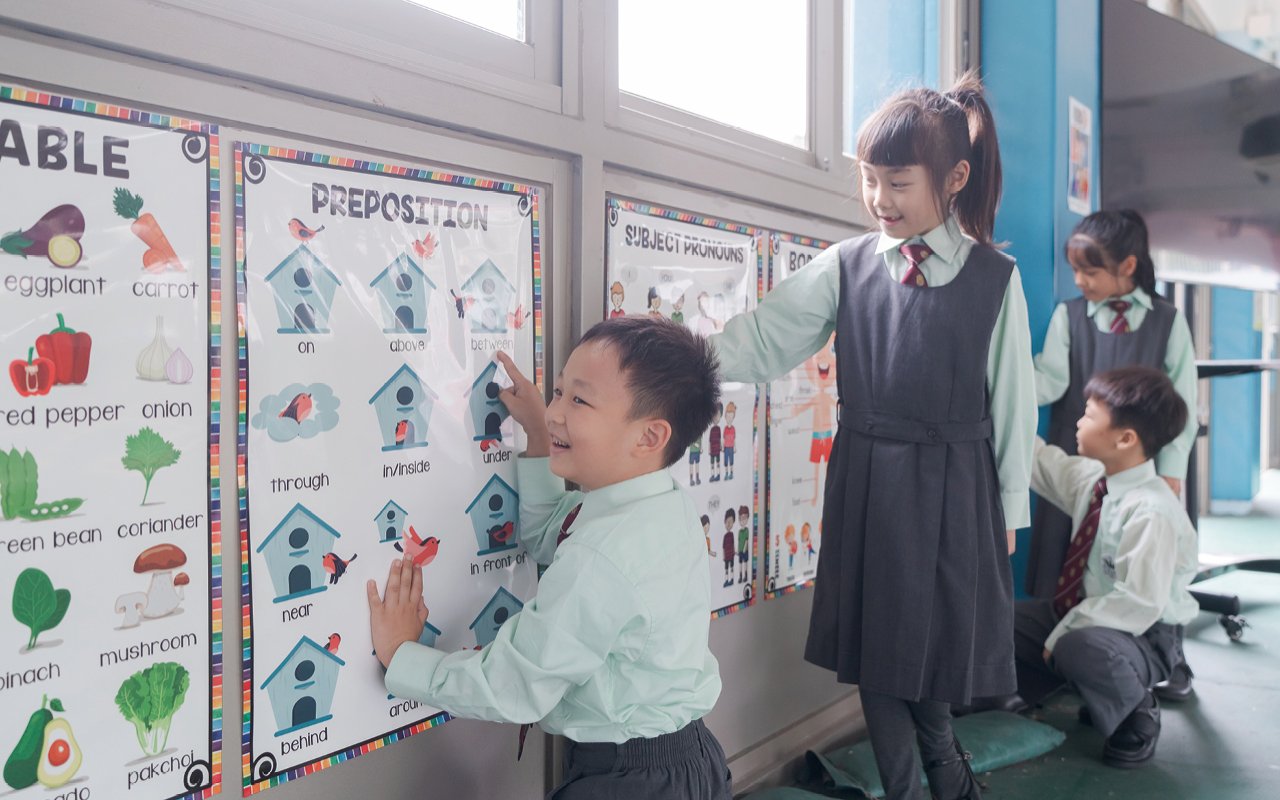
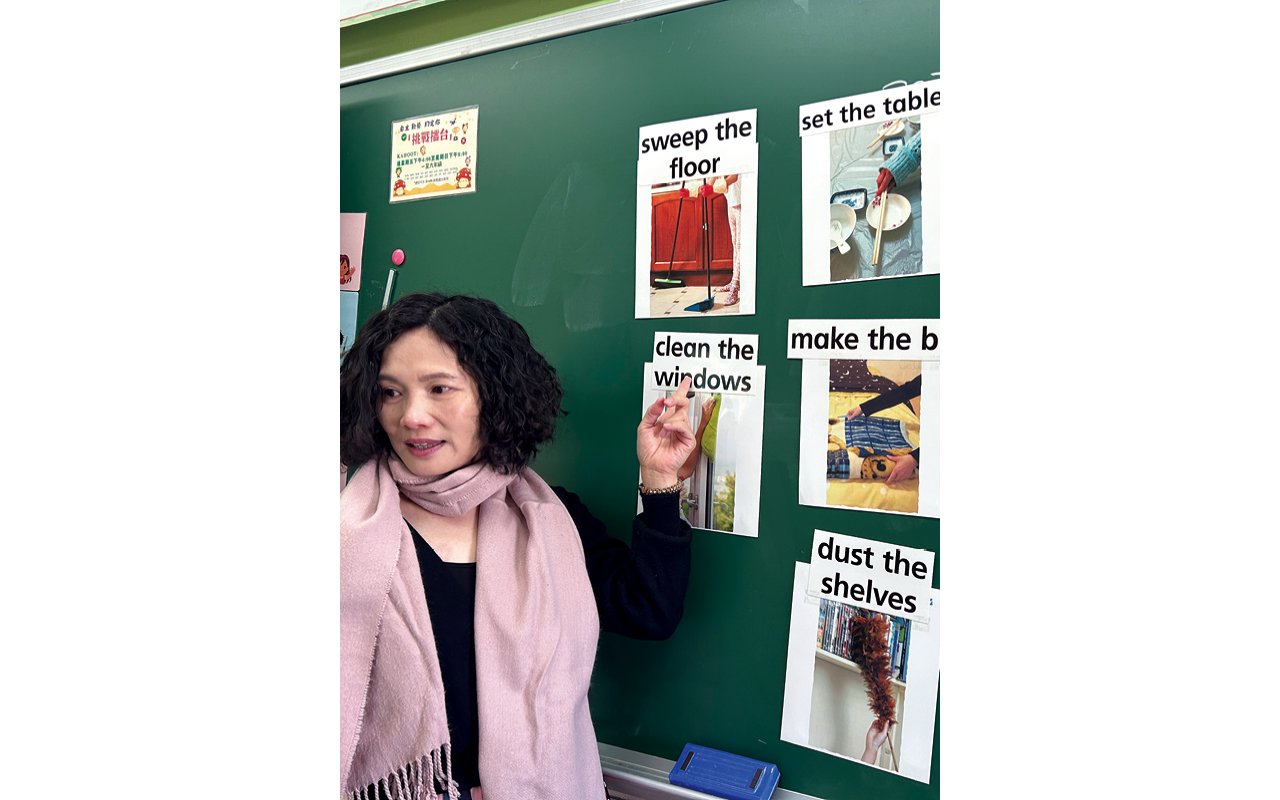
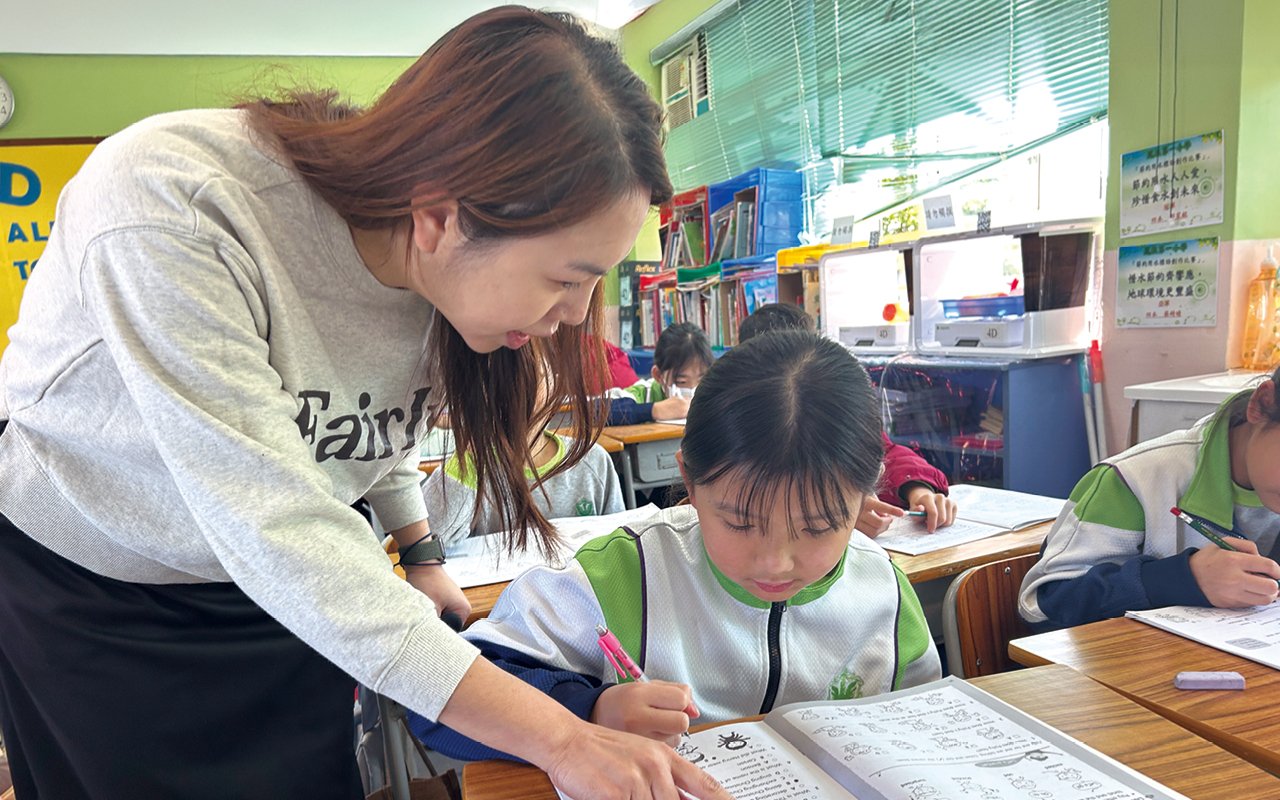
Independent learning has always been an educational direction that the school attaches great importance to. In order to stimulate students' learning motivation, the school makes full use of school hours to arrange various English learning activities and promote an atmosphere of independent learning. The school cooperates with Dr. He Shimin, an authority on independent learning, to conduct teaching research to promote independent learning more effectively. In terms of learning environment, since last year, the school has set up an "English learning corner" in every classroom, equipped with enriched study papers and English books for students to borrow. At the same time, in conjunction with the learning reward mechanism, students can receive stamps every time they complete an enriched study paper, further stimulating their interest and enthusiasm for learning. In addition, more than a hundred English posters and proverbs have been posted in different corners of the campus, and English videos are arranged to be watched every morning, using visual resources to create a fulfilling English learning environment.
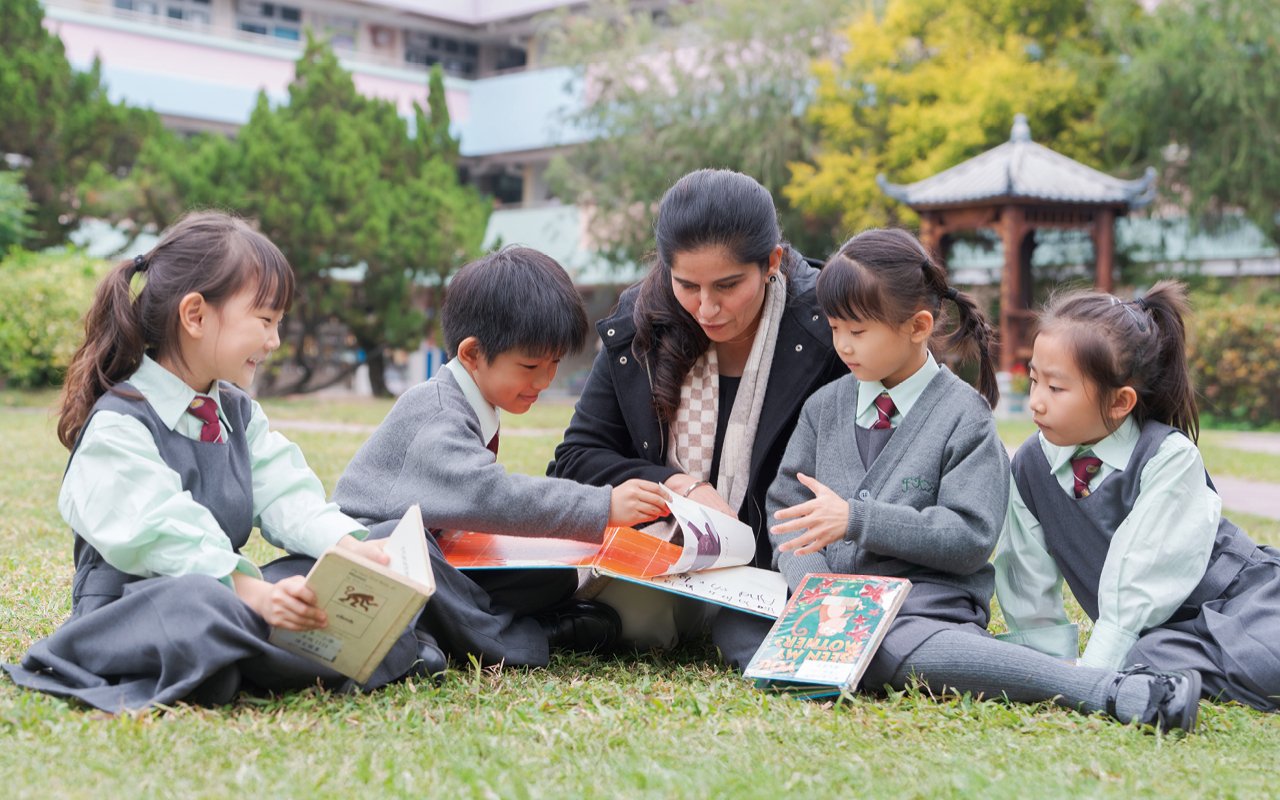
In terms of teaching, the school arranges for foreign teachers to conduct accompanying reading and English games during morning reading and recess periods to cultivate students' interest in reading. It also launches the "Three Minutes Reading" activity to encourage students to read more. At the same time, the school also introduced e-learning platforms, such as the Rosen Level Up online library and the Oxford Achiever online platform, to extend learning after school and encourage students to use online resources for self-study at home. Through these learning environments, policies and activity arrangements, the school makes full use of every learning moment to allow students to increase their interest and motivation in learning in a pleasant atmosphere, gradually establish the habit of independent learning, learn to self-reflect, and promote their continuous progress.
Interdisciplinary collaborative courses and activities to strengthen English proficiency in different disciplines
English learning is not limited to English subjects, but can be combined with different subjects, allowing students to absorb and apply English knowledge in a diverse learning environment and improve their language skills. The school actively promotes a cross-curricular reading plan, allowing students to learn textbook knowledge while being exposed to a variety of reading materials on topics such as festivals around the world and healthy eating. This not only enhances their reading interests and comprehension skills, but also improves cultural understanding.
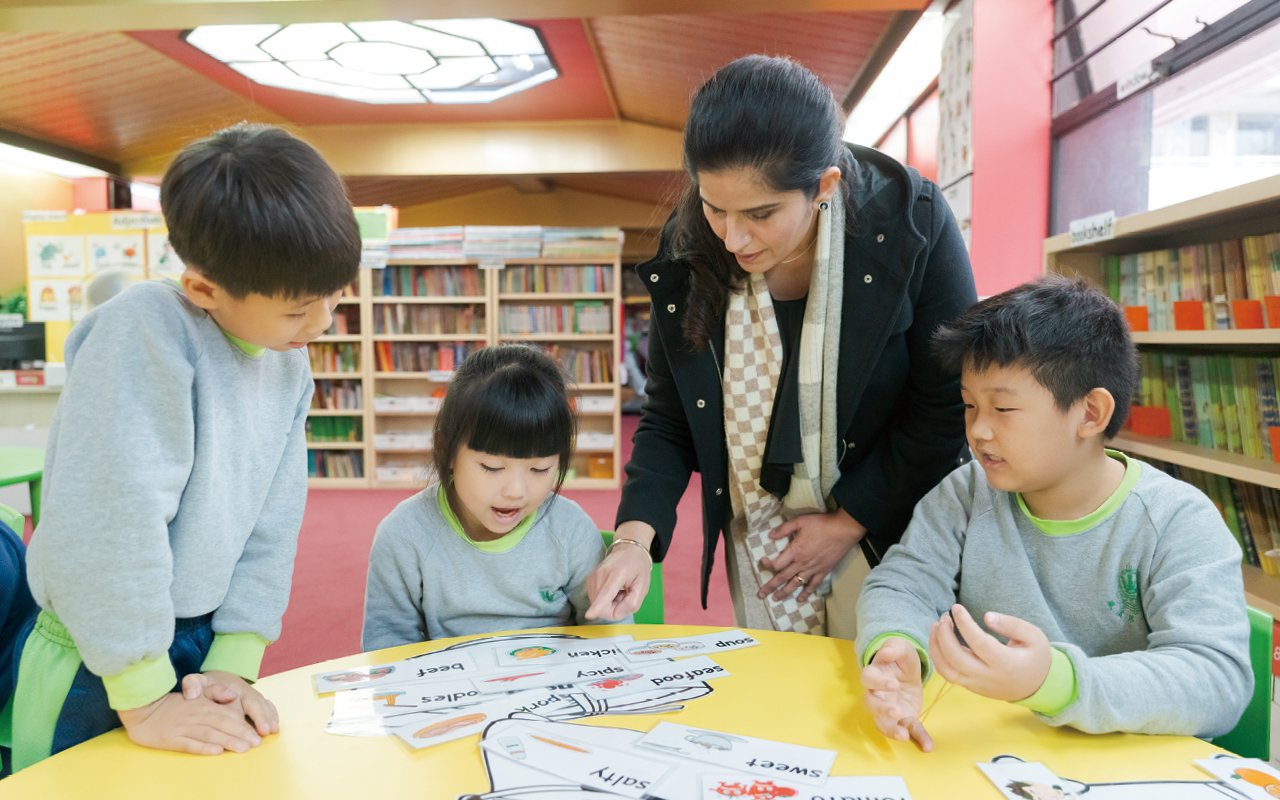
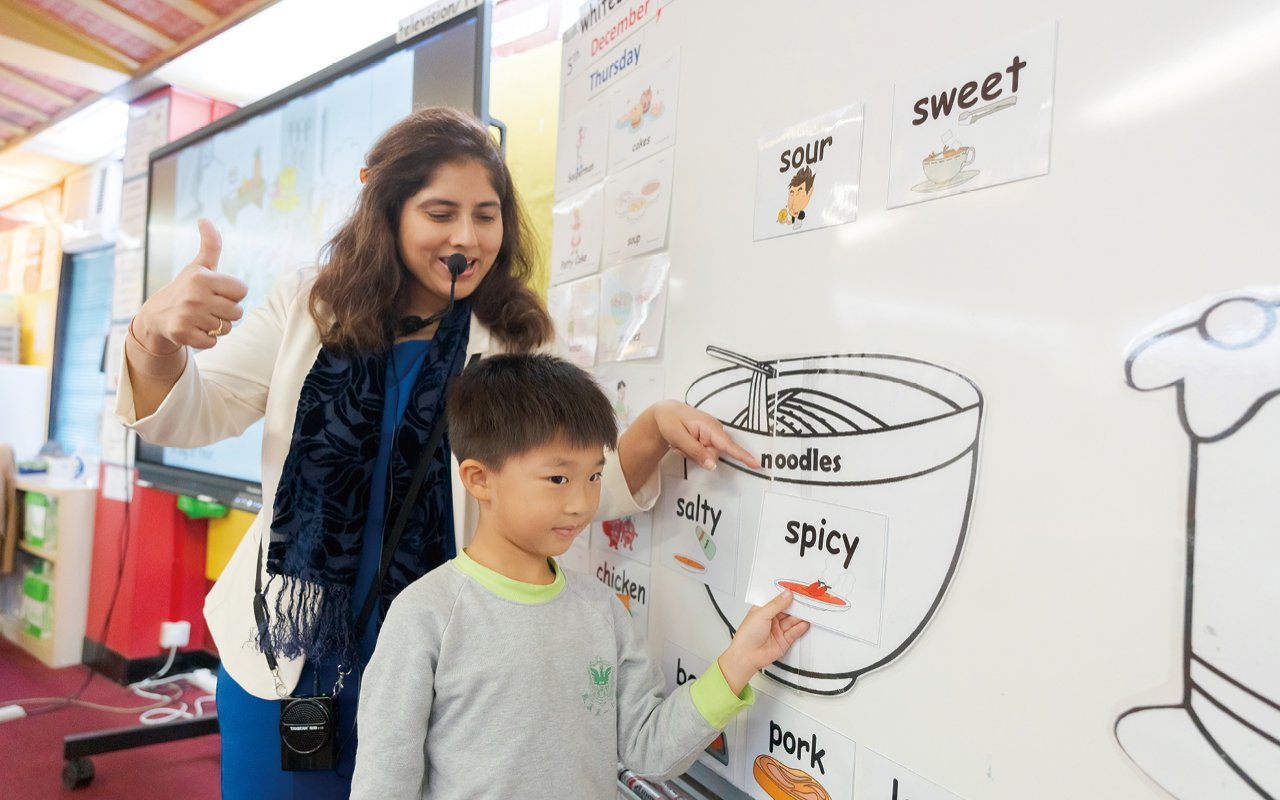
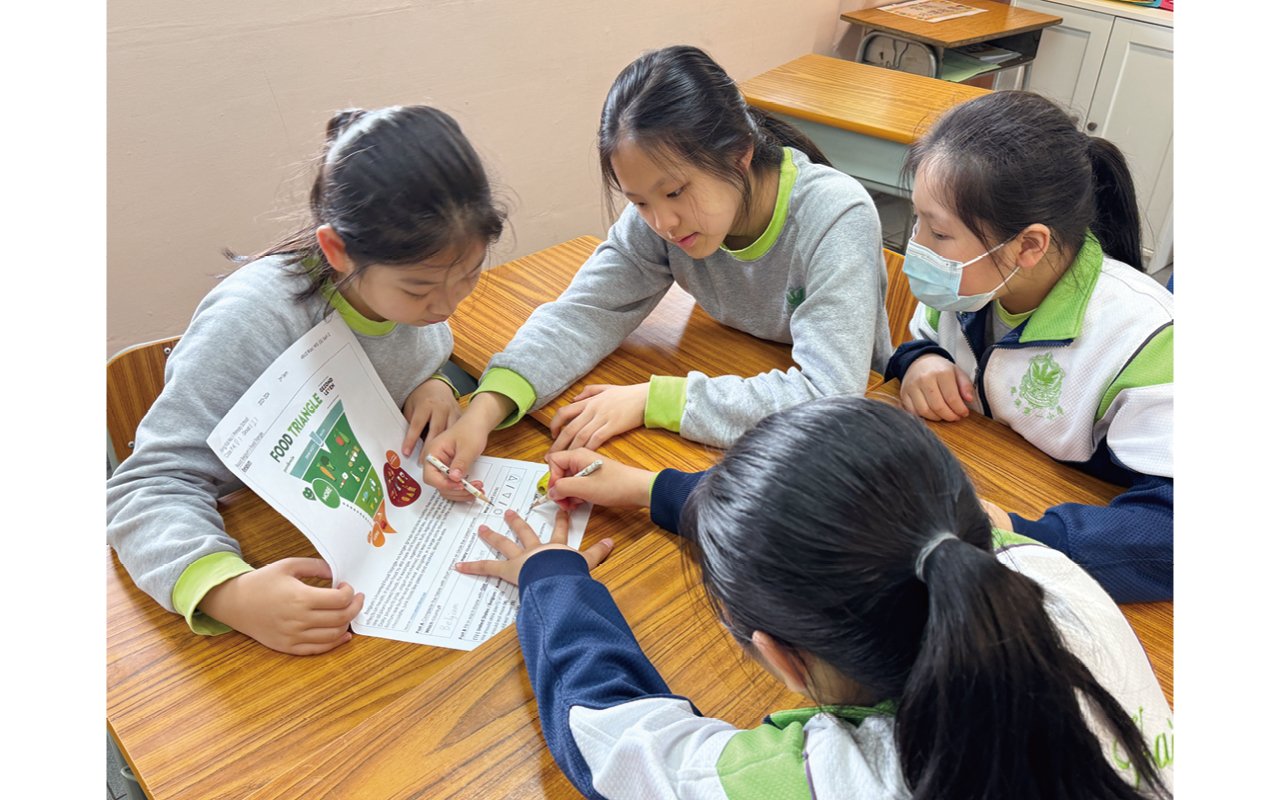
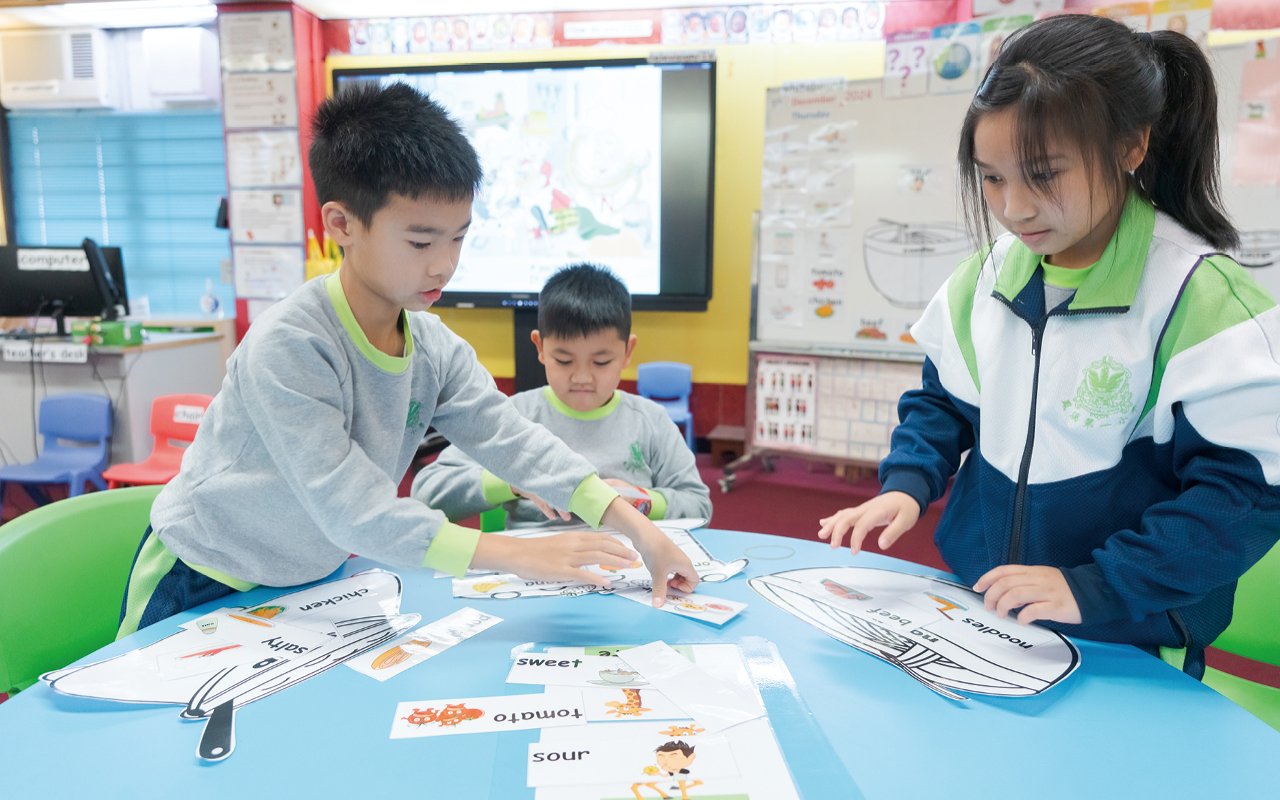
After reading, the teacher will arrange small interdisciplinary tasks to integrate English practice into different subjects. For example, in the topic of healthy eating, students need to use clay to make healthy meals, and learn English countable and uncountable nouns related to food to consolidate their English knowledge. In addition, students also need to visit other students to understand their eating habits and make suggestions. Finally, they write letters to their classmates in English and attach an electronic poster from the information technology class to display their learning results.
Through interdisciplinary collaboration, it not only helps students summarize and reflect on what they have learned, but also improves their English writing skills, vocabulary application, expression and reporting skills. The above-mentioned teaching methods have been recognized by the outside world, and the teaching team has also been invited by the Education Bureau to conduct professional sharing.
Join National Security Education, Fun English Cultivates Values
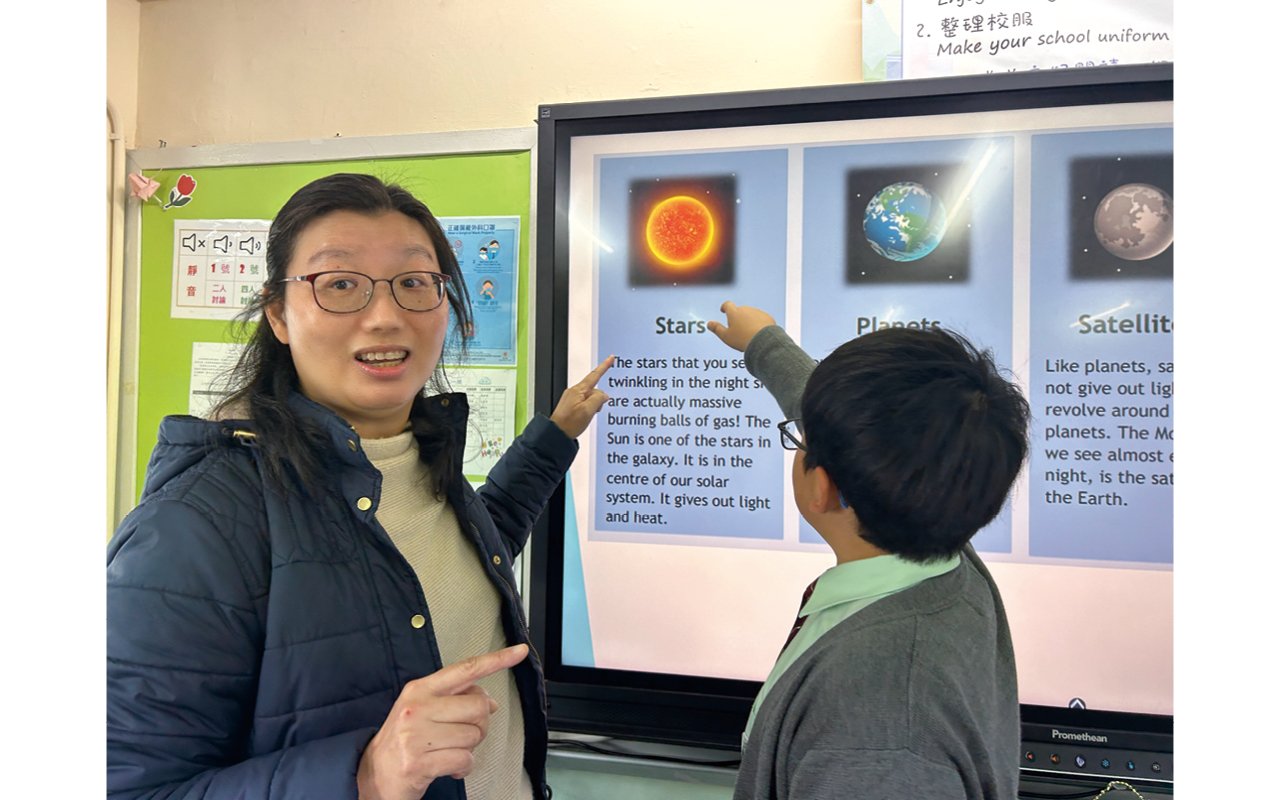
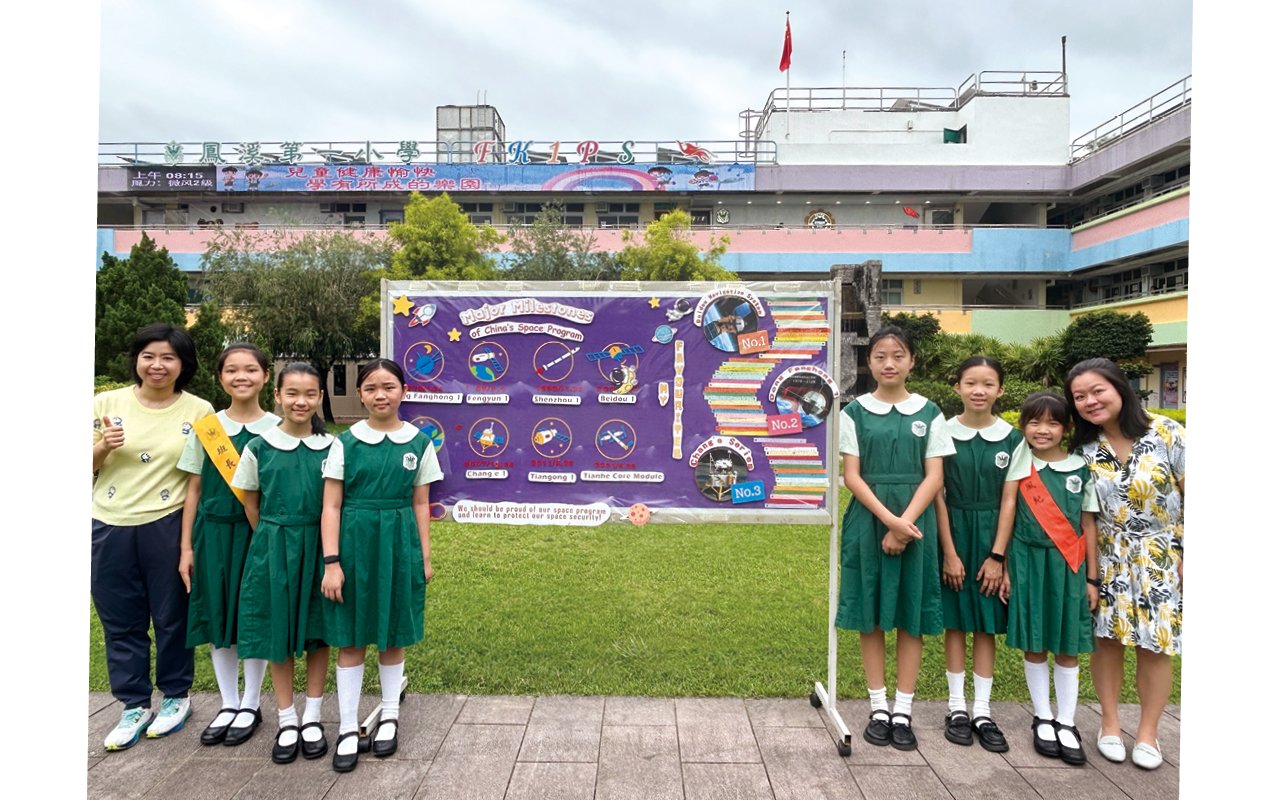
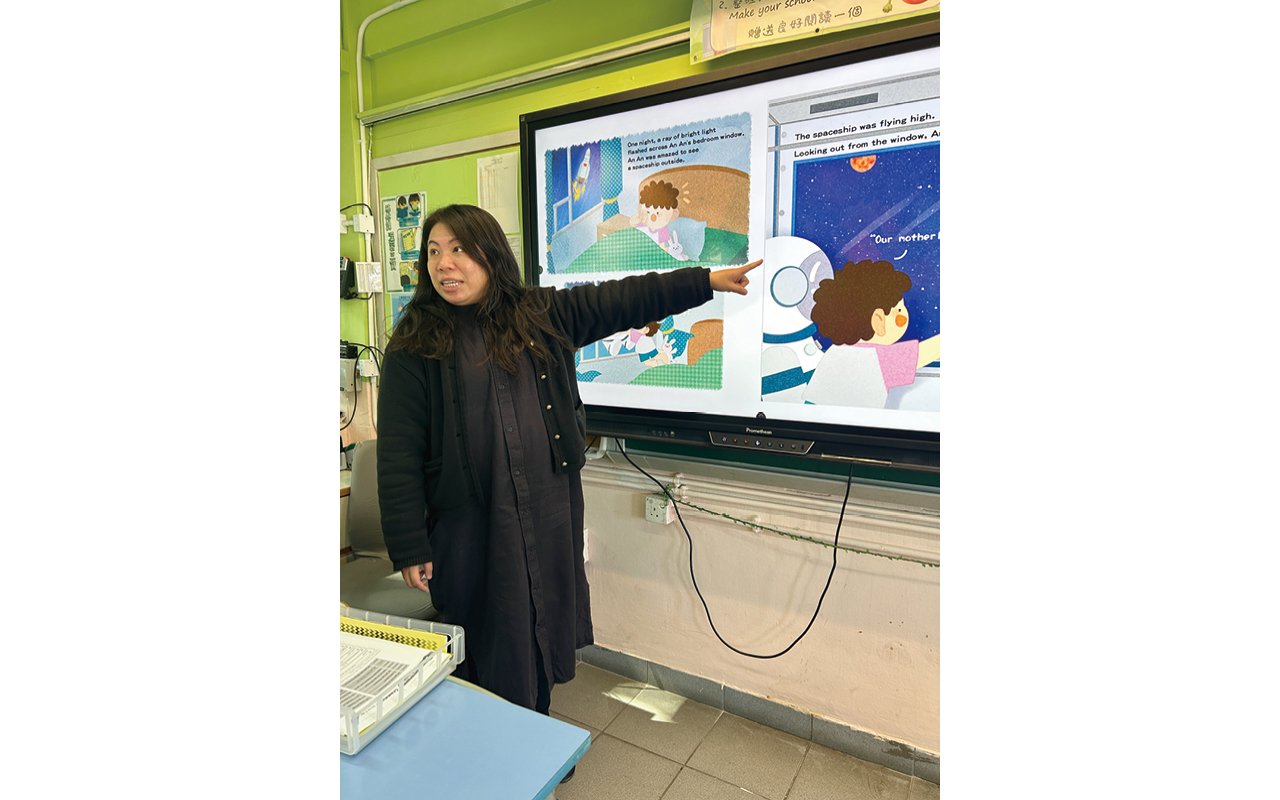
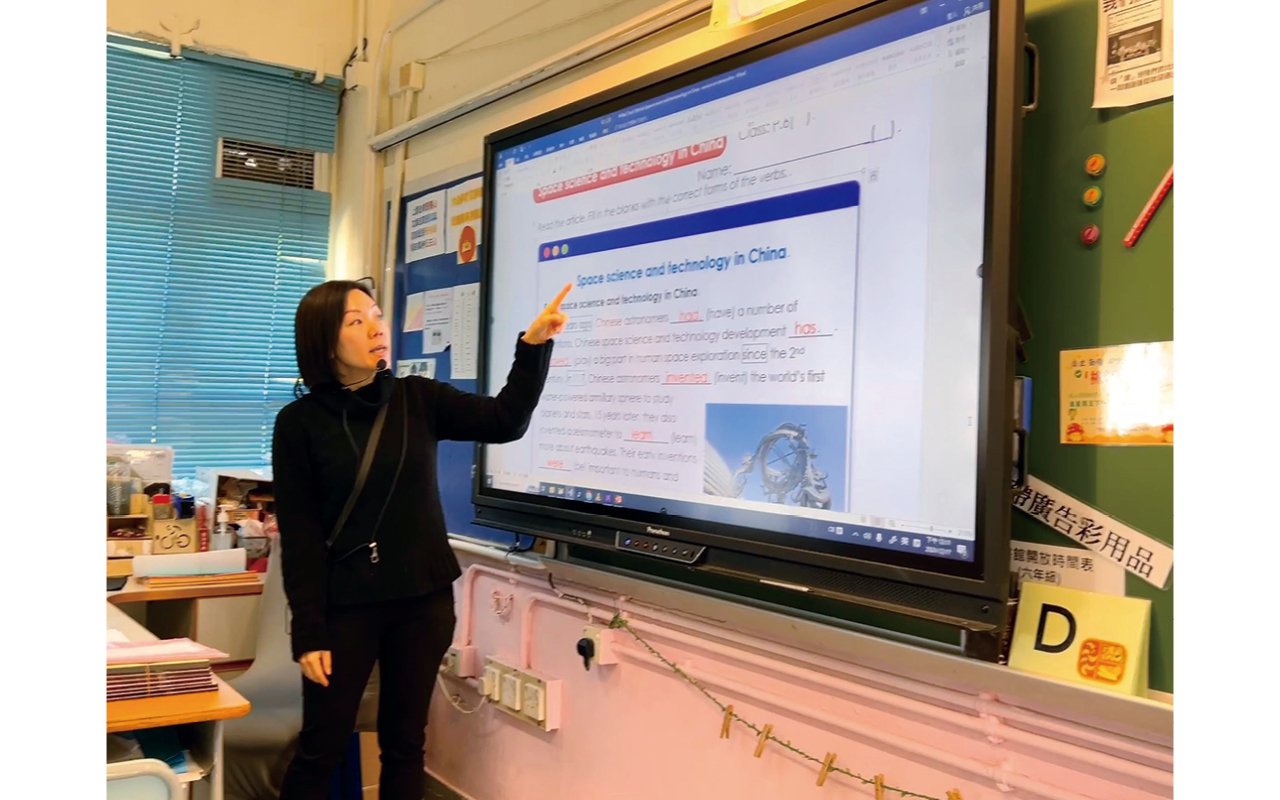
The school adds national security education to the English curriculum to make learning more interesting and cultivate children's correct values. For example, through the children's picture book "Wonders of the Stars" (English version: Wonders of the Stars) launched by the government, students can understand the motherland's brilliant achievements in aerospace technology and the concept of space safety. In addition, the school arranges for senior primary school students to conduct special studies on space safety, studying the importance of Chinese astronauts and artificial satellites, as well as the achievements and development of China's aerospace industry. Students gain an in-depth understanding of China's aerospace knowledge through information exploration, reading and creativity, and report their learning results in English. On the one hand, it allows students to master relevant English knowledge about national security and space security in a pleasant atmosphere, and also increases their interest in English learning. At the same time, this also responds to the 12 primary values and attitudes emphasized by the Education Bureau to help students cultivate national identity, perseverance and unity in the topics of space exploration and aviation achievements.
Apply social-emotional learning to improve English teaching effectiveness
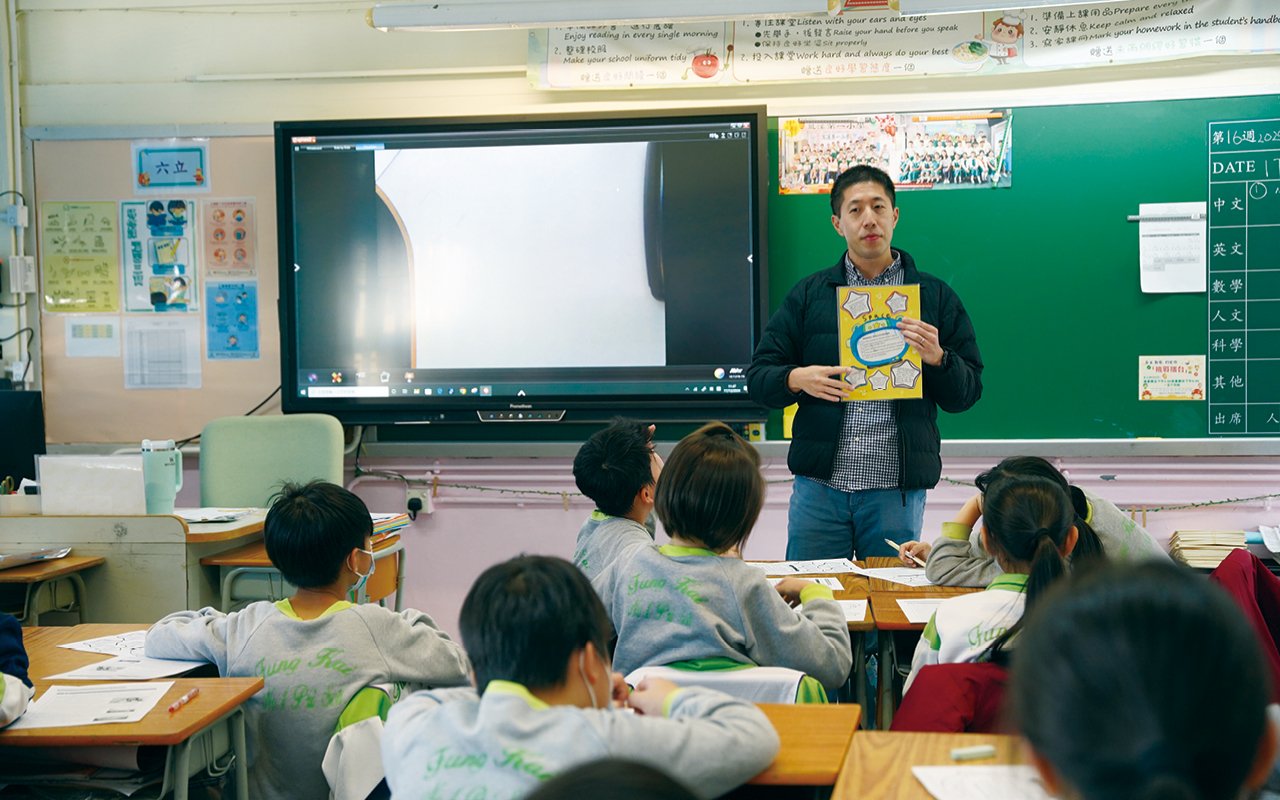
Director Qiu pointed out that students will inevitably feel pressure in the process of learning English. In order to cope with this challenge, the school has incorporated Social & Emotional Learning (SEL) into English teaching, hoping to cultivate students' language skills while helping them learn to take care of their emotions, enhance their interest in learning, and thereby improve their learning effectiveness. For example, before class begins, the teacher will ask students how they are feeling at the moment and encourage them to share their reasons in English. This is not only an opportunity for oral training, but also an effective way to guide students to identify and manage emotions, helping to improve their concentration and learning efficiency. In addition, activities such as group discussions and role plays will be arranged in the classroom to promote interaction between teachers and students through interesting teaching methods and positive feedback, establish good interpersonal relationships and emotional support, and create a positive learning environment. this kind of teaching
The method has been highly praised and was invited by the Quality Education Fund team of the Chinese University of Hong Kong to conduct public demonstration classes, so that all students can fully develop their potential in a happy mood and achieve better learning results.
English learning experience, rich practical opportunities
The school actively carries out various English activities to provide diversified English learning experiences, allowing students to apply what they learn in a relaxed environment and enhance their English ability. The school has Cambridge English classes (Starters, Movers & Flyers), Happy Pinyin classes and fun English activity classes to cultivate students' interest in English learning. In addition, the school cooperates with the Chinese University of Hong Kong and SCOLAR to arrange students to participate in English rugby activities to improve their English communication skills. During different festivals, the school teaches students relevant English vocabulary and famous sayings, and plays English games to intensify the learning atmosphere. During the Sports Games, teachers will also share positive English slogans to encourage students to actively participate and develop teamwork and sportsmanship.
At the same time, the school selects students with potential and good English conversation skills to participate in English dramas, and encourages them to participate in the Hong Kong School Speech Festival and various external writing competitions to improve their conversational confidence, listening ability and performance skills. Thanks to the strong support of the school, students have won many awards and performed well in various competitions. Diversified English activities build a happy English context on campus, giving students opportunities to practice, allowing them to speak English bravely in the activities, enjoy the fun of learning, and at the same time improve their overall English ability and learning motivation. In the future, the school plans to launch exchange activities between Singapore and Australia to further expand students’ opportunities for exposure to English.
Promote home-school cooperation to help students learn English well
In addition to the efforts of the teaching team, the cooperation of parents is also crucial to cultivating students' English talents. Therefore, the school actively promotes home-school cooperation to provide more support for students’ English learning. The teaching team understands that not every parent is good at English. In order to help parents support their children's learning more effectively, the school provides QR code recording support for different subjects, such as self-study books, unit dictation ranges and assessment ranges, etc., to help students consolidate the knowledge they have learned and improve their self-study skills and abilities. In addition, parents also formed a volunteer team to assist in the implementation of teaching. Through the cooperation between the two parties, parents play a more active role in their children's learning process, enhance their sense of participation in English teaching, form a good atmosphere of home-school cooperation, and jointly help students learn English well.
English assessment supports learning needs. Bridging courses lay a solid foundation in English
As early as the end of June, the school has arranged English assessments for prospective primary school students to understand their English proficiency and identify students who need special support. During the summer vacation before entering Primary One, the school also carefully designed a parent-child learning plan "10 minutes a day to master English your way" for parents. The program provides self-study materials and helps them establish review habits and develop self-study abilities, so that students have a certain foundation in English before starting school.
In the first two weeks of school, the school will provide ten classes of bridging courses to teach students with different abilities. For students who have not yet mastered the 26 English letters, the teacher will help them fully master the understanding of letters; if most students have already learned the English letters, the teacher will further teach them pinyin; and for students with outstanding performance, they will enrich their vocabulary. Through a series of transition measures, the school hopes to provide primary school freshmen with a certain foundation at the beginning of the school year, help them successfully adapt to the primary school curriculum, and gradually start more in-depth English learning.
Conclusion
A rich English environment is created from three dimensions: curriculum, practice and atmosphere, allowing students to immerse themselves in an excellent context, learn and apply, and their English ability is improved unconsciously!
Diversified English teaching enriches the learning environment and stimulates language potential
Fung Kai No.1 Primary School · 2025年1月
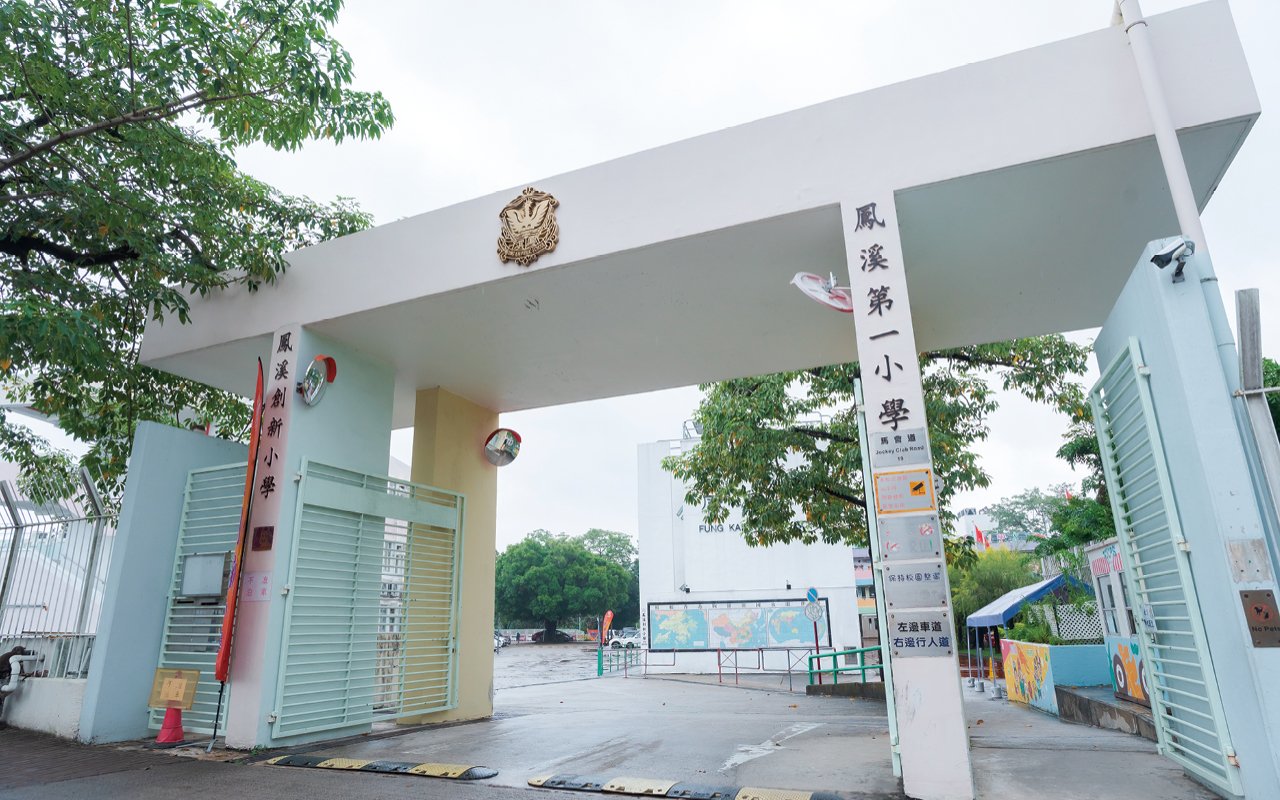
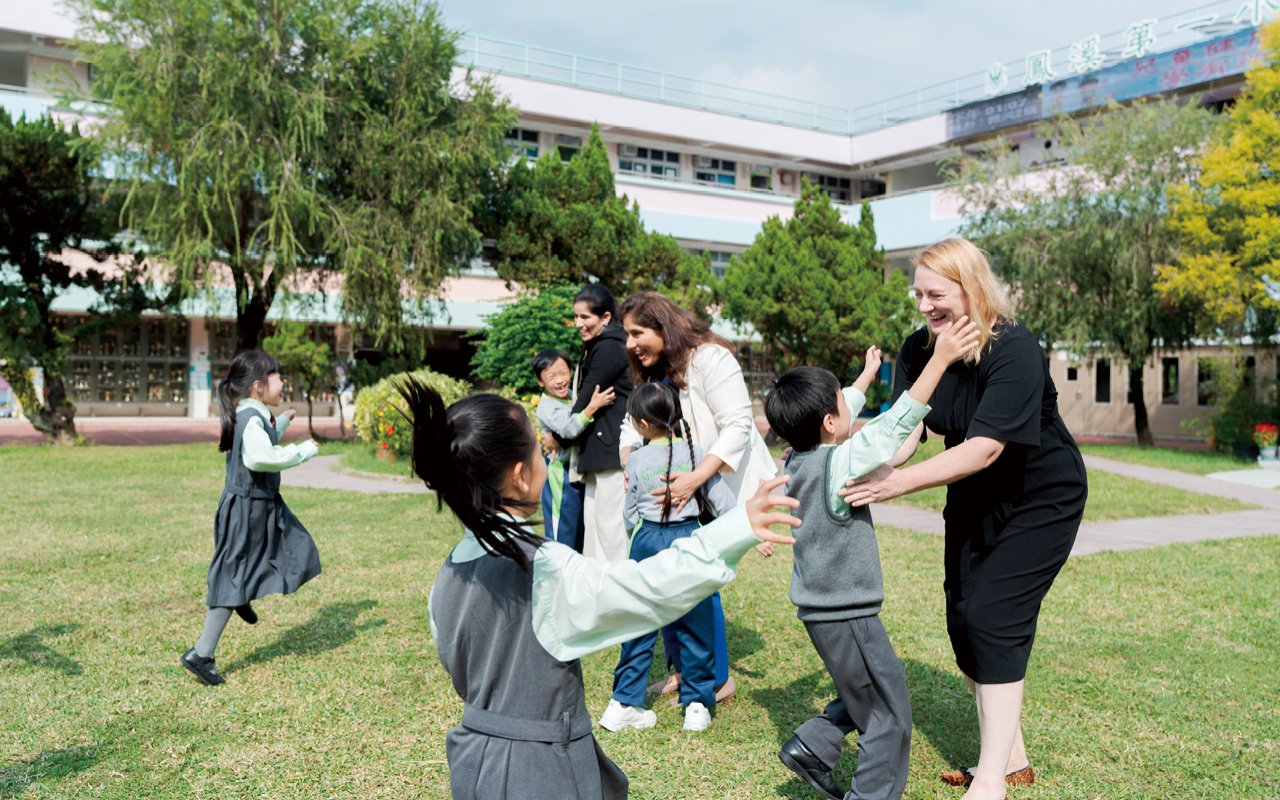
School building appearance



This English version is translated by AI. If there are inaccuracies or omissions, please refer to the original Chinese text.