
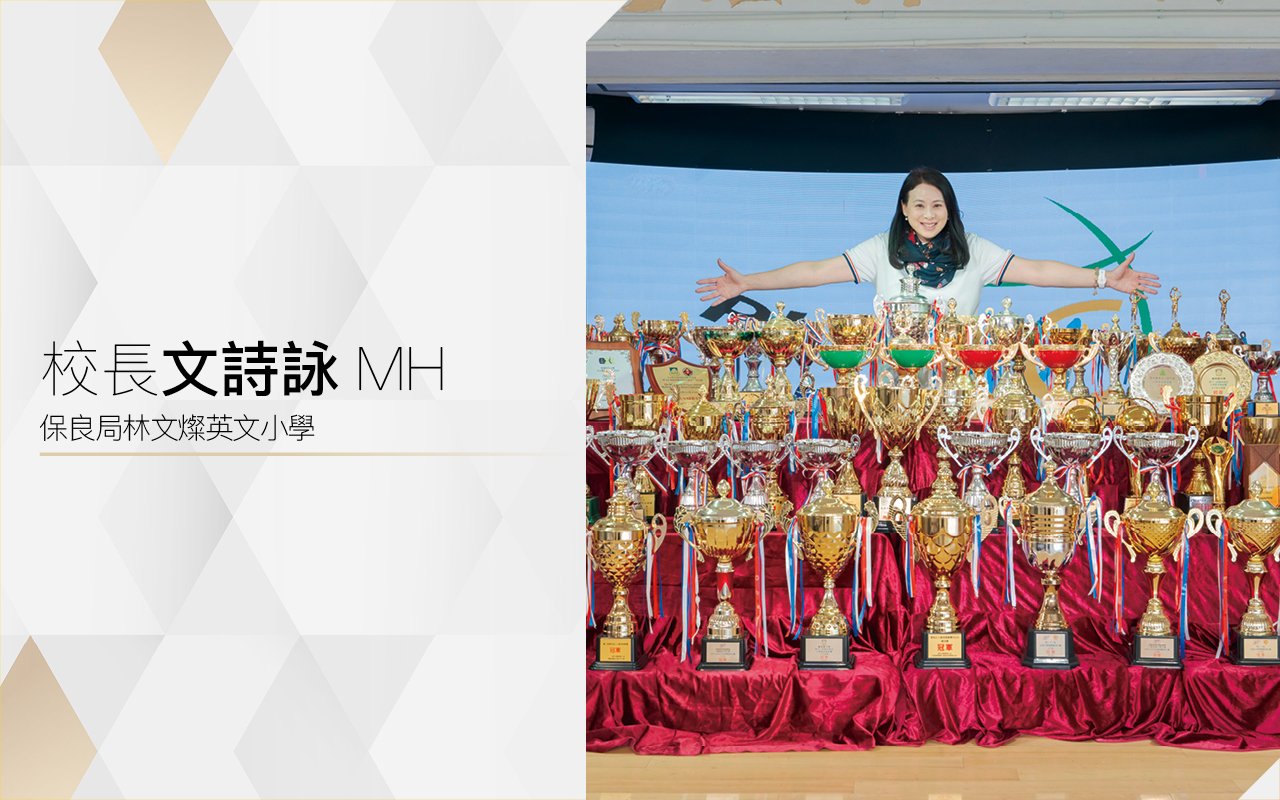
Po Leung Kuk Lam Man Chan English Primary SchoolWe attach great importance to students’ transitional learning stage from kindergarten to primary school, and create a learning environment full of security so that students can be interested in understanding and learning new knowledge. To this end, the school uses a theme-based teaching model in the Primary One curriculum to focus on the knowledge of the same subject and improve the efficiency of learning and teaching. Principal Wen Shiyong, MH, hopes to use unique teaching models and activities so that students can receive adequate care throughout the entire primary school period, regardless of their learning motivation and language foundation.
International population atmosphere creates unique English strength
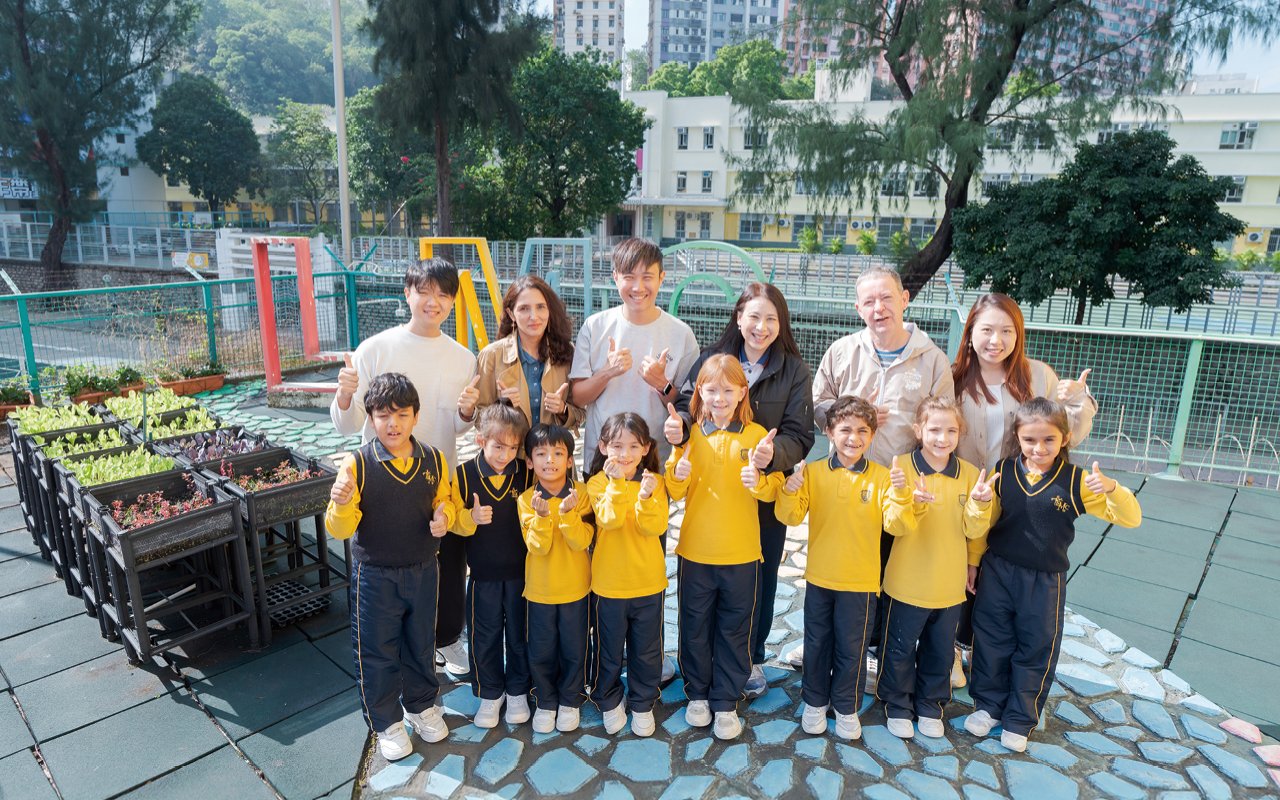
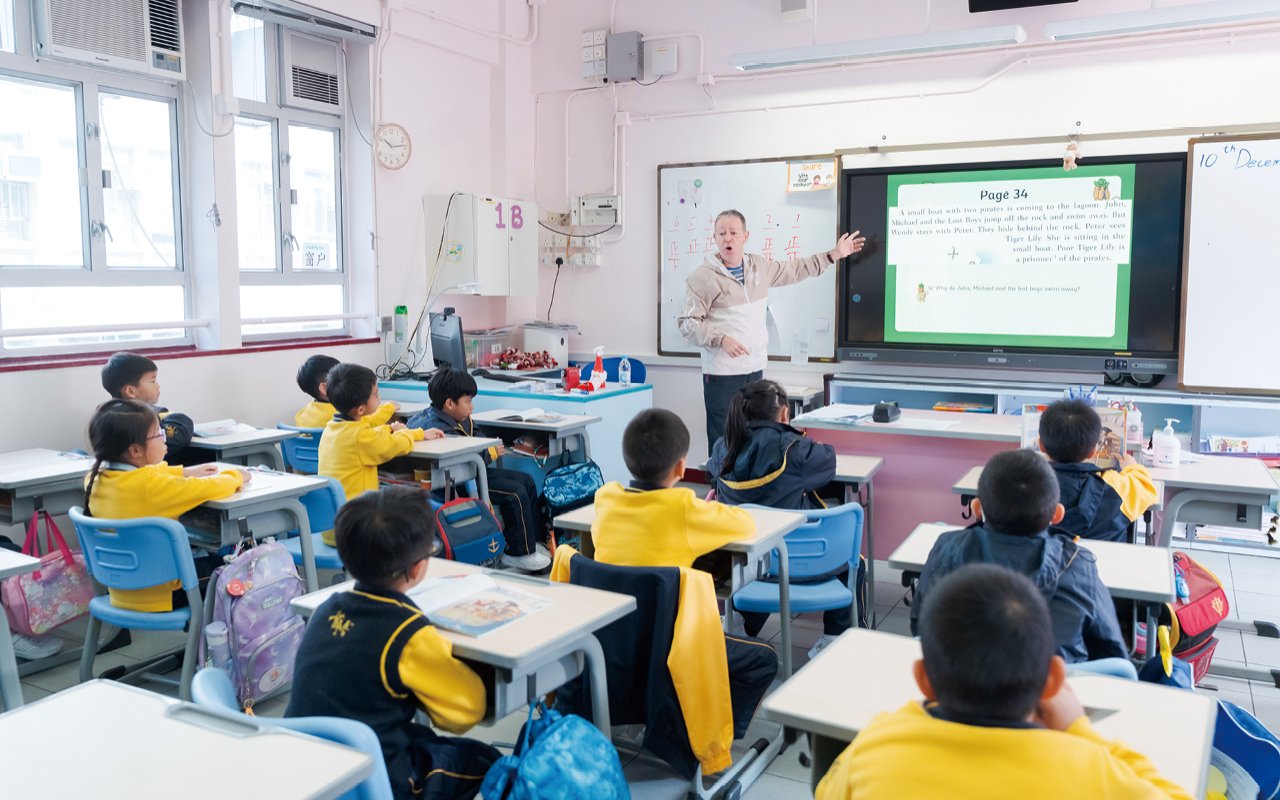
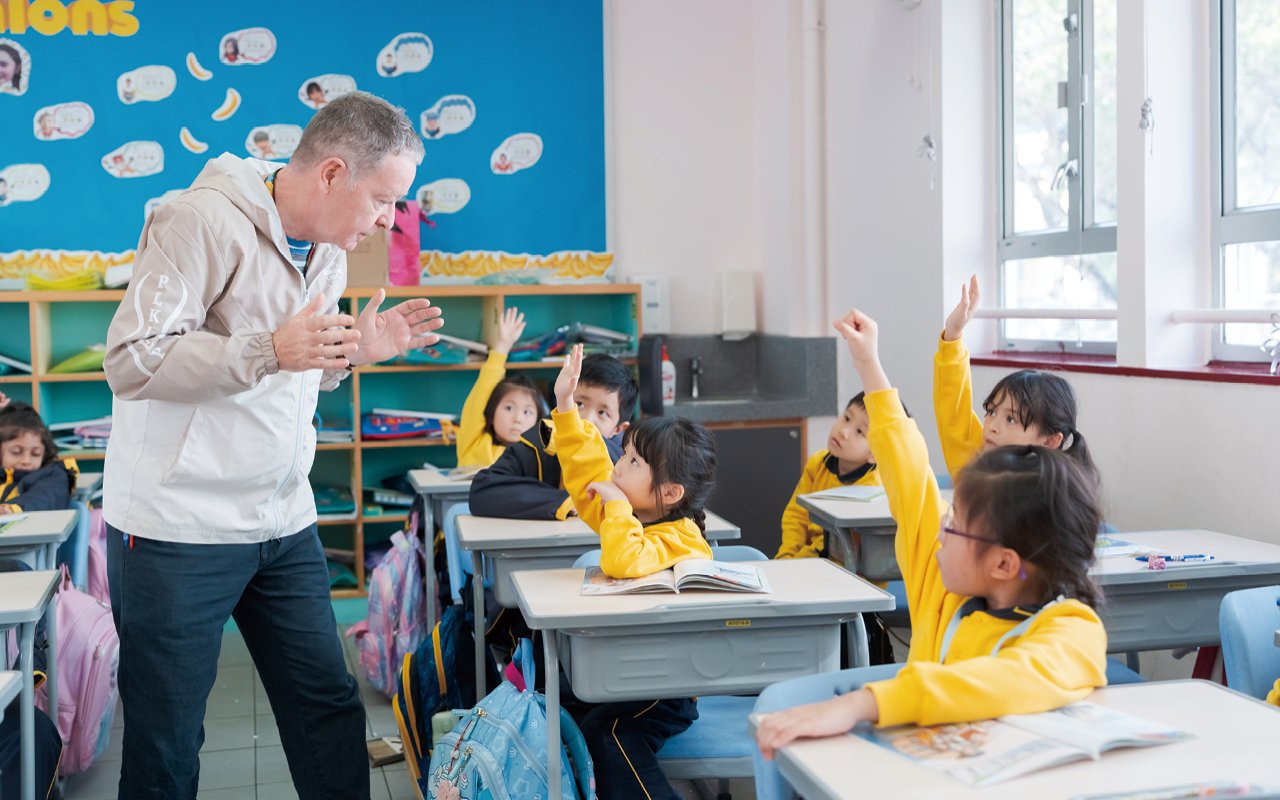
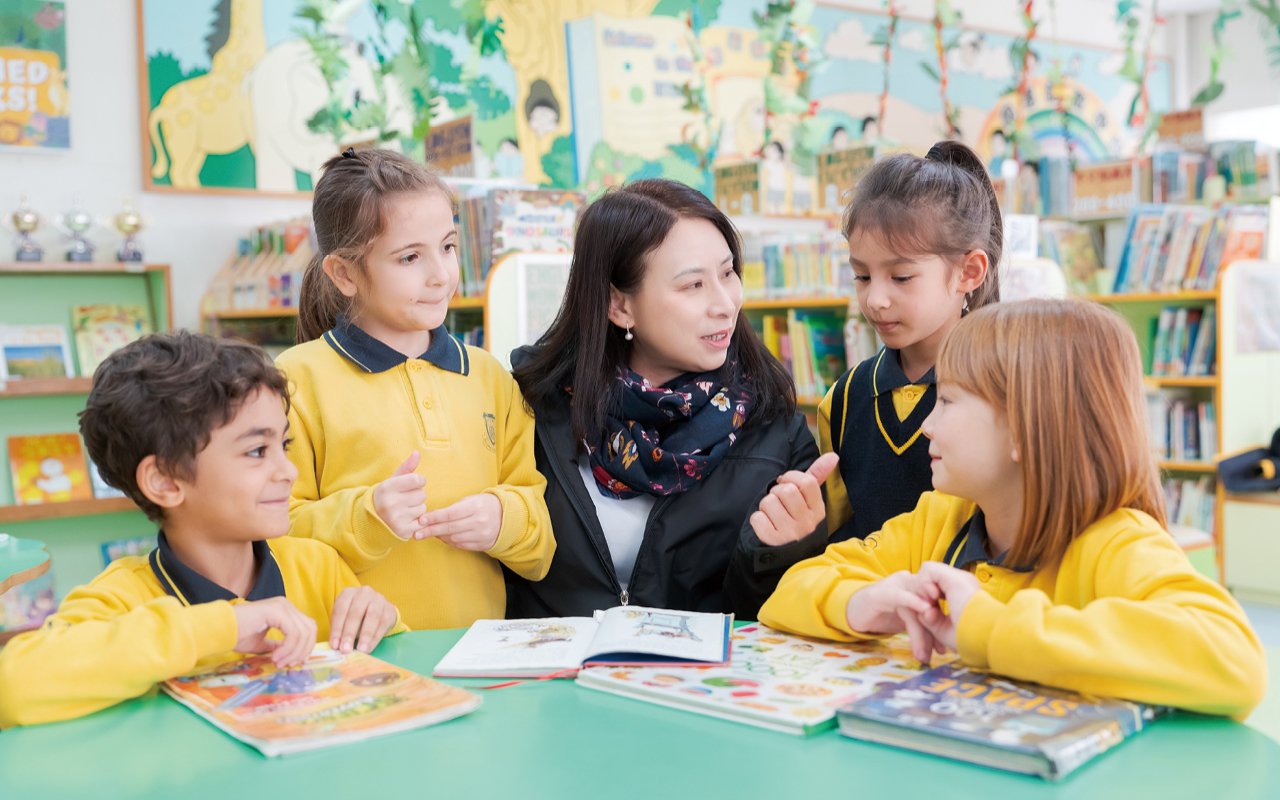
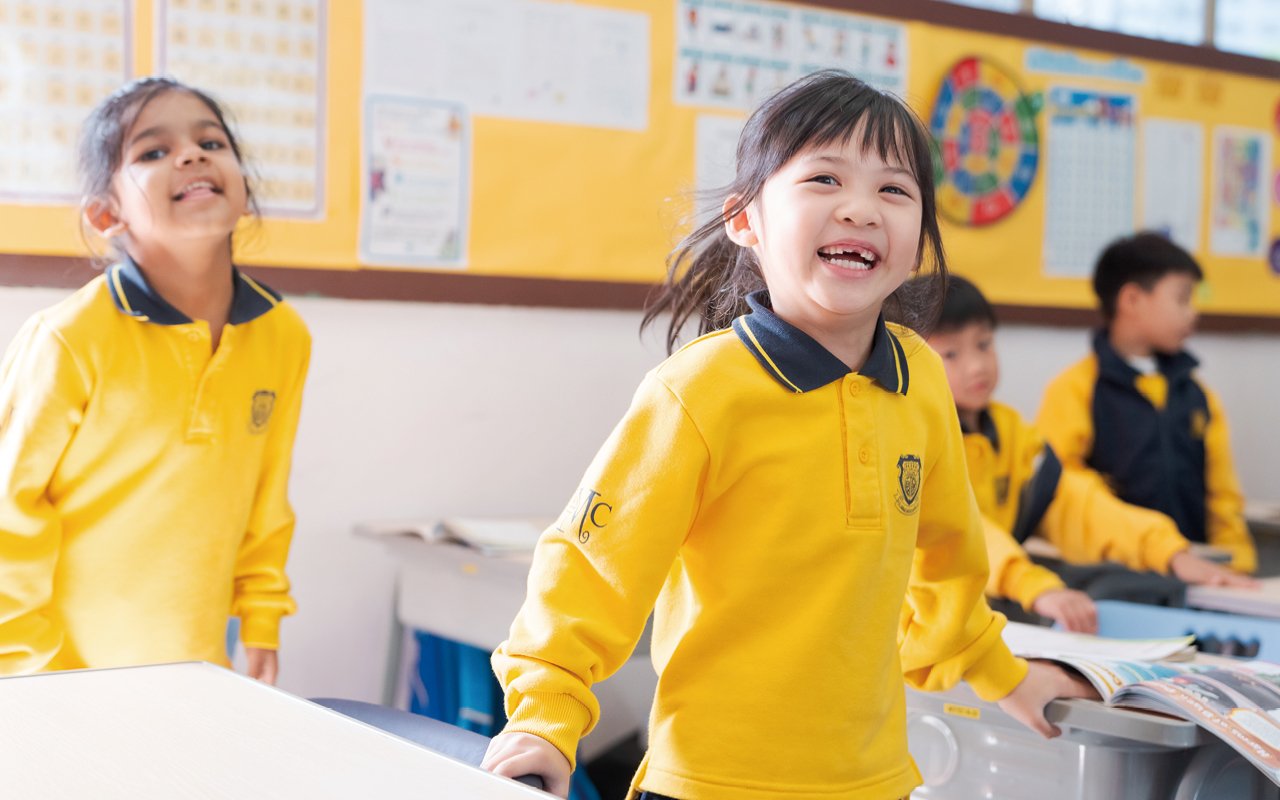
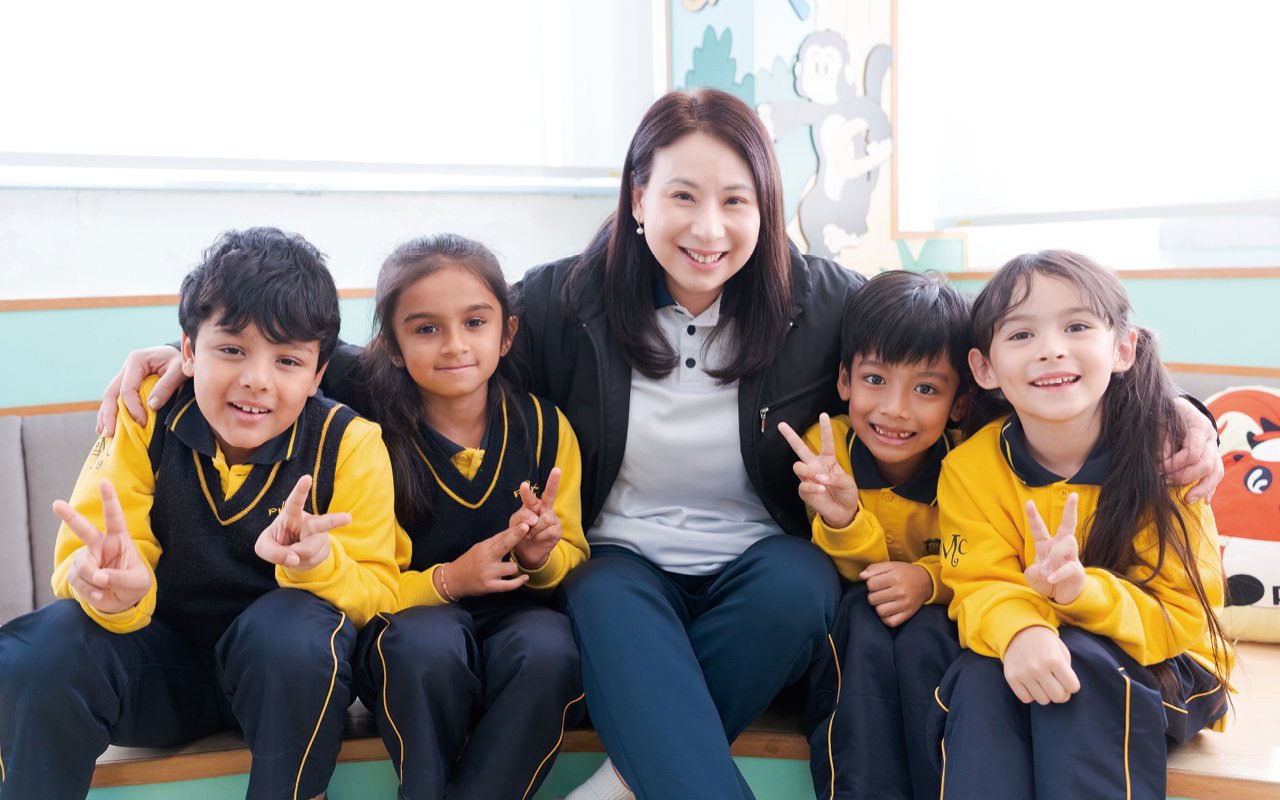
As a direct subsidy school, the school has flexibility in admissions and teaching. The English learning environment attracts not only local students, but also non-Chinese students of different nationalities, including the United Kingdom, the United States, Canada, South Korea, Brazil, Japan, Egypt, etc., thus creating an international campus environment. Principal Wen said: "The school's teachers and students come from all over the world, and English has naturally become one of the primary languages for our daily communication. This has virtually strengthened the students' communication skills in English."
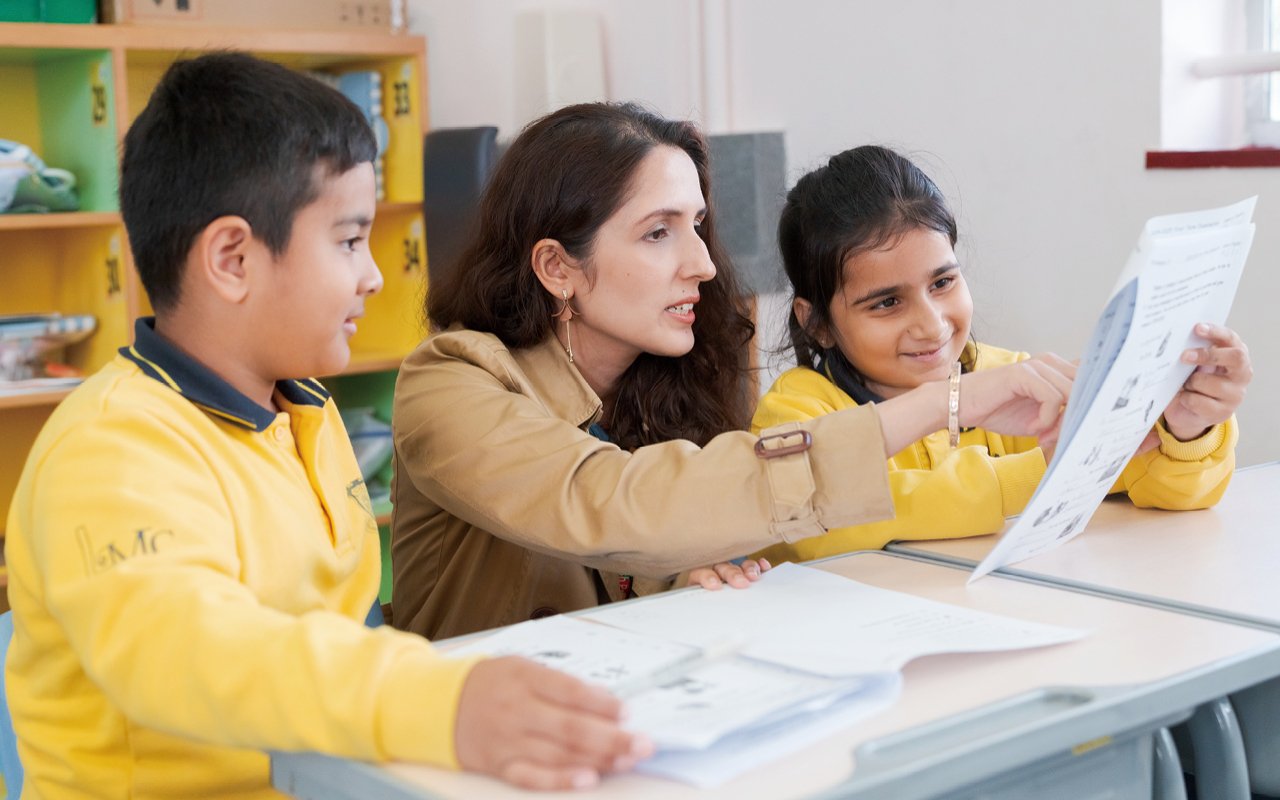
In addition to the international background of the students, the school’s foreign English teachers also come from different countries to build a comprehensive English environment for students in the school. In fact, at @TERM0@@ even foreign English teachers have to work as general class teachers and maintain close contact with students and parents.
The principal personally serves as an English course consultant and adopts unit-based learning to help integrate knowledge.
As English is the main teaching language, the school naturally has unique arrangements for English courses. Principal Wen even personally serves as an English course consultant to provide students with the most appropriate English learning courses. "After all, primary school students come from different kindergartens, so their English proficiency must be different. Therefore, in addition to improving their English proficiency, the first-grade curriculum also hopes to help students adapt to an English-based learning environment as soon as possible." Principal Wen pointed out that the transition period from kindergarten to primary school is very important for students It has a decisive impact on future learning. Therefore, since 2008, the school has designed school-based courses and used thematic teaching mode to combine the teaching content of Chinese and English mathematics and humanities (5 subjects) with the same theme to carry out teaching units to help students construct more three-dimensional and comprehensive knowledge. Thematic teaching is divided into ten units throughout the year, with "school" as the first unit, and then gradually expanded to "body", "family", "interests", "festivals", "food", "animals", "fairy tales", "weather" and "country and culture".
In terms of teaching mode, teachers also use diverse and interesting teaching activities to attract students. For example, when teaching the "Animals" unit, the school organized and led students to visit the Hong Kong Zoological and Botanical Gardens and conduct related exercises at the same time. Principal Wen explained that combining a learning model close to that of kindergarten with the subject content of primary school will help new students gradually integrate into the learning model of primary school, and the daily life themes will help enhance students' interest in learning and truly integrate knowledge.
School-based English teaching materials are timely adjusted to meet learning needs
In the English subject group, 6 are foreign teachers, enriching their different experiences in education. The school-based teaching materials are personally written by a team of teachers, which not only allows students to learn in a fun way, but also conforms to the school's English curriculum design, covering the progress of first and second grade. However, the professional teaching team will fine-tune the teaching materials every year based on feedback from actual teaching; they will also make extensive revisions regularly to ensure that they can keep up with the society's needs for students to master knowledge so that students can receive the most appropriate teaching. In order to take care of the psychological needs of young children, the school will provide orientation activities for new students, the main content of which is the adaptation between kindergarten and primary school life. All subjects are taught in a first-grade adaptive mode, laying a solid foundation for new students so that they can quickly integrate into the all-English learning environment after the start of school.
In addition, starting from the second grade, the school will use the textbooks of the third grade, and so on, in the second semester of the sixth grade, the textbooks of the first grade will be used to help students adapt to the English courses of the middle school early. In terms of curriculum development for music, physical education, computer, visual arts and STEAM, the school has designed a series of "thematic learning" courses for students. "Thematic learning" courses span different learning areas and highlight the knowledge relationship between interdisciplinary and daily life. Students can learn to observe details and problems in the form of hands-on practice to respond to the ever-changing new era.
Strengthen the four major areas of English and improve classroom planning
In order to allow students to master English skills in different areas more effectively, the school has divided the English classes into 5 classes five days a week, with 3 classes teaching Grammar and Writing; 1 class is for Reading; and 1 class is for Phonics or Speaking training depending on the grade. The school will also arrange two or three English teachers to teach pinyin, grammar and reading in the same class respectively, effectively utilizing the teachers' expertise to provide targeted support to students.
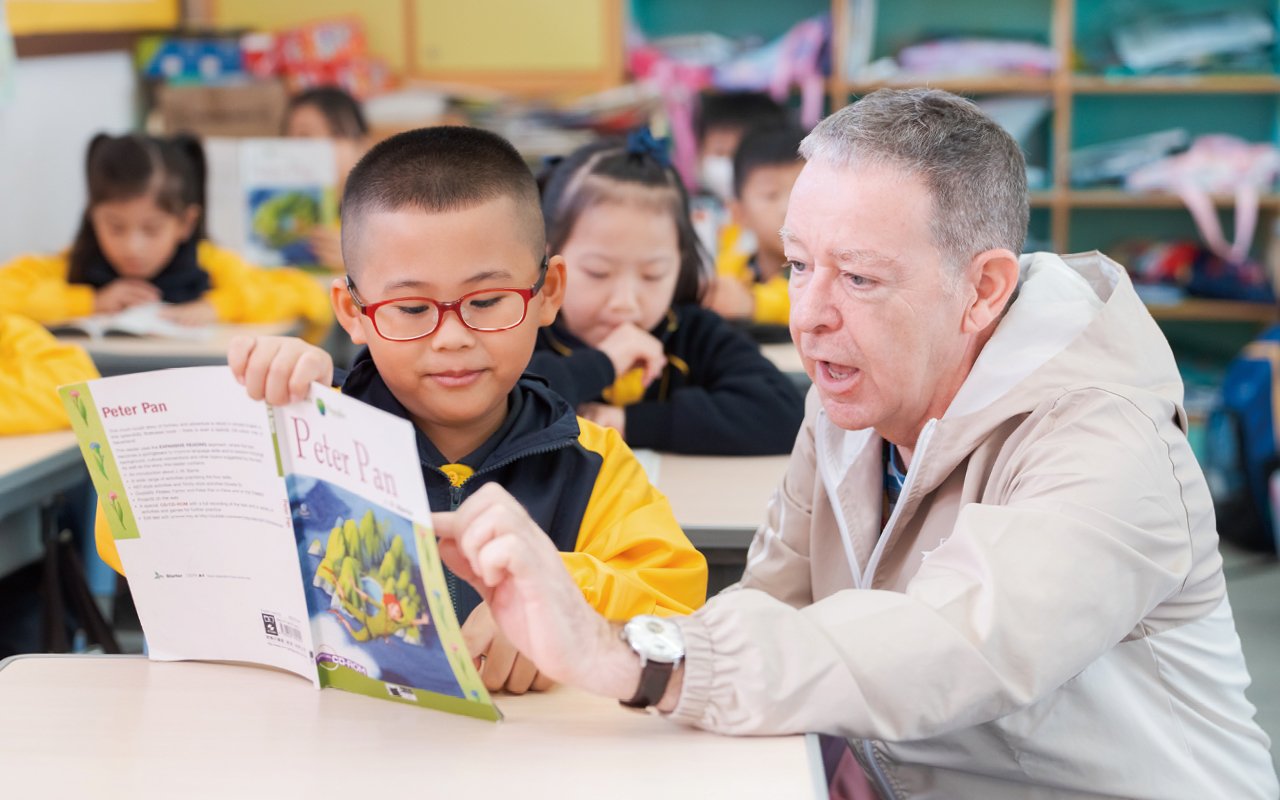
The reading materials for the reading class are all carefully selected by the teachers, starting from the shallower to the deeper. Each year, two world-famous works are used as reading materials to broaden students' understanding of different literary genres. For example, first-grade students will read "Peter Pen" and "The Enormous Crocodile"; by the time they reach senior grades, students will begin to dabble in classic literary works, including Shakespeare's works, the "Sherlock Holmes" series of novels and other classic literary works. The subject director said: "Teachers will teach different reading skills, the author's writing techniques, etc. in class, so that students can deeply understand the meaning behind the text." Starting from reading, students can break the limitations of time and space, understand cultures in different eras, and cultivate a more comprehensive international perspective.
The school promotes Phonics courses at the junior primary level, but the course progress will be faster than that of ordinary primary schools. As an English primary school, the students' English proficiency is relatively high, so the school condenses the (Phonics) curriculum to the junior primary stage. As for upper primary schools, Pinyin classes will be replaced by conversation, which not only strengthens the training of communication skills, but also provides the best preparation for taking exams in middle schools. The subject director said: "In the upper primary school curriculum, we will use different current affairs as themes, so that students can learn to express themselves effectively and confidently in different forms, including sharing, debate, drama, etc." At the same time, teachers will also provide plenty of opportunities for students to give personal short speeches and accumulate experience in public speaking. The school will also arrange for some sixth grade students to go to other primary schools to serve as tutors for the school's third grade students in the territory-wide systematic assessment of English conversation. "Our students will act as interviewers and give advice on the performance of other students. In the process, students can understand the scoring criteria of English conversation from a new perspective, prepare for the interview for high school, and learn from each other through practical teaching."
Encourage students to read independently and broaden their horizons
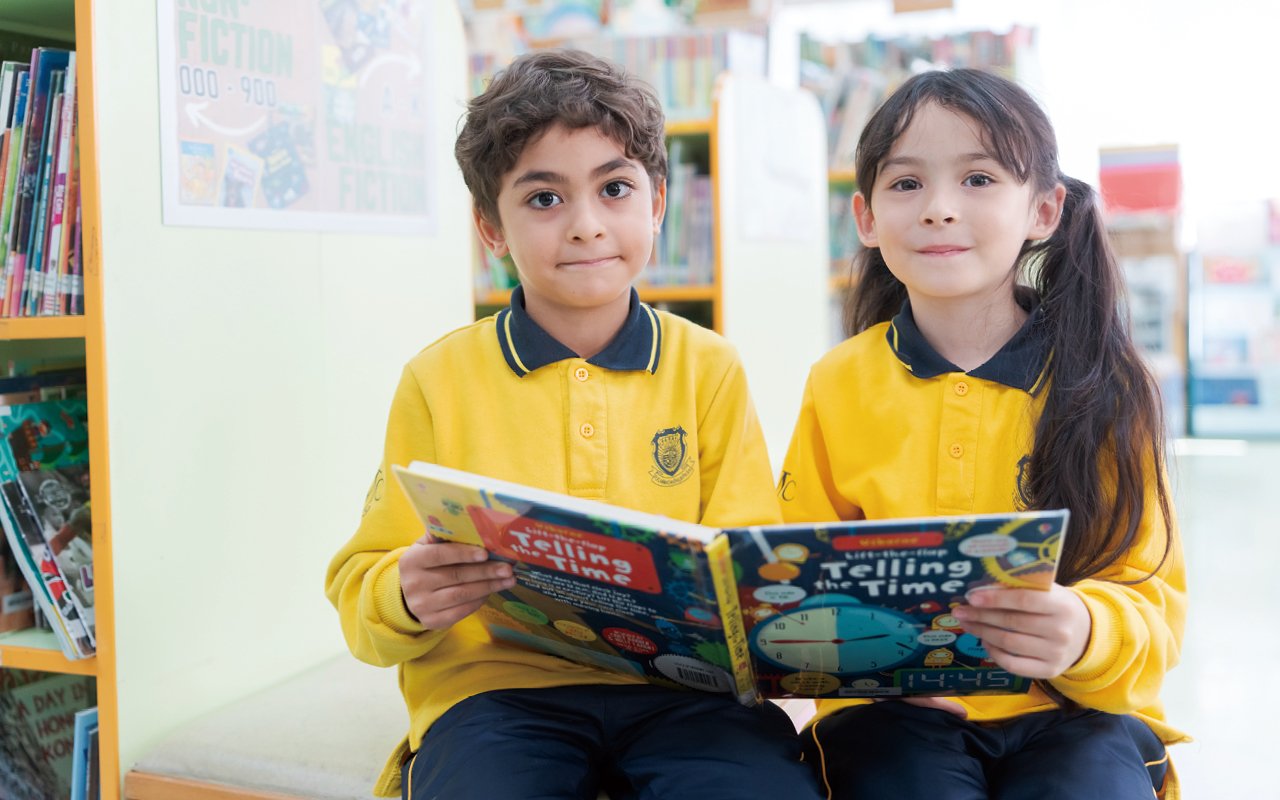
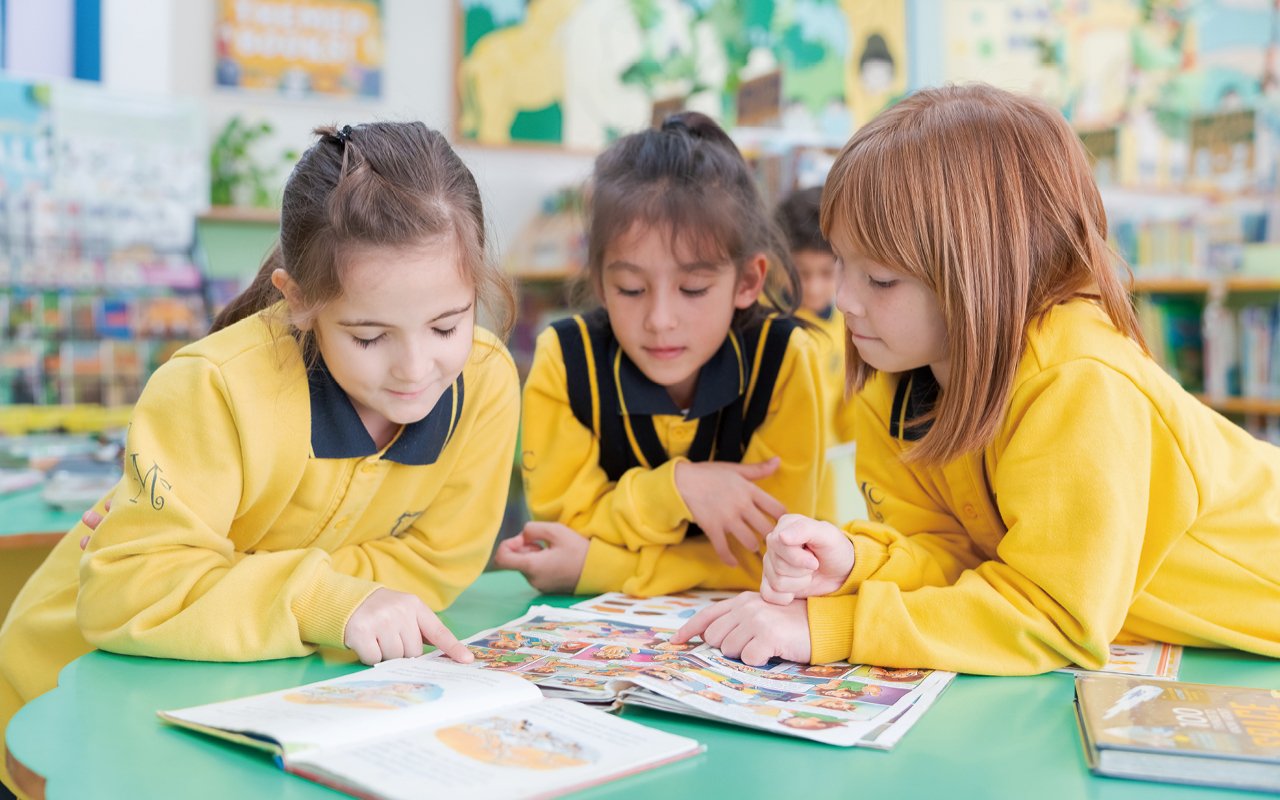
Reading is the best way to directly acquire knowledge. Just one English reading class per week is not enough to help students develop a reading habit. To expand students’ understanding of the world, the school will also maintain close cooperation with the library department in addition to the curriculum. English teachers will share different readers with students or conduct reading promotion activities at morning meetings every week. Books on related themes will also be displayed in the library, and regular reading award programs will be organized to cultivate students' independent reading habits. In addition, the school will also set up library areas in different corners. In addition to classrooms, there are also library areas in the auditorium, making the school's reading atmosphere very strong.
"We will also invite parent volunteers to come to school during lunch time to tell stories to students in grades one to three, hoping to connect with families and jointly inspire students' interest in reading." Principal Wen said bluntly that because the school adopts all-English teaching, except for the Chinese subject, which is taught in Mandarin, all subjects are taught in English. Therefore, the school does not need to deliberately conduct interdisciplinary reading, and students can already be exposed to English materials in different fields in the classroom.
Introducing progressive assessment to adjust learning pressure
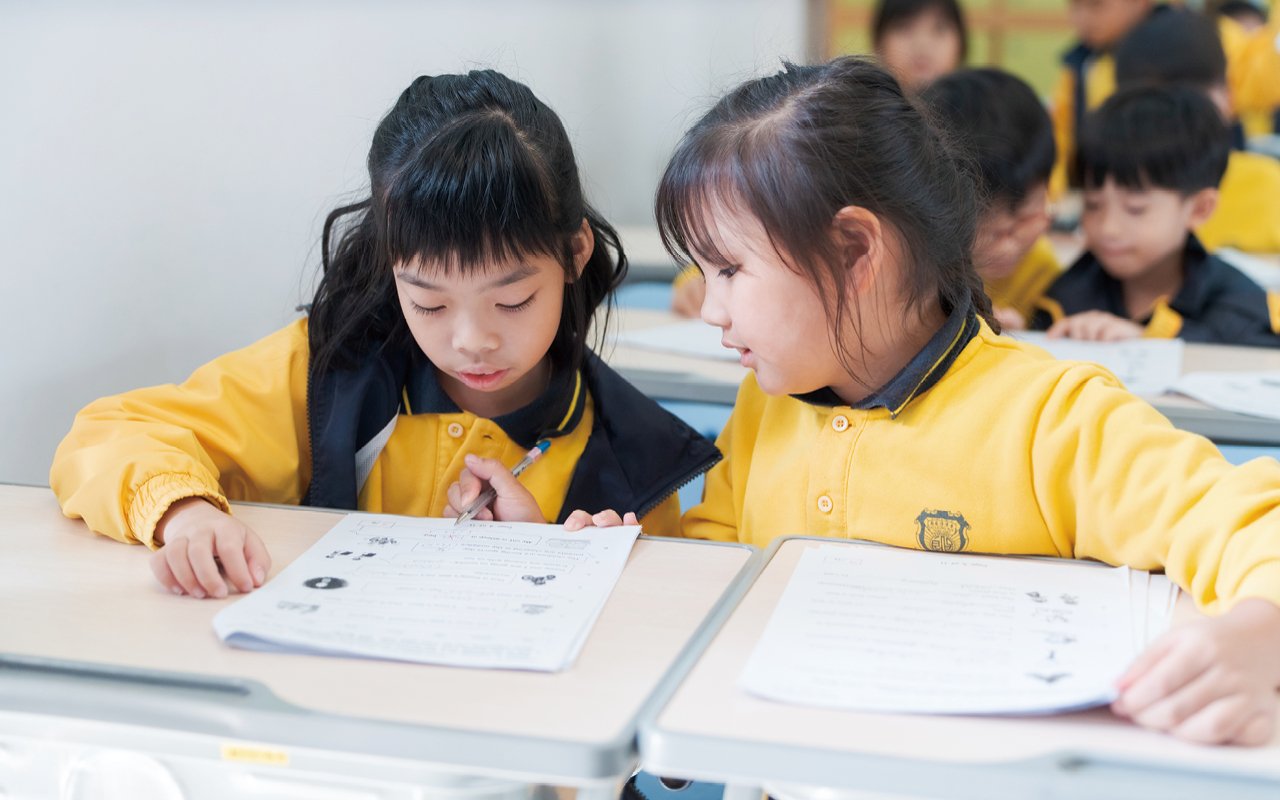
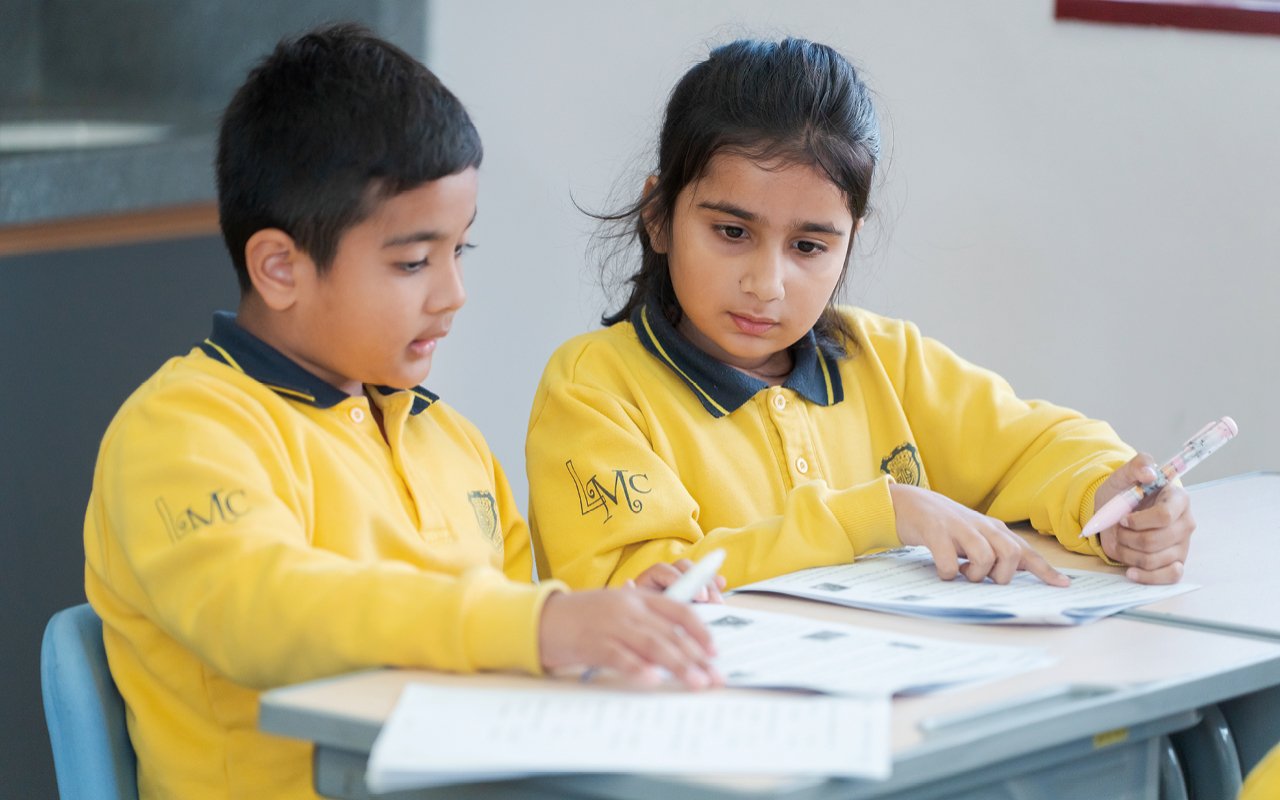
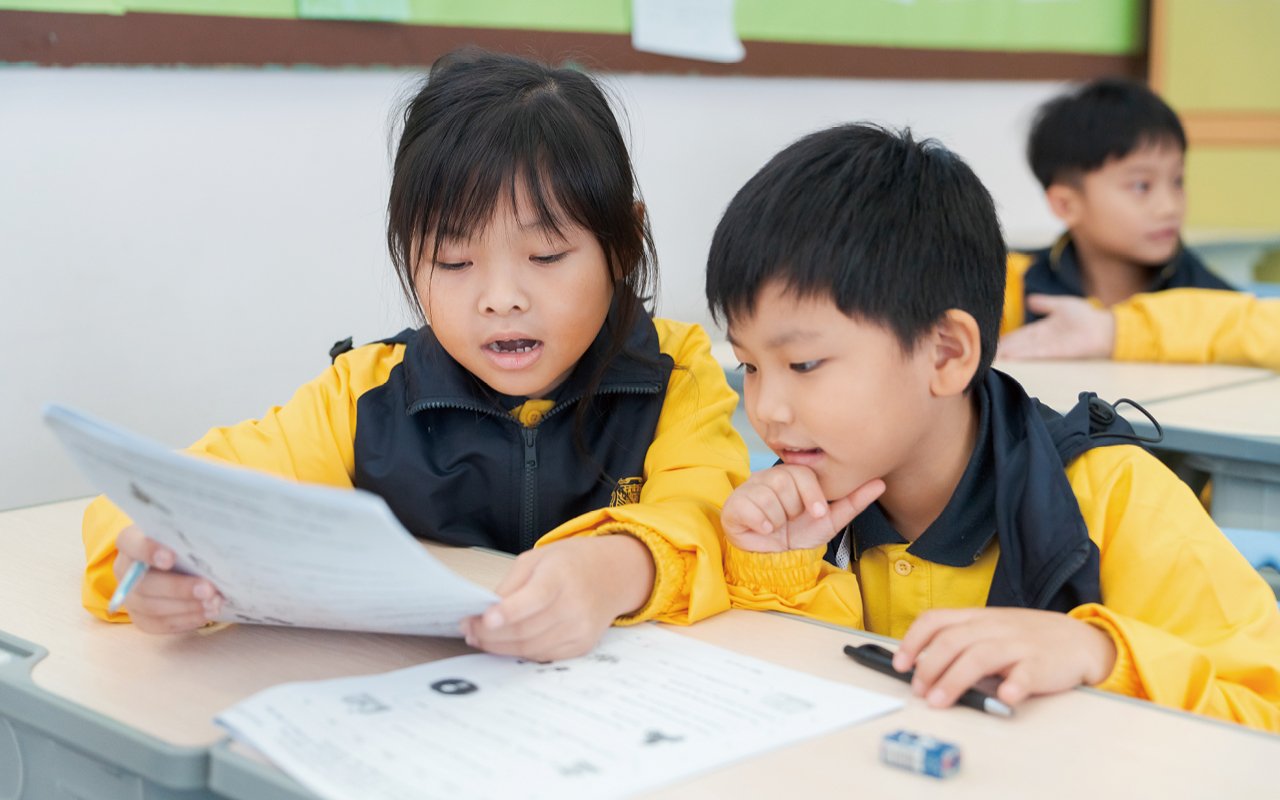
The school strongly believes that studying is not just about scores, so it has also reformed the first-grade examination system in recent years, switching to a progressive assessment method that does not display scores, which helps to understand students' learning progress, allows students to gradually adapt to the primary school learning model, and avoids losing interest in learning due to pressure. The assessment is equipped with a radar analysis chart, and teachers will also give individual comments on students' performance. Parents can clearly understand their children's learning tendencies and learning status, laying the best foundation for primary 2 to primary 6 learning.
"We have two progressive assessments in the first semester and the third semester each, and in the second semester we will conduct progressive assessments in the form of field trips." Principal Wen said frankly that the previous paper-and-pencil test format ignored other learning experiences that students may gain during the learning process, so diversified assessments were introduced. Students can submit assessments through recordings, reports, etc., so that they can learn and apply knowledge and skills. While learning happily, they can also take into account learning effectiveness.
Diverse activities meet diversity. Overseas exchanges allow you to understand English through culture.
Driven by a variety of efficient and comprehensive English school policies, students' English proficiency is naturally very high. However, Principal Wen believes that cultivating students' interest in English is more important, so the school also attaches great importance to providing different and diverse extracurricular activities to meet the diversity of students' learning. "The school's English drama troupe is one of the large-scale school teams. It participates in the Hong Kong Schools Drama Festival every year, allowing students to shine on the public stage. It has won the Outstanding Ensemble Performance Award and the Judges' Recommended Performance Award for seven consecutive years." In addition, the school also organizes a collective recital team, with more than 200 students participating in English solo recitals in the inter-school recital festival. About 97% of the students won the Merit Award, which shows that the school has successfully cultivated students' interest in English learning. The school also encourages students to participate in different off-campus activities and English proficiency tests, such as RTHK's Sunday Smile, Cambridge English Fundamentals Test, Pearson Test of English, etc., so that students can fully demonstrate their talents.
The school organizes overseas exchange groups to Australia, allowing students to immerse themselves in an all-English humanistic environment, strengthen their English communication skills, and expand their horizons. "In order to allow students to experience the customs and customs of different countries, we will arrange for them to stay in homestays, go to local schools, etc. to have a deep understanding of the local culture and life." Principal Wen believes that language is a part of culture, and culture will affect the structure of language, such as some slang and vocabulary. Only when students understand the culture behind the language can they understand the true meaning of the words. The more they learn, the more interested they will be, and they can integrate what they learn into their daily lives!
All-English teaching environment focuses on cultivating students’ interest in learning
Po Leung Kuk Lam Man Chan English Primary School · 2025年1月
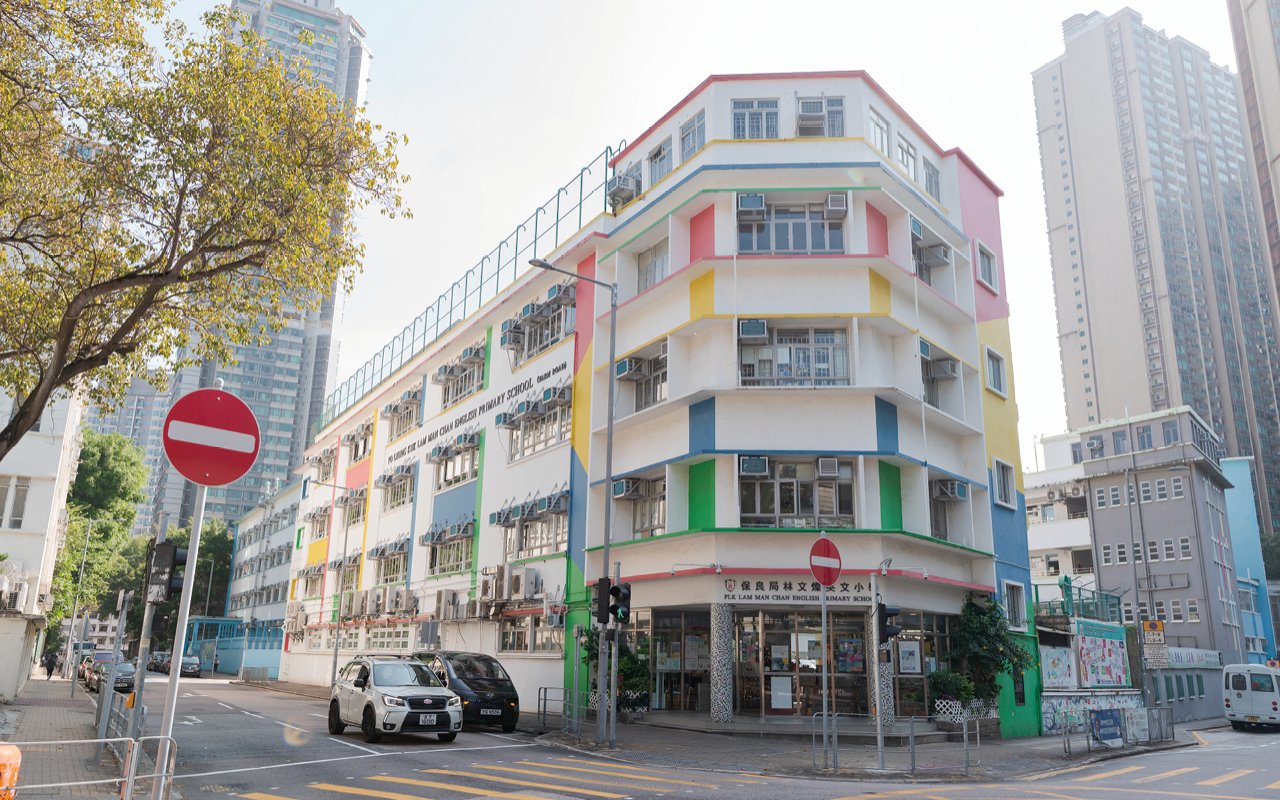
School building appearance



This English version is translated by AI. If there are inaccuracies or omissions, please refer to the original Chinese text.